
TL;DR: Budget roughly ₱4,500–8,000 a month for utilities in a typical Cebu rental — electricity (VECO in most of Metro Cebu, MECO on Mactan) runs ₱2,500–6,000+ depending on aircon use, water (MCWD) is usually ₱300–700, and fiber internet (Converge, PLDT, or Globe) is ₱1,300–2,500. Pay VECO and MCWD bills through GCash, Bayad Center, or SM Bills Payment. Occasional rotational brownouts happen during dry-season grid alerts, so a power bank and a backup mobile data SIM are worth having. Verified July 2026.
If you’re settling into Cebu for more than a couple of weeks — whether you’ve found a place through our guide on how to find an apartment in Cebu or picked one of the best condos for long-term rent — utilities are the recurring cost that catches most newcomers off guard. Electricity here isn’t cheap by Southeast Asian standards, water pressure can be patchy in hillside neighborhoods, and not every fiber provider reaches every street. This guide breaks down what electricity, water, and internet actually cost, who provides them, how to pay, and what to do when the power goes out. It’s written for long-stayers — digital nomads, retirees, OFWs coming home, and anyone renting rather than staying in a hotel — not day-trippers.
What Do Utilities Cost in Cebu? (At a Glance)
| Utility | Typical Provider | Approx. Monthly Cost |
|---|---|---|
| Electricity | VECO (Cebu City, Mandaue, Talisay) or MECO (Lapu-Lapu/Mactan) | ₱2,500–6,000+ (aircon-dependent) |
| Water | MCWD | ₱300–700 |
| Internet (fiber) | Converge, PLDT Home, or Globe At Home | ₱1,300–2,500 |
| Backup mobile data | Smart, Globe, or DITO prepaid | ₱500–1,500 |
Costs assume a studio-to-two-bedroom unit for 1–2 people. A full house with multiple aircon units and a larger household will run higher on electricity and water. Verified July 2026.
How Much Does Electricity Cost in Cebu?
Electricity is the single biggest utility bill for most renters, and it’s driven almost entirely by air conditioning. Visayan Electric (VECO), which covers Cebu City, Mandaue, Talisay, and most of the metro area, publishes a residential rate that moves monthly with fuel and generation costs — it was about ₱12.36/kWh in March 2026, rising to ₱12.57/kWh in April and ₱12.88/kWh in May 2026. Expect the rate to keep drifting in that ₱12–13/kWh band rather than staying fixed.
Run one aircon unit for 8 hours a night in a studio and you’re looking at roughly ₱2,500–4,000 a month once you add lighting, a fridge, and a water heater. A house running two or three units through the day, especially during the hot March–May stretch, can climb past ₱8,000–10,000. Fans instead of aircon, and using aircon only overnight, is the single biggest lever for keeping the bill down.
If you’re on Mactan Island (Lapu-Lapu City), your provider is a different company: Mactan Electric Company (MECO), not VECO. MECO publishes its own monthly rate breakdown on mecomactan.com — check which utility is billing you before you assume VECO’s rate applies, since the two aren’t identical.
Is Water Reliable in Cebu?
Yes for most of Metro Cebu, but pressure drops noticeably at elevation. The Metropolitan Cebu Water District (MCWD) supplies the city, Mandaue, Lapu-Lapu, Talisay, and surrounding towns. For a standard ½-inch residential meter, the minimum monthly charge for the first 10 cubic meters is ₱259.16 as of the April 2026 rate adjustment (the final tranche of a multi-year approved increase). Beyond that: about ₱28.64/cu.m for 11–20 cu.m, ₱33.71/cu.m for 21–30 cu.m, and a steep ₱82.52/cu.m once you cross 31 cu.m — so a household that runs a washing machine daily and waters a garden can see its bill jump fast in the top bracket. Most single renters or couples land around ₱300–600 a month.
One thing worth asking your landlord about before you sign: water pressure in hillside barangays. Areas up in Busay, near Temple of Leah and Tops Lookout, sit at higher elevation than the city core, and MCWD pressure there is noticeably weaker, especially in the evening when demand peaks. Many houses and buildings up there run their own booster pump and an overhead tank as backup — ask if the unit already has one before you move in.
Tap water in Cebu is treated and generally safe by local standards, but most residents and expats still drink filtered or bottled water rather than straight from the tap — refillable water station jugs (around ₱25–35 for 5 gallons) are the common local solution.
Which Internet Provider Should You Choose?
Converge, PLDT Home, and Globe At Home all offer fiber across most of Metro Cebu, and pricing is close enough that availability at your specific address usually decides it. As of 2026, entry-level fiber plans start around ₱999–1,300 for 50–100 Mbps, with the more useful mid-tier plans — enough for video calls and streaming without hiccups — running ₱1,300–2,000 for 200–500 Mbps. Push to a 1 Gbps plan and you’re paying ₱2,000–2,600.
- Converge tends to offer more Mbps per peso at its entry tier and is widely available in newer subdivisions.
- PLDT Home has one of the cheapest unlimited entry plans and long-standing infrastructure in older neighborhoods.
- Globe At Home scales cleanly up to gigabit speeds if you need serious bandwidth.
None of these matter if the provider’s line doesn’t physically reach your unit. Before signing a lease, ask your landlord or the neighbors which provider they actually use — coverage is patchy street to street, especially outside the Cebu City–Mandaue–Lapu-Lapu core, and sales reps will often say “yes we cover that area” before a technician confirms otherwise. See our dedicated guide on internet speed and reliability for remote work if you’re planning to work from home full-time.
How Do You Pay VECO, MECO, and MCWD Bills?
GCash is the easiest option for most people. Open the app, tap Bills, search for the biller (VECO, MECO, or MCWD all appear), enter your account number, and pay — no queue, no cash needed. If you’d rather pay in person, Bayad Center branches (there are dozens across Metro Cebu), SM Bills Payment counters inside SM malls, Cebuana Lhuillier, and a number of partner banks all accept payments for these utilities; bring your latest bill or account number so the teller can look you up. If you don’t yet have a GCash or Maya account, our guide on getting a local bank account and GCash as a foreigner walks through setup.
Fiber providers (Converge, PLDT, Globe) bill monthly and accept GCash, credit card auto-debit, or over-the-counter payment through their own apps — set up auto-debit early since missed payments can mean a reconnection fee and a few days offline.
Are There Brownouts in Cebu?
Occasionally, and they’re usually tied to Visayas-wide grid stress rather than random local faults. When the National Grid Corporation (NGCP) issues a “red alert” for the Visayas grid — typically during the hot, dry March–May stretch when demand spikes — VECO and MECO implement rotational brownouts, usually 60–90 minutes per affected feeder, rotating through different barangays in Cebu City, Mandaue, Lapu-Lapu, and Talisay. This has recurred multiple times in recent years, including scheduled interruptions through 2026.
Outside of alert periods, outages are occasional — a downed line after a storm, scheduled maintenance, or a construction crew hitting a cable — rather than a daily occurrence. If you’re working remotely or running anything time-sensitive, keep a power bank charged, know your building’s backup generator situation (most condos and many houses in flood- or brownout-prone areas have one), and follow VECO’s or MECO’s official social pages for advisories rather than relying on rumor.
Can You Get Prepaid Utilities?
Not really for electricity in most Cebu rentals — assume postpaid. Prepaid electric metering exists in some newer developments and a few provinces elsewhere in the Philippines, but VECO and MECO residential service is overwhelmingly postpaid: you get billed monthly based on the meter reading. If a landlord tells you the unit has a prepaid meter (sometimes called a “load” meter, common in some subdivided apartments), just budget more carefully since a lapse means the power cuts immediately rather than accumulating as a bill.
Internet is more flexible. Prepaid pocket Wi-Fi and SIM-based data (Smart, Globe, DITO) are widely sold and useful as a backup connection or if you’re only in Cebu for a few weeks and don’t want to commit to a fiber contract with installation lag. It costs more per gigabyte than fixed fiber, but there’s no lock-in and no installation wait — see our Cebu SIM and eSIM internet guide for current data pack pricing.
How Do You Set Up Utilities in a New Place?
If you’re renting a standalone house or a non-serviced condo unit, getting utilities connected under your own name (or keeping the existing account and just informing the provider of the new occupant) usually means:
- Electricity (VECO/MECO): bring a copy of your lease, a valid ID, and pay a connection or deposit fee if the unit doesn’t already have an active meter. Existing-meter transfers are faster than a brand-new connection.
- Water (MCWD): similar process — lease copy, ID, and a connection fee for a new account.
- Internet: apply online or in a Converge/PLDT/Globe store with ID and proof of address; installation typically takes about a week, longer if a technician needs to run a new line to the building.
Most furnished condos and virtually all serviced apartments and hotels skip this entirely — electricity, water, and Wi-Fi are already bundled into the rate, which is exactly why serviced stays cost more per night but save you the setup hassle. If you’re still deciding between a bare rental and something turnkey, compare serviced condos and extended-stay options in Cebu City on Agoda before you commit to setting up your own accounts.
The Honest Take
Cebu’s utilities aren’t dirt cheap — VECO’s rate has been climbing steadily through 2026, and MCWD’s multi-year rate hikes only just finished their final tranche in April. If you’re comparing costs against Manila, electricity and water land in a similar range; Cebu doesn’t have a meaningful cost advantage there the way it can on rent or food. Where it does add friction is reliability: rotational brownouts during dry-season grid alerts are a real, recurring thing, not a scare story, and internet coverage is genuinely inconsistent block to block outside the main urban core. Don’t take a landlord’s word on internet availability — get the provider to confirm coverage at the exact address before you sign anything. And if you’re eyeing a place up in the hills for the view, budget for a water booster pump, because MCWD pressure at elevation is a known weak point, not an edge case.
Get Set Up and Move On
Once electricity, water, and internet are sorted, the rest of settling into Cebu is more straightforward. If you haven’t locked in a place yet, revisit how to find an apartment in Cebu or browse the best condos for long-term rent with utility coverage in mind, and if bundled convenience matters more than saving a few thousand pesos a month, check extended-stay rates on Agoda before you sign a year-long lease.
Sources
- Visayan Electric — Service Advisory & Payment Channels
- Visayan Electric — May 2026 rate announcement
- Mactan Electric Company (MECO) — Rates
- Metropolitan Cebu Water District (MCWD)
- MCWD final rate tranche, April 2026 — The Freeman
- GCash — How to pay bills
- Fiber plan pricing compiled from provider sites and 2026 broadband comparison coverage. Verified July 2026.
Book Tours & Hotels for This Trip
Find and book the best deals — prices and availability update in real time. Links open in a new tab.
Where to stay near Cebu City
Top-rated hotels for this trip — tap through to check live rates.
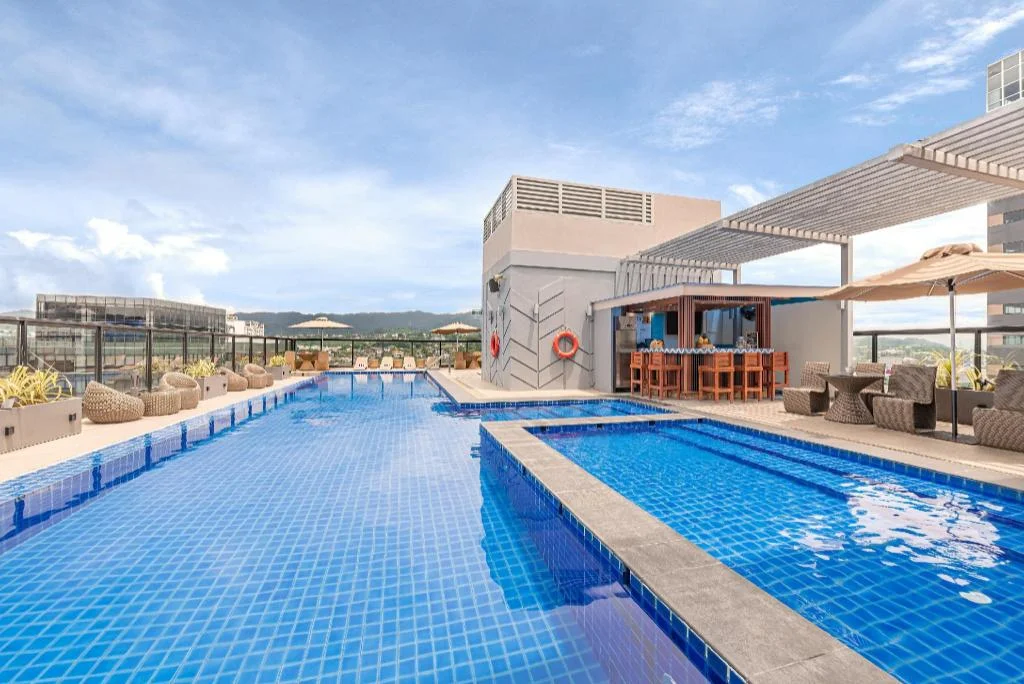
Seda Central Bloc Cebu City
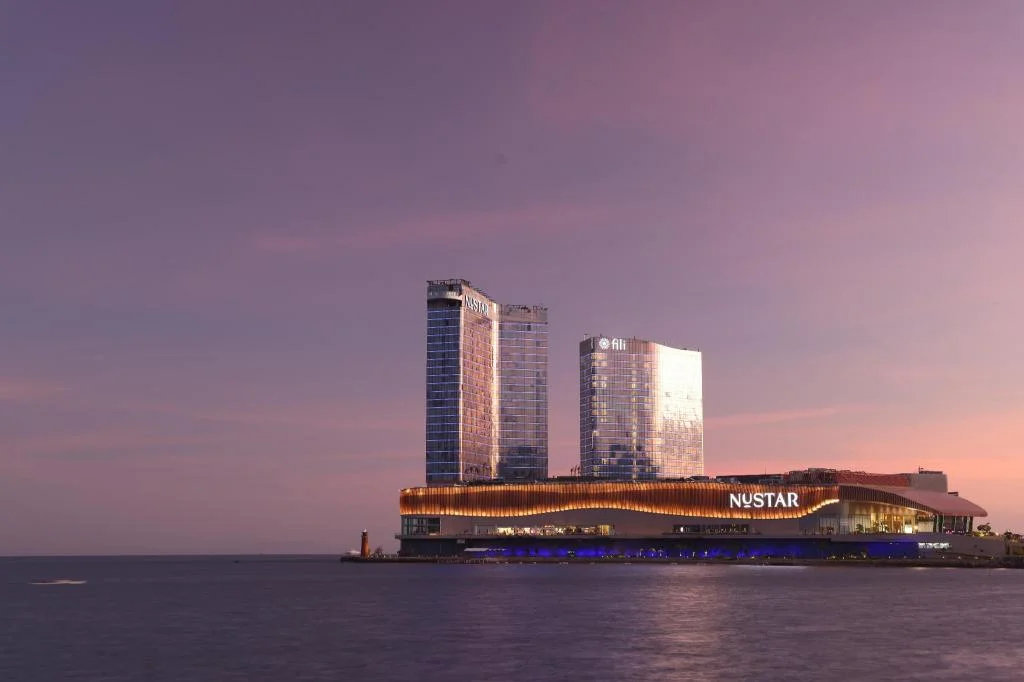
Fili Hotel - NUSTAR Resort & Casino Cebu
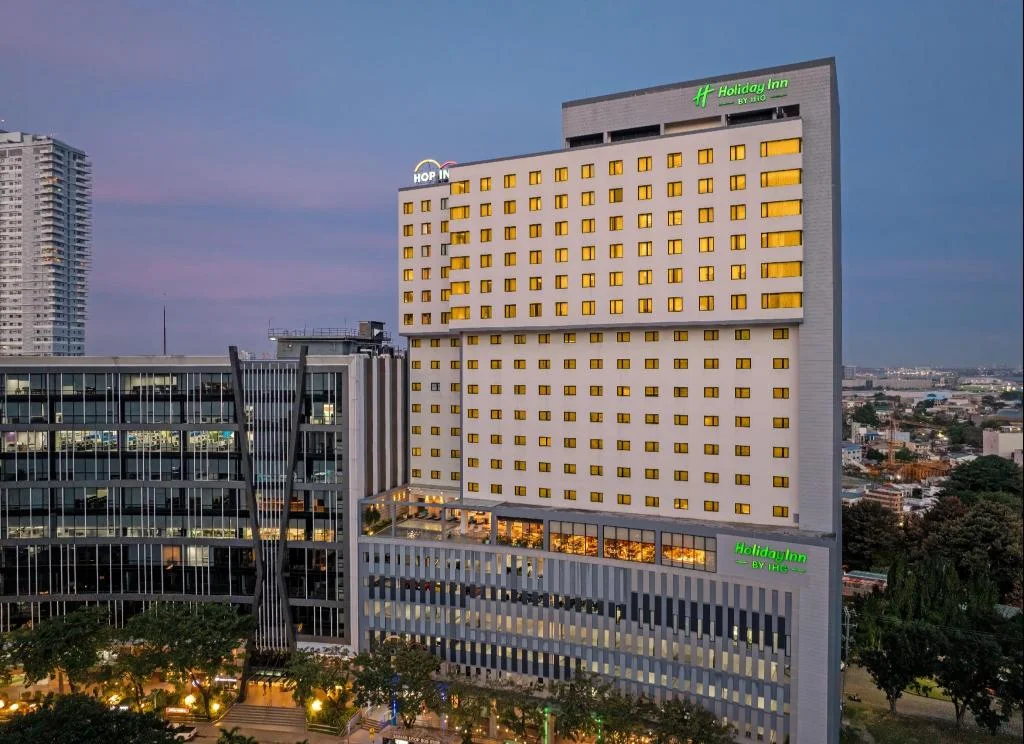
Holiday Inn Cebu City By IHG
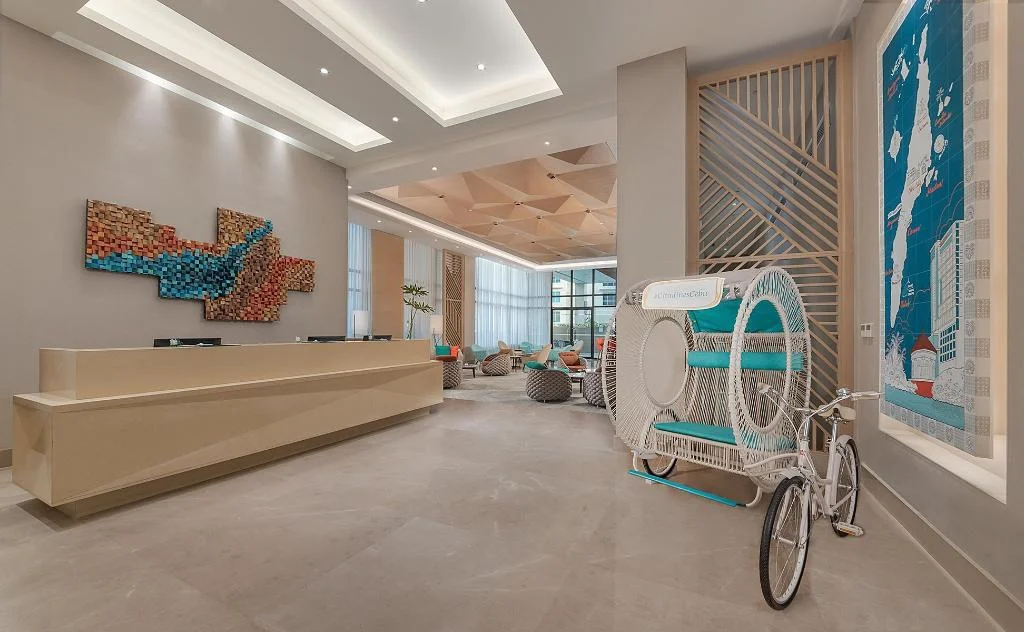
Citadines Cebu City
Prefer a rental? Vacation rentals near Cebu City
Self-catering condos and apartments — book the exact unit, kitchen included.
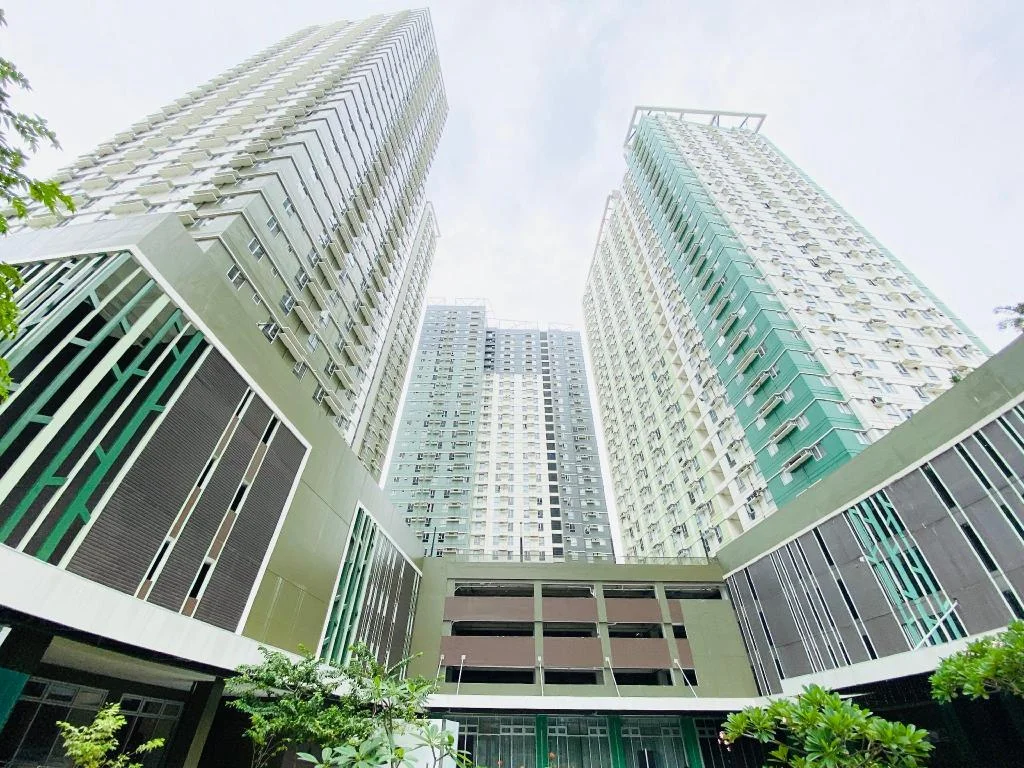
Cebu Avida Riala by P&J
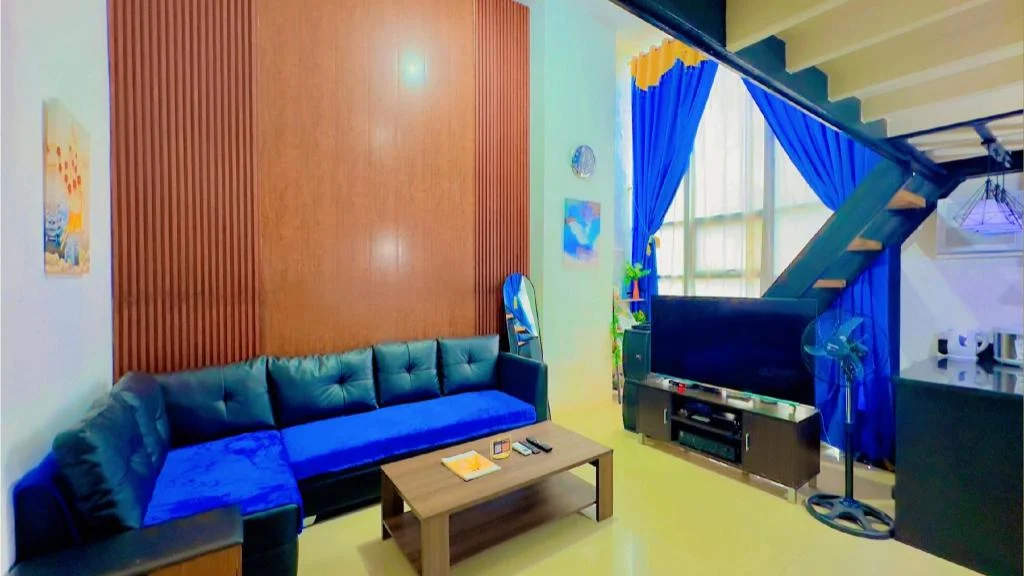
Special Big Loft Unit w/Fibreop Internet & Netflix
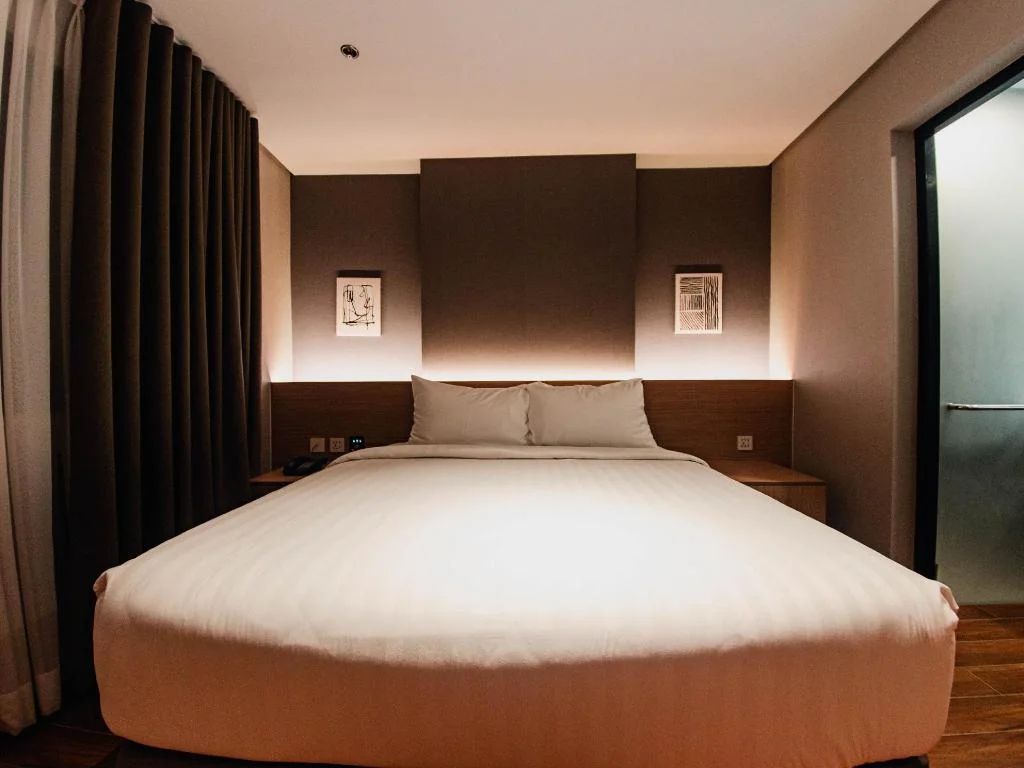
Moonstar Cebu Hotel - Deluxe Room
Before you go
Frequently asked
How much does electricity cost per month in Cebu?
Who is my electricity provider — VECO or MECO?
How much is a typical MCWD water bill?
Which internet provider is best for a long-stayer in Cebu?
Does Cebu have frequent brownouts?
Can I pay my electricity and water bills through GCash?
Is there a prepaid option for electricity or internet in Cebu?
How do I set up electricity, water, and internet in a new apartment?
More Places to Explore
Temple of Leah
Cebu City
A magnificent Roman-inspired temple built as a monument of love, nicknamed 'Cebu's Taj Mahal,' offering stunning architecture and city views.
Tops Lookout
Cebu City
Cebu City's premier hilltop viewpoint offering stunning panoramic views of the city, especially spectacular at sunset and nighttime.