
TL;DR: You can still travel Cebu between June and December — most weeks are ordinary rainy season, not an active storm. The move is to book refundable hotels (Agoda’s “free cancellation” filter or EasyCancel listings) and airline fares you can change, build in at least one buffer day around any ferry, island-hopping trip, or connecting flight (two or more from October through December), and check PAGASA before you fly and again a few days out. Buy travel insurance before any storm affecting your dates gets a name. October through December carries the real risk — that’s when Typhoon Tino (Kalmaegi) and Super Typhoon Odette (Rai) actually hit. Verified July 2026.
Typhoon season scares off a lot of travelers who’d otherwise have a completely normal trip. The honest picture: June through most of September is standard tropical rainy season — short afternoon downpours, the odd system that passes hundreds of kilometers away, nothing that should keep you off a plane. October through December is a genuinely different animal, the window when Cebu’s worst recent storms actually made landfall. This guide is about the part nobody covers well — not what a typhoon signal means (see our typhoon safety planning guide for that), but how to actually structure a trip so a storm costs you a day, not the whole vacation: how to book so you’re not stuck, how many buffer days to carry, when to actually watch the forecast, and which weeks you can book with confidence. Whale-shark encounters and viewpoints like Temple of Leah and Tops Lookout run fine on 90%+ of typhoon-season days — this guide is how you land in that 90%.
Typhoon-Season Booking Strategy at a Glance
| Period | Typhoon risk | Booking approach |
|---|---|---|
| June–July | Moderate | Standard flexible-rate hotel; travel insurance recommended |
| August–September | Moderate–high | Refundable hotel + changeable flight; 1 buffer day around ferries |
| October–December | Highest | Fully refundable everything; 2+ buffer days; insurance bought early |
| January–May | Low | Book normally — this is dry season |
Risk bands reflect PAGASA climatology and recent storm history (Typhoon Tino/Kalmaegi, Nov 2025; Super Typhoon Odette/Rai, Dec 2021). Verified July 2026.
Can You Actually Still Travel to Cebu During Typhoon Season?
Yes — most days between June and November are ordinary rainy season, not an active storm, and the majority of trips booked in this window go completely fine. The exception isn’t the whole season; it’s the back end of it. Both of Cebu’s most damaging recent storms — Typhoon Tino (Kalmaegi), which caused the province’s worst flash flooding on record in November 2025, and Super Typhoon Odette (Rai), which hit directly in December 2021 — landed in the October-to-December stretch, not July or August. As of early July 2026, Super Typhoon Bavi was churning in the Pacific and expected to enter Philippine waters, but PAGASA had it tracking toward Taiwan and the Ryukyus, with Cebu only picking up gustier winds and heavier rain from the outer monsoon bands — a normal week to plan around, not one to cancel over. That’s the pattern worth internalizing: watch the forecast, don’t panic at the word “typhoon” on a map that’s still 2,000km away.
How Do You Book Flexible, Refundable Trips?
Book hotels with free cancellation and flights you can rebook, and treat the cheapest locked-in fare as false economy from July through December. On Agoda, filter for “free cancellation” or look for the EasyCancel badge, which lets you cancel a booking free up to 24 hours before check-in on participating properties — the rate difference versus a non-refundable room is usually small. Compare flexible-cancellation stays in Cebu City on Agoda before you lock in dates.
For flights, Cebu Pacific and Philippine Airlines both rebook passengers for free within 30 days of the original date when a cancellation is genuinely weather-related — but that only helps once your flight is actually cancelled by the airline, not if you booked a rigid, separate connection. Ferry operators like OceanJet and 2GO issue a full refund for weather-cancelled sailings, which is a very different deal from a traveler-initiated cancellation (commonly just 20–40% back) — another reason not to assume “I’ll just cancel if it looks bad,” since that’s a self-cancellation, not a weather one.
How Many Buffer Days Should You Build In?
One buffer day for any June-through-September trip involving a ferry or a river activity like canyoneering, two or more from October through December — and never zero. The single rule that prevents the worst outcomes: don’t schedule an inter-island ferry, an outer-island day tour, or a domestic connecting flight on the same day as your international flight home during these months. A cancelled Wednesday sailing to Kawasan Falls canyoneering or Bantayan is an annoyance with a Thursday to spare; without slack, it turns into a missed international flight and a much worse problem than the weather itself.
How Do You Monitor PAGASA Without Overreacting?
Check pagasa.dost.gov.ph once when you book (roughly two weeks out) and again three to five days before you fly — not obsessively every day in between. PAGASA’s Tropical Cyclone Bulletin and its TC Threat Potential Forecast flag systems up to two weeks before they’d affect the Philippines, which is enough lead time to decide whether a specific week needs a plan B. A storm sitting 2,000km east of Luzon making headlines abroad is very often not a Cebu problem — track the actual forecast track and wind signal for Cebu specifically, via PAGASA or a local outlet like Cebu Daily News, rather than a scary international headline.
Is Island-Hopping Risky During Typhoon Season?
It’s schedule risk more than safety risk on a normal day, but island-hopping and outer-island ferries are the first thing suspended once a signal goes up. Boats to Bantayan, Malapascua, and Camotes, and day tours to Oslob and Moalboal, all run on calm-sea conditions — the Philippine Coast Guard and individual operators pull the plug the moment Signal No. 1 or higher is raised for that route, sometimes with only a few hours’ notice. That’s the system working as intended, not something gone wrong. If an island-hopping day is the centerpiece of your itinerary, keep it mid-trip rather than on your last full day, and have a city-based backup (museums, the Basilica, a food crawl) ready if the boats don’t go out.
Do You Need Travel Insurance for This Kind of Trip?
Yes, and timing matters more than which insurer you pick — buy before any storm affecting your dates has a name. Most policies exclude claims tied to a system that’s already been named by the time you purchase, so the week a typhoon is already forecast toward the Philippines is too late to add coverage for it. A mid-tier plan with trip interruption and delay benefits for a two-week Cebu trip runs roughly US$30-90 (about ₱1,860-5,580 at ₱62 ≈ US$1). Our full travel insurance guide covers what else to check — diving and canyoneering riders, evacuation limits — beyond the storm-specific piece.
What Does a Typical Wet-Season Travel Day Actually Look Like?
Sun in the morning, clouds building by early afternoon, a heavy but short downpour, then clearing by evening — that’s most days, not a washout. Plan outdoor mornings (a viewpoint, a beach, a market) and keep the afternoon loose for an indoor option — a cafe, a mall, the Basilica del Santo Niño. This is the daily rhythm of June through November on a normal day; it’s genuinely different from an actual typhoon day, which brings sustained wind, all-day rain, and a live PAGASA signal. Our rainy season guide breaks the month-by-month rain pattern down in full if you want the complete picture before you pick dates.
When Is It Genuinely Fine to Just Go?
June, July, and most of September, honestly — book those with confidence and treat the flexible-booking habits above as decent practice rather than a necessity. Storms pass near the Philippines constantly in these months without making landfall in Cebu, and you get noticeably lower hotel rates and thinner crowds at Oslob and Moalboal in exchange for the small chance of a rained-out afternoon. Where the honest advice shifts is October through December specifically — that’s the exact window both Tino/Kalmaegi and Odette/Rai made landfall, so treat a rigid, non-refundable plan in those months as the real risk, not the season as a whole.
The Honest Take
Most “typhoon season” content either scares people off Cebu entirely or waves away the risk completely, and neither is honest. The realistic version: July and August are pack-a-poncho months where the weather is a minor character in your trip, not the plot. October through December is when you actually need the refundable hotel, the buffer days, and the insurance bought early, because that’s when Cebu’s worst recent storms hit for real. If your dates are flexible, lean toward June, July, or January through May. If they’re not, don’t cancel — just book like someone who’s read this guide, and check PAGASA the week before you fly.
Book Smart, Not Scared
A typhoon-season Cebu trip and a dry-season one can look almost identical if you book the right way. Compare flexible-cancellation hotels in Cebu City on Agoda, and browse Cebu tours and day trips on Klook — most legitimate operators reschedule for free when a signal goes up, so book with one that says so upfront. Pair this with our typhoon safety planning guide for what a live signal actually means day to day, and our best time to visit Cebu guide if your dates are flexible enough to just avoid the risky months altogether.
Sources
- PAGASA — Tropical Cyclone Bulletin
- PAGASA — TC-Threat Potential Forecast
- Cebu Pacific — Rebooking or Canceling Your Flight
- OceanJet — Policies and Travel Advisories
- Agoda — EasyCancel program
- Rappler — Super Typhoon Bavi PAGASA forecast updates, July 2026
- Airline, ferry, and OTA policies confirmed against operator pages as of July 2026; confirm current terms directly before booking. Verified July 2026.
Book Tours & Hotels for This Trip
Find and book the best deals — prices and availability update in real time. Links open in a new tab.
Where to stay near Cebu City
Top-rated hotels for this trip — tap through to check live rates.

Seda Central Bloc Cebu City
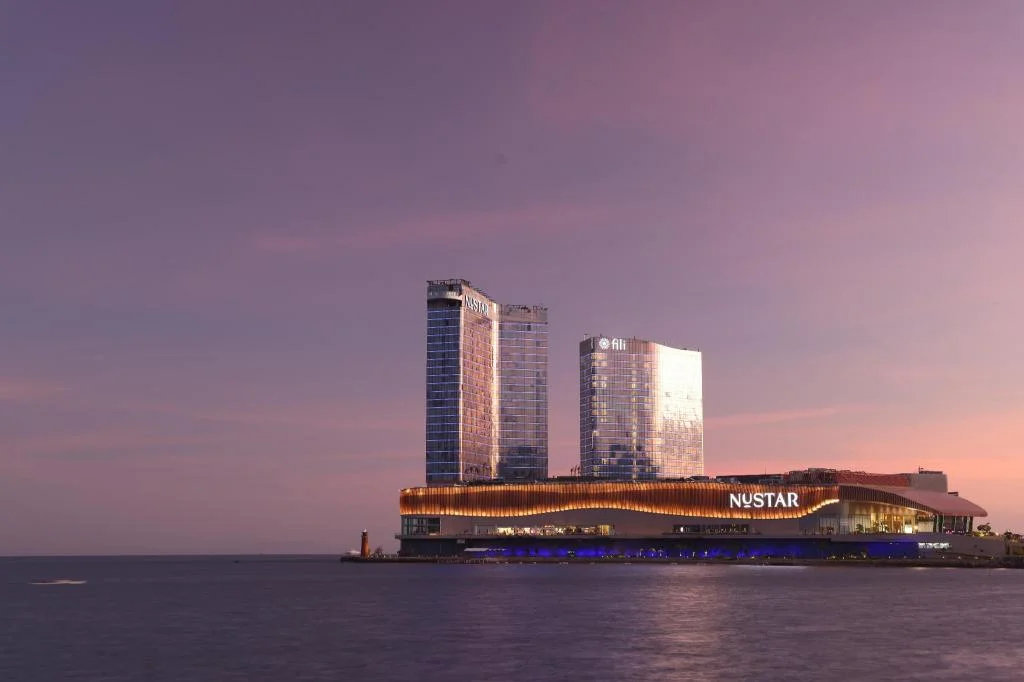
Fili Hotel - NUSTAR Resort & Casino Cebu

Holiday Inn Cebu City By IHG

Citadines Cebu City
Prefer a rental? Vacation rentals near Cebu City
Self-catering condos and apartments — book the exact unit, kitchen included.
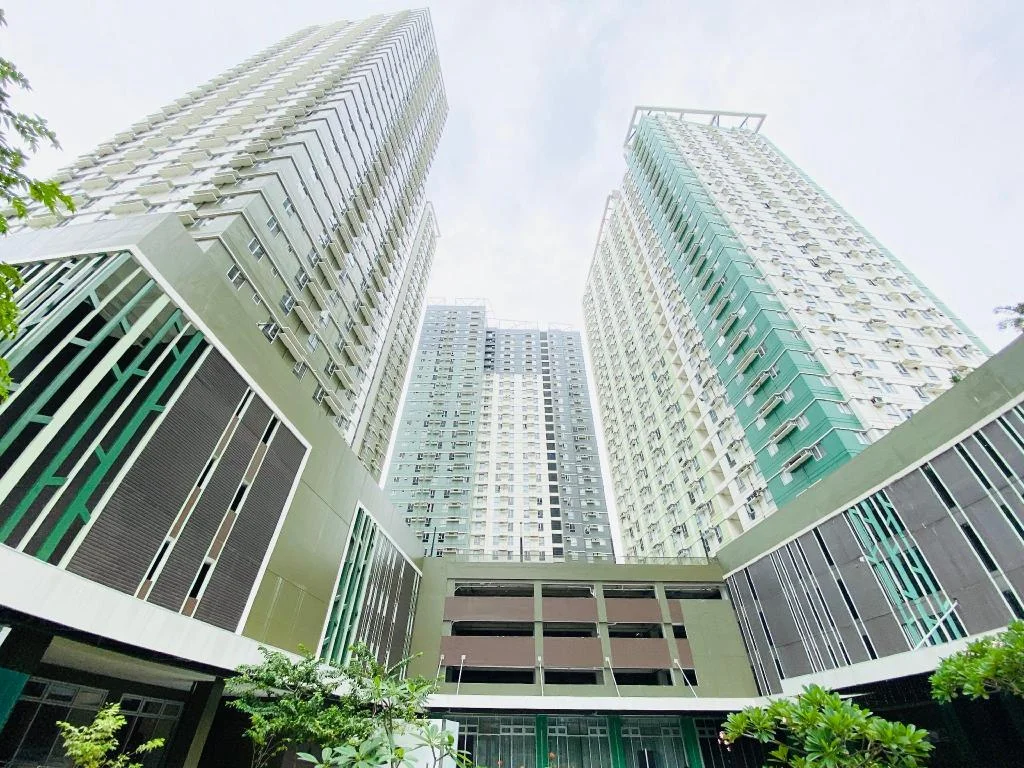
Cebu Avida Riala by P&J

Special Big Loft Unit w/Fibreop Internet & Netflix

Moonstar Cebu Hotel - Deluxe Room
Before you go
Frequently asked
Can I still travel to Cebu during typhoon season?
What's the safest way to book flights for a typhoon-season Cebu trip?
Should I book refundable or non-refundable hotels for a typhoon-season trip?
How many buffer days should I build into a Cebu itinerary during typhoon season?
Is island-hopping risky during typhoon season?
When should I buy travel insurance for a typhoon-season Cebu trip?
What does a normal rainy day in Cebu actually look like, versus an actual typhoon?
What months are genuinely fine to visit despite technically being 'typhoon season'?
More Places to Explore
Temple of Leah
Cebu City
A magnificent Roman-inspired temple built as a monument of love, nicknamed 'Cebu's Taj Mahal,' offering stunning architecture and city views.
Tops Lookout
Cebu City
Cebu City's premier hilltop viewpoint offering stunning panoramic views of the city, especially spectacular at sunset and nighttime.