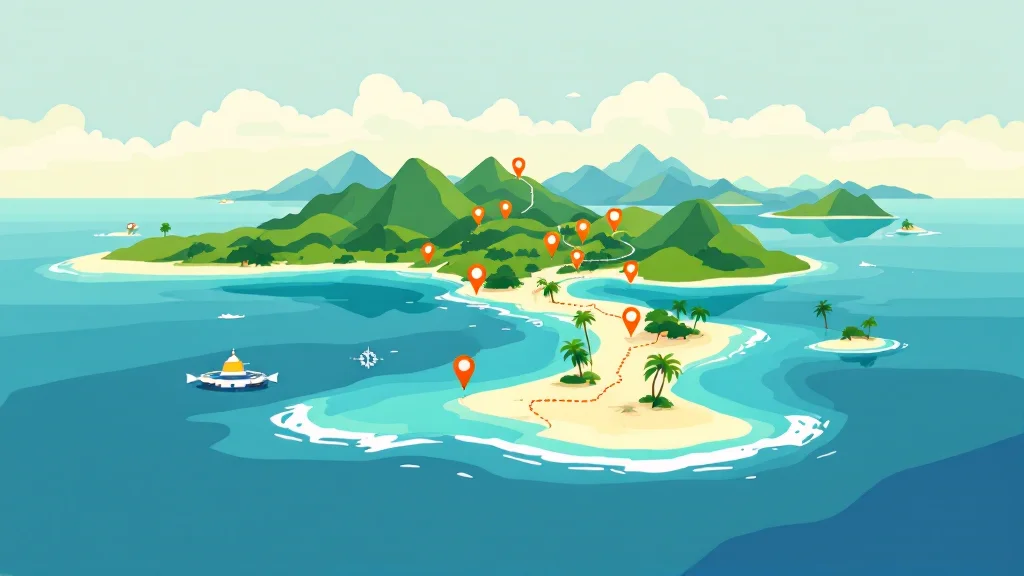
TL;DR: Cebu has no campervan-rental fleet, no RV parks, and no roadside-camping culture — van-life here means a rental sedan or SUV and a hotel room, not a bed in the back of a van. That said, it’s a genuinely good self-drive island: a budget car runs ₱1,400–3,000/day (US$24–52), fuel is about ₱65–75/liter outside Cebu City, and the south-coast loop (Carcar → Argao → Oslob → Moalboal → Barili) or the north run to Bantayan by RoRo ferry both make for a real multi-day road trip. Roads are paved but narrow and shared with jeepneys, tricycles, and habal-habal — go slow, don’t drive rural roads at night, and budget more time than Google Maps promises. Verified July 2026.
If the phrase “van-life” brought you to Cebu expecting a converted camper van, roof-rack solar panels, and free overnight parking at a cliffside viewpoint, set that expectation aside first. That scene exists in the Philippines, but it’s centered on Luzon — routes like Manila to La Union, Baguio, and Sagada, where a small rental-campervan and vanlife-community infrastructure has actually taken root. Cebu doesn’t have that. What Cebu does have is a solid, scenic, drivable island: a south coast that strings together heritage towns, waterfalls, and whale sharks; a north loop that ends at a ferry crossing to a beach island; and roads good enough that renting a car and driving yourself is a legitimately better way to see it than joining a bus tour. This guide is for the traveler who wants the freedom of a road trip — self-drive or with a hired driver — without the pretense that Cebu is a van-life destination. It isn’t. It’s a road-trip island where you sleep in a real bed. Start your route near Kawasan Falls and Oslob’s whale shark site, the two anchors most southbound itineraries build around.
At a Glance: Renting and Driving in Cebu
| Item | Typical cost/detail | Notes |
|---|---|---|
| Self-drive economy car | ₱1,400–3,000/day (US$24–52) | 2-day minimum common; unlimited mileage usually included |
| Self-drive SUV/van | ₱2,500–5,000+/day (US$43–86+) | Better for rough south-coast side roads |
| Car/van with driver, day trip | ₱3,500–8,000+/day (US$60–140+) | Usually includes fuel and driver; confirm tolls/meals |
| Gasoline (outside Cebu City) | ~₱70–85/liter | Visayas stations often run ₱5–25/liter above Metro Manila |
| Hagnaya–Bantayan RoRo ferry (passenger) | ₱330–420 (US$6–7) | Plus separate vehicle fare; ~1 hour crossing |
| Budget room, south/north coast towns | ₱1,200–3,500/night | Moalboal, Oslob, Bantayan, Malapascua |
Fuel and ferry vehicle fares fluctuate with global oil prices and season — confirm current rates with your rental company and the ferry operator before you go. Verified July 2026.
Should You Rent Self-Drive or Hire a Car With a Driver?
Hire a driver if this is your first Philippine road trip; self-drive if you want full control of the itinerary and you’re comfortable with looser traffic norms.
A driver costs more per day but removes the two biggest stressors: navigating unmarked mountain roads and reacting to Filipino traffic habits you’ve never seen before — jeepneys stopping mid-lane to load passengers, motorcycles overtaking on both sides, and intersections that run more on eye contact than signage. A hired driver also means someone else worries about parking in Oslob or Moalboal on a weekend, where lots fill up fast.
Self-drive wins if you want to detour on a whim — stop at a random beach access road, backtrack to a viewpoint you passed, or leave a spot the moment it turns out to be a letdown. It also matters for cost: over a 4–5 day loop, self-drive is usually cheaper than a driver-inclusive rental, especially if you’re splitting the cost across a group.
Foreigners can self-drive on a valid foreign license (in English) or an International Driving Permit, plus a passport, for the length of a normal tourist stay — you don’t need a Philippine license for a short visit. Confirm your specific rental company’s documentation requirements before you book; some are stricter than others. See our car rental in Cebu guide for company-by-company details.
Route 1: The South Coast Loop (Carcar → Argao → Oslob → Moalboal → Barili)
This is Cebu’s best multi-day road trip: heritage towns, a whale shark site, waterfalls, and a canyoneering river, all connected by one continuous coastal road.
Head south from Cebu City on the South Road. Carcar, about an hour out, is worth a stop for its Spanish-era heritage district and lechon stalls before you’ve even properly started. Keep going through Argao and Dalaguete — both quieter heritage/market towns most tourists skip entirely — before reaching Oslob, roughly 3–3.5 hours from the city in normal traffic, for the whale shark encounter and Tumalog Falls nearby.
From Oslob, most road-trippers loop back north via the interior or continue to Moalboal for Kawasan Falls canyoneering, the sardine run, and Osmeña Peak sunrise hikes. The return leg through Barili is the scenic part: a cliffside cross-island road with curves and limited lighting, so do this stretch in daylight if you can. Budget the full loop as a 3–5 day trip rather than a single marathon day — trying to cram Oslob and Moalboal into one day of driving leaves no time to actually stop anywhere.
Fuel up in bigger towns (Carcar, Argao, Moalboal) rather than assuming a station will appear when you need one on quieter stretches. See our Cebu south coast road trip itinerary for a fuller day-by-day breakdown.
Route 2: The North Loop (Bantayan / Malapascua via Ferry)
The north loop trades mountain switchbacks for a flat highway run and ends with a ferry crossing — the closest thing Cebu has to an “island-hop by road” trip.
Drive north from Cebu City along the coastal highway through Bogo toward Hagnaya Port in San Remigio, roughly 2.5–3 hours depending on traffic. From there, a RoRo ferry takes your rental car across to Santa Fe, Bantayan Island in about an hour — this is the one Cebu crossing where a self-drive rental genuinely gets to island-hop, since the ferry carries vehicles. Confirm with your rental company beforehand that inter-island ferry travel is allowed on your contract; some restrict it or add a surcharge.
Malapascua is different. The crossing from Maya Port is a small outrigger banca that doesn’t carry cars, so if Malapascua is on your route, plan to park at Maya (there are guarded lots) and cross on foot, picking up transport on the island itself. Trying to bring a rental car onto that banca isn’t an option.
Roads on the north loop are generally flatter and faster than the south, though the same rules apply near town centers — slow down for jeepneys, tricycles, and pedestrians. See our north Cebu grand day tour guide for stop-by-stop pacing if you’re doing this as a long day trip instead of overnighting.
What Are the Road Conditions Actually Like?
Paved and drivable, but narrow, unevenly maintained, and shared with a lot more than cars.
Main coastal roads (the South Road to Oslob, the highway north to Hagnaya) are sealed and in reasonable shape, though potholes and unmarked construction zones show up without warning — don’t assume Google Maps’ time estimate accounts for a lane closure. Mountain and cross-island roads (Barili–Moalboal, the Transcentral Highway, anything leading up to Osmeña Peak’s jump-off) are narrower, with blind curves and real drop-offs; overtaking habits there are looser than most Western drivers are used to.
Expect to share every road with jeepneys stopping mid-lane, tricycles moving slower than traffic, and habal-habal (motorcycle taxis, sometimes carrying two or three passengers plus cargo) weaving between lanes. Lane markings exist but function more as a suggestion than a rule outside the city. Livestock crossing rural roads is normal. Avoid driving unlit rural stretches after dark if you can help it — potholes, unmarked animals, and pedestrians without reflective clothing are the real risk, not traffic volume.
Where Do You Sleep on a Cebu Road Trip?
Hotels and resorts, not a van — budget rooms run ₱1,200–3,500 a night in every town along both loops.
This is the honest gap between “van-life” as a concept and what Cebu actually offers: there’s no rental campervan fleet, no designated overnight parking at viewpoints, and no established etiquette around sleeping in your vehicle roadside. Filipino road-trip culture runs on cheap guesthouses and resorts instead, and Cebu has plenty — Moalboal, Oslob, Bantayan, and Malapascua all have a wide range of budget-to-midrange places within walking distance of the water. Compare places to stay near Moalboal on Agoda or check options in Bantayan if that’s your ferry-day endpoint.
Booking a few days ahead is enough outside peak season (roughly December–May and major holidays), when rooms in beach towns fill up fast and last-minute options get scarce and pricier.
The Honest Take
Cebu is not a van-life destination, and if you came here chasing that specific aesthetic — sleeping in a converted van at a free coastal pull-off — you’ll be disappointed. That scene is thin even in the Philippines overall, and what little exists is concentrated in Luzon, not Cebu. What Cebu genuinely offers is a well-connected, scenic island where self-driving is a real upgrade over relying on buses and habal-habal, especially on the south coast loop where public transport connections between towns like Argao, Oslob, and Moalboal are slower and less direct than a private car.
The trade-offs are real too: roads outside the highway are narrower and less orderly than most Western drivers expect, fuel and rental costs add up on a multi-day trip, and the “freedom” of a self-drive loop still ends every night in a hotel room, not a scenic overnight park-up. If you want maximum flexibility without the driving stress, hire a car with a driver for the harder mountain legs and self-drive the easier flat stretches. If you’re set on true van-life, Luzon’s La Union-to-Baguio corridor is the better-established scene — come to Cebu for the road trip, not the van.
Plan the Rest of Your Route
Pair a south-coast loop with a stop at Kawasan Falls for canyoneering and Oslob’s whale shark site for the marine encounter, then check our driving in Cebu tips for foreigners guide before you get behind the wheel. If you’d rather skip the logistics of self-driving the mountain legs, compare Cebu rental cars and driver packages to book the trickier stretches with a local behind the wheel.
Sources
- Cebu Car Rental — self-drive and with-driver rates
- Cebu Easy Rent-A-Car — booking rates
- AskBantayan — Hagnaya to Bantayan ferry schedule
- Bantayan Island official transportation/ferry info
- Department of Energy Philippines — retail pump prices
- LTO Guide PH — can foreigners drive in the Philippines
- Out of Town Blog — camper van living in the Philippines
- Fuel, ferry fare, and rental prices verified against July 2026 reporting; confirm current rates locally before you go. Verified July 2026.
Book Tours & Hotels for This Trip
Find and book the best deals — prices and availability update in real time. Links open in a new tab.
Where to stay near Moalboal
Top-rated hotels for this trip — tap through to check live rates.
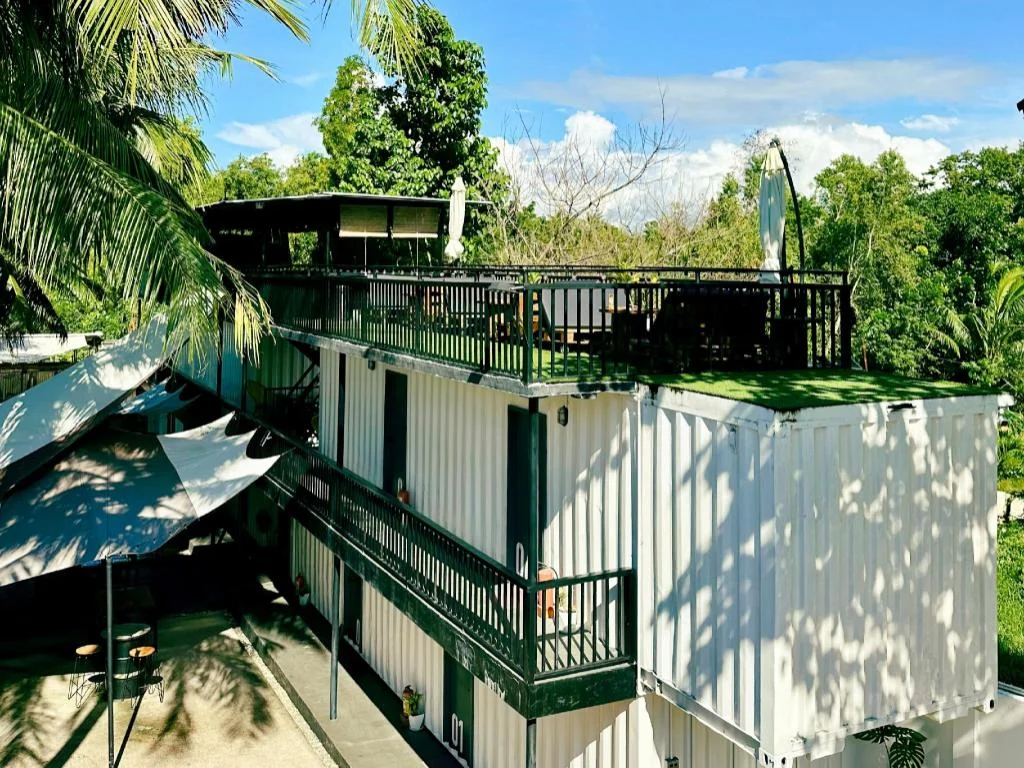
PIG DIVE HOSTEL MOALBOAL
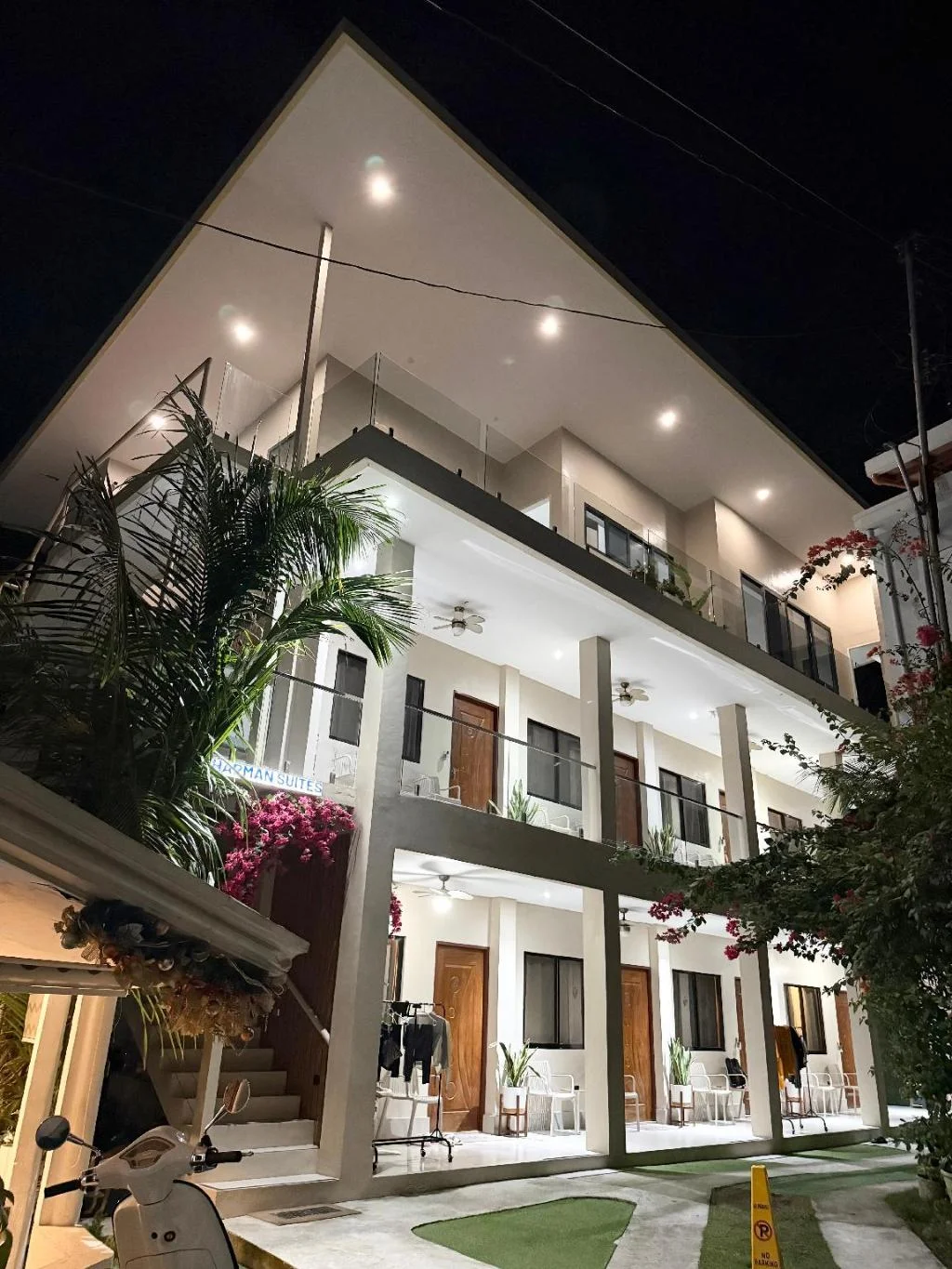
Harman Suites Moalboal
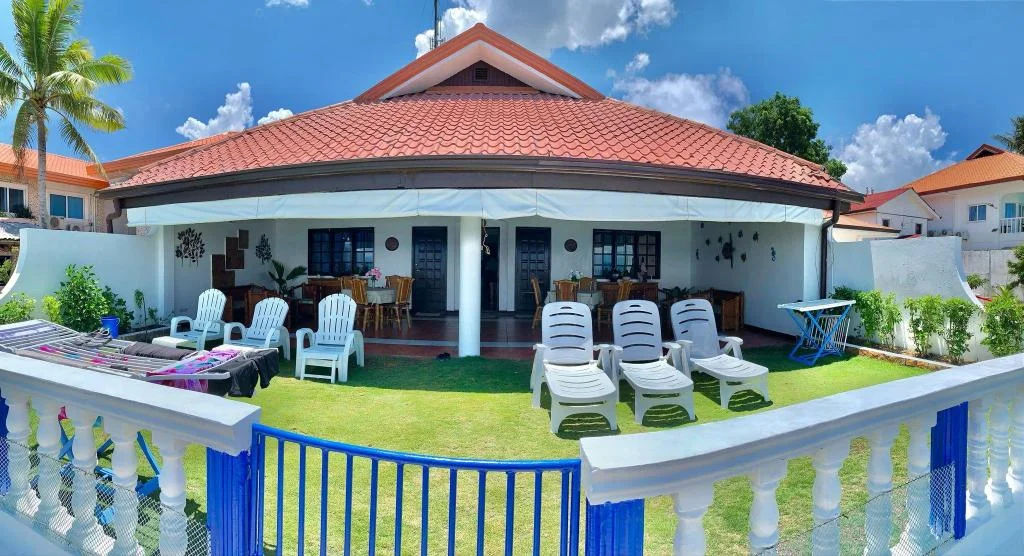
Il Sogno Resort
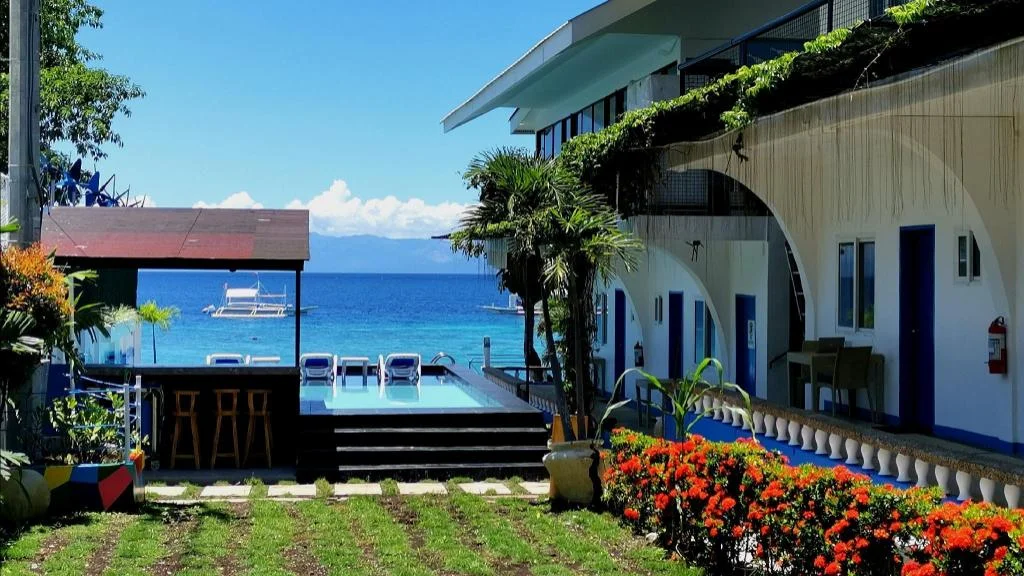
Pescadores Suites Moalboal
Prefer a rental? Vacation rentals near Moalboal
Self-catering condos and apartments — book the exact unit, kitchen included.
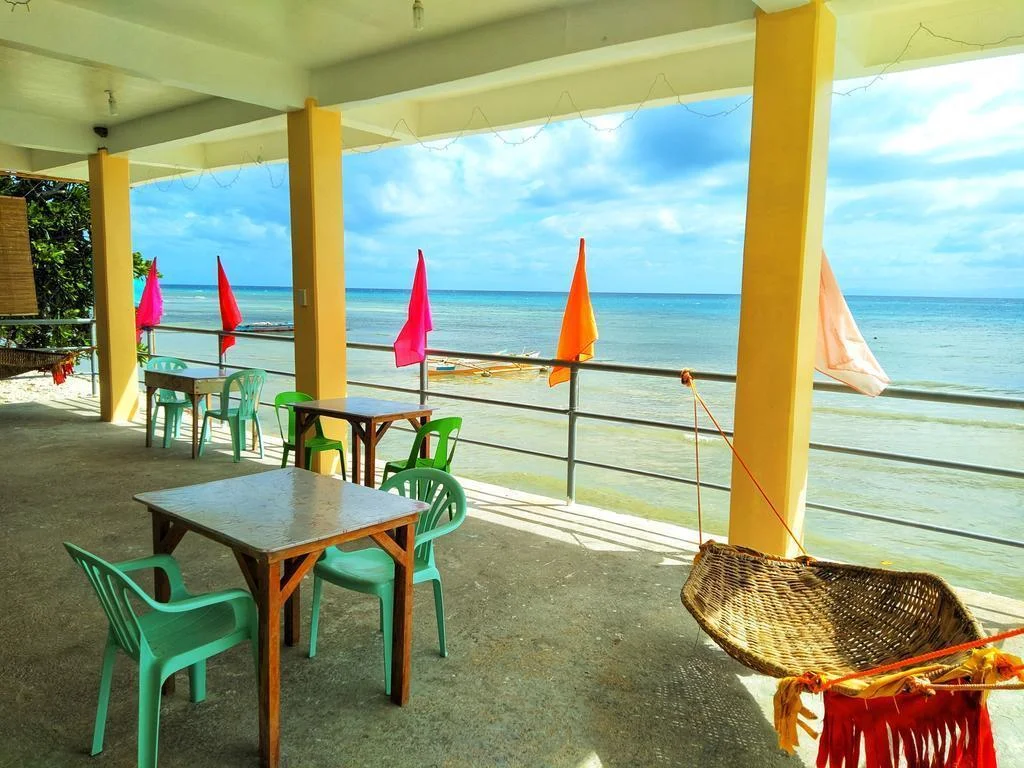
Ocean View Lodging House
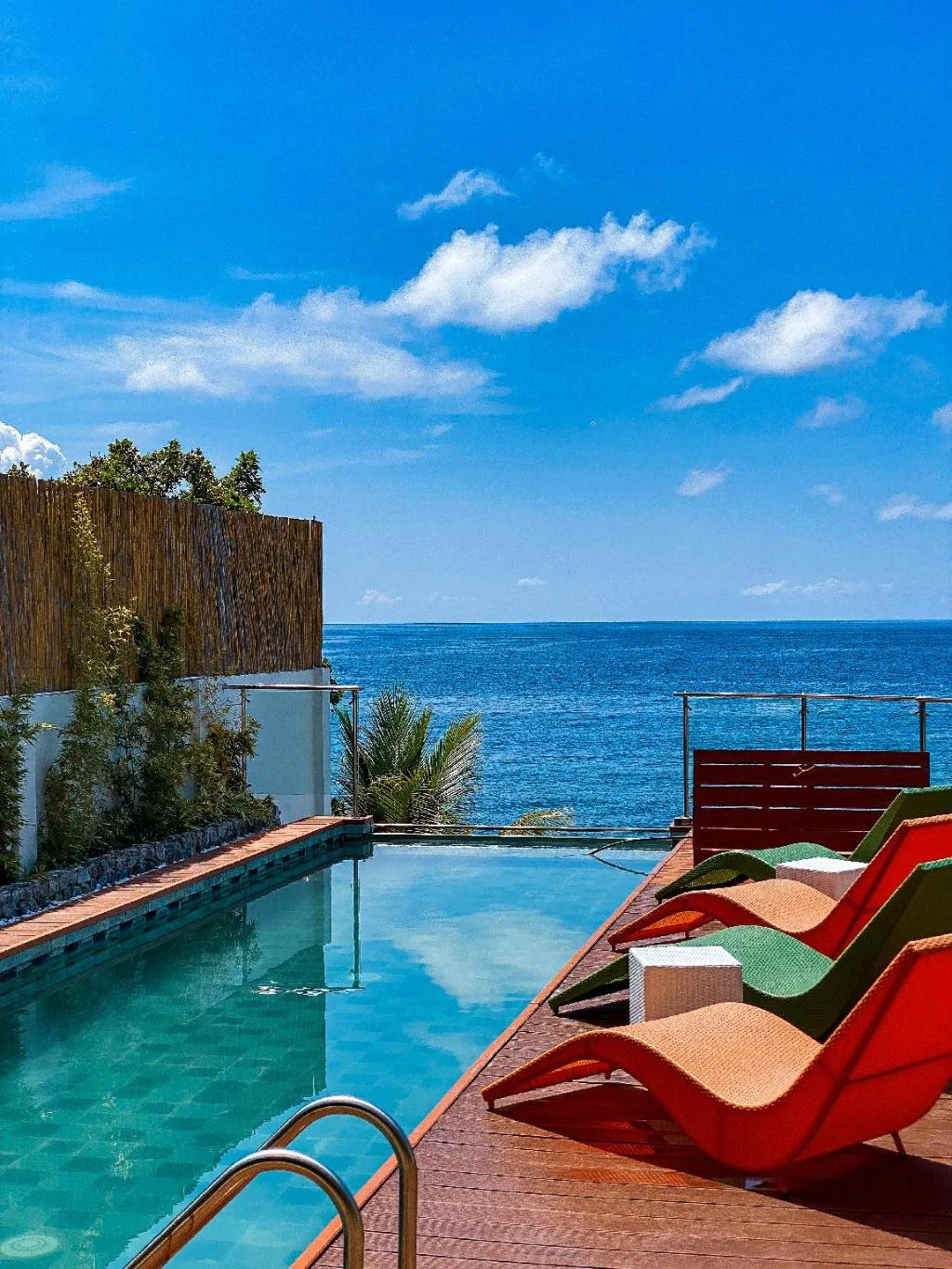
The South Hideaway Oslob
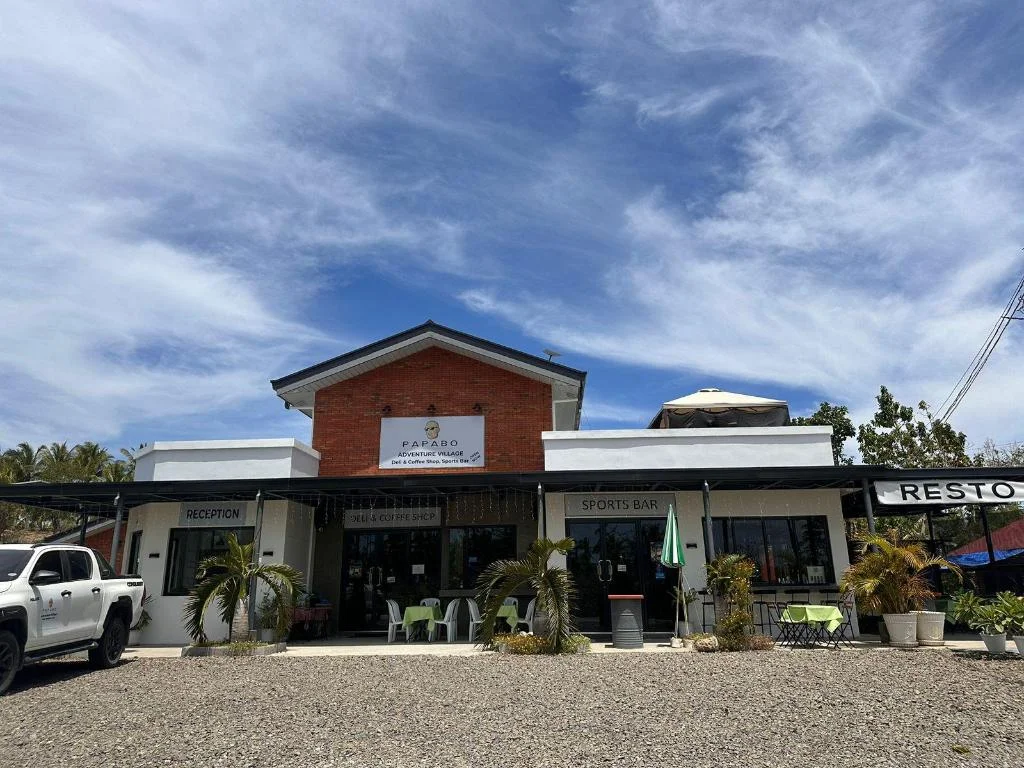
PAPABO Adventure Village
Before you go
Frequently asked
Is there a van-life or campervan scene in Cebu?
Can I rent a self-drive car in Cebu as a foreigner?
How much does it cost to rent a car in Cebu?
Should I self-drive or hire a car with a driver in Cebu?
What are the road conditions like outside Cebu City?
Can I take a rental car on the ferry to Bantayan or Malapascua?
Where do you sleep if there's no campervan scene?
Is self-driving in Cebu safe for a foreigner used to Western traffic rules?
More Places to Explore
Kawasan Falls
Badian
A stunning three-tiered waterfall famous for its turquoise waters, bamboo raft rides, and as the endpoint of the famous Badian canyoneering adventure.
Whale Shark Watching
Oslob
Swim alongside gentle whale sharks, the world's largest fish, in one of the few places where these magnificent creatures can be reliably encountered.
Osmeña Peak
Dalaguete
Cebu's highest peak at about 1,013 meters, with jagged Chocolate-Hills-like ridges and panoramic island views.
White Beach (Basdaku)
Moalboal
A kilometer-long stretch of white sand beach perfect for swimming, sunbathing, and family beach activities.