
TL;DR: Cebu’s rainy season (June–November) is worth it for most of June, July, and early August — expect short afternoon showers, clear mornings, cheaper hotels, and thinner crowds. From mid-September through November, the honest answer shifts to “only if you’re flexible”: this is the Philippines’ peak typhoon window, and Cebu took a direct, deadly hit from Typhoon Kalmaegi in November 2025. Diving and the Moalboal sardine run run year-round with lower visibility; Kawasan Falls canyoneering closes temporarily after heavy rain. Verdict: good value if your dates are loose and you build in buffer days; skip it if your itinerary is rigid. Verified July 2026.
Every year, someone books a Cebu trip for August or October because the flights are cheap, then asks a local whether they made a mistake. The honest answer isn’t a flat yes or no — it depends on which weeks you land on and how much slack your itinerary has. This guide is the verdict version: the pros (lower prices, fewer crowds, still-decent diving, lush green landscapes), the cons (typhoon risk, ferry cancellations, muddy canyoneering rivers, occasional closures), and who should book rainy season versus who should wait for dry season. If you want the day-to-day mechanics — what to pack, what a typical rainy day looks like — see our companion guide on what to expect in Cebu’s rainy season. This one is about whether you should go at all.
Cebu’s Rainy Season, Month by Month
| Month | Typical rain pattern | Typhoon/storm risk | Hotel & tour prices |
|---|---|---|---|
| June | Short afternoon showers, clear mornings | Low–moderate | Starting to drop |
| July | Same pattern, more humid | Moderate | Cheapest month; Cebu City hotels averaged around US$98/night |
| August | Heavier, longer downpours possible | Moderate–high | Low, quiet |
| September | Rain intensifies, low-pressure areas more common | High | Low, but cancellation risk rising |
| October | Peak of the region’s typhoon-formation window | High | Low |
| November | Tail of rainy season, historically the highest-risk month | Highest — Typhoon Kalmaegi hit Cebu Nov 2025 | Low, but plan for possible disruption |
Typhoon risk based on PAGASA’s climate outlook (roughly 70% of the Philippines’ annual tropical cyclones form July–October) and the 2025 track record. Hotel figures reflect reported average rates for Cebu City. Verified July 2026.
Is Cebu Worth Visiting in the Rainy Season?
Yes for June through early August, more conditionally from mid-September onward. The first stretch of rainy season behaves close to how locals describe it: a clear or partly sunny morning, a burst of rain in the afternoon, then it clears up again by evening. You can still do a full day of island hopping, hiking, or beach time around that window. The back half of the season is a different bet — heavier, more persistent rain, more low-pressure systems, and a real chance a typhoon changes your plans outright. Weigh that against genuinely cheaper hotels and tours and noticeably thinner crowds at spots that get mobbed in peak dry season.
What Are the Real Pros of Going in the Rainy Season?
The upside is concrete, not just “less crowded” hand-waving.
- Cheaper everything. Hotel occupancy drops and rates follow — Cebu City rooms have been reported averaging around US$98/night in July, among the lowest of the year — and tour operators frequently discount whale shark, canyoneering, and island-hopping packages to fill bookings.
- Thinner crowds. Waterfalls, viewpoints, and boats that feel like a conveyor belt in March and April are noticeably calmer.
- Lush landscapes. The hills around Osmeña Peak, Balamban, and the waterfall towns turn a deeper green after weeks of rain — good for photos, less good for muddy trail sections.
- Diving and snorkeling still happen. The Moalboal sardine run is a permanent, resident bait ball, not a seasonal migration, so it’s there every day of the year regardless of season. Visibility drops from a dry-season best of 20–30 meters to something murkier, and seas get choppier, but trips still run.
- Short showers, not washout days. Especially June and July, rain tends to be a late-afternoon event you can plan around rather than an all-day soak.
What Are the Real Cons?
This is where the honesty matters more than the sales pitch.
- Typhoon risk is not theoretical. In early November 2025, Typhoon Kalmaegi (local name Tino) dropped roughly 180mm of rain on Cebu in 24 hours and triggered what officials called the worst flash flooding in the province’s history, with more than 70 deaths recorded in Cebu alone and over 200,000 people evacuated across the Visayas. September through November is when the Philippines sees the bulk of its typhoon activity, and Cebu is not immune just because it sits west of the usual storm tracks.
- Ferries get cancelled. OceanJet, 2GO, and the smaller fast-craft operators cancel sailings automatically whenever PAGASA raises a wind signal over a route. Outside active storms this is rare, but June through November is exactly when you should assume it could happen and build a spare day into any Cebu–Bohol, Cebu–Siquijor, or Cebu–Bantayan leg.
- Canyoneering and river activities close temporarily. Kawasan Falls canyoneering gets suspended by the Badian local government after heavy overnight rain, when the Kanlaob River turns from clear blue to a fast brown current. Closures are usually short — a day, sometimes two — but if your whole trip hinges on one canyoneering day, that’s a real risk.
- Muddy trails. Hikes up Osmeña Peak, waterfall treks, and unpaved viewpoint roads get slick and slower going.
- Reduced dive/snorkel visibility. Divers chasing photo-quality clarity should know rainy-season runoff genuinely cuts visibility versus dry-season conditions.
How Do You Choose — Rainy Season or Not?
Match the season to your trip type rather than to the cheapest flight date.
Go rainy season if:
- Your dates are flexible by a few days either way.
- You’re not doing a tight multi-island itinerary with a hard return flight the same week.
- You’re comfortable with a plan B (swap a canyoneering day for a city day, or vice versa).
- Budget matters more than guaranteed sunshine.
Avoid rainy season if:
- You have one shot at a specific date with no buffer (a wedding, a short work break, a connecting flight the same day you leave Cebu).
- You’re combining Cebu with Bohol, Siquijor, or Camotes on a tight ferry-dependent schedule.
- You get seasick — inter-island crossings get rougher June through November.
- Your whole trip is built around one weather-dependent activity (whale sharks, canyoneering, a specific dive site) with zero flexibility if it’s closed that day.
For the safest window, June and the first half of July give you the rainy-season discount without the worst of the storm risk. If you’d rather sidestep the question altogether, see our best time to visit Cebu guide for the December–May case.
The Honest Take
Rainy season in Cebu isn’t the horror story some blogs make it out to be — most days between June and August are a clear morning, an afternoon shower, and business as usual by evening. Prices are genuinely lower, the islands are quieter, and the sardine run and most waterfalls still deliver. But don’t let the “it’s just an afternoon drizzle” framing paper over what mid-September through November actually is: the Philippines’ peak typhoon season, and Cebu has the 2025 flood damage to prove it isn’t spared. If you’re booking those later months, buy travel insurance that covers weather cancellations, keep your itinerary loose, and check local advisories (PAGASA, the Badian MDRRMO page, your ferry operator’s Facebook) daily as your trip approaches rather than trusting a forecast made weeks out. For a deeper look at storm-specific prep, read our typhoon season safety planning guide.
Book With a Buffer
If you’re going rainy season, build slack into the plan rather than fighting the weather. Compare Moalboal and Cebu City hotel rates on Agoda and book refundable rates where you can. For activities, check current Kawasan Falls canyoneering tour availability on Klook and browse Moalboal sardine run and diving trips — both let you check the day before rather than committing months out. Pair this with our rainy season what to expect guide for packing and day-to-day logistics, and our dry season vs. rainy season comparison if you’re still deciding between the two.
Sources
- PAGASA — Tropical Cyclone Information & Climate Outlook
- CNN — Typhoon Kalmaegi kills at least 85 in the Philippines
- The Washington Post — Philippines death toll from Typhoon Kalmaegi exceeds 100
- The Watchers — Typhoon Kalmaegi triggers worst flash flood in Cebu’s history
- Cebu Daily News / Sun.Star Cebu — Canyoneering, Kawasan Falls operations suspended
- OceanJet — Travel Advisories
- Rainy-season timing, sardine run visibility, and hotel rate patterns cross-checked against 2025–2026 travel reporting. Verified July 2026.
Book Tours & Hotels for This Trip
Find and book the best deals — prices and availability update in real time. Links open in a new tab.
Where to stay near Moalboal
Top-rated hotels for this trip — tap through to check live rates.
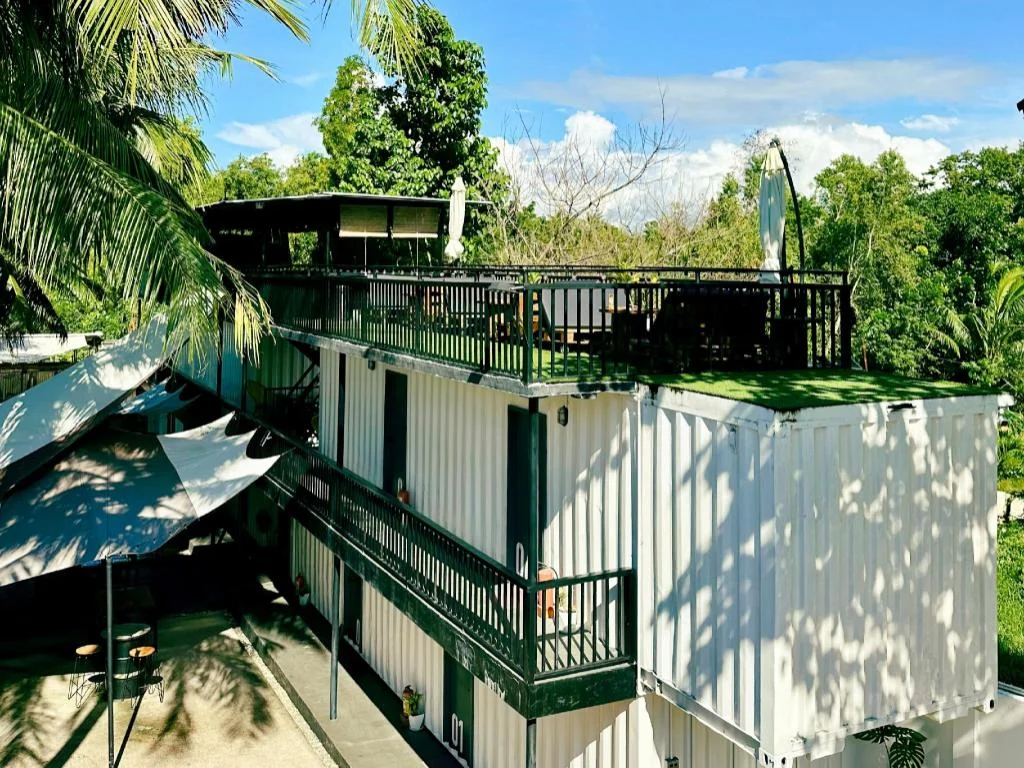
PIG DIVE HOSTEL MOALBOAL

Harman Suites Moalboal

Il Sogno Resort
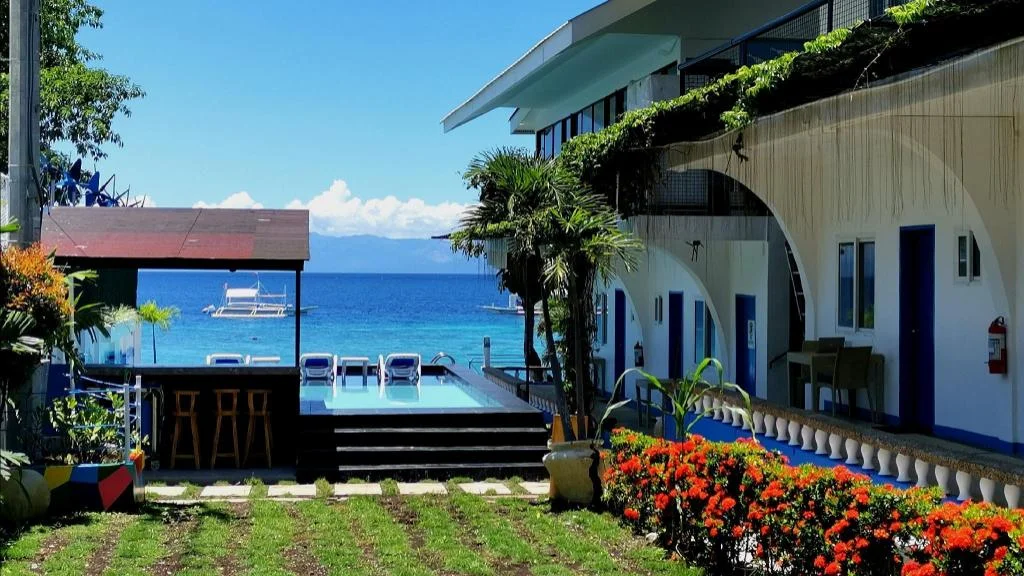
Pescadores Suites Moalboal
Prefer a rental? Vacation rentals near Moalboal
Self-catering condos and apartments — book the exact unit, kitchen included.
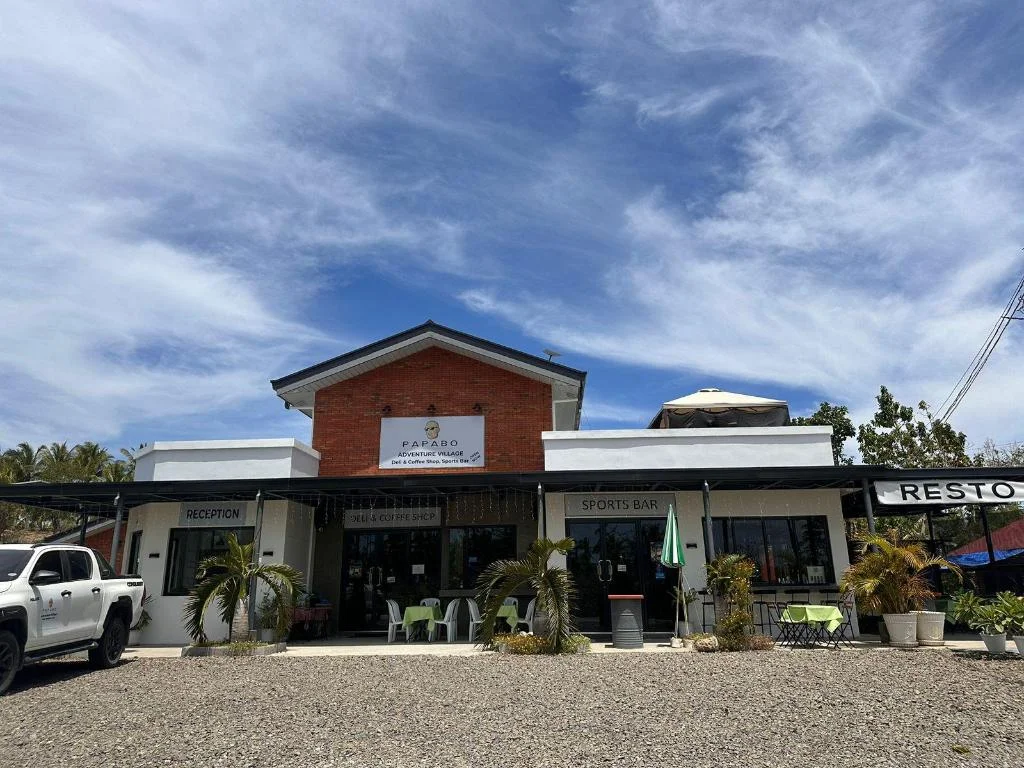
PAPABO Adventure Village
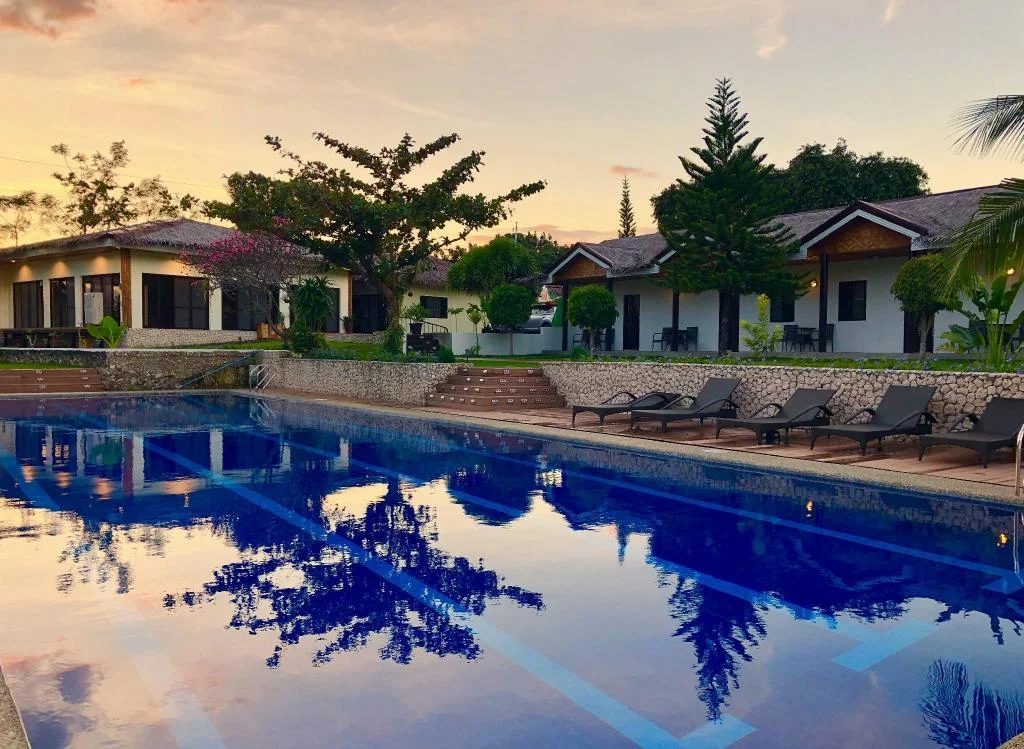
Casa de Moalboal

Althea Appartelle
Before you go
Frequently asked
Is Cebu worth visiting in the rainy season?
What months count as Cebu's rainy season?
Will canyoneering at Kawasan Falls be open?
Can you still do the Moalboal sardine run in the rainy season?
Do ferries get cancelled a lot during rainy season?
Are hotels actually cheaper in the rainy season?
What happened with Typhoon Kalmaegi in Cebu?
Who should avoid Cebu's rainy season entirely?
More Places to Explore
Kawasan Falls
Badian
A stunning three-tiered waterfall famous for its turquoise waters, bamboo raft rides, and as the endpoint of the famous Badian canyoneering adventure.
Moalboal Sardine Run
Moalboal
Swim with millions of sardines in one of the world's only year-round sardine runs, just meters from shore.