
TL;DR: “Cebu” means four things: Cebu Island, the landmass (4,468 km²); Cebu Province, governing 44 towns + 6 cities plus 167 islands (pop. 3.4M); Cebu City, one city on the island (pop. 965,332), separate from the province; Metro Cebu, the informal urban area of 13 cities/towns (pop. 3.2M). Travelers usually mean the island. 2024 census.
Ask three different people what “Cebu” means and you’ll get three different answers — and all three could be correct, because “Cebu” genuinely refers to four overlapping but distinct things: an island, a city, a province, and a metro area. This confuses travelers researching a trip, and it confuses the geography of guidebooks that use the word loosely. Here’s the clean, sourced breakdown, so you know exactly which “Cebu” a given piece of information is talking about.
The Four Cebus at a Glance
| Name | What it is | Population (2024 census) | Area |
|---|---|---|---|
| Cebu Island | The physical landmass — the 9th-largest island in the Philippines | ~5.2 million (island total, incl. all cities) | 4,468 km² |
| Cebu Province | The administrative province: 44 municipalities + 6 component cities, plus 167 offshore islands | 3,400,522 (province alone, excl. 3 independent cities) | 4,943.72 km² (incl. offshore islands) |
| Cebu City | One specific highly urbanized city, independent of the province | 965,332 | 315 km² |
| Metro Cebu | The informal built-up urban area: Cebu City + 12 surrounding cities/municipalities | 3,207,256 | N/A (not a formal boundary) |
Verified July 2026. Population figures from the Philippine Statistics Authority’s 2024 Census of Population and Housing. Cebu Island’s total population (~5.2M) equals the province (3.4M) plus the three independent cities of Cebu, Mandaue, and Lapu-Lapu (combined ~1.83M).
What Is Cebu Island?
Cebu Island is the long, narrow physical landmass in the central Philippines that gives the whole region its name. It’s the 9th-largest island in the Philippines, stretching roughly 196 km north to south and about 32 km at its widest point, for a total land area of 4,468 sq km. Everything else on this page — the province, the city, Metro Cebu — sits on or beside this one island. When a traveler says “I’m flying to Cebu,” they mean the island in this broad, geographic sense, not any one administrative unit on it.
What Is Cebu Province?
Cebu Province is the political and administrative government unit covering most of the island plus 167 smaller surrounding islands. It comprises 44 municipalities and 6 component cities (Carcar, Danao, Naga, Talisay, Toledo, and Bogo), governed by an elected provincial governor and board, with a population of 3,400,522 as of the 2024 census across a land area of 4,943.72 sq km. The province’s offshore territory includes Bantayan, Malapascua, Olango, and the Camotes Islands (Pacijan, Poro, and Ponson) — the 167 “smaller islands” that round out Cebu’s full island count to 168.
The important wrinkle: Cebu City, Mandaue City, and Lapu-Lapu City are geographically part of the same landmass but administratively independent of the province. Their residents don’t vote in provincial elections, and their local governments answer to national government, not the provincial governor. Add those three cities’ populations to the province’s, and you get the island’s true total population of roughly 5.2 million.
What Is Cebu City?
Cebu City is one specific highly urbanized city on Cebu Island — the historic, commercial, and cultural core — not a stand-in for the whole island. Its 2024 census population was 965,332, the sixth-most populous city in the Philippines, spread across 315 sq km. Cebu City is home to Magellan’s Cross, Fort San Pedro, the Basilica del Sto. Niño, and IT Park and Cebu Business Park’s restaurant and nightlife districts — but it does not include Mactan’s airport or resort strip, which sits across the water in a different city entirely (Lapu-Lapu City).
What Is Metro Cebu?
Metro Cebu is the informal, functional term for the built-up urban area radiating out from Cebu City — not a separate layer of government with its own elected officials. It groups Cebu City with six other cities (Mandaue, Lapu-Lapu, Talisay, Naga, Carcar, Danao) and six municipalities (Compostela, Consolacion, Cordova, Liloan, Minglanilla, San Fernando), for a combined 2024 census population of 3,207,256 — making it the largest metro area in the Visayas and the third-largest in the Philippines after Metro Manila and Metro Davao. For a deeper breakdown of how these areas connect and where to stay in each, see our Metro Cebu guide.
Which Airport or Port Serves Which Cebu?
Mactan-Cebu International Airport (CEB) is the island’s single major air gateway, located on Mactan Island within Lapu-Lapu City — not in Cebu City proper, though it’s commonly (and reasonably) described as “Cebu’s airport.” It handles both international and domestic flights, and it’s roughly 30-60 minutes from Cebu City by Grab or taxi depending on traffic. See our full Mactan-Cebu airport guide for transfer details.
Cebu City’s port complex (Piers 1 through 8, near the downtown waterfront) is the main hub for inter-island ferries heading to Bohol, Negros, Leyte, and other Visayas destinations, plus long-haul routes to Manila. Hagnaya Port, in San Remigio at the island’s northern tip — a separate location entirely from Cebu City’s port — is the specific jump-off point for ferries to Bantayan Island and Santa Fe.
What Do Travelers Actually Mean When They Say “Cebu”?
In everyday travel conversation, “Cebu” almost always means the island as a whole — the destination that includes Cebu City’s heritage sites, Mactan’s resorts and airport, and day-trip country further south and north (Moalboal, Oslob, Bantayan). Only in formal or technical contexts — a census report, a provincial ordinance, a news story about local government — does “Cebu” narrowly mean the province or the city specifically. If a hotel listing says “Cebu,” check whether it means Cebu City proper or the Mactan resort strip; the two are a bridge and a 30-60 minute drive apart, not walking distance.
Why Does This Confusion Exist in the First Place?
Mostly because Philippine local government structure is genuinely unusual by international standards, and the naming didn’t anticipate a global travel audience trying to parse it. A “highly urbanized city” (HUC) — the classification that applies to Cebu City, Mandaue, and Lapu-Lapu — is a legal designation for a city populous or revenue-rich enough to run independently of its surrounding province, common across the Philippines (Metro Manila is made almost entirely of HUCs). So a resident of Cebu City is, technically, not a resident of “Cebu Province” in the administrative sense, even though every map, flight booking, and casual conversation calls both places “Cebu” without distinction. It’s the same pattern as Washington D.C. sitting outside any U.S. state, or the City of London operating separately within Greater London — a historical/administrative carve-out that locals navigate without thinking about, and that visitors only need to understand once.
Does This Distinction Matter for Booking a Hotel?
Only in one practical way: it explains why “hotels in Cebu” can return results that are a 45-minute drive apart. A listing tagged “Cebu City” puts you in the urban heritage core — walkable to Magellan’s Cross, Fort San Pedro, and the IT Park/Ayala restaurant scene, but a bridge crossing away from any beach. A listing tagged “Mactan” or “Lapu-Lapu” puts you on the resort island next to the airport, with sand and pools on-site but a taxi ride from the old city. Neither is “more Cebu” than the other — they’re both genuinely part of Cebu Island — but they’re different trips, and search results that just say “Cebu” won’t tell you which one you’re booking without reading the fine print.
The Honest Take
None of this distinction actually changes your itinerary — it changes how precisely you can search for, book, and talk about your trip. Knowing that “Cebu” the island includes both a heritage-and-nightlife city core and a completely separate beach-resort island (Mactan/Lapu-Lapu) is the single most useful piece of disambiguation for a first-time visitor deciding where to book a hotel.
Plan Your Cebu Trip
Now that you know which “Cebu” is which, decide whether you want Cebu City’s heritage-and-nightlife energy or Mactan’s resort-and-airport convenience — our first-timer area guide walks through exactly that trade-off, and the things to do in Cebu guide covers the island’s full range. Search stays across Cebu on Agoda and filter by area once you’ve picked your base.
Sources
Philippine Statistics Authority (PSA), 2024 Census of Population and Housing; Wikipedia entries for Cebu, Cebu City, and Metro Cebu (citing PSA figures); PhilAtlas provincial profile. Verified July 2026.
Book Tours & Hotels for This Trip
Find and book the best deals — prices and availability update in real time. Links open in a new tab.
Where to stay near Cebu City
Top-rated hotels for this trip — tap through to check live rates.
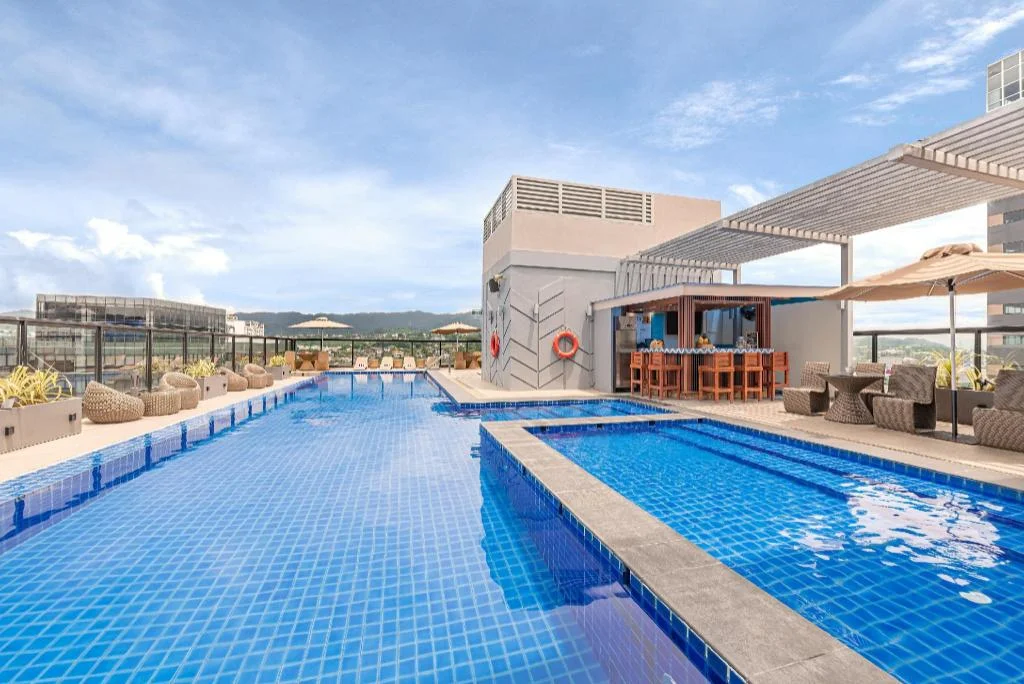
Seda Central Bloc Cebu City
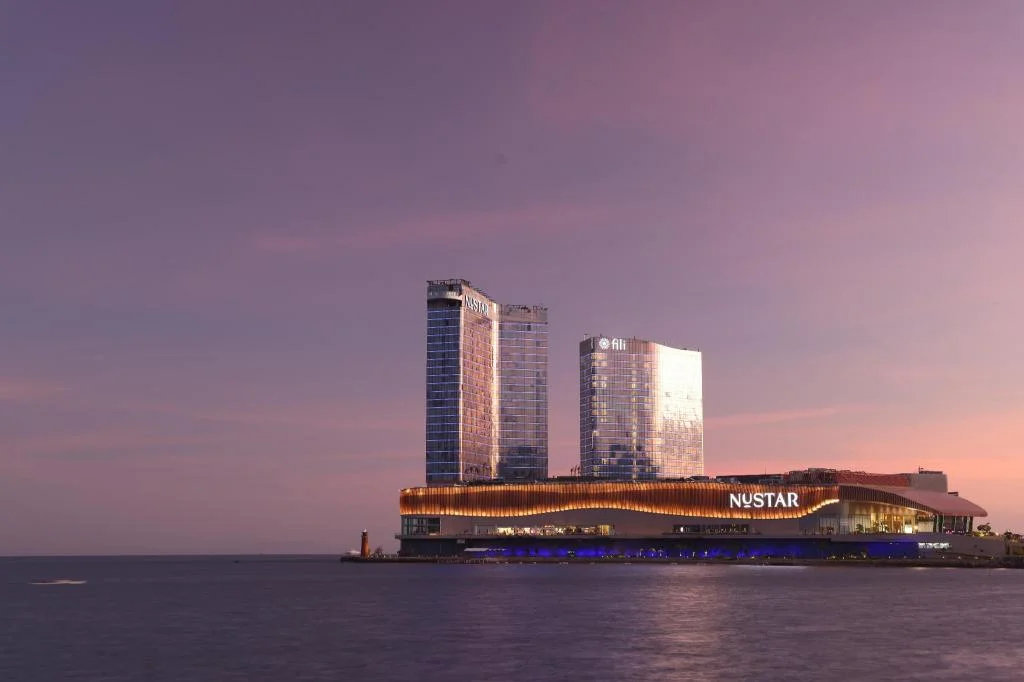
Fili Hotel - NUSTAR Resort & Casino Cebu
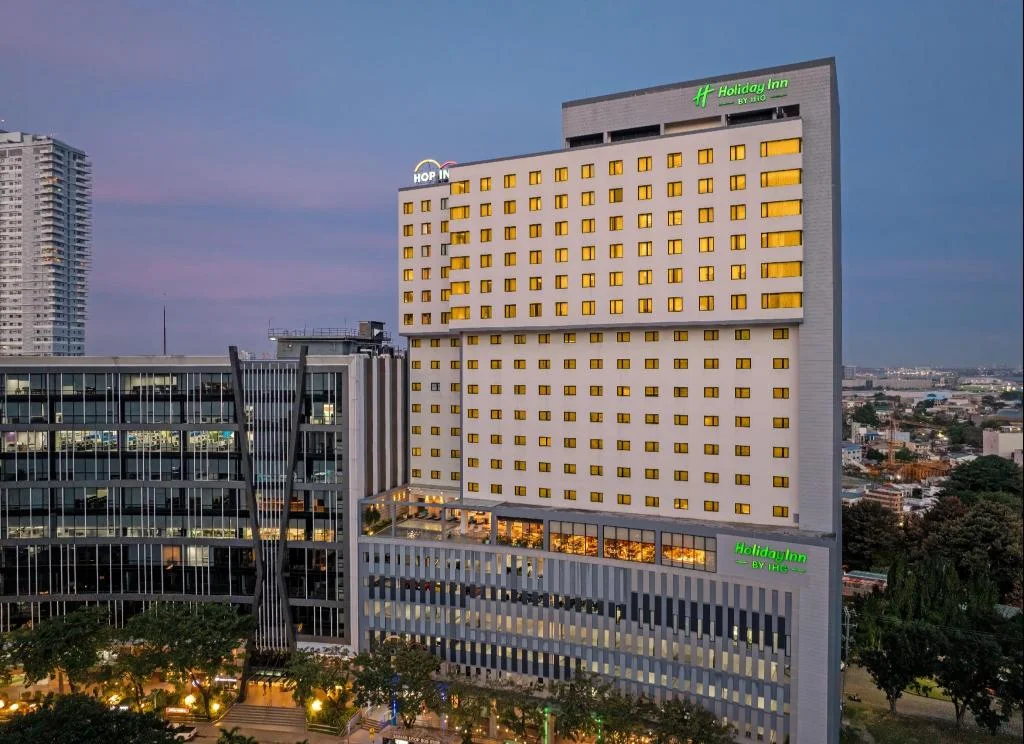
Holiday Inn Cebu City By IHG
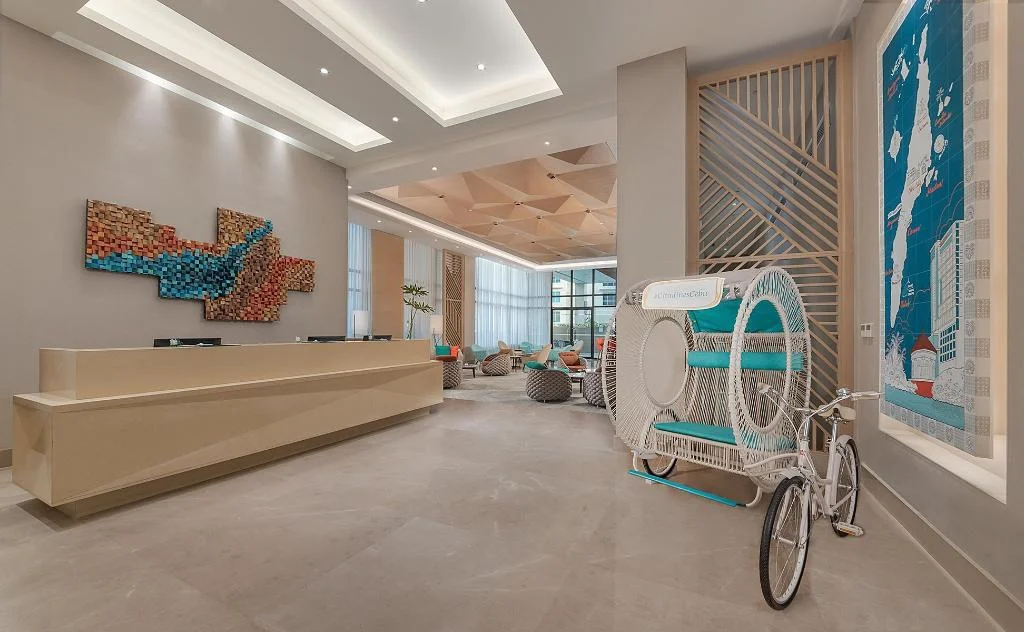
Citadines Cebu City
Prefer a rental? Vacation rentals near Cebu City
Self-catering condos and apartments — book the exact unit, kitchen included.
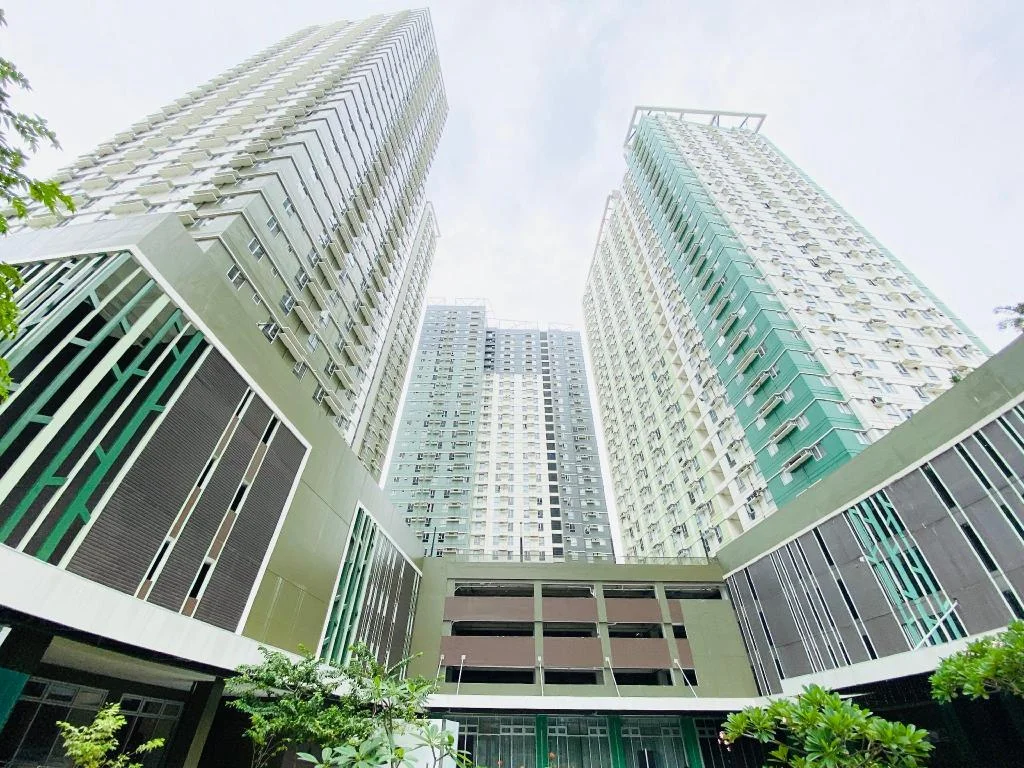
Cebu Avida Riala by P&J
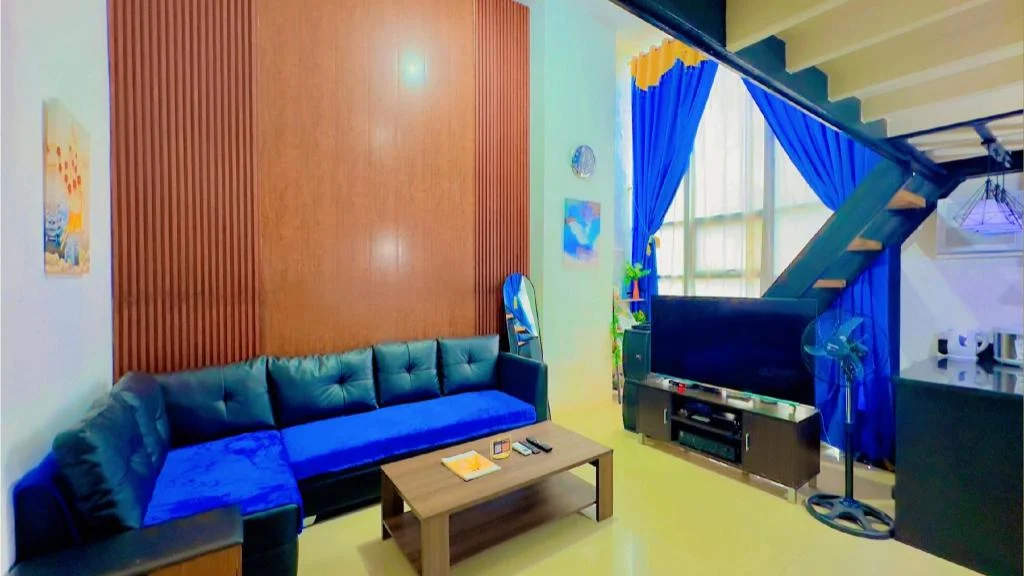
Special Big Loft Unit w/Fibreop Internet & Netflix

Moonstar Cebu Hotel - Deluxe Room
Before you go
Frequently asked
Is Cebu a city or an island?
What is the difference between Cebu Province and Cebu Island?
What is Metro Cebu?
How many islands does Cebu have?
What airport and port serve Cebu?
When someone says 'Cebu,' what do they usually mean?
Is Mactan part of Cebu City?
More Places to Explore
Temple of Leah
Cebu City
A magnificent Roman-inspired temple built as a monument of love, nicknamed 'Cebu's Taj Mahal,' offering stunning architecture and city views.
Tops Lookout
Cebu City
Cebu City's premier hilltop viewpoint offering stunning panoramic views of the city, especially spectacular at sunset and nighttime.
Magellan's Cross
Cebu City
The historic cross planted by Ferdinand Magellan in 1521, marking the birth of Christianity in the Philippines and now a National Cultural Treasure.