
TL;DR: “Metro Cebu” isn’t one city — it’s five connected local government units: Cebu City (heritage and business, pop. ~965,000), Mandaue (furniture and industry, ~364,000), Lapu-Lapu on Mactan Island (the airport, resorts, and beaches, ~498,000), Talisay (lechon and a working coastline, ~264,000), and Cordova (mangroves and sandbars, ~73,000; all 2024 census). Three crossings link the mainland to Mactan — the Mactan-Mandaue Bridge, the Marcelo Fernan Bridge, and the tolled CCLEX (₱107, about US$1.85, for a car) — and a Grab between any two areas runs roughly ₱150-350 (US$2.60-6). Base yourself in Cebu City or Mactan; treat the rest as day trips. Verified July 2026.
Say “Cebu” and most visitors picture one city. In practice, the urban area blurs across four local government boundaries you’d never notice crossing: Cebu City, the historic and commercial core; Mandaue City, the industrial belt in between; Lapu-Lapu City, which covers Mactan Island and the airport; and Talisay City, filling out the coast south of downtown. Add the quieter municipality of Cordova on the southern tip of Mactan, and you have what locals call Metro Cebu — five distinct places that function as one continuous city from the ground.
This guide is for anyone trying to figure out how the pieces fit: where the airport actually is relative to your hotel, why a 12-kilometer trip can take an hour, and which of the five areas deserves your time versus just a drive-through. If you landed here from a listicle about Magellan’s Cross or the Mactan Shrine and aren’t sure how those two relate geographically, this is the map in words.
Metro Cebu at a Glance
| Area | 2024 Population | What It’s For | Best For |
|---|---|---|---|
| Cebu City | ~965,000 | Heritage sites, IT Park, Cebu Business Park, hospitals | History, business travel, nightlife |
| Mandaue City | ~364,000 | Furniture manufacturing, Mantawi malls, industrial parks | Furniture shopping, budget stays near the bridges |
| Lapu-Lapu City (Mactan) | ~498,000 | The only airport, resort strip, dive sites, guitar factories | Beach resorts, diving, airport convenience |
| Talisay City | ~264,000 | Lechon roasting, a working coastline | Sunday lechon lunch, cheap day trips |
| Cordova | ~73,000 | Mangroves, sandbars, the CCLEX landing point | A quiet afternoon, sunset cafes |
Population figures from the 2024 Philippine census. Metro Cebu overall (seven cities and six municipalities) totaled about 3.2 million; these five are the areas a visitor actually touches. Verified July 2026.
What Exactly Is Metro Cebu?
Metro Cebu, officially the Cebu Metropolitan Area, is the built-up urban region on and around Cebu island — not a single administrative city. It spans seven cities and six municipalities, but almost everything a visitor cares about sits in five of them: Cebu City on the main island, Mandaue City just north of it, Lapu-Lapu City across the water on Mactan Island (with the airport), Talisay City south along the coast, and Cordova on Mactan’s southern tip. There’s no metro rail or unified transit card connecting them — Grab, taxis, and jeepneys do the job, across a set of bridges that get seriously congested at rush hour.
What Is Each City Known For?
Cebu City is the heritage and business core; the other four each specialize. Here’s the honest breakdown of what you’d actually go to each one for.
Cebu City holds the historic Spanish-colonial core — Magellan’s Cross, the Basilica del Santo Niño, and Fort San Pedro are all walkable from each other downtown — plus the modern business districts, IT Park and Cebu Business Park, where most of the restaurants, bars, and coworking spaces cluster. If you want one base for culture, food, and nightlife, this is it. See the Cebu City travel guide for the full rundown.
Mandaue City is the “furniture capital of the Philippines” — it produces a large share of the country’s high-end furniture exports, and streets like A.S. Fortuna are lined with showrooms and factory outlets. For visitors it’s mostly a pass-through between Cebu City and Mactan, though Mantawi International Drive has become a real shopping and dining strip (Park Mall, City Time Square) and the city throws the Mantawi Festival every May. See the Mandaue City guide for specifics.
Lapu-Lapu City covers all of Mactan Island and is the only place with an airport in the region — Mactan-Cebu International Airport (CEB) — which is why nearly every beach resort, dive shop, and guitar workshop in the metro sits here rather than in Cebu City proper. It’s also where Datu Lapu-Lapu defeated Ferdinand Magellan in 1521, commemorated at the Mactan Shrine. If a beach or an early flight matters to your trip, this is your base — see where to stay in Mactan and the Lapu-Lapu City & Mactan guide.
Talisay City is Cebu’s other lechon capital, alongside Carcar — Sunday afternoons near the Talisay City Public Plaza still draw crowds for whole roast pig sold by the kilo. Its shoreline was a popular beach getaway decades ago, but most of it is now industrial and residential; a city redevelopment project (the Promenade and Heritage Park) is underway to bring back a proper boardwalk. Full detail in the Talisay City guide, and see our lechon guide for where to actually eat it.
Cordova is the quiet one — a municipality (not a city) on Mactan’s southern tip, known for the LED-lit 10,000 Roses Cafe, the Lantern Park, and sandbars like Day-as. It’s also the Mactan-side landing point for the CCLEX toll expressway. Cordova is worth an afternoon, not a multi-night stay. See the Cordova guide.
How Do You Get Between the Cities?
Grab, taxi, or your resort’s shuttle — there’s no train, and three separate crossings link the mainland to Mactan. Which one your driver takes usually depends on traffic and where you’re headed on the island:
| Crossing | Connects | Light Traffic | Peak Traffic | Cost |
|---|---|---|---|---|
| Mactan-Mandaue Bridge (1st) | Mandaue → north Mactan | 15-20 min | 30-45 min | Free |
| Marcelo Fernan Bridge (2nd) | Cebu City → Mactan | 20-30 min | 45-60+ min | Free |
| CCLEX (3rd, toll) | Cebu City (SRP) → Cordova | 15-20 min | Usually lighter | ₱107 car / US$1.85 |
CCLEX toll shown is the Class 1 (standard car) rate, in effect since October 1, 2025. Motorcycles (Class 1M) pay ₱68; larger vehicles pay more. Confirm current rates with CCLEX before driving. Verified July 2026.
Peak hours are roughly 7-9 AM and 5-7 PM on weekdays, when any of the free bridges can crawl to a standstill — the paid CCLEX is often the faster option precisely because most traffic avoids the toll. For ride costs: a Grab from central Cebu City to the Mactan resort strip runs about ₱200-350 (US$3.45-6), 30-50 minutes; a taxi from the airport to downtown Lapu-Lapu is closer to ₱100-150 (US$1.72-2.59); and airport to central Cebu City runs ₱250-450 (US$4.31-7.76), 40-60 minutes. See our getting around Cebu guide for jeepney and bus options if you’re budget-tracking.
Where Should You Base Yourself?
Cebu City or Mactan — pick based on whether you came for the city or the beach. If heritage sites, restaurants, and nightlife matter more, book IT Park or Cebu Business Park (see where to stay in Cebu City) and treat Mactan as a day trip across the bridge. If a resort pool, diving, or an early departure matters more, stay on Mactan and treat downtown Cebu City as the day trip instead. Mandaue works as a budget alternative near the bridges if you don’t mind a less walkable, more industrial neighborhood. Talisay and Cordova rarely make sense as a base — hotel stock is thin in both, and everything you’d want to see there is doable in an afternoon from either main base.
Do You Need to Visit All Five?
No — most trips only need two. A typical structure: land at Mactan-Cebu International Airport, spend your first day or two in Cebu City for the heritage core and food scene, then move to (or day-trip to) Mactan for beach time and diving before you fly out. If you have an extra half-day, a Sunday lechon lunch in Talisay or a sunset stop at Cordova’s 10,000 Roses Cafe are easy add-ons — neither needs an overnight stay, and both are under 45 minutes from either main base.
The Honest Take
Metro Cebu reads as one city on a map and feels like five once you’re stuck in traffic between them. The bridges are the real bottleneck: at rush hour, a trip that should take 20 minutes can take an hour, and there’s no way around it except timing your movements outside 7-9 AM and 5-7 PM, or paying the CCLEX toll to dodge the worst of it. Mandaue and Talisay, honestly, have little reason for a tourist to book a hotel in either — Mandaue is furniture warehouses and highway, and Talisay’s old beach strip has been swallowed by industry and housing, waiting on a redevelopment project that hasn’t fully delivered yet. Cordova is the pleasant surprise: still rural in feel, with genuinely nice sandbars and mangroves, but it’s a half-day stop, not a destination in itself. If you only have a few days, don’t try to “see” all five — pick Cebu City and Mactan, and let the rest be brief detours.
Putting It Together
Metro Cebu works best when you stop thinking of it as one place and start thinking of it as a short hop between a handful of specialists: Cebu City for history and food, Mactan for the beach and the airport, and Talisay or Cordova for a half-day if you have room. Book your Cebu City hotel or your Mactan resort on Agoda based on which one you’ll spend more nights in, and line up an island-hopping tour out of Mactan on Klook for the days you want the water rather than the streets. From here, branch out to the Lapu-Lapu City & Mactan guide or the Mandaue City guide for the neighborhood-level detail this overview skipped.
Sources
- Philippine Statistics Authority — 2024 Census of Population and Housing, Region VII
- Manila Times — CCLEX to impose new tolls
- SunStar Cebu — Motorists to pay higher tolls as CCLEX enforces full rate hike
- Mactan-Cebu International Airport — official site
- Bridge travel times, Grab/taxi fares, and city profiles verified against 2024-2026 local reporting and operator listings. Verified July 2026.
Book Tours & Hotels for This Trip
Find and book the best deals — prices and availability update in real time. Links open in a new tab.
Where to stay near Cebu City
Top-rated hotels for this trip — tap through to check live rates.
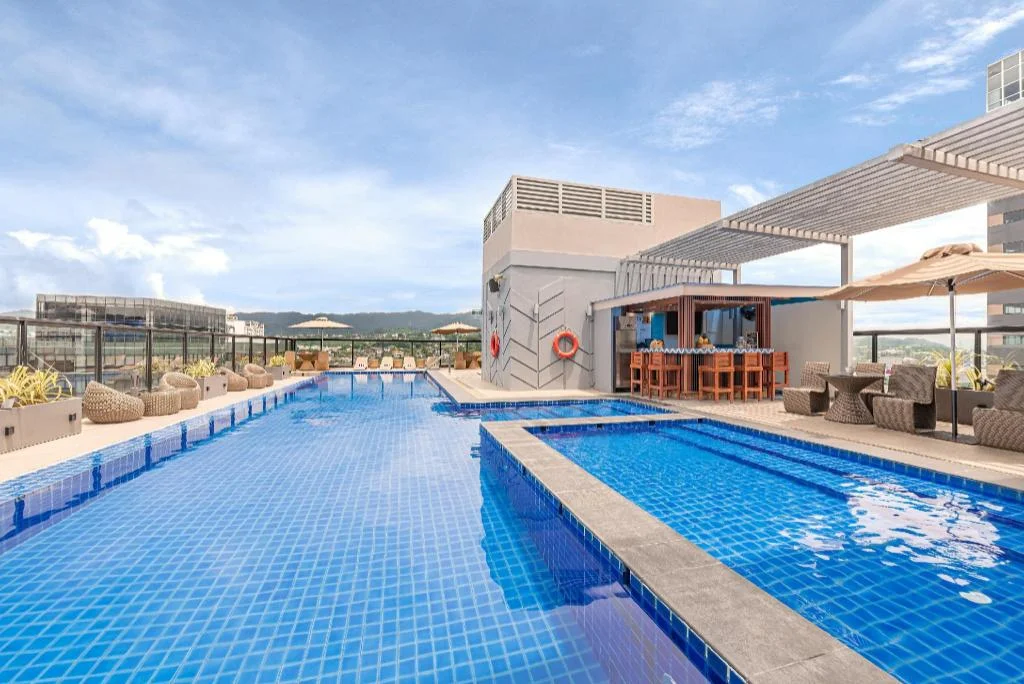
Seda Central Bloc Cebu City
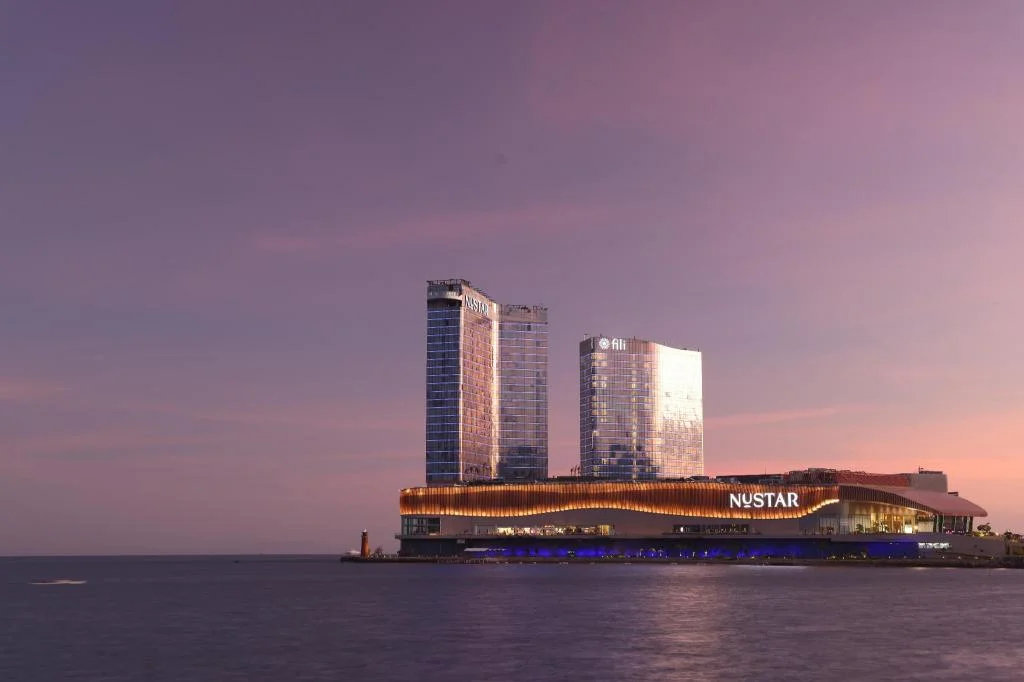
Fili Hotel - NUSTAR Resort & Casino Cebu
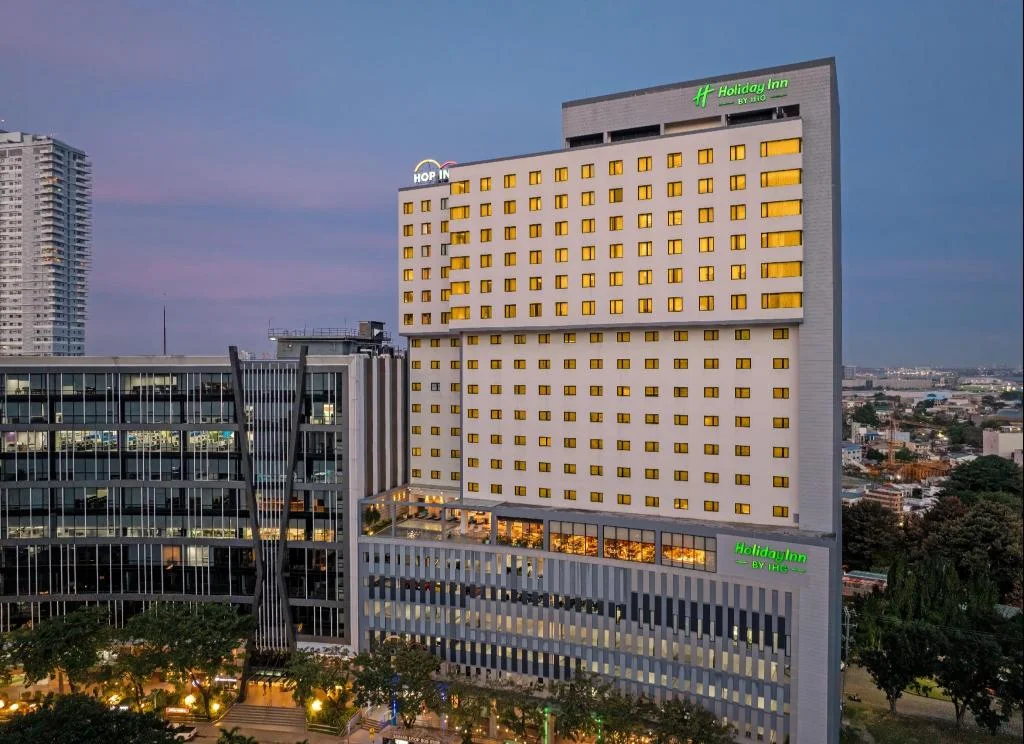
Holiday Inn Cebu City By IHG
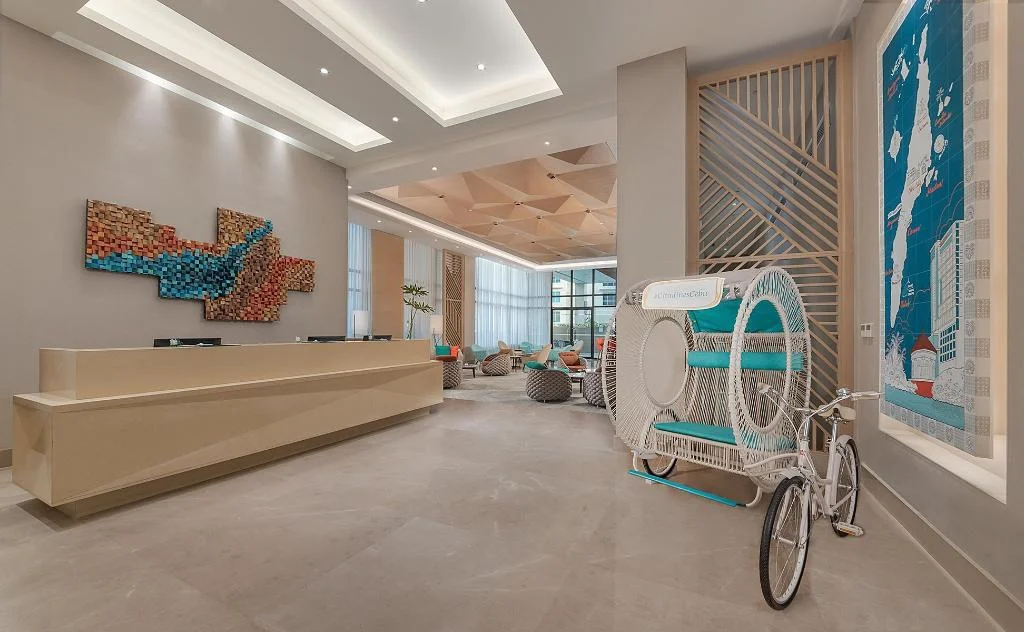
Citadines Cebu City
Prefer a rental? Vacation rentals near Cebu City
Self-catering condos and apartments — book the exact unit, kitchen included.
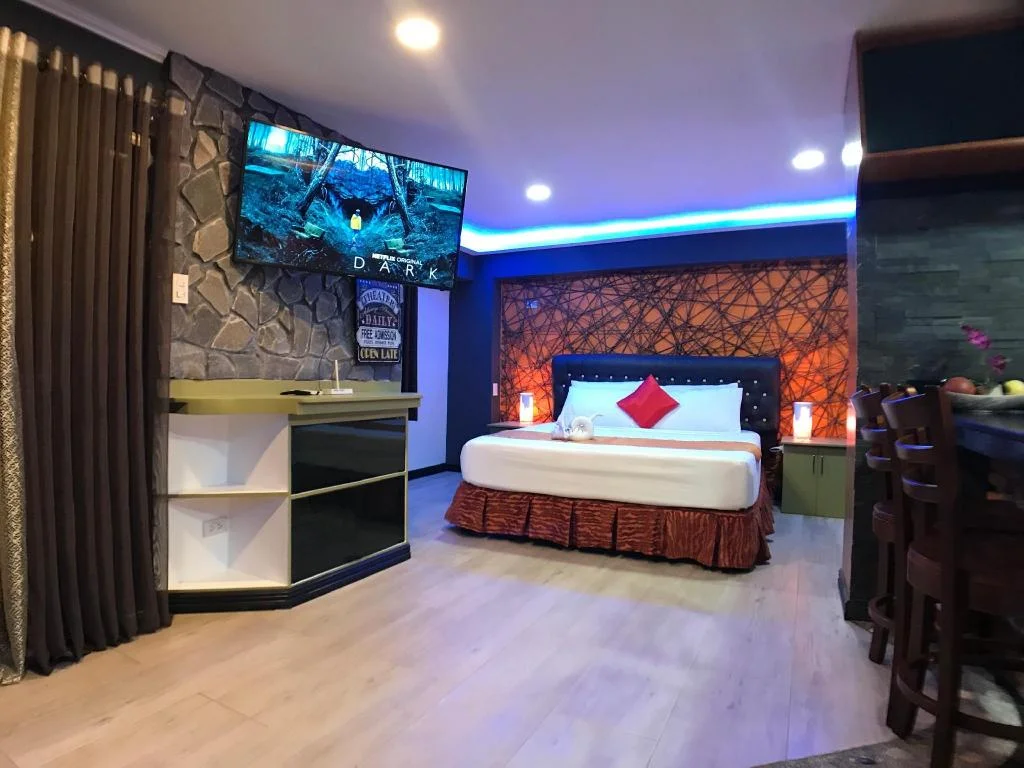
ClockWorkOrange Luxury Suites
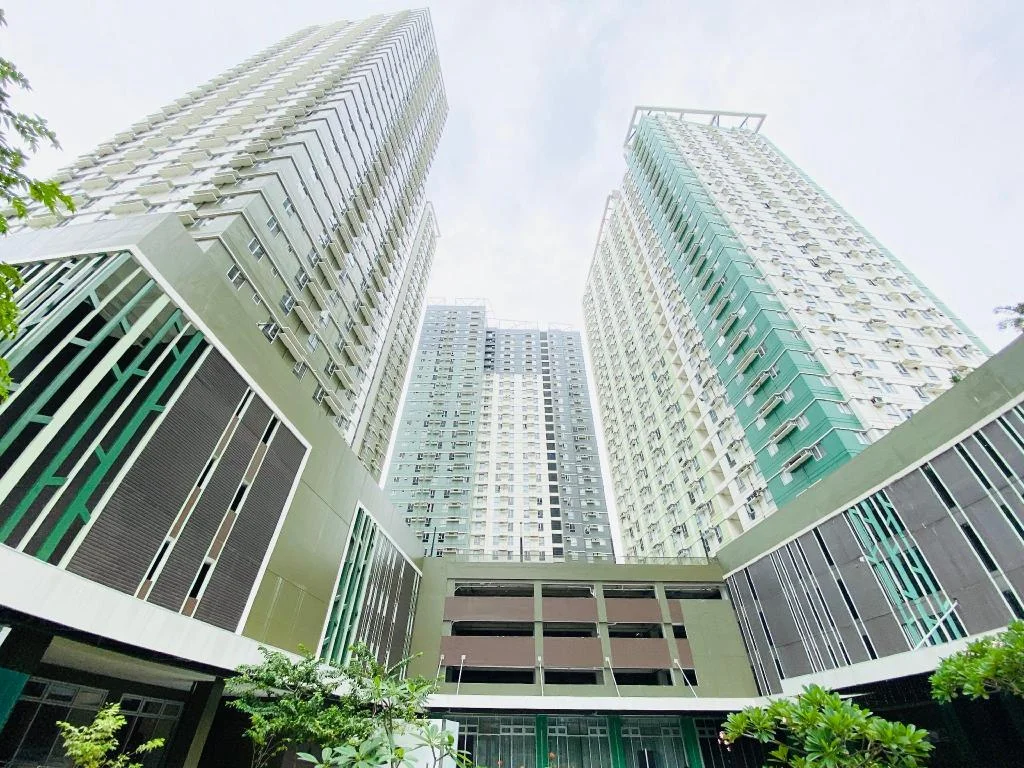
Cebu Avida Riala by P&J
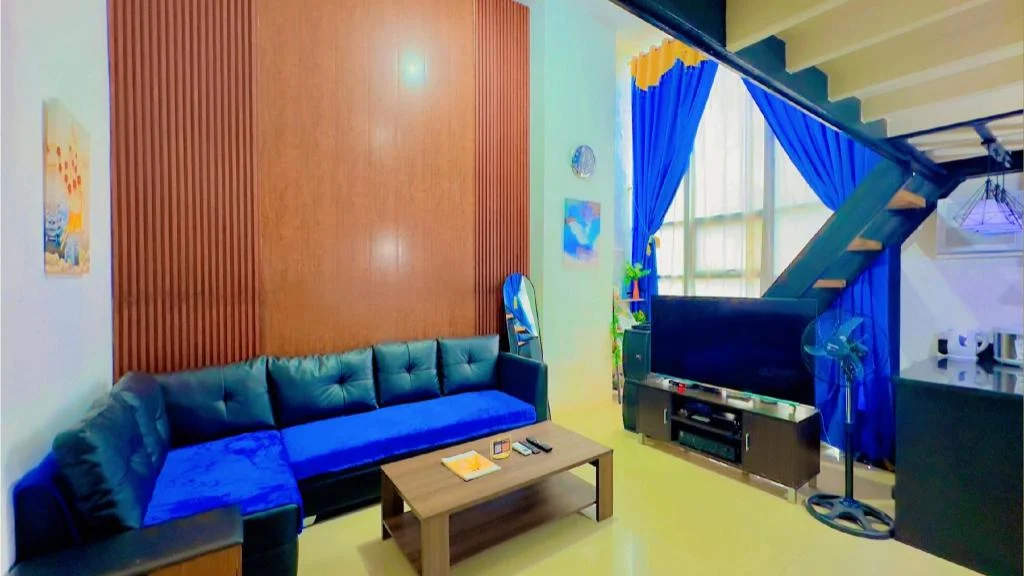
Special Big Loft Unit w/Fibreop Internet & Netflix
Before you go
Frequently asked
What is Metro Cebu?
What is the difference between Cebu City and Mactan?
How do you get from Cebu City to Mactan Island?
Is Cordova the same place as Mactan?
Where should first-time visitors stay in Metro Cebu?
How much is the CCLEX toll?
Is Talisay City worth visiting?
Do you need a car to get around Metro Cebu?
More Places to Explore
Magellan's Cross
Cebu City
The historic cross planted by Ferdinand Magellan in 1521, marking the birth of Christianity in the Philippines and now a National Cultural Treasure.
Mactan Shrine
Lapu-Lapu City
Historic park commemorating the 1521 Battle of Mactan where Lapu-Lapu defeated Magellan, featuring monuments to both warriors.
Mantawi International Drive
Mandaue City
A modern waterfront promenade along the Mactan Channel with parks, cafes, and stunning views of the bridges connecting Cebu to Mactan Island.
Talisay City Public Plaza
Talisay City
The civic center of Talisay City featuring public parks, government buildings, and community gathering spaces.