
TL;DR: Thai citizens get 30 days visa-free in Cebu (Executive Order 408), just a passport with 6+ months’ validity and the free eTravel registration before landing. There’s a direct Bangkok–Cebu flight on Cebu Pacific twice a week, and AirAsia adds a daily direct route from June 11, 2026. Budget-wise, Cebu runs close to Thailand for mid-range travel (~US$68/day) but can cost more once you add inter-island transfers. Thai food exists in a handful of Cebu City and Mactan restaurants, but it’s a small scene, not a street-food culture. Verified July 2026.
If you’ve already done Phuket, Koh Samui, and Chiang Mai and you’re wondering what else Southeast Asia has to offer, Cebu is a reasonable next stop, and one of the easier ones logistically. It’s Catholic rather than Buddhist, English-speaking rather than Thai-speaking, and built around canyoneering, whale sharks, and Spanish-colonial heritage rather than temples and night markets. This guide covers what a Thai traveler actually needs to plan the trip: the visa rule (genuinely visa-free, but verify the fine print), how to fly there, what your baht is worth, whether it’s a cheaper or pricier trip than staying in Thailand, and where to find Thai food if you get homesick. Cebu City’s heritage core, including the Temple of Leah, and the south’s biggest draw, Kawasan Falls, both get their own mentions below.
Cebu at a Glance for Thai Travelers
| Category | What to know |
|---|---|
| Visa | Visa-free, up to 30 days (Executive Order 408, ASEAN nationals) |
| Passport validity | 6+ months from arrival date |
| Pre-arrival step | Free eTravel registration, within 72 hours of your flight, at etravel.gov.ph |
| Direct flight | Cebu Pacific 5J5959, Bangkok (DMK) ↔ Cebu, Fri & Sun, ~4h10m |
| New daily route | AirAsia, Bangkok (DMK) ↔ Cebu, daily from June 11, 2026 |
| Currency | 1 THB ≈ ₱1.84 (₱62 ≈ US$1, July 2026), mid-2026 |
| Language | English works; Cebuano/Filipino are local languages, not Thai |
| Religion/vibe | Majority Catholic, Spanish-colonial heritage, not Buddhist temple culture |
Verified July 2026.
Do Thai Citizens Need a Visa for Cebu?
No. Thai passport holders can enter the Philippines visa-free for up to 30 days under Executive Order No. 408, the standing rule for ASEAN nationals. You’ll need a passport valid for at least six months past your arrival date, and immigration can ask to see proof of an onward or return ticket, so have that ready on your phone or printed.
On top of the visa exemption, the Philippines requires every arriving traveler, regardless of nationality, to complete the free eTravel registration at etravel.gov.ph within 72 hours before your flight. You’ll enter your passport details, flight information, and a local accommodation address, then get a QR code that immigration scans at Mactan-Cebu International Airport. It’s a five-minute form, but skip it and you’ll be stuck filling it out in the arrival hall queue instead.
If you want to stay longer than 30 days, Cebu’s Bureau of Immigration office handles extensions in-country; budget for that separately, since it’s not part of the free entry window.
How Do You Fly from Thailand to Cebu?
There’s now a direct option, which wasn’t always true. Cebu Pacific operates flight 5J5959 nonstop between Bangkok’s Don Mueang Airport (DMK) and Mactan-Cebu International Airport (CEB) on Fridays and Sundays, a flight of roughly 4 hours 10 minutes on an Airbus A321neo. From June 11, 2026, AirAsia is adding a daily direct Cebu–Bangkok (Don Mueang) service, which would be the first daily nonstop connection between the two cities if it holds to schedule. Confirm both routes are still flying and check the current timetable before you book, since budget-carrier schedules on thinner routes do get adjusted.
If the direct flights don’t line up with your dates or budget, connecting through a regional hub still works well:
- Via Manila — the most frequent option, with Philippine Airlines, Cebu Pacific, and AirAsia all flying Bangkok–Manila and Manila–Cebu multiple times daily.
- Via Singapore — Cebu has direct flights to Singapore on Cebu Pacific, Scoot, and Singapore Airlines, and Bangkok–Singapore is a heavily served route, so this can work if you want a stopover.
- Via Kuala Lumpur — Cebu also has a direct AirAsia/Firefly link to Kuala Lumpur, another workable connection point for Bangkok departures.
Whichever route you pick, register for eTravel using the flight number of the leg that actually lands in the Philippines, not your first departure.
How Much Is the Baht Worth in Cebu?
Not far off a 1:2 conversion, which makes mental math easy. At the mid-2026 rate, 1 Thai baht is worth roughly ₱1.84 (with ₱62 ≈ US$1, July 2026). That means 1,000 baht is about ₱1,840, and ₱1,000 works out to roughly 540 baht. Rates shift daily, so check a live converter before any big cash exchange rather than relying on this figure exactly.
Philippine pesos are the only currency accepted for everyday spending; baht isn’t exchanged at most Cebu money changers, so convert before you leave Thailand or withdraw pesos from an ATM after you land (Mactan-Cebu International Airport has several inside arrivals). Cards are widely accepted at hotels, malls, and larger restaurants in Cebu City and Mactan, but carry cash for markets, tricycles, and smaller eateries, especially outside the city.
Is Cebu More Expensive or Cheaper Than Thailand?
About the same for mid-range travel, but Thailand pulls ahead for tight budgets. Mid-range daily costs run close to US$68 in both countries, so a comparable week works out similarly either way. Where the gap opens up is at the backpacker end: Thailand’s islands are linked by cheap, frequent ferries, while getting between Cebu’s outer islands and provinces (Bantayan, Camotes, Malapascua) usually means a van transfer or a domestic flight, plus small add-on fees, environmental charges, boat fees, entrance fees, that stack up fast across a multi-stop itinerary. If you’re used to Thailand’s backpacker trail pricing, budget a bit more slack for a Cebu-based trip with several side destinations.
Will You Find Thai Food in Cebu?
Yes, in a handful of spots, but it’s a small scene, not a food culture the way it is at home. The standout is Benjarong at Dusit Thani Mactan Cebu Resort, an authentic fine-dining Thai kitchen led by a Thai chef with over two decades of experience, and reportedly the only fine-dining Thai restaurant in the Visayas. For something more casual: Flavors of Siam in Banilad, AJ Thai Food near Ayala Center Cebu (ingredients sourced directly from Thailand, by the restaurant’s own description), Kinn Kinn – A Thai Kitchen, and Krua Thai, with branches in both Mactan (Marina Mall) and Ayala Center. Pad thai, tom yum, and green curry all show up on these menus, but don’t expect Bangkok-street-stall spice levels or the range of regional Thai food you’d get at home.
What Will Feel Familiar, and What Won’t
Cebu shares some DNA with Thailand’s beach-and-island tourism, warm water, diving, boat trips, tropical produce, but the cultural backbone is different. The Philippines is majority Catholic, and Cebu’s biggest landmarks reflect that: the Basilica del Santo Niño and Magellan’s Cross sit at the center of the city’s identity rather than a temple complex. If you want a small taste of something closer to home, the Cebu Taoist Temple in the hills above the city is worth a look, built by the local Chinese-Filipino community, though it’s a different tradition from Thai Buddhism, more of a curiosity stop than a devotional one.
What Cebu offers that most of Thailand doesn’t is canyoneering and whale shark encounters at this scale. Kawasan Falls in the south is a half-day canyoneering trip, hiking, cliff-jumping, and rappelling down a river canyon to a turquoise waterfall, and Oslob’s supervised whale shark swims are one of the most-searched reasons foreign travelers add Cebu to a Philippines trip. Neither has a real Thai equivalent, so if you’ve done the islands-and-temples version of Southeast Asia already, these are the two experiences worth planning around.
English is also more consistently spoken here than in much of Thailand outside Bangkok and the big resort towns, since it’s a co-official language and the medium of instruction in schools. You won’t need Thai, and you won’t need much beyond basic English either.
The Honest Take
Cebu is an easy add-on for a Thai traveler who wants something different without a complicated visa process or a long flight, four hours from Bangkok, visa-free, and English-friendly. But go in with the right expectations: it’s not a cheaper Thailand, and it’s not a beach-hopping trip with Thailand’s ferry convenience. Multi-stop itineraries here cost more in transfers than they would island-hopping in Thailand, and the direct flight schedule is still thin (twice weekly on Cebu Pacific, daily on AirAsia only from mid-2026), so book around the actual timetable rather than assuming daily options exist everywhere. If your trip is Cebu City plus one or two south-Cebu day trips (Kawasan, Oslob), the logistics are simple and the cost is reasonable. If you’re trying to string together five islands in a week the way you might in Thailand, budget extra time and money for the gaps between them.
Sources
- VisaGlance — Philippines visa for Thai citizens
- Philippine Travel Information System — eTravel registration
- FlightsFrom.com — Bangkok (DMK) to Cebu direct flights
- InsiderPH — AirAsia Philippines direct Cebu–Bangkok flights
- Dusit Thani Mactan Cebu Resort — Benjarong dining
- Currency conversion and mid-range cost comparisons checked against live rate trackers and 2026 travel-cost breakdowns. Verified July 2026.
Planning the rest of the trip: pair this with our guide on whether you need a visa for Cebu for the full ASEAN and non-ASEAN breakdown, check international flights and airline routes if the direct Bangkok flight doesn’t suit your dates, and see how Cebu compares to Thailand on cost before you commit to a length of stay. For the canyoneering and whale-shark day trips mentioned above, browse Kawasan Falls and Oslob tours on Klook, and compare Cebu City and Mactan hotels on Agoda once you’ve settled on your base.
Book Tours & Hotels for This Trip
Find and book the best deals — prices and availability update in real time. Links open in a new tab.
Where to stay near Cebu City
Top-rated hotels for this trip — tap through to check live rates.
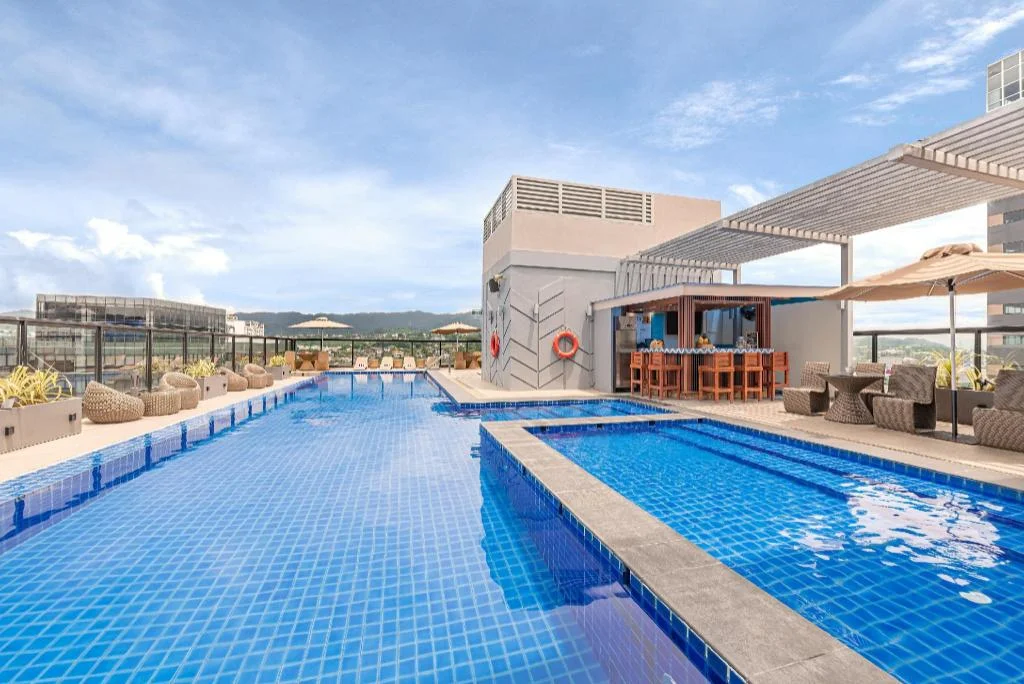
Seda Central Bloc Cebu City
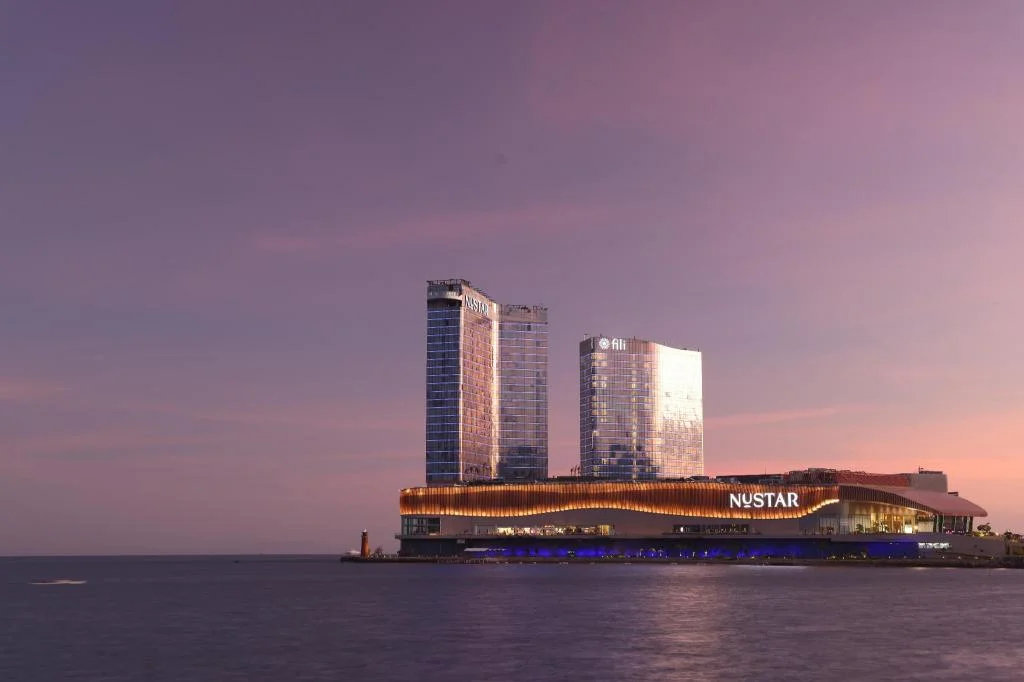
Fili Hotel - NUSTAR Resort & Casino Cebu
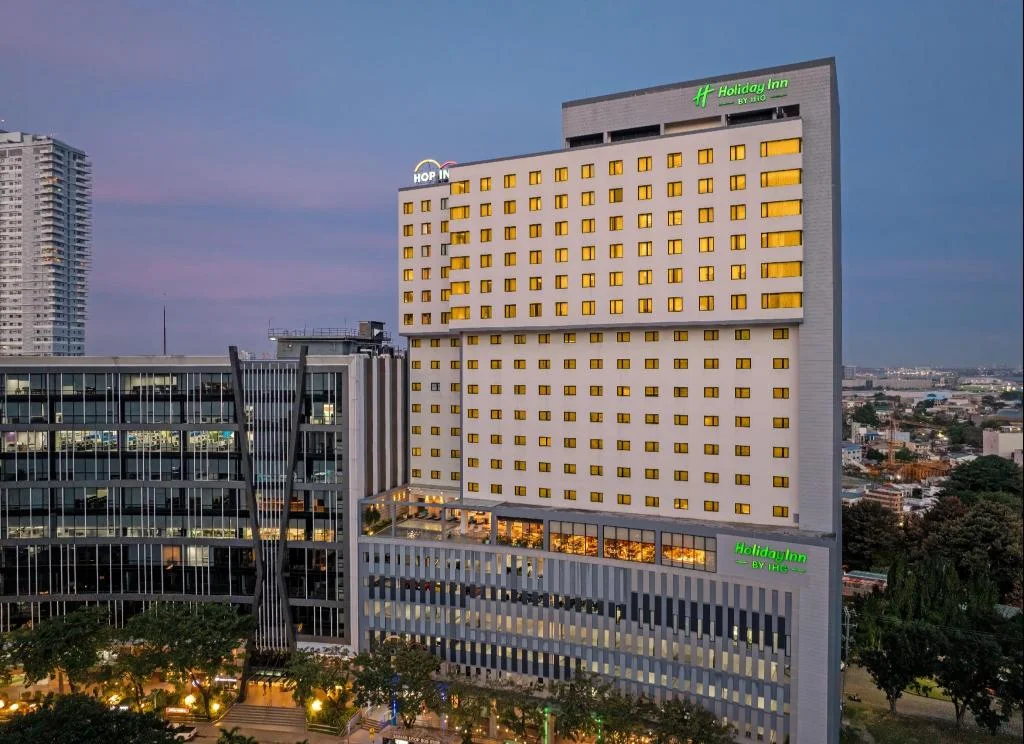
Holiday Inn Cebu City By IHG
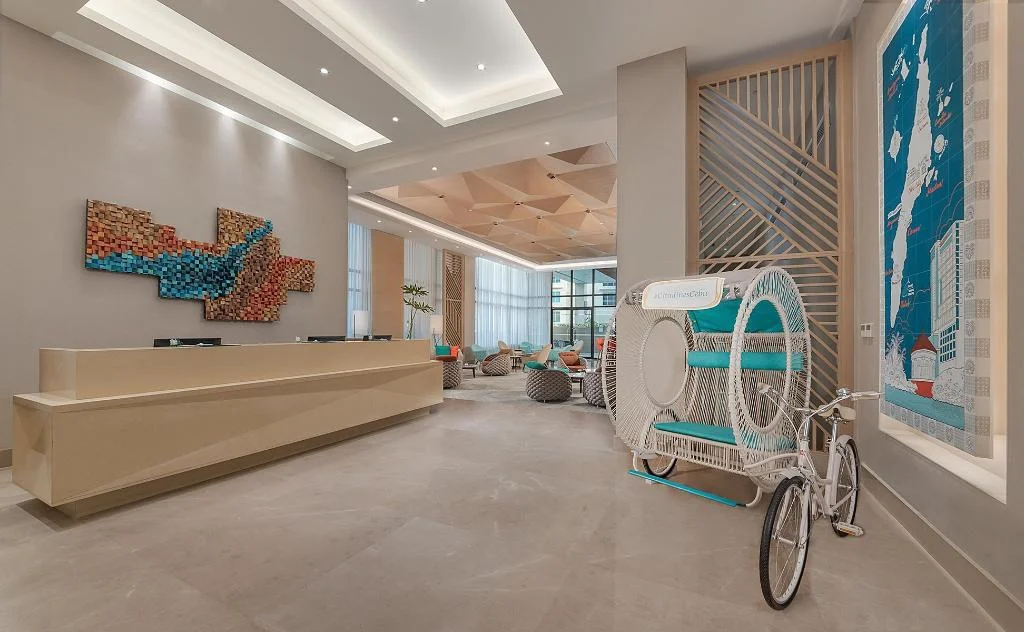
Citadines Cebu City
Prefer a rental? Vacation rentals near Cebu City
Self-catering condos and apartments — book the exact unit, kitchen included.
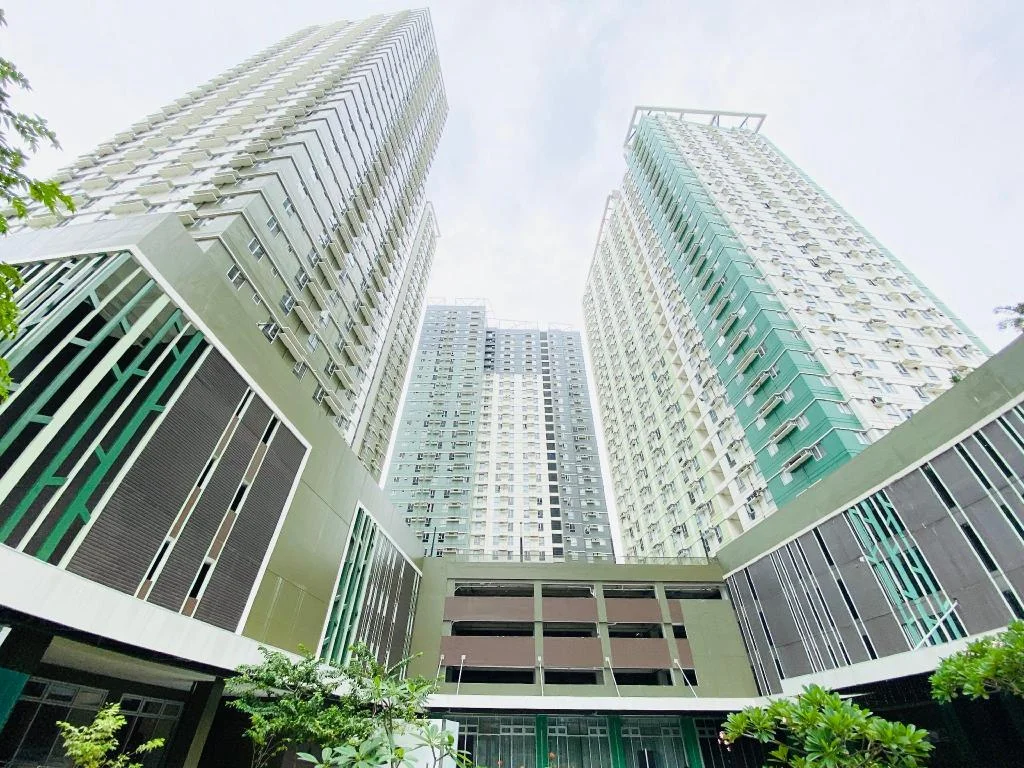
Cebu Avida Riala by P&J
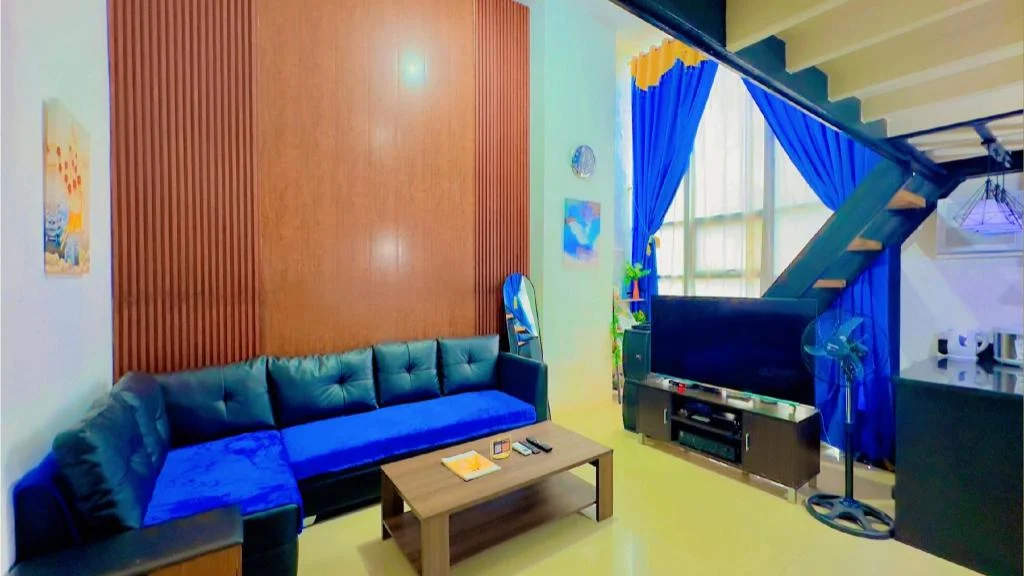
Special Big Loft Unit w/Fibreop Internet & Netflix
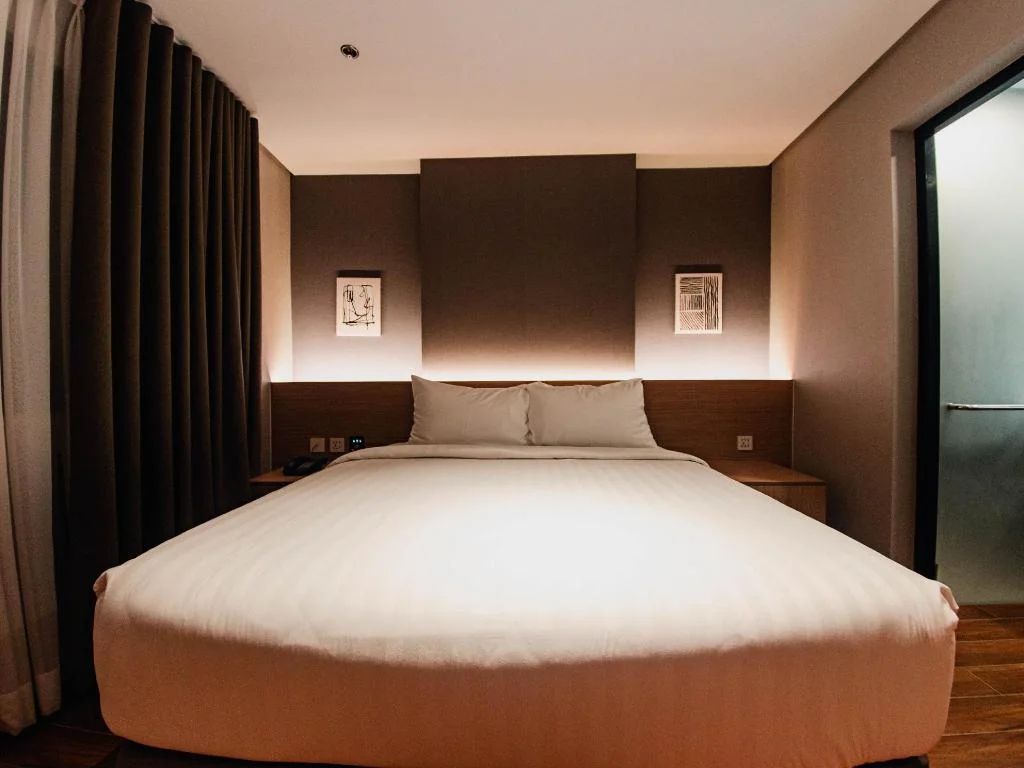
Moonstar Cebu Hotel - Deluxe Room
Before you go
Frequently asked
Do Thai citizens need a visa to visit Cebu?
Are there direct flights from Thailand to Cebu?
How much is 1,000 Thai baht in Philippine pesos?
Is Cebu cheaper than Thailand?
Can you find Thai food in Cebu?
Do you need to speak English in Cebu, or will Thai get you by?
Is Cebu Buddhist, like Thailand?
What Cebu experiences don't really exist in Thailand?
More Places to Explore
Temple of Leah
Cebu City
A magnificent Roman-inspired temple built as a monument of love, nicknamed 'Cebu's Taj Mahal,' offering stunning architecture and city views.
Kawasan Falls
Badian
A stunning three-tiered waterfall famous for its turquoise waters, bamboo raft rides, and as the endpoint of the famous Badian canyoneering adventure.