
TL;DR: Cebu wins for diving, waterfalls, and variety; Phu Quoc wins for calm, contained resort relaxation. Cebu runs about US$78/day mid-range versus Phu Quoc’s US$30–90/day depending on tier. Cebu has stronger snorkeling and diving (sardine runs, whale sharks, wrecks); Phu Quoc has longer, calmer beaches and an integrated resort-and-theme-park zone (Vinpearl, Grand World). There’s no nonstop flight between them - expect a connection through Manila or Ho Chi Minh City. Both islands sit in their dry season from roughly November to April. Verified July 2026.
If you’ve narrowed a Southeast Asia beach trip down to the Philippines or Vietnam, Cebu and Phu Quoc are the two islands that keep coming up. Both are affordable, both have international airports, and both get marketed as “paradise” - but they deliver very different holidays. Cebu is a big province built around a real city, with waterfalls, whale sharks, and some of Asia’s best diving scattered across dozens of towns. Phu Quoc is a single, more compact island that Vietnam has poured resort investment into over the last decade, built for travelers who want to land, settle into one resort zone, and not move much. This guide lines the two up honestly, beaches, diving, cost, visas, food, and nightlife, so you can pick the one that actually matches your trip.
Cebu vs Phu Quoc at a Glance
| Category | Cebu, Philippines | Phu Quoc, Vietnam |
|---|---|---|
| Best for | Diving, waterfalls, island-hopping, city + beach mix | Calm resort beaches, contained relaxation |
| Beaches | Scattered, boat-access islands (Moalboal, Bantayan, Malapascua) | Long, soft-sand beaches (Sao, Long Beach, Khem), mostly resort-fronted |
| Diving/snorkeling | World-class: sardine run, whale sharks, thresher sharks, wrecks | Snorkeling-first: An Thoi archipelago day tours, shallow reef sites |
| Mid-range daily budget | ~US$78/day | ~US$60–90/day (US$30–40 backpacker) |
| Visa (most Western/ASEAN passports) | 30 days visa-free | 30 days visa-free (island-only); 21 days if continuing to mainland Vietnam |
| Getting there | Mactan-Cebu International Airport (CEB), well-connected regionally | Phu Quoc International Airport (PQC), fewer long-haul direct routes |
| Nightlife | City-driven: bars, rooftop lounges, night markets | Grand World entertainment zone + Duong Dong night market |
| Family attractions | Cebu Safari, waterfalls, whale shark watching | Vinpearl Safari, VinWonders theme park, cable car |
| Iconic activity cost | Whale shark swim ~₱1,000 (~US$16); canyoneering ~₱2,100 (~US$34) | 4-island snorkel day tour ~US$20–30 incl. lunch and gear |
Peso figures use ₱62 ≈ US$1; Vietnamese dong figures use ~26,300 VND ≈ US$1 (July 2026). Verified July 2026.
Which Has Better Beaches?
Phu Quoc’s beaches are longer and calmer; Cebu’s are smaller but paired with clearer water for snorkeling right off the shore. Phu Quoc’s Sao Beach, Long Beach (Bai Truong), and Khem Beach run for kilometers of soft white sand, mostly fronted by resorts, with gentle, shallow water year-round in the dry season. Cebu’s best beaches, like Panagsama Beach in Moalboal, Bantayan Island, and Malapascua, are shorter stretches, often reached by a short boat ride, but the payoff is water clear enough to see reef and sardine schools without a boat trip.
If you want to spend your days lying on one long beach in front of your resort, Phu Quoc wins. If you want to swim, snorkel, or dive from the beach itself, Cebu wins.
Which Wins for Diving and Snorkeling?
Cebu, by a wide margin. Moalboal’s sardine run puts you inside a moving wall of millions of fish a few meters offshore; a fun dive there runs roughly ₱1,650–2,100 all-in (about US$27–34), including tank, weights, and the marine park fee. Add Kawasan Falls canyoneering nearby (from ₱2,100, about US$34) and Oslob’s whale shark watching (~₱1,000, about US$16), and Cebu delivers a genuinely varied underwater and adventure lineup within a two-hour drive of each other.
Phu Quoc is a snorkeling destination first, diving second. The An Thoi archipelago in the south has 15-plus sites, but they’re shallow (5–12 meters) with calmer, warmer water and less current, better suited to beginners and casual snorkelers than serious divers. The classic 4-island boat tour costs roughly US$20–30 per person for a full day, including lunch, fruit, snorkel gear, and several stops - good value, but not the same caliber of marine life as Cebu’s dive sites.
How Do the Resorts and Hotels Compare?
Phu Quoc has more large-scale, all-in-one resort development; Cebu has more range, from backpacker guesthouses to five-star Mactan resorts. Phu Quoc has roughly 870-plus hotels, anchored by the Vinpearl and Grand World complexes, both large mixed-use resort zones with their own theme parks, shopping, and dining built in. It’s designed so you barely need to leave.
Cebu’s accommodation is more spread out by purpose: luxury beachfront resorts cluster in Mactan, budget dive lodges cluster in Moalboal, and business hotels cluster in Cebu City. You’ll do more moving between towns to see everything, but you get more variety of experience along the way. Compare Mactan resorts on Agoda if you want the beach-resort side of Cebu specifically.
Which Has Better Food?
Both islands are genuinely strong on food, just in different styles. Cebu’s signature dishes, lechon (roast pig), sutukil (grilled, soup, and raw seafood), and fresh dampa-style seafood markets, lean savory and communal, with heavy Spanish and Chinese influence from centuries of trade. Phu Quoc leans coastal Vietnamese: Ham Ninh crab, herring salad, grilled cheese-topped oysters, and the island’s famous fish sauce (nuoc mam), best sampled at the Duong Dong night market’s 100-plus stalls after dark.
If you want hearty, roasted, shareable food, Cebu edges it. If you want fresh, briny, market-stall seafood eaten standing up, Phu Quoc edges it.
How Much Does Each Cost Per Day?
Phu Quoc is cheaper at the true budget end; Cebu and Phu Quoc land close together once you add tours and diving.
| Tier | Cebu | Phu Quoc |
|---|---|---|
| Backpacker | Similar range to Phu Quoc once you factor in dorms and street food, though fewer dorm-style options exist outside Moalboal and Cebu City | ~US$25–40/day: hostels, street food, scooter rental |
| Mid-range | ~US$78/day average, per Budget Your Trip’s Cebu data | ~US$60–90/day: boutique hotels, seafood dinners, private tours |
| Diving/activities add-on | Fun dive ~US$27–34; canyoneering ~US$34; whale sharks ~US$16 | 4-island snorkel tour ~US$20–30; Hon Thom cable car ~US$20–28 |
Verified July 2026. Confirm current rates locally, as tour and dive pricing shifts seasonally on both islands.
What About Visas and Getting There?
Both islands are easy to enter, but the rules differ enough to plan around. The Philippines is visa-free for 30 days for citizens of 157-plus countries, covering essentially all of North America, Europe, Australia and New Zealand, and ASEAN (India and China get 14 days). You’ll need proof of onward travel and to register on the etravel.gov.ph portal within 72 hours of arrival. Fly into Mactan-Cebu International Airport (CEB), which has strong direct connections across Asia and decent long-haul options.
Phu Quoc runs its own special economic zone visa exemption: up to 30 days visa-free for most nationalities, but only if you fly in directly and stay on the island. Step onto a domestic flight to Hanoi or Ho Chi Minh City and standard Vietnam entry rules kick in - many nationalities then need Vietnam’s e-visa (about US$25–50, 90-day validity, 3–7 business days to process).
There’s no nonstop flight between Cebu and Phu Quoc. Bookable itineraries route through Ho Chi Minh City or Manila, turning either leg into a full travel day. Cebu Pacific’s Manila–Ho Chi Minh City service, launching in 2026, should shorten the connection somewhat, but Phu Quoc still isn’t a quick hop from Cebu the way, say, Bohol is.
Which Is More Fun After Dark?
Cebu’s nightlife is more organic and city-driven; Phu Quoc’s is more built for the purpose. Cebu City’s IT Park and Mango Avenue strip have rooftop bars, live bands, and late-night food that feel like a real city out on a Friday. Phu Quoc’s answer is Grand World, a purpose-built entertainment complex nicknamed the “sleepless city” for its round-the-clock shows and free nightly water performance, plus the Duong Dong night market for food and souvenirs. Grand World is polished and easy, but it’s a resort construct rather than a slice of a real city - which is either exactly what you want on a relaxing trip, or a dealbreaker if you want authentic local nightlife.
Which Is Better for Families?
Phu Quoc has the edge for pure convenience: Vinpearl Safari (over 4,200 animals across 190 species, with a drive-through “Reverse Safari”), the VinWonders theme park, and a cable car connecting attractions are all clustered together, so young kids don’t need long car rides between activities.
Cebu’s family attractions, waterfalls, Cebu Safari, and whale shark watching, are spread across the province, so you’ll drive more, but you’ll also see more of the actual destination rather than staying inside a resort loop.
How to Choose
- Pick Cebu if you want diving or snorkeling as a real part of your trip, you like moving between towns and landscapes, or you want a livelier home-base city alongside beach time.
- Pick Phu Quoc if you want one long, calm beach in front of your resort, you’d rather not drive much, and you like the convenience of an integrated resort-and-theme-park zone.
- Pick both, on separate trips, if you’re weighing Southeast Asia beach options generally - they don’t compete for the same traveler as much as the marketing suggests.
The Honest Take
Neither island is uniformly “better” - they’re built for different kinds of relaxation. Cebu’s strength is genuine variety within a short drive: you can dive with sardines in the morning and stand under a waterfall by afternoon. But that variety means more transit time, and Cebu’s most famous activity, Oslob’s whale shark watching, carries a real ethical debate over feeding wild sharks that’s worth reading before you book.
Phu Quoc’s strength is convenience: everything you need for a resort holiday is walkable or a short cable-car ride away. The trade-off is that a lot of what you’ll experience, Grand World especially, is manufactured resort infrastructure rather than an unspoiled island, despite how it’s marketed. Both islands get genuinely crowded in peak season (Cebu around the January Sinulog festival and school holidays; Phu Quoc at sunrise and sunset spots from December to February), so if crowds bother you, aim for shoulder months on either side.
Book the Cebu Side
If Cebu wins out for your trip, start with the activities that make it stand out: browse Oslob whale shark and Kawasan canyoneering tours on Klook or check Moalboal island-hopping and diving trips. For where to stay, compare Mactan and Cebu City hotels on Agoda. And if you’re still deciding between destinations, our guides on is Cebu worth visiting, the best islands near Cebu, and Cebu vs Bohol can help you map out the wider region.
Sources
- Budget Your Trip - Cebu cost data (average daily spend)
- Vietnam e-Visa / Phu Quoc visa-exemption guides (Phu Quoc special economic zone entry rules)
- Philippines visa-free countries list (157+ nationalities, 30-day entry)
- VinWonders / Vinpearl official guides (Vinpearl Safari, Grand World, cable car)
- Dive and canyoneering operator rate sheets (Dive Moalboal, Cebu Fun Divers, Kawasan Canyoneering) for current Cebu activity pricing
- Currency conversion: ₱62 ≈ US$1 and ~26,300 VND ≈ US$1, July 2026. Verified July 2026.
Book Tours & Hotels for This Trip
Find and book the best deals — prices and availability update in real time. Links open in a new tab.
Where to stay near Moalboal
Top-rated hotels for this trip — tap through to check live rates.
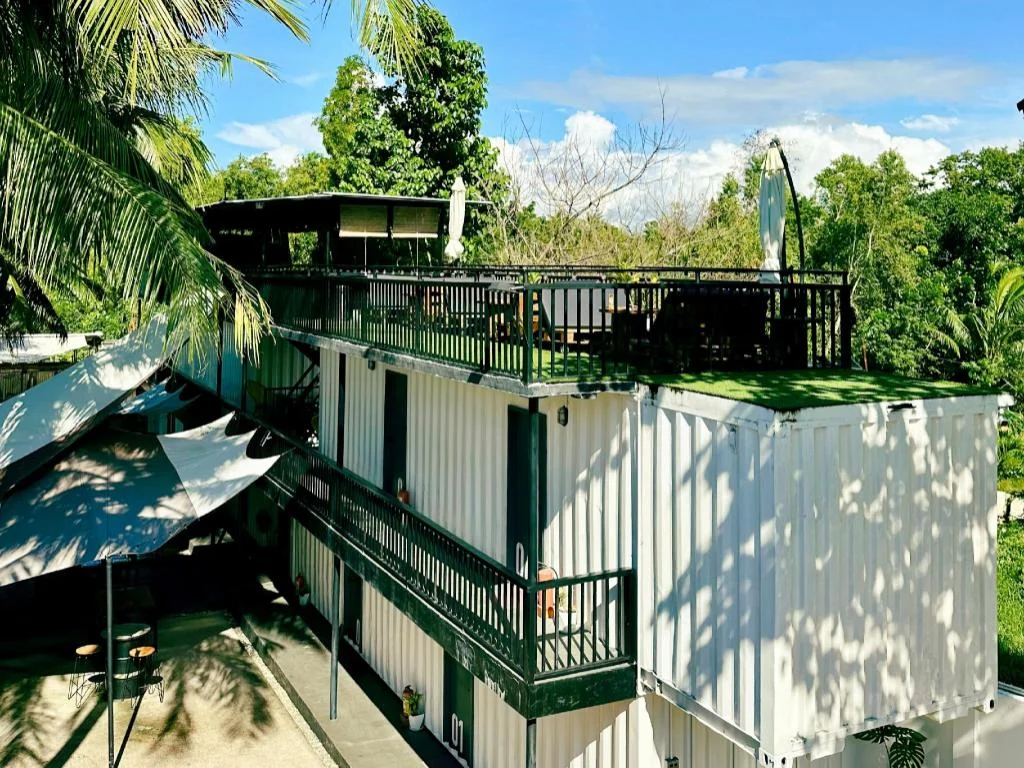
PIG DIVE HOSTEL MOALBOAL
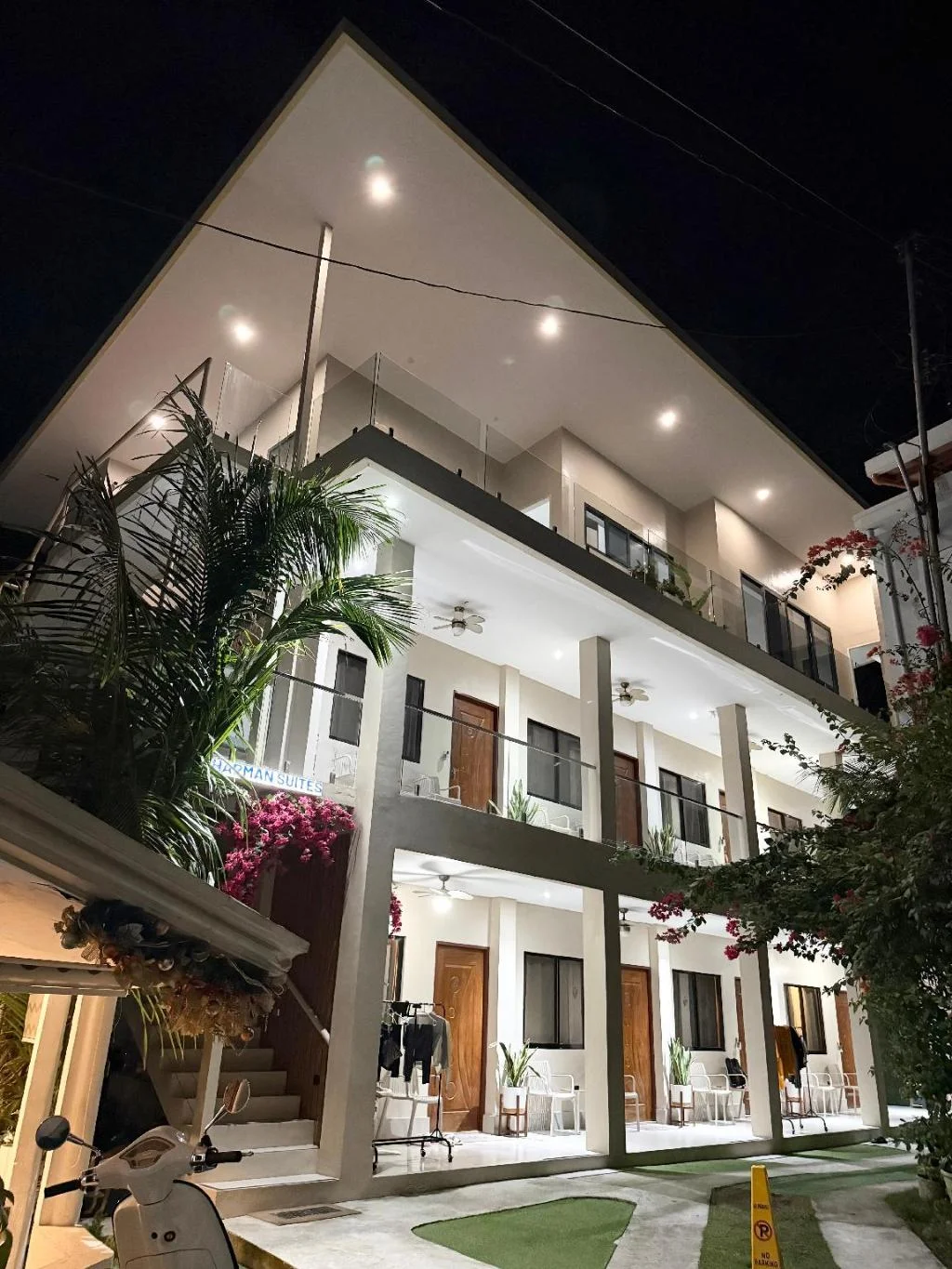
Harman Suites Moalboal
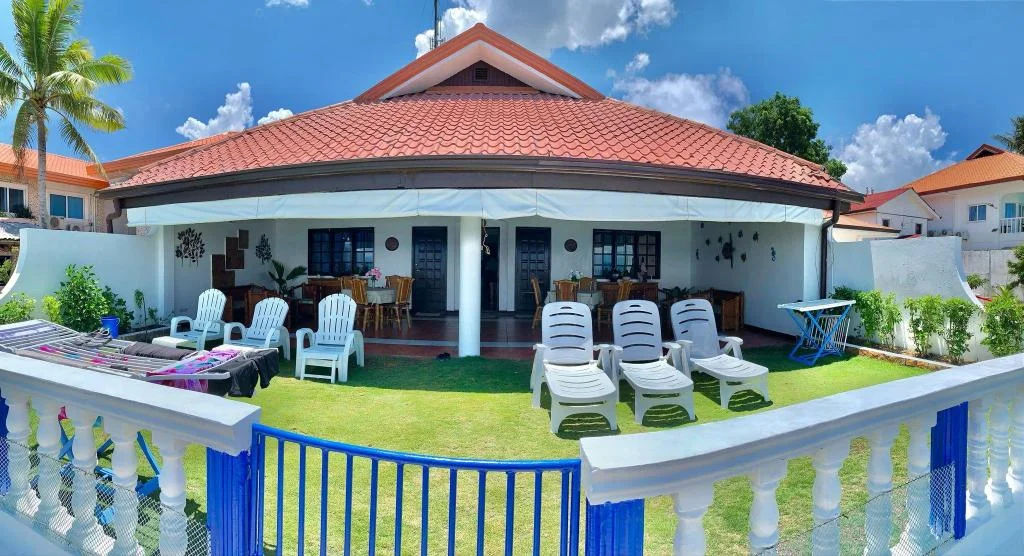
Il Sogno Resort
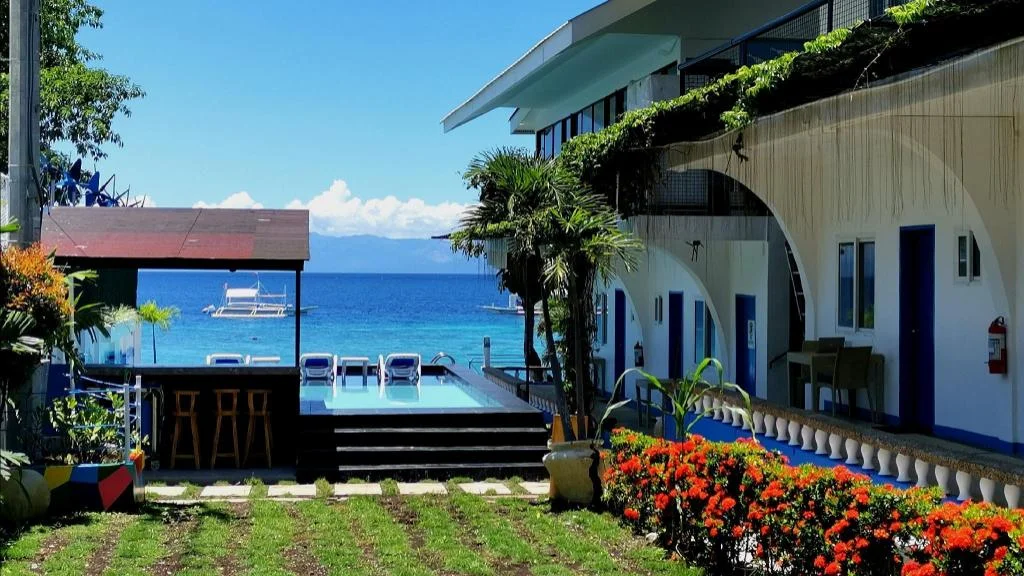
Pescadores Suites Moalboal
Prefer a rental? Vacation rentals near Moalboal
Self-catering condos and apartments — book the exact unit, kitchen included.
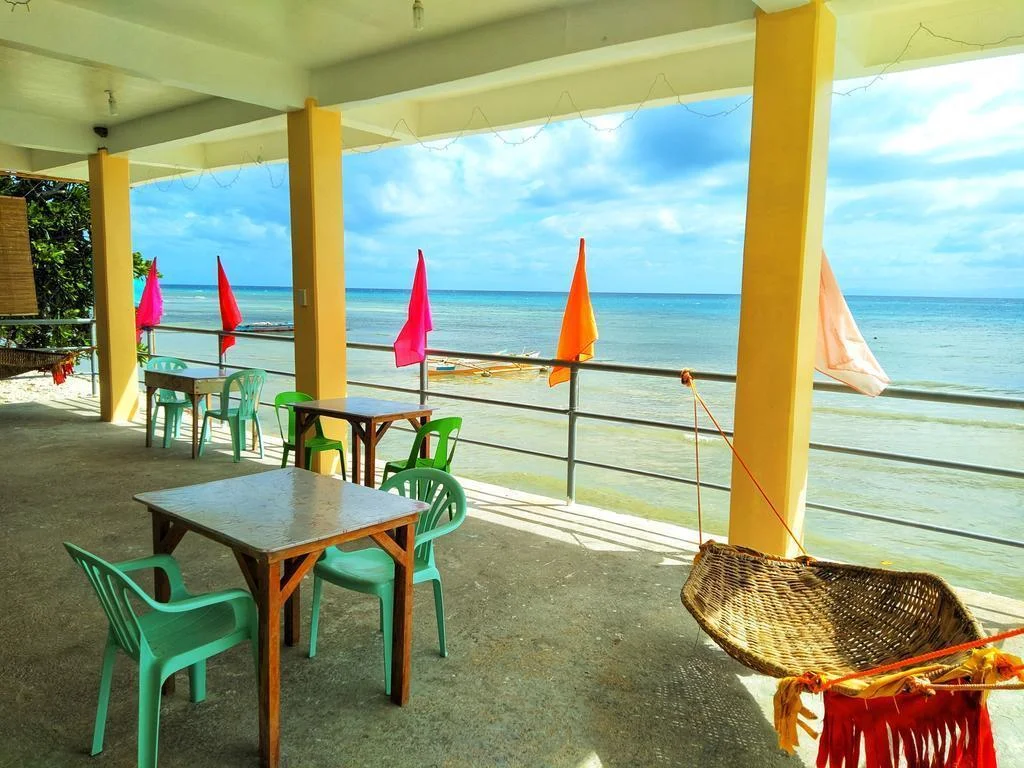
Ocean View Lodging House
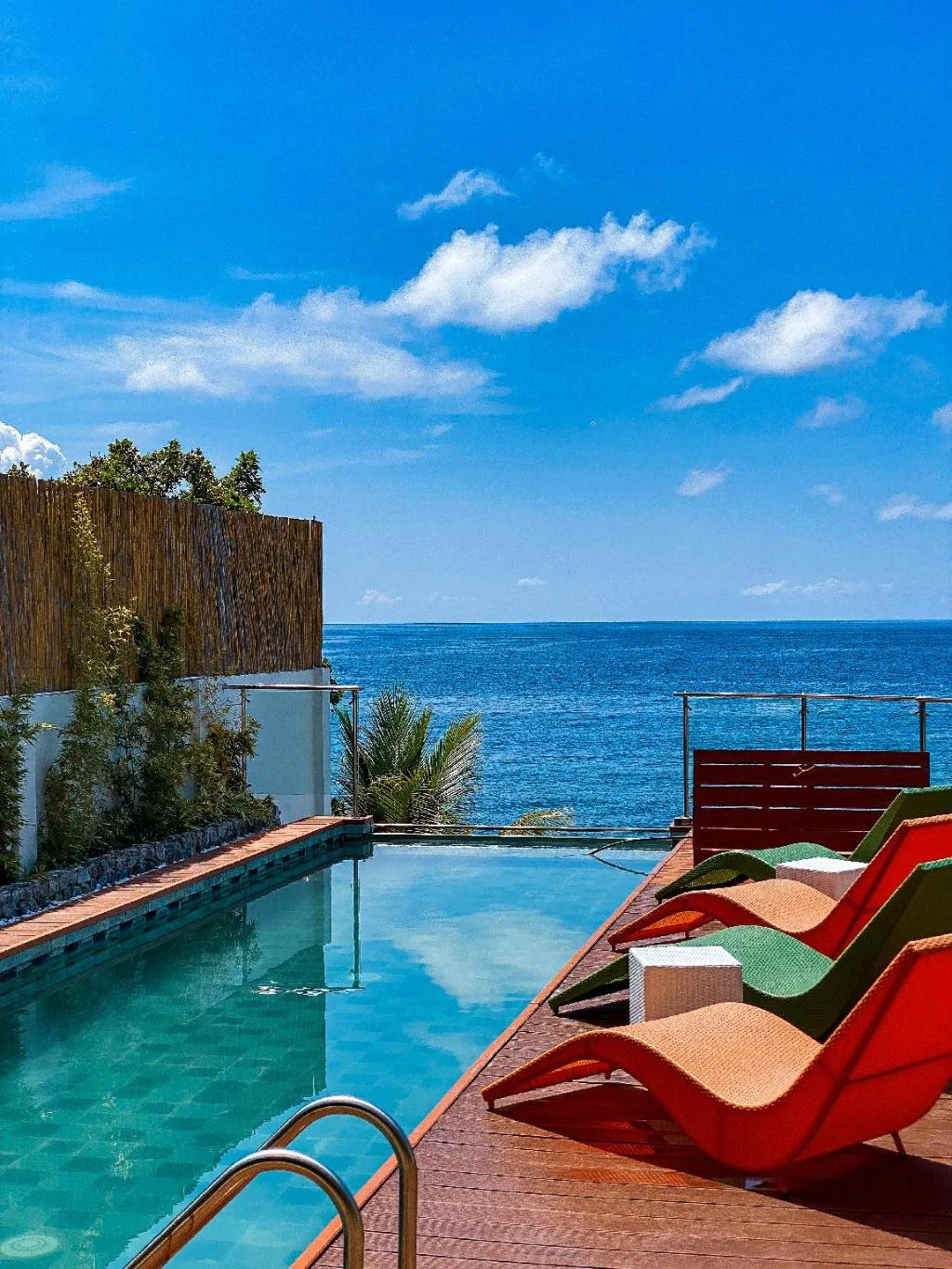
The South Hideaway Oslob
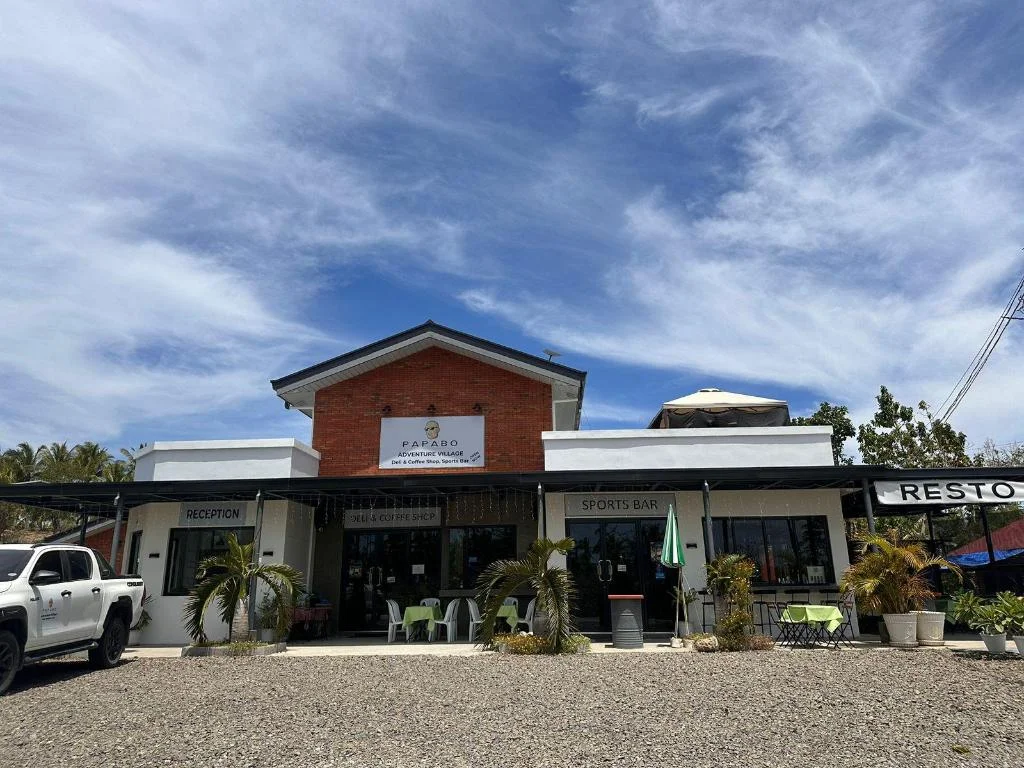
PAPABO Adventure Village
Before you go
Frequently asked
Is Cebu or Phu Quoc cheaper?
Which has better beaches, Cebu or Phu Quoc?
Can you dive in Phu Quoc like you can in Cebu?
Do you need a visa for Phu Quoc if you're flying in directly?
Is there a direct flight from Cebu to Phu Quoc?
Which is better for families, Cebu or Phu Quoc?
Which has better nightlife, Cebu or Phu Quoc?
Which should first-time Southeast Asia beach travelers pick?
More Places to Explore
Kawasan Falls
Badian
A stunning three-tiered waterfall famous for its turquoise waters, bamboo raft rides, and as the endpoint of the famous Badian canyoneering adventure.
Whale Shark Watching
Oslob
Swim alongside gentle whale sharks, the world's largest fish, in one of the few places where these magnificent creatures can be reliably encountered.
Panagsama Beach
Moalboal
Moalboal's main beach and diving hub, famous for the sardine run and sea turtles just meters from shore.