
TL;DR: Da Nang is cheaper (~US$55/day vs Cebu’s ~US$77/day) with a great in-city beach (My Khe) and booming Korea/Japan flight capacity. Cebu wins decisively on diving and marine life (Moalboal sardine run, Malapascua thresher sharks, Oslob whale sharks) and offers broader visa-free access. Neither flies direct to the other. Verified July 2026.
Da Nang has become one of Southeast Asia’s fastest-growing beach destinations over the past decade, driven heavily by Korean and Japanese tourism and cheap, plentiful direct flights from Seoul. Cebu has taken a quieter path, building its reputation on diving, canyoneering, and value rather than a single showcase beach. Both get compared by travelers deciding between a Vietnam beach trip and a Philippines one, especially from the Korean and Japanese markets where Da Nang’s boom has been most visible.
This guide compares the two head-to-head — beaches, diving, food, cost, flights, nightlife, weather, and visas — and gives an honest verdict by traveler type. If you’re comparing Cebu against other Vietnam or Thailand destinations specifically, see our Cebu vs Phu Quoc and Cebu vs Phuket guides.
Cebu vs Da Nang at a Glance
| Category | Cebu | Da Nang | Winner |
|---|---|---|---|
| Average daily cost | ~US$77/day | ~US$55/day | Da Nang |
| Budget traveler cost | ~US$33-42/day | ~US$25/day | Da Nang |
| Diving & marine life | Sardine run, thresher sharks, whale sharks | Son Tra Peninsula reefs, Cham Islands | Cebu |
| In-city beach quality | Beaches are 2-6 hrs from Cebu City | My Khe Beach, top-ranked, in the city | Da Nang |
| Outer-island beach quality | Bantayan, Moalboal — whiter sand, quieter | Good but more developed near the city | Cebu |
| Food | Filipino lechon, grilled seafood, cafes | Vietnamese street food, seafood, cheap and varied | Da Nang (variety/value) |
| Nightlife | IT Park — affordable, local/expat crowd | My Khe beach clubs, Hai Chau clubs — fast-growing | Da Nang |
| Direct flights from Korea | Yes, moderate frequency | Yes, high frequency (100+ weekly from Seoul) | Da Nang |
| Visa for most Western/Korean/Japanese passports | 30 days, free (Philippines) | 45 days visa-free (Japan/Korea); e-visa needed for many others | Cebu (broader free access) |
| Best season | Dec-May (dry) | Feb-May (dry, before typhoon season) | Tie — similar windows |
Figures reflect 2026 travel-cost surveys and route data. Verified July 2026.
Which Has Better Beaches?
Da Nang wins for convenience — a genuinely excellent beach right in the city; Cebu wins for quieter, whiter sand as a dedicated beach trip. My Khe Beach is consistently ranked among Asia’s top beaches: wide, clean, gently sloping, with a built-up promenade of resorts and restaurants right behind it. You can walk from a city hotel to a legitimately good beach in Da Nang, which Cebu City cannot match.
Cebu’s best beaches — Bantayan Island’s Kota Beach, Moalboal’s Basdaku (White Beach) — have finer, whiter sand and far fewer crowds on a normal day, but they sit 2-6 hours from Cebu City by land and, for Bantayan, a ferry as well. If beach access from your hotel matters most, Da Nang wins outright. If you’re building a trip specifically around a quiet, powdery-sand beach and don’t mind travel time to get there, Cebu’s outer islands still have the edge.
Which Has Better Diving and Marine Life?
Cebu, clearly, dive for dive. The Moalboal sardine run puts snorkelers inside a shifting ball of millions of sardines a few meters off Pescador Island, year-round and reachable from shore with no boat required. Malapascua is one of the few dive destinations on earth with reliably sighted thresher sharks. Oslob’s whale shark encounters, while genuinely controversial for the feeding practices involved, remain one of the most in-demand marine encounters in the Philippines.
Da Nang’s diving centers on the Son Tra Peninsula, with reef and drift dives close to the coastline, and the Cham Islands, a UNESCO Biosphere Reserve with healthier-than-average reef biodiversity for the region. It’s solid, accessible diving for a beach-city add-on, with a best season roughly April-September — but it doesn’t approach Cebu’s density of headline marine encounters.
Which Is Cheaper?
Da Nang, by a meaningful margin. Average daily cost runs about US$55/day in Da Nang versus roughly US$77/day in Cebu, covering accommodation, food, transport, and activities. At the budget end, a no-frills backpacker in Da Nang can get by on around US$25/day, against Cebu’s roughly US$33-42/day.
| Travel style | Cebu (per day) | Da Nang (per day) |
|---|---|---|
| Budget/backpacker | US$33-42 | ~US$25 |
| Mid-range | US$76-105 | ~US$70-120 |
| Luxury | US$148-230+ | US$200-350+ |
Figures are per-person averages from 2026 travel-cost surveys and aggregators, excluding international flights. Da Nang’s biggest single splurge item is the Ba Na Hills cable car and theme park (roughly US$30-44 per person). Verified July 2026.
Much of the gap comes down to activity type: Da Nang’s cheap street food and motorbike-based transport keep daily costs low, while Cebu’s marine activities — boat trips, dive courses, canyoneering — push costs up even though the destinations themselves (like the sardine run, under ₱300 all-in) can be very cheap.
Which Has Better Food?
Both are strong, but in different ways, and it’s a close call. Da Nang’s Vietnamese street food scene is cheap, varied, and internationally celebrated — a bowl of pho or mi Quang runs roughly 40,000-70,000 VND (about US$1.60-2.80), and banh xeo, fresh seafood, and Hoi An-adjacent specialties are all a short trip away. The sheer range at the budget end is hard to match.
Cebu’s food leans into Filipino comfort cooking and grilling: lechon (Cebu’s famously good roast pig, especially from Carcar), grilled seafood, and sutukil-style meals (grilled, soup, and raw preparations of the same catch). Cebu City also has a genuinely good specialty coffee and cafe scene that’s grown fast in recent years. Da Nang edges ahead on everyday variety and value; Cebu’s lechon is a specific, well-regarded dish Da Nang doesn’t really have a match for.
Which Is Easier to Get To?
Neither is a direct flight from the other — you’d connect through Manila, Singapore, or a similar regional hub. But each destination’s connectivity from the Korean and Japanese markets differs sharply. Da Nang has ridden a genuine tourism boom from Korea specifically: over 100 weekly direct flights from Seoul across multiple low-cost and full-service carriers as of 2026, plus direct routes from Osaka and Tokyo on Vietnam Airlines. That capacity is a big part of why Da Nang became such a fast-growing Korean beach destination in the first place.
Cebu also has direct Korea and Japan routes into Mactan-Cebu International Airport, and connectivity has grown steadily, but current weekly frequency from Seoul specifically trails Da Nang’s. For entry requirements: Vietnam gives Japan and South Korea passport holders 45 days visa-free, multiple entry, while most other nationalities need Vietnam’s e-visa (up to 90 days, about US$25, applied online in advance). The Philippines gives most Western, Korean, and Japanese passports 30 days visa-free with no advance application — see the Philippines visa-free entry guide for specifics.
Which Has Better Nightlife?
Da Nang’s beach-club and nightlife scene has grown quickly and now has the edge, especially for a Korean-tourist-oriented night out. My Khe Beach’s bars and beach clubs (Maia Beach Club, Esco Beach, and others) draw a young, international crowd, and Hai Chau’s riverside clubs add a higher-energy local option, plus rooftop spots like Sky36 for a more upscale view-driven night.
Cebu’s IT Park is a modern, walkable district with bars and clubs open roughly 6:00 PM to 2:00 AM, popular with local professionals, expats, and students — affordable and safe, but an urban nightlife district rather than a beach-club scene. If beachfront nightlife specifically is the goal, Da Nang currently offers more of it.
Which Has Better Weather and When Should You Go?
Both destinations share a similar best-season window, with slightly different typhoon-risk months. Da Nang’s dry season runs roughly January/February through July, with the best conditions February-May; its rainy and typhoon-risk season runs August-December, peaking in October-November. Cebu’s dry season runs December-May, with January-May the most reliable stretch; its wet/typhoon season runs June-November, heaviest August-October. Both destinations are best avoided, or approached with a flexible itinerary, in their respective October-November windows. See the best time to visit Cebu for Cebu’s full month-by-month breakdown.
How to Choose: Verdict by Traveler Type
- Divers and marine-life chasers: Cebu, without much debate. The sardine run, thresher sharks, and whale sharks are a stronger lineup than Da Nang’s reef and wreck diving.
- Budget travelers wanting the lowest daily cost: Da Nang, thanks to cheaper street food and motorbike-based transport.
- Travelers who want a great beach right outside their hotel: Da Nang — My Khe Beach is a genuine standout for a city beach.
- Korean and Japanese travelers prioritizing flight convenience and a booming beach-club scene: Da Nang currently has the edge on both capacity and nightlife energy.
- Travelers who want the broadest visa-free access without pre-applying: Cebu (Philippines), for most nationalities.
- First-time Southeast Asia travelers wanting value plus rare marine encounters: Cebu, especially paired with a read of why Cebu works well for first-time foreign visitors.
The Honest Take
Da Nang’s rise has been genuinely impressive — a decade ago it was a secondary Vietnam stop behind Hanoi and Ho Chi Minh City, and it’s now a headline beach destination in its own right, largely on the back of Korean tourism and direct flight capacity. That boom shows in the infrastructure: My Khe Beach is clean and well-managed, the beach-club scene is lively and growing, and prices remain lower than Thailand or Bali even as the city develops.
Cebu hasn’t chased that same beach-resort model, and its honest weakness is that its best beaches aren’t in the city at all — you have to travel for them. What Cebu has instead is a genuinely rare marine-life lineup at a lower relative cost for that specific type of experience, plus the practical advantage of visa-free entry for a wider range of passports without an advance application. If your trip is beach-and-nightlife focused with strong flight convenience, Da Nang is the easier pick right now. If diving, snorkeling, or overall value on a marine-focused trip is the priority, Cebu still wins.
Plan Your Cebu Trip
If Cebu wins your comparison, start with things to do in Cebu for the full menu of activities, then look at Kawasan Falls for canyoneering and Oslob whale shark watching for the marine-life encounter. Book a Kawasan Falls canyoneering tour on Klook, and search Cebu City hotel rates on Agoda to lock in accommodation.
Sources
- Budget Your Trip — Da Nang vs Cebu cost comparison
- Budget Your Trip — Da Nang trip cost
- PADI and Klook dive-site listings for Da Nang and Cebu (2026)
- Flight route and frequency data from FlightConnections and Skyscanner for Seoul-Da Nang and Seoul-Cebu routes (2026)
- Vietnam visa exemption and e-visa policy sources (2026) for Japan/South Korea 45-day exemption and general e-visa terms
- Traveler reviews of My Khe Beach (Tripadvisor, 2026) for beach-quality comparison
- Costs, routes, and visa rules verified against July 2026 sources; confirm current fees and schedules before booking. Verified July 2026.
Book Tours & Hotels for This Trip
Find and book the best deals — prices and availability update in real time. Links open in a new tab.
Where to stay near Moalboal
Top-rated hotels for this trip — tap through to check live rates.
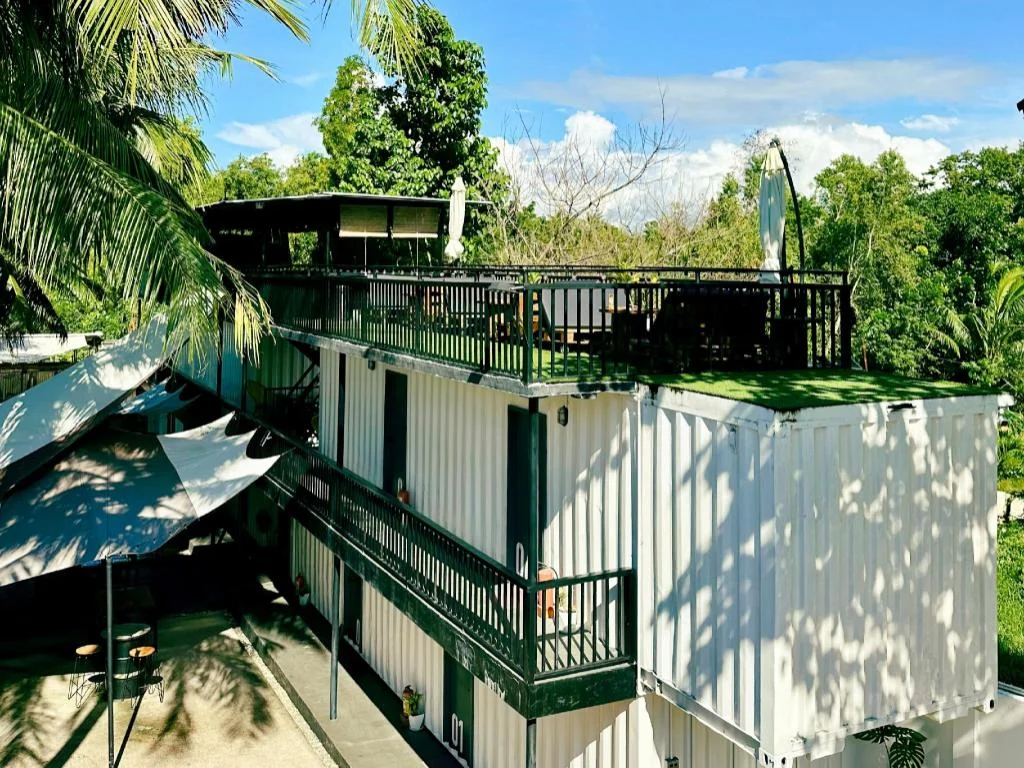
PIG DIVE HOSTEL MOALBOAL
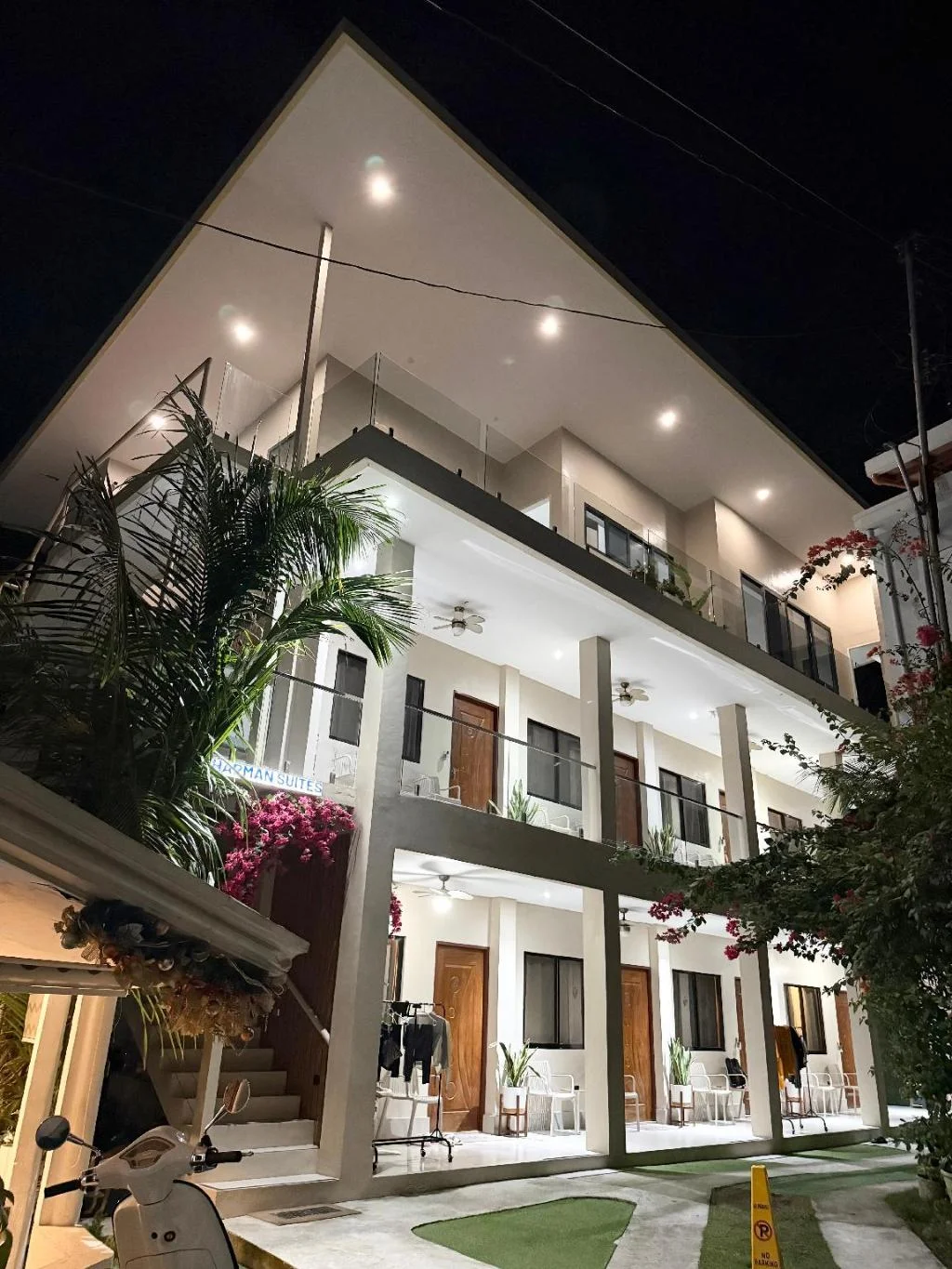
Harman Suites Moalboal
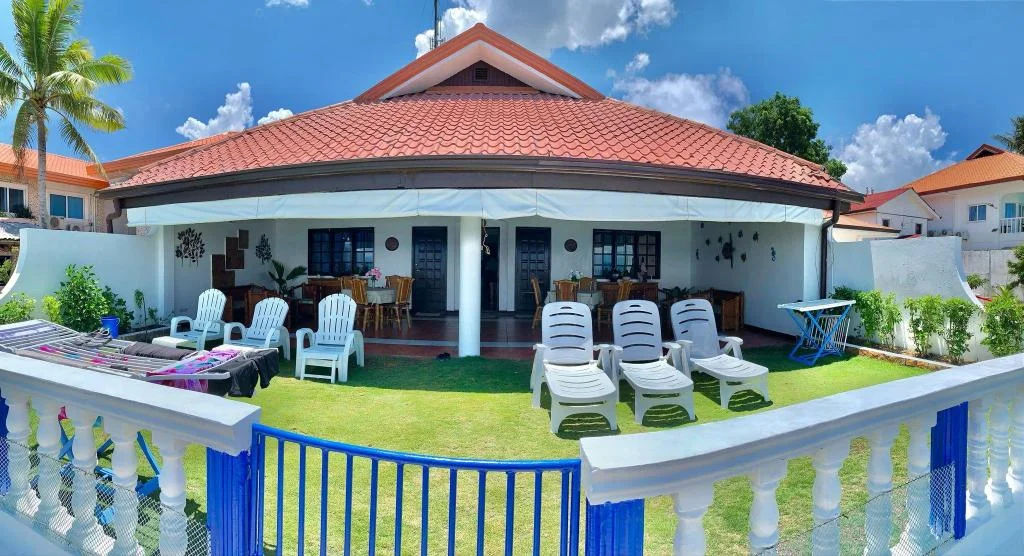
Il Sogno Resort
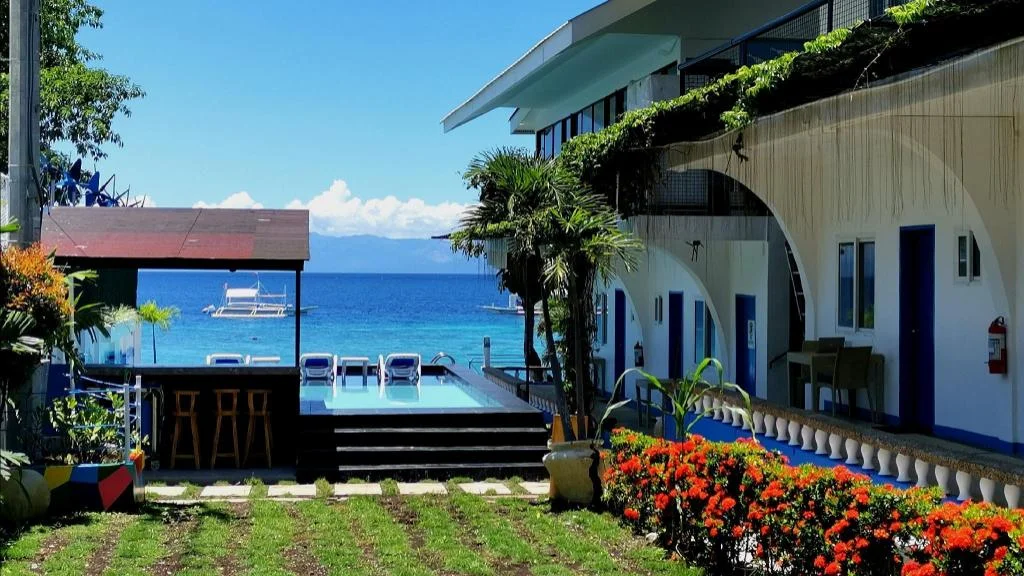
Pescadores Suites Moalboal
Prefer a rental? Vacation rentals near Moalboal
Self-catering condos and apartments — book the exact unit, kitchen included.
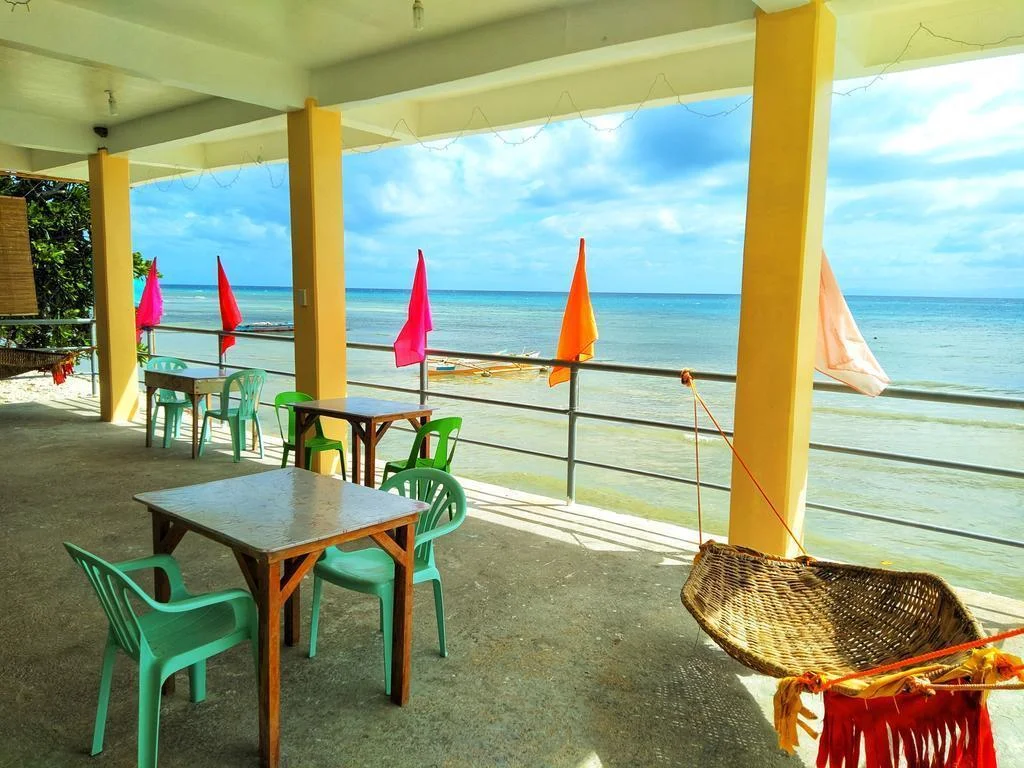
Ocean View Lodging House
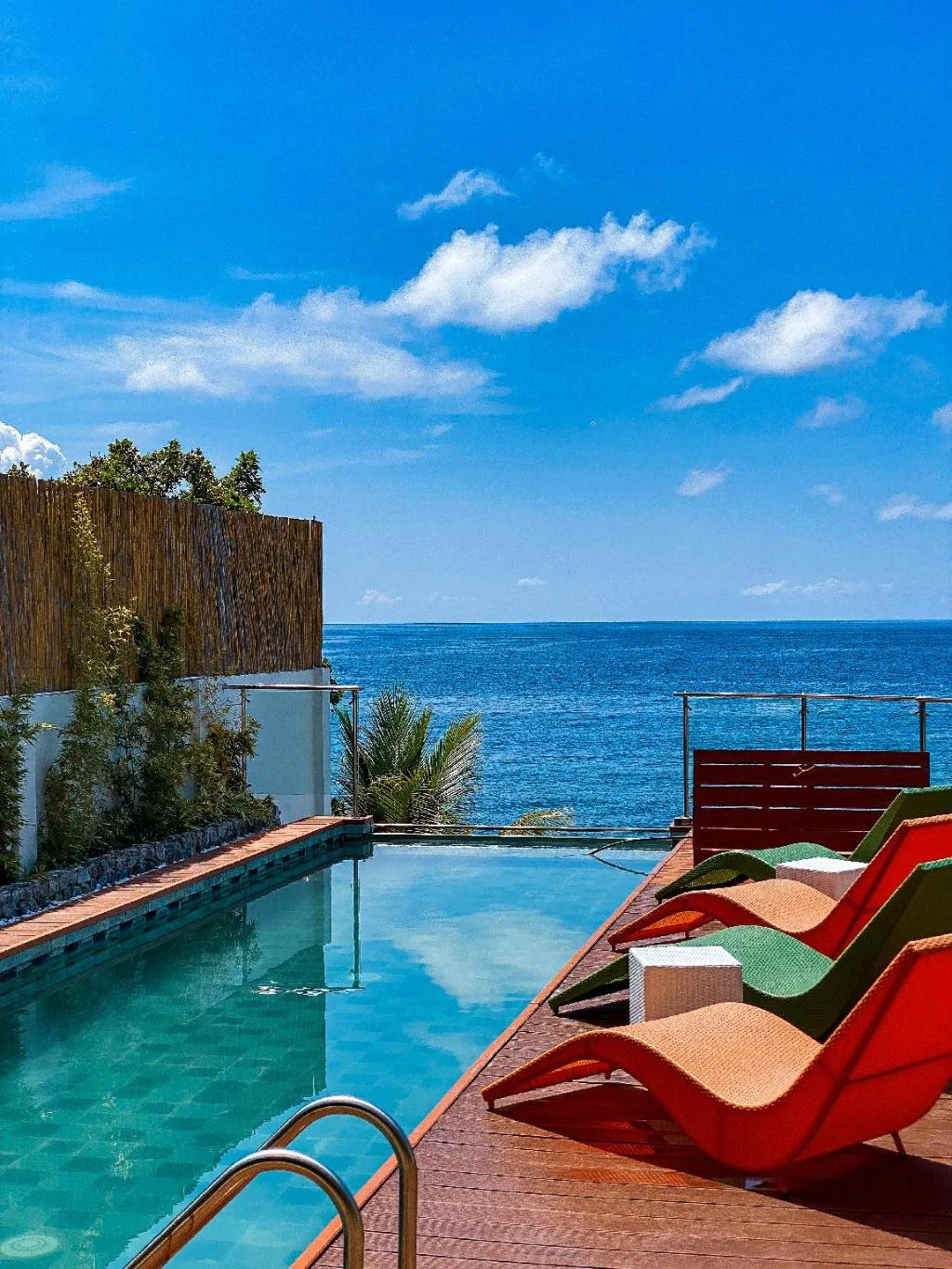
The South Hideaway Oslob
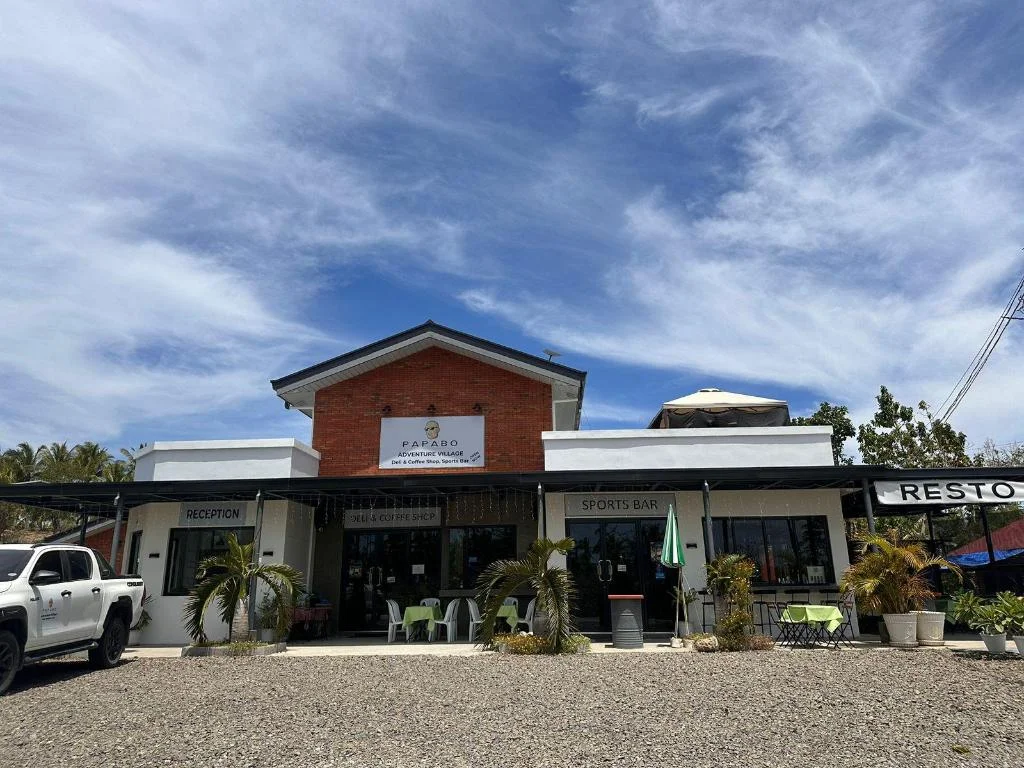
PAPABO Adventure Village
Before you go
Frequently asked
Is Cebu or Da Nang cheaper?
Is diving better in Cebu or Da Nang?
Which has better beaches, Cebu or Da Nang?
Are there direct flights from Korea and Japan to Da Nang and Cebu?
Which has better food, Cebu or Da Nang?
Do you need a visa for Cebu or Da Nang?
Which has better nightlife, Cebu or Da Nang?
More Places to Explore
Moalboal Sardine Run
Moalboal
Swim with millions of sardines in one of the world's only year-round sardine runs, just meters from shore.
Kawasan Falls
Badian
A stunning three-tiered waterfall famous for its turquoise waters, bamboo raft rides, and as the endpoint of the famous Badian canyoneering adventure.
Whale Shark Watching
Oslob
Swim alongside gentle whale sharks, the world's largest fish, in one of the few places where these magnificent creatures can be reliably encountered.