
TL;DR: Colon Street anchors Cebu City’s downtown heritage core — the Basilica del Santo Niño, Magellan’s Cross, Fort San Pedro, and Carbon Market are all within a 20–30 minute walk of each other. The Basilica and Magellan’s Cross are free; Fort San Pedro charges roughly ₱50 (US$0.85). Budget half a day, go on a weekday morning, and treat it like any dense city market: keep your bag zipped and in front, skip the jewelry, and petty theft (not violence) is the real risk. Verified July 2026.
Colon Street is the gritty, noisy, unmistakably real center of old Cebu City — jeepneys idling bumper to bumper, thrift stores spilling onto the sidewalk, and a street-food smell that never quite goes away. Locals will tell you it’s the oldest street in the Philippines, and while historians have since poked holes in that claim, Colon has been Cebu’s commercial spine for well over a century regardless. This guide walks you through the downtown loop built around it: the Basilica del Santo Niño, Magellan’s Cross, Fort San Pedro, and Carbon Market, plus the shopping, the street food, and an honest read on safety. It’s written for the visitor who wants Cebu’s history without the theme-park polish — heritage sites that are still working buildings in a still-working downtown, not a curated heritage district.
What’s on the Colon and Downtown Cebu Route
| Sight | What it is | Note |
|---|---|---|
| Basilica del Santo Niño | 16th-century church, oldest Catholic relic in the country | Free entry; open ~8:30 AM–6 PM; dress modestly |
| Magellan’s Cross | Pavilion housing the (replica) cross planted in 1521 | Free entry; open ~8 AM–6 PM |
| Heritage of Cebu Monument | Bronze/concrete sculpture tableau at Parian Park | Free, open-air, accessible any time |
| Fort San Pedro | Oldest Spanish colonial fort in the Philippines | ~₱50 adults / ₱40 students-seniors; open ~8 AM–7 PM |
| Colon Street | Historic shopping strip, thrift stores, street food | Busiest with crowds by mid-afternoon |
| Carbon Market | Cebu’s oldest and largest public market | Go by daylight; part traditional market, part redeveloped food strip |
Verified July 2026.
How Do You Get to Colon and Downtown Cebu?
Downtown is a straightforward Grab or taxi ride from anywhere in Cebu City — expect roughly 15–25 minutes from IT Park or Fuente Osmeña depending on traffic, longer from Mactan. Once you’re downtown, everything on this route is walkable; you don’t need a vehicle between stops. Jeepneys also run along Colon itself if you want the local commute experience, but with the heat and crowd density, walking the loop is usually easier than trying to flag one down mid-street.
Is Colon Really the Oldest Street in the Philippines?
Probably not, but it doesn’t really matter for a visit. The “oldest street” label has been attached to Colon since at least the 1910s, when postcard sellers and later American Express’s first Philippines guidebook repeated the claim. Cebuano historians have since pointed out there’s no map or document confirming a street existed there in the earliest Spanish period — the first map showing Colon dates to 1873, and some scholars argue Calle Magallanes has a better claim to “oldest.” What’s not in dispute is that Colon was the commercial and entertainment heart of Cebu for most of the 20th century, lined with department stores, cinemas, and offices, and it’s still the busiest stretch of downtown today.
What Should You See First: The Basilica or Magellan’s Cross?
Start with the Basilica del Santo Niño, then walk two minutes to Magellan’s Cross — they sit right next to each other. The Basilica houses the Santo Niño image, the oldest Christian relic in the country, and draws a steady stream of devotees regardless of day or hour; entry is free, and modest dress (no sleeveless tops or short shorts) is expected. Magellan’s Cross, in its octagonal pavilion next door, marks the spot where Ferdinand Magellan’s expedition planted a cross in 1521 after baptizing Rajah Humabon — the cross on display today is a replica encasing the original, and the pavilion ceiling has a painted mural of the baptism scene. Both are open roughly 8 AM to 6 PM and cost nothing to walk into, though the Basilica’s museum and bell tower carry small separate fees.
Is the Heritage of Cebu Monument Worth the Detour?
Yes, and it costs you nothing but a short walk. A few minutes from Colon Street at its corner with Mabini Street, the Heritage of Cebu Monument sits in Parian Park, on the site of a church demolished in 1875. Sculptor Eduardo Castrillo’s bronze-and-concrete tableau depicts scenes from Cebu’s history — the Battle of Mactan, Sergio Osmeña’s presidential inauguration, the canonization of Pedro Calungsod — and it’s open-air and accessible any time, day or night, with no entrance fee. It’s an easy add-on if you’re already walking Colon toward Fort San Pedro.
Is Fort San Pedro Worth Paying For?
Yes, if you want the one enclosed heritage site on this route with actual walls, ramparts, and a small museum inside. Fort San Pedro is the oldest Spanish colonial fort in the Philippines, built to defend against raids after Legazpi’s expedition landed in 1565. It’s open daily, roughly 8 AM to 7 PM, with an entrance fee that has stood at around ₱50 for adults and ₱40 for students and seniors (about US$0.85–1) since 2009. Cebu City’s Council was reviewing an update to that fee in 2026, so confirm the current price at the gate. Inside, you get shaded courtyards, old cannon, and views over Plaza Independencia — a good spot to sit down and cool off before continuing to the market.
Is Carbon Market Worth Visiting?
Yes, if you want to see downtown Cebu the way locals actually shop, not the postcard version. Carbon is the city’s oldest and largest public market, a sprawl of produce stalls, dried fish, flowers, and street food that’s been redeveloped in sections — cleaner stalls, better lighting, dedicated dining areas — while keeping its older, more chaotic core intact. It’s also one of the highest pickpocket-risk spots downtown, precisely because the narrow aisles and dense crowds make it easy to work. Go in daylight, keep your bag zipped and in front, and don’t take shortcuts through the quieter side alleys. If you want food, this is also where to find puso (hanging rice) stalls and cheap Cebuano cooking near the market edges.
What’s the Shopping and Street Food Like on Colon?
Budget shopping and thrift-store hunting, plus some of the best cheap street food downtown. Colon Street itself is lined with clothing shops, electronics stalls, and bazaars, and the stretch near Leon Kilat Street is Cebu’s best-known ukay-ukay (secondhand/thrift) strip if you’re after vintage finds. For food, look for grilled meats, puso, and lechon stands along the street; the famous Larsian barbecue stalls are a short ride away near Fuente Osmeña, not directly on Colon. From roughly September through the Sinulog season in January, Colon closes to traffic on Friday, Saturday, and Sunday evenings and turns into the Colon Night Market — a much bigger, more festive version of the daytime street.
Is Colon Street Safe?
Mostly, with the same caveats as any dense downtown market anywhere in the world. Violent crime against tourists downtown is rare. What’s real is petty theft: pickpocketing and phone-snatching in the crowded blocks, particularly around Carbon Market and the thrift-store stretch, where narrow aisles make it easy for someone to bump you, distract you, and lift a phone or wallet before you notice. The honest version: this is not a place to relax with your phone in your back pocket or a nice bag slung loosely over one shoulder. Keep valuables zipped in front, skip visible jewelry, avoid quiet side alleys, and go during the day. None of that should stop you from visiting — it’s the same street-smarts you’d use in any big-city market — but don’t come in with a false sense that heritage sites and open markets carry the same risk level, because they don’t.
How Much Time Should You Set Aside?
For the core heritage loop — Basilica, Magellan’s Cross, Heritage Monument, Fort San Pedro — you can move through in 90 minutes to two hours if you don’t linger. Add Carbon Market and a meal, and you’re looking at half a day, 3–4 hours. If you want to fold in Casa Gorordo Museum and the Cebu Metropolitan Cathedral as well, plan a full day and pace yourself around the midday heat with an air-conditioned lunch break somewhere in between.
The Honest Take
Downtown Cebu isn’t polished, and that’s the point. Colon Street is loud, hot, a little chaotic, and genuinely gritty in a way the malls and resort strips aren’t — you’re walking through a working commercial district, not a curated heritage park. The heritage sights themselves (Basilica, Magellan’s Cross, Fort San Pedro) are worth the trip regardless of what you think of the “oldest street” marketing around Colon. Carbon Market is the most rewarding and most risky stop on the route in equal measure: go for the real Cebu, but go smart. Skip it entirely if you’re not comfortable navigating crowded, informal markets, or if you’re traveling with a lot of valuables you can’t secure. Best time is a weekday morning; avoid the peak afternoon heat and the Sunday Mass crush around the Basilica if you want to move at your own pace.
Round It Out
Pair this route with our Cebu cultural heritage walking tour for a longer version of the same downtown loop, or head to Fuente Osmeña afterward for food and a change of pace. If markets are your thing, the deeper dive on Carbon Market covers the food stalls in more detail, and our unusual and offbeat things to do in Cebu guide has more downtown detours worth the walk. Book a downtown heritage walking tour on Klook if you’d rather have a guide handle the route and the history for you.
Sources
- Colon Street — Wikipedia
- Colon Street not oldest in PH, says Cebu historian-archaeologist — GMA News
- Heritage of Cebu Monument — Wikipedia
- Magellan’s Cross Pavilion — Wikipedia
- Cebu City moves to update Fort San Pedro fees after 17 years — SunStar Cebu
- Cebu Carbon Market — Tripadvisor
- Entrance fees, hours, and market safety notes cross-checked against multiple 2025–2026 travel guides and local reporting; confirm current fees and hours locally before you go. Verified July 2026.
Book Tours & Hotels for This Trip
Find and book the best deals — prices and availability update in real time. Links open in a new tab.
Where to stay near Cebu City
Top-rated hotels for this trip — tap through to check live rates.
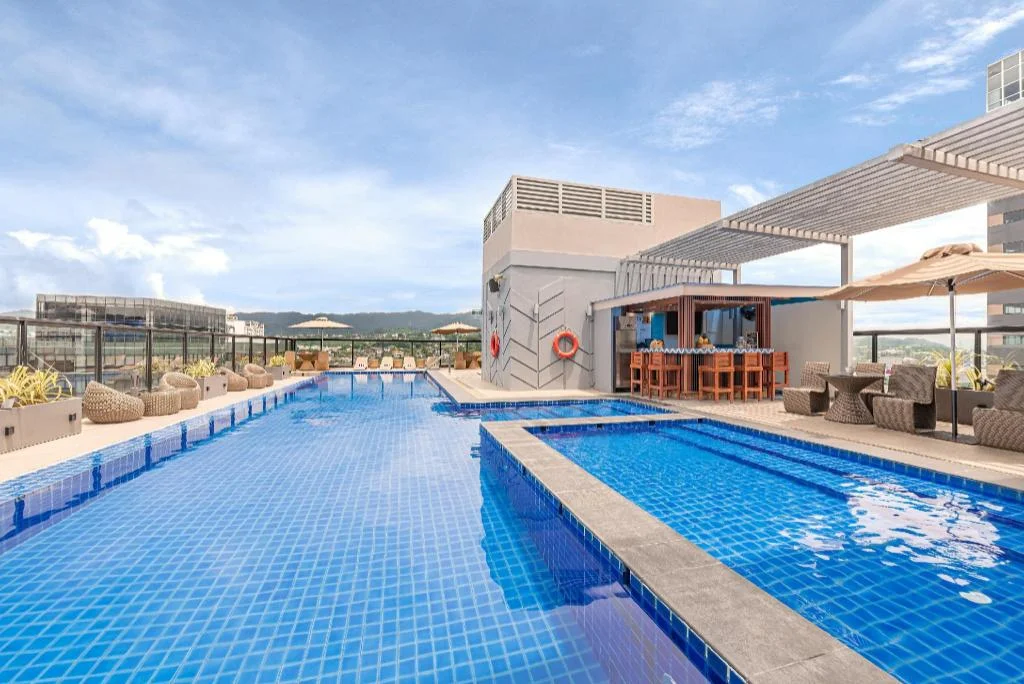
Seda Central Bloc Cebu City
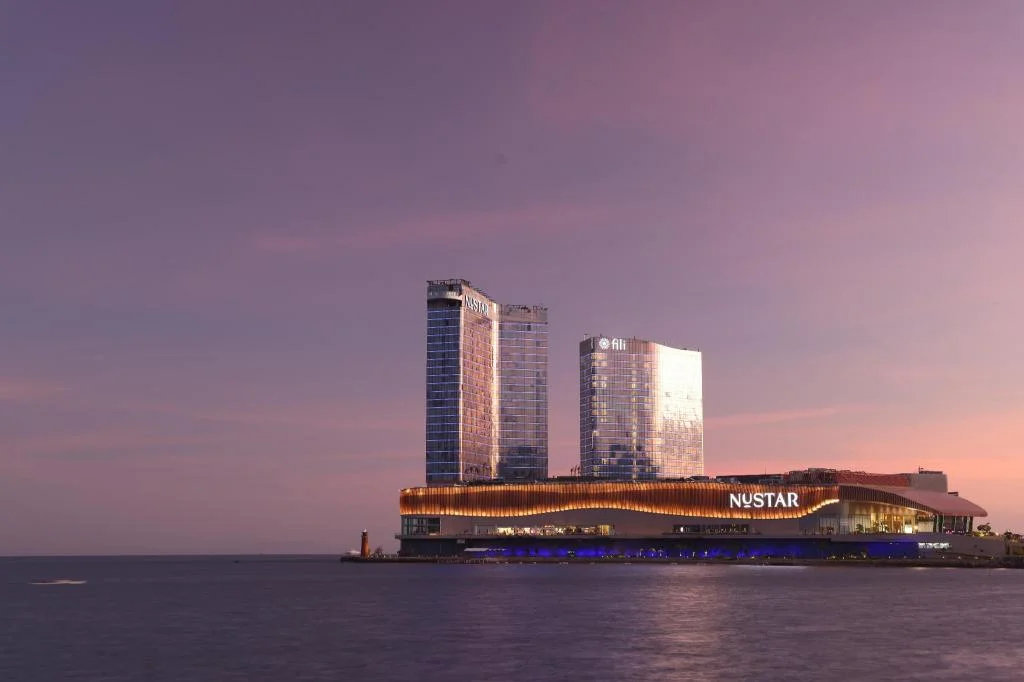
Fili Hotel - NUSTAR Resort & Casino Cebu
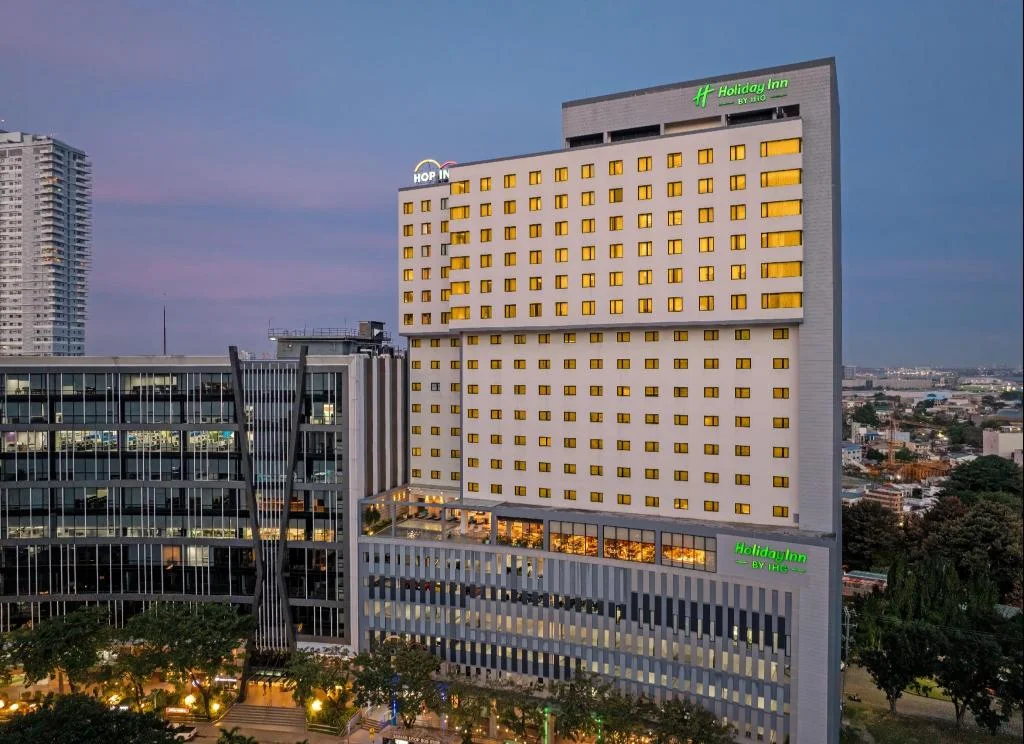
Holiday Inn Cebu City By IHG
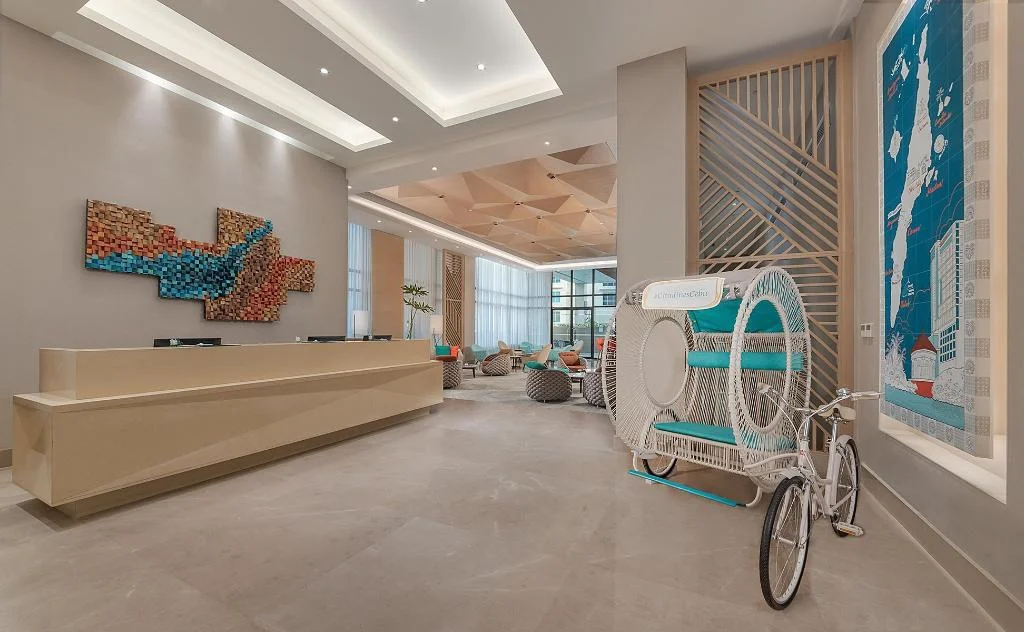
Citadines Cebu City
Prefer a rental? Vacation rentals near Cebu City
Self-catering condos and apartments — book the exact unit, kitchen included.
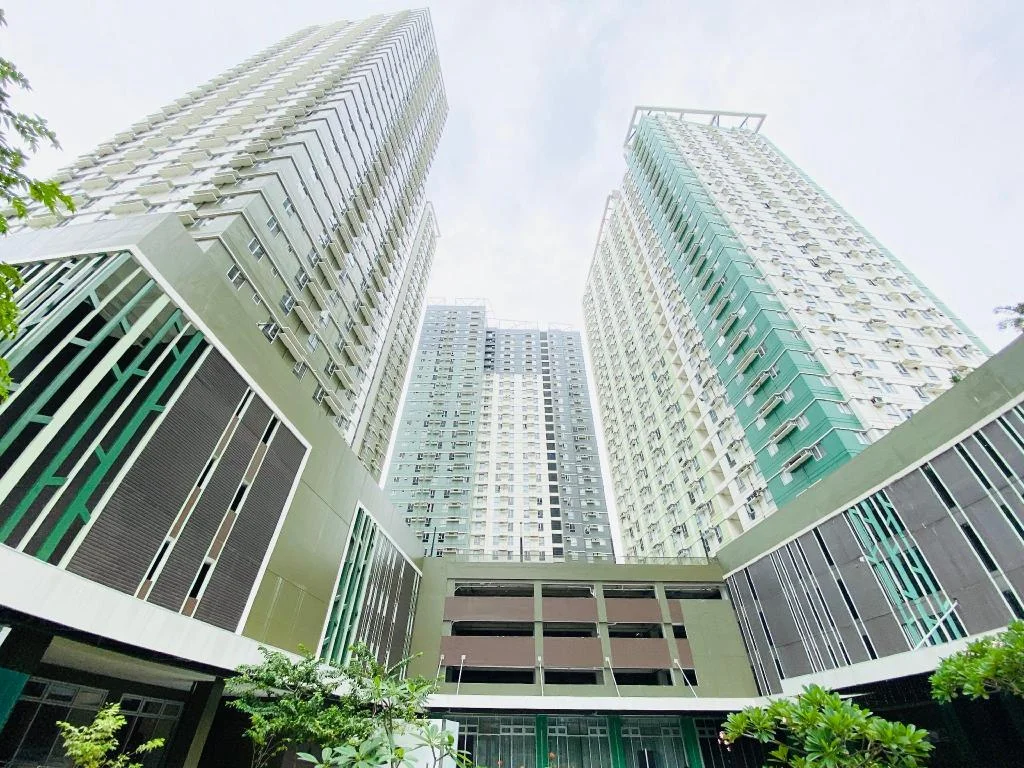
Cebu Avida Riala by P&J
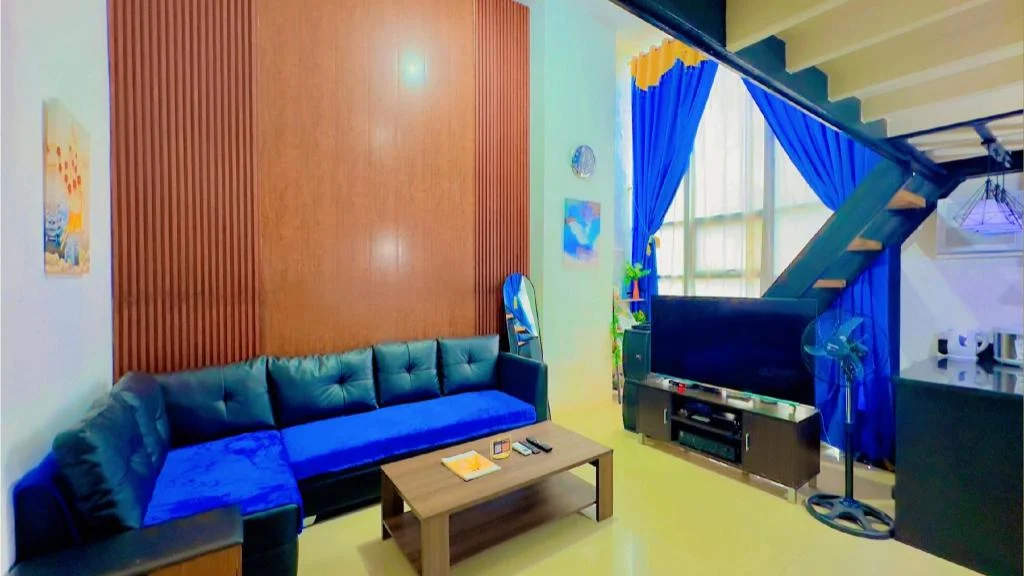
Special Big Loft Unit w/Fibreop Internet & Netflix
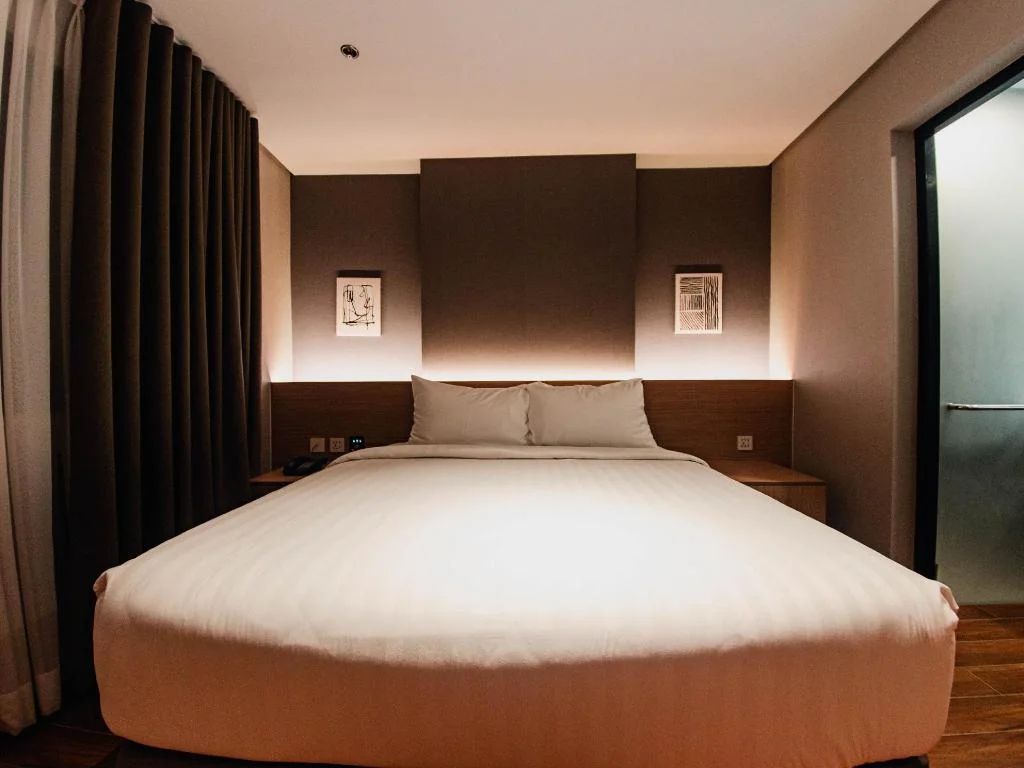
Moonstar Cebu Hotel - Deluxe Room
Before you go
Frequently asked
Is Colon Street the oldest street in the Philippines?
Is Colon Street safe for tourists?
What is there to see on Colon Street and downtown Cebu?
Is Carbon Market worth visiting?
How much time do you need for downtown Cebu?
When is the best time to visit Colon and downtown Cebu?
Is there an entrance fee for the Basilica, Magellan's Cross, or Fort San Pedro?
Is the Colon Night Market still running?
Can you combine downtown Cebu with other parts of the city?
More Places to Explore
Colon Street
Cebu City
The oldest street in the Philippines, a historic commercial thoroughfare that has been Cebu's trading center since Spanish colonial times.
Magellan's Cross
Cebu City
The historic cross planted by Ferdinand Magellan in 1521, marking the birth of Christianity in the Philippines and now a National Cultural Treasure.
Basilica del Santo Niño
Cebu City
The oldest church in the Philippines (1565), home to the miraculous Santo Niño image and center of the famous Sinulog Festival.
Fort San Pedro
Cebu City
The oldest and smallest triangular fort in the Philippines (1565), a well-preserved Spanish colonial military structure with a history museum.