
TL;DR: Cebu’s best-known cooking class is a beachfront bamboo cooking class in Mactan (Hadsan Cove, Marigondon), where you prepare Filipino dishes over charcoal in bamboo tubes for roughly ₱6,000–6,500 (US$105–112) through Klook, GetYourGuide, or Airbnb Experiences (some Airbnb listings run from about ₱4,640/US$80). For a cheaper, more local option, Ven’z Kitchen in Moalboal runs a market-to-table home cooking class for around ₱500–1,000 (US$9–17). A couple of Mactan resorts, including Shangri-La, run occasional in-house classes too. Book the Mactan class at least a week out; the Moalboal one is far more flexible. Verified July 2026.
If you want to actually understand Filipino food, rather than just eat it, a cooking class beats a food tour: someone shows you how vinegar and garlic turn into adobo, how a whole fish gets stuffed and grilled over coconut husks, or how kinilaw gets its citrus “cook” without any heat at all. Cebu doesn’t have a big formal cooking-school scene like Bangkok or Bali, but it has two distinct options worth knowing about, plus a couple of resort add-ons. One is a polished, photogenic experience built for tourists on Mactan island, walking distance from the resort strip. The other is a scrappy, market-first home class in Moalboal that costs a tenth of the price. This guide breaks down what each one actually teaches you, what it costs, and which one fits your trip, whether you’re doing a day trip out from a hotel near Carbon Market or basing yourself near the diving in the south.
Cebu Cooking Classes at a Glance
| Class | ~Price (2026) | What you cook | Where |
|---|---|---|---|
| Traditional Filipino Bamboo Cooking Class | ₱6,000–6,500 (~US$105–112) | Chicken, shrimp, and fish dishes cooked in bamboo over charcoal, plus lumpia and a local dessert | Hadsan Cove Resort, Marigondon, Lapu-Lapu City (Mactan) |
| Same bamboo class via Airbnb Experiences | from ~₱4,640 (~US$80) | Same format, smaller group booking | Mactan |
| Ven’z Kitchen home cooking class | ~₱500–1,000 (~US$9–17) | Market trip plus 2–3 home-style dishes of your choice (adobo, sisig, and similar) | Panagsama Beach, Moalboal |
| Shangri-La Mactan Italian Cooking Class | from ~US$41 | Pasta and Italian dishes with a resident chef | Shangri-La’s Mactan Resort & Spa |
| Shangri-La Mactan local delicacy class | Price on request | Kakanin (Filipino rice cakes) and local sweets | Shangri-La’s Mactan Resort & Spa |
Prices vary by platform, group size, and season; confirm the current rate at booking. Verified July 2026.
What’s the best cooking class in Cebu right now?
For most visitors, the Traditional Filipino Bamboo Cooking Class at Hadsan Cove in Marigondon, Lapu-Lapu City, is the best-known and most bookable option, and it’s the one that shows up across Klook, GetYourGuide, Pelago, and Airbnb Experiences. It runs about 3–4 hours, starts around mid-morning, caps groups at roughly ten travelers, and puts you beachside while your dishes simmer in bamboo tubes over charcoal. You get an apron, all ingredients, a full meal at the end, and an emailed recipe set with photos afterward.
It isn’t cheap by local standards, listed at roughly ₱6,000–6,500 (US$105–112) depending on platform, though some Airbnb Experiences resellers list a version from about ₱4,640 (US$80). Compare prices across platforms before booking, since it’s essentially the same product resold in multiple places.
What do you actually cook in a Cebu bamboo cooking class?
You typically prepare three to four dishes: a chicken or pork dish cooked adobo-style, a shrimp or fish preparation, lumpia (Filipino spring rolls), and a dessert, often a version of halo-halo or a rice-based sweet. Everything is MSG-free by the operator’s own description, and a vegetarian menu built around pinakbet (mixed vegetables) is available if you ask when booking. The bamboo itself acts as the cooking vessel, a genuinely traditional rural technique that most visitors never see otherwise, which is the actual draw here over a generic hotel cooking demo.
Book at least a week ahead: the operator needs to source fresh bamboo and market ingredients to order, and most listings require a minimum of two people.
Is the Moalboal market-to-table class at Ven’z Kitchen worth it?
Yes, if you want a cheaper, more authentic version of the same idea. Ven’z Kitchen, a small family-run restaurant on Panagsama Beach in Moalboal, runs a home cooking class that starts with a walk through the local market, where the family points out spices, produce, and cuts of meat you won’t recognize, then moves to hands-on cooking of two or three Filipino classics of your choosing. Travelers report paying around ₱500–1,000 per person (about US$9–17), a fraction of the Mactan price.
It’s informal: no staged beachfront bamboo setup, no professional photographer, just a genuine home kitchen and two cooks who clearly enjoy teaching. Classes have historically run on Fridays, but the restaurant has also accommodated requests on other days when contacted ahead by Messenger or email. If you’re diving or snorkeling in Moalboal anyway (see swimming with sardines and turtles), this is the easy add-on, not a separate trip across the island.
Can you take a cooking class at a Cebu resort?
Sometimes, though it’s not standard at every property. Shangri-La’s Mactan Resort & Spa has offered an Italian cooking class with a resident chef, priced from around US$41 per person, and a Filipino “local delicacy” class focused on kakanin (rice cakes and sweets) as part of its cultural-adventures programming. There’s also a kids’ “Little Chef, Big Chef” activity for ages 4–12 that tours the resort’s kitchens before a short hands-on session. None of these run on a fixed daily schedule the way the Mactan bamboo class does, so confirm current availability and pricing with the resort’s concierge or activities desk before you build a day around it.
If you’re staying elsewhere and want the resort-cooking-class experience anyway, compare Mactan resorts on Agoda and ask the concierge directly what’s currently running; culinary programming at hotels changes with the season and the chef on staff.
How do you book a cooking class in Cebu?
For the Mactan bamboo class, book through a platform rather than direct messaging if you want confirmed timing and easy cancellation: search cooking classes in Cebu on Klook or check availability on GetYourGuide and compare the listed price against what you see here, since both resell the same handful of operators and pricing shifts. For Ven’z Kitchen in Moalboal, message the restaurant’s Facebook page directly a day or two ahead, or ask in person if you’re already staying nearby; it’s a small operation and doesn’t run through the big booking platforms.
How to choose the right class for you
- Want the polished, photo-ready experience and don’t mind the price? Book the Mactan bamboo class. It’s built for tourists and delivers exactly what it promises.
- Traveling on a budget, or want something that feels like a real Cebuano kitchen rather than a tour stop? Go to Ven’z Kitchen in Moalboal. It costs a tenth of the price and you’ll actually shop the market with the family running it.
- Already staying at a resort and want a low-effort add-on? Ask the concierge whether a cooking class is currently on offer; Shangri-La’s Mactan has run them, but confirm before assuming it’s available on your dates.
- Traveling with kids? The resort programs, where available, are built for families; the Mactan bamboo class and Ven’z Kitchen are both aimed at adults, though neither explicitly bars children.
The Honest Take
The Mactan bamboo cooking class is well-run and genuinely teaches you something, but it’s priced like a tourist attraction, not a cooking lesson, and the markup versus Ven’z Kitchen in Moalboal is stark for a similar core experience: shop a market, cook a few Filipino dishes, eat what you made. If budget matters to you at all, the Moalboal option is the better use of your money, even accounting for the fact you’ll need to already be in the south of the island (see our Moalboal complete guide) to make it convenient.
Resort classes are the most inconsistent of the three: they come and go with the chef roster and the season, so don’t build an itinerary around one without confirming it’s actually running that week. And if what you really want is Cebu’s most famous dish, note that a cooking class is not really the way to learn proper lechon; that’s a whole-pig, hours-long roasting process best left to the specialists in Carcar and Talisay (see our Cebu lechon guide) rather than something you replicate in a three-hour tourist class.
Combine It With the Rest of Cebu’s Food Scene
A cooking class pairs naturally with the rest of Cebu’s food culture. Walk Carbon Market beforehand to see the produce, spices, and dried goods that show up in these classes at their source, and if you’re downtown, Colon Street is a short walk away for cheap eats between errands. For the fuller food picture, see our guides to the best local delicacies in Cebu and Cebu for foodies, or branch into unusual and offbeat things to do in Cebu if a cooking class is just one stop on a longer list.
Ready to book? Compare cooking classes and food experiences in Cebu on Klook and check current availability before you lock in your dates.
Sources
- Klook — Taste of Cebu: Traditional Filipino Bamboo Cooking Class
- GetYourGuide — Cebu Traditional Cuisine Cooking Class
- Moalboal Adventures — Bamboo Cooking Class details
- Ven’z Kitchen — Tripadvisor reviews
- Shangri-La’s Mactan Resort & Spa — official site
- Pricing and dish details cross-checked against current Klook, GetYourGuide, and Airbnb Experiences listings and 2024–2025 traveler reviews; confirm exact current rates when booking. Verified July 2026.
Book Tours & Hotels for This Trip
Find and book the best deals — prices and availability update in real time. Links open in a new tab.
Where to stay near Cebu City
Top-rated hotels for this trip — tap through to check live rates.
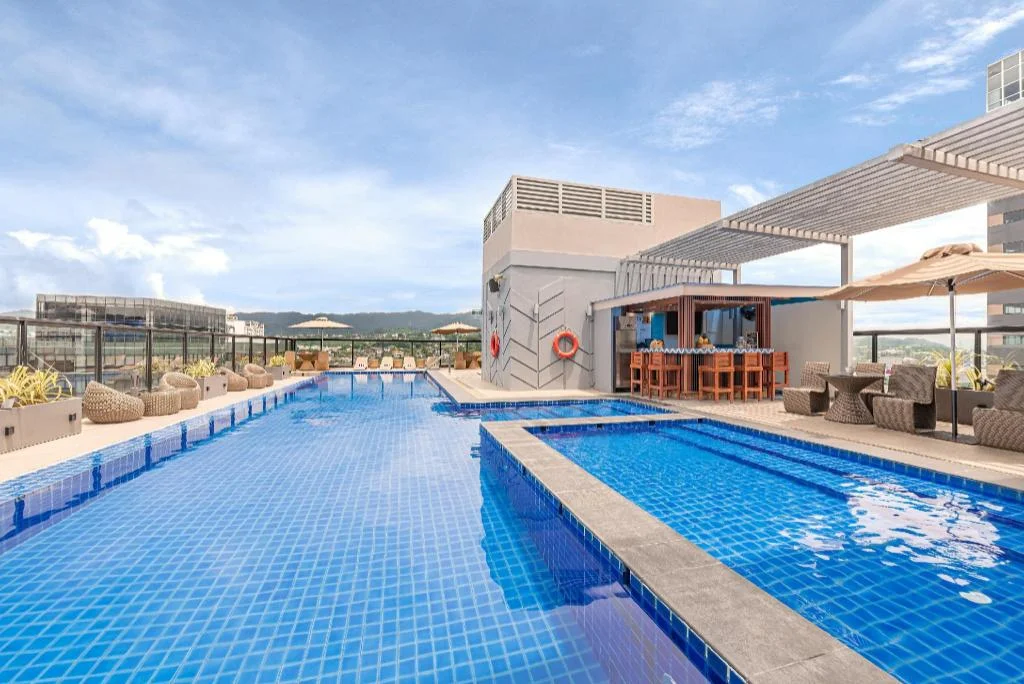
Seda Central Bloc Cebu City
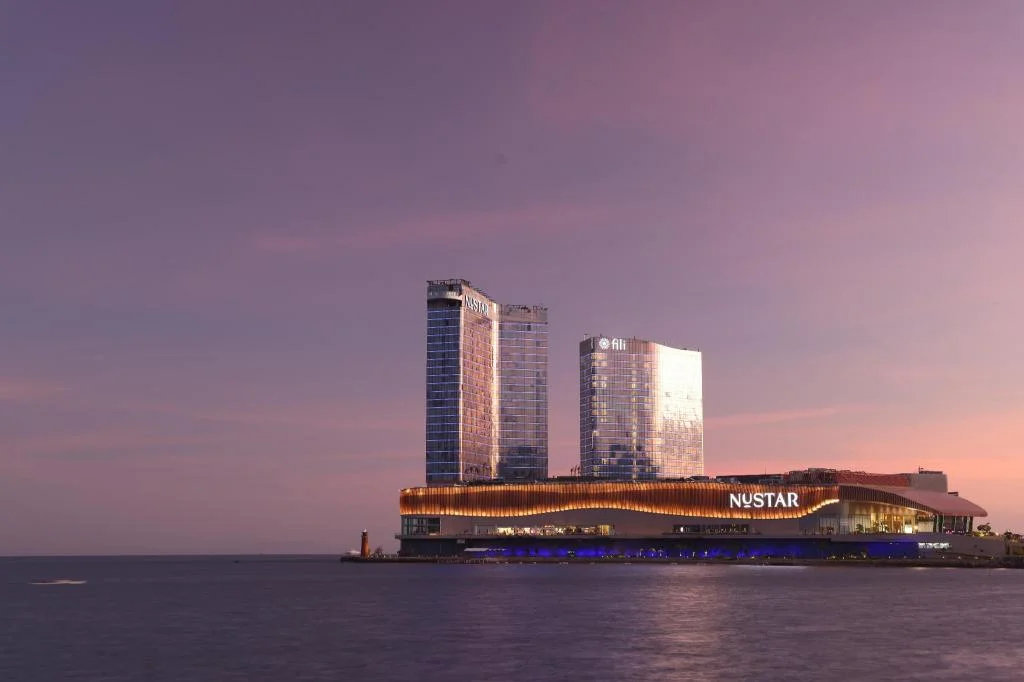
Fili Hotel - NUSTAR Resort & Casino Cebu
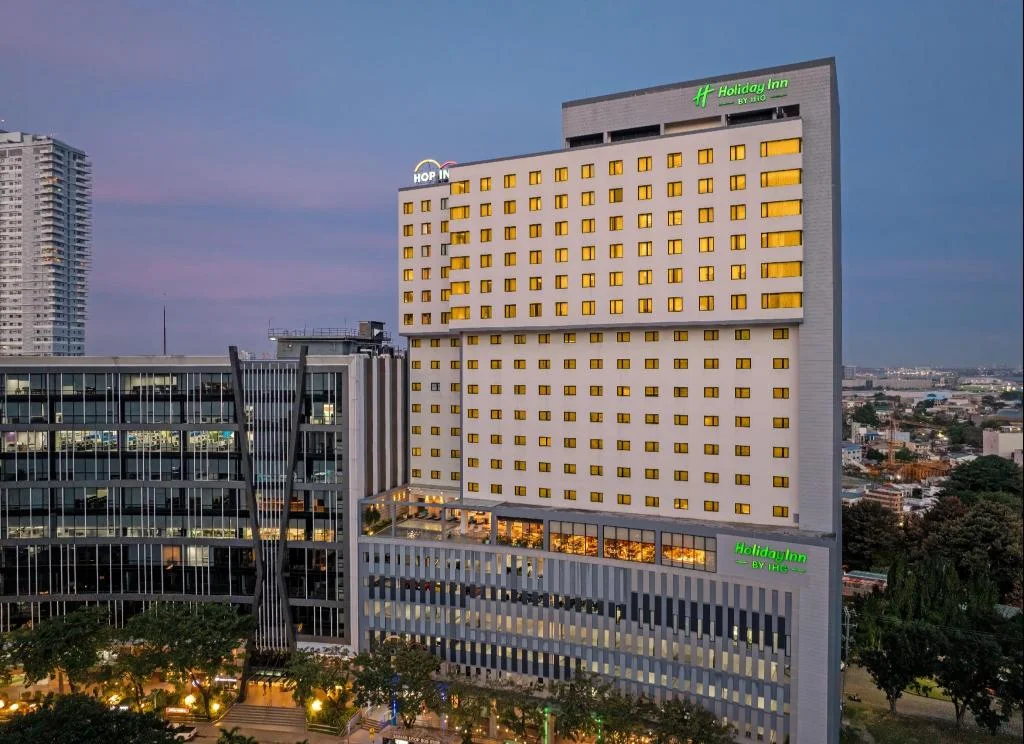
Holiday Inn Cebu City By IHG
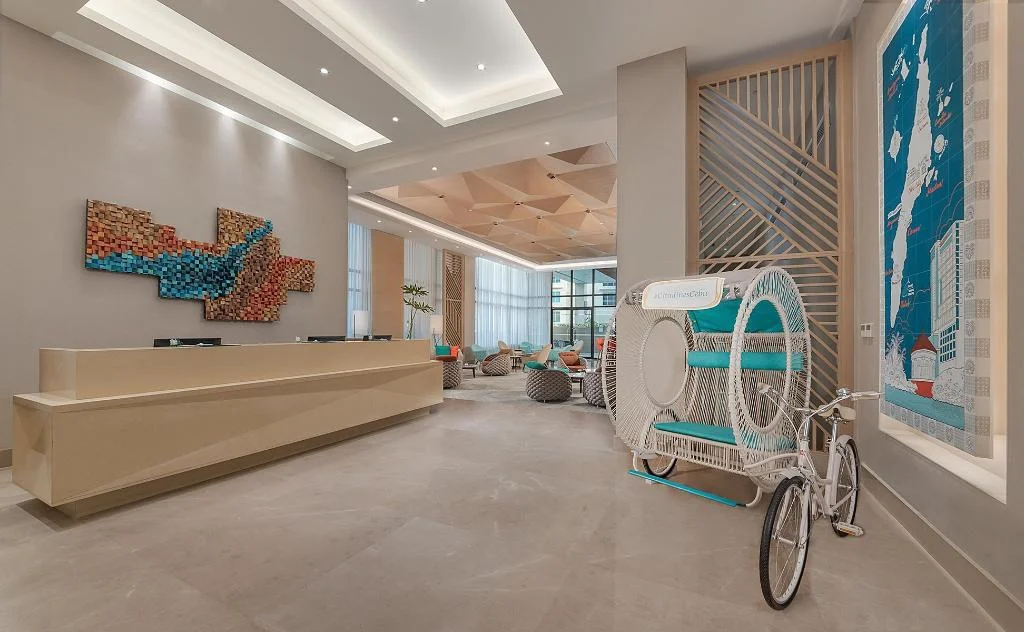
Citadines Cebu City
Prefer a rental? Vacation rentals near Cebu City
Self-catering condos and apartments — book the exact unit, kitchen included.
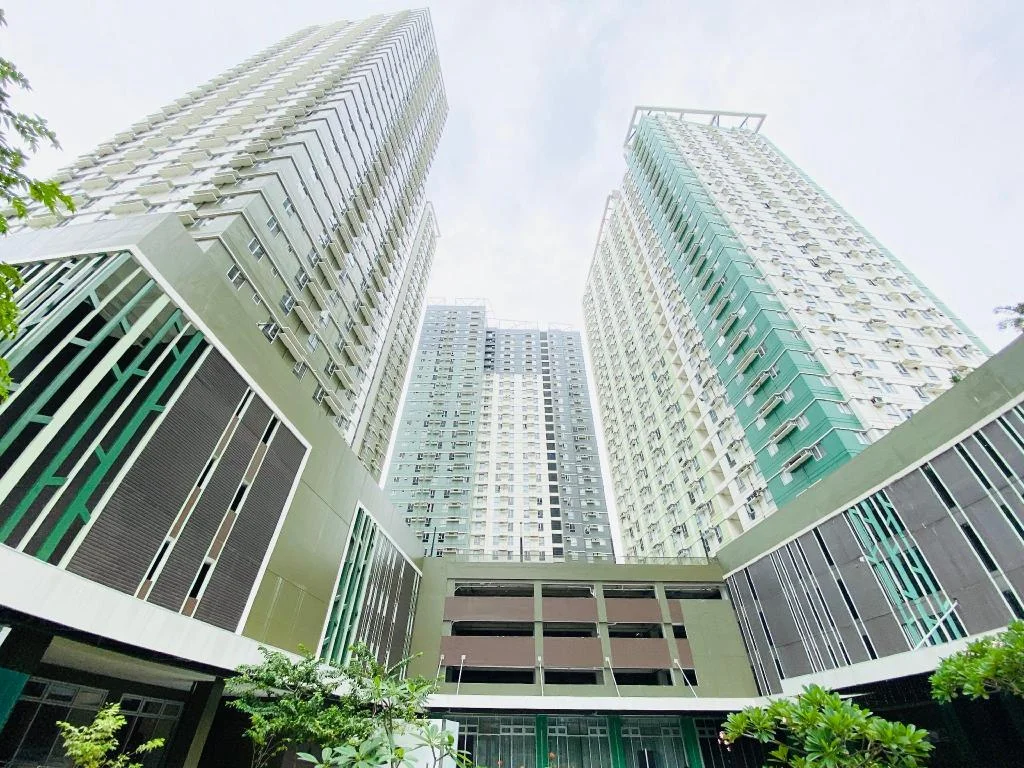
Cebu Avida Riala by P&J
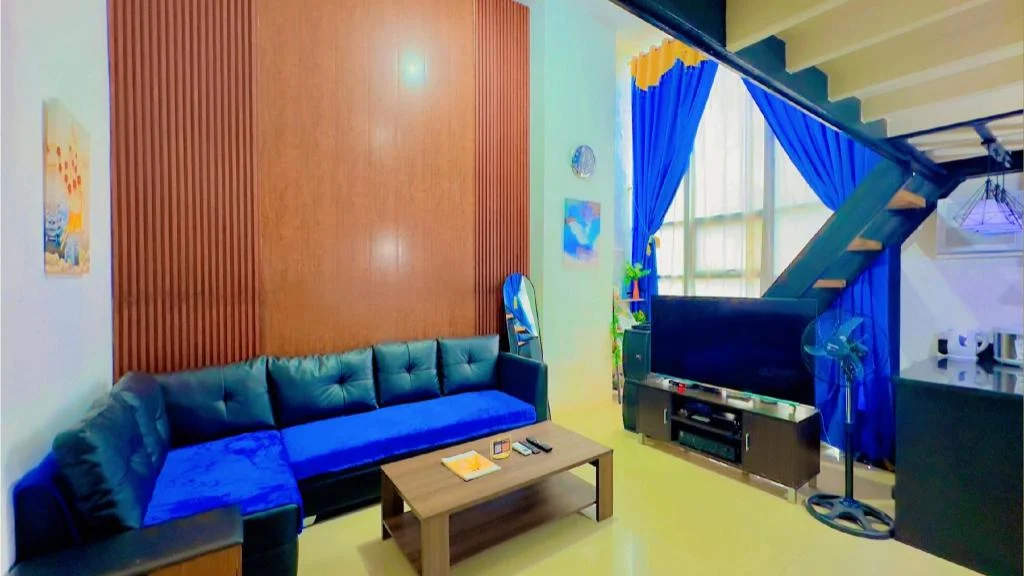
Special Big Loft Unit w/Fibreop Internet & Netflix
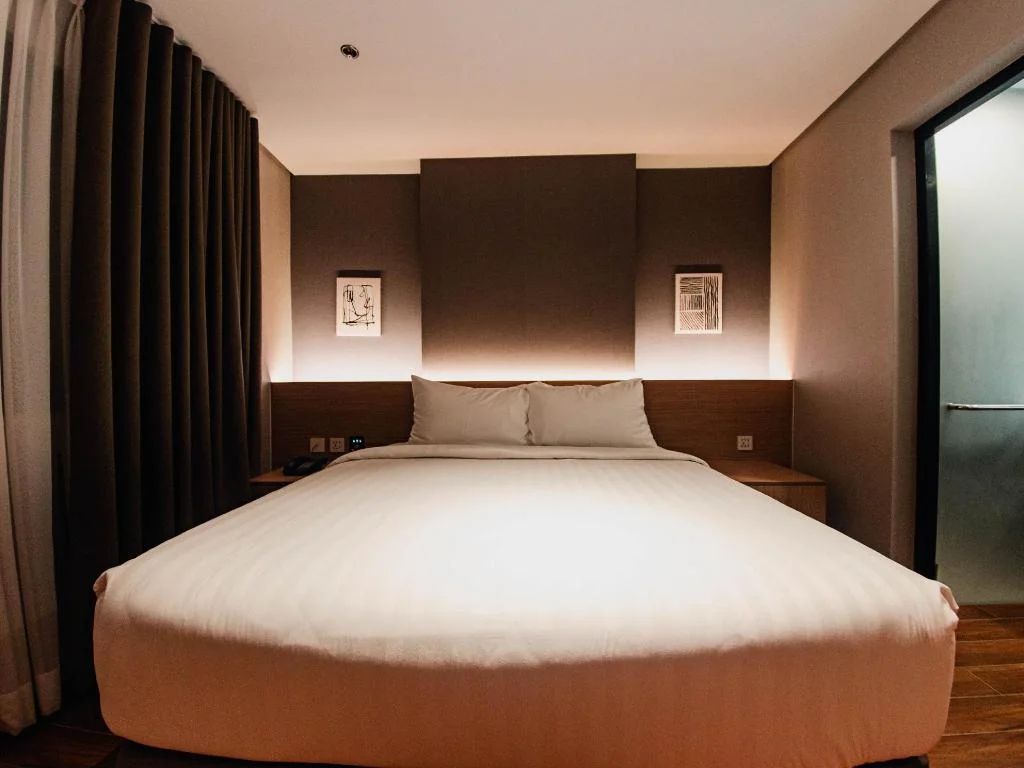
Moonstar Cebu Hotel - Deluxe Room
Before you go
Frequently asked
What's the average price of a cooking class in Cebu?
What dishes do you cook in a Filipino cooking class in Cebu?
Is the Cebu bamboo cooking class in Mactan worth the price?
Can you do a cheaper cooking class in Moalboal instead of Mactan?
Do Cebu resorts offer cooking classes?
How far in advance should you book a Cebu cooking class?
Are cooking classes in Cebu good for vegetarians?
Is transportation included when you book a Cebu cooking class online?
More Places to Explore
Carbon Market
Cebu City
Cebu's oldest and largest market (since 1909), offering an authentic local shopping experience with fresh produce, seafood, and traditional goods.
Colon Street
Cebu City
The oldest street in the Philippines, a historic commercial thoroughfare that has been Cebu's trading center since Spanish colonial times.