
TL;DR: Off Panagsama Beach in Moalboal, a resident baitball of millions of sardines schools permanently along the reef wall, and green sea turtles feed on seagrass a short swim away at Turtle Point — both snorkel-only, both reachable without a boat. A local guide is now mandatory for the sardine run (roughly ₱300-500, about US$5-8) and a shared guide for both spots together runs ₱400-900 (US$6-15), plus a small ₱25-100 environmental fee. Go at 6:00-8:00 AM for calm water and fewer crowds, never touch the animals (fines run up to ₱2,500), and expect the whole thing to take under two hours. Verified July 2026.
Moalboal built its reputation on two things you can do without ever putting on a scuba tank: swimming through a wall of a million sardines, and drifting alongside sea turtles that have gotten used to snorkelers. Both happen a few minutes’ walk from the guesthouses along Panagsama Beach, which is what makes this town different from most other places in the Philippines where you’d need a boat and a full day to see anything comparable. This guide is for anyone staying in or passing through Moalboal who wants to do both in one outing — what it actually costs in 2026, when to go, how the two spots relate to each other, and the rules that keep both the sardines and the turtles from getting loved to death.
At a Glance: What This Costs
| Item | Price (₱) | US$ (≈₱62 = $1) | Notes |
|---|---|---|---|
| Environmental/entrance fee | ₱25-100 | $0.50-1.50 | Collected at a beach kiosk; some cover Panagsama and White Beach the same day if you keep the receipt |
| Local guide, sardine run only | ₱300-500 | $5-8 | Mandatory since ~Aug 2025; usually includes life jacket, mask, snorkel |
| Local guide, shared group, both sites | ₱400-900 | $6-15 | Roughly an hour, covers sardine baitball + Turtle Point |
| Private guide (either site) | ₱700-1,500/hour | $11-24 | Better for photography or a slower pace |
| Fins rental (add-on) | ₱150 | $2 | Optional; a guide’s snorkel/mask is usually included |
| GoPro or photo/video package | ₱500 | $8 | Ask if the guide brings their own camera |
| Packaged boat day tour (Klook/GetYourGuide) | from ₱1,850 | from $30 | Often bundled with Pescador Island or a waterfall stop |
Confirm the current fee and guide rate locally before you go — prices are set by the local tourism office and guide association and shift over time. Verified July 2026.
Where Do You Actually See the Sardines and the Turtles?
The sardine baitball sits along the reef wall directly off Panagsama Beach, roughly 20-30 meters from shore, where the shallow reef floor drops sharply into deep water. It isn’t a seasonal migration like South Africa’s famous sardine run — this is a resident school that has stayed in roughly the same stretch of water for years, which is why you can see it any day of the year rather than during a narrow window.
Turtle Point is a short swim or paddle further along the same coastline, over a seagrass bed where green sea turtles come to feed and rest. It’s close enough that most guides walk or swim you between the two spots in a single session; some use a small outrigger boat to save your energy, especially if the current is running. Either way, you don’t need to book two separate trips.
Do You Need a Guide?
Yes, at least for the sardine run. As of around August 2025, Moalboal requires a registered local guide to snorkel out to the baitball, a rule the municipality rolled out alongside a retraining program for its roughly 200 snorkel guides. For Turtle Point the requirement is less strictly enforced, but going with a guide is still the practical choice — they know where the turtles are that day, keep you off the coral, and carry the life jacket and gear.
Guides work informally along Panagsama Beach and through the local tourism office; ask your guesthouse to connect you with one rather than the first person who approaches you on the sand, and agree on the price and what it includes (gear, entrance fee, duration) before you get in the water.
How Much Does It Really Cost?
Budget ₱400-900 (US$6-15) per person for a shared guide covering both the sardine run and Turtle Point, on top of a small environmental fee of roughly ₱25-100 collected at a kiosk on the beach. If you want a private guide, more one-on-one attention, or help with underwater photos, expect ₱700-1,500 an hour, plus ₱500 or so if you want a GoPro video of the swim.
If you’d rather not deal with logistics at all, packaged boat tours bundle the sardine run and turtles with a stop at Pescador Island or a waterfall visit, starting around ₱1,850 through operators on Klook. These make sense if you’re day-tripping from Cebu City and want transport, guide, and multiple stops handled in one booking; they’re overkill if you’re already staying in Moalboal and can just walk to the beach.
What’s the Best Time to Go?
Early morning — 6:00 to 8:00 AM — beats every other time of day. The water is calmer and clearer before the onshore breeze picks up, the sardine ball tends to be more active, and you’ll share the reef with far fewer people before day-tour boats and later risers show up. By mid-morning, Panagsama’s shore and shallow water fill up with snorkelers and the calm surface chops up.
Season matters less than time of day, since both the sardines and the turtles are around year-round. The dry season from December to May generally has the best visibility, with March through May the warmest water, but plenty of travelers report solid sightings outside that window too — don’t reschedule a whole trip around it.
Can You Combine Both in One Trip?
Yes, and most guides expect you to. A typical guided session takes you from the shore out to the sardine wall, lets you drift through the school for 15-20 minutes, then swims or paddles you over to Turtle Point for another 15-20 minutes with the turtles. The whole thing usually wraps up in under two hours, which is short enough to fit before breakfast if you go at first light.
The Rules — Read This Before You Get In the Water
Touching, chasing, or blocking either the sardines or the turtles is banned under a 2021 municipal ordinance covering Moalboal’s marine protected areas, with fines running up to ₱2,500 per person per violation. This isn’t a soft suggestion: a March 2024 video of a tourist grabbing a turtle at Panagsama went viral, racked up millions of views, and drew a public warning from the mayor. Moalboal sits inside the Tañon Strait Protected Seascape, the country’s largest marine protected area, and local officials have made it clear they’re done tolerating careless behavior.
In practice, that means: don’t touch or grab the turtles, even if they swim close (they often will, on their own terms — let them). Don’t stand on the reef or the coral, since fin and foot contact kills coral colonies that took decades to grow. Skip chemical sunscreens before you go in; they’re toxic to reef life, so use a mineral (zinc-oxide) sunscreen or cover up instead. And listen to your guide — they’re the ones who’ll get fined if their group misbehaves.
The Honest Take
The sardine run and Turtle Point are genuinely worth doing, and the fact that you can do both from shore in under two hours, without a dive certification, is rare anywhere in the Philippines. But be realistic about the crowds: this is Moalboal’s single best-known attraction, and by mid-morning the water off Panagsama can feel more like a snorkeling conveyor belt than a wildlife encounter, with multiple guide groups converging on the same small patch of reef. Go at first light and it’s a different experience entirely — quieter water, a more active baitball, and turtles that haven’t already been circled by twenty snorkelers that morning.
The mandatory-guide rule is a net positive. It’s easy to grumble about paying a few hundred pesos for something you could technically swim to yourself, but the retraining push and the fines exist because tourists were touching turtles and standing on coral, and the animals that make this place worth visiting don’t have an infinite tolerance for that. If a guide or operator seems to encourage touching, chasing, or “just one photo holding the turtle,” walk away and find someone else — that’s exactly the behavior the local ordinance exists to stop.
Plan the Rest of Your Moalboal Trip
Once you’ve done the sardines and turtles, Moalboal has plenty more in easy reach — Pescador Island for a proper dive or freedive day, and White Beach if you want actual sand and calmer swimming rather than a reef wall. For the fuller rundown of the town, see our Moalboal complete guide and Moalboal sardine run guide, or check the best snorkeling spots in Cebu if you want to compare Moalboal against other spots on the island. Browse Moalboal stays on Agoda if you’re basing yourself here rather than day-tripping from Cebu City, and search Moalboal sardine run tours on Klook if you’d rather have transport and a guide bundled into one booking.
Sources
- Klook — Moalboal Sardine Run (tour pricing and logistics)
- Sinulog Foundation-equivalent municipal reporting via IceMoalboal — Tourists vs. Turtles (2021 ordinance, fines, 2024 viral incident, guide training)
- Moalboal-based operator and traveler guides (WhyCebu, Wee Wild Adventures, Backpacking With a Book) cross-referenced for guide fees, environmental fee, and mandatory-guide timing
- Gecko Routes and Hale Manna — Cebu-to-Moalboal bus fares and schedules
- Guide fees, environmental fee, and mandatory-guide requirement verified against multiple 2025-2026 traveler and operator reports; confirm exact current rates with your guesthouse or the Moalboal tourism office. Verified July 2026.
Book Tours & Hotels for This Trip
Find and book the best deals — prices and availability update in real time. Links open in a new tab.
Where to stay near Moalboal
Top-rated hotels for this trip — tap through to check live rates.
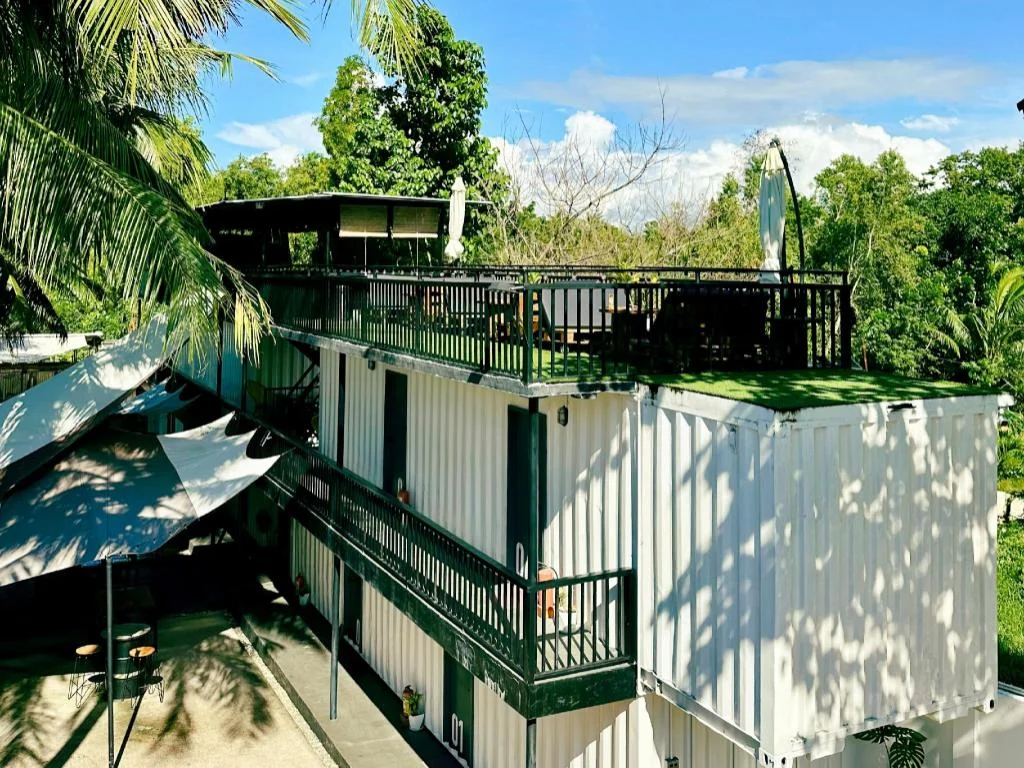
PIG DIVE HOSTEL MOALBOAL
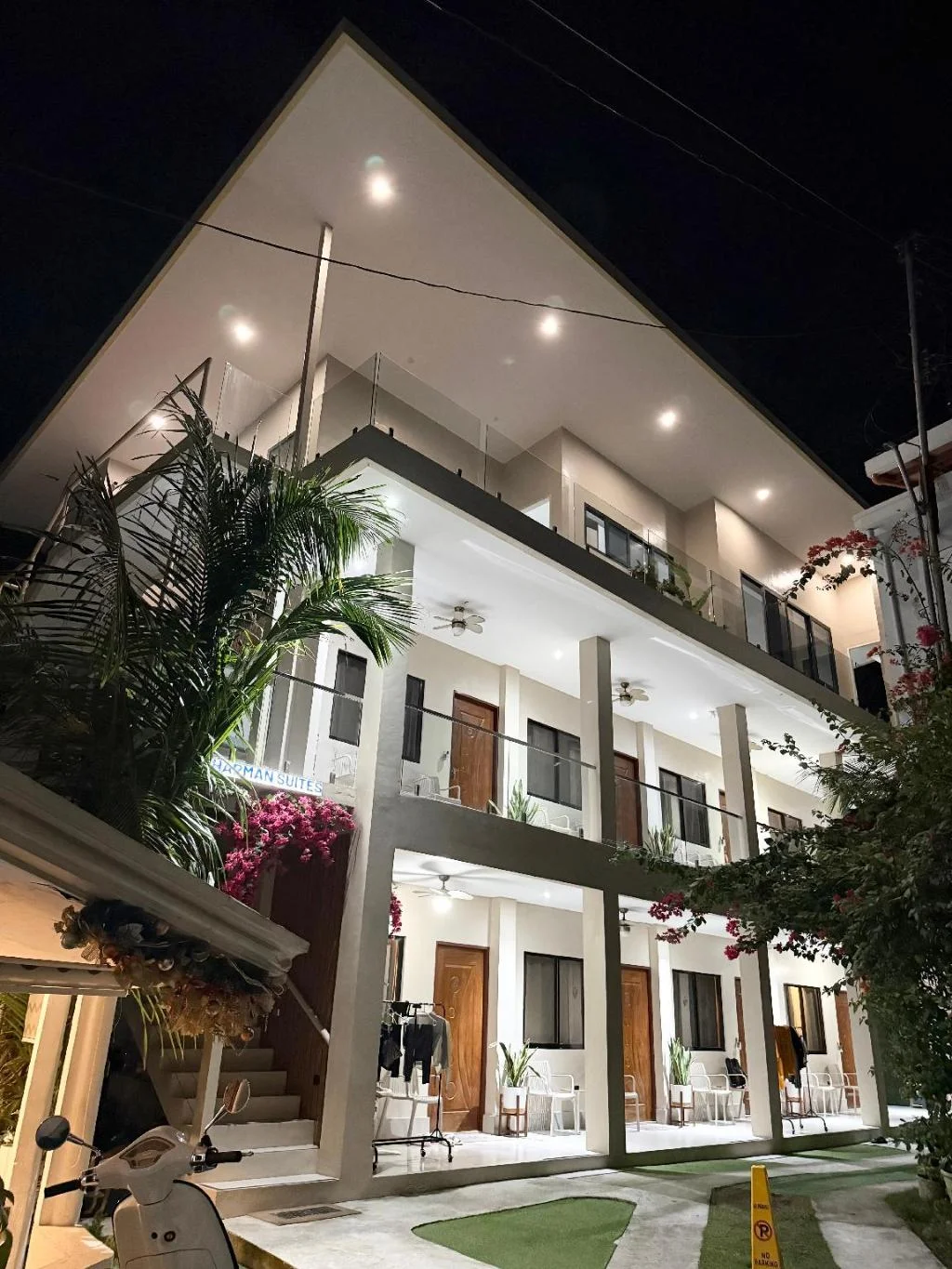
Harman Suites Moalboal
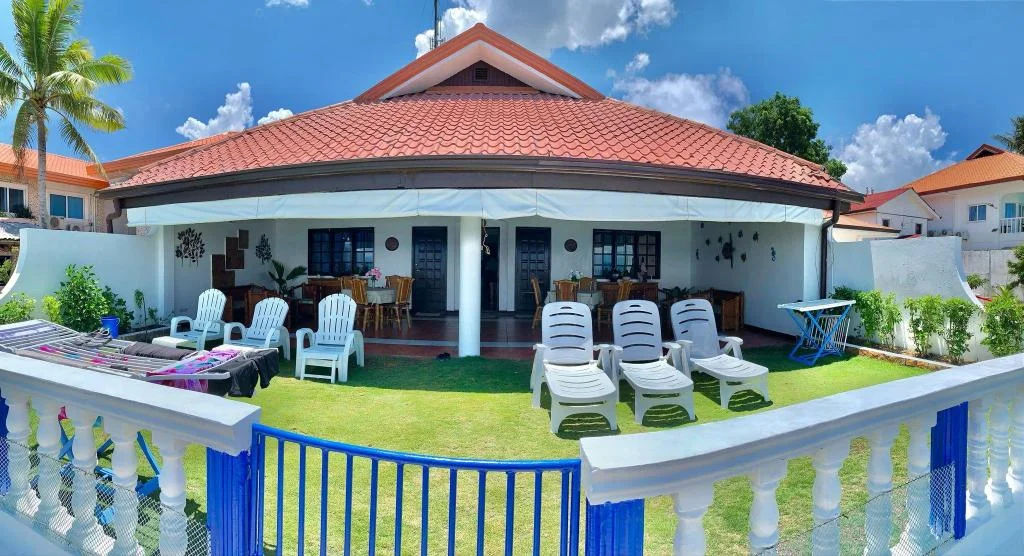
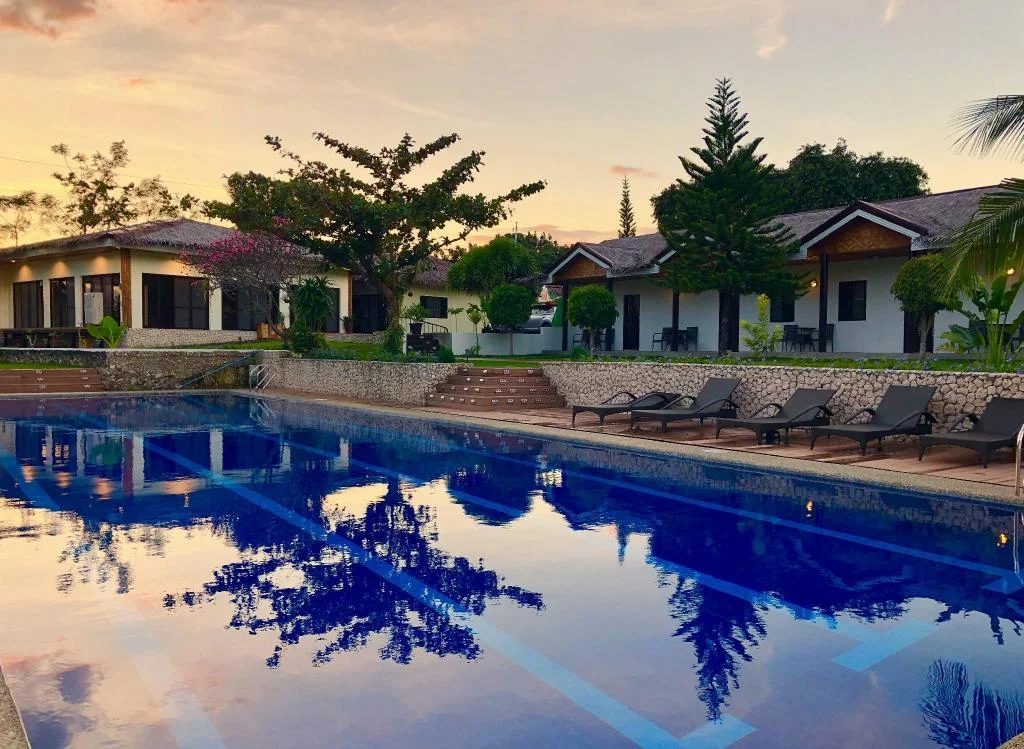
Il Sogno Resort
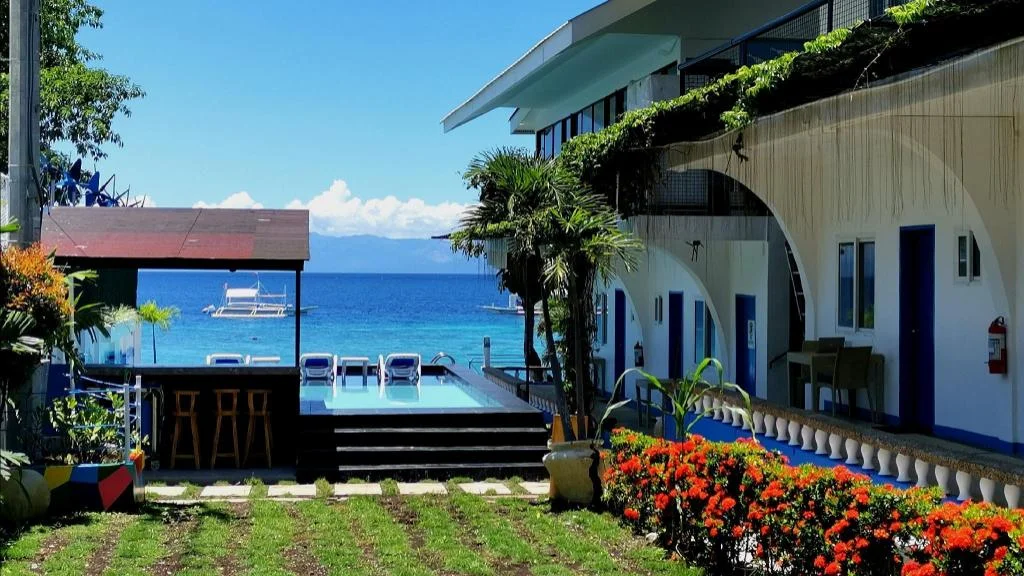
Pescadores Suites Moalboal
Prefer a rental? Vacation rentals near Moalboal
Self-catering condos and apartments — book the exact unit, kitchen included.

PAPABO Adventure Village
Casa de Moalboal
Althea Appartelle
Before you go
Frequently asked
Do you need a guide to see the sardine run in Moalboal?
How much does it cost to swim with both the sardines and the turtles?
Where exactly do you see the sardines and the turtles?
Is it OK to touch the sardines or the turtles?
What's the best time of day to go?
Do you need to know how to dive?
What's the best season for this?
How do you get to Moalboal from Cebu City?
More Places to Explore
Moalboal Sardine Run
Moalboal
Swim with millions of sardines in one of the world's only year-round sardine runs, just meters from shore.
Panagsama Beach
Moalboal
Moalboal's main beach and diving hub, famous for the sardine run and sea turtles just meters from shore.
Turtle Point
Moalboal
Swim alongside green sea turtles in their natural habitat at this reliable turtle-spotting destination.
Pescador Island
Moalboal
A world-class marine sanctuary featuring The Cathedral underwater cave and exceptional wall diving.
White Beach (Basdaku)
Moalboal
A kilometer-long stretch of white sand beach perfect for swimming, sunbathing, and family beach activities.