
TL;DR: Duty Free Philippines runs stores in MCIA Terminal 1 and Terminal 2 (departure and arrival, open 24/7). Liquor and fragrance are the real bargains; pasalubong costs 20–40% more than city shops, so buy it in town. Arrival allowance: 2 bottles of liquor (under ₱10,000 total) plus 2 cartons of cigarettes. Verified July 2026.
Prices in Philippine Peso with US dollar equivalents. ₱62 ≈ US$1 (July 2026).
Every departing traveler at Mactan-Cebu International Airport walks the same gauntlet of glass shelves — Scotch, perfume, dried mangoes at prices that feel a little off. This guide covers what’s actually in the duty-free and pasalubong shops at both terminals, what’s genuinely worth buying airside versus in the city, and the official customs rules for bringing liquor and tobacco back in. For the full arrival-and-transfer picture, start with our Mactan-Cebu Airport guide.
What Duty-Free Shops Are at Mactan-Cebu Airport?
Duty Free Philippines Corporation (DFPC) — the government-owned duty-free operator — runs the show at MCIA, with a store at Terminal 1’s Airport Village and two locations at Terminal 2: one in the pre-departure area and one in arrivals. The Terminal 2 stores opened with the terminal in July 2018 and cover a combined floor area of over 1,200 square meters; DFPC lists all MCIA locations as open 24/7. One thing worth knowing before you go looking online: DFPC operates at dutyfree.gov.ph, and PHGuides points out that the .com address is a parked domain advertising something else entirely.
Go over the arrival allowance and you’re into ordinary import charges, where duty and VAT compound rather than apply separately — VAT is calculated on the value plus the duty, not the value alone.
| Location | Where | What you’ll find |
|---|---|---|
| Terminal 2 pre-departure | International, airside after immigration | The main duty-free: liquor, tobacco, fragrances, cosmetics, confectionery, watches |
| Terminal 2 arrivals | International, before the exit | Arrival duty-free for inbound passengers — liquor, tobacco, chocolates |
| Terminal 1 Airport Village | Domestic terminal complex | Smaller DFPC store plus pasalubong and souvenir retail |
| Both terminals, airside | After security | Independent pasalubong/souvenir shops (dried mango, otap, local snacks, T-shirts) |
Store lineup per Duty Free Philippines and traveler reports; individual shops rotate, so treat specific brands as indicative. Verified July 2026.
The duty-free brand mix leans international and predictable: Johnnie Walker, Macallan, and Bacardi on the liquor wall; Estée Lauder, SK-II, and Chanel-tier fragrance counters; Godiva and Cadbury in confectionery. When DFPC was named MCIA’s Partner of the Year in 2019, its Chief Operating Officer Vicente Pelagio A. Angala described the goal as making Duty Free Philippines “a world-class shopping destination… by providing high-end international retail brands and export-quality Filipino products” — which is a fair description of the split you’ll see: imported labels up front, a Filipino-products corner at the back.
What’s Actually Worth Buying at the Airport?
Imported liquor and fragrance — that’s the honest list. Duty-free’s structural advantage is skipping excise tax and VAT, and those bite hardest on exactly two categories: spirits and perfume. A bottle of mid-shelf Scotch or a 100ml designer fragrance at MCIA duty-free generally compares well against Ayala or SM mall pricing. If you’re flying out and want a bottle for the trip or a gift, buy it airside.
Everything else deserves skepticism:
- Chocolates and confectionery — convenient, but rarely cheaper than a city supermarket.
- Electronics and watches — small selection; note that for arriving passengers, electronics don’t enjoy the regular tax-exempt purchase treatment.
- Local pasalubong — the worst value in the terminal, covered next.
One TripAdvisor forum traveler summed up the local consensus: it’s often “cheaper to buy in a supermarket duty paid than to buy it duty free” — an exaggeration for spirits, but accurate for nearly everything with a Filipino brand on the label.
Should You Buy Pasalubong at the Airport or in the City?
In the city — the airport charges a 20–40% premium on the exact same brands. A 2026 price comparison by local shopping site WhyCebu puts the gap in plain pesos:
| Item | Airport price | City price |
|---|---|---|
| Dried mango (pack) | ₱120–180 (US$1.94–2.90) | ₱80–130 (US$1.29–2.10) |
| Otap (pack) | ₱110–150 (US$1.77–2.42) | ₱70–100 (US$1.13–1.61) |
| Chicharon | ₱150–220 (US$2.42–3.55) | ₱100–150 (US$1.61–2.42) |
| Vacuum-packed lechon | Smallest premium, ~15–20% over city | Buy at Zubuchon/Rico’s branches in town |
Indicative prices per WhyCebu airport-pasalubong comparison, 2026. Same brands (7D, Shamrock, Titay’s) sold in both places. Verified July 2026.
The airport shops are fine as a last resort — same legitimate brands, no fakes, just marked up. The better play is a city stop the day before you fly: Taboan Public Market for danggit and dried fish at wholesale-style prices, Carbon Market for the cheapest everything, or any SM/Ayala pasalubong section for the full branded lineup. Our Cebu delicacies pasalubong guide ranks what’s actually worth carrying home. If your itinerary ends downtown anyway — say, a last-morning stop at Magellan’s Cross — the pasalubong run fits naturally into the same trip.
What Are the Philippine Customs Rules for Arriving Passengers?
Two separate rules matter, and travelers regularly confuse them. Both are verified against the Bureau of Customs as of July 2026.
1. The import allowance (what you can bring in tax-free). Under Customs Administrative Order 01-2017, each arriving traveler (18+) gets duty- and tax-free entry for:
- Two bottles of liquor with a total value under ₱10,000 (US$161)
- Two cartons (“reams”) of cigarettes — about 400 sticks — or 50 cigars or 250g of pipe tobacco
Quantities beyond these limits can be seized and forfeited, not just taxed — so don’t stack three bottles of duty-free gin from your connecting airport. Separately, goods worth ₱10,000 or below are broadly de minimis exempt under the customs code (CMTA Section 423).
2. The arrival duty-free shopping privilege (what you can buy at the arrival store). Per the Bureau of Customs duty-free shopping rules, the Terminal 2 arrivals store lets:
| Traveler | Tax-exempt purchase limit | Window |
|---|---|---|
| Regular Filipino & foreign travelers | US$1,000 | Within 48 hours of arrival |
| Balikbayans & OFWs | US$2,500 (electronics: 1 unit per category) | Within 15 days (30 days Dec 15–Jan 15) |
Per Bureau of Customs, July 2026. All arriving international passengers except minors may buy a maximum of 2 units each of cigarettes, liquor, and wine, once per arrival.
How Does Duty-Free Shopping Actually Work at MCIA?
Bring your passport and boarding pass — duty-free purchases are recorded against your travel. Duty Free Philippines stores price primarily in US dollars and accept pesos, major currencies, and cards; the cashier logs your flight details at checkout. On departure, the main Terminal 2 store sits airside after immigration, so you shop after clearing formalities and carry purchases straight to the gate. On arrival, the duty-free store is before the exit doors — once you’ve walked out of the arrivals hall, the window is gone until your next flight (though the purchase privilege itself runs 48 hours for regular travelers, usable at DFPC’s other stores).
Two practical traps. First, connecting flights: liquor bought airside at MCIA can be confiscated at a transfer airport’s security screening unless it’s packed in a sealed tamper-evident bag with the receipt — if you’re connecting rather than flying direct, ask the counter to pack it that way, or buy at your final departure airport instead. Second, the arrival allowance math: the 2-bottle liquor limit counts everything you’re carrying in — a bottle from your origin airport plus two from the MCIA arrival store puts you over.
The Honest Take
MCIA duty-free is a convenience, not a treasure hunt. The genuinely good moves: a bottle of imported spirits or a fragrance on departure, and — if you’re a balikbayan with the US$2,500 privilege — arrival-store liquor and chocolate for the family without hauling it across the Pacific. The genuinely bad move is doing your pasalubong shopping airside at a 20–40% markup on brands sold in every SM in the city. Cebu’s airport is pleasant and efficient (see our terminal facilities and lounges guide for the airside picture), but its retail follows the universal airport law: captive audiences pay more.
If you’re staying near the airport the night before an early flight, base yourself on Mactan and do your shopping in Lapu-Lapu or the city the day before — compare Mactan hotels on Agoda and treat the terminal as a place to top up, not to shop.
Final Word
Buy your Scotch and perfume airside, your dried mangoes in town, and keep the arrival allowance in mind: 2 bottles under ₱10,000 total, 2 cartons of cigarettes, done. Land the pasalubong run the day before you fly — Taboan or a mall pasalubong section — and the airport becomes what it should be: a clean, 24/7 backstop for whatever you forgot.
Sources
- Bureau of Customs — Guidelines on Arriving Travelers (CAO 01-2017 allowances)
- Bureau of Customs — Duty-Free Shopping privileges (US$1,000 / US$2,500 purchase limits)
- Duty Free Philippines — Mactan Cebu International Airport (store locations and hours)
- PHGuides — Duty Free Philippines (official domain vs the parked .com) and Import Tax (how duty and VAT stack)
- WhyCebu — Cebu airport pasalubong price comparison, 2026
- Asian Journal, November 2019 — DFPC named MCIA Partner of the Year (Angala quotation)
- Moodie Davitt Report, July 2018 — Terminal 2 duty-free opening (floor area)
Prices and store lineups change — confirm current stock and rates at the counter. Verified July 2026.
Book Tours & Hotels for This Trip
Find and book the best deals — prices and availability update in real time. Links open in a new tab.
Where to stay near Cebu City
Top-rated hotels for this trip — tap through to check live rates.
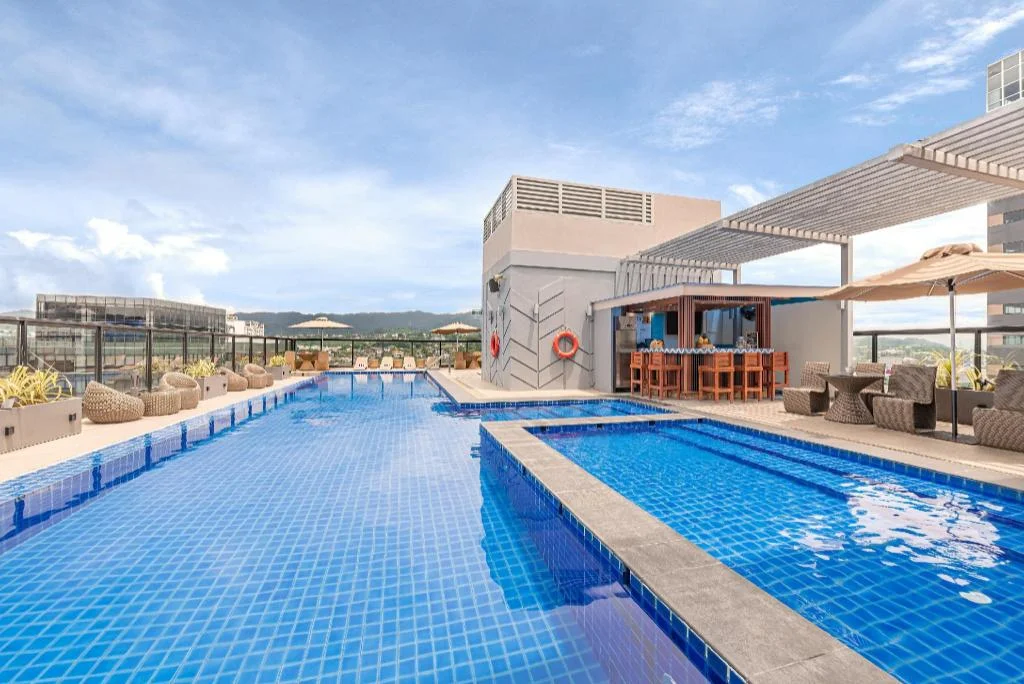
Seda Central Bloc Cebu City
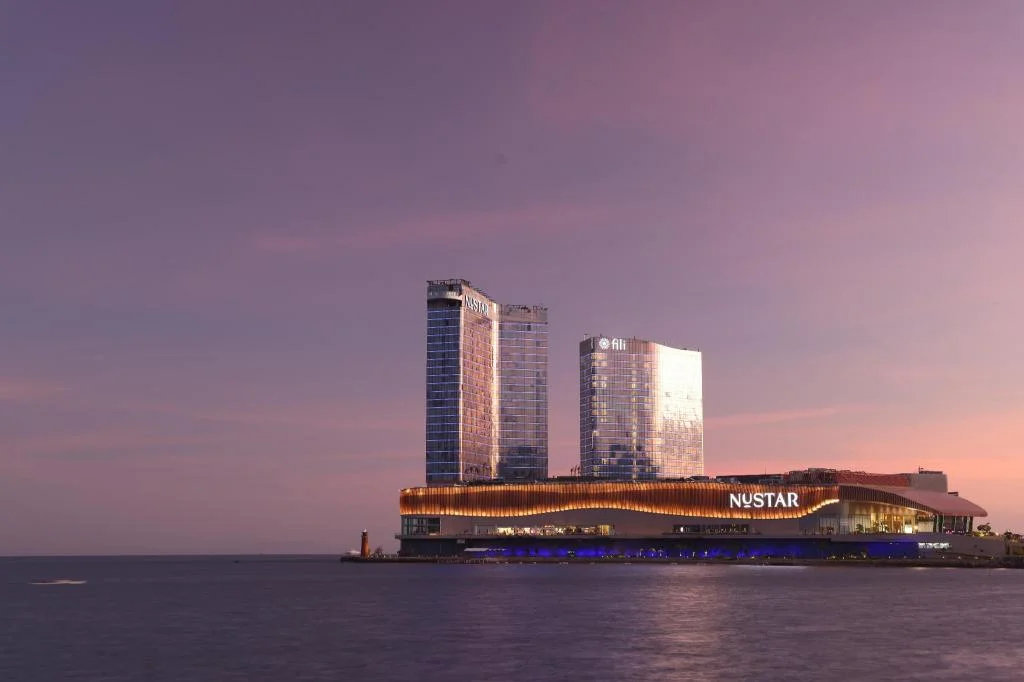
Fili Hotel - NUSTAR Resort & Casino Cebu
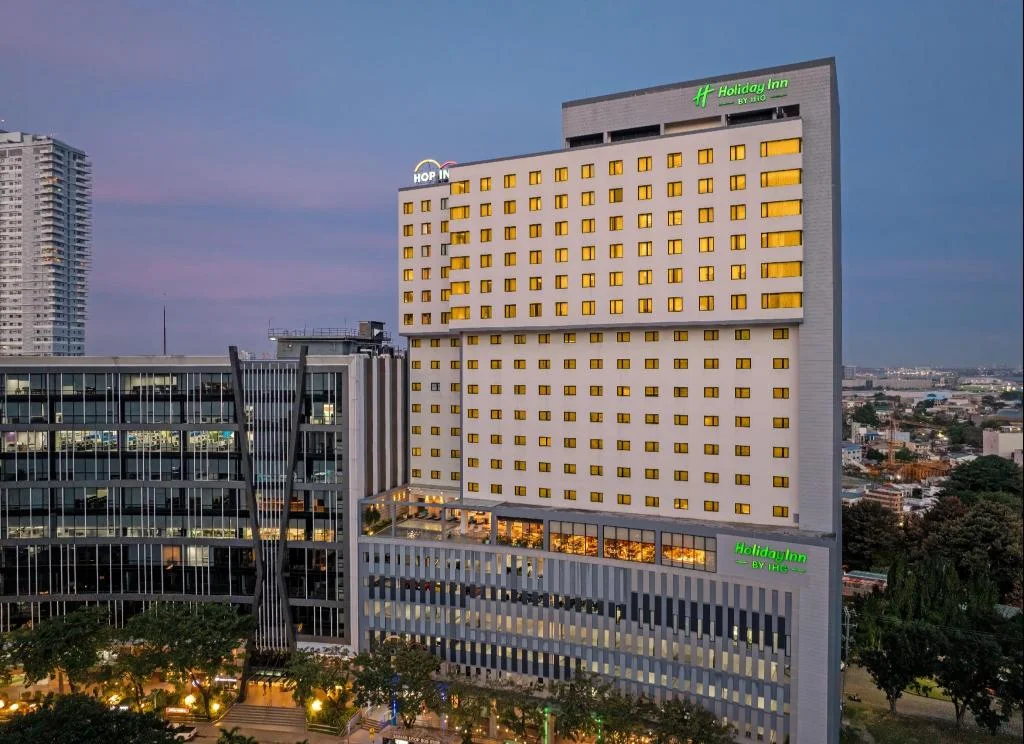
Holiday Inn Cebu City By IHG
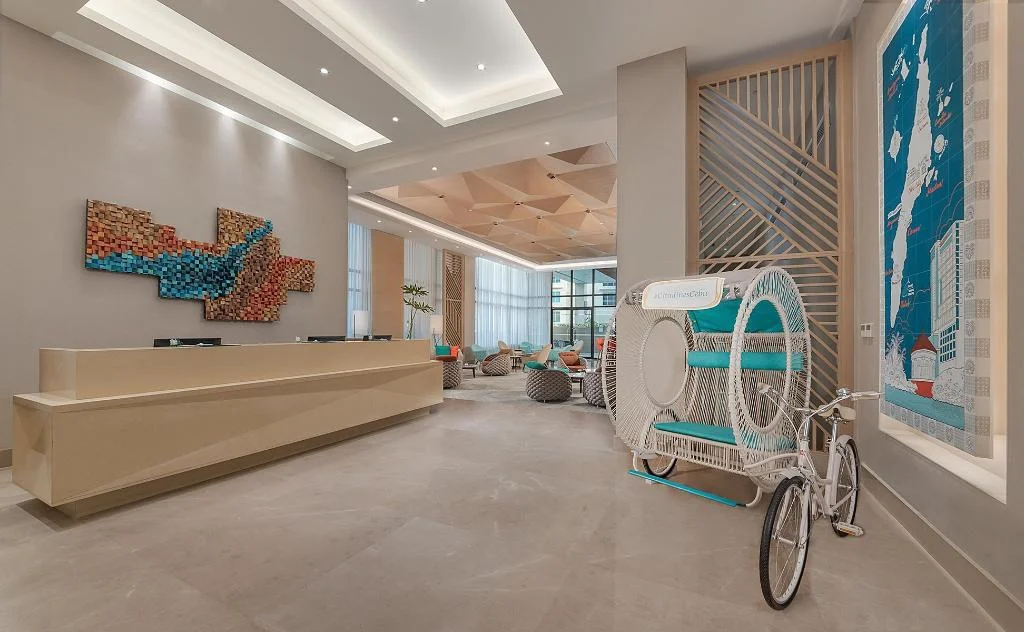
Citadines Cebu City
Prefer a rental? Vacation rentals near Cebu City
Self-catering condos and apartments — book the exact unit, kitchen included.
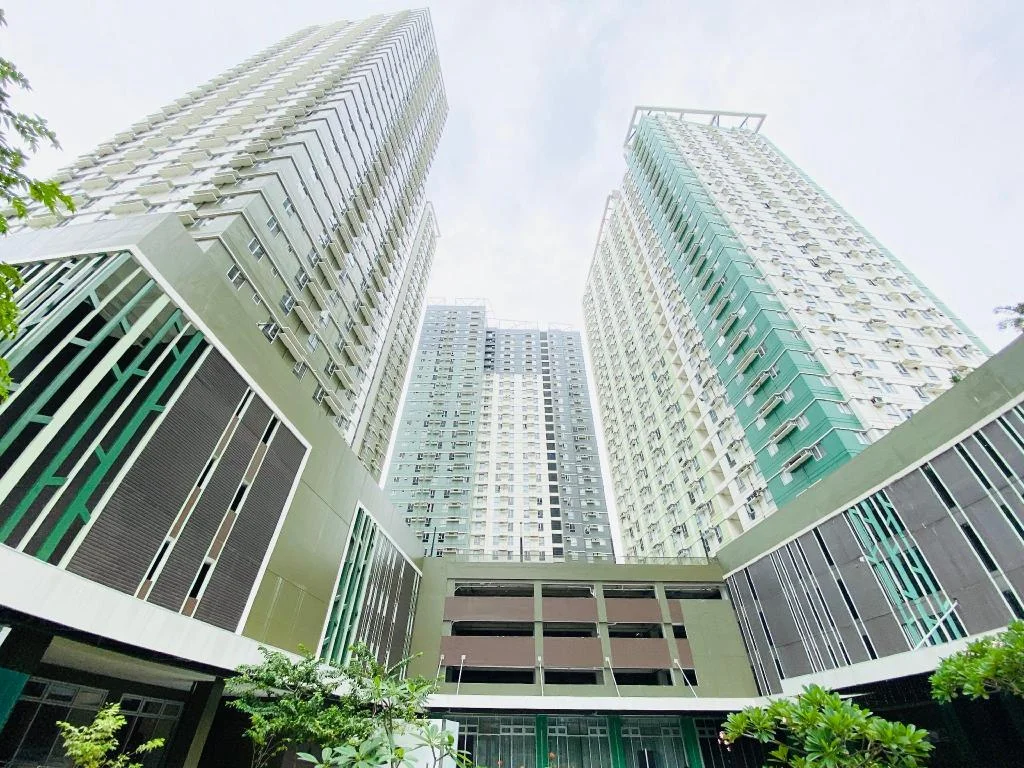
Cebu Avida Riala by P&J
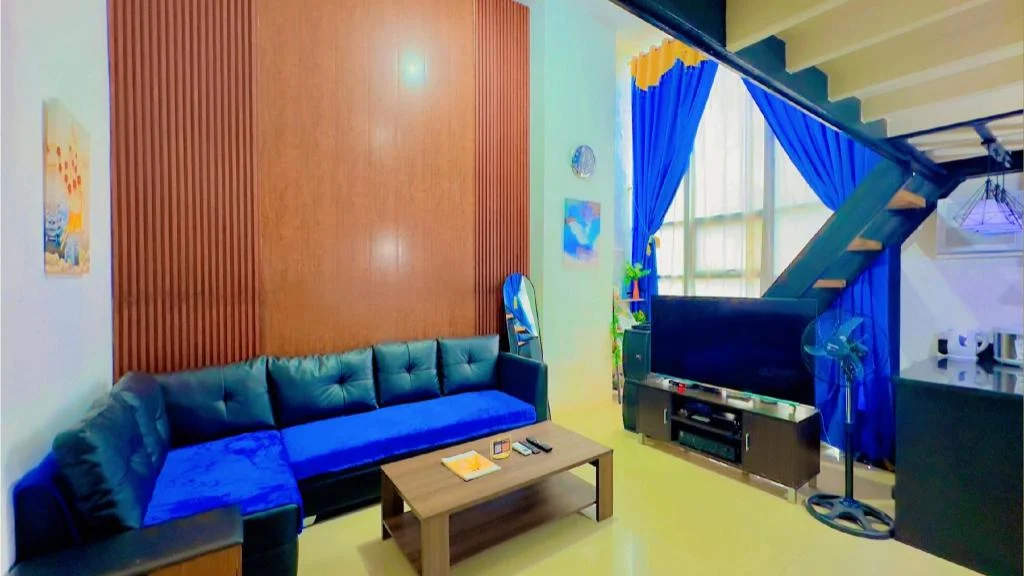
Special Big Loft Unit w/Fibreop Internet & Netflix
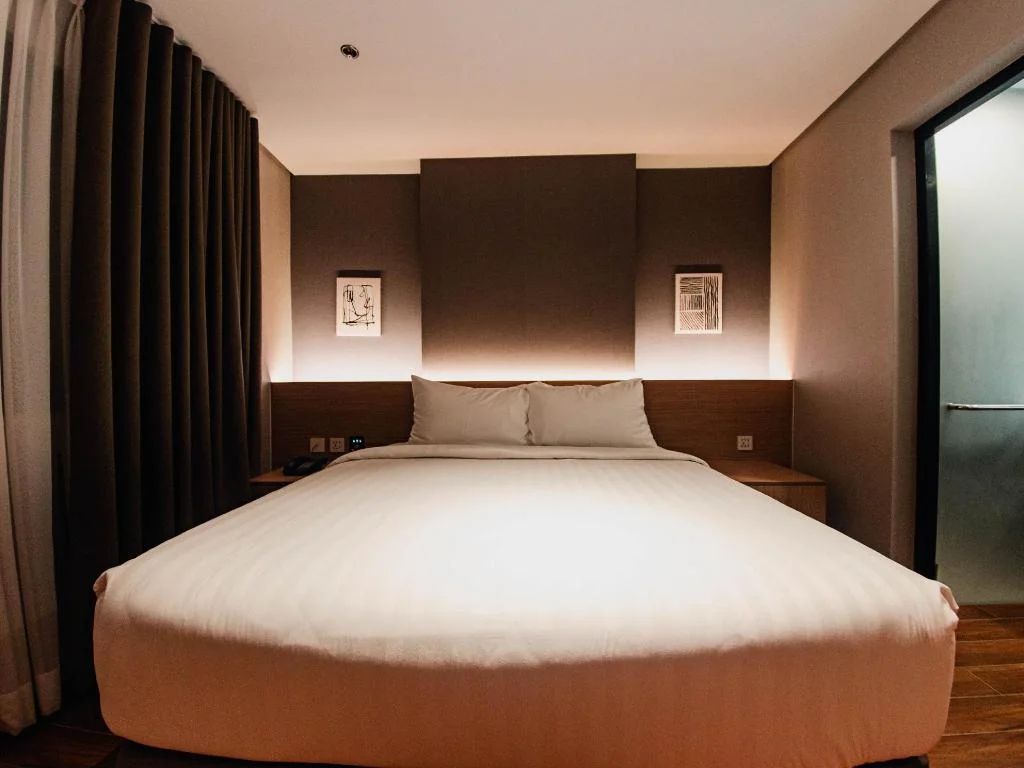
Moonstar Cebu Hotel - Deluxe Room
Before you go
Frequently asked
Is there duty-free shopping at Mactan-Cebu Airport?
What can you buy at Cebu airport duty-free?
Is duty-free at Cebu airport cheaper than the city?
How much liquor and how many cigarettes can I bring into the Philippines?
Can arriving passengers shop duty-free at Cebu airport?
Where should I buy pasalubong if not the airport?
Do the duty-free shops take pesos, dollars, or cards?
More Places to Explore
Magellan's Cross
Cebu City
The historic cross planted by Ferdinand Magellan in 1521, marking the birth of Christianity in the Philippines and now a National Cultural Treasure.
Temple of Leah
Cebu City
A magnificent Roman-inspired temple built as a monument of love, nicknamed 'Cebu's Taj Mahal,' offering stunning architecture and city views.