
TL;DR: Gabii sa Kabilin — Cebuano for “Night of Heritage” — is RAFI’s annual one-night museum and heritage crawl, expected on Friday, May 15, 2026 (confirm closer to the date). One ticket, around ₱200–300 (US$3.50–5), buys entry to 20+ museums, churches, and ancestral houses across Cebu City, Mandaue, Lapu-Lapu, and Talisay from roughly 6 PM to midnight, plus unlimited shuttle buses and a tartanilla ride on the ₱300 tier. It’s one of the best-value cultural nights in the Philippines if the date lines up with your trip — skip rearranging your itinerary around it if it doesn’t. Verified July 2026.
If you’ve ever wished you could see inside Cebu’s old houses and church museums without paying separate entrance fees at each one, Gabii sa Kabilin is built for exactly that. Once a year, the Ramon Aboitiz Foundation Inc. (RAFI) — the same cultural foundation behind Casa Gorordo Museum — turns Cebu City’s historic core into a single, ticketed, one-night circuit. Buy one wristband and you can walk, shuttle, or tartanilla your way between sites like Fort San Pedro and the Basilica del Santo Niño that are normally scattered, separately-ticketed stops on a regular day. This guide covers when it happens, what the ticket actually gets you, which sites usually show up on the route, and whether it’s worth building a trip around.
Gabii sa Kabilin 2026 at a Glance
| Detail | Info |
|---|---|
| Event name | Gabii sa Kabilin (“Night of Heritage”) |
| Organizer | Ramon Aboitiz Foundation Inc. (RAFI), Culture and Heritage Unit |
| Expected 2026 date | Friday, May 15, 2026 (confirm with RAFI) |
| Typical hours | ~6:00 PM – midnight |
| Ticket with transport | ~₱300 (US$5) — unlimited shuttle bus + 1 tartanilla ride |
| Ticket without transport | ~₱200 (US$3.50) — site access only |
| Discounts | ~₱20 off for seniors/PWD/students with ID; young children usually free with an adult |
| Participating sites (recent years) | ~22, across Cebu City, Mandaue, Lapu-Lapu, and Talisay |
| Where to check for updates | RAFI’s official site and the Gabii sa Kabilin Facebook page |
Prices and dates reflect the 2023–2025 editions. Verified July 2026.
What Is Gabii sa Kabilin?
It’s a one-night, one-ticket museum and heritage-site crawl that RAFI has run in Cebu since 2007. On a single evening, more than twenty museums, churches, ancestral houses, and cultural institutions — many of which don’t normally take walk-in visitors, or charge separately — open their doors under one shared wristband. RAFI groups the sites into themed routes each year (recent themes have spotlighted youth, Bisaya identity, and local heroes), so you’re not just museum-hopping at random; there’s a curated thread connecting the stops.
The event paused as an in-person gathering during the pandemic and returned live in October 2022 with more than 9,000 attendees, before settling back into its traditional May slot from 2023 onward.
When Is Gabii sa Kabilin 2026?
Public listings point to Friday, May 15, 2026, which would keep the event in its usual mid-to-late May window — it ran May 23 in 2025, late April/May in 2024, and May 12 in 2023. RAFI has historically confirmed the exact date, theme, and site roster only a few weeks beforehand on its Facebook page and rafi.org.ph, so treat May 15 as a strong working date rather than a locked one. If you’re planning a trip around it specifically, check RAFI’s channels before booking flights or hotels.
Hours in recent editions ran from about 6:00 PM to midnight, with road closures around the historic downtown core starting mid-afternoon to let crowds move safely on foot.
How Much Is the Ticket, and What Does It Include?
Two ticket tiers, both good for one-time entry to every participating site. In the 2023–2025 editions:
- ~₱300 (about US$5): entry to all sites, unlimited shuttle bus rides between locations for the night, and one tartanilla (horse-drawn carriage) ride.
- ~₱200 (about US$3.50): entry to all sites, no shuttle or tartanilla included — you get yourself between locations.
- Discounts: roughly ₱20 off for seniors, persons with disabilities, and students with a valid ID; children around age 7 and under have generally gotten in free with a supervising adult.
Unless you already know the historic core well and plan to stick to sites within walking distance of each other, the ₱300 ticket is the better value — trying to get a Grab between the closed-off downtown streets on event night is more hassle than it’s worth.
How Does the Single-Ticket System Work?
Buy or claim your wristband, then move freely between sites for the rest of the night. In past years tickets were sold at select sites and through RAFI ahead of the event; check the current process on RAFI’s Facebook page as the date approaches, since this has varied by year. Once you’re wristbanded, you scan or show it at each participating site’s entrance — no separate payment at the door. Shuttle buses loop continuously between clusters of sites on set routes, so you hop on, ride to the next stop, and hop off; the tartanilla ride (part of the ₱300 ticket) is typically a shorter, one-way novelty ride rather than a way to cover the whole route.
Because the sites are grouped into themed routes that change each year, it’s worth deciding in advance which 4–6 stops matter most to you — trying to hit all 20+ in one night, especially with lines at popular sites, isn’t realistic.
Which Museums and Heritage Sites Usually Participate?
Around 22 sites across four cities in recent years, mixing well-known landmarks with places that are otherwise hard to access. Regulars and recent participants have included:
- Casa Gorordo Museum and the Sugbu Chinese Heritage Museum — both anchor stops in the Colon Street area.
- Fort San Pedro and the Basilica Minore del Santo Niño museum, steps from the Basilica del Santo Niño itself.
- University and college museums that rarely open to outside visitors, such as the USC Museum, CIT-U Culture and Heritage Museum, and BPI Museum.
- Church and diocesan sites like the Archdiocesan Museum of Cebu and parish heritage collections.
- Satellite-city stops reached by shuttle, including Museo de Talisay and heritage houses in Mandaue and Lapu-Lapu.
The exact roster and route groupings shift with each year’s theme, so check the current list on RAFI’s channels once it’s published — but expect the historic downtown cluster near Fort San Pedro and Colon Street to anchor the night regardless of theme. For the fuller, non-event-specific rundown of what’s open year-round, see our complete list of museums in Cebu.
How Do You Get Around During the Event?
Walk or shuttle — don’t plan to drive into the historic core. In 2025, RAFI closed stretches of Eduardo Aboitiz Street, Mabini Street, part of Fr. J. Burgos Street, and part of Colon Street from early afternoon until around 1 AM the next day, with traffic personnel managing the perimeter. That closure pattern has repeated in past editions and is likely again for 2026. If you’re staying elsewhere in the city, get a Grab or taxi to a drop-off point outside the closure zone and walk or shuttle in from there — the same advice that applies during Sinulog road closures.
Is Gabii sa Kabilin Worth It?
Yes, if the date fits your trip — it’s genuinely one of Cebu’s best cultural-value nights. For a few hundred pesos you get access to more heritage sites in one evening than you’d realistically visit in three separate days of sightseeing, including places that don’t take walk-ins the rest of the year. It’s also a low-key, family-friendly alternative to Cebu’s bigger, rowdier festivals.
It’s not worth restructuring an itinerary around, though, if your dates don’t already overlap. The headline sites — Casa Gorordo, Fort San Pedro, the Basilica — are open on any normal day; you’ll just pay small individual entrance fees and skip the shuttle, the tartanilla novelty, and the one-night festival buzz.
Tips for a Better Night
- Pick a route, don’t chase all 22 sites. Choose the themed cluster nearest your interest (faith, history, art) and let the shuttle carry you through 4–6 stops rather than sprinting citywide.
- Go early for popular stops. Casa Gorordo and Fort San Pedro draw the longest lines by 8–9 PM.
- Bring cash in small bills for the ticket, food stalls, and any small donations at church sites.
- Wear closed, comfortable shoes — the historic core has uneven pavement and cobblestones, and you’ll be on your feet for hours.
- Charge your phone or bring a power bank — you’ll want it for maps, photos, and checking the shuttle schedule.
The Honest Take
Gabii sa Kabilin is one of the more overlooked entries on Cebu’s events calendar precisely because it isn’t loud or parade-scale like Sinulog — it’s a quieter, culture-first night, and that’s the appeal. The trade-off is real crowding at the two or three most famous stops (Casa Gorordo especially), shuttle queues that can eat 20–30 minutes at peak hours, and a roster that shifts enough year to year that you can’t plan a precise route months in advance. Go for the atmosphere and the rare access, not for a guaranteed, frictionless museum tour — treat any single site’s line as optional and be ready to swap in the next stop on the shuttle loop instead of waiting it out.
Pair the night with Cebu City’s usual heritage circuit — the Heritage of Cebu Monument, Colon Street, and the Basilica del Santo Niño are all worth a daytime visit too, when you can linger without the crowds. For the rest of the year’s festivals and the best timing for a Cebu trip, see our Cebu events calendar.
Sources
- RAFI — “Gabii sa Kabilin Returns on May 12” (2023 ticket pricing, hours, site count)
- RAFI — “Gabii sa Kabilin 2024 Unveils Theme: Beloved Bisaya”
- RAFI — Public Service Announcement, May 23 Road Closures (2025)
- sugbo.ph — “Gabii sa Kabilin 2025: Batan-ong Bahandi” (2025 ticket pricing, site count)
- It’s Cebu — “Gabii sa Kabilin 2025” (2025 route/site list)
- Gabii sa Kabilin official Facebook page (event updates)
- 2026 date and theme not yet officially confirmed by RAFI at time of writing — confirm before finalizing travel plans. Verified July 2026.
Book Tours & Hotels for This Trip
Find and book the best deals — prices and availability update in real time. Links open in a new tab.
Where to stay near Cebu City
Top-rated hotels for this trip — tap through to check live rates.
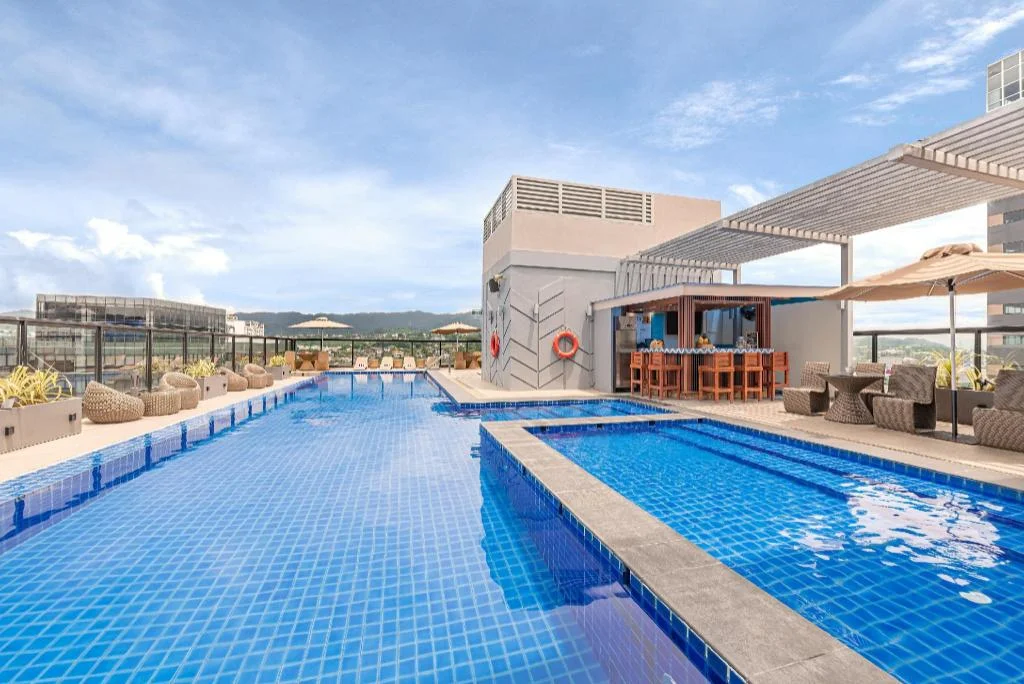
Seda Central Bloc Cebu City
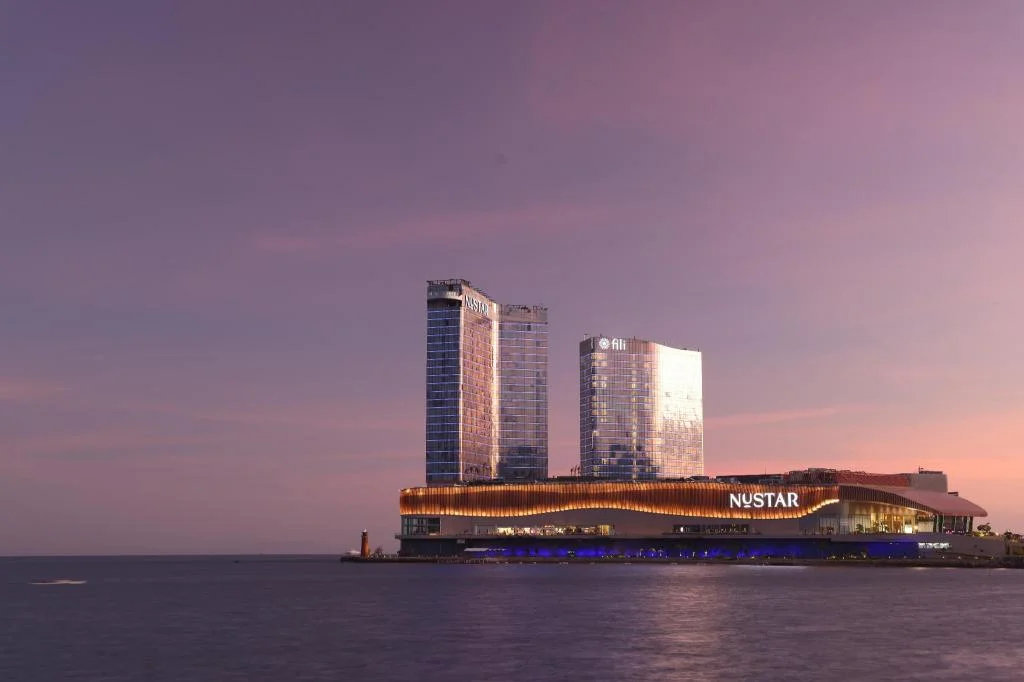
Fili Hotel - NUSTAR Resort & Casino Cebu
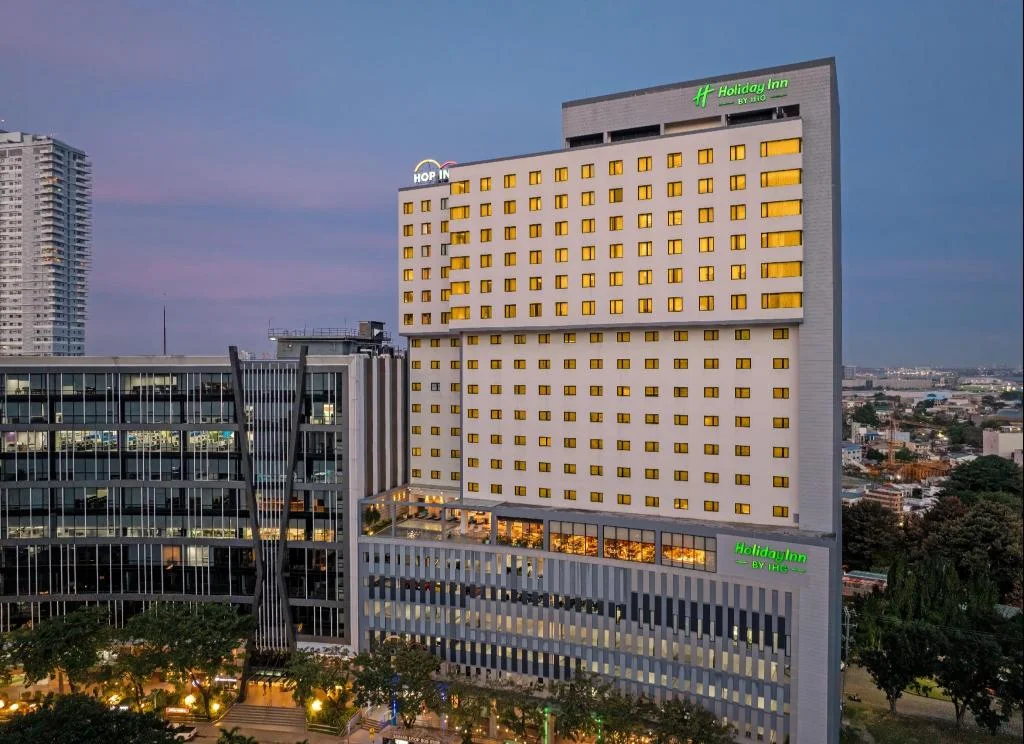
Holiday Inn Cebu City By IHG
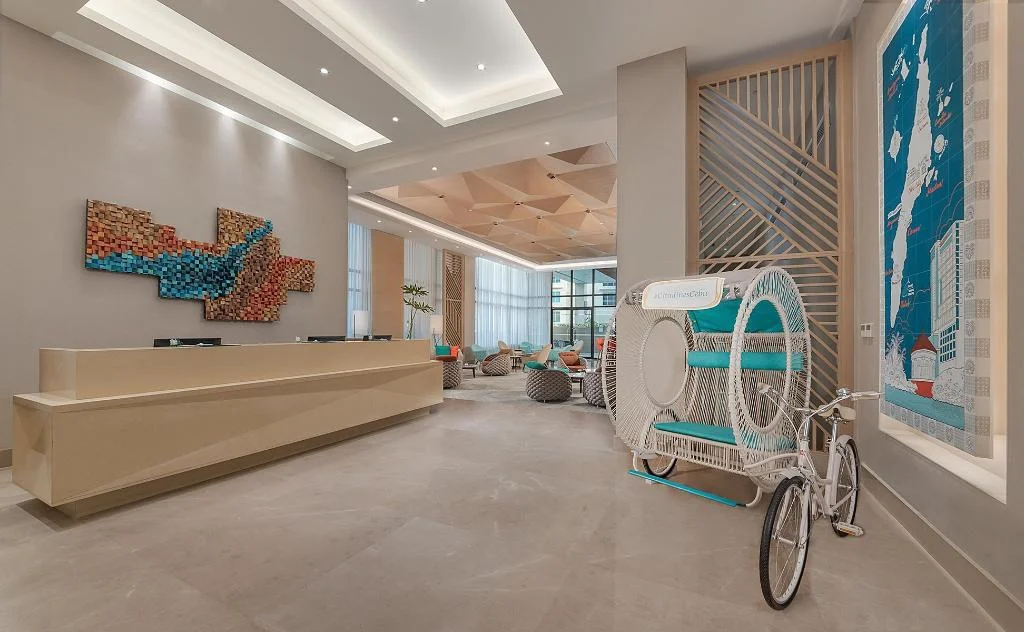
Citadines Cebu City
Prefer a rental? Vacation rentals near Cebu City
Self-catering condos and apartments — book the exact unit, kitchen included.
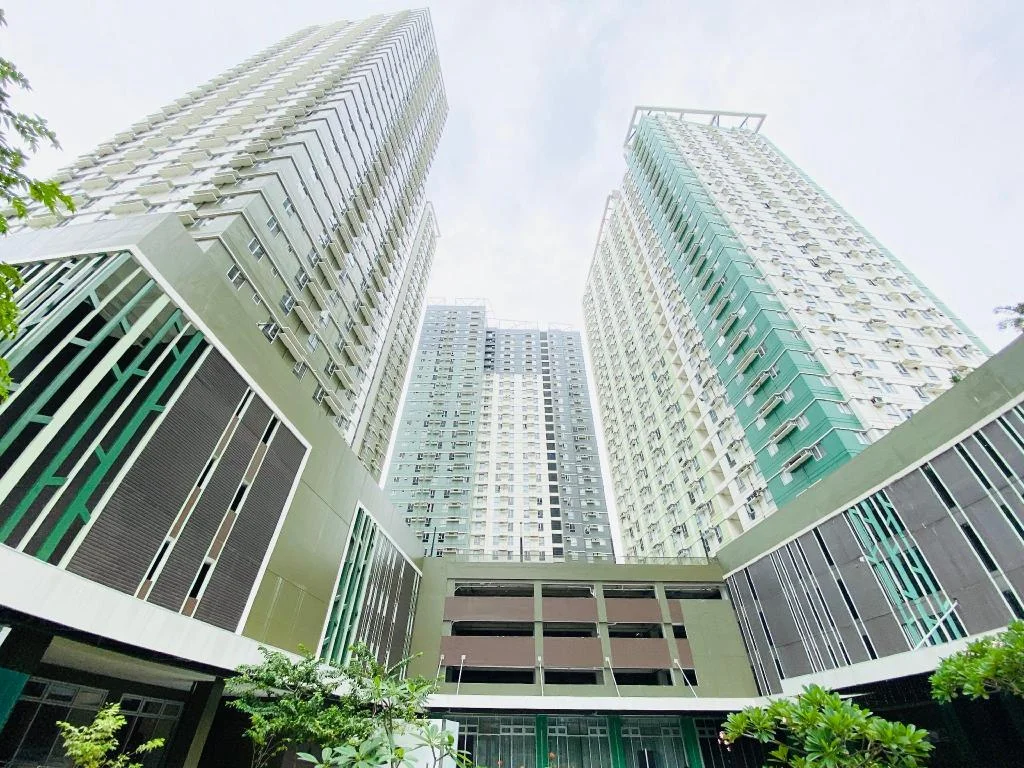
Cebu Avida Riala by P&J
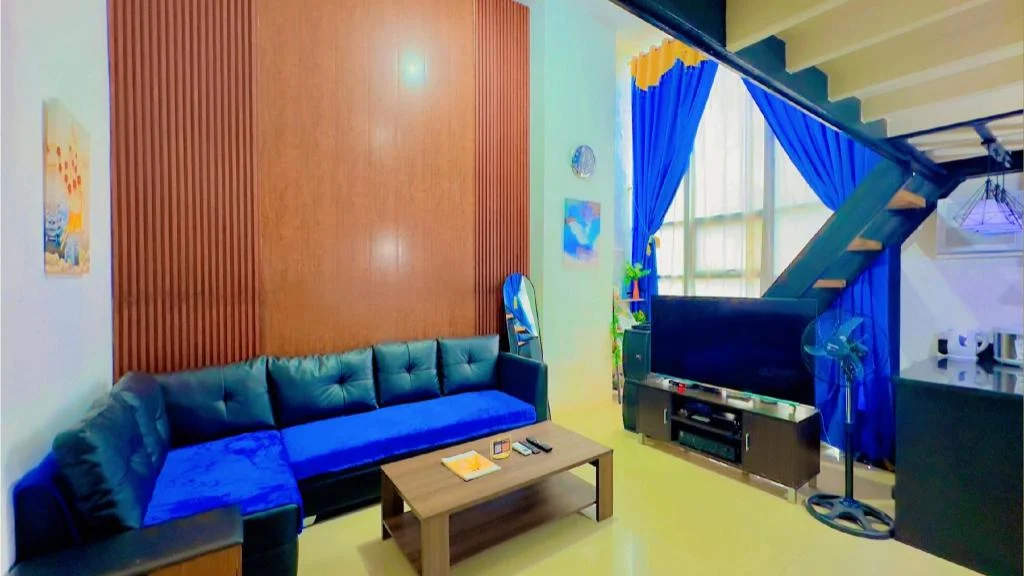
Special Big Loft Unit w/Fibreop Internet & Netflix
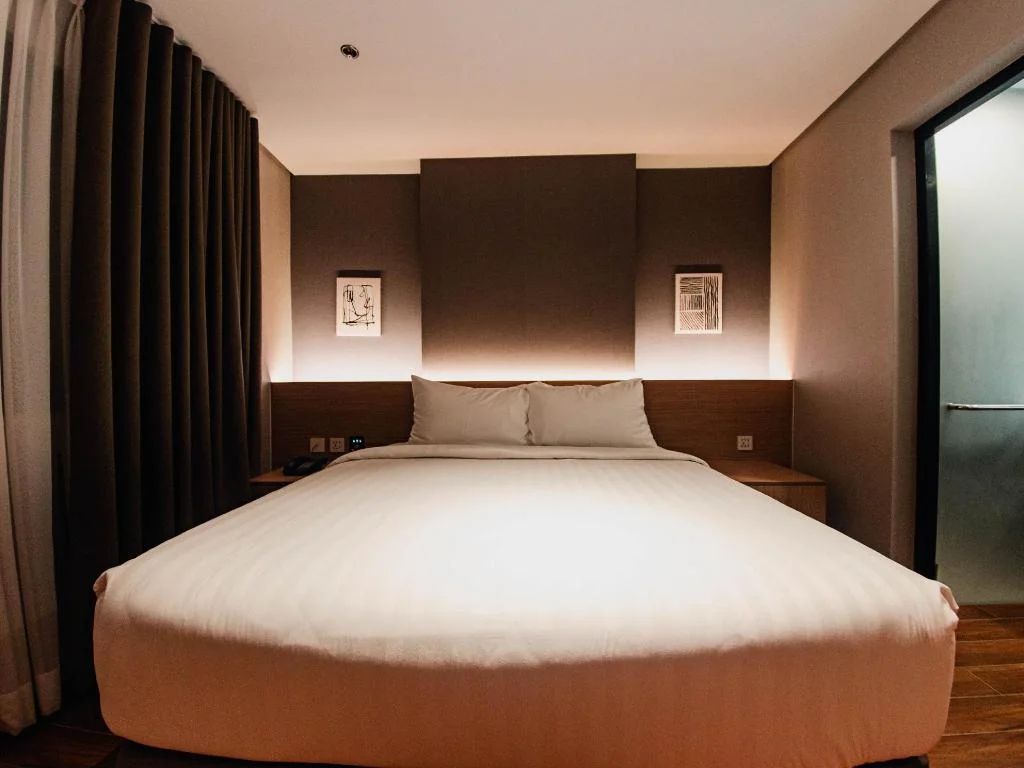
Moonstar Cebu Hotel - Deluxe Room
Before you go
Frequently asked
What is Gabii sa Kabilin?
When is Gabii sa Kabilin 2026?
How much does a Gabii sa Kabilin ticket cost?
Do you need a car to do Gabii sa Kabilin?
How many museums and sites are part of Gabii sa Kabilin?
Is Gabii sa Kabilin worth doing if I'm only in Cebu for a few days?
What should I wear and bring to Gabii sa Kabilin?
Where does Gabii sa Kabilin happen?
More Places to Explore
Heritage of Cebu Monument
Cebu City
A dramatic sculptural tableau by Eduardo Castrillo depicting key moments in Cebu's history, from Magellan's arrival to modern times.
Colon Street
Cebu City
The oldest street in the Philippines, a historic commercial thoroughfare that has been Cebu's trading center since Spanish colonial times.
Fort San Pedro
Cebu City
The oldest and smallest triangular fort in the Philippines (1565), a well-preserved Spanish colonial military structure with a history museum.
Basilica del Santo Niño
Cebu City
The oldest church in the Philippines (1565), home to the miraculous Santo Niño image and center of the famous Sinulog Festival.