
TL;DR: Guadalupe is Cebu City’s biggest barangay (70,000+ residents), built up a hillside around the Archdiocesan Shrine of Our Lady of Guadalupe de Cebu and its 1880 cave discovery. Come for the church, the everyday public market, and the Napo Trail trailhead to Mt. Babag (habal-habal from the church, roughly ₱30–50 / US$0.50–0.85). It’s a residential neighborhood, not a resort strip — budget rooms run from about ₱850/night (US$15), and jeepneys 06-A to 06-H connect it to Carbon, Capitol, and Ayala in 15–25 minutes. Verified July 2026.
Most visitors to Cebu City stick to the Basilica-Fort San Pedro-Colon triangle and the malls, and skip the barangays that most Cebuanos actually live in. Guadalupe is one of the biggest of those, an uptown hillside neighborhood a short ride south of downtown that’s less a tourist stop than a genuine slice of how the city works: a historic hilltop church built over a cave, a busy public market, tight residential streets climbing toward the mountains, and — for hikers — the easiest way onto Mt. Babag. This guide covers the church and its story, how to get around, the market and food scene, the hike jump-off, and where it sits relative to the more polished uplands of Busay and Temple of Leah. It’s for travelers who want one honest, un-touristed neighborhood on their itinerary, not a beach-and-buffet checklist.
Guadalupe at a Glance
| Spot | Type |
|---|---|
| Archdiocesan Shrine of Our Lady of Guadalupe de Cebu | Historic church + cave shrine |
| Guadalupe Public Market | Wet market / local food stalls |
| V. Rama Avenue | Main commercial strip, jeepney corridor |
| Napo Trail trailhead (Barangay Napo) | Mt. Babag hiking jump-off |
| Budget inns near the church | Extended-stay hotels, OYO-branded rooms |
| Guadalupe–Sudlon uphill road | Backroad toward the Sudlon/Babag uplands |
Verified July 2026.
Why Is Guadalupe Cebu City’s Biggest Barangay?
Guadalupe is Cebu City’s most populous barangay, with over 70,000 residents as of the 2024 census — bigger than entire towns elsewhere in the province — and it’s grown steadily for decades as the city’s urban core pushed uphill from the coast. It started as a forested barrio called Banawan, part of the old hiding-ground area natives fled to when Legazpi’s fleet landed in the 1560s, long before it became the dense residential district it is today. That density is exactly why it’s worth a look: this is what most of urban Cebu actually looks like, away from the postcard sights.
What’s the Story Behind Guadalupe Church?
The Archdiocesan Shrine of Our Lady of Guadalupe de Cebu sits over a cave where a Guadalupe image was reportedly discovered in 1880. According to local parish history, a wild-chicken trapper named Ricardo Ramirez, working the forested slopes of what was then Barrio Banawan, spotted a flashing light inside a cave and found a small image resembling Our Lady of Guadalupe of Mexico. The barrio formally split off from the Parish of San Nicolas and became its own parish in 1933. Devotion grew from there: in 2002 the Archbishop of Cebu declared Our Lady of Guadalupe de Cebu the patroness of the city, and she was canonically crowned patroness of the whole Archdiocese in 2006.
The church itself is a working parish, not a museum piece — expect regular mass schedules, a steady trickle of devotees visiting the cave beneath the main structure, and none of the crowd management you’d find at the Basilica del Santo Niño downtown. If you’re doing a church-hopping day around Cebu City, it’s a worthwhile add-on to the more commonly covered stops in our churches and heritage roundup.
How Do You Get to Guadalupe?
Take jeepney routes 06-A through 06-H from Colon, Carbon, or Capitol Site, or book a Grab for a faster, air-conditioned ride. Guadalupe sits along V. Rama Avenue, one of the busier jeepney corridors on the city’s south side, so multiple route codes pass through it — 06-A and 06-G run toward Carbon Market and Taboan, while 06-B, 06-C, and 06-F loop through Capitol Site. 06-H is the main line up to Ayala and SM City. Expect 15–25 minutes from downtown depending on traffic, for standard jeepney fare. If you’d rather skip the route-code guesswork, our jeepney routes guide breaks down how the numbering and boundary system works citywide.
From IT Park, Lahug, or Ayala Center, Grab is the simpler option — figure roughly ₱80–150 (US$1.40–2.60) and 10–20 minutes outside rush hour. There’s no dedicated shuttle or rail link; this is jeepney-and-ride-hailing territory like most of uptown Cebu City.
What Can You Do in Guadalupe Besides the Church?
Beyond the shrine, Guadalupe is a market-and-streets neighborhood, not a sightseeing checklist. The Guadalupe Public Market is the barangay’s everyday hub — produce stalls, dried fish, carinderias serving lunch to market vendors and residents, the kind of unpolished local commerce you won’t find in a mall food court. V. Rama Avenue itself is worth walking for a stretch: small businesses, sari-sari stores, a steady flow of jeepneys and habal-habal, and residential side streets climbing the hillside behind it.
This isn’t a neighborhood built for tourist dining or nightlife, and it doesn’t pretend to be — treat it as a look at ordinary uptown Cebu rather than an attractions list. Expect turo-turo counters where you point at trays of adobo, humba, or grilled fish and pay by the scoop, a scattering of bakeries selling pandesal and ensaymada in the morning, and the usual national fast-food chains along V. Rama for anyone who wants something familiar. There’s no fine dining and no curated cafe row here — that’s a separate trip further up the range toward Busay and its café belt, where the view comes with the coffee.
Is Guadalupe a Good Jump-Off for Mt. Babag?
Yes — Guadalupe hosts the trailhead for the Napo Trail, generally considered Mt. Babag’s easiest, most beginner-friendly route. The usual plan: meet at Guadalupe Church, then take a habal-habal up to Barangay Napo’s basketball court, the actual start of the trail, for roughly ₱30–50 (US$0.50–0.85) — confirm the fare with the driver since it’s informally set, not metered. From there it’s a marked uphill trek with no entrance fee, though small donation boxes sometimes appear at local checkpoints along the way.
Mt. Babag tops out at a modest 752+ meters, but it delivers wide views back over Metro Cebu and the strait toward Mactan and Bohol on a clear day, which is why it’s a regular weekend pick for Cebu City hikers who don’t want to travel far. If you’re new to hiking in the area, our beginner hikes near Cebu City guide covers how Babag compares to the other close-in trails.
How Does Guadalupe Connect to Busay and the Uplands?
Guadalupe sits on the southern flank of Cebu City’s upland ridge, but it isn’t directly on the road to Busay’s main attractions — that route starts from Lahug. The Cebu Transcentral Highway that climbs past Temple of Leah and Tops Lookout begins near Lahug and Plaza Housing, not Guadalupe. A local backroad does climb from Guadalupe toward the Sudlon barangays in the interior highlands (the same general upland zone that eventually reaches toward Sirao and the Babag ridge), but it’s a rougher, less-traveled route better suited to habal-habal and hikers than to a rental car looking for Temple of Leah.
In practice, the easiest way to pair the two is by Grab: about 20–30 minutes between Guadalupe and the Busay viewpoints depending on traffic, which makes a single day of “church and market in Guadalupe, then sunset views up in Busay” perfectly workable — just don’t expect one continuous scenic drive between them.
Where Can You Stay in Guadalupe?
Guadalupe has a small cluster of budget inns and extended-stay hotels, generally starting around ₱850–1,000 a night (roughly US$15–17) at simple, no-frills properties. It can work as a base if your priority is proximity to the church and the Mt. Babag trailhead and you’re comfortable in a residential, non-touristy setting with limited restaurant options nearby.
That said, most travelers are better served basing themselves somewhere with more variety — IT Park, Ayala/Business Park, or Fuente Osmeña — and treating Guadalupe as a half-day visit rather than a home base. Compare Cebu City hotel rates on Agoda to weigh a central stay against a Guadalupe budget inn.
Tips for Visiting Guadalupe
- Go early for the hike. If Mt. Babag is the goal, start from Guadalupe Church by 6–7 AM to beat both the midday heat and the afternoon rain that’s common on the ridge, and to have enough daylight for the descent.
- Bring small bills. Habal-habal drivers, market stalls, and jeepneys all run on cash, and exact change speeds things up considerably.
- Dress for a working parish, not a photo op. Cover shoulders and knees if you plan to enter the church during mass, and keep your voice down near the cave shrine — it’s an active devotion site for locals, not a backdrop.
- Don’t expect English signage everywhere. Guadalupe is far more residential than IT Park or Ayala; a few words of Bisaya (or Google Translate) go a long way at the market.
- Pair it with one other stop. On its own, Guadalupe is a half-day at most. Combine it with a hike, a heritage church run, or an afternoon up in Busay so the day has more than one destination.
The Honest Take
Guadalupe won’t wow you the way a beach or a waterfall does, and that’s sort of the point. It’s crowded, it’s ordinary, and outside the church there isn’t a curated “attraction” waiting for you — you’re mostly there for the market, the streets, and the trailhead. Go for the church history and the cave if you care about Cebu’s Marian devotion story, or go because it’s the fastest, cheapest way onto Mt. Babag without detouring across the city. Skip it if you’re short on time and only want postcard sights; downtown’s heritage triangle and the Busay viewpoints deliver more per hour spent. But if you’ve already done the highlights and want to see a barangay that isn’t performing for tourists, Guadalupe is as real as Cebu City gets — a reminder that most of the city isn’t built for visitors at all, and that’s not a flaw.
Combine It With the Rest of Cebu City
Pair a Guadalupe morning with an afternoon up in Busay’s mountain café belt, or fold the church into a broader heritage church tour around the city. If you’re basing yourself nearby, Lahug is the more visitor-oriented uptown neighborhood right next door, with easier restaurant and hotel options. For organized day tours and activities elsewhere on the island, browse Cebu tours and experiences on Klook to round out the trip.
Sources
- Archdiocesan Shrine of Our Lady of Guadalupe de Cebu — parish history
- Visita Iglesia: The Archdiocesan Shrine of Our Lady of Guadalupe — Cebu Daily News
- Guadalupe, Cebu City population profile — PhilAtlas
- Mount Babag Hiking Trail guide — 3D Academy
- Mt. Babag (752+) in Cebu City — PinoyMountaineer
- Cebu City jeepney route codes guide — Cebu Daily News
- Habal-habal fares, hotel rates, and route details cross-checked against 2024–2026 traveler reports and jeepney route directories. Confirm current fares and habal-habal prices locally. Verified July 2026.
Book Tours & Hotels for This Trip
Find and book the best deals — prices and availability update in real time. Links open in a new tab.
Where to stay near Cebu City
Top-rated hotels for this trip — tap through to check live rates.
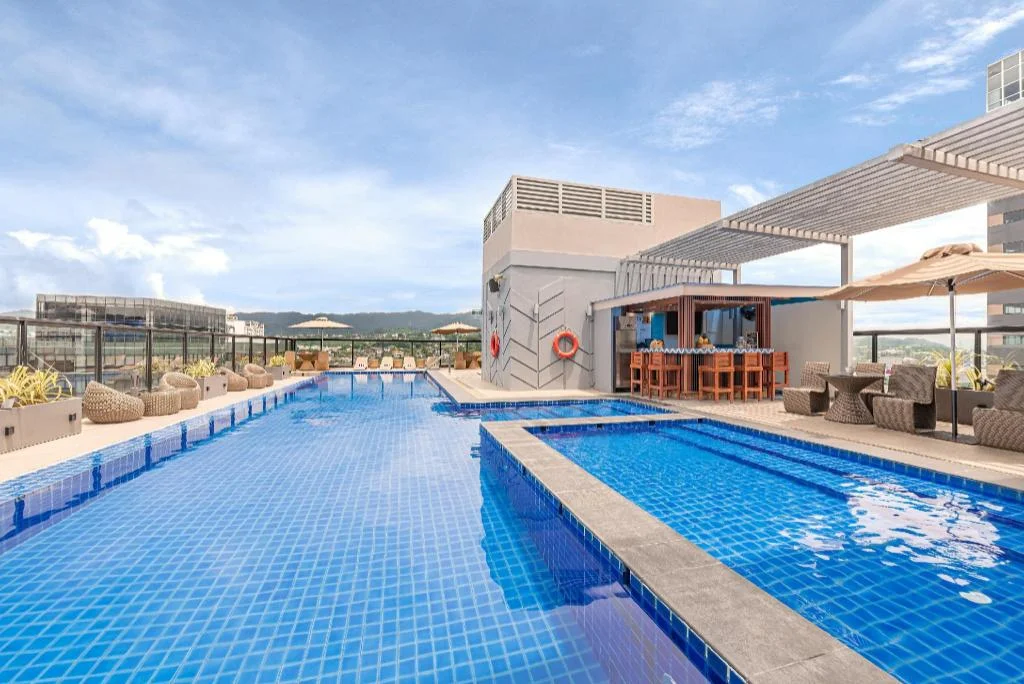
Seda Central Bloc Cebu City
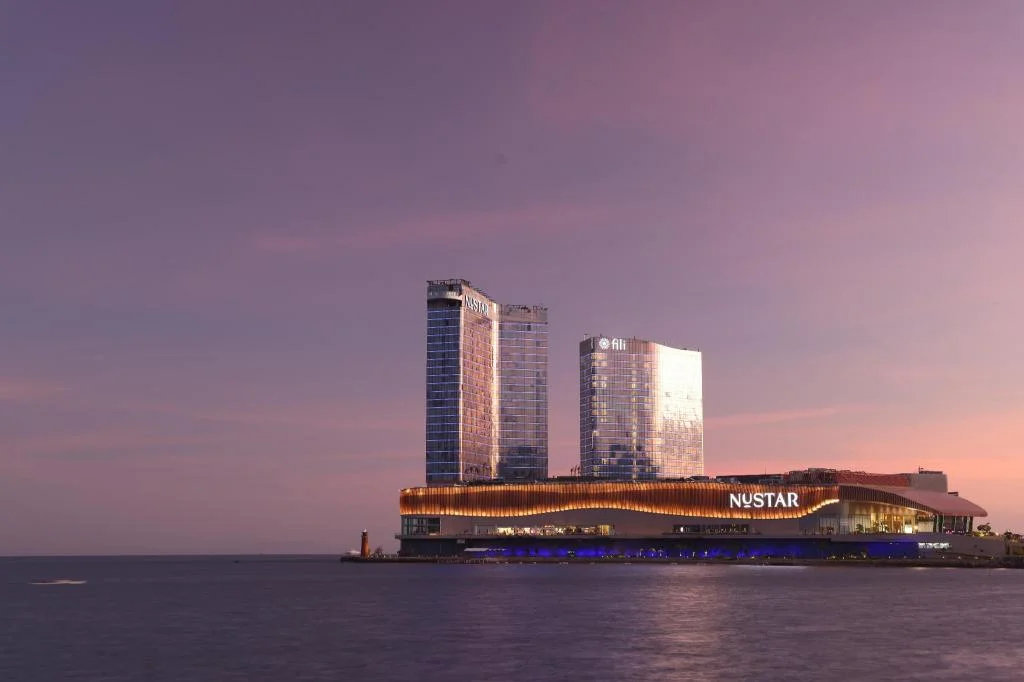
Fili Hotel - NUSTAR Resort & Casino Cebu
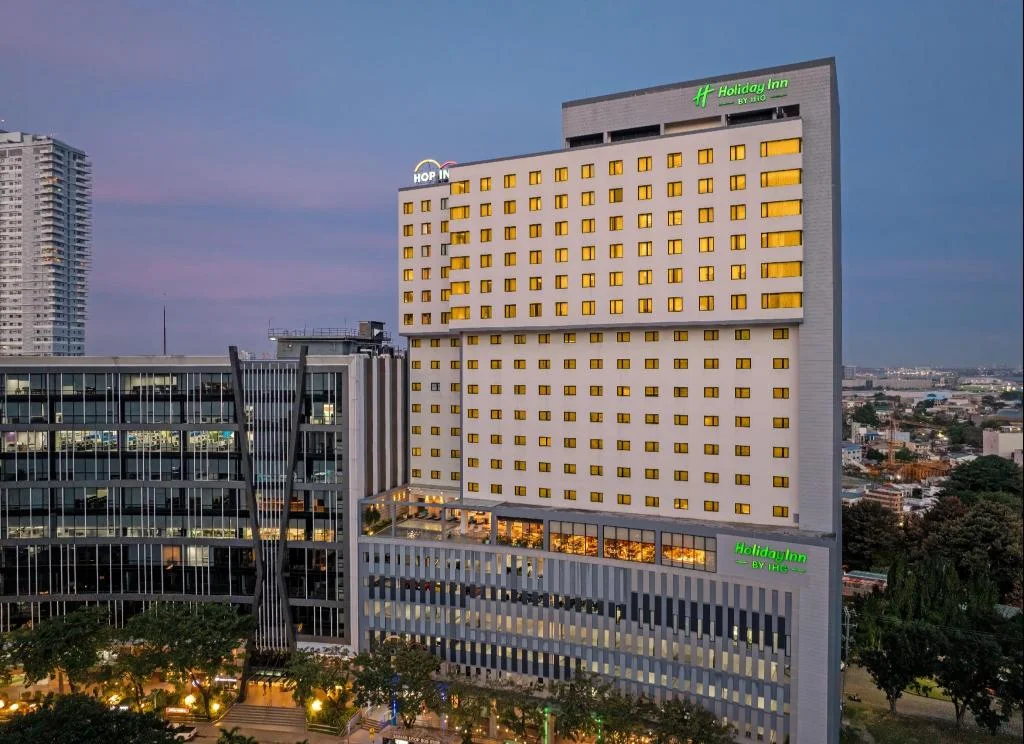
Holiday Inn Cebu City By IHG
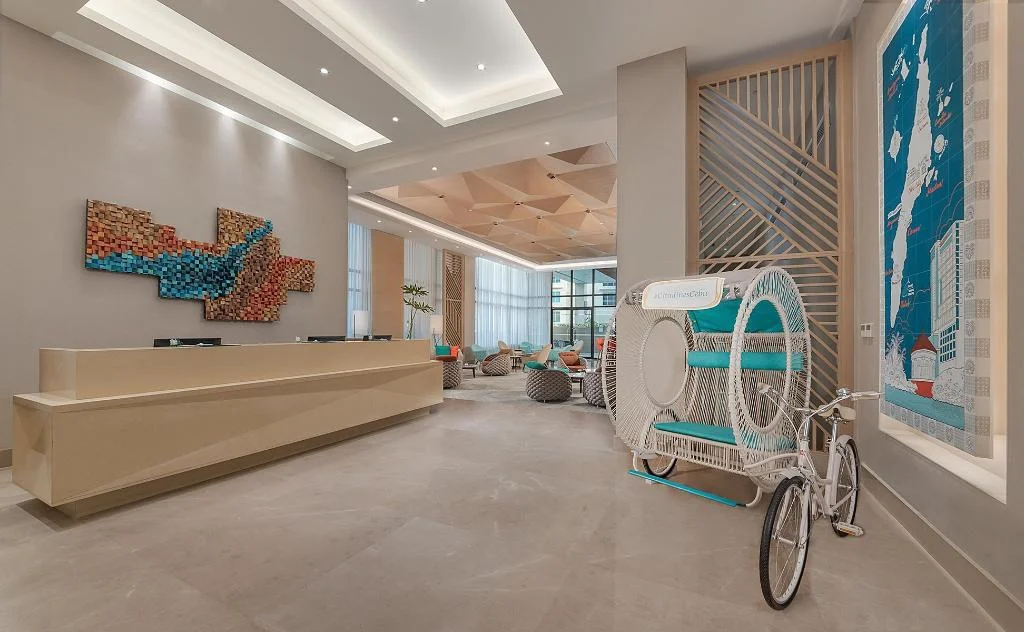
Citadines Cebu City
Prefer a rental? Vacation rentals near Cebu City
Self-catering condos and apartments — book the exact unit, kitchen included.
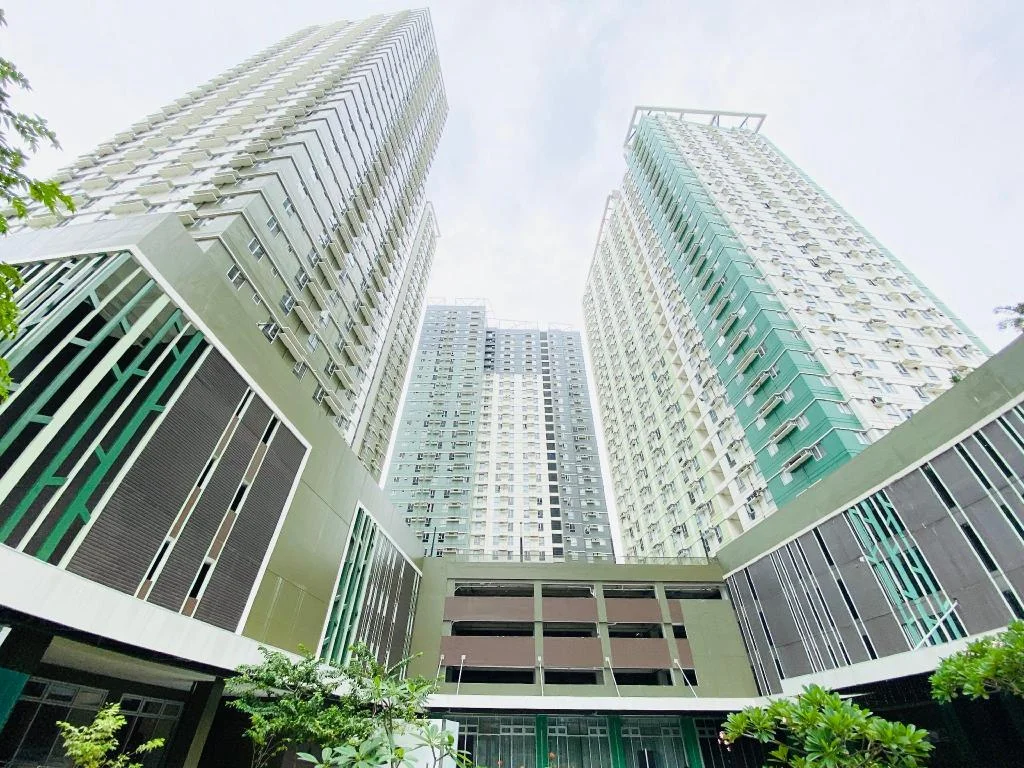
Cebu Avida Riala by P&J
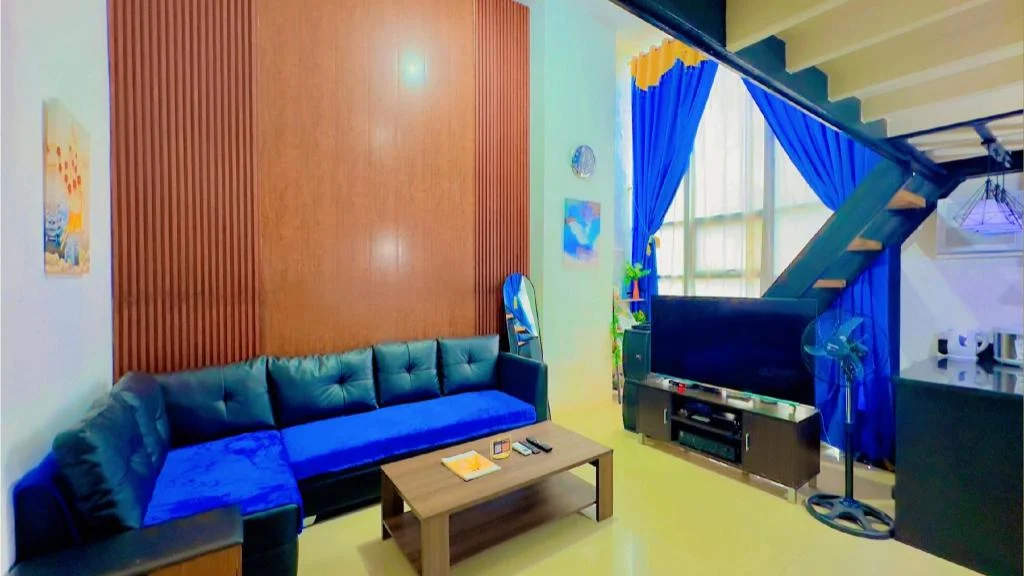
Special Big Loft Unit w/Fibreop Internet & Netflix
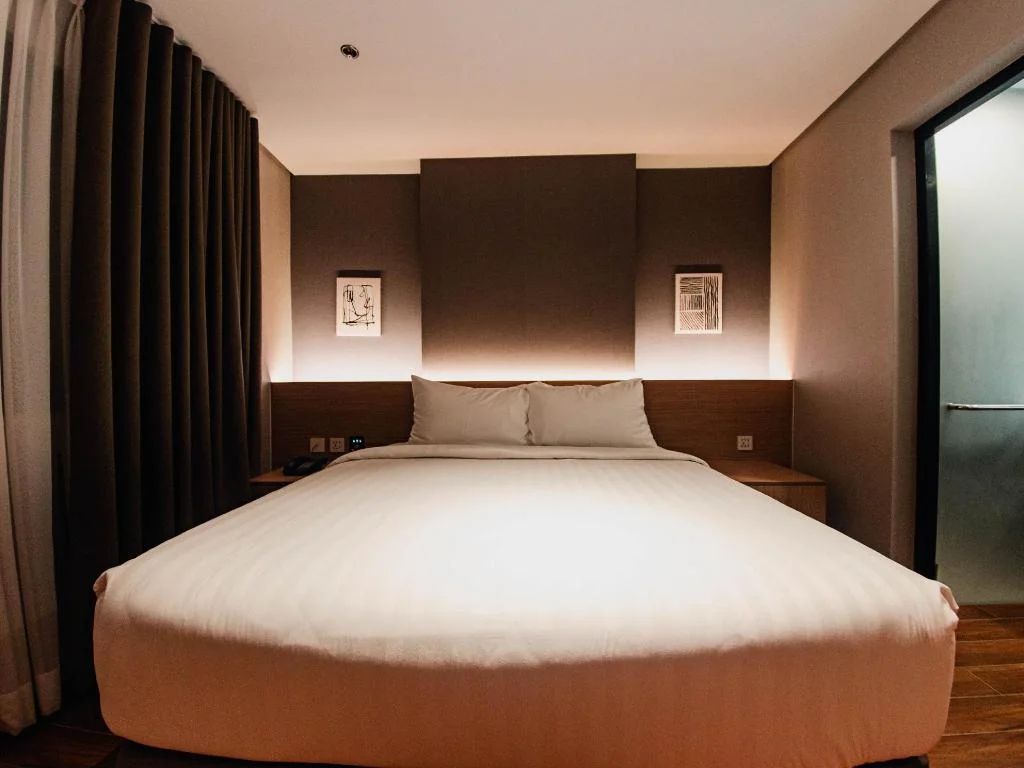
Moonstar Cebu Hotel - Deluxe Room
Before you go
Frequently asked
What is Barangay Guadalupe known for?
Is Guadalupe Church open to visitors?
How do you get to Guadalupe from Cebu City center?
Is Guadalupe a good base for hiking Mt. Babag?
Where can I eat in Guadalupe?
Is Guadalupe safe for tourists?
Can I combine Guadalupe with Busay or Temple of Leah in one day?
Where can I stay in Guadalupe?
More Places to Explore
Temple of Leah
Cebu City
A magnificent Roman-inspired temple built as a monument of love, nicknamed 'Cebu's Taj Mahal,' offering stunning architecture and city views.
Tops Lookout
Cebu City
Cebu City's premier hilltop viewpoint offering stunning panoramic views of the city, especially spectacular at sunset and nighttime.
Carbon Market
Cebu City
Cebu's oldest and largest market (since 1909), offering an authentic local shopping experience with fresh produce, seafood, and traditional goods.