
TL;DR: Cebu’s jellyfish season runs April–July, peaking May–June, concentrated in Moalboal, Argao, and Bantayan Island. Most blooms are mild thimble jellyfish, though a tourist died from a box jellyfish sting in Bantayan, June 2023. First aid: vinegar 30+ seconds, then hot water — not ice. A real, manageable seasonal risk. Verified July 2026.
This is a straight-facts safety guide, not a scare piece. Jellyfish blooms in Cebu are seasonal and localized, and the honest read is that a rash guard and a bit of local awareness handle nearly all of the risk.
Jellyfish Season in Cebu at a Glance
| Question | Short answer |
|---|---|
| When does it peak? | April–July, worst around the habagat (southwest monsoon) transition in May–June |
| Where are sightings concentrated? | Moalboal (Panagsama, White Beach), Argao (Lawis Beach, Argao Pier), Bantayan Island (Santa Fe), Mactan Island, Cordova |
| Most common species | Thimble jellyfish (Linuche unguiculata), locally “bokya” or “bolbog” — mild, itchy sting |
| Rarer but serious | True box jellyfish — linked to one tourist death (Bantayan, June 2023) |
| First aid | Vinegar rinse 30+ seconds, remove tentacles, then hot water (42–45°C) — not ice, not fresh water |
| Who’s watching it | DOT-7, BFAR (Bureau of Fisheries and Aquatic Resources), and local LGUs issue advisories and can suspend swimming/island-hopping |
| Should you worry? | No — wear a rash guard in-season, heed posted warnings, know the first-aid steps |
Verified July 2026. Conditions change with weather and season — confirm locally with your resort or dive operator before swimming.
When Is Jellyfish Season in Cebu?
Jellyfish blooms in Cebu cluster April through July, with the sharpest spike around the habagat — the southwest monsoon transition that typically sets in during May and June and brings warmer sea surface temperatures and shifting currents. The Department of Tourism Region 7 (DOT-7) issued a formal jellyfish safety advisory on June 11, 2026, after sightings clustered across multiple coastal towns, and the Bureau of Fisheries and Aquatic Resources (BFAR) separately logged rising jellyfish sightings along Cebu’s shores in the same window.
This isn’t a one-off. A near-identical pattern played out in May 2024, when island-hopping and snorkeling were suspended in Moalboal after box jellyfish stung four beachgoers, and again in June 2023, when a fatal sting occurred in Bantayan Island. The pattern is predictable enough that a 2025 study published in the Philippine Journal of Science concluded box jellyfish encounters along the Philippine coastline follow seasonal, forecastable patterns rather than striking at random — which is exactly why DOT-7 and BFAR now issue advisories instead of waiting for the next incident.
Where in Cebu Do Jellyfish Stings Happen?
The 2026 advisory and the incidents behind it point to a consistent set of locations: Moalboal (Panagsama Beach and White Beach), Argao (Lawis Beach and the Argao Pier), Bantayan Island (Santa Fe, including Barangay Pooc), and parts of Mactan Island and Cordova. These aren’t fringe spots — Moalboal is one of Cebu’s busiest snorkel-and-dive towns, and Mactan is where most resort guests swim, which is exactly why the advisory matters to ordinary travelers rather than just fishermen.
Acting Coast Guard Substation Commander PO2 Robinsons Casabuena, responding to the May 2024 Moalboal incident, attributed the jellyfish presence to “the southwest monsoon or ‘habagat’” — the same seasonal driver DOT-7 cited in its 2026 advisory. That consistency is useful: it means the risk is genuinely tied to a predictable window, not a permanent feature of Cebu’s water.
Is a Jellyfish Sting in Cebu Actually Dangerous?
Mostly not, but it isn’t zero risk either, and the honest answer depends on which jellyfish stung you. The blooms behind most 2026 advisories are thimble jellyfish (Linuche unguiculata, locally “bokya” or “bolbog”) — their larvae cause “seabather’s eruption,” an itchy, prickly rash where swimwear traps them against skin. Unpleasant, not dangerous.
True box jellyfish are the exception, and they’re the reason this topic gets taken seriously. In June 2023, 32-year-old Leslie Ann Madronero died after being stung while swimming at a public beach in Barangay Pooc, Santa Fe, on Bantayan Island — she developed breathing difficulty within minutes and was pronounced dead on arrival at Bantayan District Hospital, with cardiogenic shock secondary to myocardial infarction listed as cause of death; the attending doctor and nurse noted she may have had an existing allergy. In May 2024, four tourists were stung by box jellyfish while snorkeling and island-hopping near Moalboal and were treated at Badian District Hospital, all in stable condition — the local government suspended water tourism activities until conditions cleared, affecting roughly 80 boat operators.
The takeaway: thimble jellyfish stings are a nuisance; box jellyfish stings need to be taken seriously, especially for anyone with heart conditions or known allergies. That’s a real but manageable and clearly bounded risk, not a reason to avoid Cebu’s water — millions of visitors swim and dive here every season without incident.
What’s the Correct First Aid for a Jellyfish Sting?
Rinse the area with vinegar for at least 30 seconds — this is the step DOT-7’s 2026 advisory and Philippine medical sources agree on, and it works by disabling any nematocysts (stinging cells) still on the skin before they fire. Carefully remove visible tentacles with tweezers rather than your fingers, and don’t rub the area or rinse it with fresh water, which can trigger unfired stingers.
After the vinegar rinse, immerse the sting in hot water — around 42–45°C, hot but not scalding — for up to 45 minutes. A 2025 evidence review published in a peer-reviewed medical journal found this combination directly reduces pain and venom activity, while saltwater rinses and ice packs were shown to be ineffective and to cause more tissue damage than an untreated sting. So skip the ice.
Call for emergency help immediately if there’s any sign of difficulty breathing, chest pain, or swelling beyond the sting site — those are signs of a serious reaction, and they’re exactly what turned fatal in the 2023 Bantayan case. Don’t wait to see if home first aid works first.
What Are Operators and Resorts Doing About It?
DOT-7’s 2026 advisory puts real obligations on the tourism side: hotels, resorts, and dive shops are directed to run regular shoreline inspections, tell guests promptly about sightings, and post visible warning signs and flags in swimming areas during bloom periods. DOT-7 Regional Director Gelena Asis-Dimpas asked “stakeholders and tourists to remain vigilant following several jellyfish alerts in coastal destinations” when the advisory went out.
In practice, this means a well-run resort or dive operator in Moalboal or on Mactan should be able to tell you, on the day, whether jellyfish have been spotted nearby — and if a boatman or beachfront tells you activities are paused, that’s the local government or BFAR acting on a real sighting, not overcaution. If you’re booking Moalboal snorkeling or diving tours through Klook, ask the operator directly about current jellyfish conditions before you get in the water during the April–July window.
The Honest Take: Should You Worry?
Here’s the balanced version: jellyfish season in Cebu is real, seasonal, and increasingly well-tracked — and it should change your habits a little, not your travel plans. Most stings you’ll hear about are the thimble jellyfish “seabather’s eruption” kind: itchy, not dangerous. The rarer box jellyfish risk is genuine and has caused one confirmed death in Cebu waters in recent years, which is exactly why it deserves a straight answer rather than either panic or dismissal.
The practical response is simple and cheap: wear a rash guard or stinger suit during April–July, especially in Moalboal, Argao, and Bantayan; ask your resort or boat operator about current conditions before swimming in-season; and know the vinegar-then-hot-water protocol so you’re not guessing if something happens. None of that requires rearranging a trip — it’s the same category of precaution as sun protection or checking surf conditions, just specific to this one seasonal risk.
For the wider safety picture beyond jellyfish — petty crime, water and food safety, transport — the is Cebu safe for tourists guide covers the rest honestly. If you’re planning water time around Moalboal’s sardine run or Oslob’s whale sharks, book with operators who take local advisories seriously — Agoda lists reviewed stays in both towns if you want a base close to the action.
FAQ
When is jellyfish season in Cebu?
Roughly April through July, peaking around the southwest monsoon transition (habagat) in May–June when sea surface temperatures rise. DOT-7 issued a jellyfish advisory on June 11, 2026 after sightings clustered in that window. Verified July 2026.
Where in Cebu do jellyfish stings happen most?
Moalboal (Panagsama and White Beach), Argao (Lawis Beach and the Argao Pier), Bantayan Island (Santa Fe), and parts of Mactan Island and Cordova have all reported sightings or stings in the 2024–2026 seasons.
Is a jellyfish sting in Cebu dangerous?
Most are not — seasonal blooms are usually thimble jellyfish, which cause an itchy rash. True box jellyfish stings can be serious, and a 32-year-old tourist died after one in Santa Fe, Bantayan Island, in June 2023. Anyone with breathing difficulty or chest pain needs emergency care immediately.
What’s the correct first aid for a jellyfish sting?
Rinse with vinegar for at least 30 seconds, remove tentacles with tweezers, then soak in hot water (42–45°C) for up to 45 minutes. Don’t rinse with fresh water or rub the area.
Should I put ice on a jellyfish sting?
No. A 2025 systematic review found saltwater rinses and ice packs ineffective and more damaging than leaving the sting untreated. Vinegar plus hot-water immersion is the better-supported protocol.
Do resorts and dive operators in Cebu check for jellyfish?
Reputable ones do. DOT-7’s 2026 advisory directs tourism establishments to inspect shorelines, inform guests, and post warning flags during bloom periods. Ask before you swim in-season.
Should jellyfish season stop me from visiting Cebu?
No. Blooms are seasonal, localized, and increasingly flagged in advance. Wear a rash guard in-season, check conditions locally, and know the vinegar-first-aid rule.
What should I wear to avoid jellyfish stings while swimming in Cebu?
A full-body rash guard or stinger suit — the specific gear DOT-7 and local tourism offices recommend during bloom months.
Sources
- DOT-7 issues jellyfish safety advisory — Daily Tribune, June 2026
- Jellyfish sting kills woman in Sta. Fe town in Cebu — Cebu Daily News, June 2023
- Island hopping, snorkeling in Moalboal, Cebu suspended due to box jellyfish — Cebu Daily News, May 2024
- Evidence-Based Management of Box Jellyfish Stings — PMC / peer-reviewed medical literature, 2025
- First Aid Treatment of Jellyfish Stings: A Systematic Review — PMC, 2025
Confirm current conditions with your resort, dive shop, or the local tourism office before swimming during bloom season (April–July).
Book Tours & Hotels for This Trip
Find and book the best deals — prices and availability update in real time. Links open in a new tab.
Where to stay near Moalboal
Top-rated hotels for this trip — tap through to check live rates.
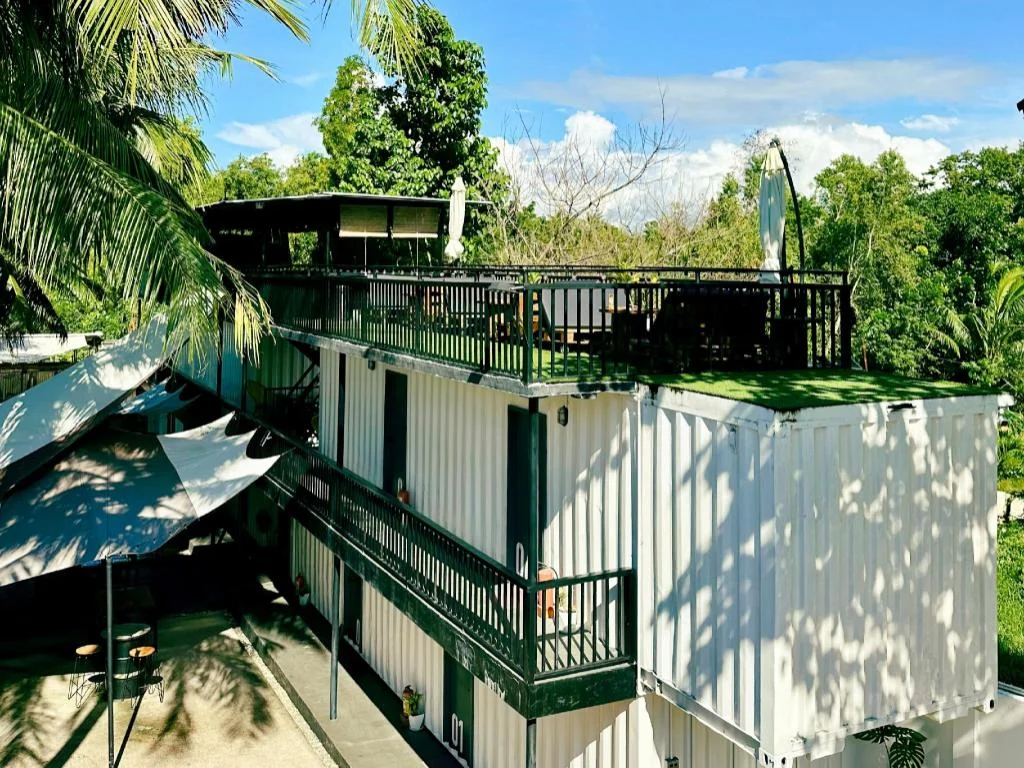
PIG DIVE HOSTEL MOALBOAL

Harman Suites Moalboal
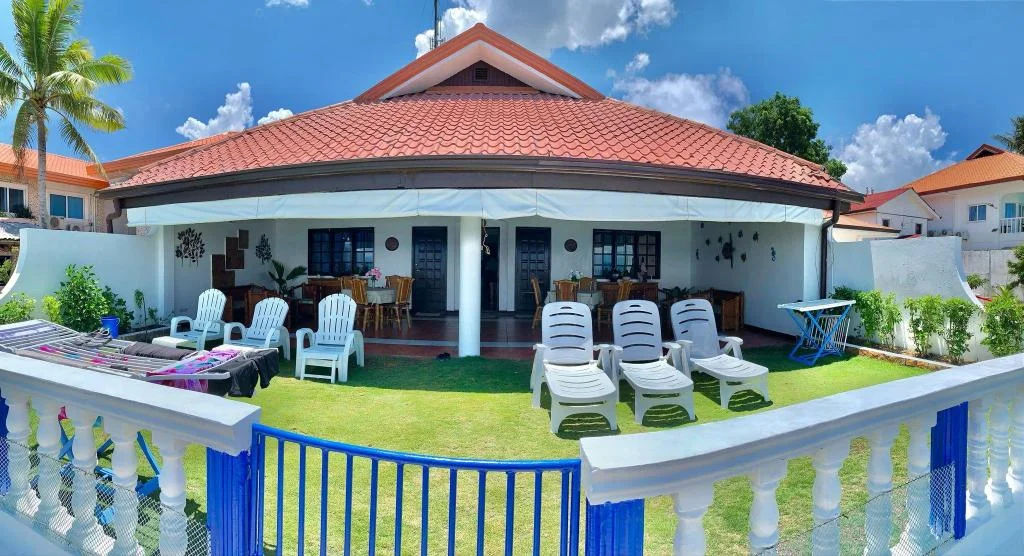
Il Sogno Resort
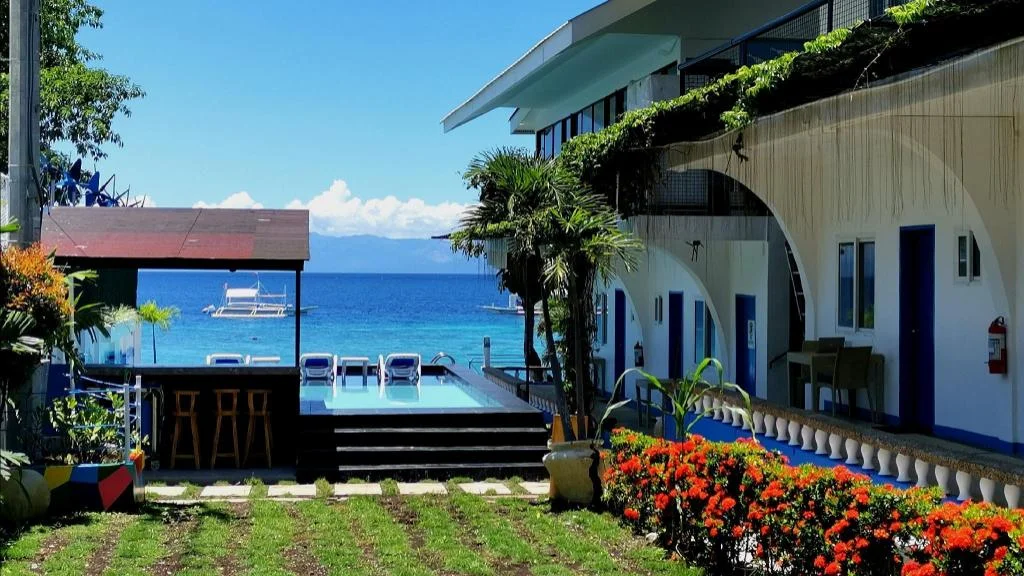
Pescadores Suites Moalboal
Prefer a rental? Vacation rentals near Moalboal
Self-catering condos and apartments — book the exact unit, kitchen included.
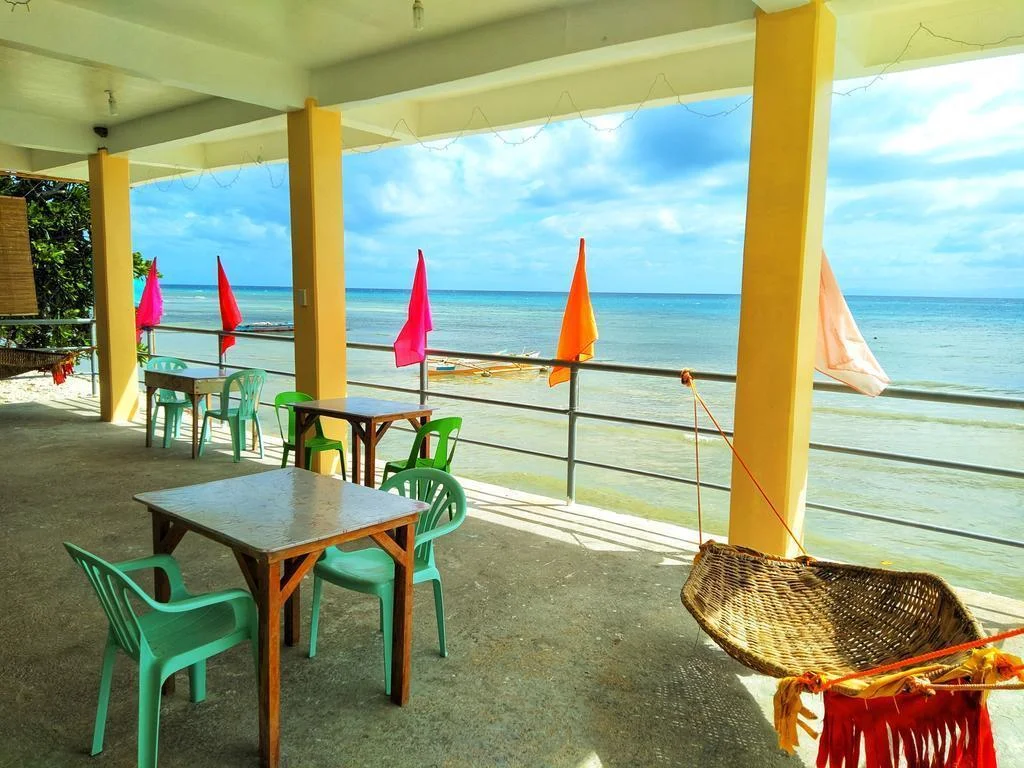
Ocean View Lodging House
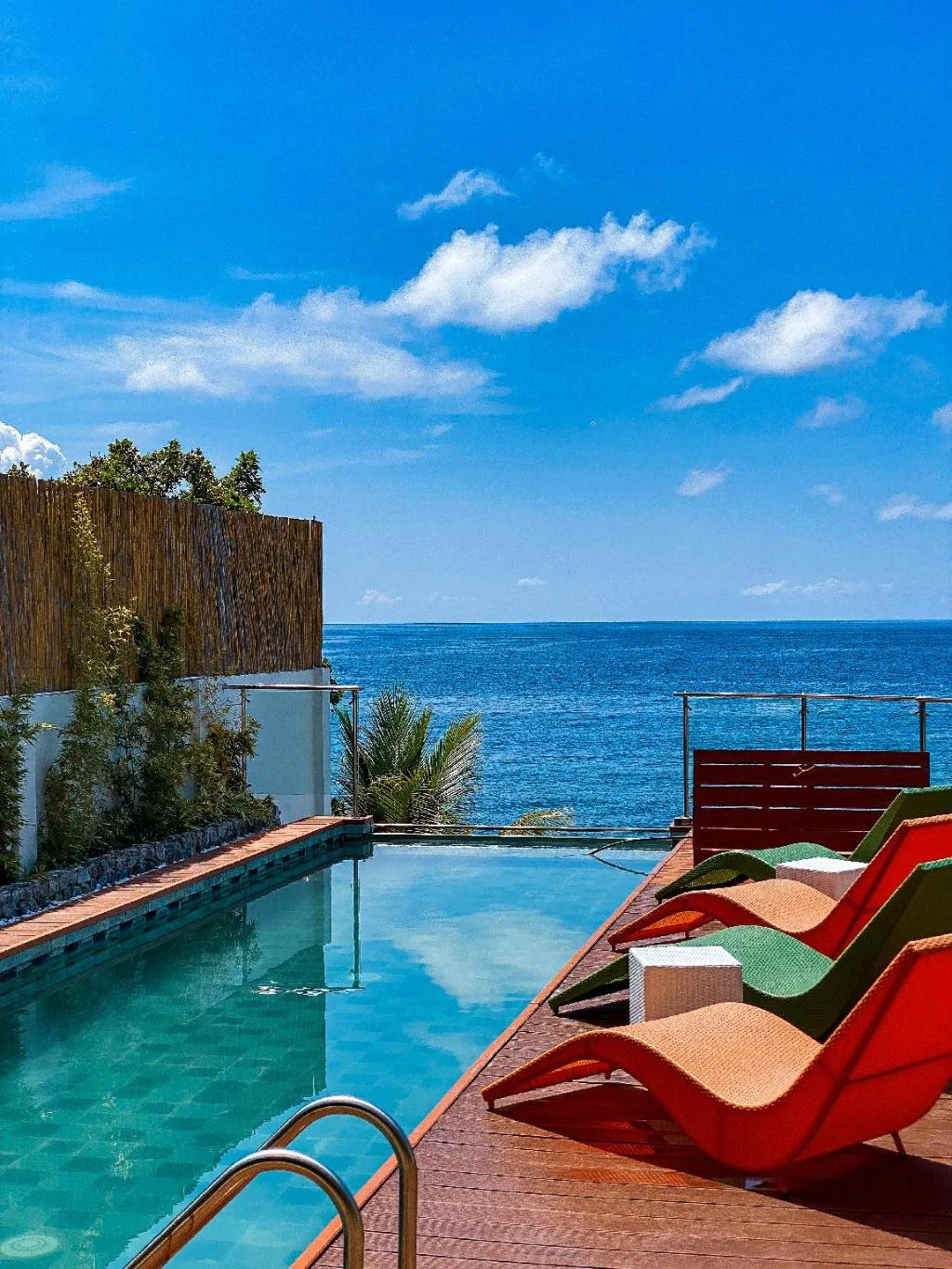
The South Hideaway Oslob
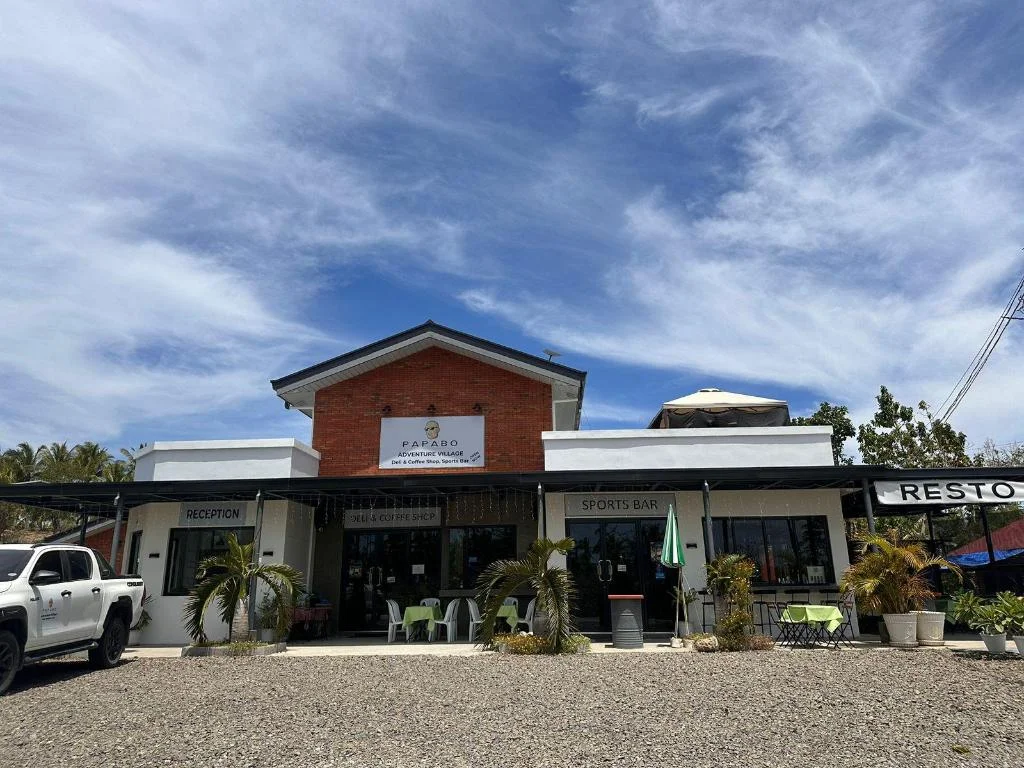
PAPABO Adventure Village
Before you go
Frequently asked
When is jellyfish season in Cebu?
Where in Cebu do jellyfish stings happen most?
Is a jellyfish sting in Cebu dangerous?
What's the correct first aid for a jellyfish sting?
Should I put ice on a jellyfish sting?
Do resorts and dive operators in Cebu check for jellyfish?
Should jellyfish season stop me from visiting Cebu?
What should I wear to avoid jellyfish stings while swimming in Cebu?
More Places to Explore
Moalboal Sardine Run
Moalboal
Swim with millions of sardines in one of the world's only year-round sardine runs, just meters from shore.
Whale Shark Watching
Oslob
Swim alongside gentle whale sharks, the world's largest fish, in one of the few places where these magnificent creatures can be reliably encountered.