
TL;DR: Living as LGBTQ+ in Cebu means real, city-level protection — Cebu City’s Ordinance 2660 (2022) bans workplace and service discrimination and reserves 1% of local jobs for LGBTQIA+ workers — layered under a national picture with no marriage equality and no legal gender recognition. A February 2026 Supreme Court ruling let same-sex couples claim joint property rights, but that’s not marriage. Community runs through groups like CURLS rather than a single “gayborhood,” Pride has grown into a month-long June festival, and family and church pressure still shape how open people are at home versus in public. Verified July 2026.
Cebu gets written up often enough as a friendly stop for LGBTQ+ travelers — Pride parades, gay-friendly bars, a city ordinance. Living here, day in and day out, is a different question, and a more honest one. This guide is for the people actually building a life in Cebu — Cebuanos, balikbayans, and expats settling in — who want the resident’s version: how far the city’s protections really reach, where the community actually gathers away from a parade route, what dating and family life look like when you’re not just passing through, and what the law still won’t give you. The hillside viewpoints above the city, like Temple of Leah and Tops Lookout, come up more than once below — Busay’s quiet, view-facing benches have long doubled as low-key date spots precisely because they sit outside anyone’s home barangay.
LGBTQ+ Life in Cebu at a Glance
| Area | Where things stand |
|---|---|
| City-level law | Cebu City Ordinance 2660 (SOGIESC Equality Ordinance), passed unanimously June 2022, signed August 2022 |
| Workplace | 1% LGBTQIA+ workforce requirement for city hall and companies operating in Cebu City |
| National marriage law | None — no same-sex marriage or civil unions anywhere in the Philippines |
| Legal gender recognition | None — IDs reflect sex assigned at birth regardless of presentation |
| Community hub | CURLS (Cebu United Rainbow LGBT Sector), founded 2013, Vibes center in Barangay Suba |
| Pride | Cebu Pride Festival, month-long every June, run by the Cebu Pride Movement |
| Recent legal shift | Feb. 2026 Supreme Court ruling lets cohabiting same-sex couples claim joint property rights |
Verified July 2026.
How Much Does the SOGIE Ordinance Actually Protect You?
More than most Philippine cities offer, but enforcement is uneven, not automatic. Cebu City’s council unanimously passed the SOGIESC Equality Ordinance in June 2022, and Mayor Michael Rama signed it into City Ordinance No. 2660 that August. It bans physical, verbal, or written harassment, public humiliation, and denial of government services, healthcare, or economic opportunities based on sexual orientation, gender identity, gender expression, or sex characteristics. It also does something few local ordinances attempt: it requires city hall and companies operating within Cebu City to reserve at least 1% of their workforce for LGBTQIA+ people, and it funds a city SOGIESC council with roughly ₱1 million (about US$17,000) a year from the Gender and Development budget.
That’s real, and CURLS founder Magdalena Robinson has said it closes loopholes an earlier, vaguer 2012 anti-discrimination ordinance left open. But a law on the books and a law enforced daily aren’t the same thing — protection is strongest in city hall dealings and larger employers, and thinner the smaller or more informal the workplace gets. Lapu-Lapu City, across the channel, only passed its own version in August 2023, so protection genuinely stops at certain city lines within Metro Cebu itself.
Where Does the Community Actually Gather?
Cebu doesn’t have a single LGBTQ+ neighborhood — the real hub is an organization, not a strip of bars. CURLS (Cebu United Rainbow LGBT Sector Inc.), founded in 2013, runs Vibes, a community center in Barangay Suba that stands for visibility, inclusion, well-being, rights, and empowerment. Its regular HIV testing and PrEP-referral days routinely fold in SOGIE-awareness talks and mental health check-ins, which makes them as much community meetups as health services — CURLS was also behind the legislative push that became the model for Lapu-Lapu’s own ordinance.
Outside that, two very Filipino spaces do a lot of the community-building work: barangay fiesta beauty pageants for trans women, which happen across nearly every town and are embraced by whole communities rather than treated as niche events, and Mango Avenue (General Maxilom Avenue), the closest thing Cebu City has to gay-friendly nightlife, with venues like Club ICON known for drag nights. Mango Avenue is more social outlet than organizing space, though — for that, CURLS and Vibes are the more durable network.
What’s Pride Like From the Inside?
It’s grown from a modest march into a month-long, city-and-province-backed festival — and that growth says something about how organized the local movement has become. The Cebu Pride Movement runs the Cebu Pride Festival every June, with backing from city and provincial governments. The 2025 march drew hundreds of advocates and allies through Cebu City’s streets on June 28. By 2026 the festival had expanded into a full calendar — a Run with Pride on June 7, a Big Pride Picnic on June 14, the Mister Gay Sugbo coronation on June 26, and the first-ever Cebu Grand Pride Parade on June 27, assembling at the Capitol and marching Osmeña Boulevard, Jones Avenue, and Colon Street to Plaza Independencia, with a separate Mandaue City Pride March the next day.
For residents, Pride month matters less as a single parade day and more as the one stretch when the community’s usually-scattered organizing (CURLS, the Cebu Pride Movement, allies in city and provincial government) becomes visible all at once. Treat June as the on-ramp to the wider network, not the whole of it — most of the actual community work happens quietly the other eleven months.
What’s Dating Actually Like for People Who Live Here?
Apps carry a lot of the weight, but discretion still shapes most relationships more than the apps’ interfaces suggest. Grindr, Bumble, and Taimi are all in use, particularly in Cebu City, but a large share of daters aren’t out to their families, so where you meet, how public you are, and even whether a partner uses their real name or face on an app stays carefully managed. That’s less about shame in the individual sense and more about the practical cost of being outed to an extended family before you’re ready — Filipino households are close-knit in a way that means one relative finding out often means everyone finding out.
There’s a real generational split underneath this: younger, urban, university-educated Cebuanos date far more openly than older generations or people from smaller towns, mirroring the “accepted in public, harder at home” pattern this guide keeps circling back to. For low-key dates away from anyone’s home barangay, couples still gravitate toward the same quiet viewpoints tourists visit — Temple of Leah and Tops Lookout above the city both function as neutral ground.
How Do Family and the Church Factor In?
Family closeness is Cebu’s biggest source of both support and pressure, and the Church sits somewhere in between, rarely taking a hard public line either way. With roughly 80–85% of Filipinos identifying as Catholic, faith isn’t background noise here — it’s often the same household that loves you unconditionally and also worries, out loud or not, about the family’s reputation. Bakla and trans Cebuanos have long occupied visible, even celebrated public roles — running salons, hosting events, headlining pageants — which is part of why activists describe the culture as one that “tolerates” more readily than it formally “accepts”: public visibility doesn’t automatically translate into a parent fully at ease with a same-sex partner at the dinner table.
The institutional Church has mostly avoided a hard public stance locally. When the Vatican signaled openness to blessing same-sex couples, the Archdiocese of Cebu’s response was to wait for further clarification rather than issue its own statement, while at least one Redemptorist priest based in Cebu City has said he’d already been quietly blessing same-sex couples in confession for years before that. That gap between official caution and pastoral practice sums up how faith and LGBTQ+ life coexist here.
What About Work?
Workplace conditions vary enormously by employer, and the biggest driver of visible inclusion isn’t the city ordinance — it’s whether you work for a multinational. A 2024 industry report on Philippine companies found roughly 85% had anti-discrimination policies, 86% offered LGBTQ+ grievance channels, 78% extended medical benefits to same-sex partners, and 73% had internal support groups — figures driven heavily by Cebu’s large BPO and IT Park sector, where global corporate policy (not local law) usually sets the standard for gender-neutral facilities and relaxed dress codes that let trans employees present as themselves at work.
The catch researchers keep flagging: those policies often reflect a head-office mandate landing on a workplace where individual Filipino managers and coworkers haven’t necessarily shifted attitudes, so the experience can be inclusive on paper and inconsistent in the room. Cebu City’s own 1% workforce requirement under Ordinance 2660 adds a local legal layer, but it applies only within city limits and isn’t something employees report seeing actively audited.
Is Marriage or Legal Recognition Coming?
Not yet, and nothing currently pending would fully close the gap. The Philippines has no same-sex marriage, civil unions, or domestic partnerships at the national level, and none of that changes by moving to a city with a local ordinance — marriage law sits entirely with Congress, not city councils. The most significant recent movement came from the courts, not the legislature: in February 2026, the Supreme Court ruled in Josef v. Ursea that property jointly acquired by cohabiting same-sex partners is presumed co-owned, and urged Congress to legislate further on same-sex union recognition. Separately, a 2025 Senate bill from Senator Robinhood Padilla proposes formal civil partnerships, and the long-stalled national SOGIE Equality Bill still hasn’t reached a floor vote after roughly two decades in Congress.
The practical upshot: a property ruling and a pending bill are progress, not protection — same-sex couples in Cebu still have no legal claim to spousal inheritance by default, joint medical decision-making, or partner-based visas and benefits, and won’t until Congress acts.
The Honest Take
Cebu is a genuinely good place to be LGBTQ+ and visible — better than most of the Philippines, and better than most of Southeast Asia. The ordinance is real, the community sector is organized and growing, Pride has expanded fast, and bakla and trans Cebuanos have a cultural presence that a lot of Western cities would envy. But don’t confuse visibility with full acceptance, or a city ordinance with national law. The hardest parts of LGBTQ+ life in Cebu aren’t the ones a parade fixes — they’re the quieter ones: a family dinner where a partner isn’t mentioned, an ID that doesn’t match how someone lives, a legal system that still can’t recognize a relationship no matter how long it’s lasted. If you’re moving here as a couple or figuring out your own place in the community, Cebu will meet you further than most Philippine cities will — just go in knowing exactly where it stops.
Building a Life and a Community Here
If Cebu is where you’re settling rather than just visiting, pair this with the practical side of relocating — our Cebu for LGBTQ+ travelers guide covers the visitor-facing version of the scene, from Mango Avenue nightlife to Pride logistics, while our Cebuano culture and customs primer breaks down the wider social norms this all sits inside. For meeting people beyond the LGBTQ+-specific spaces, look into Cebu’s broader expat and newcomer groups as a starting point alongside CURLS and Vibes.
If you’re weighing a longer stay and want to scout the city first, browse Cebu City hotels near IT Park and the downtown core on Agoda — both areas put you close to the BPO employers, the Mango Avenue scene, and CURLS’s Barangay Suba base while you get your bearings. And if you want to see Temple of Leah and Tops Lookout for yourself before deciding whether Busay’s viewpoints are your kind of quiet, search Cebu City heritage and viewpoint tours on Klook.
Sources
- Cebu City’s LGBTQ+ community celebrates landmark SOGIESC ordinance — Rappler
- Rama signs ordinance creating body for LGBTQ+ — The Freeman/Philstar
- LGBTQ+ anti-discrimination measure pushed in Cebu City — Cebu Daily News
- LIST: Philippine local governments with anti-discrimination ordinances — Rappler
- Philippine Supreme Court Grants Property Rights to Same-Sex Couples — Human Rights Watch
- Civil Partnership Bill pushed anew — Philippine News Agency
- Cebu Pride Festival 2026 rolls out month-long celebration — SunStar Cebu
- IN PHOTOS: Cebu City Pride Parade 2025 — Rappler
- Most PH companies have LGBTQ+ inclusive policies — report — Manila Bulletin
- SWS: 47% of Pinoys against trans women using female toilet — GMA News Online
- CURLS community programming and history cross-checked against CURLS’s public Facebook page and SunStar Cebu reporting. Verified July 2026.
Book Tours & Hotels for This Trip
Find and book the best deals — prices and availability update in real time. Links open in a new tab.
Where to stay near Cebu City
Top-rated hotels for this trip — tap through to check live rates.
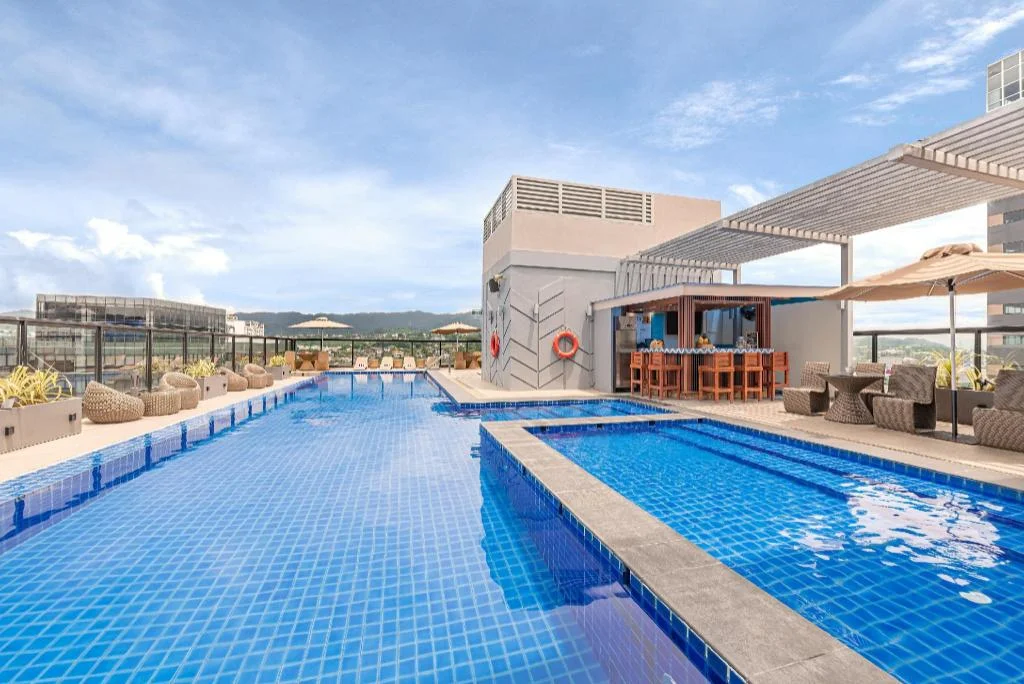
Seda Central Bloc Cebu City
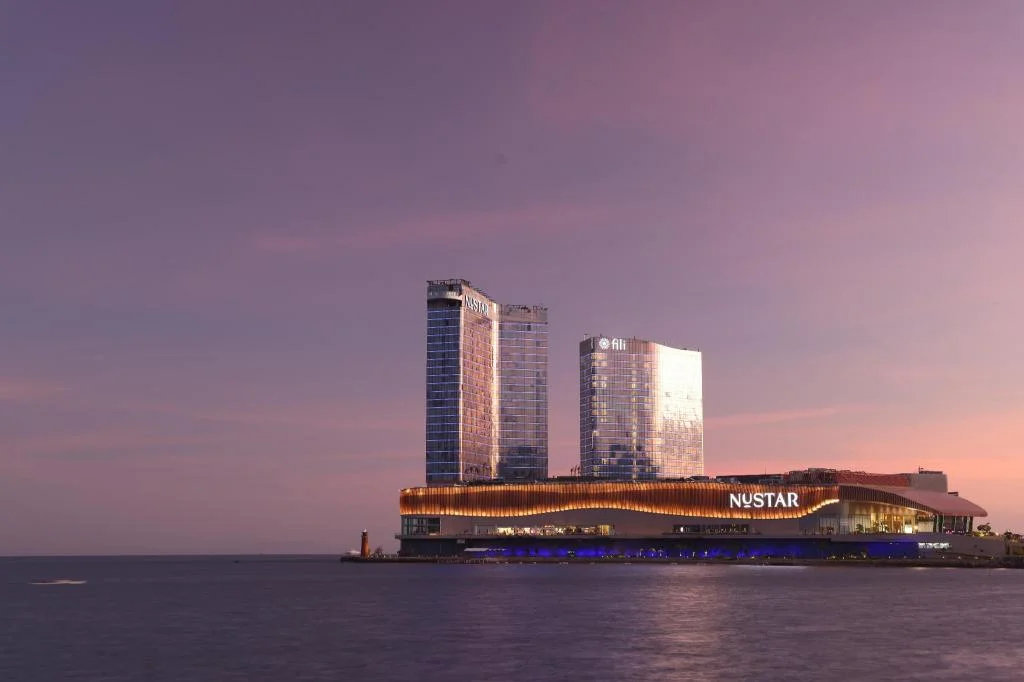
Fili Hotel - NUSTAR Resort & Casino Cebu
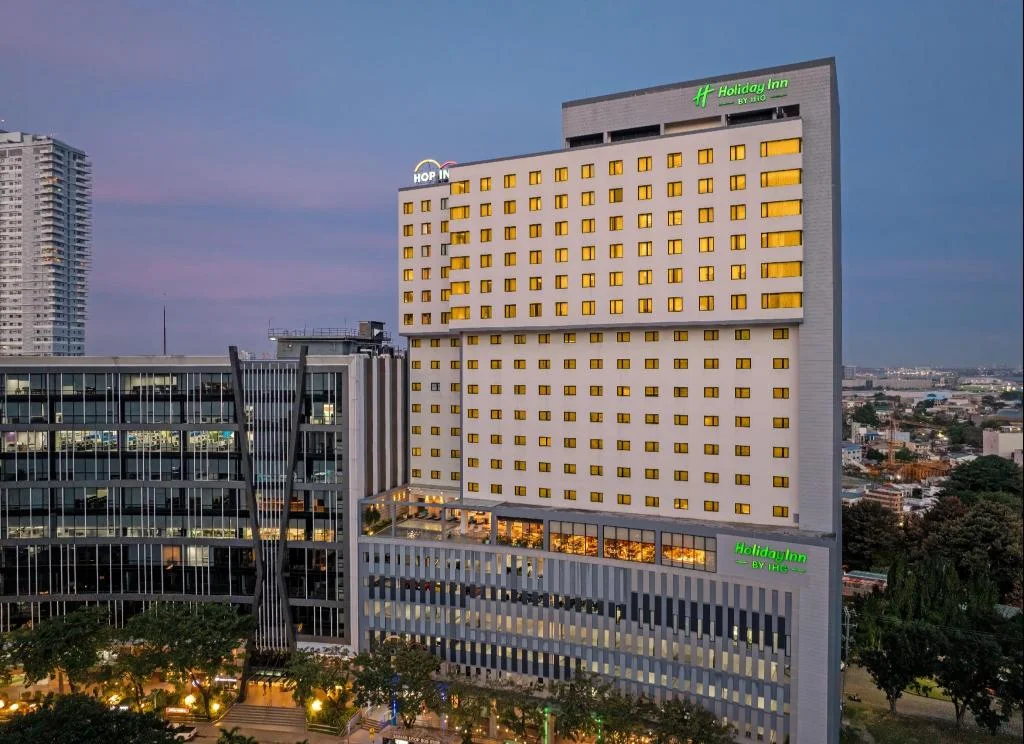
Holiday Inn Cebu City By IHG
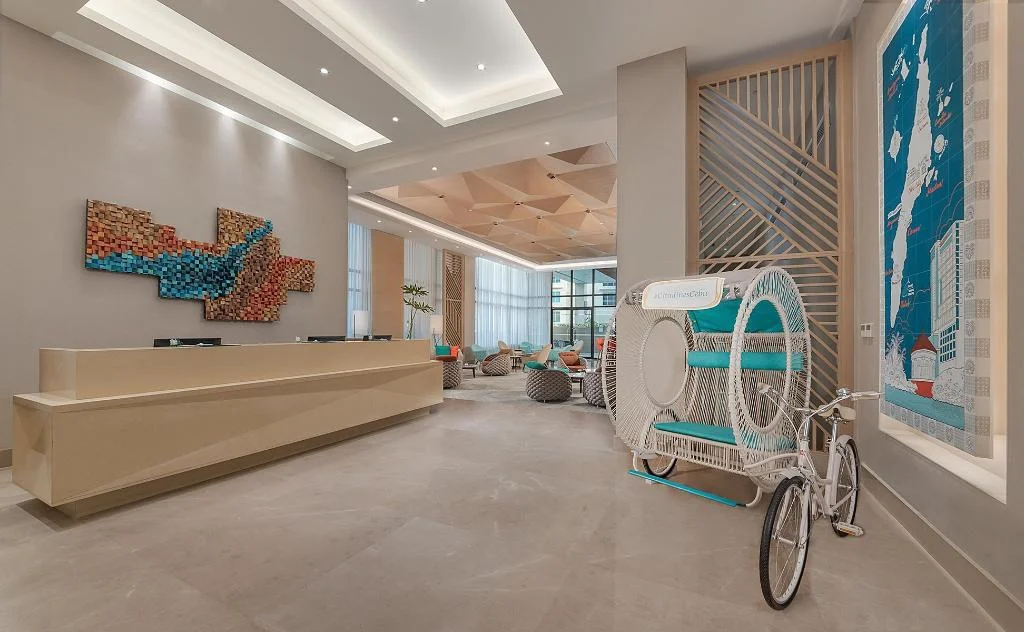
Citadines Cebu City
Prefer a rental? Vacation rentals near Cebu City
Self-catering condos and apartments — book the exact unit, kitchen included.
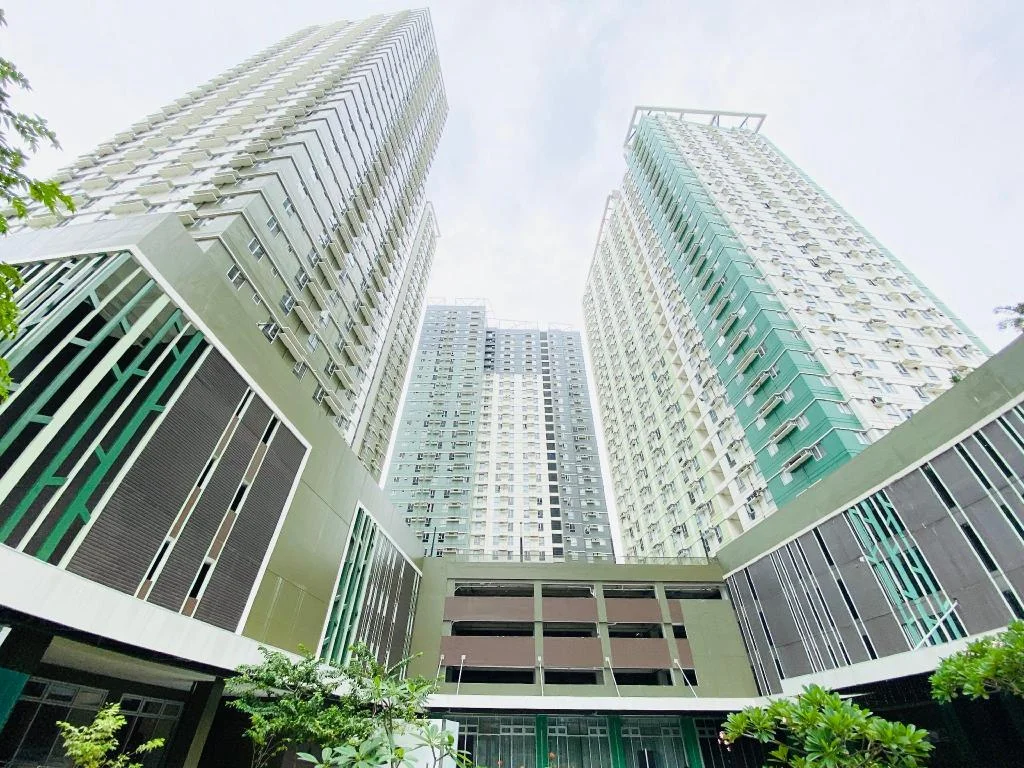
Cebu Avida Riala by P&J
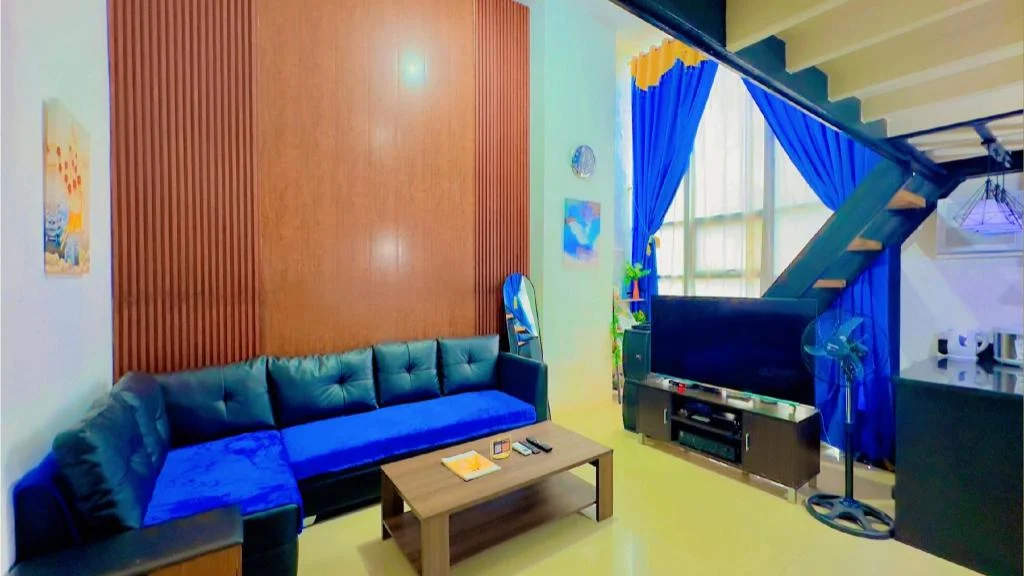
Special Big Loft Unit w/Fibreop Internet & Netflix
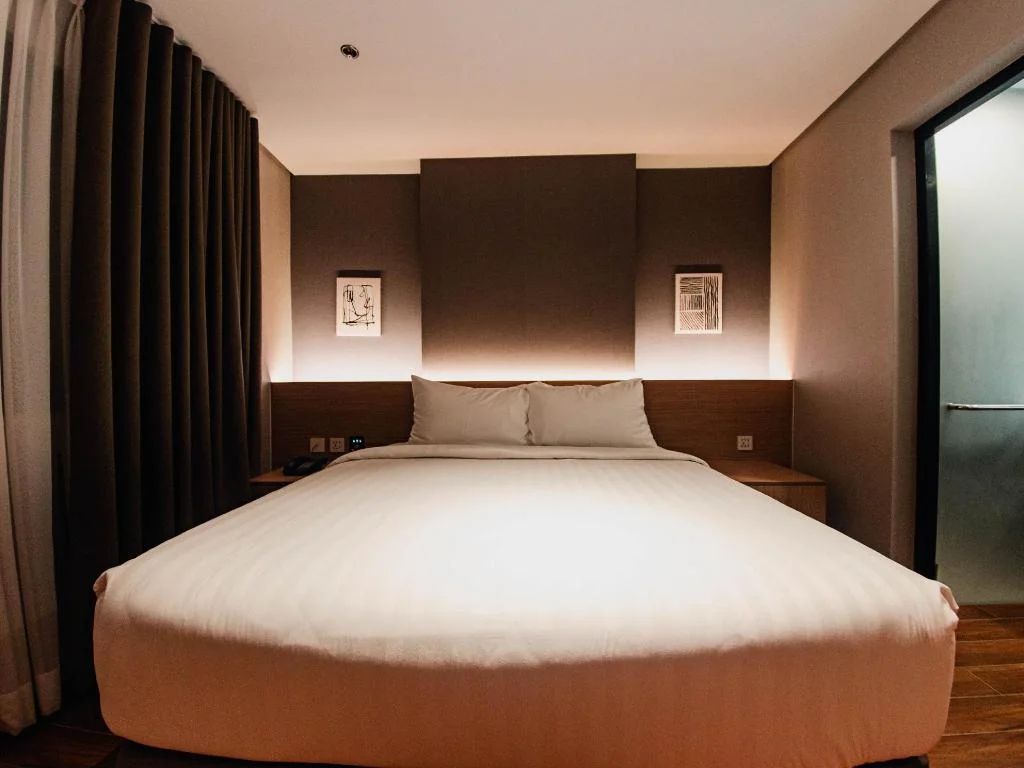
Moonstar Cebu Hotel - Deluxe Room
Before you go
Frequently asked
Is it easy to be openly LGBTQ+ if you actually live in Cebu?
Does Cebu City's SOGIE ordinance actually protect LGBTQ+ residents at work?
Where do LGBTQ+ Cebuanos actually find community, versus just going out?
What's dating actually like for LGBTQ+ people who live in Cebu, not just visiting?
How do Cebuano families and the Catholic Church react to LGBTQ+ family members?
Can LGBTQ+ couples get married or legally protected in Cebu?
Is trans life noticeably different from gay or lesbian life in Cebu?
Is Cebu a good place for LGBTQ+ people to relocate to long-term?
More Places to Explore
Temple of Leah
Cebu City
A magnificent Roman-inspired temple built as a monument of love, nicknamed 'Cebu's Taj Mahal,' offering stunning architecture and city views.
Tops Lookout
Cebu City
Cebu City's premier hilltop viewpoint offering stunning panoramic views of the city, especially spectacular at sunset and nighttime.