
TL;DR: Malapascua wins on budget: thresher sharks (now mainly at Kimud Shoal since 2022) cost ₱1,500-4,000 per dive, reached via a ₱515-640 bus-and-boat trip from Cebu, no flight. Coron wins on scale: nine-plus WWII wrecks, a direct 1h20m Cebu-Busuanga flight, and ₱16,000 for 3 days/9 dives. Verified July 2026.
If you dive in the Philippines long enough, this comparison eventually finds you. Malapascua, the small island off Cebu’s northern tip, built its reputation on being one of the only places on Earth where divers can reliably encounter pelagic thresher sharks. Coron, up in northern Palawan, built its reputation on a cluster of sunken Japanese WWII ships resting in some of the clearest water in Southeast Asia. Both are bucket-list dives. Neither is a casual add-on to a beach holiday.
This guide is for divers — certified or working toward it — trying to decide which one fits their trip, budget, and skill level, not travelers weighing beaches or nightlife. We’ll compare the signature dive at each, give you an honest update on whether Malapascua’s sharks are still showing up the way the old articles claim, break down real costs and access logistics from Cebu, and tell you who should pick which. If you’re still deciding between Cebu and Palawan more broadly, our Cebu vs Palawan guide covers the wider trip; this one is just about the diving.
Malapascua vs Coron at a Glance
| Category | Malapascua | Coron |
|---|---|---|
| Signature dive | Thresher sharks (now mainly Kimud Shoal) | WWII Japanese shipwrecks (9+ ships) |
| Typical dive depth | ~12-25 m | ~7 m (shallow wrecks) to 42 m (deep wrecks) |
| Certification needed | Advanced Open Water recommended | Open Water (shallow wrecks) to Advanced/wreck specialty (deep wrecks) |
| Sighting/experience reliability | Reported 90%+ on typical mornings (2026) | Wrecks are permanent — visibility varies, not sightings |
| Cost per dive | ₱1,500-4,000 (~US$24-65) | ₱1,500-3,000 (~US$24-48), often sold as day packages |
| Multi-day package example | Dive-and-stay packages vary by resort | ₱16,000 (~US$258) for 3 days / 9 dives |
| Access from Cebu | Bus/van + public boat, ~4.5-6 hrs, ₱515-640, no flight | Direct flight CEB-USU, ~1h20m, ~4x daily, plus 30-45 min transfer |
| Best fit | Budget divers chasing a rare wildlife encounter | Wreck/history divers with more time and a bigger dive budget |
Costs in Philippine Peso; ₱62 ≈ US$1 (July 2026). Verified July 2026.
What’s the Signature Dive at Each?
Malapascua’s draw is a wild animal you can’t reliably see almost anywhere else; Coron’s draw is human history frozen underwater. At Malapascua, boats leave around 5:00 AM to reach a shoal off the island before sunrise, where pelagic thresher sharks visit cleaning stations and hold still while smaller fish pick parasites off their skin. It’s a wildlife encounter, not a guaranteed one, though it’s about as close to guaranteed as shark diving gets.
At Coron, the US Navy’s Task Force 38 caught a hiding Japanese supply fleet in Coron Bay on September 24, 1944, and sank roughly nine to twelve ships in a single air raid that reportedly lasted under 20 minutes. Those wrecks — tankers, a seaplane carrier, gunboats, cargo vessels — now sit at depths from a few meters to over 40, some intact enough to swim through cargo holds and engine rooms. Nothing is going anywhere; the dive is about exploring a fixed, sobering piece of history rather than chasing a sighting.
Are Malapascua’s Thresher Sharks Still Reliable in 2026?
Yes, but the story has an honest asterisk most older articles miss. For years, thresher sharks were seen at Monad Shoal. Around September 2022, tiger sharks moved into Monad and effectively pushed the threshers out within a few weeks. The sharks relocated to nearby Kimud Shoal, a smaller site with strong cleaner-wrasse activity, and — somewhat unexpectedly — the diving there turned out to be better than the old Monad days: shallower (roughly 12-23 meters versus Monad’s 20-25), and with sharks reportedly coming in closer and staying longer.
Trip reports through late 2025 and into 2026 describe daily sightings, and operators report success rates above 90% on a typical morning. Monad Shoal itself hasn’t gone empty — it’s now more associated with tiger shark sightings, at roughly once a week, far less predictable than the old thresher encounters ever were. Practically, this means: the diving is genuinely reliable, but confirm with your shop that you’re booking the Kimud Shoal dive (sometimes still marketed under the old “Monad Shoal” branding) rather than assuming the name on the brochure matches the actual dive site.
How Do You Get to Malapascua from Cebu?
It’s a two-leg overland trip — no flight required. Take a bus or van from Cebu City’s North Bus Terminal to Maya Port in Daanbantayan, a 4-5 hour ride costing roughly ₱220-350, then a public outrigger boat across to the island, 30-45 minutes for about ₱295-340 once fees are added. All told, budget ₱515-640 (US$8-10) and 4.5-6 hours door to island on public transport. Our Cebu to Malapascua via Maya Port guide has the full fare and schedule breakdown, including the low-tide wading nobody warns you about.
How Do You Get to Coron from Cebu?
A direct flight, not a bus-and-boat combo. Cebgo, Philippine Airlines, and Sunlight Air all fly nonstop from Mactan-Cebu International Airport (CEB) to Francisco B. Reyes Airport in Busuanga (USU), with roughly four flights a day and a flight time of about 1 hour 20 minutes. From the airport, a shared van into Coron town runs about ₱250 per person (30-45 minutes), or a private van costs ₱1,500-1,800 for the whole vehicle.
Worth knowing if you’re coming via Manila instead: NAIA restricted turboprop operations starting March 29, 2026, and Busuanga’s runway isn’t yet built for the larger jets that replaced them, so direct Manila-Coron flights have been suspended. Manila-based travelers now bus to Clark International Airport (about 3 hours) and fly from there — which, if you’re already in Cebu, makes the direct CEB-USU route the simpler path in. Coron’s airport also only operates during daylight hours, roughly 6 AM to 5 PM, so build flight timing into your first and last day.
The honest upshot: Coron is reachable directly from Cebu without a Manila detour, but it’s still a flight, a check-in, and typically a multi-night stay — not a quick weekend bus-and-boat trip you can bolt onto an existing Cebu itinerary the way Malapascua is. Compare Cebu-Coron flights and Coron tours on Klook before locking in dates, since fares swing with season and booking window.
How Much Does Diving Cost at Each?
| Item | Malapascua | Coron |
|---|---|---|
| Single dive | ₱1,500-4,000 (~US$24-65) | ₱1,500-3,000 (~US$24-48) |
| Day trip (2-3 dives, gear + guide + boat) | Priced per shop/package | ₱5,000-6,000 (Pirate Divers Coron, 2026) |
| Multi-day dive package | Varies by resort | ₱16,000 for 3 days / 9 dives; ₱29,900 for 5 days / 14 dives |
| Non-diving activity add-on | Kalanggaman Island day trip | Kayangan Lake island-hopping, ₱1,500-2,000/person shared boat + ₱300 lake entrance fee |
Verified July 2026 against dive shop listings including Pirate Divers Coron and Malapascua operator rates. Confirm current pricing directly with your chosen shop before booking.
Neither destination is dramatically cheaper than the other per dive. Where Coron pulls ahead is bundling — a 9-dive, 3-day package works out to roughly ₱1,780 per dive once gear, guide, boat, and park fees are folded in, which is hard to match a la carte in Malapascua. Where Malapascua pulls ahead is the trip cost around the diving: no flight, no airport transfer, just a bus and a boat. Browse Malapascua dive and stay packages on Klook or search Coron hotels on Agoda to see how the two trips actually price out for your dates.
Which Is Better for Beginner Divers?
Coron gives newer divers more of its signature experience. Shallow wrecks like the Skeleton Wreck sit around 7-10 meters, well within Open Water limits, so a diver a few dives into their certification can still tick off a real wreck. Deeper, more atmospheric wrecks — the Irako at 25-42 meters, for instance — are reserved for Advanced or wreck-specialty divers, but you’re not shut out entirely at the entry level.
Malapascua’s headline dive is less forgiving. The thresher shark site sits at roughly 12-25 meters in open water with current, and most shops want to see an Advanced Open Water card (or the equivalent experience) before booking you on the 5 AM boat. Non-divers and newly certified Open Water divers can still enjoy the island — snorkeling off Bounty Beach, a Discover Scuba intro dive, or the walk to Malapascua Lighthouse — but the shark dive itself is realistically a trip for certified, depth-comfortable divers.
How to Choose: By Traveler Type
- Budget divers on a short Cebu-based trip: Malapascua. No flight, a sub-₱650 overland trip, and one of the rarest wildlife encounters in diving.
- Wreck divers and WWII history buffs: Coron, clearly. Nothing in Cebu compares to a fleet of sunken Japanese ships.
- Newly certified divers wanting depth flexibility: Coron — shallow wrecks welcome Open Water divers; Malapascua’s shark dive effectively requires Advanced Open Water.
- Travelers building a longer Philippines trip: Coron pairs naturally with El Nido for a dedicated Palawan leg; Malapascua slots into a Cebu-based itinerary alongside Moalboal and Oslob.
- Anyone chasing the single rarest encounter: Malapascua’s thresher sharks remain a genuinely uncommon dive globally, Kimud Shoal shift and all.
The Honest Take
Both destinations get oversold in slightly different ways. Malapascua is still marketed heavily around “Monad Shoal,” a name that’s been the wrong answer for the actual thresher shark site since 2022. The diving itself hasn’t gotten worse — by most 2026 reports it’s arguably better — but a diver who shows up expecting Monad and gets redirected to Kimud without explanation understandably feels misled. Ask your shop directly which shoal you’re diving before you pay.
Coron’s honest catch is logistics, not the diving itself. The wrecks are exactly as good as advertised, but this isn’t a spontaneous weekend trip from Cebu the way Malapascua can be — you’re booking a flight, working around an airport that closes by 5 PM, and realistically committing 3-4 days to do the wrecks justice rather than rushing through in one. It also isn’t a wildlife encounter, so if the thrill you’re chasing is a living animal rather than a sunken hull, Coron won’t scratch that itch no matter how good the visibility is.
Best time for both: December to May, when seas are calmer and visibility peaks in the northern Philippines; both destinations get rougher and boats occasionally cancel outright during typhoon season (roughly July-November). Skip Malapascua if you’re not at least Advanced Open Water and don’t want to work toward it first. Skip Coron if you don’t have the extra travel days or budget for a flight-based side trip on top of your Cebu plans.
Book the Trip That Fits
If Malapascua’s your pick, start with the full thresher shark diving guide for cost and certification details, then the Cebu to Malapascua via Maya Port guide for the bus-and-boat logistics. Check Malapascua dive shop and resort listings on Klook before peak season (December-May) fills up the good boats.
If Coron’s the draw, pair it with our Cebu vs Palawan breakdown for the bigger-picture trip planning, and compare Coron accommodation on Agoda since most wreck-diving resorts book out fast in dry season.
Sources
- Coron Busuanga — how to get to Coron by air, 2026 route and airline updates
- FlightConnections — Cebu (CEB) to Busuanga (USU) route, frequency and flight time
- Pirate Divers Coron — day trip and multi-day wreck diving package pricing
- Coron Wrecks — historical narrative of the 24 September 1944 Coron Bay attack
- Live Life the Philippines — Kimud Shoal thresher shark diving guide, 2026
- WhyCebu — Thresher Shark Diving Malapascua: Kimud Shoal Guide 2026
- Coron transfer, entrance fee, and airport-hours details cross-checked against multiple 2026 traveler and operator guides. Fares, schedules, and certification requirements change without notice — confirm directly with your dive shop and airline before booking. Verified July 2026.
Book Tours & Hotels for This Trip
Find and book the best deals — prices and availability update in real time. Links open in a new tab.
Where to stay near Moalboal
Top-rated hotels for this trip — tap through to check live rates.
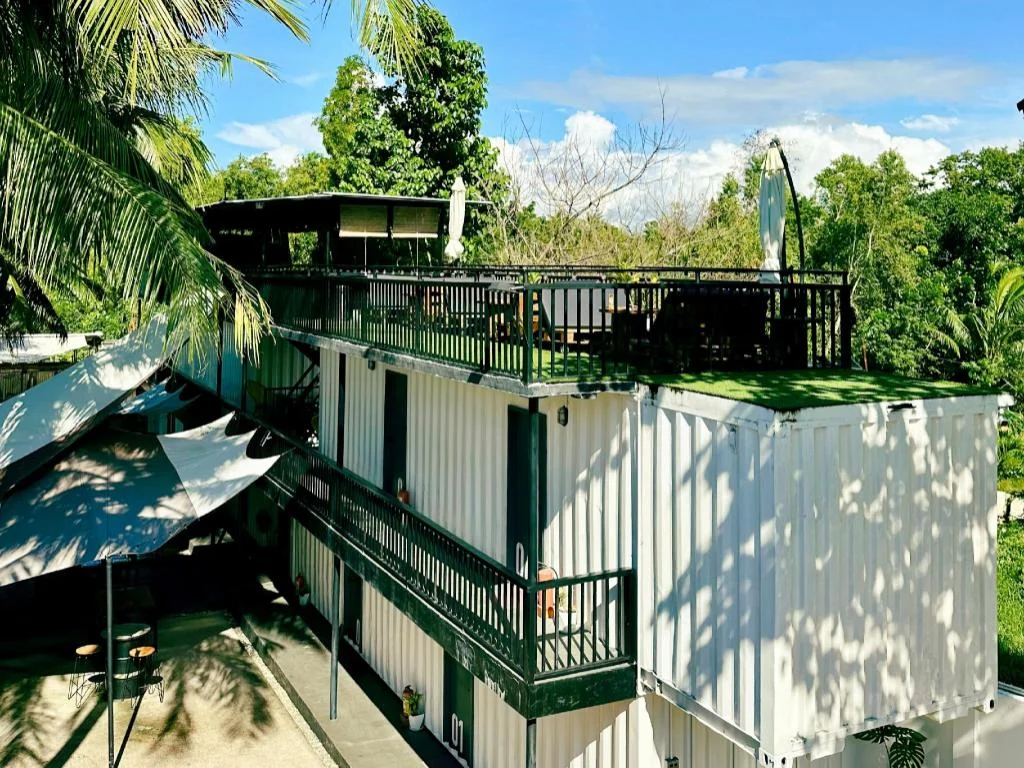
PIG DIVE HOSTEL MOALBOAL
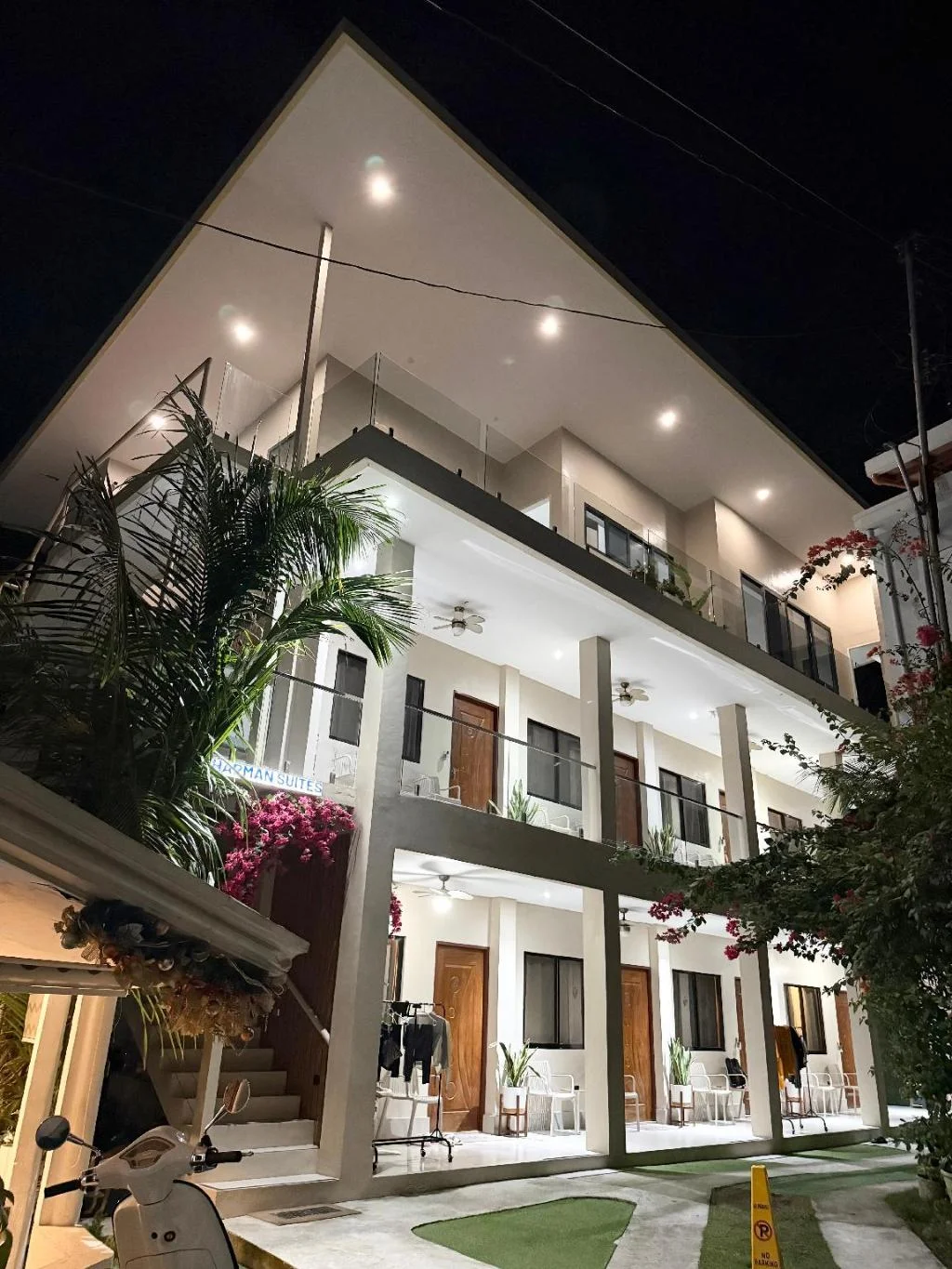
Harman Suites Moalboal
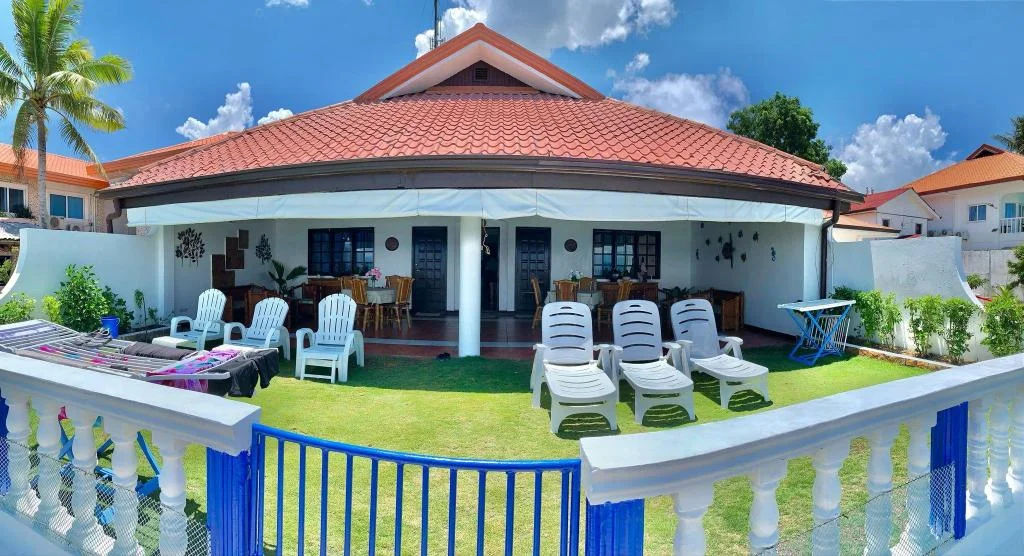
Il Sogno Resort
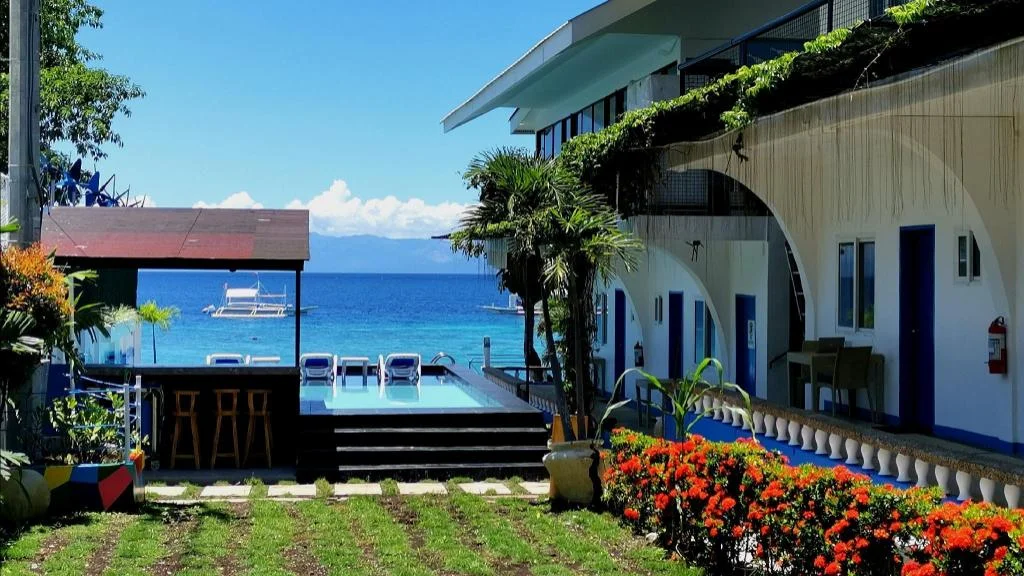
Pescadores Suites Moalboal
Prefer a rental? Vacation rentals near Moalboal
Self-catering condos and apartments — book the exact unit, kitchen included.
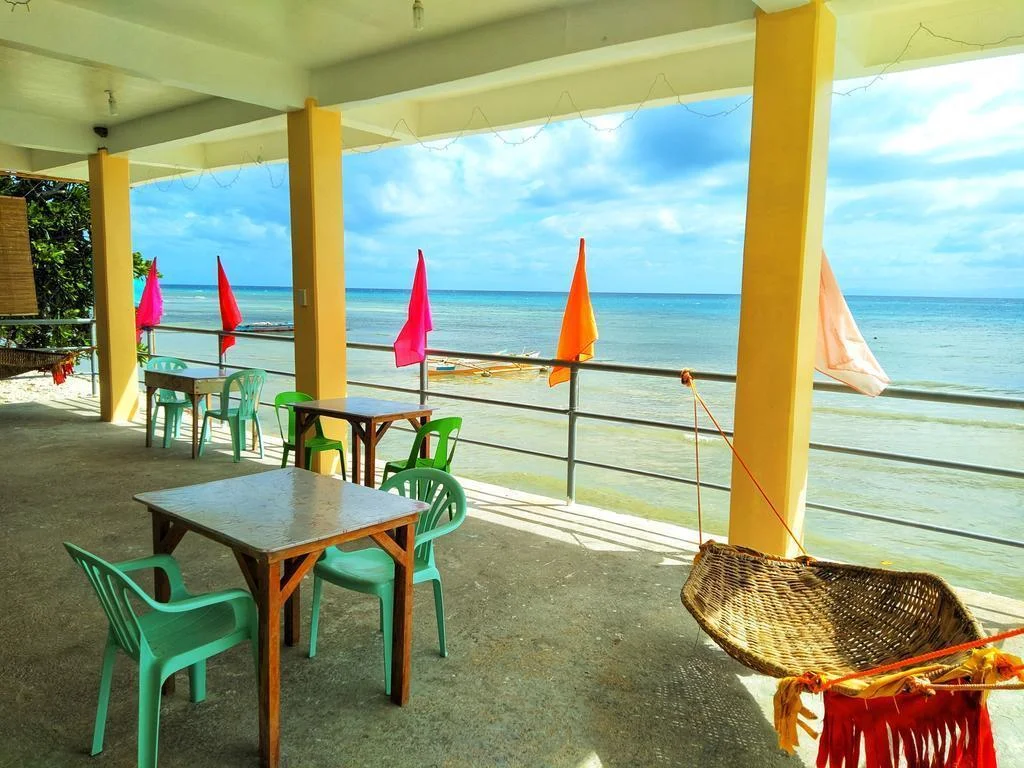
Ocean View Lodging House
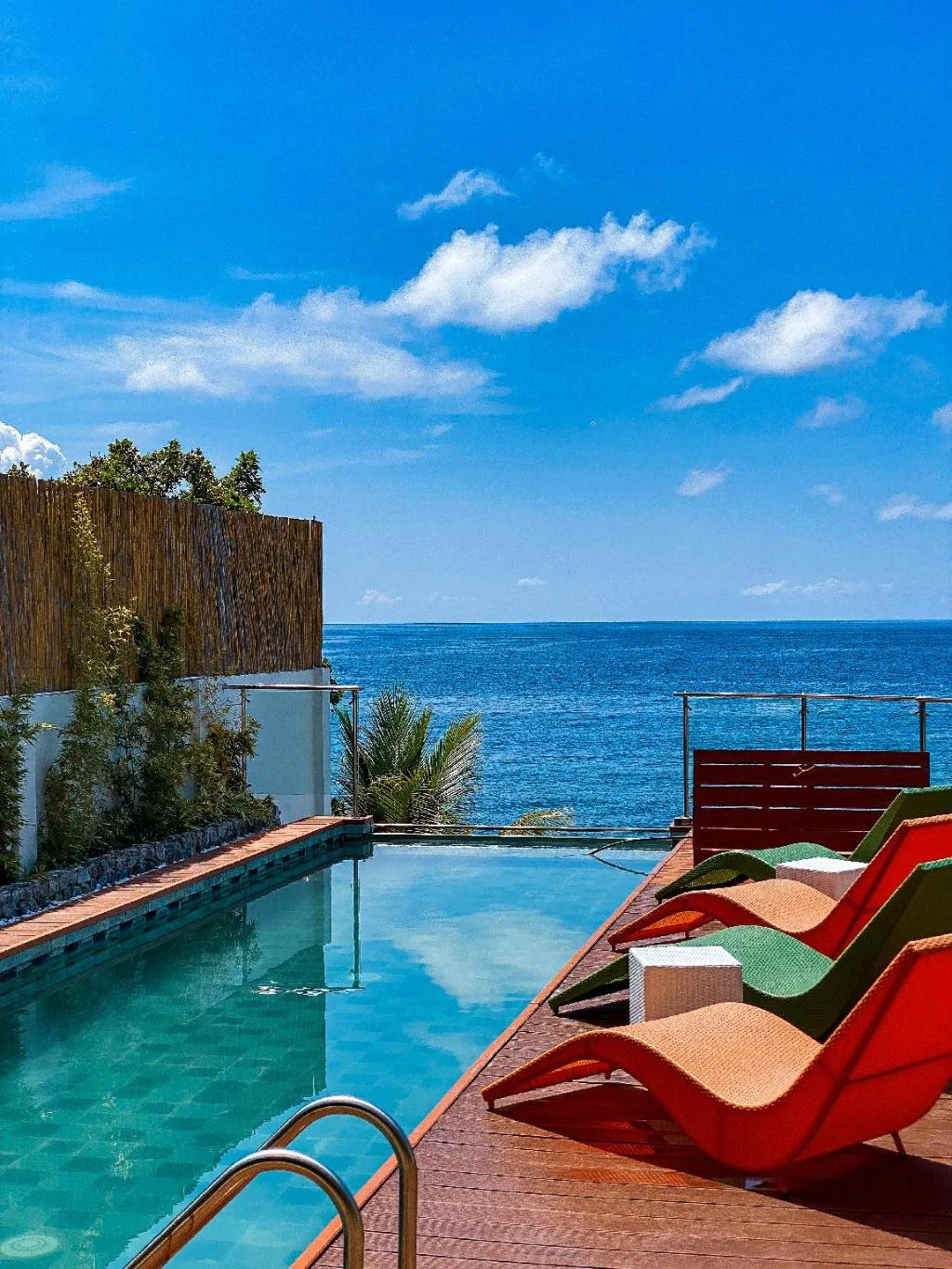
The South Hideaway Oslob
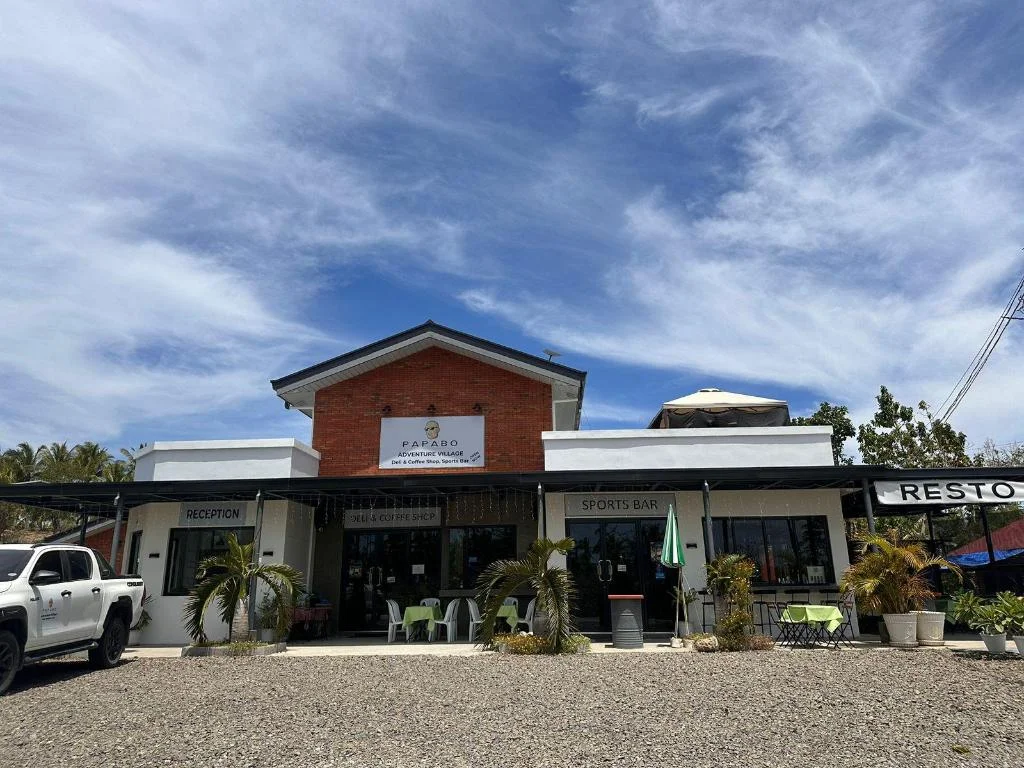
PAPABO Adventure Village
Before you go
Frequently asked
Is Malapascua or Coron better for beginner divers?
Are Malapascua's thresher sharks still reliable in 2026?
How do you get to Malapascua from Cebu?
How do you get to Coron from Cebu?
Can you fly from Manila to Coron?
How much does diving cost in Malapascua versus Coron?
Which has the bigger 'wow' factor, thresher sharks or WWII wrecks?
Can you do both Malapascua and Coron on one Philippines trip?
More Places to Explore
Kawasan Falls
Badian
A stunning three-tiered waterfall famous for its turquoise waters, bamboo raft rides, and as the endpoint of the famous Badian canyoneering adventure.
Moalboal Sardine Run
Moalboal
Swim with millions of sardines in one of the world's only year-round sardine runs, just meters from shore.
Whale Shark Watching
Oslob
Swim alongside gentle whale sharks, the world's largest fish, in one of the few places where these magnificent creatures can be reliably encountered.