
TL;DR: LAMAVE researched Cebu waters for years — Oslob whale shark surveys 2012-2020, Malapascua thresher/manta work — but its 2026 open placements are Palawan-based, and Oslob is on hold. The active Cebu option is People and the Sea in Malapascua, €1,110-4,505. Neither is free, but both are real NGO fieldwork, not voluntourism. Verified July 2026.
Search “LAMAVE volunteer Cebu” and you’ll land on real research history, real published science, and a volunteer application page — but the honest answer, checked directly against LAMAVE’s own site in mid-2026, is that its currently bookable placements aren’t in Cebu right now. That Cebu research history runs deep — a Bohol Sea ray fishery study since 2011, daily Oslob whale shark surveys from 2012 to 2020 (now on hold pending better management of the tourism activity), and thresher shark and manta research around Malapascua. People and the Sea’s pricing spans a €1,110 four-week introduction up to a €4,505 twelve-week Community Conservation Internship. This guide separates what LAMAVE actually did (and still might do again) in Cebu waters from what you can actually sign up for today, plus the one legitimate marine conservation program that is physically based here.
Marine Conservation Volunteering Connected to Cebu, at a Glance
| Organization | Cebu connection | Current status (2026) | Cost |
|---|---|---|---|
| LAMAVE — Oslob whale sharks | Daily research 2012-2020 | On hold, pending management reform | N/A (not bookable) |
| LAMAVE — Malapascua thresher sharks / manta rays | Research site since early expeditions | Not a current open placement | N/A |
| LAMAVE — Bohol Sea ray fishery | Foundational research since 2011 | Historical/ongoing research, not a listed volunteer placement | N/A |
| LAMAVE — Whale Sharks, Palawan | Same organization, different province | Open (2026 dates full; 2027 inquiries) | Donation, amount on request |
| People and the Sea — Malapascua | Based in Daanbantayan, Cebu | Active, year-round | €1,110-4,505 depending on program |
Verified July 2026 against organizations’ own published pages; confirm current status directly before applying, since placements and locations shift.
Does LAMAVE Actually Have a Cebu Volunteer Program?
Not one you can book right now. LAMAVE (the Large Marine Vertebrates Research Institute Philippines) has deep, real roots in Cebu waters — its foundational work monitoring a century-old ray fishery in the Bohol Sea dates to 2011, it ran daily in-water whale shark surveys in Oslob from March 2012 through January 2020, and its expeditions have covered thresher sharks and manta rays around Malapascua’s Manta Bowl. That’s a legitimate, citable research history tied directly to Cebu’s marine life. But LAMAVE’s current, open volunteer placements for 2026 are listed in Palawan — a whale shark research project (2.5-month minimum commitments, currently full for 2026 with 2027 inquiries open), a shark catch monitoring project without a Cebu location specified, and a marine turtle nesting beach project running into 2027. If a Cebu-based LAMAVE placement matters to you specifically, check their volunteer page yourself before planning a trip — organizations shift project locations as funding and permits change, and this guide reflects what was live in mid-2026.
What Happened to LAMAVE’s Oslob Research?
LAMAVE put its Oslob whale shark work on hold, and says it will only return if the tourism activity is managed better. After eight years of daily surveys, LAMAVE published a long-term study concluding there had been no meaningful improvement in the impact of whale shark tourism on the animals at Oslob — a striking, credible finding from the same organization that collected the underlying data, not an outside critic’s opinion. That’s a genuinely useful, well-sourced data point if you’re weighing the wider debate over whether the Oslob encounter is defensible tourism or a welfare problem; our Oslob whale sharks ethical debate guide covers that argument in full, including alternatives if you’d rather skip the hand-fed encounter altogether.
What Would a LAMAVE Placement Actually Involve?
Real fieldwork, not a tourist activity dressed up — photo-identification, tagging support, catch monitoring, and long shifts in the water or on foot. LAMAVE is explicit that its placements are “not a form of voluntourism.” Across its current projects, expect a minimum age of 21, genuine physical fitness requirements (hours of walking daily for some roles, ocean swimming and freediving to roughly 7 meters for water-based ones), six-day work weeks with one day off, and shared project-house living with an evening curfew. LAMAVE covers your bed, three meals a day, transport to the survey site, and research equipment; you cover your own flights, personal gear, medical insurance, and a donation that funds the research and your placement — the specific amount isn’t published and needs a direct email to LAMAVE to confirm.
What’s the Real, Currently Active Cebu-Based Option?
People and the Sea, founded in 2015 on Malapascua Island in Daanbantayan, Cebu, is the legitimate marine conservation program you can actually join here right now. It’s a different model from LAMAVE’s pure research fieldwork — more community-based marine resource management than shark science — built around five core programs: biodiversity education, zero waste, economic resilience, and fisheries engagement. Volunteers stay with a host family on the island and work alongside the fisheries team on stock monitoring using a shared research database, run youth environmental education camps, audit community homestays for sustainability, and contribute to waste-reduction projects. Three program tiers run year-round: a 4-week land-based Introduction to Community Conservation (from €1,110), a 4-week Dive into Conservation program requiring PADI Open Water certification (€1,885 for one certification level, €2,085 for two, offered June through September only), and a 12-week Community Conservation Internship (from €4,505) for a deeper, longer-term placement.
Is This Real Conservation Work or Paid Voluntourism?
Both organizations charge a fee, and both are doing real, verifiable work — the honest framing is that these are donation-funded field placements, not free labor, and not staged photo-ops either. LAMAVE’s insistence that its program isn’t voluntourism holds up against its published research output — the Oslob study alone is real, citable science that shaped a real conservation decision (pausing the project). People and the Sea’s community-development work is less about shark research and more about fisheries and education, but it’s an established, currently operating NGO with a specific physical base on Malapascua, not a generic “volunteer in paradise” packager. Go in expecting to pay for the privilege of contributing labor, since that’s how nearly every legitimate marine field program funds itself worldwide — and be suspicious of any operator promising unpaid, five-star-resort “volunteering” with no fee and no clear research output.
How Do You Choose Between These?
If shark and marine megafauna research specifically is what draws you, and you have the flexibility to go where the current project actually is, apply directly to LAMAVE and be upfront about wanting Philippines-based work — ask whether a Visayas project (Malapascua, Bohol) might reopen in the timeframe you’re considering, since research site availability changes with funding and permits. If you want to be physically in Cebu, contribute to fisheries and community work rather than shark science specifically, and commit to at least a month, People and the Sea in Malapascua is the real, bookable option today. Either way, read the requirements list closely before applying — both organizations are explicit that this is physically demanding fieldwork, not a relaxed dive holiday with a conservation label attached.
The Honest Take
Cebu’s marine conservation story is genuinely stronger than its current volunteer-booking options suggest. The province’s whale sharks, thresher sharks, and ray fisheries have been the subject of real, years-long scientific study, and that research — especially LAMAVE’s Oslob findings — has directly shaped the ethical debate travelers should have before booking a whale shark encounter. But if you’re specifically hoping to join hands-on shark research in Cebu this year, the honest answer is that the door is currently pointing to Palawan, not here, and the Oslob project stays paused until management genuinely improves. People and the Sea fills the gap for anyone who wants real, Cebu-based conservation work now, even if the day-to-day looks more like community fisheries monitoring than tagging thresher sharks. Don’t let a search result’s confident phrasing substitute for checking both organizations’ current project pages yourself before you commit money and flights.
Read Before You Book a Whale Shark Trip
If Oslob’s whale sharks are on your itinerary regardless, read the ethical debate and alternatives guide first — it draws directly on LAMAVE’s own published findings. For the diving side of a Cebu trip once you’ve weighed the conservation angle, our full Cebu diving guide covers Malapascua, Moalboal, and Mactan, and Sumilon Island — the Philippines’ first marine protected area — is worth a look if you want a genuinely well-managed marine sanctuary experience without the feeding-based controversy. Compare stays near Malapascua’s dive shops on Agoda if a placement or a conservation-minded trip takes you there.
Sources
- LAMAVE — Volunteer with Us (current project list, requirements, what’s included)
- LAMAVE — Volunteer FAQs (program structure, “not voluntourism” statement, daily conditions)
- LAMAVE — Long-term study reveals no improvement in the impact of whale shark tourism in Oslob (Oslob research findings, project status)
- LAMAVE — Whale Shark Research and Conservation Projects (Oslob, Donsol, Southern Leyte, Palawan project history)
- People and the Sea — Marine Conservation Expeditions, Philippines (Malapascua program tiers, cost, duration)
- People and the Sea — Why Volunteer on Malapascua (organization background, founding year)
- Verified July 2026.
Book Tours & Hotels for This Trip
Find and book the best deals — prices and availability update in real time. Links open in a new tab.
Where to stay near Oslob
Top-rated hotels for this trip — tap through to check live rates.
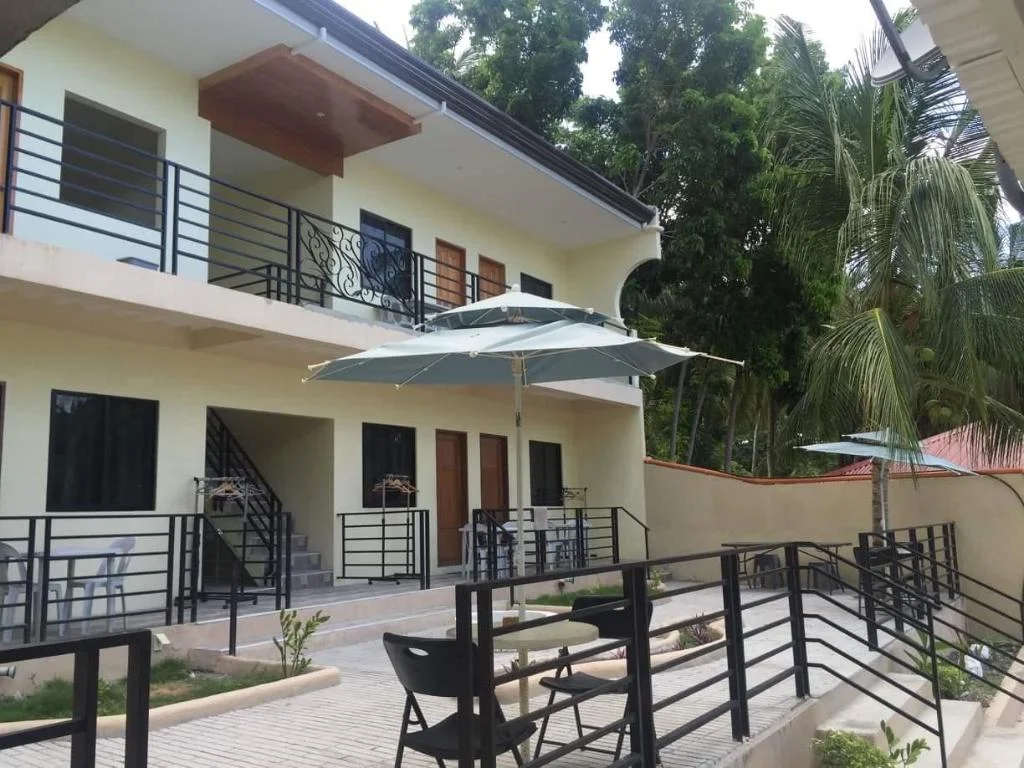
Joaquim's Lodge
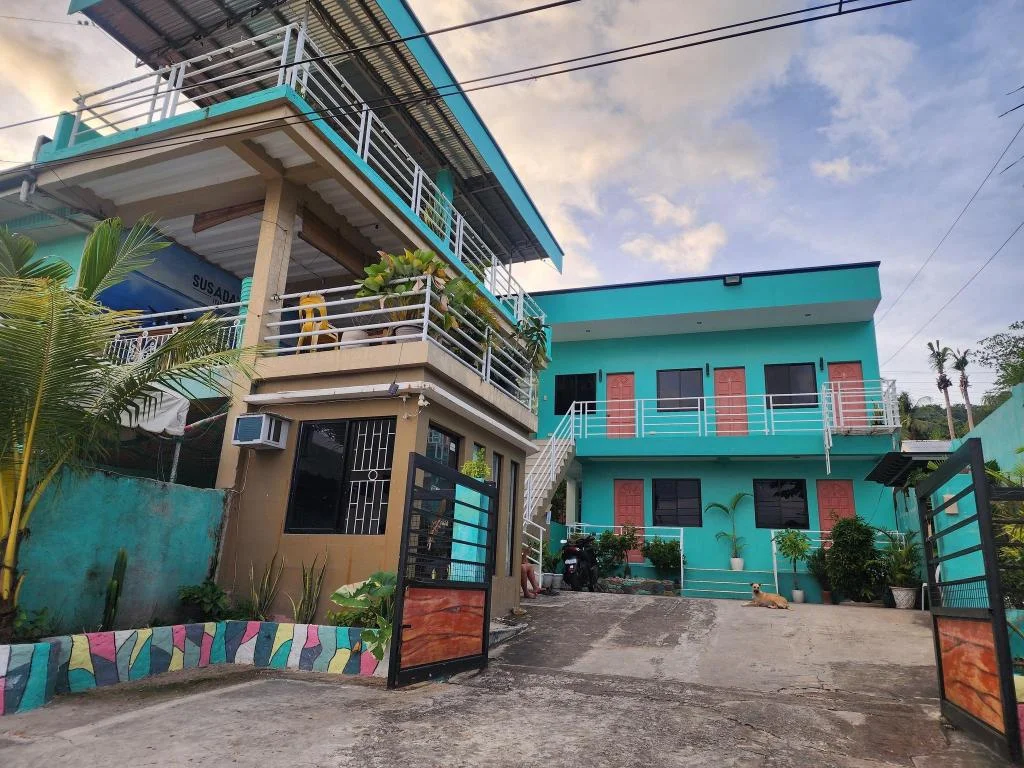
Susada's Inn
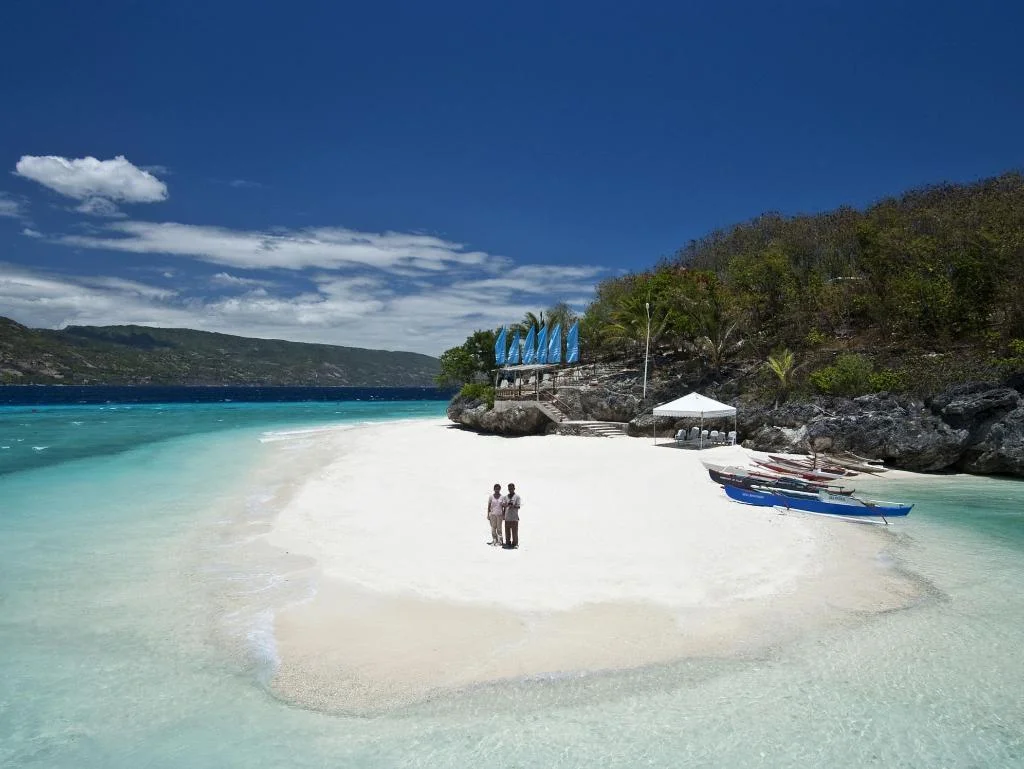
Bluewater Sumilon Island Resort
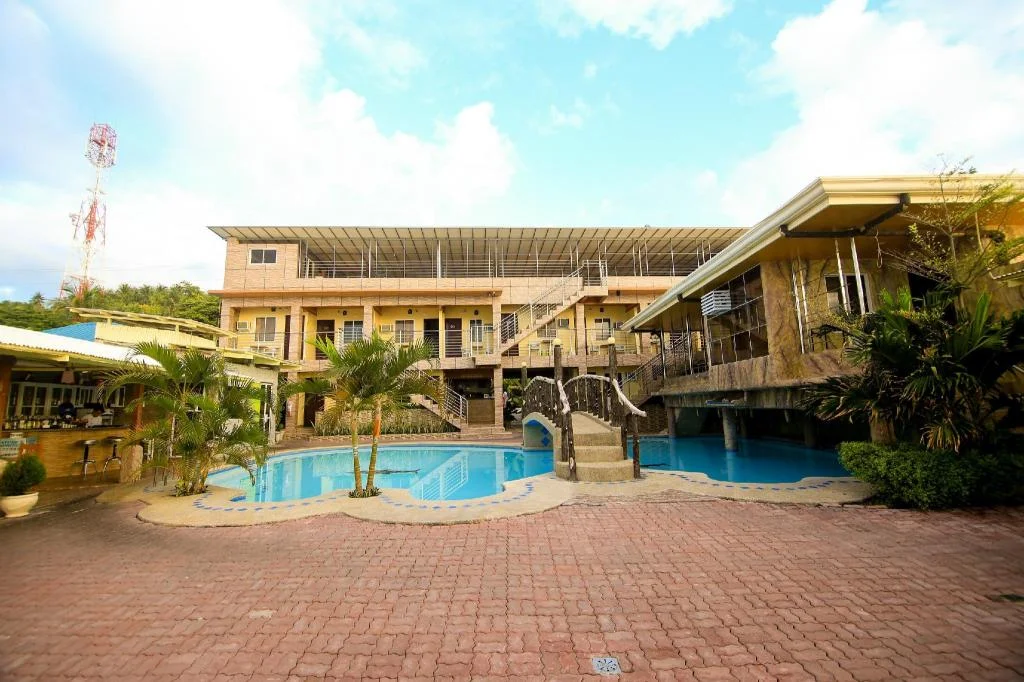
Ging-Ging Hotel & Resort
Prefer a rental? Vacation rentals near Oslob
Self-catering condos and apartments — book the exact unit, kitchen included.
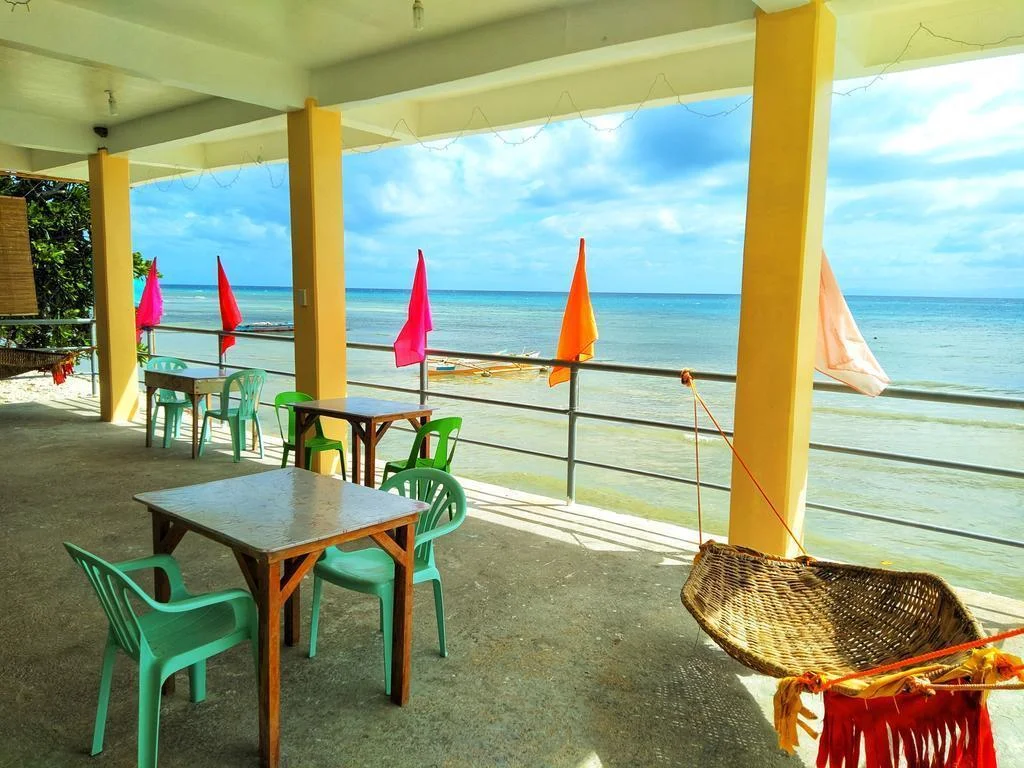
Ocean View Lodging House
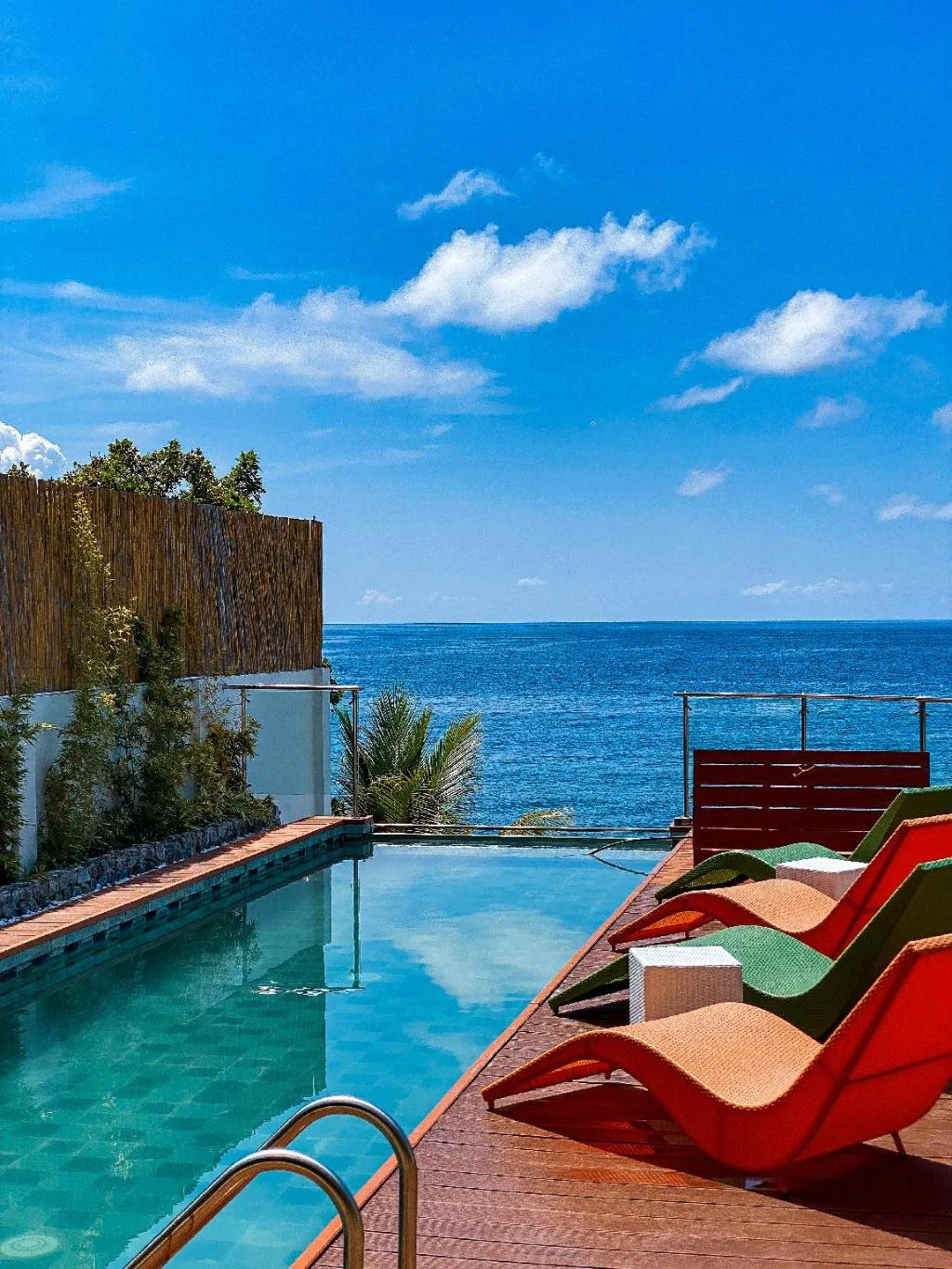
The South Hideaway Oslob
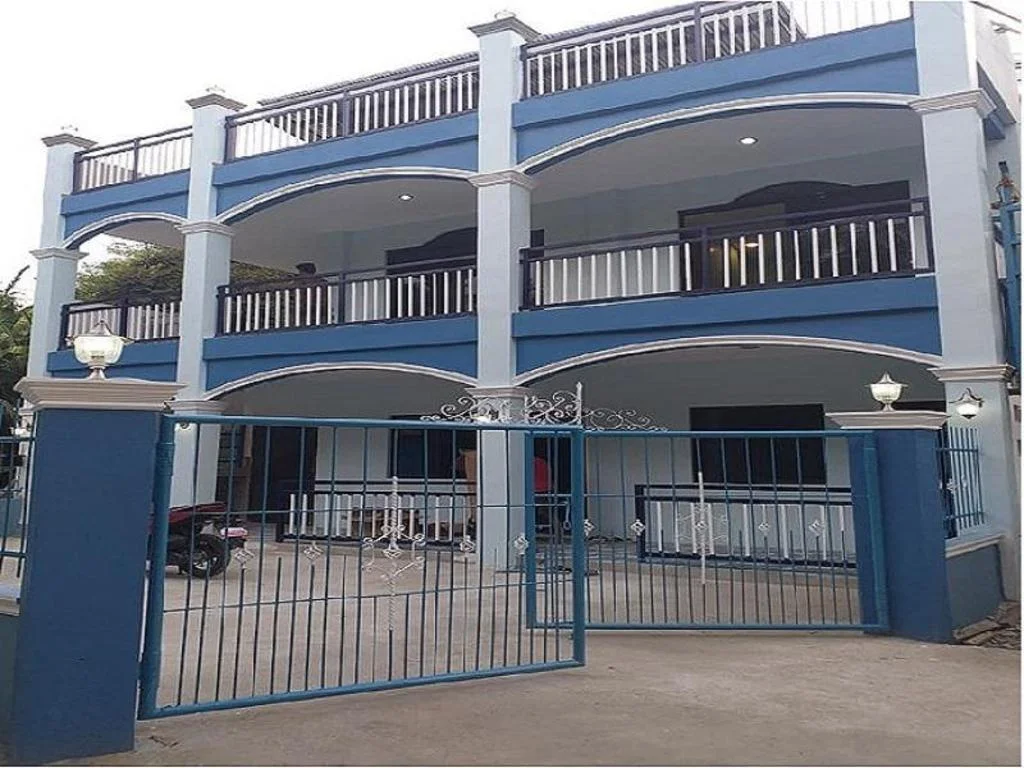
Azulea Family Deluxe 1 * own CR, shower, AC, TV
Before you go
Frequently asked
Does LAMAVE run a volunteer program in Cebu right now?
What happened to LAMAVE's Oslob whale shark research?
What are LAMAVE's current volunteer opportunities?
What are the requirements to volunteer with LAMAVE?
Is there a legitimate marine conservation volunteer program actually based in Cebu?
How much does marine conservation volunteering cost?
Is this real conservation work or paid voluntourism dressed up?
More Places to Explore
Whale Shark Watching
Oslob
Swim alongside gentle whale sharks, the world's largest fish, in one of the few places where these magnificent creatures can be reliably encountered.
Sumilon Island
Oslob
A pristine coral island with a famous shifting white sandbar, excellent snorkeling, and the distinction of being the Philippines' first marine sanctuary.