
TL;DR: Snorkeling in Cebu costs next to nothing — roughly ₱300-800 (US$5-13) for fees and gear — and gets you the sardine run, sea turtles, and reef fish at spots like Moalboal. Diving costs more, roughly ₱1,500-2,500 (US$24-40) per fun dive or ₱14,500-16,500 (US$234-266) for a full Open Water certification, but it is the only way to see thresher sharks at dawn or the deep wall at Pescador Island. If your trip is about sardines and turtles on a budget, snorkel. If you want threshers, wrecks, or deeper reefs, you need a tank. Verified July 2026.
Cebu is one of the few places on earth where you can see the same headline animal — a sea turtle, a sardine ball, sometimes a whale shark — with just a mask and snorkel or with a full scuba setup, and get a genuinely good experience either way. That overlap confuses a lot of first-time visitors into thinking they need to dive to “do it properly.” Often they don’t. This guide breaks down, honestly, what each activity actually shows you at Cebu’s best-known marine spots — the Moalboal sardine run, Pescador Island, turtle point, and thresher shark diving in Malapascua — what each costs in 2026, and how to decide which one fits your budget, time, and comfort in open water. It’s for anyone choosing between a mask and a tank before their Cebu trip, not for certified divers picking their next site.
Snorkeling vs Diving in Cebu: The Quick Comparison
| Snorkeling | Diving | |
|---|---|---|
| Typical cost | ₱200-800 (US$3-13) per session | ₱1,500-2,500 (US$24-40) per fun dive |
| Certification course cost | None needed | PADI Open Water: ₱14,500-16,500 (US$234-266) |
| Try-it-once option | Just rent gear, no training | Discover Scuba: ₱2,000-2,500 (US$32-40), no cert needed |
| Time commitment | 30 min-2 hours | 2-3 hours per dive day; 3-4 days for a course |
| Depth range | Surface to ~3-5 meters | Typically 5-30+ meters |
| Sardine run (Moalboal) | Yes — full experience, no boat needed | Yes — adds the wall and the sound of hunting jacks |
| Sea turtles (Moalboal/Pescador) | Yes — regularly seen on the house reef | Yes — closer, longer encounters |
| Thresher sharks (Malapascua) | Not possible — sharks are at depth | Only way to see them |
| Deep wall / swim-throughs (Pescador Cathedral) | Not possible | Only way to see them |
| Fitness/skill needed | Basic swimming comfort | Swimming comfort + buoyancy control (taught in course) |
Prices are per-person guide rates from Moalboal, Malapascua, and Cebu dive shops as of 2026 and vary by operator and season — confirm current rates before booking. Peso-to-dollar conversion at ₱62 ≈ US$1 (July 2026). Verified July 2026.
What Can You Actually See Snorkeling vs Diving?
Snorkeling gets you sardines, turtles, and shallow reef fish; diving adds threshers, wrecks, and deep walls that snorkelers physically cannot reach. The overlap is bigger than most people expect, and the gap is narrower and more specific than the marketing around “you have to dive to see the good stuff” suggests.
Both snorkeling and diving show you:
- The Moalboal sardine run — millions of sardines balled up just off Panagsama Beach, in water shallow enough that snorkelers see the same bait ball divers do.
- Sea turtles at turtle point and the Pescador house reef — turtles feed and rest in the same 3-8 meter zone snorkelers can freedive down to or simply float above.
- Reef fish, sea fans, and (with luck) frogfish on the shallow shelves around Panagsama Beach and Pescador Island.
Only diving shows you:
- Thresher sharks at Kimud Shoal off Malapascua, which cruise a cleaning station roughly 12-25 meters down and only surface in the dark pre-dawn hours — there is no snorkel version of this.
- The deep wall and “Cathedral” swim-through cave at Pescador Island, where the light shafts and cave structure that make it famous sit below snorkel depth.
- The Airplane Wreck off Moalboal and similar deeper wreck or reef sites around Cebu.
The honest takeaway: if sardines and turtles are your main goal, snorkeling gets you there. If threshers, wrecks, or deep walls are on your list, snorkeling can’t get you there — you need a tank.
How Much Does Snorkeling Cost in Cebu?
Snorkeling in Cebu is close to free — expect to pay a small beach fee plus gear rental, and nothing else. At Panagsama Beach in Moalboal, the sardine run itself costs nothing to see beyond the roughly ₱100 beach environmental fee, since the bait ball sits 20-30 meters offshore and needs no boat. Mask-and-snorkel rental runs about ₱200-250 (US$3-4) if you didn’t bring your own gear. If you’d rather have a local swim alongside you and point things out, guides on the beach charge roughly ₱300-500 (US$5-8) for a supervised session, usually including a life jacket.
Island-hopping tours that bundle snorkeling with a boat ride to Pescador Island or a turtle spot cost more, largely because you’re paying for the boat and crew, not the snorkeling itself — bundled day tours run from roughly ₱1,850 upward per person depending on inclusions and pickup. If you’re staying in Moalboal or Panagsama, skip the packaged tour and snorkel the sardine run and house reef for free (aside from the beach fee); save the boat trip for Pescador Island specifically, where a private boat charter runs roughly ₱2,500-3,000 (US$40-48) for up to three hours, split between your group.
How Much Does Diving Cost in Cebu?
A single guided fun dive with a local dive shop in Moalboal runs roughly ₱1,500-2,500 (US$24-40) all-in, including tank, weights, and a dive guide, though prices vary by shop, season, and whether gear rental is bundled. Malapascua’s thresher shark dives cost more because of added fees: a single dive at Kimud Shoal runs about ₱1,800-2,000, and once you add the shoal protection fee, marine park fee, and fuel surcharge, a two-dive thresher morning lands around ₱4,000-5,500 (US$65-89) per person. Some Malapascua shops sell it as a package — roughly ₱4,100 for two dives or ₱5,900 for three, inclusive of equipment and fees.
If you’ve never dived and don’t want to commit to a course, a Discover Scuba Diving trial — no certification required — costs roughly ₱2,000-2,500 (US$32-40) for a half-day session with an instructor, and it’s a common way to try the sardine run or a shallow reef underwater before deciding whether to get certified. Beyond that, becoming a certified diver through the PADI Open Water course runs roughly ₱14,500-16,500 (US$234-266) across three to four days at most Moalboal dive shops, and unlocks fun diving anywhere in the world afterward. Rates vary between operators — confirm current pricing and what’s included (eLearning, gear, boat fees) before booking. See our guide to learning to dive in Cebu for the full course breakdown.
Do You Need Certification to Dive in Cebu?
No — not for a single try-dive. PADI’s Discover Scuba program lets a complete beginner dive to a shallow, controlled depth with an instructor directly supervising, no prior training or certification needed, and it’s enough to see the sardine run or a shallow reef from underwater. What certification unlocks is independence and depth: certified divers can join multi-dive days, go deeper, and dive without an instructor’s hand on their arm the whole time. If thresher sharks are the goal, you don’t strictly need a certification — a Discover Scuba dive with an instructor can sometimes be arranged for Kimud Shoal — but most divers who make the early trip are already certified, since the site rewards steady buoyancy and comfort at depth in low dawn light.
Which Spots Are Best for Snorkeling vs Diving?
- Moalboal sardine run — best for both, and one of the few sites in Cebu where snorkeling genuinely rivals diving. No boat needed; walk in from Panagsama Beach.
- Turtle point / Pescador house reef — best for both. Turtles feed in shallow water snorkelers can reach, though divers get closer, longer looks.
- Pescador Island wall and Cathedral cave — diving only for the cave and deep wall; the shallow shelf around the island is snorkelable and worth doing even if you’re not diving.
- Thresher sharks, Malapascua — diving only, full stop. Budget the early wake-up and the higher cost, or accept you’ll see them in photos, not in person.
- Airplane Wreck, Moalboal — diving only; too deep for snorkeling.
Is Snorkeling Enough, or Should You Learn to Dive?
If your Cebu trip is centered on the sardine run, sea turtles, and reef life on a modest budget, snorkeling is enough — you’ll see the same headline animals divers do, for a tenth of the cost and no training time. Where snorkeling stops being enough is if a specific diving-only experience is what’s drawing you to Cebu in the first place: thresher sharks, wreck diving, or the deeper walls at Pescador. In that case, weigh a one-off Discover Scuba trial (cheap, no commitment, works for shallower sites) against the full Open Water course (bigger upfront cost, but pays off if you plan to dive more than once or want thresher sharks specifically).
The Honest Take
Cebu’s dive shops and tour operators have an obvious incentive to upsell diving, and a lot of marketing blurs the line between “diving is better” and “diving is required.” For the sardine run and sea turtles, it genuinely isn’t required — snorkeling shows you the same animals, and plenty of long-time visitors snorkel the sardine run every trip and never bother with a tank. Where the upsell is legitimate is thresher sharks and the deeper Pescador wall: there’s no shortcut, and no snorkeling package that gets you there, so don’t let anyone sell you a “snorkel with thresher sharks” tour — it doesn’t exist. Budget travelers should snorkel the free or near-free spots first and treat a Discover Scuba trial as an inexpensive way to test whether diving is worth the bigger spend on a course. Certified divers already know their answer; this guide is really for everyone else deciding for the first time.
Get Out There
Whether you land on a mask or a tank, Moalboal is the easiest base for trying both — the sardine run and turtle point are steps from shore, and Pescador Island and thresher shark day trips to Malapascua are both bookable from there. Compare guided options for snorkeling tours around Cebu or a Discover Scuba trial dive before you go, and pair either activity with our best snorkeling spots in Cebu and province-wide diving guide for the full rundown of sites. If you decide diving is worth it, book your first tank session or full course through a PADI dive center in Moalboal and start with the sardine run — it’s the one site where snorkelers and divers leave equally happy.
Sources
- Cebu Fun Divers — prices and rates
- Turtle Bay Dive Resort — Moalboal diving and snorkeling rates
- Thresher Shark Divers Malapascua — 2026 dive prices
- PADI Discover Scuba Diving — Cebu
- PADI Open Water Diver — Cebu course listings
- My Favourite Escapes — snorkeling vs diving at the Moalboal sardine run (first-hand comparison)
- Pricing checked against 2026 dive shop and tour listings; confirm current rates locally before booking. Verified July 2026.
Book Tours & Hotels for This Trip
Find and book the best deals — prices and availability update in real time. Links open in a new tab.
Where to stay near Moalboal
Top-rated hotels for this trip — tap through to check live rates.
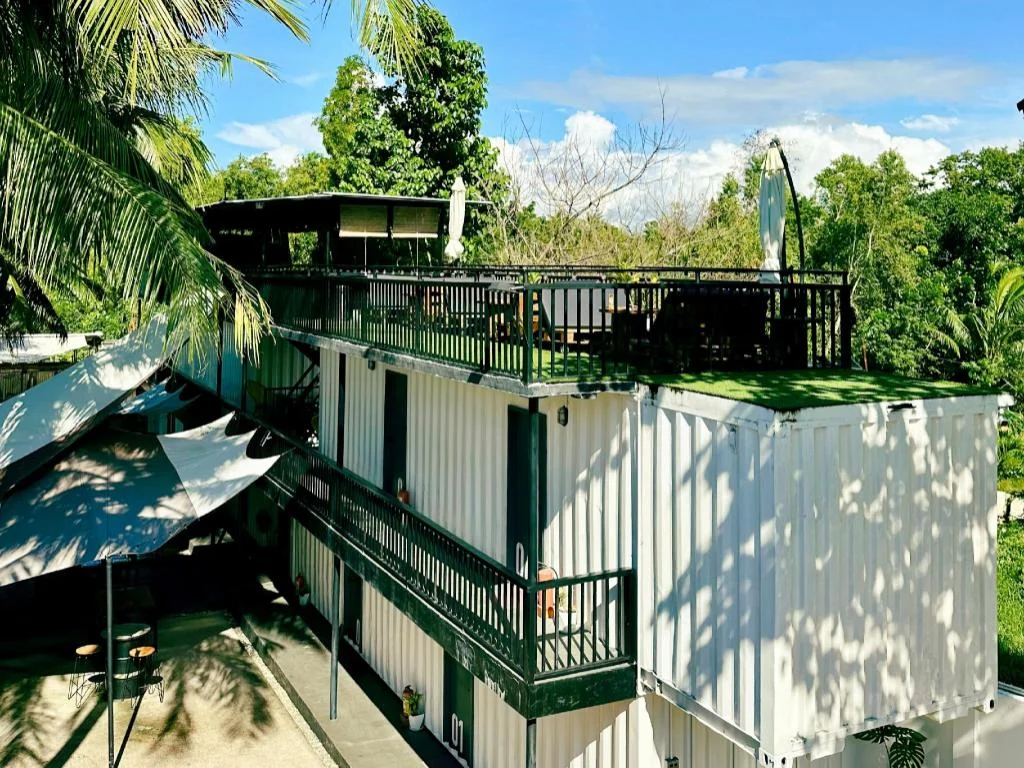
PIG DIVE HOSTEL MOALBOAL
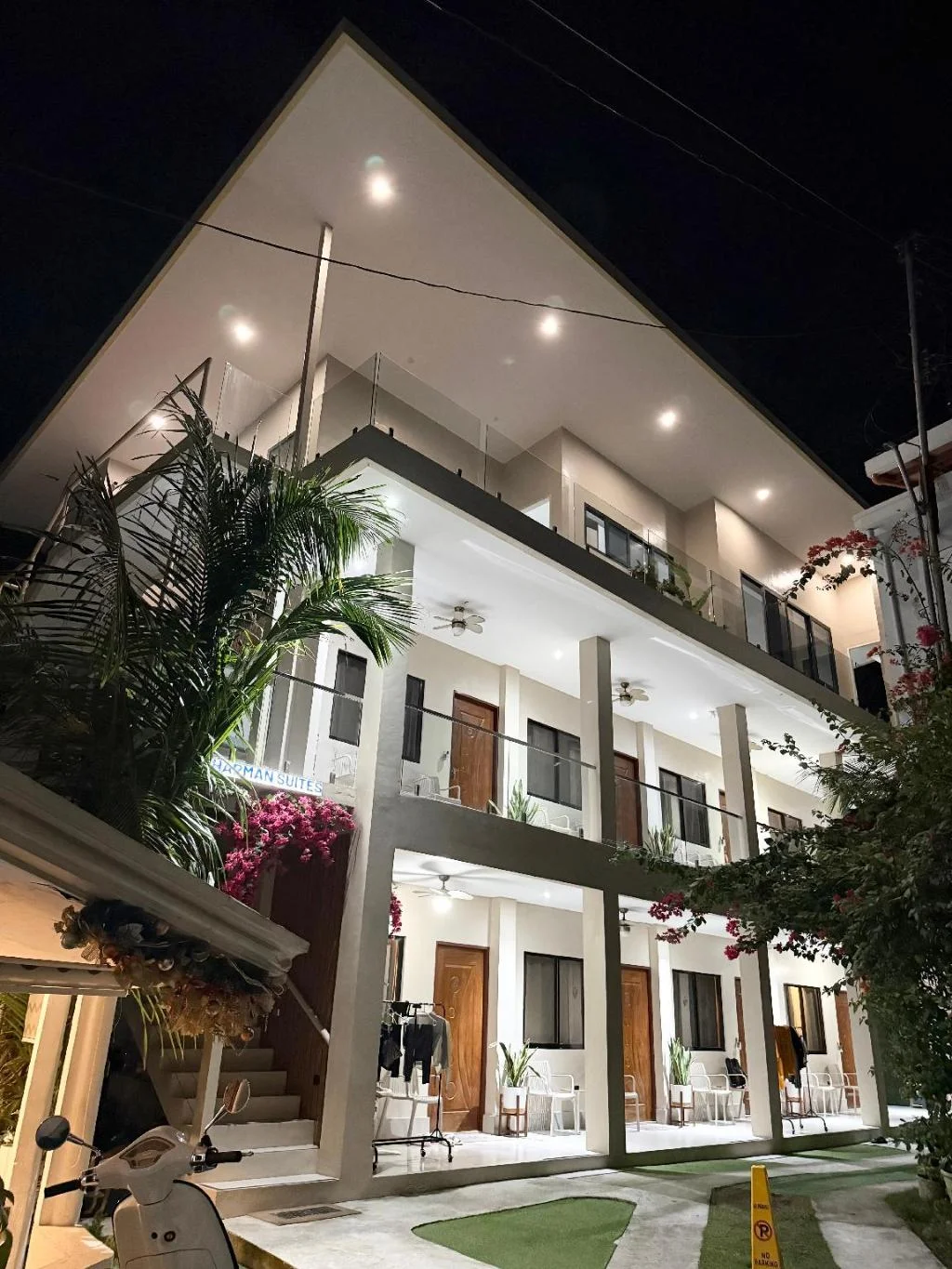
Harman Suites Moalboal
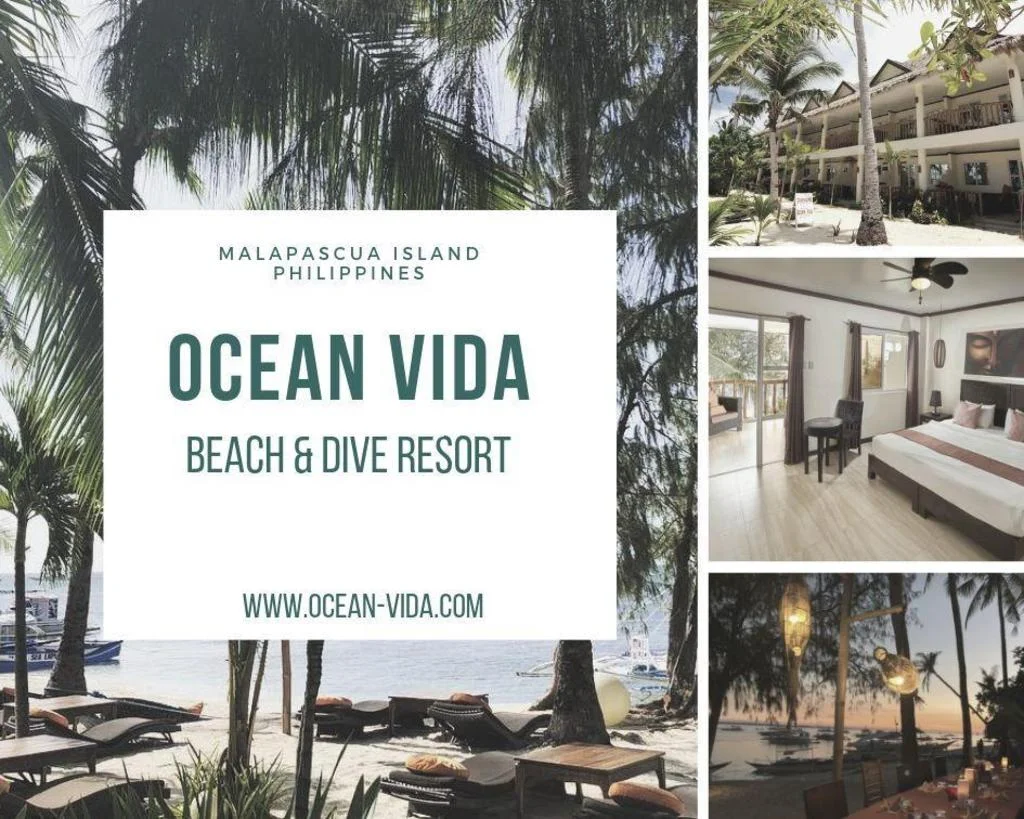
Ocean Vida Resort
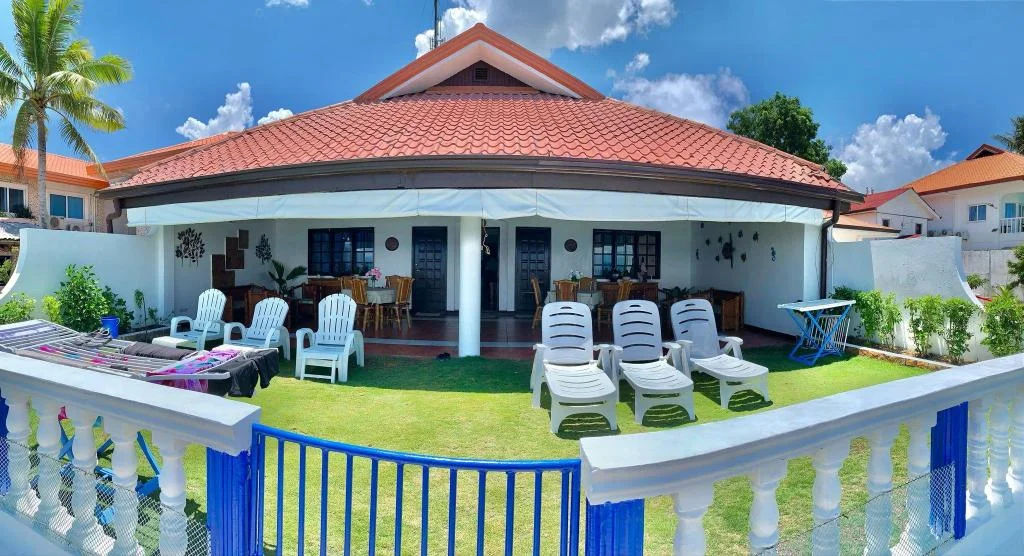
Il Sogno Resort
Prefer a rental? Vacation rentals near Moalboal
Self-catering condos and apartments — book the exact unit, kitchen included.
Two crazy monkeys
PAPABO Adventure Village
Casa de Moalboal
Before you go
Frequently asked
Is snorkeling or diving better for the Moalboal sardine run?
Can you snorkel with thresher sharks in Malapascua?
Do you need a certification to try diving in Cebu?
How much does snorkeling cost in Cebu compared to diving?
Can beginners dive in Cebu, or should they snorkel first?
Which Cebu dive sites are only accessible by diving, not snorkeling?
Is Pescador Island better for snorkeling or diving?
What should a first-time snorkeler or diver in Cebu budget for a day trip?
More Places to Explore
Moalboal Sardine Run
Moalboal
Swim with millions of sardines in one of the world's only year-round sardine runs, just meters from shore.
Pescador Island
Moalboal
A world-class marine sanctuary featuring The Cathedral underwater cave and exceptional wall diving.
Thresher Shark Diving
Daanbantayan
One of the world's only reliable locations to dive with pelagic thresher sharks at the famous Monad Shoal cleaning station.
Turtle Point
Moalboal
Swim alongside green sea turtles in their natural habitat at this reliable turtle-spotting destination.