
TL;DR: Museo Sugbo is Cebu’s provincial history museum, built inside the 1870s Cárcel de Cebú (the old provincial jail) on M.J. Cuenco Avenue. It closed in December 2023 over funding problems and reopened on August 29, 2025. Entrance is ₱50 general / ₱25 for students, children, and seniors (about US$1 / US$0.50), open Monday–Friday, roughly 8 AM–5 PM. Budget 1–1.5 hours for the ten galleries, and pair it with Fort San Pedro and Colon Street for a downtown heritage half-day. Verified July 2026.
If you want to understand Cebu beyond the beaches, this is where you start. Museo Sugbo occupies the old Cebu provincial jail — cell blocks and all — a few minutes from Fort San Pedro and Colon Street in the historic downtown core. It’s not a polished, air-conditioned showpiece; it’s a working provincial museum inside a genuine 19th-century penal building, and that combination of building and content is what makes it worth the detour. This guide covers what happened when it closed and reopened, what’s inside the ten galleries, what it costs now, how to get there, and how to build it into a downtown Cebu City day. It’s written for travelers who want the real history of Cebu — pre-colonial Sugbo, the Spanish and American periods, the war years — not just a photo op.
Museo Sugbo at a Glance
| Detail | Info |
|---|---|
| Address | M.J. Cuenco Avenue, Brgy. Tejero, Cebu City |
| Entrance fee | ₱50 general / ₱25 students, children, seniors (~US$1 / US$0.50) |
| Hours | Monday–Friday, roughly 8 AM–5 PM (confirm locally — no weekend hours reported post-reopening) |
| Time needed | 1–1.5 hours |
| Galleries | About 10, pre-colonial to WWII and modern Cebuano art |
| Nearest landmarks | Fort San Pedro, Plaza Independencia, Colon Street (~2 km) |
| Best paired with | Downtown heritage walk (Basilica, Fort San Pedro, Colon Street) |
Verified July 2026.
What Is Museo Sugbo?
Museo Sugbo is the Cebu provincial government’s history museum, and the building is the story as much as the exhibits are. It was originally the Cárcel de Cebú, designed in 1869 by Domingo de Escondrillas — reportedly the only architect working in Cebu at the time — and built starting around 1871 as the main prison for the Visayas district. It functioned as a jail for well over a century, renamed the Cebu Provincial Jail during the American and postwar periods and later the Cebu Provincial Detention and Rehabilitation Center (CPDRC) — the same institution once known internationally for its “Thriller” dancing inmates. When CPDRC moved to a newer, more spacious facility in December 2004, the province converted the vacated jail into a museum, inaugurating the first four galleries on August 5, 2008.
The site later ran into trouble. The Cebu provincial government shut Museo Sugbo down in December 2023, citing an unsustainable gap between roughly ₱5 million in annual operating costs and only ₱1.8–2 million in ticket and booking revenue. The building also still carries structural damage from the 2013 Bohol-Cebu earthquake, with some areas reportedly awaiting further rehabilitation. Under Governor Pam Baricuatro’s administration, the museum reopened to the public on August 29, 2025, after roughly two years shut — with officials describing it as irreplaceable for anyone wanting Cebu’s history “up to World War II.”
What Will You See Inside?
Museo Sugbo runs about ten galleries across the old jail’s cell blocks and connecting halls, moving roughly in chronological order:
- The Pre-Colonial Gallery — artifacts from Cebu (Sugbo) before Spanish contact.
- The Spanish Colonial Gallery — church, trade, and administrative history under Spain.
- The Katipunan Revolution and American Colonial Gallery — the revolution and the shift to American rule.
- The War Memorial Gallery — Cebu’s World War II occupation and liberation, one of the province’s most complete WWII collections.
- Gregorio and Jovito Abellana Special Exhibition — work tied to the noted Cebuano artist family.
- Vicente Rama Special Exhibition — material connected to the Cebuano statesman and jurist.
- The National Museum Gallery — a partnership space with the National Museum of the Philippines.
- Cebu Journalism and Journalist (CJJ) Gallery — the history of the Cebuano press.
- Provincial Art Gallery — contemporary and historical Cebuano visual art.
- Cebu Media Gallery — broadcast and print media history.
Because the museum is inside former cell blocks, several galleries sit in what were literal prison rooms — narrow, barred, and still recognizably a jail, which is part of what makes the visit stick with you rather than just being another glass-case museum.
How Much Does It Cost to Get In?
General admission is ₱50 (about US$1); students, children, and senior citizens pay ₱25 (about US$0.50). That’s the rate reported around the August 2025 reopening, when officials explicitly said the fee exists because the province can no longer subsidize the museum’s full operating cost. Bring small bills — this is a government-run site, not a tourist operation set up for cards. Confirm the fee at the door, since a small provincial museum can adjust pricing without much notice.
What Are the Museum’s Hours?
Since reopening, Museo Sugbo has run on a Monday-to-Friday schedule, in line with standard government office hours — commonly cited as around 8 AM to 5 PM. Weekend opening hasn’t been consistently reported since the 2025 reopening, so if you’re planning a Saturday or Sunday visit, call ahead or check the museum’s Facebook page first rather than showing up unannounced. Weekday mornings are the quietest time to visit if you want the galleries to yourself.
How Do You Get to Museo Sugbo?
Museo Sugbo sits on M.J. Cuenco Avenue in Barangay Tejero, about 2 kilometers from Fort San Pedro and Plaza Independencia — close enough to fold into a downtown day, but far enough that you’ll want transport rather than walking the whole way in Cebu’s heat.
- From Colon Street or downtown: hop on a jeepney signed for M.J. Cuenco Avenue — routes heading toward SM City Cebu or the Cebu North Bus Terminal pass right by the museum. Tell the driver “Museo Sugbo” or “Carcel de Cebu” as your drop-off.
- By Grab or taxi: the easiest option from anywhere in the city; the ride from Fort San Pedro or Colon takes about 10 minutes outside heavy traffic.
- On foot: doable if you don’t mind a 20–25 minute walk in the sun, following M.J. Cuenco Avenue north from the port area.
- By car: there’s parking available near the museum grounds.
How Much Time Should You Budget?
Plan on 1 to 1.5 hours to move through all ten galleries at a normal pace. If you’re genuinely into the WWII material or want to read every panel in the War Memorial Gallery, budget closer to two hours. This isn’t a big-ticket, half-day attraction like a resort or a waterfall — it’s a focused, indoor history stop that slots neatly into a longer downtown itinerary without eating your whole afternoon.
How Do You Combine It With a Heritage Walk?
Museo Sugbo works best as one stop on a downtown Cebu City heritage route rather than a standalone trip. A practical loop:
- Start at the Basilica del Santo Niño and Magellan’s Cross in the morning, before the heat and crowds build.
- Walk or short-ride to Fort San Pedro and Plaza Independencia.
- Take a jeepney, Grab, or the 20-minute walk up M.J. Cuenco Avenue to Museo Sugbo for the history deep-dive.
- Loop back through Colon Street, the oldest street in the Philippines, for lunch and street-level history before the crowds and heat pick up further.
If you want a guided version of this instead of piecing it together yourself, a downtown Cebu heritage walking tour bundles several of these stops with a local guide — browse Cebu City heritage and walking tours on Klook to see current options and prices.
Is Museo Sugbo Worth Visiting?
If you actually want to understand Cebu’s history rather than just its beaches, yes. It’s the single most complete repository of Cebuano history and World War II material in the province, according to officials involved in its reopening, and the building — a genuine 19th-century jail, cell blocks and all — adds a layer that a purpose-built museum can’t replicate. If your Cebu trip is beach- and island-focused with only a day in the city, it’s easy to skip in favor of Fort San Pedro and the Basilica, which take less time and sit closer together.
The Honest Take
Be realistic about what you’re getting: this is a modest, government-run provincial museum, not a world-class institution with slick multimedia displays. Parts of the building still carry earthquake damage from 2013, and the province has been candid that funding is tight — that’s the whole reason it closed for nearly two years before reopening in 2025. Go in expecting an earnest, somewhat under-resourced museum with genuinely important content, rather than a polished tourist attraction. The best time to visit is a weekday morning, both because the museum only reliably opens Monday to Friday and because you’ll likely have the galleries close to yourself. Given the funding history, it’s worth double-checking hours before you make the trip out to M.J. Cuenco Avenue — a wasted trip to a closed museum is the one thing that would make this not worth it.
Rounding Out Your Cebu City Heritage Day
Museo Sugbo is one piece of a downtown Cebu City heritage day that also includes the Basilica del Santo Niño, Fort San Pedro, and Colon Street — all within a short ride of each other. If you want the fuller list of museums and heritage stops in the city, or a structured route that ties them together, see our complete list of museums in Cebu and our Cebu cultural heritage walking tour guide. For downtown food and market stops to pair with the walk, Colon and downtown Cebu covers what to eat and see nearby, and if your trip lines up with the annual Gabii sa Kabilin heritage night, our Gabii sa Kabilin guide covers that citywide open-house event in detail.
Sources
- Museo Sugbo — Wikipedia (building history, gallery list)
- SunStar Cebu — Museo Sugbo reopens after two-year closure (reopening date, fees, closure reasons, official quotes)
- Cebu Journalism — Museo Sugbo, rescued from closure and demise (closure timeline, budget figures, reopening context)
- Sugbo.ph — Museo Sugbo Welcomes You Back (reopening announcement, entrance fees)
- Location, hours, and jeepney routes cross-checked against local visitor guides current as of 2025–2026. Confirm hours and fees locally before visiting. Verified July 2026.
Book Tours & Hotels for This Trip
Find and book the best deals — prices and availability update in real time. Links open in a new tab.
Where to stay near Cebu City
Top-rated hotels for this trip — tap through to check live rates.
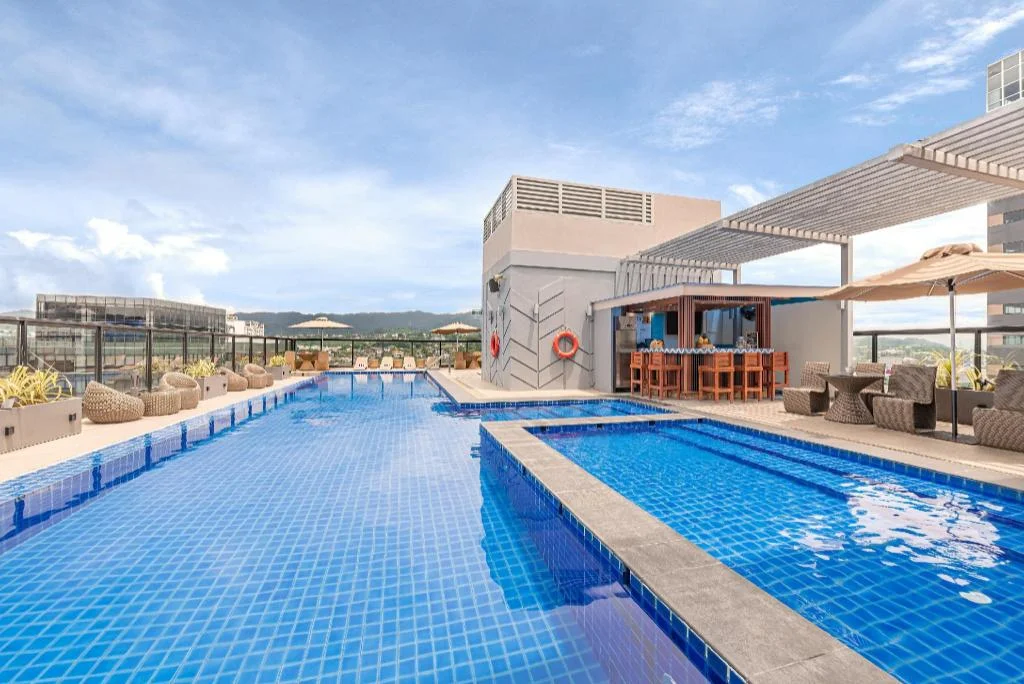
Seda Central Bloc Cebu City
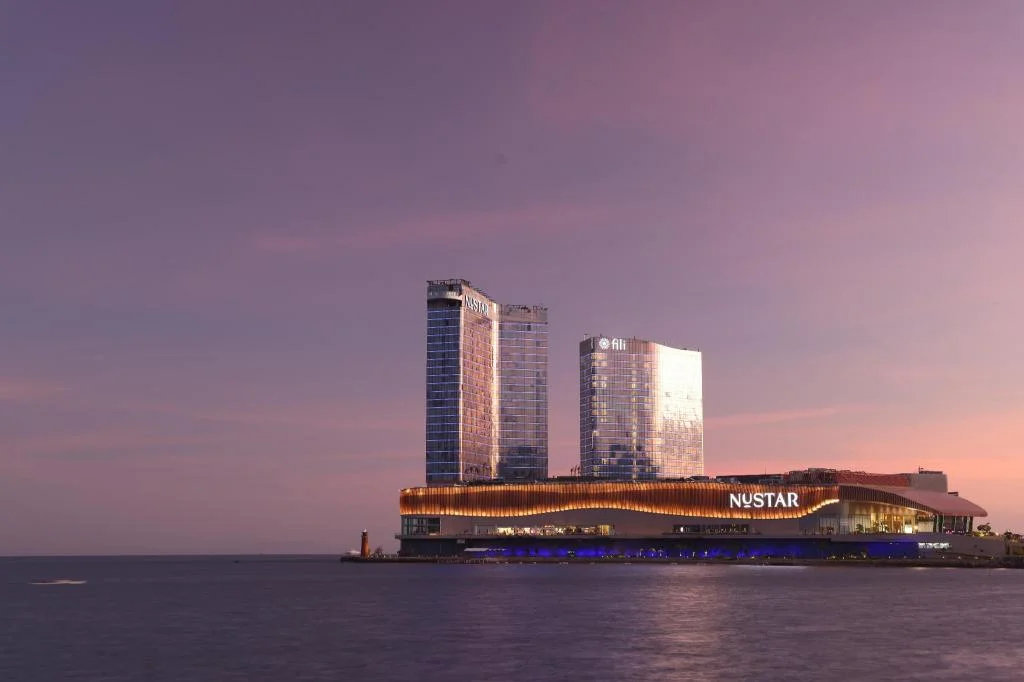
Fili Hotel - NUSTAR Resort & Casino Cebu
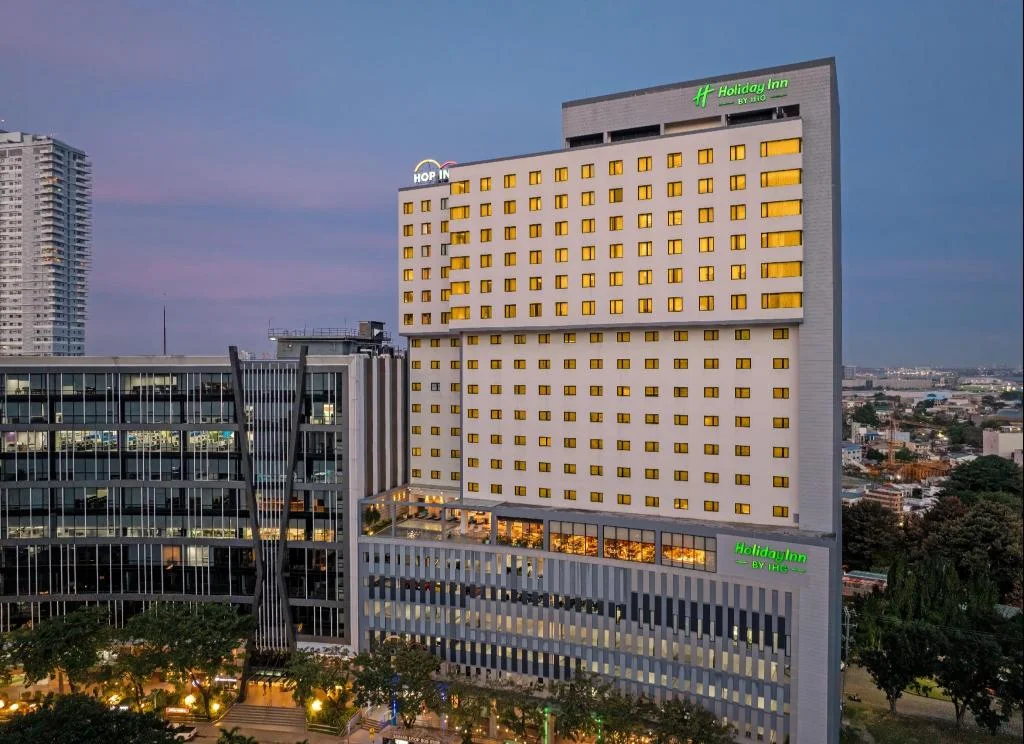
Holiday Inn Cebu City By IHG
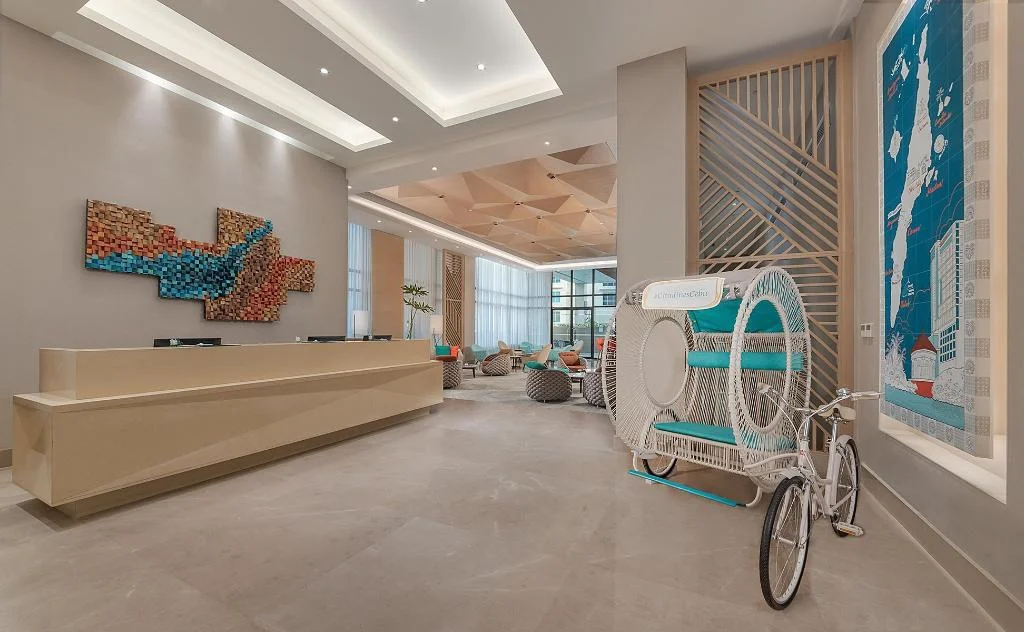
Citadines Cebu City
Prefer a rental? Vacation rentals near Cebu City
Self-catering condos and apartments — book the exact unit, kitchen included.
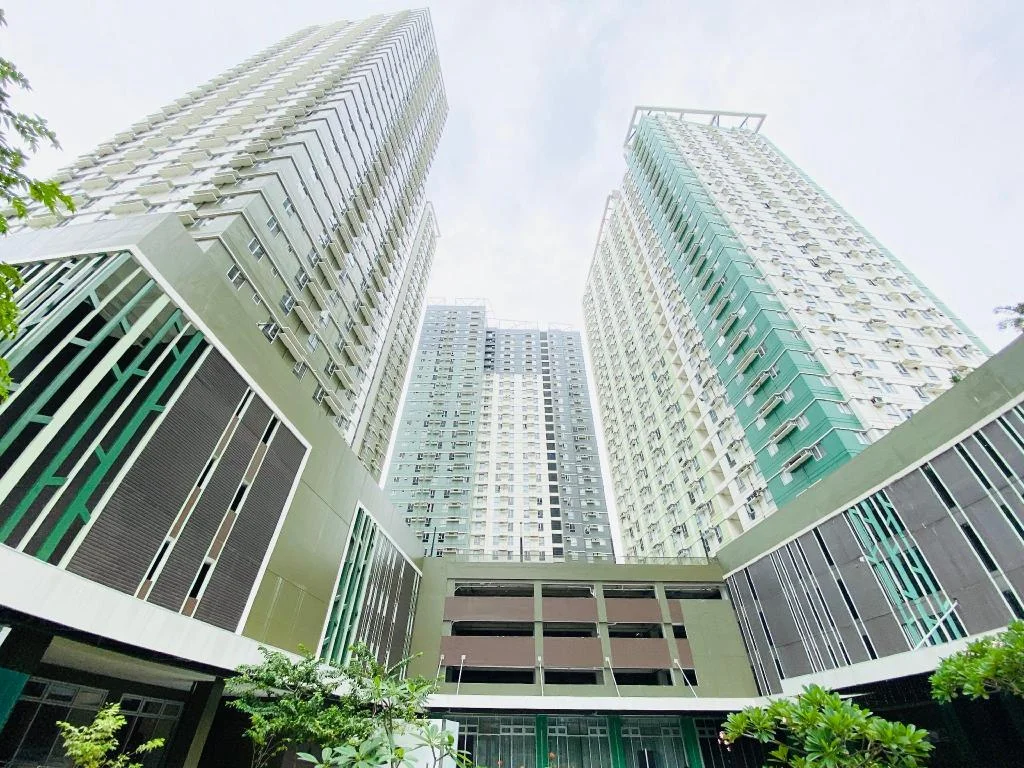
Cebu Avida Riala by P&J
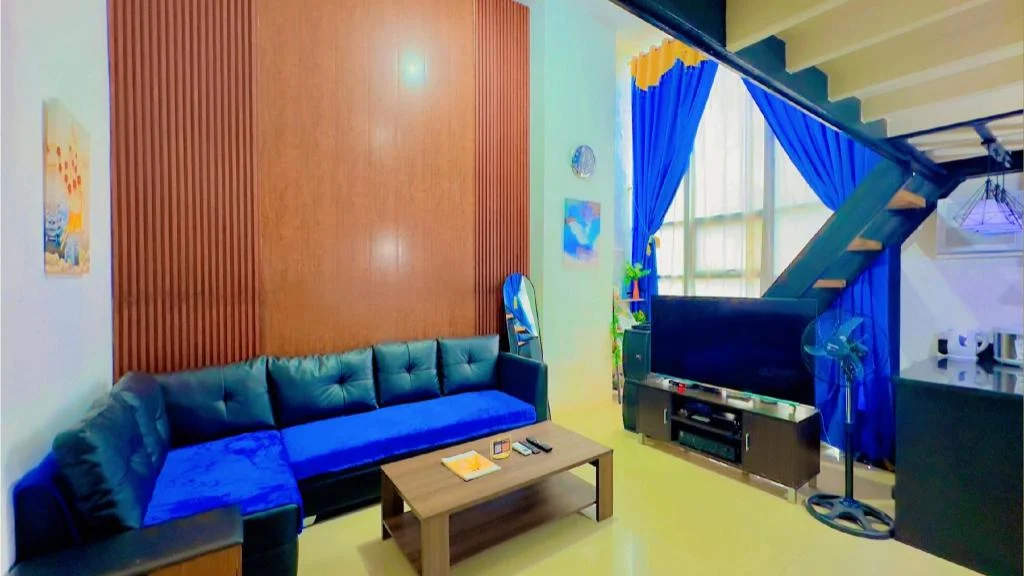
Special Big Loft Unit w/Fibreop Internet & Netflix
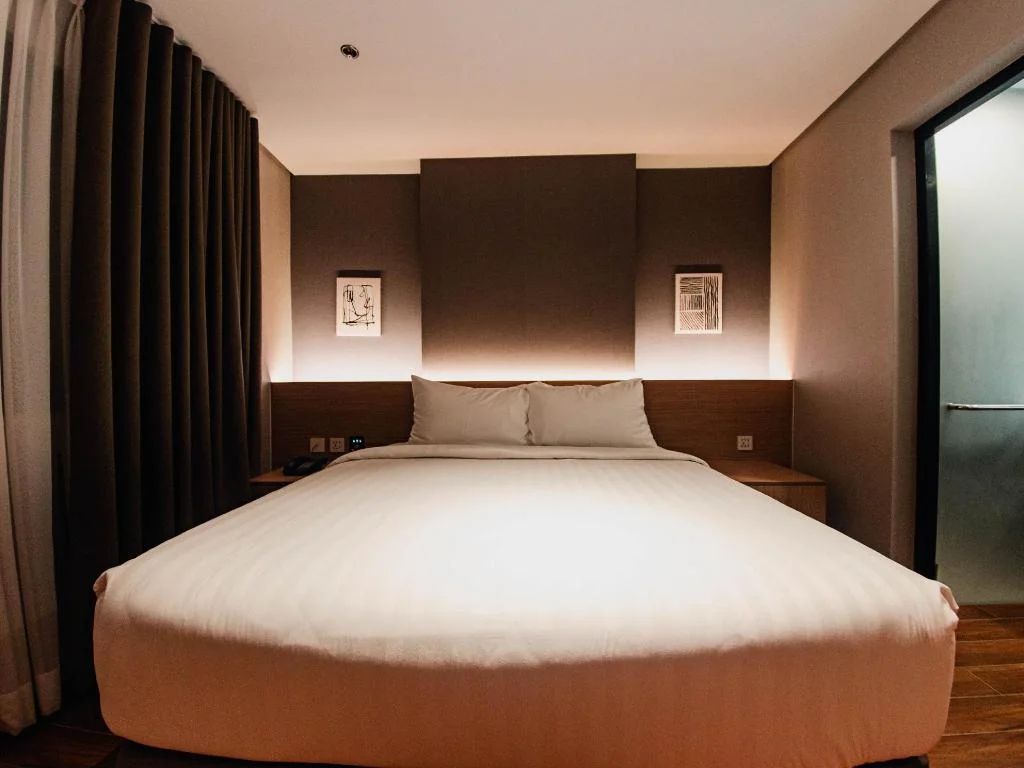
Moonstar Cebu Hotel - Deluxe Room
Before you go
Frequently asked
What is Museo Sugbo?
How much does it cost to enter Museo Sugbo?
What are Museo Sugbo's opening hours?
Why was Museo Sugbo closed?
How do you get to Museo Sugbo from downtown Cebu City?
How long should you budget for a visit?
Is Museo Sugbo worth visiting?
Can you combine Museo Sugbo with other heritage sites?
More Places to Explore
Colon Street
Cebu City
The oldest street in the Philippines, a historic commercial thoroughfare that has been Cebu's trading center since Spanish colonial times.
Basilica del Santo Niño
Cebu City
The oldest church in the Philippines (1565), home to the miraculous Santo Niño image and center of the famous Sinulog Festival.
Fort San Pedro
Cebu City
The oldest and smallest triangular fort in the Philippines (1565), a well-preserved Spanish colonial military structure with a history museum.