
TL;DR: No — but Hong Kong SAR passports get only 14 days visa-free, not the 30 days most nationalities get. eTravel registration is still mandatory before arrival. BNO passport holders reportedly get a different, shorter allowance — confirm directly, don’t assume. Extend at a Cebu Bureau of Immigration office if needed. Verified July 2026.
This 14-day figure is a real, verified exception — don’t plan around the general “30 days visa-free” rule you’ll see in most Philippines travel content. Your passport still needs 6+ months’ validity, and your onward or return ticket must be dated within that shorter 14-day window, not 30. If you need more time, the extendable increment for this nationality category is reported inconsistently across sources, so ask the Bureau of Immigration counter directly rather than assuming a fixed number (more on both the BNO nuance and extensions below).
This is entry-rules information that changes, and this particular rule is a real exception to the more commonly cited Philippines visa-free policy — extra reason to verify before you fly. Everything below was verified July 2026, but policies, fees, and day-limits can be updated at short notice. Treat this as a starting point and confirm the specifics for your situation with the Philippine Bureau of Immigration or the Philippine Consulate General in Hong Kong before you book or fly.
Do Hong Kong Passport Holders Need a Visa to Visit the Philippines or Cebu?
No, not for a short tourist stay — but the terms are different from what most nationalities get. Hong Kong SAR passport holders are admitted to the Philippines visa-free for tourism, with a stay stamped in your passport on arrival. Unlike the 30-day allowance you’ll see quoted for Americans, Europeans, Singaporeans, and most other visa-exempt travelers, Hong Kong SAR passport holders get only 14 days. This is a national policy — there’s no separate rule for Cebu specifically, but it is genuinely different from the headline “Philippines visa-free” rule most travel content describes.
This shorter window is exactly the kind of detail that gets glossed over in generic Philippines travel guides, because most of them are written around the 30-day rule that applies to the majority of nationalities. If you’re a Hong Kong SAR passport holder planning a Cebu trip, build your itinerary around 14 days, not 30, unless you’ve separately confirmed an extension in advance.
Verified July 2026 — visa policy is set nationally and can change; confirm your specific allowance with the Philippine Consulate General in Hong Kong before you travel.
How Many Days Can Hong Kong Passport Holders Stay in the Philippines Visa-Free?
14 days, counted from your date of arrival — for HKSAR passport holders specifically. That’s less than half the 30 days most other visa-exempt nationalities receive, so this is not a case where you can safely assume the general rule applies to you. The Philippines’ official e-Visa policy page states this plainly: “Hong Kong SAR passport holders may enter the Philippines visa-free for an initial stay of fourteen (14) days.”
If 14 days covers your Cebu trip — enough time for the history at Magellan’s Cross, the hilltop views at Temple of Leah, and a canyoneering day at Kawasan Falls — you don’t need to do anything beyond eTravel and having your documents in order. If your plans run longer, you’ll need to look at the extension process (below) or confirm a different visa route in advance, rather than assuming you can simply extend the way a 30-day visa-free traveler would.
Verified July 2026 — always confirm the current allowance for your specific passport with the Philippine Consulate General in Hong Kong or Bureau of Immigration before you fly, since this is a nationality-specific exception to the general rule.
What Is eTravel and Do Hong Kong Passport Holders Have to Register?
Yes — every Hong Kong passport holder, regardless of the shorter 14-day allowance, must register. eTravel is the Philippine government’s mandatory online arrival registration, and there is no exemption for any visa-free nationality, including this one. You complete it on the official etravel.gov.ph system within 72 hours before your arrival, and it’s completely free.
The registration is a short health-and-travel declaration that produces a QR code you show (digitally or printed) at the airport. It is not a visa and doesn’t grant entry by itself — it’s an additional, separate step alongside your passport and immigration stamp.
Watch for scam sites. Because eTravel is free and mandatory, fake sites that copy the official form and charge a “processing fee” have shown up in search results and ads. Before you enter any personal or payment details:
- Confirm the address bar reads etravel.gov.ph exactly.
- Never pay a fee — the real eTravel is always free.
- Be suspicious of any site asking for a card payment to “submit” your registration.
Register within the 72-hour window, save your QR code to your phone, and you’re set. Verified July 2026 — confirm the current process at etravel.gov.ph, as the system is periodically updated.
What’s the Difference Between an HKSAR Passport and a BNO Passport for Philippines Entry?
They are not treated the same, and this is the nuance that trips up travelers who hold both documents. A Hong Kong SAR (Special Administrative Region) passport is the standard travel document for Hong Kong residents and gets the 14-day visa-free allowance described above.
A British National (Overseas), or BNO, passport is a separate travel document, historically tied to Hong Kong’s status before and after the 1997 handover, and it is reported — under a distinct Foreign Service Circular governing “Hong Kong British” passport holders — to carry a different allowance than the HKSAR passport, and multiple sources describe it as shorter still, not longer. This runs contrary to a common assumption that a BNO passport, being a British-issued document, would default to the 30-day allowance given to full British passport holders — it does not appear to work that way in practice, based on the sources checked for this guide.
Given how much sources disagree on the exact BNO figure, and how significant the practical difference is between arriving with a viable entry allowance and arriving with too little runway for your trip, this is a case where you should not rely on any single blog, including this one. If you hold a BNO passport, or you hold both an HKSAR and a BNO passport, contact the Philippine Consulate General in Hong Kong directly, confirm which document to present at check-in and immigration, and get the exact current day allowance in writing before you finalize your trip.
Verified July 2026 — this is a genuinely conflicting area across the sources checked for this guide; treat the distinction as real but confirm your specific figure with the Philippine Consulate General in Hong Kong rather than a travel guide.
What Documents Do Hong Kong Passport Holders Need at Philippine Immigration?
At immigration, Hong Kong SAR visa-free travelers typically need three things: a passport valid for at least 6 months beyond your intended stay, proof of an onward or return ticket, and your completed eTravel registration.
| Requirement | Detail |
|---|---|
| Passport validity | At least 6 months beyond your intended stay — under 6 months can mean denied boarding, not just a problem at arrival |
| Onward or return ticket | Dated within your actual 14-day window, not the 30 days quoted for other nationalities |
| eTravel registration | Free, mandatory, completed within 72 hours before arrival at etravel.gov.ph; produces a QR code |
| Accommodation proof | Immigration may ask where you’re staying — a confirmed hotel booking covers this |
This is where the shorter allowance matters most in practice: if you book a return flight assuming the 30-day rule you’ve seen quoted for other nationalities, you could show up with a ticket dated outside your real visa-free period. Double-check your return date against 14 days from arrival, not 30. A confirmed Cebu hotel booking on Agoda covers both your accommodation proof and that question.
Verified July 2026 — entry requirements can change and individual officers have discretion. Confirm current requirements with your airline and the Bureau of Immigration before you fly.
Can Hong Kong Passport Holders Extend Their Stay Past 14 Days?
Yes, extensions are available at a Bureau of Immigration office, including the one in Cebu — but be careful about assuming the numbers you’ve seen for 30-day nationalities apply here. Sources checked for this guide disagree on exactly how many additional days a first extension grants for the 14-day HKSAR category: some describe a shorter increment specific to this nationality code, while others describe an extension path similar to the standard 29-day-then-59-day track used for 30-day visa-free travelers.
Because this figure is genuinely inconsistent across the sources available, the responsible answer is: don’t plan around a specific number. Instead:
- Go to the BI office (Cebu has one — see our Philippines visa extension in Cebu BI office guide for the current location and process) before your 14 days run out, not after.
- Ask specifically what your nationality code entitles you to. BI computes extensions per nationality, and the counter staff can tell you your actual extendable days and fees on the spot.
- Bring your passport and be ready to pay in cash.
Verified July 2026 — extension increments, fees, and maximum stay for HKSAR and BNO passport holders are set by the Bureau of Immigration and are reported inconsistently across secondary sources. Confirm the current figure directly with the Bureau of Immigration before relying on any specific number, including ones in this guide.
What Happens If You Overstay Your Visa-Free Period?
Don’t do it — and be extra careful about your actual deadline given the shorter window. The moment your authorized stay expires, you’re technically in overstay status, even by a single day. Because the Hong Kong SAR allowance (14 days) is less than half of what most other nationalities get, it’s easy to miscalculate if you’re mentally anchored to the more commonly cited “30 days visa-free” rule that applies to most other passports — mark your actual departure date on your calendar rather than estimating.
Overstaying means fines, and reported penalty amounts vary depending on how they’re calculated. Either way, you can’t simply pay the fine and walk out: any extensions you missed during the overstay period typically have to be settled too, which can mean extra paperwork or delays right when you’re trying to catch a flight home.
If your trip is running long, the fix is straightforward: go to the BI office before your current stay expires, not after.
Verified July 2026 — overstay penalty amounts and procedures change; confirm current figures with the Bureau of Immigration rather than relying on a specific number from a blog.
A Few Honest Caveats Before You Travel
This is the section that matters most, because entry rules are exactly the kind of travel fact that goes out of date — and this particular one is already an exception to the rule most travelers assume applies.
Your allowance is shorter than most Philippines travel content assumes. A huge amount of generic “Philippines visa-free” content is written around the 30-day rule. As a Hong Kong SAR passport holder, that content is not written for you — your real number is 14 days, and treating it as 30 risks a real problem at the airport or at immigration.
The BNO distinction is genuinely murky across sources. We checked multiple sources for this guide and found real disagreement on the exact allowance for British National (Overseas) passport holders. Rather than pick a number and present it as settled fact, we’re flagging the disagreement directly — confirm your specific figure with the Philippine Consulate General in Hong Kong, especially if you hold both an HKSAR and a BNO passport.
“Visa-free” is not “no paperwork.” Even with the shorter window, Hong Kong passport holders must complete eTravel, show a passport valid for six-plus months, and carry proof of onward travel dated within your actual 14 days.
Use only official sources for the actual process. For eTravel, that’s etravel.gov.ph and nowhere else. For visa, extension, and BNO-versus-HKSAR questions, that’s the Bureau of Immigration and the Philippine Consulate General in Hong Kong. Travel guides, including this one, are useful for orientation — the official sources are the ones that count when you’re standing at the immigration counter.
The honest bottom line: for Hong Kong SAR passport holders, entering the Philippines is still straightforward — no visa, one free online form — but it’s a shorter trip than you might assume from general Philippines travel advice. Plan around 14 days, confirm the BNO nuance directly if it applies to you, and check current rules before you fly.
Once You’re In: Plan Your Cebu Trip
With entry sorted, the fun part is deciding what to do with your (shorter) window. Cebu compresses well into under two weeks, with heritage sites, hiking viewpoints, and beach day trips all within a couple of hours of Cebu City.
Pair this guide with the Cebu travel guide for Hong Kongers for a fuller trip plan, and check flights from Hong Kong to Cebu for current routings and flight times. For the entry paperwork itself, the Philippines visa-free entry guide covers the rules for other nationalities you might be traveling with, and if you decide to extend, the Philippines visa extension in Cebu BI office guide covers what to expect at the local office.
The signature sights are within easy reach: the historic Magellan’s Cross in the old city, the hilltop mansion at Temple of Leah, and canyoneering at Kawasan Falls in the south. Compare tours on Klook’s Cebu listings, and lock in a place to stay — which also doubles as your immigration accommodation proof — by searching Cebu hotels on Agoda.
Sources
- Free to enter the Philippines without a visa — official e-Visa policy page
- Philippine Bureau of Immigration
- PHGuides — Tourist Visa Extension (published extension and visa-waiver fees)
- eTravel official registration site
- Legal commentary cross-checked on the HKSAR/BNO distinction and Foreign Service Circular No. 112-11 (Respicio & Co., a Philippine law firm publishing public immigration commentary) — used only to flag the nuance for further verification, not as a substitute for confirming directly with the Bureau of Immigration or the Philippine Consulate General in Hong Kong.
Final Word
Hong Kong SAR passport holders get a genuinely different deal entering the Philippines than most nationalities: 14 days visa-free, not the 30 days you’ll see quoted almost everywhere else, plus the same mandatory free eTravel registration and passport/ticket requirements everyone else faces. If you hold a BNO passport, don’t assume it defaults to a longer stay — confirm the exact figure with the Philippine Consulate General in Hong Kong before you fly, since sources genuinely disagree on this point. Carry a passport valid for six-plus months and a return ticket dated within your real 14-day window, skip the scam eTravel sites, and go to the Bureau of Immigration office in Cebu before your stay expires if you need more time — and ask the counter directly what your nationality code allows rather than trusting a fixed number from any guide. Always verify current rules with the Bureau of Immigration or the Philippine Consulate General in Hong Kong before you fly, since these policies change. Then book a Cebu stay on Agoda, line up a tour on Klook, and start planning with the Cebu travel guide for Hong Kongers. Verified July 2026.
Book Tours & Hotels for This Trip
Find and book the best deals — prices and availability update in real time. Links open in a new tab.
Where to stay near Cebu City
Top-rated hotels for this trip — tap through to check live rates.
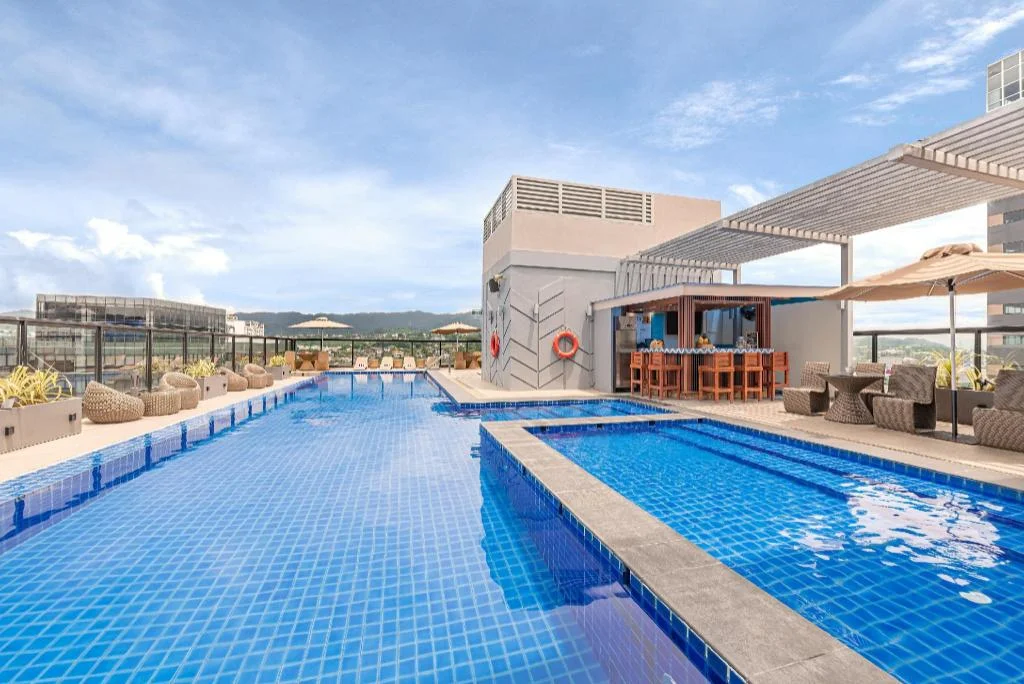
Seda Central Bloc Cebu City
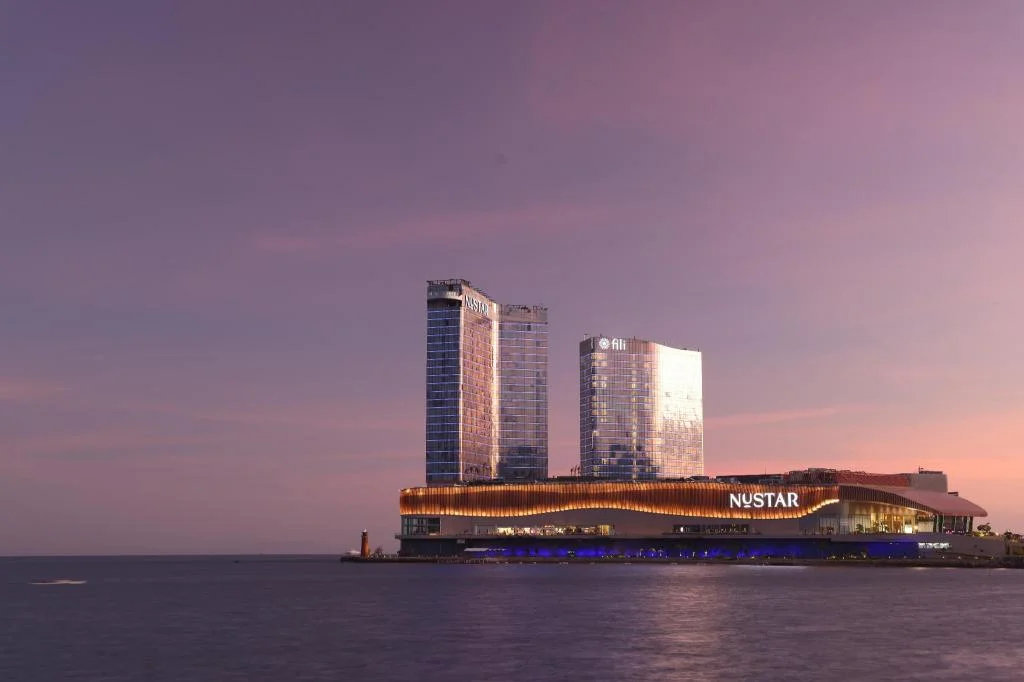
Fili Hotel - NUSTAR Resort & Casino Cebu
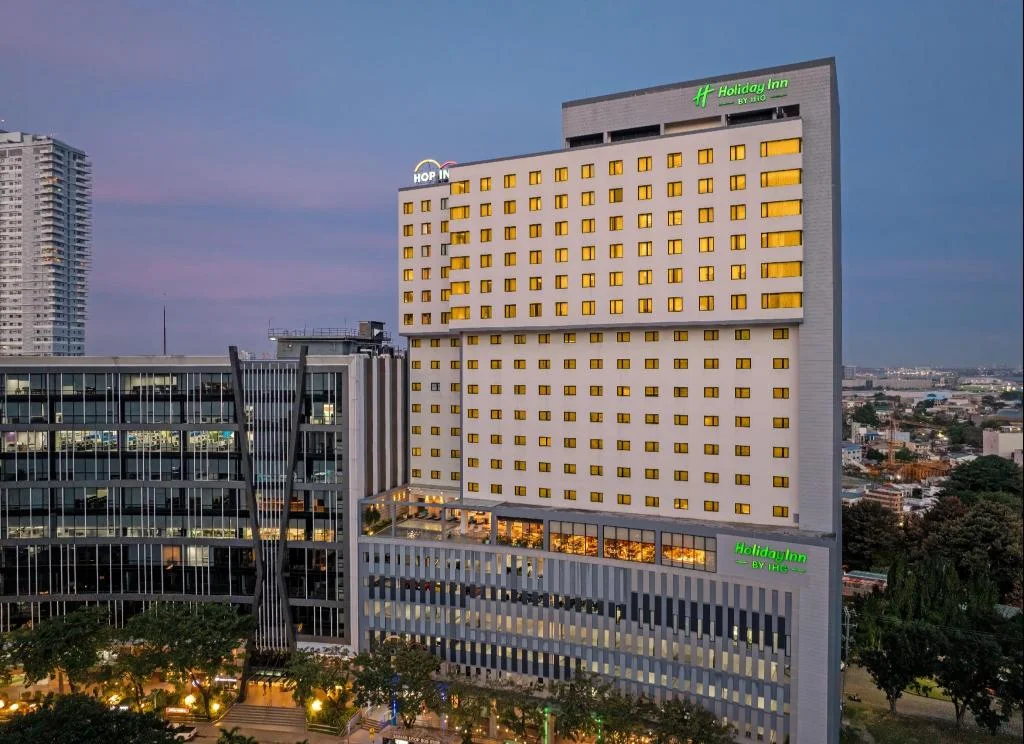
Holiday Inn Cebu City By IHG
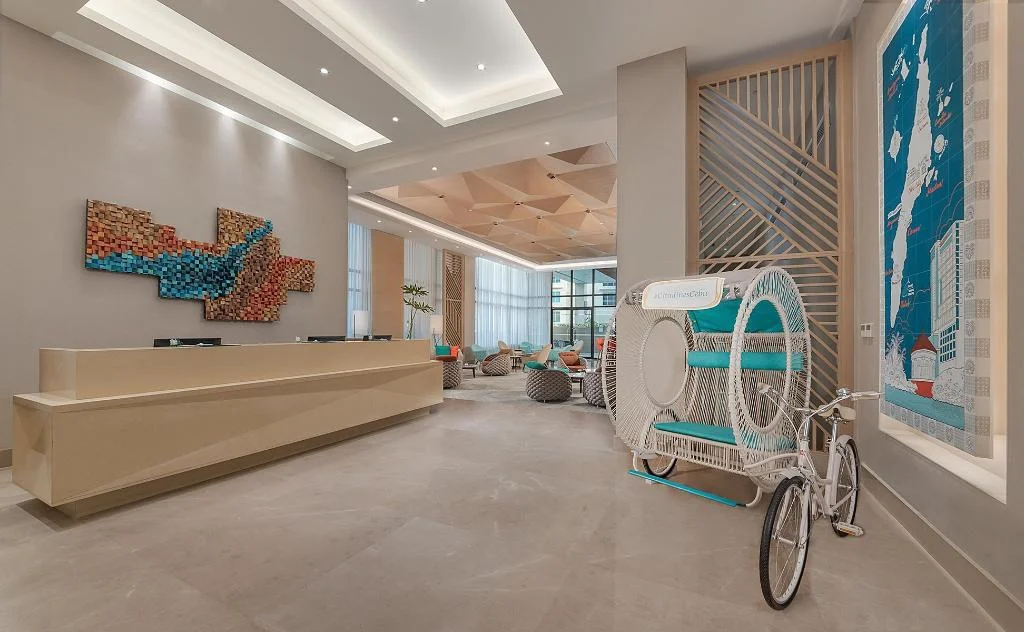
Citadines Cebu City
Prefer a rental? Vacation rentals near Cebu City
Self-catering condos and apartments — book the exact unit, kitchen included.
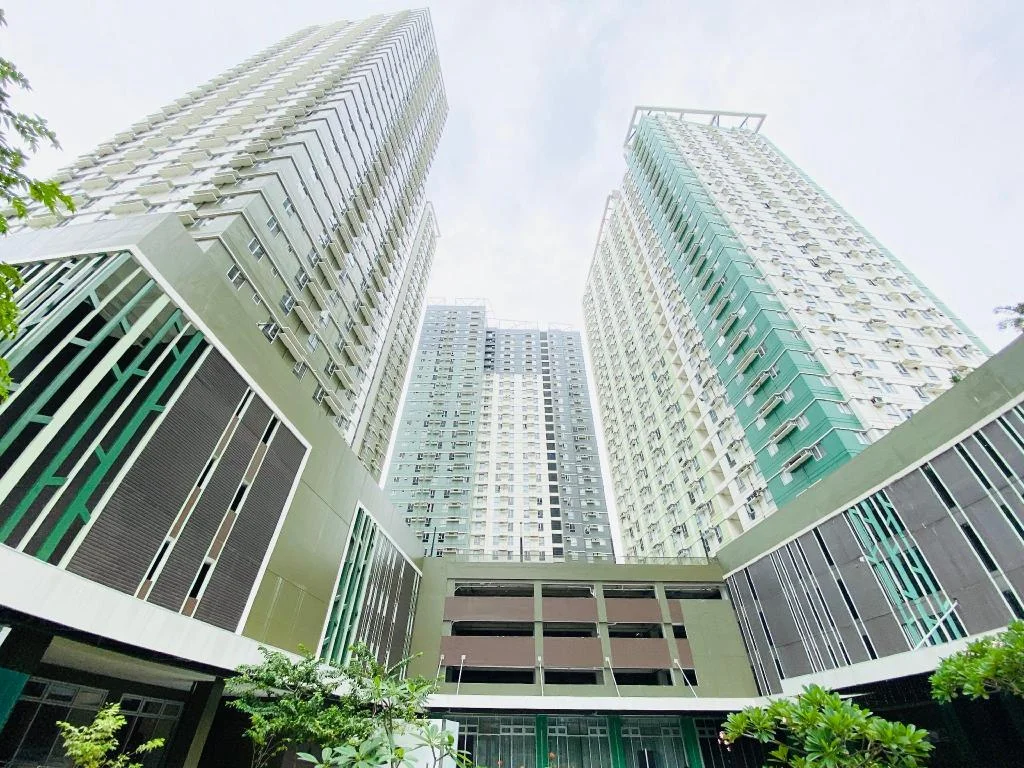
Cebu Avida Riala by P&J
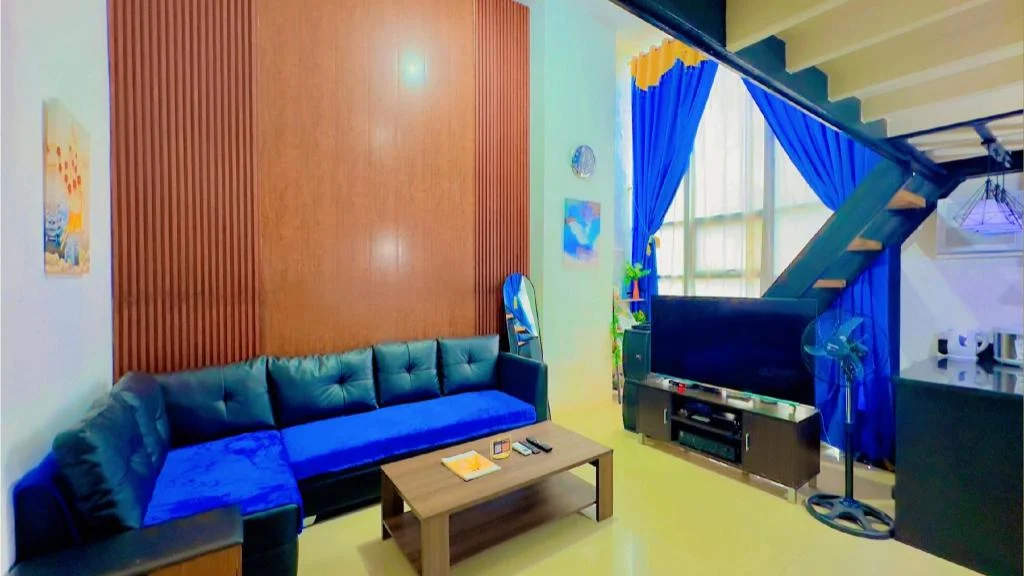
Special Big Loft Unit w/Fibreop Internet & Netflix
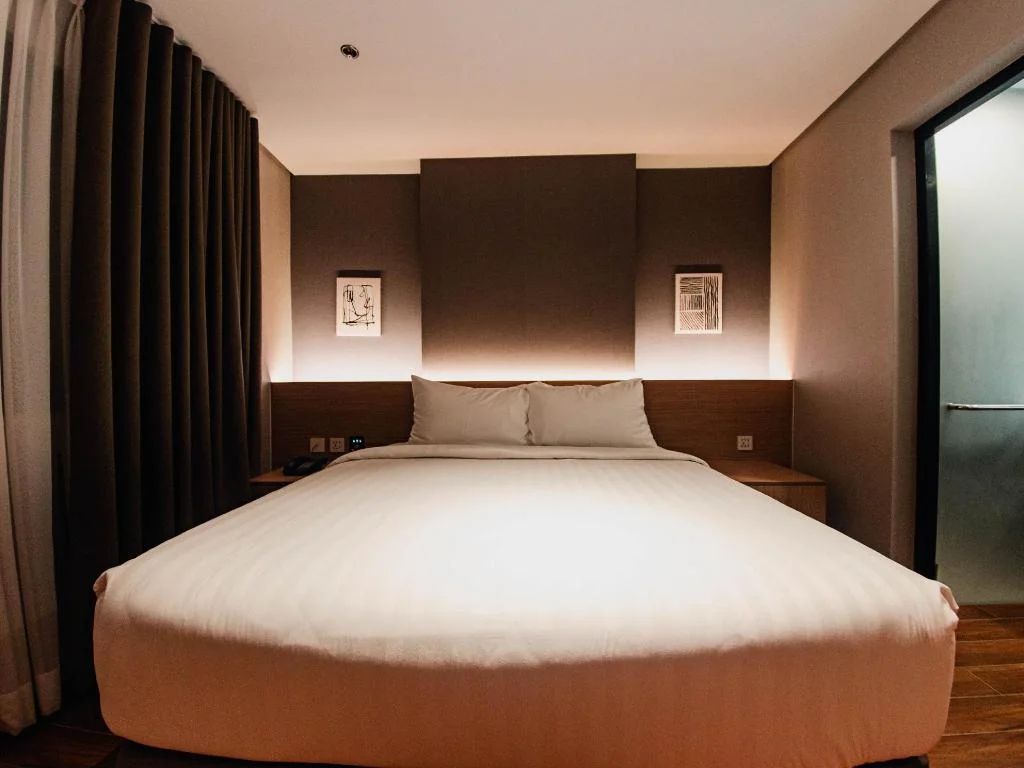
Moonstar Cebu Hotel - Deluxe Room
Before you go
Frequently asked
Do Hong Kong passport holders need a visa to visit the Philippines?
How many days can Hong Kong passport holders stay in the Philippines without a visa?
What is eTravel and do Hong Kong passport holders have to register?
Can Hong Kong passport holders extend their stay in the Philippines past 14 days?
What's the difference between an HKSAR passport and a BNO passport for Philippines entry?
What documents do Hong Kong passport holders need at Philippine immigration?
What happens if a Hong Kong passport holder overstays their visa-free period?
More Places to Explore
Magellan's Cross
Cebu City
The historic cross planted by Ferdinand Magellan in 1521, marking the birth of Christianity in the Philippines and now a National Cultural Treasure.
Temple of Leah
Cebu City
A magnificent Roman-inspired temple built as a monument of love, nicknamed 'Cebu's Taj Mahal,' offering stunning architecture and city views.
Kawasan Falls
Badian
A stunning three-tiered waterfall famous for its turquoise waters, bamboo raft rides, and as the endpoint of the famous Badian canyoneering adventure.