
TL;DR: No. South Koreans get 30 days visa-free under Executive Order 408. Register on the free eTravel system within 72 hours before arrival, carry a passport valid 6+ months, and show a return ticket. Extend locally if you need more time. Verified July 2026 — confirm with the Bureau of Immigration.
Watch for scam lookalike sites charging a fee for eTravel (it’s always free), and note that if 30 days isn’t enough, extensions are handled locally — Cebu has its own Bureau of Immigration office, commonly taking a first extension to 59 days.
| At a glance | South Korean passport holders |
|---|---|
| Visa required for tourism? | No — visa-free under Executive Order 408 |
| Visa-free stay | 30 days from date of arrival |
| Mandatory pre-arrival step | eTravel registration at etravel.gov.ph (free, within 72 hrs of arrival) |
| Passport validity required | 6+ months beyond intended stay |
| Proof required at immigration | Return/onward ticket + eTravel QR code |
| Extension option | Yes, at a Bureau of Immigration office (Cebu has one); first extension commonly to 59 days |
| Overstay | Fines apply; unpaid extensions must typically be settled before departure |
| Long-stay alternative | 9(a) Temporary Visitor’s Visa via a Philippine embassy/consulate in Korea |
This is entry-rules information that changes. Everything below was verified July 2026, but policies, fees, and day-limits can be updated at short notice. Treat this as a starting point and confirm the specifics for your situation with the Philippine Bureau of Immigration or your nearest Philippine embassy or consulate before you book or fly.
Do South Koreans Need a Visa to Visit the Philippines or Cebu?
No. South Korea is one of the nationalities covered under Executive Order 408, which grants visa-free entry to citizens of most countries for short tourist or business visits. South Korean passport holders get 30 days on arrival with no embassy paperwork beforehand. This is a national policy — there’s no separate entry rule for Cebu specifically, whether you fly direct into Mactan-Cebu International Airport or connect through Manila.
Korea and Cebu have long had strong direct flight connections, and Korean travelers are one of the largest visitor groups to Cebu’s beaches and dive sites. Visa-free doesn’t mean paperwork-free, though — there’s one mandatory registration step every arriving traveler completes, covered next.
Verified July 2026 — visa policy is set nationally and can change; confirm before you travel.
How Many Days Can Koreans Stay in the Philippines Visa-Free?
30 days, counted from your date of arrival — not from when you booked your ticket. This is the standard EO 408 allowance for South Korean citizens, the same allowance given to most other visa-exempt nationalities.
Thirty days comfortably covers most Cebu itineraries — a week or two split between the whale sharks at Oslob, canyoneering at Kawasan Falls, and city stops like Tops Lookout, with room to spare. If you want to stay longer, you don’t need to arrange a visa before you fly — most Koreans simply extend on the ground, covered further down.
Verified July 2026 — always confirm the current allowance for South Korean passport holders with the Philippine embassy or Bureau of Immigration before you fly.
What Is eTravel and Do Koreans Have to Register?
Yes — every Korean traveler, visa-free or not, must register. eTravel is the Philippine government’s mandatory online arrival registration, and there is no exemption for South Korean citizens or any other visa-exempt nationality. Complete it on the official etravel.gov.ph system within 72 hours before your arrival, and it’s completely free.
The registration is a short health-and-travel declaration that produces a QR code you show (digitally or printed) at the airport. It is not a visa and doesn’t grant entry by itself — it’s an additional, separate step alongside your passport and immigration stamp.
Watch for scam sites. Because eTravel is free and mandatory, fake sites that copy the official form and charge a “processing fee” have shown up in search results and ads. Before you enter any personal or payment details:
- Confirm the address bar reads etravel.gov.ph exactly.
- Never pay a fee — the real eTravel is always free.
- Be suspicious of any site asking for a card payment to “submit” your registration.
Register within the 72-hour window, save your QR code to your phone, and you’re set. Verified July 2026 — confirm the current process at etravel.gov.ph, as the system is periodically updated.
What Documents Do Koreans Need at Philippine Immigration?
At immigration, South Korean visa-free travelers typically need three things: a passport valid for at least 6 months beyond your intended stay, proof of a return or onward ticket, and your completed eTravel registration.
In practice:
- Passport valid ≥6 months. Check your expiry date before you book. Under six months of validity can get you denied boarding in Korea before you even reach Philippine immigration.
- Return or onward ticket. Airlines and immigration officers commonly ask for proof you’ll leave within your visa-free window. A one-way ticket with no explanation is a common reason travelers get flagged at check-in.
- eTravel QR code. Completed within 72 hours before arrival, saved to your phone or printed out.
Immigration may also ask where you’re staying and how long. A confirmed Cebu City hotel booking on Agoda covers both your accommodation proof and that question.
Verified July 2026 — entry requirements can change and individual officers have discretion. Confirm current requirements with your airline and the Bureau of Immigration before you fly.
Can Koreans Extend Their Stay Beyond 30 Days?
Yes. Most Korean tourists who want more time simply extend at a Bureau of Immigration office rather than arranging anything in advance. Cebu has its own BI office, so there’s no need to travel to Manila for this.
The typical path: your initial 30-day visa-free stay is commonly extended to 59 days first. Past that point, further extensions — usually in one- or two-month increments — become available, and long-staying visa-free travelers are commonly cited as being able to keep extending for an extended period before needing to leave the country or shift to a different visa category. Beyond 59 days, you’ll also typically need an ACR I-Card (Alien Certificate of Registration), usually processed alongside the extension.
Practical tips:
- Start early. Begin the extension process a few days before your current authorized stay ends, not on the last day.
- Bring your passport and be ready to pay fees — some extensions can be done online, but confirm what your local office accepts.
- Don’t guess at fees. Extension pricing changes and varies by extension type and length. Check current amounts directly with the Bureau of Immigration rather than relying on an old figure from a forum.
Verified July 2026 — extension fees, maximum stay, and required documents are set by the Bureau of Immigration and change periodically. Confirm current details with the Bureau of Immigration before relying on a specific figure, or see the published extension and visa-waiver fees on PHGuides.
What Happens If a Korean Tourist Overstays Their Visa-Free Period?
Don’t do it — it costs more and takes more effort than extending on time. The moment your authorized stay expires, you’re technically in overstay status, even by a single day.
Overstaying means fines, and reported penalty amounts vary depending on how they’re calculated. You can’t simply pay the fine and walk out either — any extensions you missed during the overstay period typically have to be settled too, which can mean extra paperwork or delays right when you’re trying to catch a flight home.
If your trip is running long, the fix is straightforward: extend a few days before your current stay expires, not after.
Verified July 2026 — overstay penalty amounts and procedures change; confirm current figures with the Bureau of Immigration rather than relying on a specific number from a blog.
Should Koreans Apply for a Visa in Advance Instead of Entering Visa-Free?
For most Cebu trips, no — entering visa-free and extending locally if plans change is simpler than arranging paperwork before you fly. But if you already know you’re staying well beyond a typical vacation, or you’d rather have everything settled before departure, you can apply for a 9(a) Temporary Visitor’s Visa at a Philippine embassy or consulate in South Korea ahead of time.
Applying for a 9(a) visa in advance generally means submitting a completed application form, your passport, a photo, an itinerary, and proof of financial capacity, along with an application fee. For a short-to-medium trip, visa-free entry plus an on-the-ground extension if needed is the path most Korean travelers take. The 9(a) route mostly makes sense for people with a firm, longer-term plan already in place — long-stay retirees or people studying English in Cebu long-term, for example.
Verified July 2026 — 9(a) visa requirements, fees, and processing times vary by embassy or consulate. Confirm current details with a Philippine embassy or consulate in Korea before applying.
A Few Honest Caveats Before You Travel
Rules change — sometimes at short notice. Visa-free allowances, extension procedures, and fees are set at the national level and get adjusted as policy priorities shift. What’s accurate in July 2026 may not be accurate by the time you read this. Always verify current rules with the Philippine Bureau of Immigration or a Philippine embassy or consulate in Korea before you book flights — not just before you fly.
“Visa-free” is not “no paperwork.” Even Koreans entering visa-free must complete eTravel, show a passport valid for six-plus months, and carry proof of onward travel. Skipping any of these can mean being denied boarding by the airline before you ever reach Philippine immigration.
Your 30 days are firm. The clock starts on arrival. If your plans are tight against that limit, build in a buffer or start your extension early.
Use only official sources for the actual process. For eTravel, that’s etravel.gov.ph and nowhere else. For visa, extension, and long-stay questions, that’s the Bureau of Immigration and Philippine embassies or consulates. This guide is useful for orientation — the official sources are what count at the immigration counter.
The honest bottom line: for South Koreans, entering the Philippines is genuinely easy — 30 days, no visa, one free online form. Confirm current rules before you fly, do eTravel on the official site, and show up with a valid passport and a return ticket.
Once You’re In: Plan Your Cebu Trip
With entry sorted, the fun part is deciding what to do. Cebu is one of the easiest and most popular bases in the Philippines for Korean travelers, with strong direct flight connections and quick access to beaches, waterfalls, and diving.
Pair this guide with the Cebu travel guide for Koreans for a fuller trip plan, and check flights from Korea to Cebu for current direct routes. If you end up staying longer than planned, the Philippines visa extension in Cebu BI office guide covers what to expect at the local office, and the Philippines visa-free entry guide rounds out the general rules for visa-exempt nationalities.
The signature day trips are within easy reach: Oslob whale shark watching, Kawasan Falls canyoneering, and city viewpoints like Tops Lookout. Compare tours on Klook’s Cebu listings, and lock in a place to stay — which also doubles as your immigration accommodation proof — by searching Cebu City hotels on Agoda.
Sources
- Philippine Bureau of Immigration
- PHGuides — Tourist Visa Extension (published extension and visa-waiver fees)
- eTravel official registration site
- No-Visa Entry Countries for 30-Day Stay Under E.O. 408 — Philippine Consulate General Los Angeles
Final Word
South Koreans get an easy deal entering the Philippines: 30 days visa-free under Executive Order 408, one mandatory free eTravel registration, and the option to extend at a Bureau of Immigration office — including one in Cebu — if 30 days isn’t enough. Carry a passport valid for six-plus months and a return ticket, skip the scam eTravel sites, and extend before your stay expires rather than risk an overstay fine. Always verify current rules with the Bureau of Immigration or a Philippine embassy or consulate in Korea before you fly, since these policies change. Then book a Cebu City stay on Agoda, line up a tour on Klook, and start planning with the Cebu travel guide for Koreans. Verified July 2026.
Book Tours & Hotels for This Trip
Find and book the best deals — prices and availability update in real time. Links open in a new tab.
Where to stay near Cebu City
Top-rated hotels for this trip — tap through to check live rates.
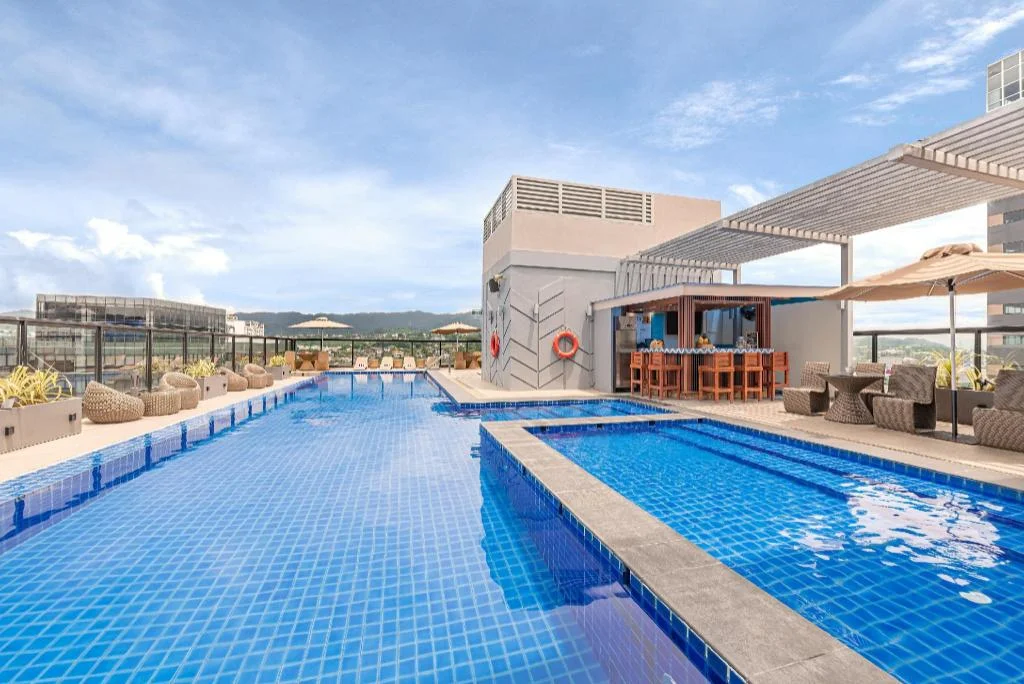
Seda Central Bloc Cebu City
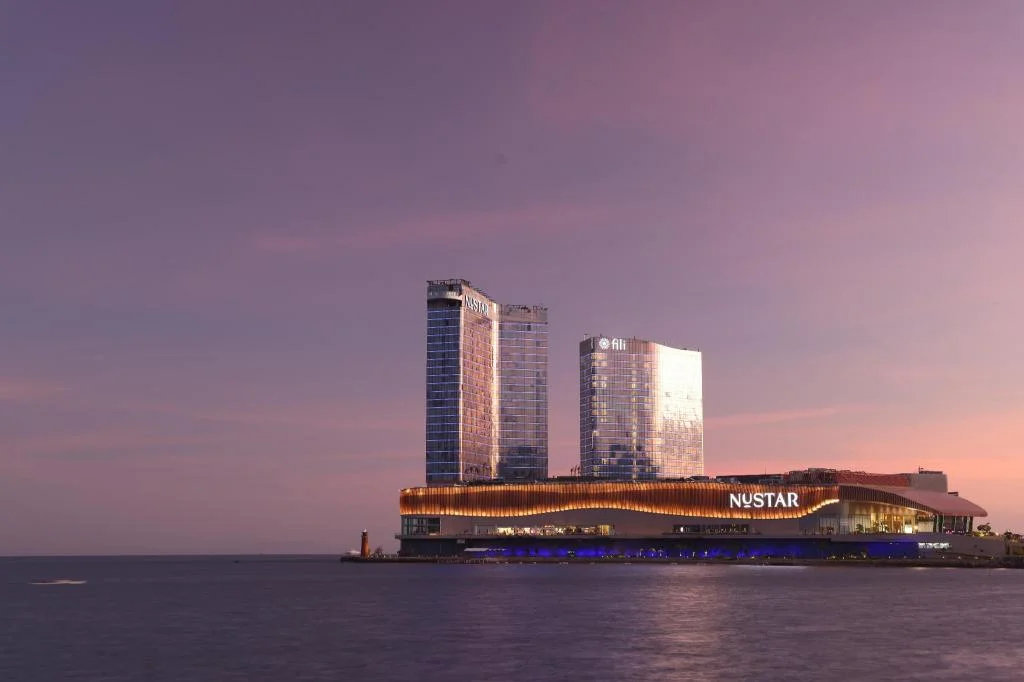
Fili Hotel - NUSTAR Resort & Casino Cebu
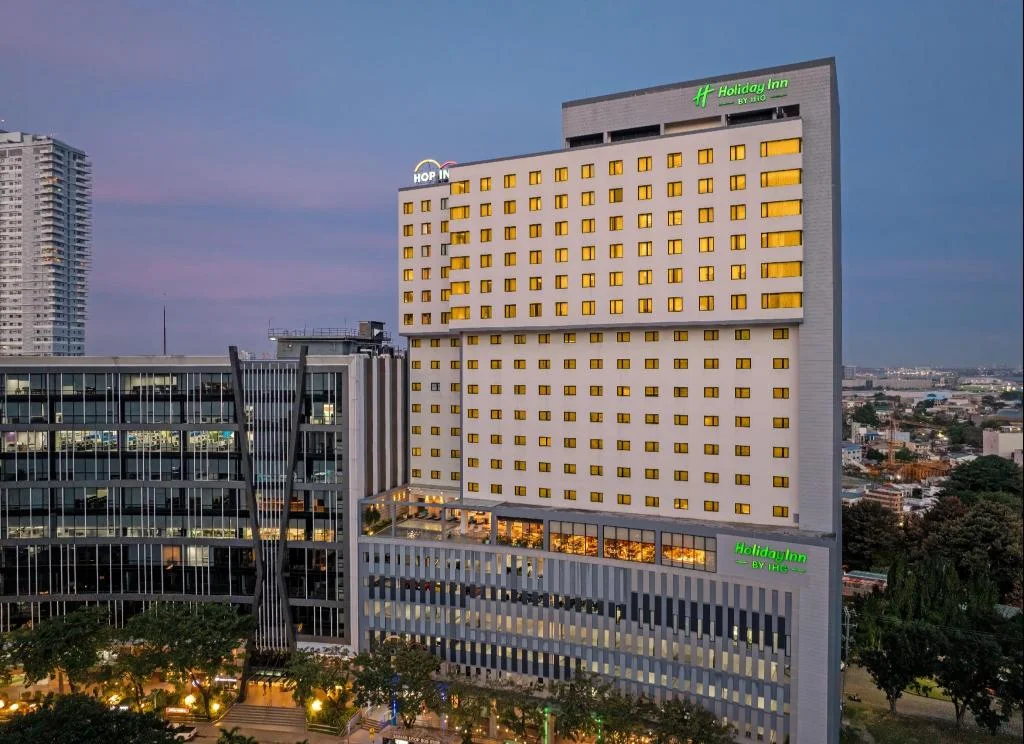
Holiday Inn Cebu City By IHG
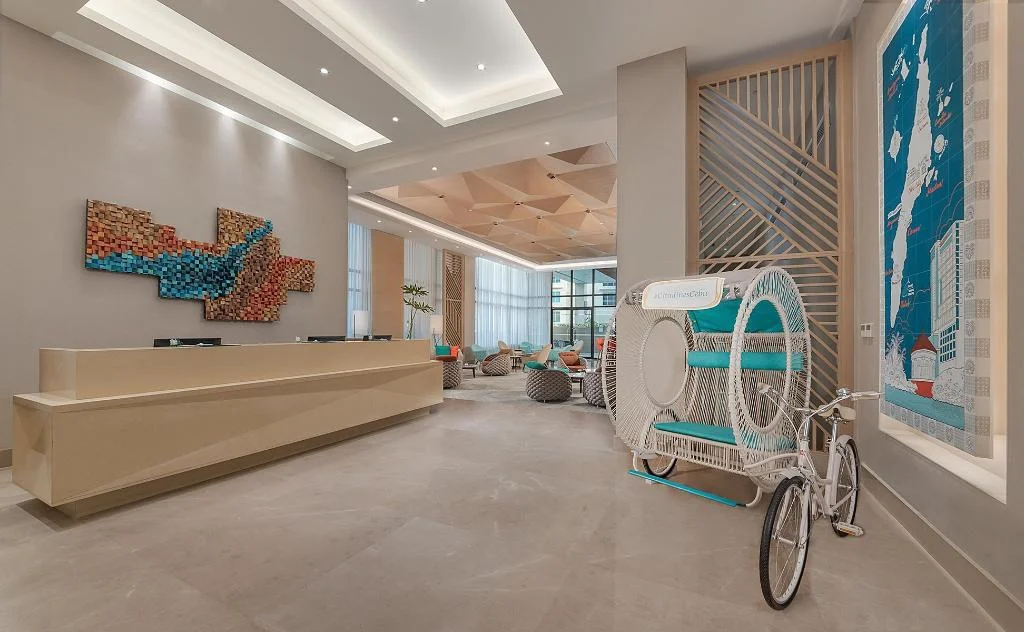
Citadines Cebu City
Prefer a rental? Vacation rentals near Cebu City
Self-catering condos and apartments — book the exact unit, kitchen included.
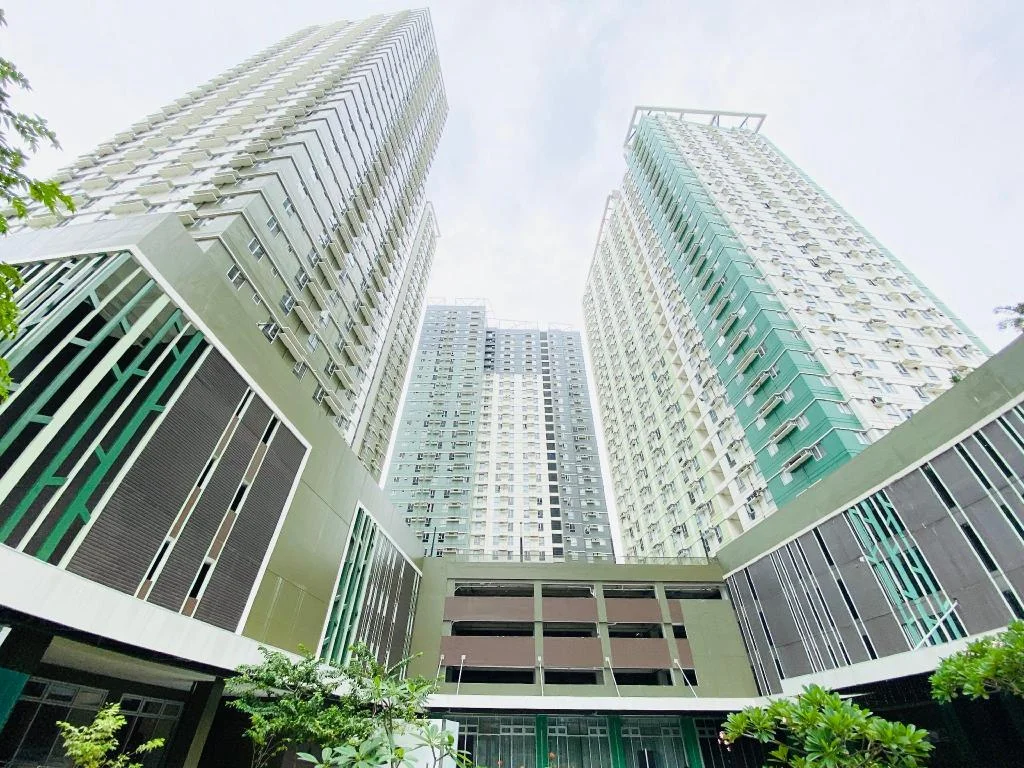
Cebu Avida Riala by P&J
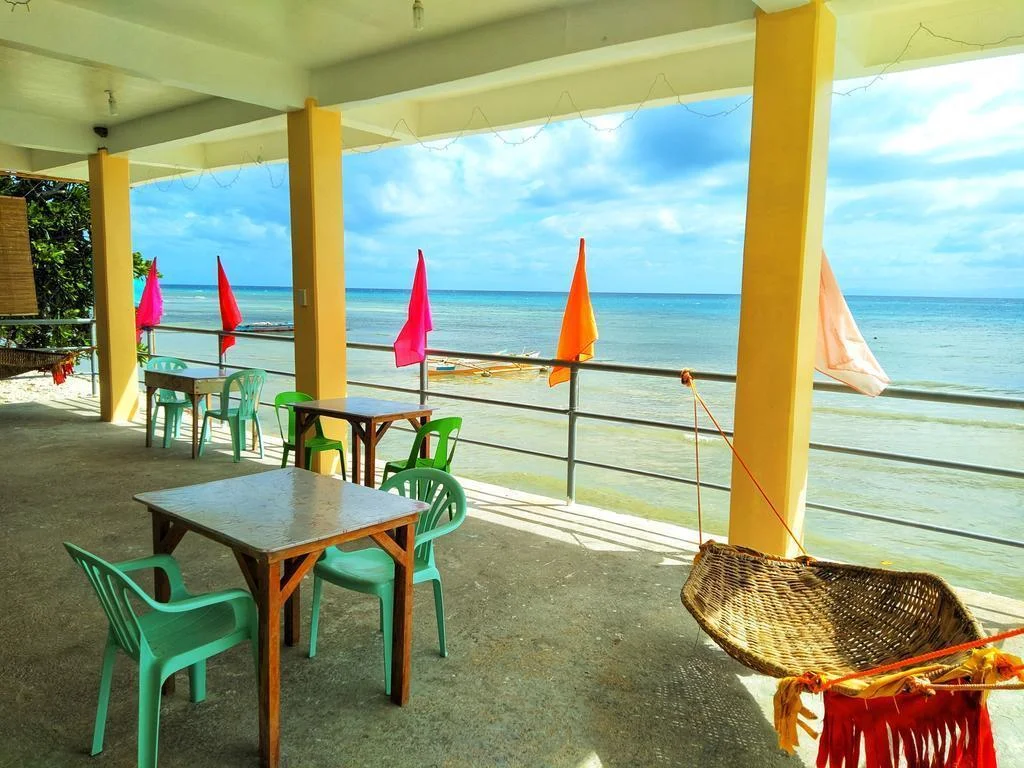
Ocean View Lodging House
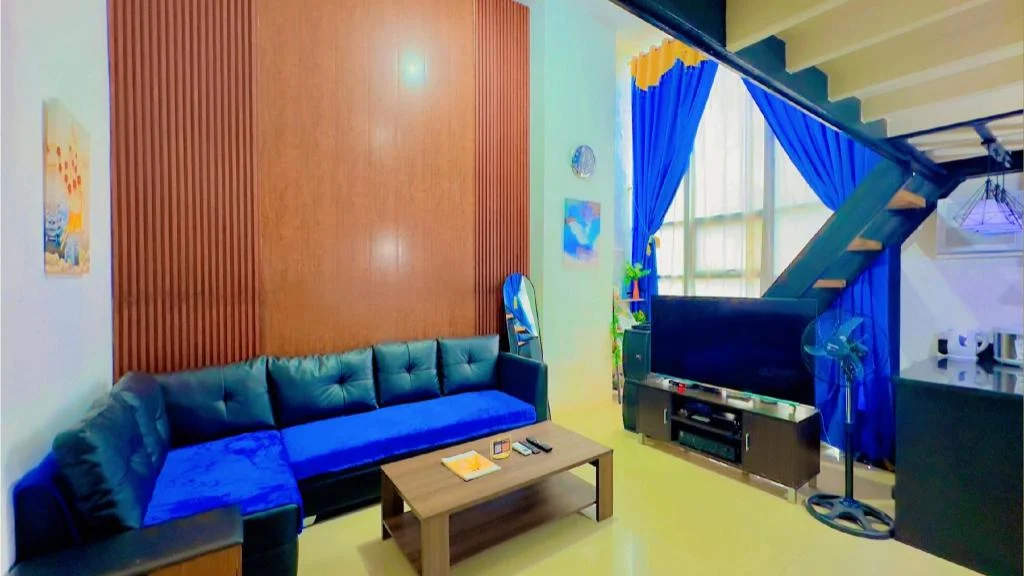
Special Big Loft Unit w/Fibreop Internet & Netflix
Before you go
Frequently asked
Do South Koreans need a visa to visit the Philippines?
How many days can Koreans stay in the Philippines without a visa?
What is eTravel and do Korean travelers have to register?
What documents does a Korean traveler need at Philippine immigration?
Can Koreans extend their stay in the Philippines beyond 30 days?
What happens if a Korean tourist overstays their visa-free period?
Is there a visa route for Koreans planning a long-term stay in the Philippines from the start?
Do Koreans need eTravel even if they're just transiting through Manila to Cebu?
More Places to Explore
Kawasan Falls
Badian
A stunning three-tiered waterfall famous for its turquoise waters, bamboo raft rides, and as the endpoint of the famous Badian canyoneering adventure.
Whale Shark Watching
Oslob
Swim alongside gentle whale sharks, the world's largest fish, in one of the few places where these magnificent creatures can be reliably encountered.
Tops Lookout
Cebu City
Cebu City's premier hilltop viewpoint offering stunning panoramic views of the city, especially spectacular at sunset and nighttime.