TL;DR: Cebu calls itself Asia’s cradle of Christianity because the first Catholic baptism in the Philippines happened here on April 14, 1521, and the Santo Niño image gifted at that baptism still draws crowds at the Basilica del Santo Niño. About 95% of Cebuanos are Catholic, but the province also holds a Marian shrine at Simala, a Chinese-Filipino Taoist temple, and small Muslim and Protestant communities. Entry to every site here is free; dress modestly (collared shirt, knee-length bottoms) and you’re welcome regardless of your own faith. Verified July 2026.
Cebu is loud about its faith in a way few places in Asia are. Church bells set the rhythm of the day, “Pit Señor” gets shouted from jeepneys, and a five-hundred-year-old wooden statue at the Basilica del Santo Niño still pulls in more visitors on a Friday than most malls do on a weekend. This guide is for travelers who want to understand what they’re seeing, not just photograph it: where the devotion to the Santo Niño started, why Simala Shrine draws pilgrims from across the Visayas, who else is practicing a different faith in a city that’s roughly 95% Catholic, and how to step into a church or shrine without being the tourist who ruins someone’s Mass. It’s cultural and religious context first, sightseeing logistics second.
Cebu’s Faith Sites at a Glance
| Site / event | Where | Cost | Best time to go |
|---|---|---|---|
| Basilica del Santo Niño | Cebu City (Colon area) | Free entry; donations welcome | Weekday mornings for quiet; Friday Masses are the devotional highlight |
| Magellan’s Cross | Beside the Basilica | Free | Any time; a 10-minute stop |
| Simala Shrine | Sibonga, ~56 km south | Free entry | Weekday mornings; the 13th of each month is busiest |
| Cebu Taoist Temple | Beverly Hills, Cebu City | Free (small donation for fortune-telling) | Sunset for the skyline view; Wed/Sun for active worship |
| Fiesta Señor novena | Basilica del Santo Niño | Free | Nine days, roughly January 8–16 |
| Sinulog Grand Parade | Downtown Cebu City | Free (streets); grandstand seats paid | Third Sunday of January |
| Holy Week / Semana Santa 2027 | Province-wide | Free | Palm Sunday March 21 – Easter March 28, 2027 |
Confirm Mass schedules and novena dates with the Basilica’s official page closer to your travel dates. Verified July 2026.
Why do Cebuanos call their city Asia’s cradle of Christianity?
Because the first Catholic baptism in the Philippines, and arguably in this part of Asia, happened on Cebu soil on April 14, 1521. When Ferdinand Magellan’s expedition landed, his chaplain Fr. Pedro de Valderrama baptized the local ruler, Rajah Humabon, and his wife, renaming them Carlos and Juana, along with several hundred of their subjects. As a baptismal gift, Magellan presented Juana with a small wooden image of the Child Jesus, carved in the Flemish style. That statue is the Santo Niño de Cebú, and it is the reason the whole story keeps getting retold. Pope John Paul II called Cebu “the cradle of Christianity in the Philippines” during his 1981 visit, and locals have carried the label proudly ever since, even though the label really describes a moment, not a place, that just happened to land here.
Who is the Santo Niño, and why does one small statue matter so much?
It matters because it survived a fire that should have destroyed it, and Cebuanos have read that as a sign for five centuries. After Magellan died at the Battle of Mactan and the Spanish left, the image disappeared for 44 years. When Miguel López de Legazpi’s expedition arrived in 1565 and burned a native settlement during a skirmish, a soldier named Juan Camus found the Santo Niño untouched inside a wooden box in the ashes. Augustinian friars took the survival as a miracle, and the devotion that followed has never really stopped. The image today, about 30 centimeters tall, dressed in royal robes, sits behind reinforced glass in its own chapel at the Basilica, and pilgrims line up daily just to touch the glass or leave a prayer.
What is the Basilica del Santo Niño, and how do you visit it?
It’s the oldest Catholic church in the Philippines, built on the spot where the image was rediscovered in 1565, and it’s open to anyone, any day, for free. Augustinian friars Andrés de Urdaneta and Diego de Herrera founded the first structure that same year; after fires destroyed earlier wooden versions, the current stone church was started in 1735 and blessed in 1740. Pope Paul VI, through Cardinal Ildebrando Antoniutti, elevated it to Minor Basilica status on April 1, 1965, and the government named it a National Cultural Treasure in 2021, on the 500th anniversary of that first baptism.
Practical notes for a visit:
- Dress code is enforced. Collared shirts or tops with sleeves, and pants or skirts to the knee, for everyone. Sleeveless tops, shorts, and short skirts get turned away at the gate, particularly during Masses and the January novena.
- Masses run frequently, mostly at the adjacent Pilgrim Center rather than inside the historic church itself, which functions more as the shrine and relic chapel. Check the parish’s posted schedule when you arrive.
- April 28 is Kaplag (“discovery” in Cebuano), the yearly commemoration of the 1565 rediscovery, and a quieter alternative to the January crowds if you want the devotional side without the crush.
- Pair the visit with Magellan’s Cross, a two-minute walk away, and Fort San Pedro, both part of the same compact colonial-era core.
How does Sinulog fit into Cebu’s religious calendar?
Sinulog is the street-festival expression of the same Santo Niño devotion, not a separate event. The calendar runs a nine-day novena at the Basilica, typically January 8 to 16, building toward the Fiesta Señor, with the famous Grand Parade landing on the third Sunday of January as the public, secular-facing peak. Before the parade, a dawn fluvial procession carries the image by boat and a solemn foot procession moves it through the city, both more devotional and far less chaotic than parade day. For dates, the parade route, and where to watch, see our Sinulog festival guide and the history and meaning behind Sinulog.
What is Simala Shrine, and why do people travel there for miracles?
Simala Shrine, officially the Monastery of the Holy Eucharist, is Cebu’s major Marian pilgrimage site, and people go because of a long, informal record of answered prayers attributed to its image of Our Lady of Lindogon. It sits on a hilltop in Barangay Lindogon, Sibonga, about 56 kilometers south of Cebu City, and is run by the Marian Monks of Eucharistic Adoration, a community devoted to continuous adoration of the Blessed Sacrament. The building itself looks more like a European Gothic castle than a typical Philippine church, which is part of why it photographs so well and shows up constantly on social media, though the monks who run it treat it strictly as a place of prayer, not a backdrop.
Visiting details:
- Entrance is free. Donations and candles are optional.
- Open roughly 8 AM to 5 or 6 PM daily; confirm current hours locally, as the monastery adjusts them around Masses and crowd size.
- Daily Mass is held around noon, with additional Masses at 10:30 AM and 3:30 PM on the 13th of every month, tied to the Marian devotion many Filipino Catholics observe on that date.
- It’s a common half-day add-on to a south Cebu trip toward Oslob or Moalboal; budget an hour on-site plus travel time.
What does Cebu’s religious calendar look like the rest of the year?
Outside Sinulog, the two biggest stretches are Holy Week and the year-round cycle of town fiestas. Holy Week (Semana Santa) 2027 runs Palm Sunday on March 21 through Easter Sunday on March 28, with many Cebuanos doing a Visita Iglesia (visiting multiple churches on Maundy Thursday) and provincial towns holding solemn Good Friday processions. Beyond that, nearly every municipality has its own patron saint’s fiesta — a novena, a street parade, and a food-heavy celebration that can shut down a town for a day. See our Cebu town fiestas calendar and Holy Week in Cebu guide for planning around them, or best churches in Cebu for a self-paced heritage church tour.
Is everyone in Cebu Catholic? Other faiths in the province
No, but Catholicism is dominant enough that it shapes public life by default. Roughly 95% of Cebu’s population identifies as Roman Catholic, above the national figure of about 79% (2020 census). The rest includes:
- Protestant and other Christian groups — Baptists, Methodists, Presbyterians, the Philippine Independent Church (Aglipayan), Iglesia ni Cristo, Seventh-day Adventists, and Jehovah’s Witnesses all have congregations across the metro.
- Chinese-Filipino Buddhist and Taoist community — the Cebu Taoist Temple, built in 1972 by the city’s Chinese-Filipino chamber of commerce in Beverly Hills, is the most visible marker. It’s open to worshippers and sightseers alike, with a hilltop view over the city as a bonus.
- Muslim minority — several thousand people, mostly Maranao families with smaller Maguindanaon and Tausug groups, centered around Barangay Mambaling and Pahina Central, with mosques including the Green Mosque and the Cebu Muslim Mosque. It’s small relative to Mindanao’s Muslim population but long-established. See our Cebu guide for Muslim travelers for halal food and prayer options.
How do you visit churches and shrines respectfully in Cebu?
Dress modestly, keep quiet during an active Mass, and treat photography as a privilege, not a right. In practice that means: collared shirts or sleeved tops and knee-length bottoms at a minimum (the Basilica enforces this at the gate); no eating, phone calls, or loud conversation once a service is underway; and if a Mass or procession is in progress, step to the side rather than through the middle of it. You will hear devotees shout “Pit Señor,” short for “Sangpit sa Señor” (“calling out to the Lord”) near any image of the Santo Niño, especially during the novena and Sinulog; you don’t need to say it yourself, but you’ll understand it once you know what it means. None of this requires being Catholic. Visitors of any faith, or none, are welcome at the Basilica, Simala, the Taoist Temple, and the mosques listed above, as long as you show up as a respectful guest rather than a photo tourist.
The Honest Take
Cebu’s religious sites are genuinely moving, not just Instagram fodder, and that’s why they’re worth doing properly or not at all. The Basilica on a quiet Tuesday morning, with a handful of devotees touching the glass around the Santo Niño, tells you more than the same site during a mobbed Friday novena Mass. Simala is beautiful but also a working monastery — treat it like one, not a European castle you stumbled on in the Philippines. If you only have time for one site, pair the Basilica and Magellan’s Cross, a five-minute walk apart, for both the origin story and the living devotion. Skip Simala if you’re short on time; it’s worthwhile but not essential the way the Basilica is. And if you’re visiting purely for photos, dress-code enforcement has gotten stricter at the Basilica lately, so a sleeveless top or short shorts get turned away at the gate regardless of how far you’ve traveled.
Sources
- Basilica Minore del Santo Niño de Cebu — official history
- Santo Niño de Cebú — Wikipedia
- Basilica del Santo Niño — Wikipedia
- Simala Shrine — Wikipedia
- WhyCebu — Simala Shrine visitor guide (2026)
- Cebu Taoist Temple — Wikipedia
- Sun.Star Cebu — Green Mosque and Cebu’s Muslim community
- Philippine Statistics Authority — religious affiliation, 2020 Census of Population and Housing
- Verified July 2026.
Whatever brought you to Cebu, the faith side of the island is easy to fold into a normal trip: pair the Basilica and Magellan’s Cross with a walk through the rest of Cebu City’s heritage core, or add Simala as a stop on the way south. For the etiquette and small customs that come up everywhere from a jeepney to a wake, our Cebuano culture and customs primer rounds things out. If you’re timing your trip around the Fiesta Señor or Sinulog itself, book a Cebu City hotel near the Basilica early or look at guided heritage walking tours on Klook if you’d rather have someone explain the history as you go.
Book Tours & Hotels for This Trip
Find and book the best deals — prices and availability update in real time. Links open in a new tab.
Where to stay near Cebu City
Top-rated hotels for this trip — tap through to check live rates.
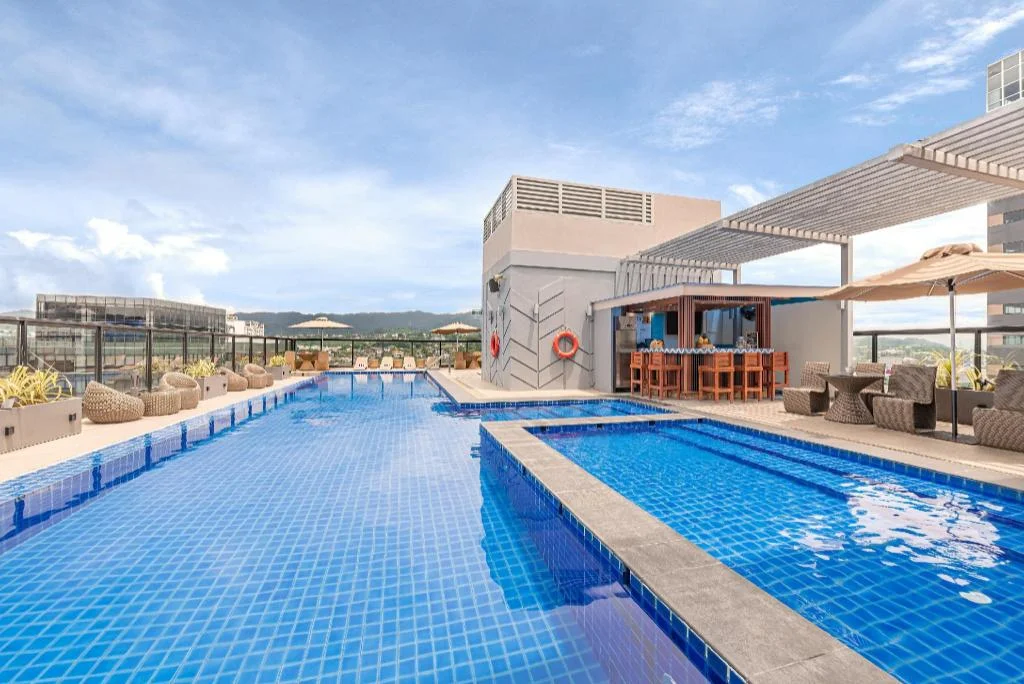
Seda Central Bloc Cebu City
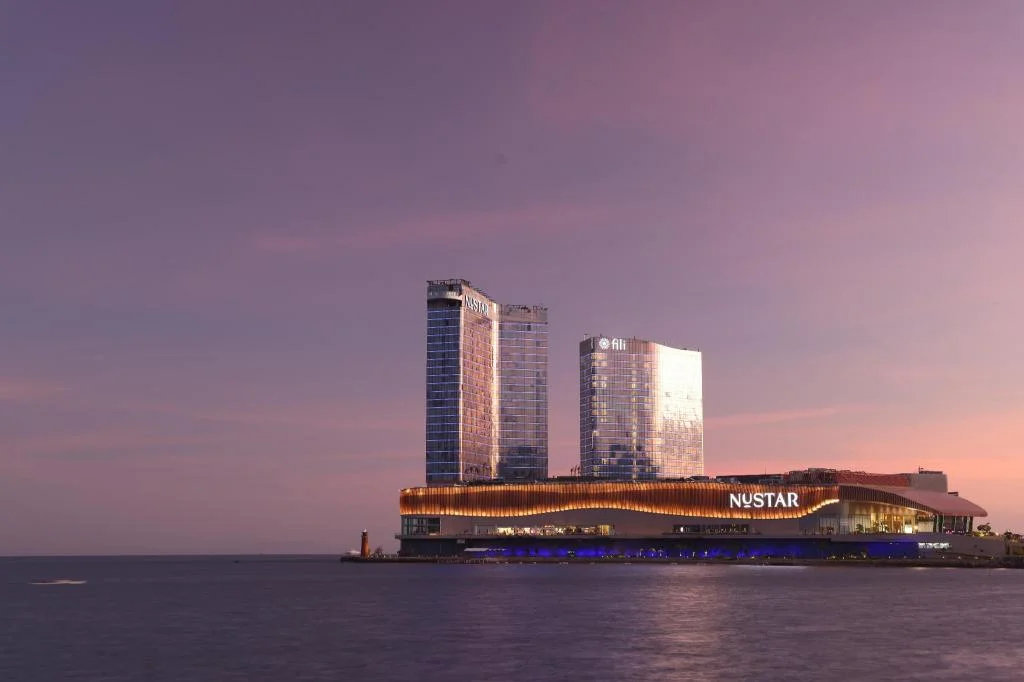
Fili Hotel - NUSTAR Resort & Casino Cebu
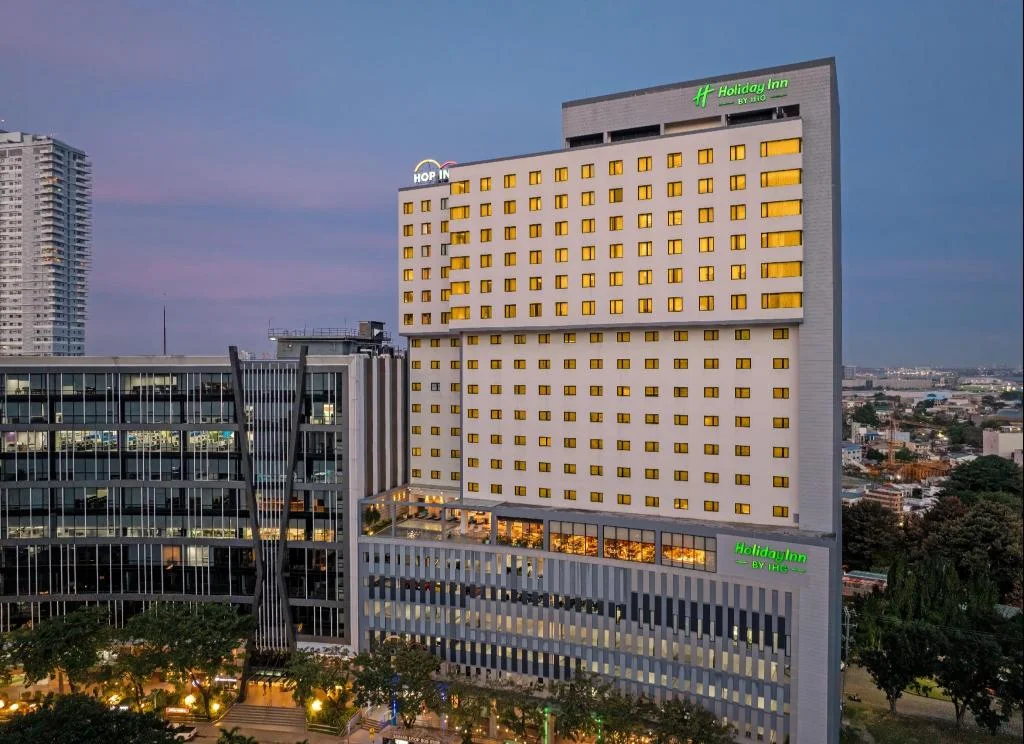
Holiday Inn Cebu City By IHG
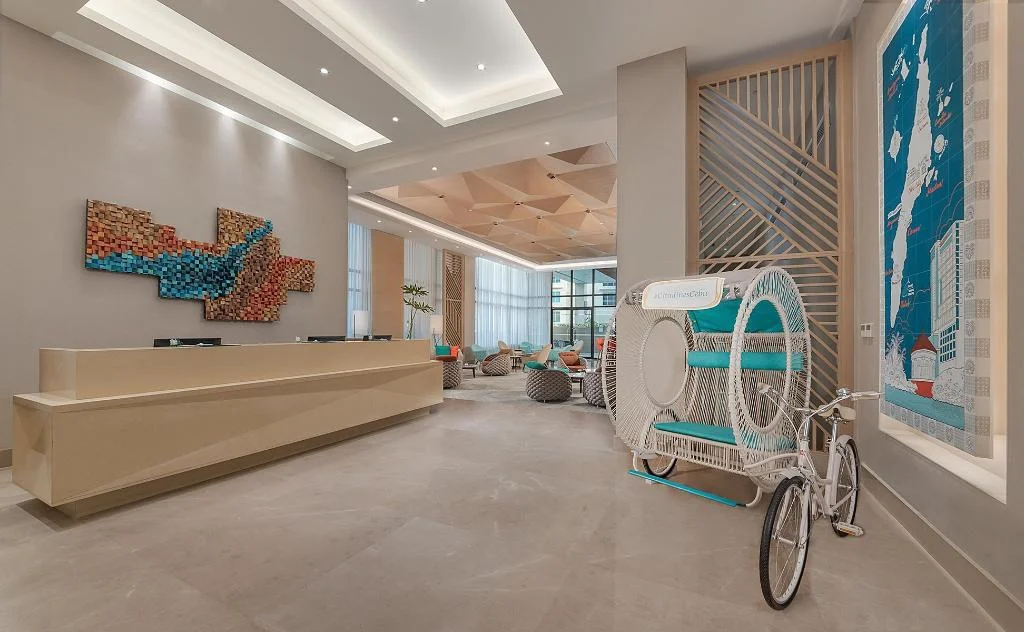
Citadines Cebu City
Prefer a rental? Vacation rentals near Cebu City
Self-catering condos and apartments — book the exact unit, kitchen included.
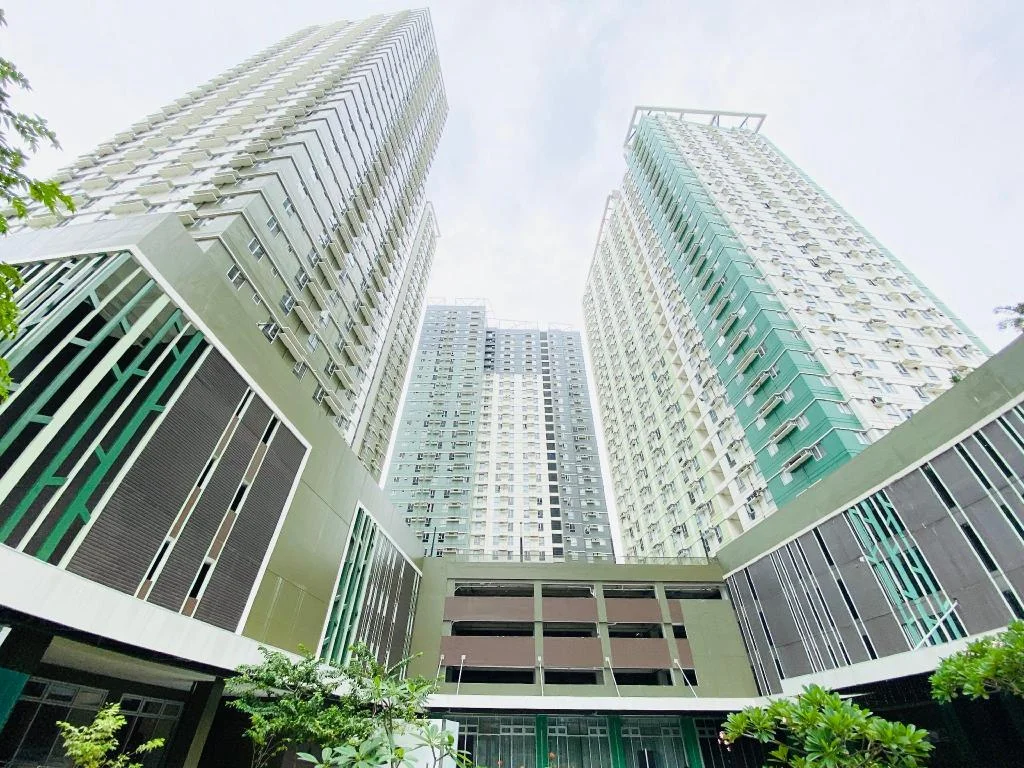
Cebu Avida Riala by P&J
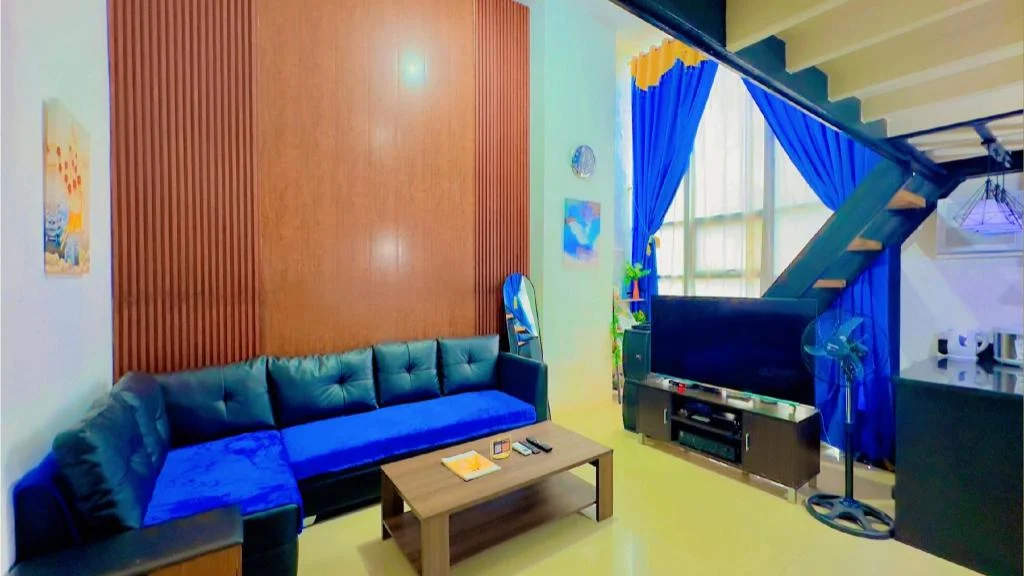
Special Big Loft Unit w/Fibreop Internet & Netflix
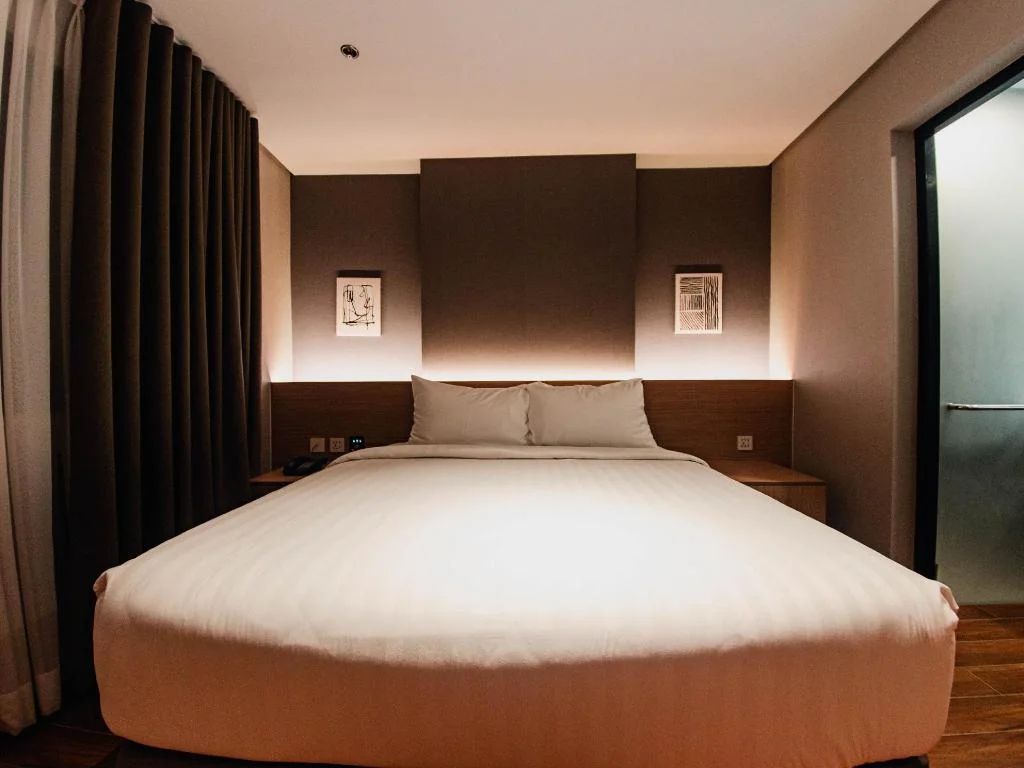
Moonstar Cebu Hotel - Deluxe Room
Before you go
Frequently asked
Why is Cebu called the cradle of Christianity in Asia?
Is the Santo Niño image in the Basilica the original one from 1521?
What percentage of Cebu is Catholic?
Can non-Catholic travelers visit the Basilica del Santo Niño and Simala Shrine?
What is the dress code at the Basilica del Santo Niño?
Are there mosques or a Muslim community in Cebu?
What does 'Pit Señor' mean?
Is Simala Shrine the same as the Basilica del Santo Niño?
More Places to Explore
Basilica del Santo Niño
Cebu City
The oldest church in the Philippines (1565), home to the miraculous Santo Niño image and center of the famous Sinulog Festival.
Magellan's Cross
Cebu City
The historic cross planted by Ferdinand Magellan in 1521, marking the birth of Christianity in the Philippines and now a National Cultural Treasure.
Simala Shrine (Monastery of the Holy Eucharist)
Sibonga
A magnificent castle-like church and major pilgrimage site famous for miraculous healings, attracting millions of devotees to venerate the Virgin of Simala.
Cebu Taoist Temple
Cebu City
A colorful Chinese temple built in 1972 featuring traditional architecture, 81 symbolic steps, and beautiful city views from Beverly Hills.