
TL;DR: Sibonga is a south Cebu coastal town about 50 km / 2–2.5 hours by Ceres bus from Cebu City (₱80–100), famous almost entirely for Simala Shrine on its outskirts. The town itself has a 19th-century heritage church, Our Lady of the Pillar Parish Church, a small plaza, and one known beach resort (Buko Beach in Barangay Bagacay) — none of it worth a special trip on its own, but all worth 20–30 minutes if you’re already passing through for Simala. Combine it with Carcar or continue south to Oslob rather than treating it as a standalone destination. Verified July 2026.
Most people who visit Sibonga never actually see the town — they see Simala Shrine, take their photos of the turrets, and get back on the bus. That’s a fair way to spend a morning, but Sibonga is a real municipality with its own 19th-century church, a plaza that locals actually use, and a beach most tourists don’t know exists. This guide is for anyone treating Simala as one stop rather than the whole trip — the town’s other sights, how to get there, and how to fit it into a longer south Cebu day out. If you only care about the shrine itself, the dress code, mass times, and the full bus-and-habal-habal route are in our dedicated Simala Shrine guide; this one zooms out to the town around it.
Sibonga at a Glance
| What | Details |
|---|---|
| Location | South Cebu coastal highway, ~50 km south of Cebu City |
| Main draw | Simala Shrine (Monastery of the Holy Eucharist), on a hillside outside the town proper |
| Town church | Our Lady of the Pillar Parish Church — 1866–1898, Level II historical site |
| Beach | Buko Beach Resort, Barangay Bagacay — small, local-oriented, confirm rates directly |
| Bus fare from Cebu City | ~₱80–100, ~2–2.5 hours (South Bus Terminal, Ceres Liner) |
| Private car / Grab | ~₱1,500–2,000 one-way, ~1–1.5 hours |
| Best paired with | Carcar heritage district, or continue south to Argao / Oslob |
Verified July 2026.
How Do You Get to Sibonga From Cebu City?
Take a Ceres Liner bus from the South Bus Terminal toward Oslob, Bato, or Dumaguete — Sibonga is a scheduled stop on that same south coastal route, and the same buses continue on to the Simala junction a few minutes further down the highway. Fare runs roughly ₱80–100 and the trip takes about 2 to 2.5 hours depending on traffic through Talisay, Carcar, and Argao. Tell the conductor you’re getting off in Sibonga proper (rather than at the Simala junction) if the town itself, not the shrine, is your first stop.
If you’d rather not deal with bus transfers, a private car or Grab covers the same distance in 1 to 1.5 hours for about ₱1,500–2,000 one-way, or you can join an organized day tour that typically bundles Simala with Carcar or Oslob for roughly ₱550–850 per person. Search Cebu day tours covering Simala Shrine and south Cebu on Klook if you want a driver handling the whole route.
What Is Sibonga Known For?
Almost everyone who’s heard of Sibonga knows it for one thing: Simala Shrine, officially the Monastery of the Holy Eucharist, a Gothic-castle-style Marian shrine run by the Marian Monks of Eucharistic Adoration on a hillside in Barangay Lindogon. The monks relocated there after Mount Pinatubo’s 1991 eruption buried their original home in Pampanga, and the shrine’s Marian image — reportedly seen weeping in 1998 during a local dengue outbreak — turned it into one of the most-visited pilgrimage sites in the Visayas. Entry is free, mass is typically at noon on weekdays, and the dress code (no shorts, no sleeveless tops) is strictly enforced at the gate. For the full breakdown — mass schedule, what to wear, when to go to dodge the crowds — see our complete Simala Shrine guide.
What most visitors skip is everything else: the town proper sits directly on the highway the bus already passes, with its own heritage church and a plaza worth a short walk.
What’s the Town Itself Like?
Sibonga’s town center is small and unhurried — a plaza, a municipal hall, a high school, and a 19th-century church, all within a few minutes’ walk of each other. The centerpiece is Our Lady of the Pillar Parish Church (also called Sibonga Church, or Nuestra Señora del Pilar), which began in 1690 as a visita of neighboring Carcar under the Augustinians and became its own parish in 1830. The stone-and-coral, neo-Gothic building standing today was constructed between 1866 and 1898 and re-inaugurated in 1907 by Manila’s Archbishop Jeremiah Harty. Cebuano artist Raymundo Francia painted the interior — including a trompe-l’œil ceiling mural — between 1927 and 1931, and the National Historical Commission of the Philippines installed a historical marker in 2010, recognizing it as a Level II historical site.
The church, the municipal hall, and Sibonga National High School surround the town’s plaza, sometimes referred to locally as the Sibonga Heritage Park — a modest, well-kept public square that’s more for an evening stroll or a snack break than a headline attraction. It won’t take more than 20–30 minutes to see properly, which is exactly why it’s worth folding into a Simala trip rather than skipping.
Are There Beaches in Sibonga?
Yes, but don’t expect a Moalboal- or Bantayan-level payoff. Sibonga has coastline, and the known option is Buko Beach Resort in Barangay Bagacay — a small, mostly local-crowd beach with day cottages, a swimming pool, and a restobar, geared toward short visits and family outings rather than the postcard white sand further north and south of it. There’s limited independently verified pricing for entrance and cottage rates, so check the resort’s Facebook page or call ahead before building a day around it. If beaches are your priority, you’re better served heading further south to Moalboal or Oslob, or north to Bantayan — Sibonga’s coast is a bonus, not the reason to come.
How Do You Plan a Day Trip Around Sibonga?
Treat Sibonga as one leg of a longer south-route day, not a destination by itself. A workable order coming from Cebu City: stop first in Carcar for the heritage district and, if it’s a meal time, the lechon; continue to Sibonga for the town church and plaza; head up to Simala Shrine (allow at least an hour once you count the habal-habal ride and any queue at the dress-code checkpoint); then either double back to Cebu City or press on to Argao’s heritage church or further south toward Oslob if whale sharks are on the itinerary. Our south Cebu travel guide and the heritage church trail through the south route both map out fuller versions of this loop if you want to stack in more stops.
Base yourself in Cebu City for the trip — Sibonga doesn’t have hotel infrastructure built for tourists, and almost nobody stays overnight there.
The Honest Take
Sibonga isn’t a destination people plan a trip around, and it shouldn’t be — the shrine on its outskirts does all the heavy lifting for the municipality’s tourism. But if you’re already riding the bus two-plus hours south for Simala, skipping the actual town means missing a genuinely old, well-preserved church and a plaza that costs you nothing but a short walk. The beach is the one thing not worth going out of your way for; it’s a fine local spot but not a reason to detour from Moalboal or Oslob.
The honest framing: come for Simala, stay an extra half hour for the town church and plaza, and don’t build your itinerary around Sibonga’s beach unless you’re already staying nearby. Pair it with Carcar’s heritage district or Argao’s own colonial-era church so the bus ride south earns its keep on more than one stop.
Pair It With the Rest of South Cebu
Sibonga sits on the same highway as Cebu’s south coast heritage circuit, so it’s easy to combine rather than visit alone. Heading toward Cebu City, stop at the St. Catherine of Alexandria Parish Church in Carcar’s heritage district; heading further south, the San Miguel Arcangel Parish Church in Argao follows the same coastal road. For a full roundup of the churches worth stopping at along this route, see the best churches in Cebu, and for the bigger regional picture, our south Cebu travel guide ties Sibonga into a longer trip toward the waterfalls, canyoneering, and whale sharks further down the coast.
Sources
- Sibonga — Wikipedia (distance from Cebu City, municipal overview)
- Sibonga Church — Wikipedia (history, architecture, historical marker)
- Ceres Liner / South Bus Terminal routing and fares to the south coastal route, cross-checked against recent 2025–2026 traveler reports
- Buko Beach Resort details cross-checked against the resort’s public listings; confirm current rates directly before visiting
- Simala Shrine history and visitor details per our own Simala Shrine guide, sourced separately
- Verified July 2026.
Book Tours & Hotels for This Trip
Find and book the best deals — prices and availability update in real time. Links open in a new tab.
Where to stay near Argao
Top-rated hotels for this trip — tap through to check live rates.
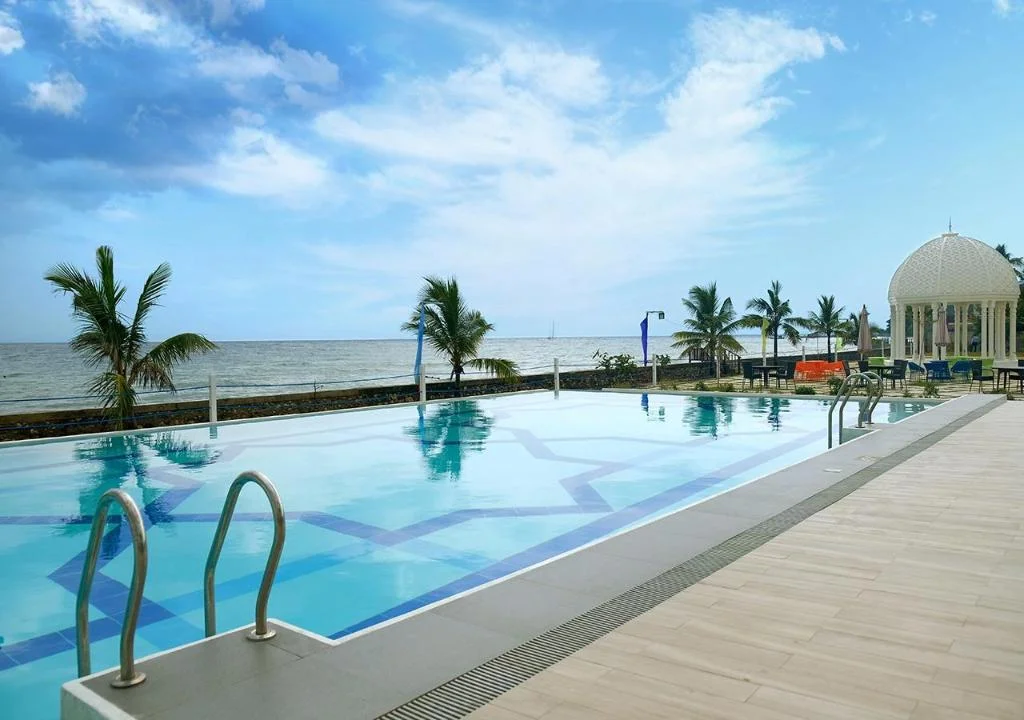
Maayo Argao Resort
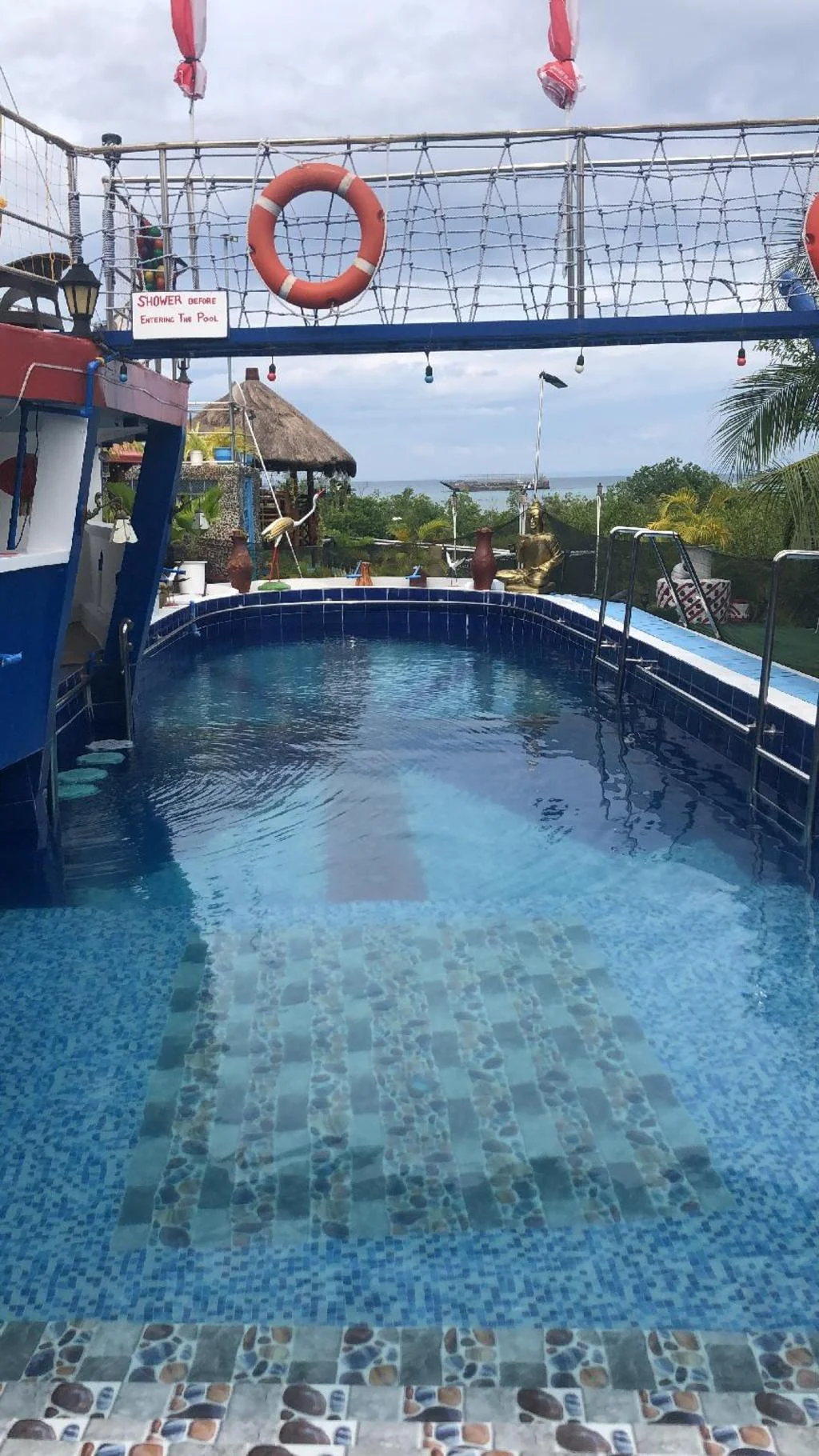
Pirate Galeon Resort
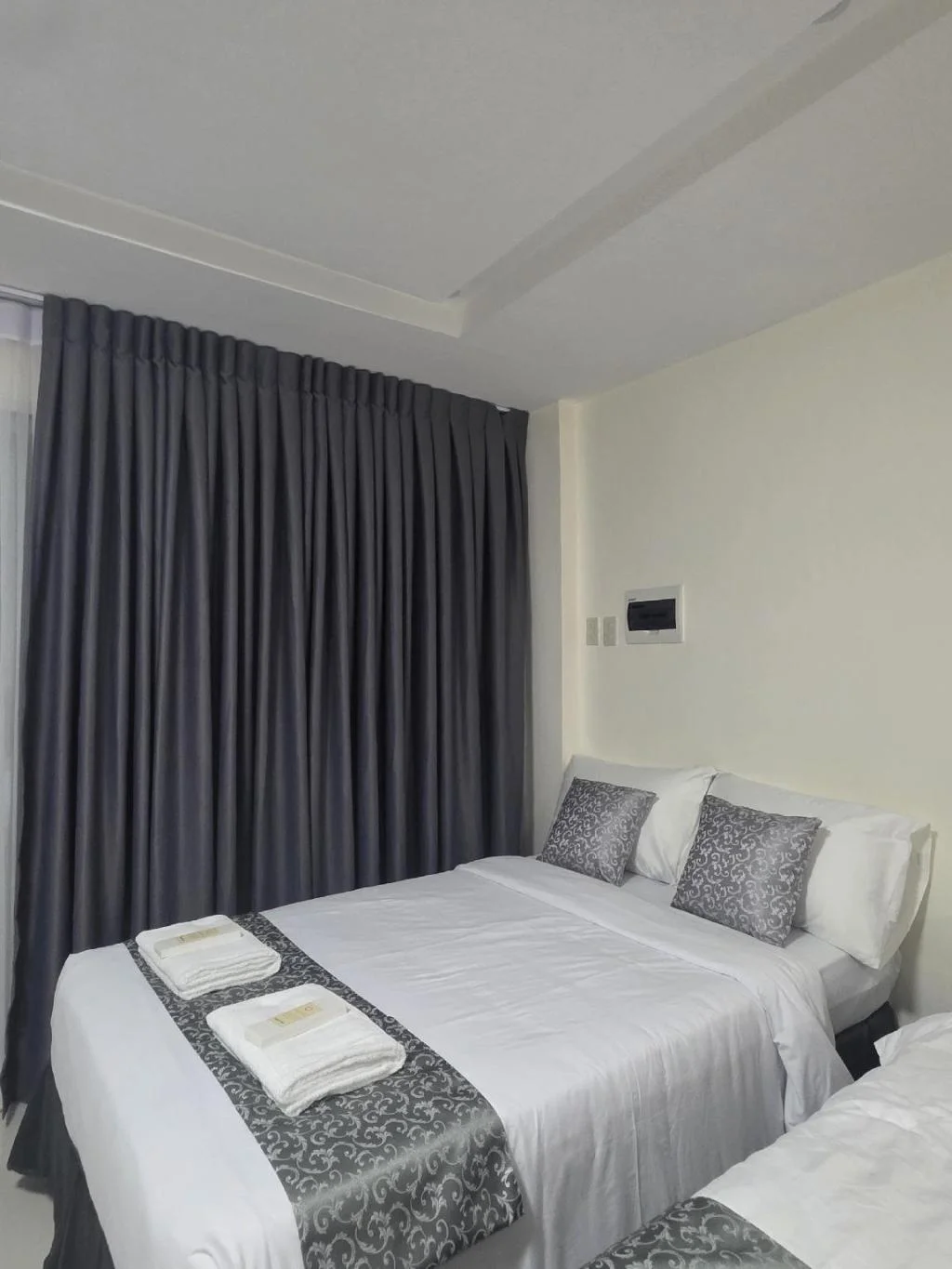
Paraiso de Lourdes Mountain Resort
Prefer a rental? Vacation rentals near Argao
Self-catering condos and apartments — book the exact unit, kitchen included.
Browse all vacation rentals →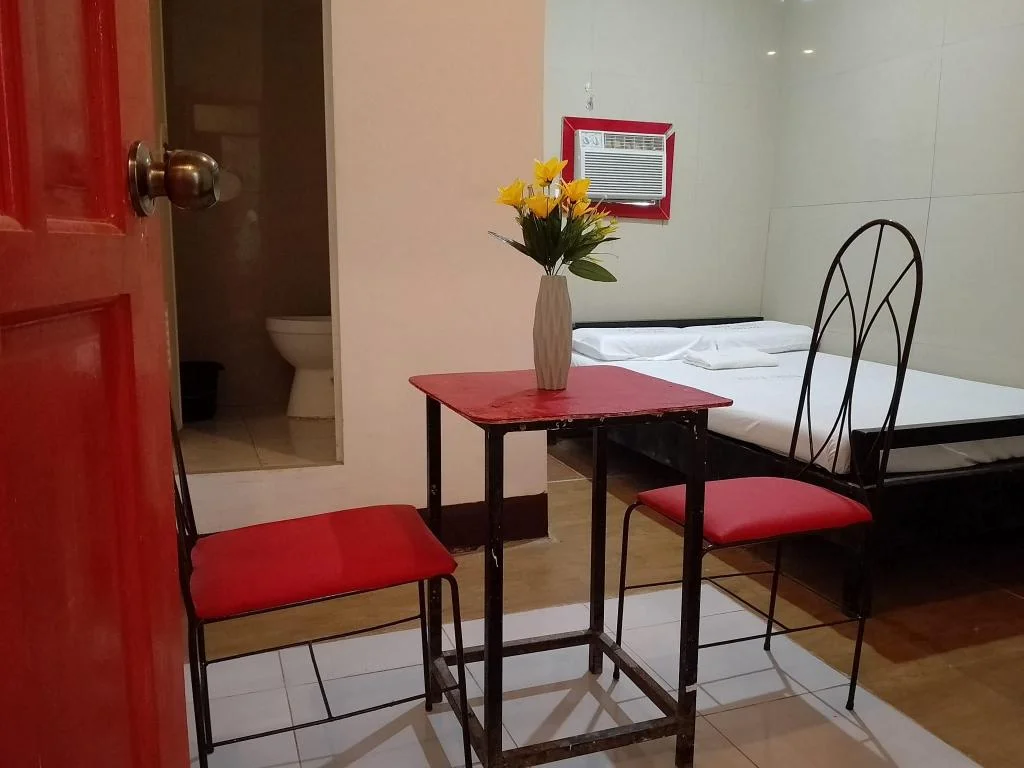
Before you go
Frequently asked
What is Sibonga best known for?
How do you get from Cebu City to Sibonga?
Is Sibonga town worth visiting beyond Simala Shrine?
What is Sibonga Church?
Are there good beaches in Sibonga?
Can you visit Sibonga as a day trip from Cebu City?
Should you stay overnight in Sibonga?
More Places to Explore
Simala Shrine (Monastery of the Holy Eucharist)
Sibonga
A magnificent castle-like church and major pilgrimage site famous for miraculous healings, attracting millions of devotees to venerate the Virgin of Simala.
St. Catherine of Alexandria Parish Church
Carcar City
A magnificent 19th-century baroque church and National Cultural Treasure, serving as the centerpiece of Carcar's historic heritage district.
San Miguel Arcangel Parish Church
Argao
A beautifully preserved 18th-century Spanish colonial church with baroque architecture, intricate carvings, and National Cultural Treasure status.