
TL;DR: Swimming with sardines in Cebu means one stretch of coast — Panagsama Beach, Moalboal — where a resident bait ball of millions of sardines sits 20–30 meters offshore, year-round, no boat required. As of late 2025, most entries now go through a local guide (₱300–500 / US$5.17–8.62), on top of a small beach fee and gear rental — budget ₱525–900 (US$9–15.50) total for a DIY snorkel, or ₱1,500–2,500 (US$26–43) for a guided scuba dive. The only other spot worth mentioning is Pescador Island, a short boat ride away, where the same population occasionally schools near the wall. Go 6:00–8:00 AM for the tightest, least-crowded ball. Verified July 2026.
If you’ve seen the photos — a silver tornado of fish swirling around a single snorkeler — you’ve seen Moalboal’s sardine run. What most people don’t realize until they arrive is that “the sardine run” isn’t a single dive site with a pin on the map. It’s a moving population that hugs a specific stretch of reef, and where exactly you enter the water changes your experience more than most guides let on. This roundup covers every real option: the three ways in at Panagsama Beach, the guide rule that changed in 2025, the Pescador Island alternative, and whether snorkel, freedive, or scuba gives you the better swim. It’s written for anyone planning a Moalboal trip, whether it’s your first sardine run or you did it years ago and want to know what’s different now.
Where to Swim with Sardines in Cebu — At a Glance
| Option | Distance from shore | Cost (per person) | Guide required? | Best for |
|---|---|---|---|---|
| Panagsama main beach entrance | ~90–100 m | ₱525–900 (US$9–15.50) all-in | Now standard | First-timers, budget snorkelers |
| Panagsama side/bar-strip entrance | ~45–50 m | ₱525–900 (US$9–15.50) all-in | Now standard | Shortest swim, quick in-and-out |
| Marina Village jetty stretch | ~45–50 m | Resort-guest access | Yes | Most consistent sightings |
| Freediving down into the ball | Same entries, 3–8 m deep | +₱0–500 if hiring a freedive guide | Recommended | Photographers, confident swimmers |
| Guided scuba dive | Same reef wall, deeper | ₱1,500–2,500 (US$26–43) | Yes, dive guide included | Longer bottom time, pairing with the wall |
| Pescador Island boat trip | Short banca ride, then in-water | ₱500–800 (US$8.62–13.79) added to a shared boat | Boatman/guide included | Occasional bigger schools, combining with a proper island stop |
Prices are per-person estimates gathered from operators and recent traveler reports; confirm exact figures with your guide or dive shop on arrival. Verified July 2026.
Where Exactly Do You Swim with Sardines in Cebu?
Almost everyone who “does the sardine run” is entering the water from one beach: Panagsama, in Moalboal, on Cebu’s southwest coast. The sardines — mostly Sardinella lemuru — have held a reef wall along this stretch since around 2012, when the population reportedly shifted here from nearby Pescador Island. Unlike South Africa’s seasonal sardine run, this one doesn’t migrate off with the tides or the calendar; it’s a resident school that’s been in roughly the same water for over a decade, visible 365 days a year.
That said, “Panagsama Beach” is a few hundred meters of coastline, not a single point, and the ball itself drifts along the wall depending on current and time of day. Where you walk in changes how far you swim and, often, whether you see the sardines at all in the first ten minutes.
Which Entry Point Should You Use?
Locals and dive shops generally point to three access spots along the strip:
- The main public beach entrance — free, open to anyone, and the most straightforward for first-timers. It’s also the longest swim, roughly 90–100 meters out to where the ball usually sits.
- The narrow access near the bar and dive-shop strip — shorter, around 45–50 meters, tucked between buildings. It gets busy fast once the morning tour groups arrive.
- The stretch near Marina Village Dive Resort’s jetty — this is where the most consistent sightings get reported, likely because the jetty structure gives the sardines some shelter. Access here is generally easiest if you’re staying at the resort or booking through them; ask before you show up expecting to walk straight in.
None of these require a long trek — you can walk from most Panagsama accommodation in under ten minutes. Ask your guesthouse or dive shop which entry they favor that week; the sardines’ exact position shifts, and locals track it day to day better than any guide can.
Do You Need a Guide Now?
Yes, in most cases — this changed from the old fully-DIY setup. For years, the pitch for Moalboal’s sardine run was that it was completely free and unguided: walk in, swim 20–30 meters, no boat, no certification, no booking. As of late 2025, most operators and the barangay tourism office are steering (and in some cases requiring) visitors toward a local guide before entering the water, with guide fees running roughly ₱300–500 (US$5.17–8.62) on top of gear rental.
Enforcement isn’t reported as fully uniform across every entry point yet, and rules like this can loosen or tighten with the season. Confirm the current requirement at your dive shop or the beach kiosk the morning you go — don’t plan around either “definitely need a guide” or “definitely don’t,” since both have been true at different points recently.
Snorkel, Freedive, or Scuba — How Should You Swim It?
Snorkeling alone is enough to see the whole spectacle. The sardines swim shallow, generally from about 1 to 10 meters down, so floating on the surface with a mask puts you right at the edge of the ball. You don’t need any certification or special skill.
Freediving down a few meters changes the photos more than the experience — shooting up through the school toward the surface light is the classic sardine-run shot, and it’s popular enough that some shops offer dedicated freediving guides for it. If you’re comfortable holding your breath and equalizing, it’s worth the extra effort.
Scuba adds cost and a guide by default, but buys you longer bottom time and the option to combine the sardines with the drop-off wall or a Pescador Island dive in the same outing. A guided one-tank dive on the strip runs roughly ₱1,500–2,500 (US$26–43). If your main goal is photos and a memorable swim rather than a full dive log entry, snorkeling or freediving gets you there for a fraction of the price.
Are There Other Places to See Sardine Balls in Cebu?
Not really — Pescador Island is the only other spot that comes up with any regularity, and it’s tied to the same population. Before the sardines settled at Panagsama around 2012, locals report the ball used to hold near Pescador Island, a short banca ride from Moalboal. Today, boat trips that circle Pescador occasionally report sardine schools near the island’s wall, but it’s not a reliable, standalone destination the way Panagsama is — you’re not booking a “Pescador sardine run,” you’re adding a chance encounter to an island-hopping or dive trip that’s really about the island’s coral wall and cavern.
Outside the Moalboal–Pescador stretch, there’s no other confirmed year-round sardine ball anywhere in Cebu. Occasional bait-fish sightings get reported elsewhere in the province from time to time, but nothing resembling the density or reliability of Panagsama — treat any claim of a “new sardine run” spot elsewhere with skepticism until you see it verified by more than one source.
What’s the Best Time of Day?
Early morning, 6:00–8:00 AM, consistently comes up as the sweet spot. The ball tends to sit tighter and closer to the reef before boat traffic and the day’s snorkel tours arrive, and the water is calmer for photos. By mid-morning, the same patch of water fills with dozens of snorkelers, freedivers, and dive groups, and the school can scatter temporarily under the traffic before re-forming later. If you only get one shot at it, set an alarm and go before breakfast.
How to Choose Your Spot
- First-timer, budget swim: main public beach entrance, rented mask and fins, a guide, go at 6:30 AM.
- Want the best photos: freedive down a few meters at the Marina Village jetty stretch, early morning, natural light only.
- Want to combine it with a proper island stop: book a shared banca that covers the sardine run plus Pescador Island — see our Moalboal sardine run and island-hopping guide for the full breakdown of routes and prices.
- Diving rather than snorkeling: a guided scuba dive on the strip works the reef wall at depth and can be paired with the drop-off — check Moalboal sardine run tours on Klook for current operator options and reviews.
- Want the Pescador angle specifically: book a Pescador Island snorkeling or diving trip rather than expecting a Panagsama-style shore swim.
The Honest Take
The Moalboal sardine run earns its reputation — it’s one of the best-value wildlife encounters in the Philippines, and you genuinely can do it for the price of a beach snack if you go the DIY route. But the picture has shifted from a few years ago: what used to be a completely free, walk-in-anytime experience now mostly runs through a paid local guide, and the water gets crowded fast once the morning tour boats show up. If you’ve done it before under the old rules, expect a slightly more managed version this time.
Skip the idea of chasing a “secret” alternative spot elsewhere in Cebu — there isn’t one with any track record. The honest move is to work with what’s actually there: go early, pick your entry point deliberately, and treat Pescador as a bonus rather than a replacement. And once you’ve had your swim, don’t rush off — Moalboal’s other underwater highlights, including the sea turtles that graze the same reef flat, are worth the same short walk from the beach.
Combine It With the Rest of Moalboal
Pair your morning sardine swim with swimming alongside sea turtles on the same reef flat, or widen the trip with our roundup of Cebu’s best snorkeling spots if you have more than a day in the south. Staying overnight makes the early start easier — check current Moalboal accommodation on Agoda and book something within walking distance of Panagsama Beach so you can be in the water before the crowds.
Sources
- Recent (2025–2026) traveler and operator reports on Moalboal sardine run guide requirements, entry points, and pricing
- Local dive shop and barangay tourism guidance on Panagsama Beach access and fees
- Moalboal municipal ordinance references on marine wildlife protection fines
- Verified July 2026.
Book Tours & Hotels for This Trip
Find and book the best deals — prices and availability update in real time. Links open in a new tab.
Where to stay near Moalboal
Top-rated hotels for this trip — tap through to check live rates.
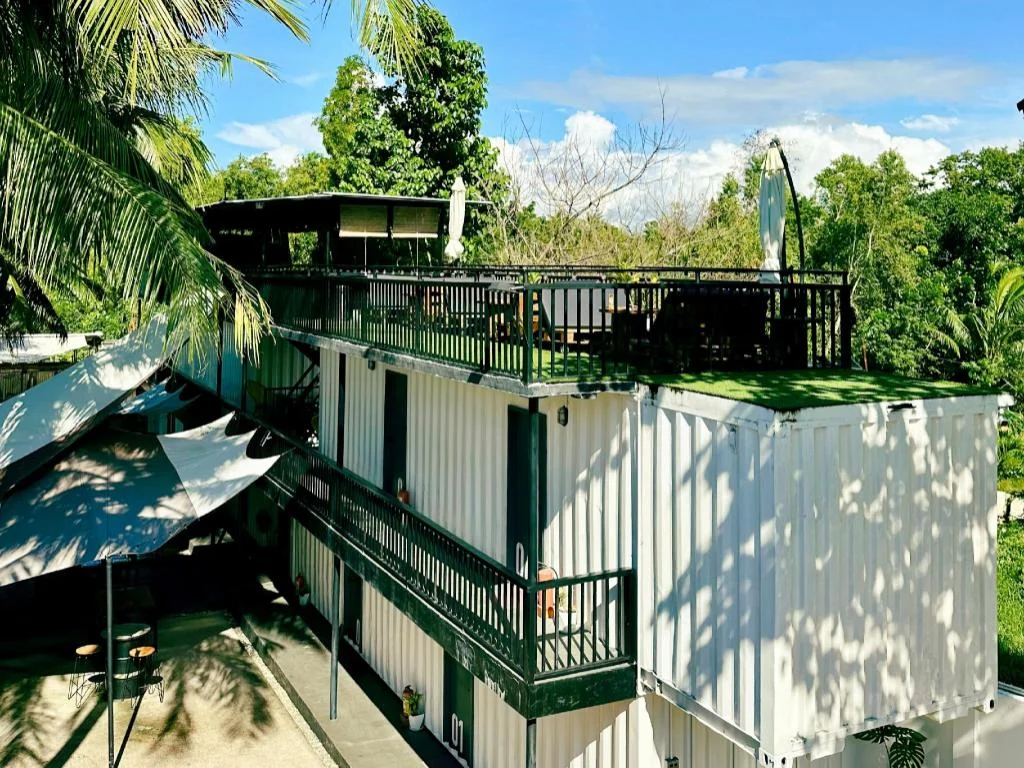
PIG DIVE HOSTEL MOALBOAL
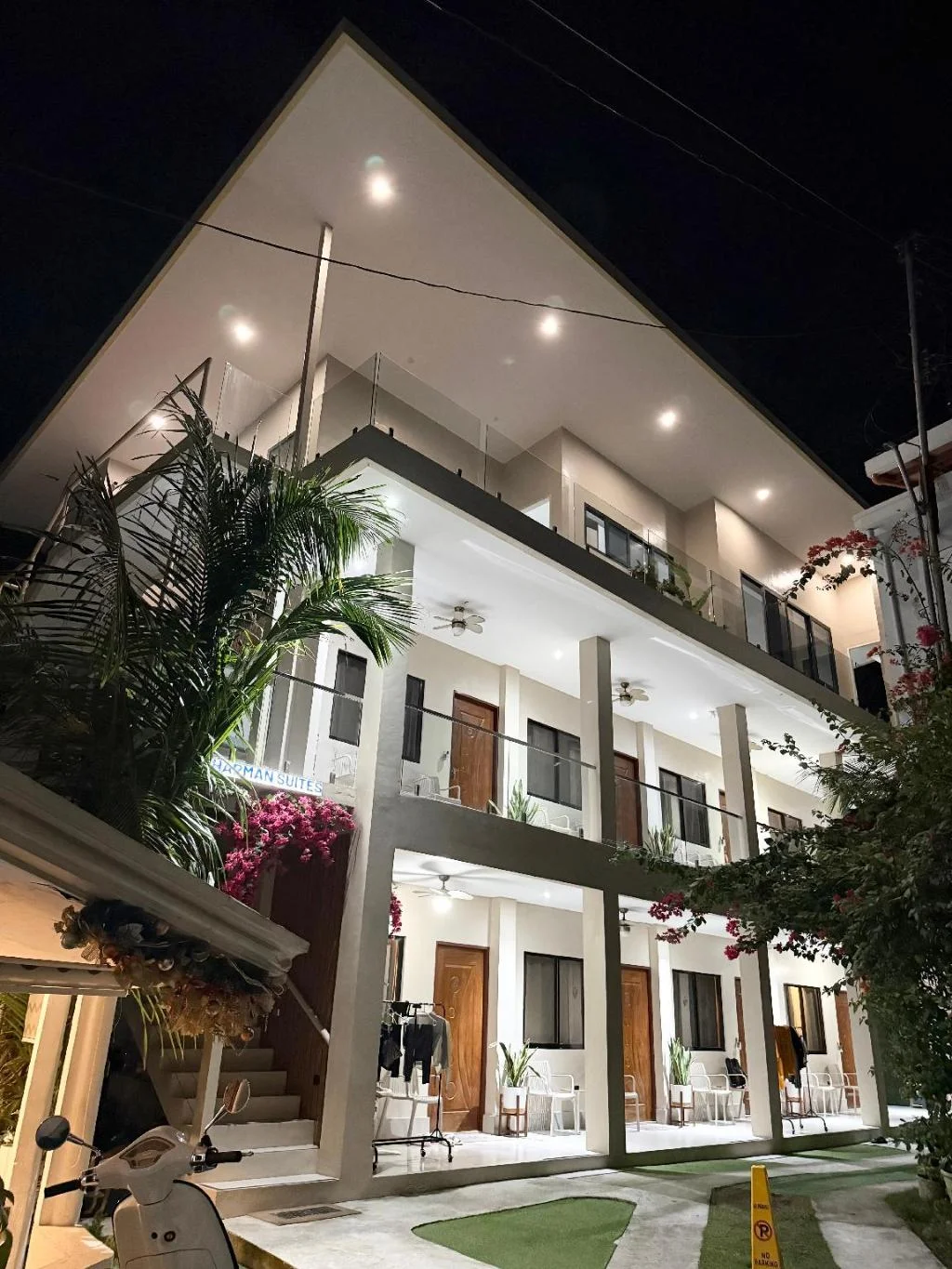
Harman Suites Moalboal
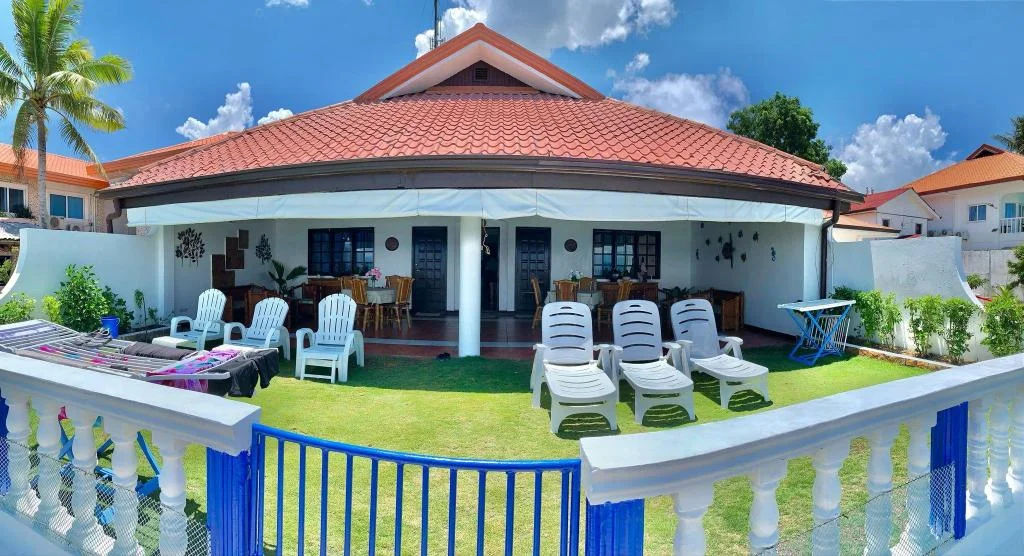
Il Sogno Resort
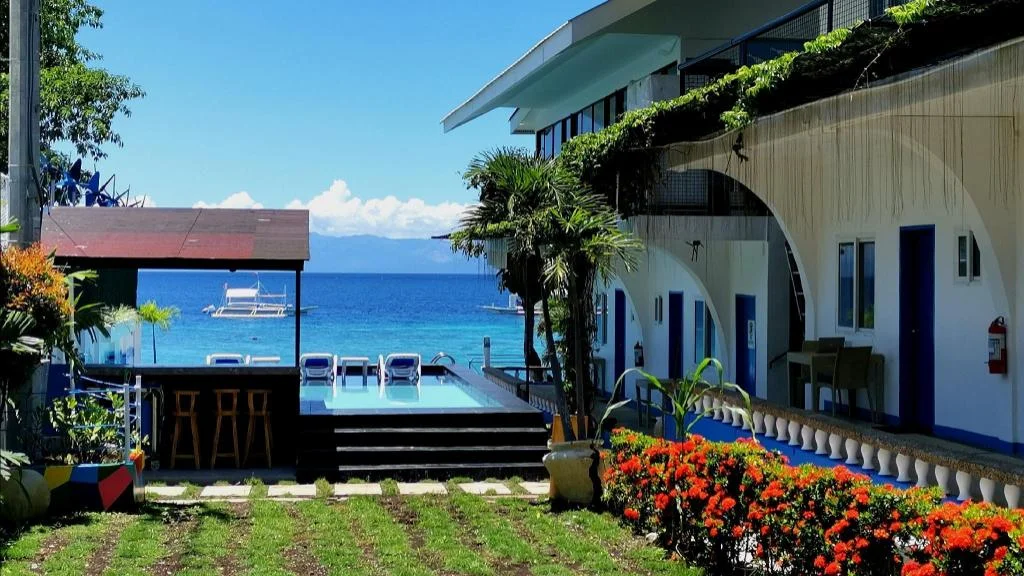
Pescadores Suites Moalboal
Prefer a rental? Vacation rentals near Moalboal
Self-catering condos and apartments — book the exact unit, kitchen included.
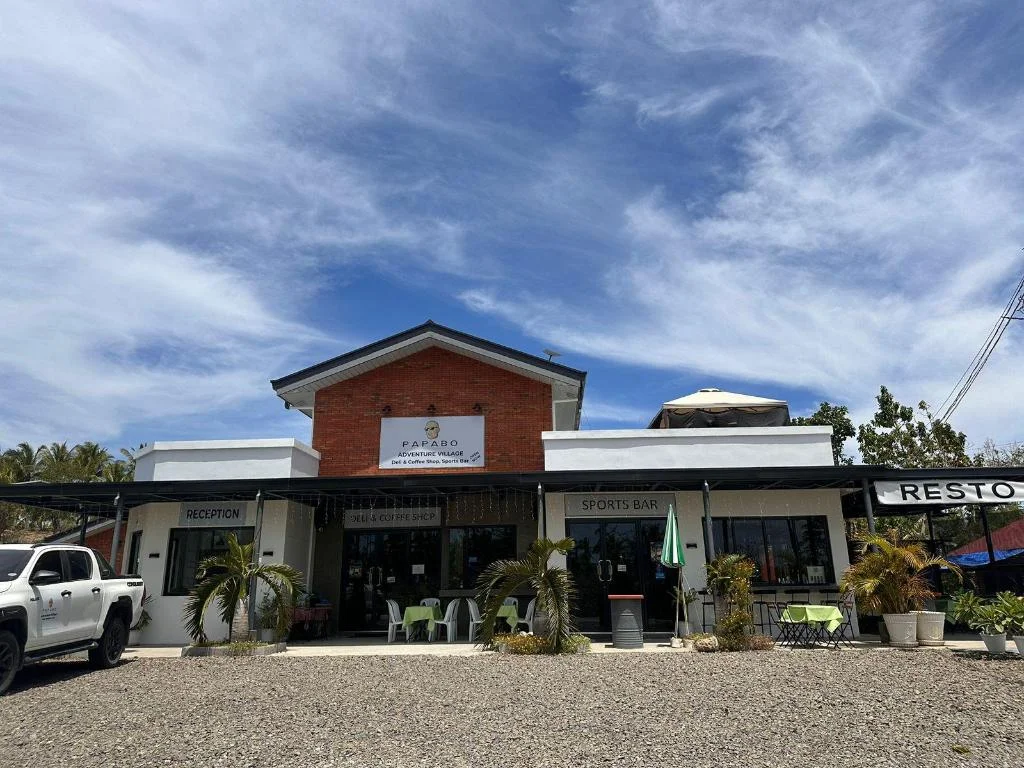
PAPABO Adventure Village
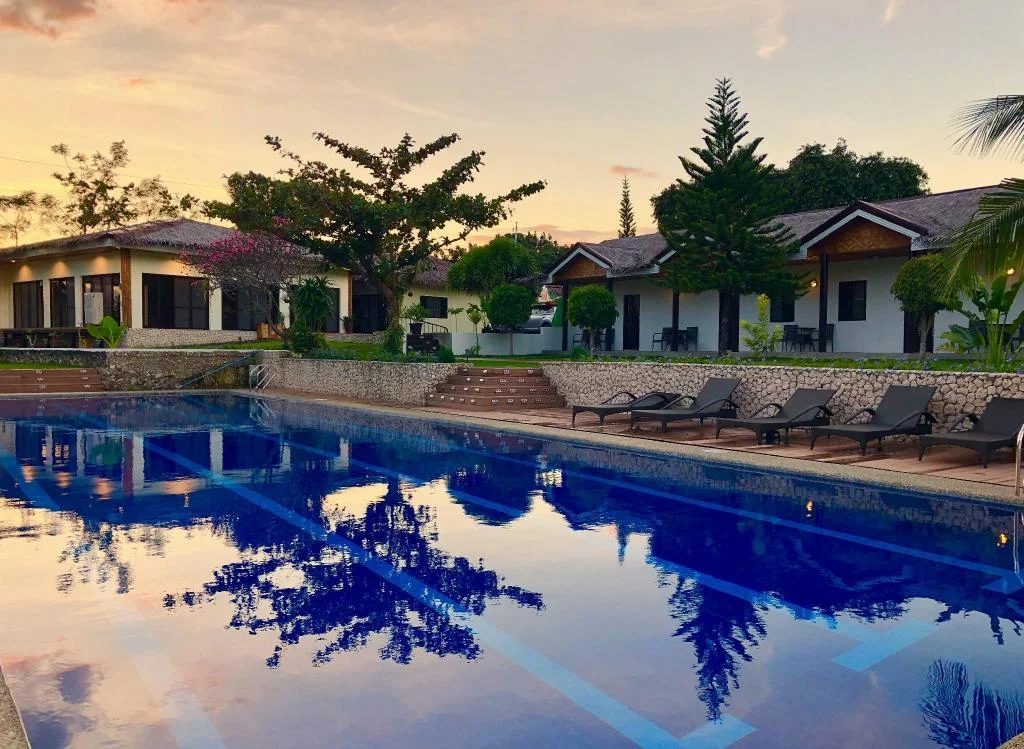
Casa de Moalboal
Althea Appartelle
Before you go
Frequently asked
Where in Cebu can you actually swim with sardines?
Do I need a guide now?
Which entry point should I use at Panagsama Beach?
Is the sardine run better by snorkel, freedive, or scuba?
What's the best time of day to see the sardines?
What are the rules for swimming with the sardines?
How much does it cost, all in?
Is it worth doing if I've already been to Moalboal before?
More Places to Explore
Moalboal Sardine Run
Moalboal
Swim with millions of sardines in one of the world's only year-round sardine runs, just meters from shore.
Panagsama Beach
Moalboal
Moalboal's main beach and diving hub, famous for the sardine run and sea turtles just meters from shore.
Pescador Island
Moalboal
A world-class marine sanctuary featuring The Cathedral underwater cave and exceptional wall diving.