
TL;DR: Cebu’s five real multi-day treks range from the popular Osmena Peak to Kawasan Falls traverse (one long day, or two with a summit camp) to the genuinely tough Dalaguete-Argao ridge through Nug-as Forest (2-3 days, advanced). Expect ₱300-600 (roughly US$5-10) per person in combined entrance, environmental, and camping fees, plus a ₱200-500 guide fee per group — guides are non-negotiable on the unmarked routes. Go in dry season (November-May) and bring your own tent. Verified July 2026.
Cebu gets typecast as a day-trip island — whale sharks in the morning, canyoneering in the afternoon, back in Cebu City by dinner. That undersells it. The province’s spine is a genuine mountain range, and a handful of routes reward hikers willing to sleep on a ridge instead of rushing back to a resort: an overnight camp on Cebu’s highest peak, a “sea of clouds” sunrise above Alegria, a night deep in one of the island’s last old-growth forests. This guide is for hikers who’ve already done Osmeña Peak as a day trip and want the longer version, or who are building an active Cebu itinerary around actual mountains rather than infinity pools. None of these are technical climbs — no ropes, no permits from a national mountaineering federation — but several demand real fitness, a local guide, and a tolerance for basic camping.
Cebu’s Multi-Day Treks at a Glance
| Trek | Days | Difficulty |
|---|---|---|
| Osmena Peak → Kawasan Falls Traverse | 1 day (or 2D/1N with summit camp) | Moderate |
| Mt. Manunggal Overnight Camp | 2D/1N | Easy-Moderate |
| Mt. Lanaya Sea of Clouds Overnight | 2D/1N | Moderate-Difficult |
| Dalaguete-Argao Ridge (Nug-as Forest) | 2-3D/1-2N | Difficult |
| Mananga River Traverse | 1 long day (extendable to 2D/1N) | Difficult |
Difficulty reflects distance, exposure, and navigation, not technical climbing skill. Verified July 2026.
What Is the Osmena Peak to Kawasan Falls Traverse?
It’s Cebu’s signature multi-day-capable trek: a ridge walk from the island’s highest viewpoint down to a waterfall, doable as one very long day or split into an overnight. Most guided groups do it as a single push — meet around 3:30 AM, reach the Mantalongon-area jump-off by 4 AM, summit Osmeña Peak for sunrise, then descend a mostly open, mostly downhill ridge trail for roughly 7-8 hours before dropping into Kawasan Falls around mid-afternoon, according to operator itineraries and recent hiker reports.
For the true multi-day version, camp at or near the Osmeña Peak summit the night before (see the camping notes below), catch sunrise from the top without the 3 AM drive, then start the traverse fresh in the morning and reach Kawasan by afternoon — turning one exhausting day into a relaxed two-day trip. The entrance fee at the Osmeña Peak jump-off runs about ₱50 (under US$1), and a guide costs roughly ₱200-300 — not mandatory on this stretch, but worth it for the fork-heavy descent and for anyone hiking before sunrise. The trail is largely exposed grassland and farmland, so sun protection and water matter more than technical gear; it turns slick fast in rain.
What Is the Mt. Manunggal Overnight Camp?
It’s the easiest overnight in this list — a short, well-marked hike into an established eco-park campsite with real history attached. Mt. Manunggal in Balamban is where President Ramon Magsaysay’s plane crashed in 1957, and the memorial near the trailhead is part of the draw alongside the camping itself. From the Mt. Manunggal Eco-Adventure Park entrance, the walk to the summit viewpoint takes about 40 minutes for an averagely fit hiker, according to recent visitor accounts — this is not a demanding trek on its own, which is exactly why it works as a first overnight for people building up to tougher multi-day routes.
Entrance runs about ₱80 (roughly US$1.40) and camping is an additional ₱100 per person if you pitch your own tent; a small cabin option exists for those who’d rather skip the tent. A guide is encouraged rather than required and costs around ₱400 per group of up to five people. The cool highland air makes for genuinely comfortable overnight temperatures, a rarity on a mostly lowland-hot island. Budget 1.5-2.5 hours from Cebu City by private vehicle, and note the final stretch of road roughens — a vehicle with decent clearance helps, especially after rain.
What Is the Mt. Lanaya Sea of Clouds Overnight?
It’s the trek to chase if you want a shot at Cebu’s famous “sea of clouds” — camp near the summit and, on the right morning, wake up above a valley full of low cloud. Mt. Lanaya sits above Alegria in southern Cebu, close enough to the coast that hikers get both ocean views and mountain scenery on the same trail. Two main trailheads exist: Linao, steep and demanding, and Legazpi, more gradual and better for less experienced overnight campers, according to recent trekking guides.
Fees run about ₱50 entrance (paid to the municipal tourism office) plus a small ₱20-30 environmental fee and a ₱500 guide fee for first-timers — guides are effectively required here since the summit trail network isn’t signed for casual navigation in the dark. Aim to reach the summit campsite by 5 PM to pitch your tent before darkness. The sea-of-clouds phenomenon depends on overnight humidity and temperature drop, so it’s a genuine bonus rather than a guarantee — go in for the hike and the sunrise views regardless, and treat the clouds as a lucky extra.
What Is the Dalaguete-Argao Ridge Trek Through Nug-as Forest?
It’s Cebu’s most serious backcountry multi-day trek — a highland ridge route through one of the province’s last old-growth forest reserves, built for hikers who want distance and remoteness over convenience. This route follows part of the Cebu Highlands Trail, the long-distance path that eventually strings together 408 kilometers and 33 municipalities across the island; the Dalaguete-to-Alcoy segment through Nug-as Forest is one of its most rewarding standalone stretches. A typical run starts at Mantalongon Market in Dalaguete — Cebu’s “vegetable basket,” worth a look before you set off — and crosses karst limestone terrain and farmland before entering the forest reserve itself, where documented trekkers have reached a barangay campsite in around five hours of walking, per recent trip reports.
Nug-as Forest is a 1.6-hectare protected timberland and bird sanctuary, home to endemic and endangered species like the Cebu Hawk Owl and Cebu Black Shama, managed by a local farmer-warden community rather than a park office. That means access runs through community wardens, not a ticket booth — contact the Alcoy or Argao municipal tourism office ahead of time to arrange a guide and confirm camping arrangements, since there’s no standardized posted fee to quote here. Extend the route further into Boljoon for a full 2-3 day, 1-2 night traverse, or keep it to one overnight camp at the Nug-as barangay hall area for a shorter trip. This is the trek to book through an experienced local operator rather than attempt solo — trail marking is sparse and the reserve boundaries matter.
What Is the Mananga River Traverse?
It’s a steep, less-visited watershed trek close to Cebu City itself — historically the opening leg of the entire Cebu Highlands Trail before a dam project forced a reroute. The trail typically starts near Campo 4 barangay hall along the Toledo-Tabunok road and follows the Mananga River through the Mananga Watershed Forest Reserve, part of the Central Cebu Protected Landscape that also includes the Kotkot-Lurusan and Buhisan watersheds. Expect steeply angled slopes recommended for experienced hikers only, according to trail reports — this one punishes underprepared groups more than any other trek on this list, despite being the closest to the city.
Most parties do it as a demanding single day of 8-10 hours, but the terrain and river crossings make it easy to extend into a 2D/1N trip with a riverside camp, especially if you’re combining it with birdwatching or photography stops along the watershed. As with Nug-as, there’s no formal ticketing system here — this runs through protected watershed land, so a barangay or local hiking-group guide who knows current river levels and reroutes is essential, not optional, particularly after rain when the crossings rise fast.
How Do You Choose Which Trek to Do?
Match the trek to your fitness and your tolerance for uncertainty. First-timers to Cebu overnight hiking should start with Mt. Manunggal — short approach, established campsite, cheap fees, and a genuine piece of Philippine history at the trailhead. Hikers who want a bigger payoff for moderate effort should do the Osmena Peak to Kawasan traverse, ideally split across two days so the summit sunrise isn’t rushed. If a sea-of-clouds photo is the goal, Mt. Lanaya is the one built for it, though there’s no guarantee on any given night. Reserve Nug-as Forest and the Mananga traverse for hikers who already have Philippine trail experience and want distance, remoteness, and a real guide-dependent adventure rather than a scenic overnight.
Whichever trek you pick, book your guide a few days ahead by phone rather than showing up and hoping — several of these routes run through community-managed land where a warden might simply not be around that day.
The Honest Take
Cebu’s multi-day treks are real, but they’re not the Cordilleras — don’t come expecting multi-day wilderness isolation on the Nug-as or Mananga scale of Luzon’s big-name trails. What you get instead is compact, accessible highland hiking you can pair with a beach trip on the same island, which is Cebu’s actual advantage. The Osmena Peak-Kawasan traverse is popular enough now that peak-season weekends bring crowds at both ends — go on a weekday or during shoulder months if solitude matters to you. Mt. Lanaya’s sea of clouds gets oversold on social media; treat it as a maybe, not a booking guarantee, and you won’t be disappointed if the morning is clear.
Skip Nug-as and Mananga if you’re not prepared to hire a proper local guide and accept that infrastructure is minimal — no signage, no ranger station, sometimes no cell signal. That’s the appeal for experienced trekkers and the reason to stay away for anyone hoping for a polished, Instagram-ready setup. Rainy season (June-October) turns every one of these trails muddy and the ridge routes genuinely more dangerous underfoot; if you’re set on going outside the dry months, build in flexibility and lean harder on your guide’s judgment about whether to proceed.
Combine It With the Rest of Cebu
Pair a Mt. Manunggal or Mananga overnight with a night or two back in Cebu City, or roll straight from the Osmena Peak-Kawasan traverse into more time in Badian for canyoneering the next day. For a full south-Cebu highland-to-coast itinerary that strings several of these areas together, see our guide to Cebu for adventure seekers, and check Osmeña Peak’s sunrise camping guide for gear and timing specifics before your first overnight.
Need gear or a guided option instead of arranging everything yourself? Search trekking and camping tours in Cebu on Klook to compare guided overnight packages, or browse hotels near Moalboal and Badian on Agoda for a comfortable stay to bookend a multi-day trek.
Sources
- Osmena Peak Traverse to Kawasan Falls — Bean in Transit (itinerary, fees)
- Ultimate Guide to Osmena Peak 2025 — 3D Academy
- Camp Overnight at Mt. Lanaya — 3D Academy (trailheads, fees)
- The Epic Mt Manunggal Campsite: Guide & Activities — Travel Muppetz (entrance/camping fees)
- Trek to Mt. Manunggal — 3D Academy (history, guide fees)
- Cebu Highlands Trail Segment 5: Mantalongon to Nug-as — Adrenaline Romance (route, camping)
- Nug-As Forest Reserve, Alcoy: The Last Treasure — Adrenaline Romance (forest management, species)
- Cebu Highlands Trail: The First Long-Distance Hiking Trail in the Visayas — Adrenaline Romance (trail history, Mananga reroute)
- Fees and trail conditions verified against 2025-2026 hiker and operator reports; confirm current pricing and guide availability locally before you go. Verified July 2026.
Book Tours & Hotels for This Trip
Find and book the best deals — prices and availability update in real time. Links open in a new tab.
Where to stay near Badian
Top-rated hotels for this trip — tap through to check live rates.
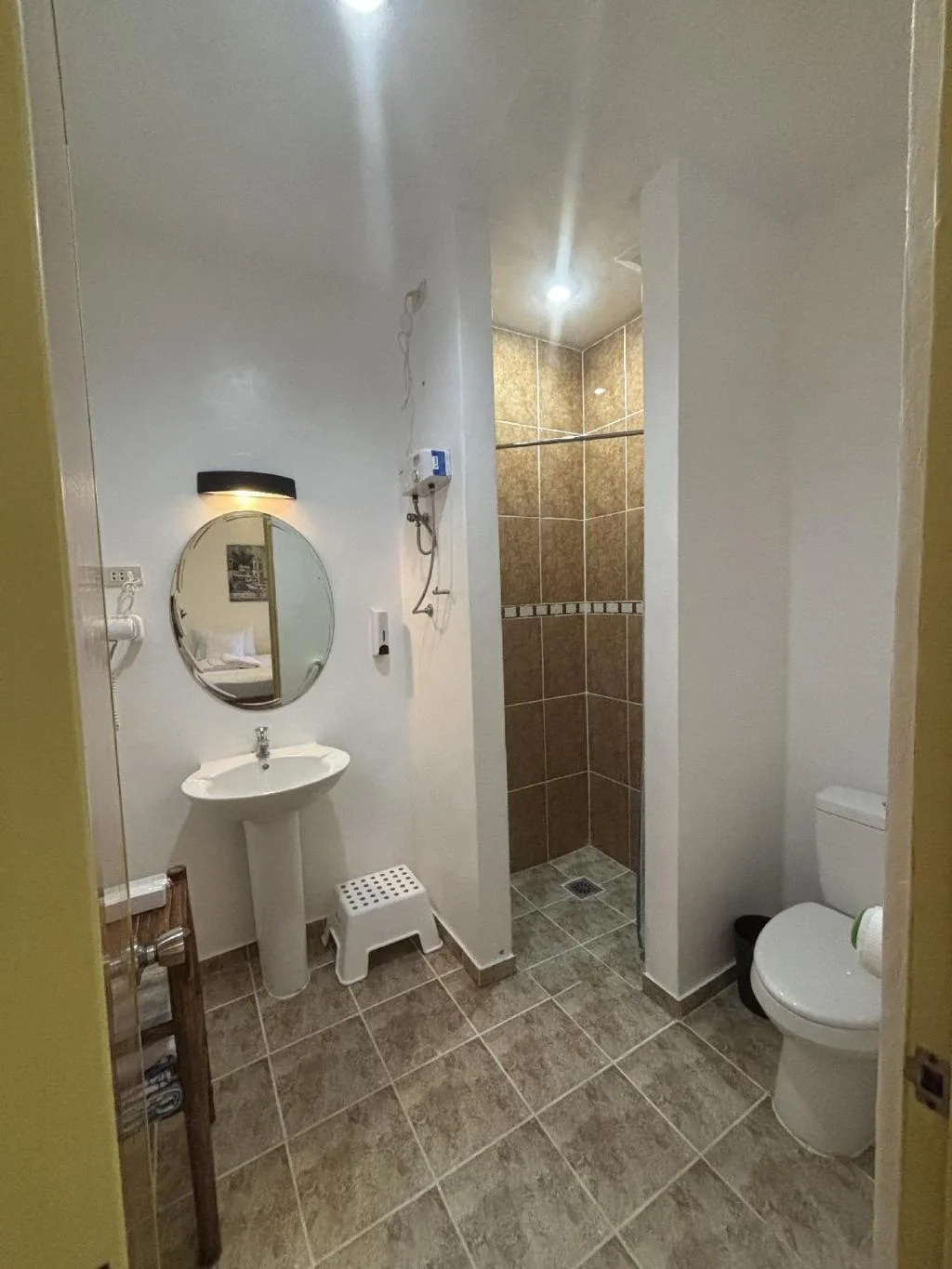
Cuestas Beach Resort and Restaurant
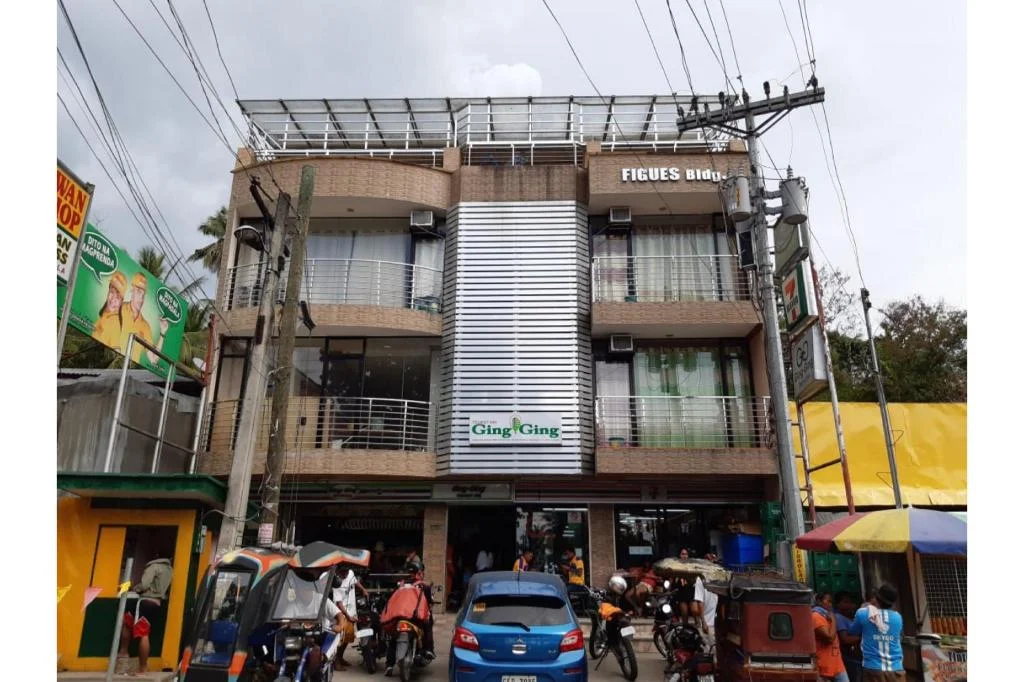
Ging Ging Tourist Inn
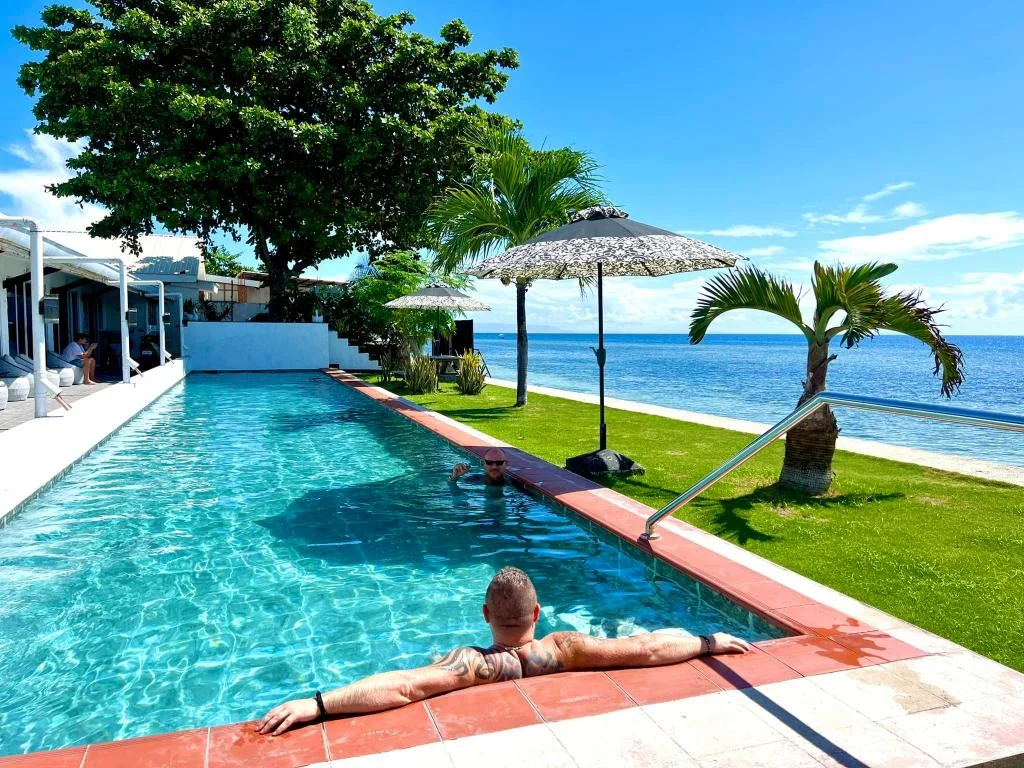
Beachhouse Poolside Room.
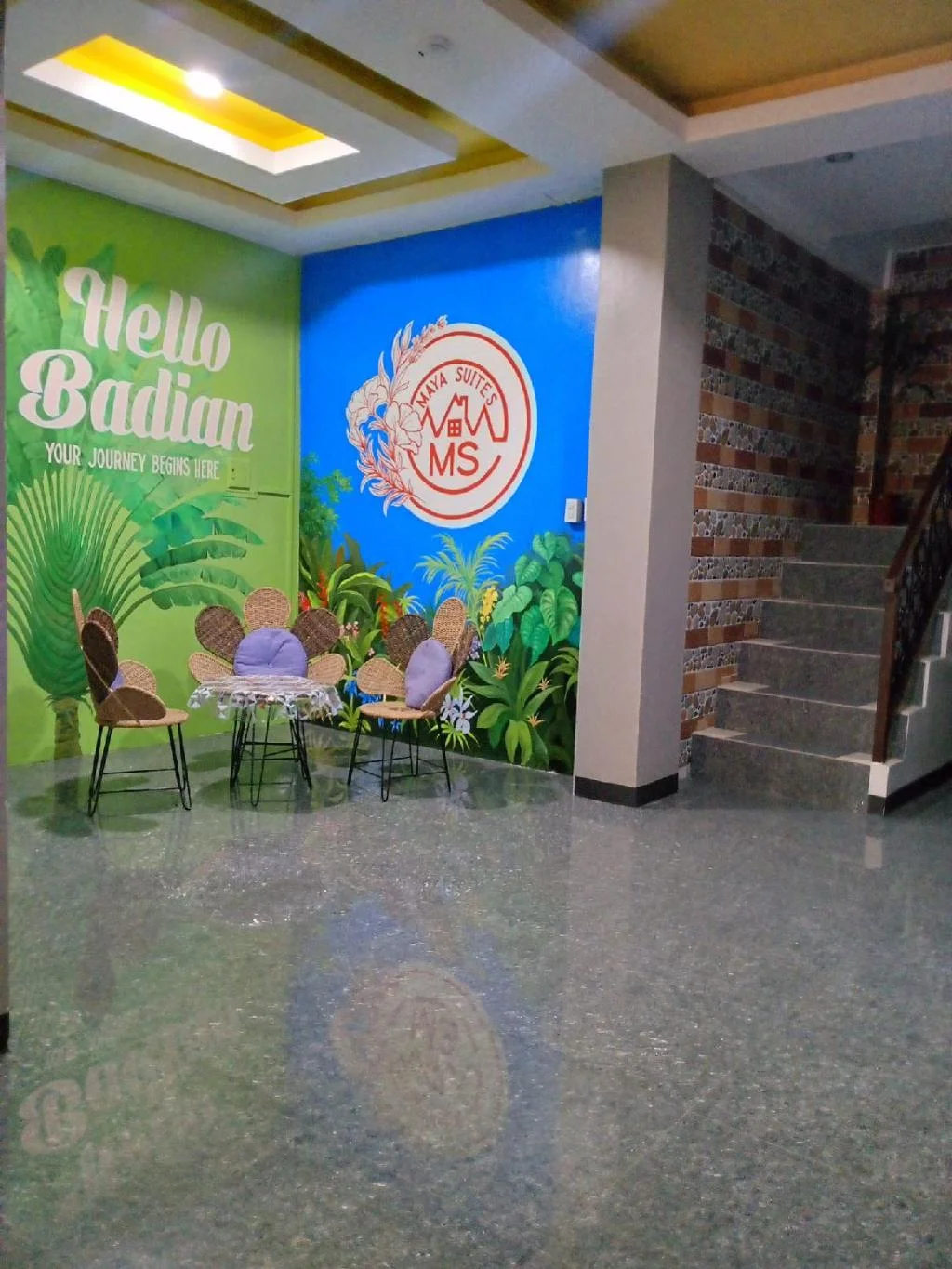
Maya Suites Badian powered by Cocotel
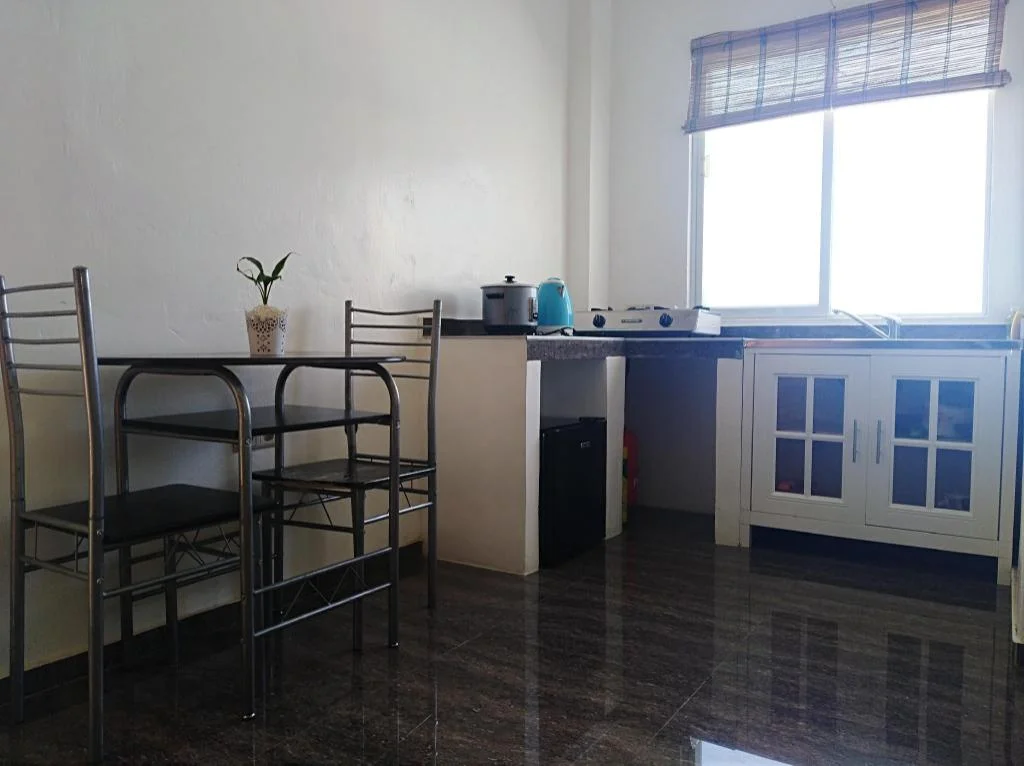
Prefer a rental? Vacation rentals near Badian
Self-catering condos and apartments — book the exact unit, kitchen included.
Browse all vacation rentals →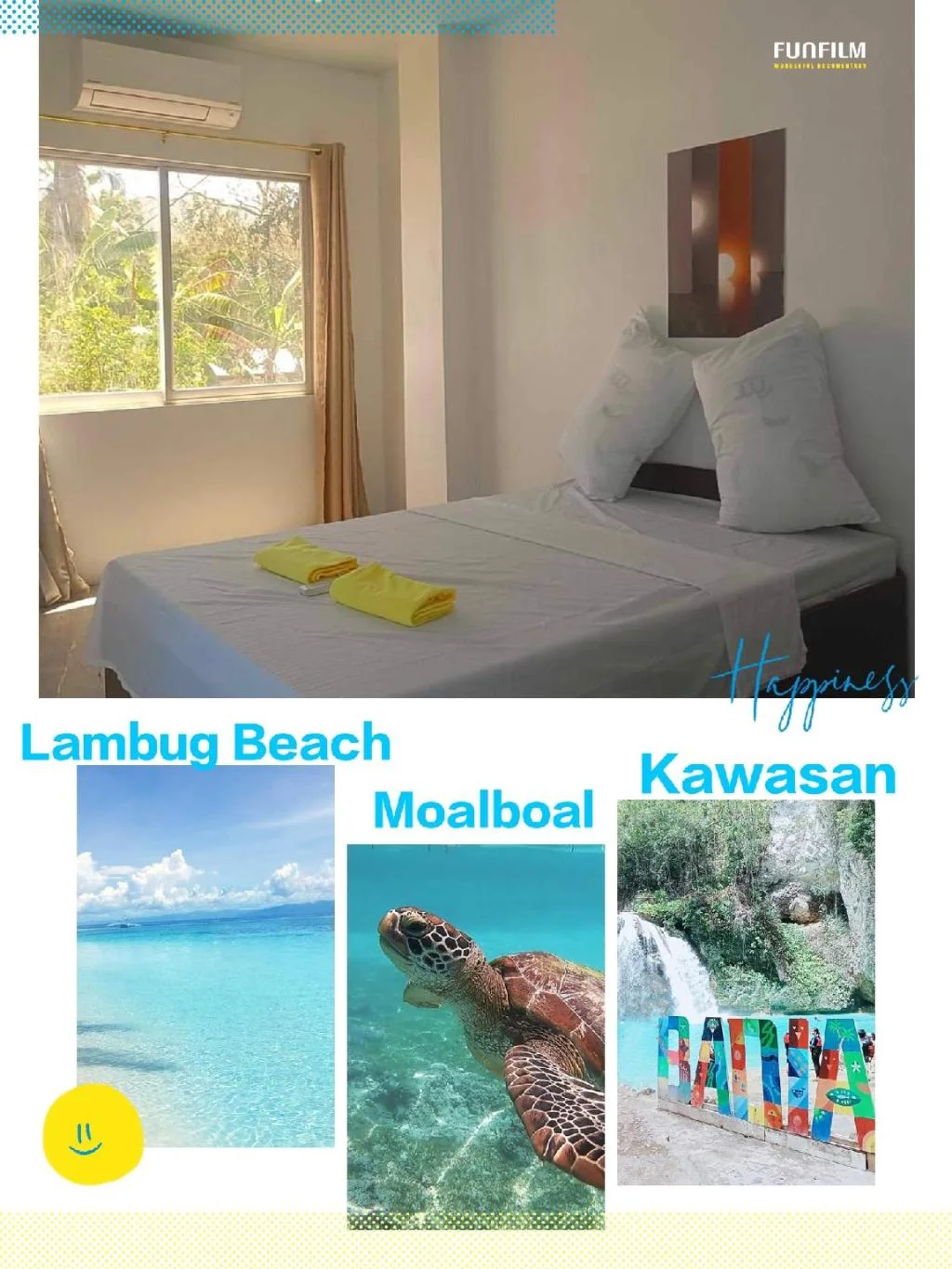
Before you go
Frequently asked
What is the best multi-day trek in Cebu?
Do you need a guide for multi-day treks in Cebu?
Do you need a permit to camp overnight on Cebu's mountains?
How much does it cost to camp overnight on a Cebu mountain?
What is the sea of clouds trek in Cebu?
Is the Osmena Peak to Kawasan Falls traverse hard?
What should I pack for an overnight trek in Cebu?
When is the best time of year for multi-day treks in Cebu?
More Places to Explore
Osmeña Peak
Dalaguete
Cebu's highest peak at about 1,013 meters, with jagged Chocolate-Hills-like ridges and panoramic island views.
Kawasan Falls
Badian
A stunning three-tiered waterfall famous for its turquoise waters, bamboo raft rides, and as the endpoint of the famous Badian canyoneering adventure.
Nug-as Forest
Alcoy
One of Cebu's last remaining old-growth forests, home to centuries-old trees, rare wildlife, and endemic species in a protected highland sanctuary.
Mantalongon Market
Dalaguete
The 'Vegetable Basket of Cebu' - a traditional highland market where farmers sell fresh mountain-grown produce at bargain prices.