
TL;DR: Cebu’s most photogenic falls are spread across the south coast: Kawasan Falls (Badian) for the most saturated turquoise water and easiest access, Tumalog Falls (Oslob) for the light-ray curtain shot best caught 7-9 AM, Aguinid Falls (Samboan) for climbable tiered compositions, and Inambakan and Cambais Falls for the same turquoise look with almost no one else in frame. Entrance fees run ₱50-350 (about US$0.81-6, at ₱62 ≈ US$1 (July 2026)), and a small tripod plus a 6-10 stop ND filter is the one upgrade worth packing. Verified July 2026.
South Cebu has more good waterfalls than most travelers ever see, because the itinerary usually stops at Kawasan Falls and calls it done. That’s a reasonable choice — Kawasan’s turquoise pool is genuinely the best single frame in the province — but if you’re building a trip specifically around photography, four more falls are worth the extra driving: Tumalog Falls near Oslob for its famous light-ray curtain, Aguinid Falls in Samboan for its climbable limestone tiers, Inambakan Falls in Ginatilan for the same milky-turquoise color with a fraction of the crowd, and Cambais Falls in Alegria as an easy add-on if you’re already road-tripping the south coast.
This guide covers what each one actually looks like through a lens, the specific light window that makes or breaks the shot, and the entrance fees, transport, and basic gear you need to plan a photography-focused day (or two) around them. It’s written for anyone who wants more than a phone snapshot but doesn’t need a professional workshop to get there.
Cebu’s Five Best Waterfalls for Photography, at a Glance
| Waterfall | Signature shot | Best time | Entrance fee |
|---|---|---|---|
| Kawasan Falls (Badian) | Turquoise main pool, cascade with bamboo raft | Before 8 AM, dry-season weekday | ₱200 (~US$3.23) |
| Tumalog Falls (Oslob) | Wide “curtain” with sunbeams through mist | 7-9 AM | ~₱50 (~US$0.81) |
| Aguinid Falls (Samboan) | Climbers on tiered limestone steps | Mid-morning, guide-dependent | ~₱300-350 (US$5-6) |
| Inambakan Falls (Ginatilan) | Five-tier turquoise cascade, low crowds | Morning, weekday | ~₱50 (~US$0.81) |
| Cambais Falls (Alegria) | Twin-tier pool, cliff-jump action shots | Morning | ~₱50 (~US$1) |
Fees are locally set by barangay caretakers and shift without notice — bring cash and confirm the amount on arrival. ₱62 ≈ US$1 (July 2026). Verified July 2026.
Why Is Kawasan Falls the Best Photo of the Bunch?
Kawasan’s main pool has the most saturated turquoise-blue color of any waterfall in Cebu, and it’s also the easiest to reach. The color comes from dissolved limestone minerals in the water, which scatter light in a way that reads as an almost artificial blue-green on camera — it’s the shot that shows up in most “Cebu waterfalls” search results for a reason.
Get there early. Buses and vans drop you at the highway in Barangay Matutinao, Badian, and it’s a flat 1.5-kilometer, 15-20 minute walk to the entrance (or a five-minute habal-habal ride for ₱20-30). Entrance is ₱200 per person (about US$3.23), cash only. Arrive before 8 AM on a weekday in dry season for the clearest water and the fewest people wading through your frame — by mid-morning on a weekend, the pool fills with swimmers and the bamboo rafts operators pole out for photo rides (₱300 per raft), which is a fun shot in its own right but crowds the wide composition.
For the classic wide shot, stand back from the pool’s edge with the full cascade and both canyon walls in frame; a polarizing filter here does real work, cutting the glare off the water’s surface and pulling out more of that blue-green saturation than you’ll get with the naked eye. If you want the canyon walls and multiple tiers rather than just the pool, our canyoneering guide covers the trek through Levels 2 and 3, where the narrower, more dramatic drops are.
How Do You Shoot Tumalog Falls’ Light-Ray Curtain?
Show up between 7 and 9 AM — that specific window is what makes or breaks this shot. Tumalog is a wide, wispy waterfall that fans out over mossy limestone into a shallow teal pool, and its defining feature is the way morning sun filters through the fine mist it throws off, creating visible light rays across the curtain. Get the timing wrong and you get a nice waterfall; get it right and you get the shot everyone’s chasing.
The falls sit below road level in a barangay outside Oslob, so ride a habal-habal down the access road rather than walking — it’s a steep climb back out otherwise. From Tan-awan (the whale shark area) it’s about a 10-minute ride for ₱50-100 each way; from Oslob town it’s 15-20 minutes for ₱80-150. Entrance runs around ₱50 (about US$0.81), though some 2025-2026 visitor reports describe it as free or as low as ₱30 depending on which barangay staff are collecting that day.
For the composition, back up as far as the pool allows and go wide — the shot is about showing the full curtain and the teal water below it, not a tight crop. By mid-morning the light goes flat and harsh, and tour groups arriving from whale shark tours fill the pool, so this is genuinely a “come early or don’t bother” location if the photo is the point of the visit.
Are Aguinid Falls’ Tiers Worth Climbing for Photos?
Yes, if you want a different kind of shot than Kawasan or Tumalog offer — Aguinid isn’t a single cascade you photograph from a fixed spot, it’s a multi-tier limestone staircase you climb with a mandatory guide, and the more interesting frames come from the climb itself: travelers scaling wet rock steps between pools, or looking back down the tiers from above.
Most visitors do levels one through five; the upper tiers are closed to the public for safety. The all-in package runs about ₱300-350 per person (US$5-6), which typically bundles the mandatory guide, helmet, life vest, and aqua shoes — a few older reports describe a smaller ₱30-60 base fee with the guide tipped separately instead, so confirm the current structure at the barangay tourism desk. Getting there means a south-bound bus from Cebu South Bus Terminal toward Bato via Barili (₱150-250, about 3-4 hours), or under 90 minutes by rented scooter if you’re already based in Moalboal.
Because you’re moving and climbing rather than standing at a viewpoint, a tripod is impractical here — plan for handheld shots with a fast shutter (1/500s or quicker) to freeze the spray, and keep your camera in a dry bag or waterproof case between tiers. Go in dry season; the current at the open levels gets genuinely strong after rain, and that’s also when guides are most likely to close the upper tiers.
What Makes Inambakan and Cambais Worth the Extra Drive?
Both give you Kawasan’s turquoise-water look with almost none of the crowd, at the cost of a longer trip. Inambakan Falls, tucked 4 km inland from Ginatilan in far south Cebu, is a five-tier limestone cascade with a main pool so pale turquoise it looks tinted — ringed by forest instead of the crowds. Entrance is ₱50 (about US$0.81) plus ₱10 for parking, and it includes a mandatory life jacket. The catch is the trip itself: a 4-5 hour Ceres bus ride from Cebu City, then a short habal-habal hop, which only makes sense if you’re pairing it with Aguinid or a south Cebu overnight rather than a same-day round trip.
Cambais Falls, near Alegria and about 30-40 minutes past Kawasan, is a smaller two-level turquoise waterfall with a 15-20 minute jungle hike in and cliff jumps up to roughly 10 meters at the lower pool — useful if you want an action shot of someone jumping rather than just a static waterfall frame. Entrance runs about ₱50 (under US$1), sometimes with a small parking fee, collected by local caretakers. It’s a worthwhile stop if you’re already road-tripping south Cebu or basing in Moalboal, not a destination on its own.
For either, morning light works the same way it does at Kawasan — softer, less blown-out, and a better chance of an empty frame before day-trippers from Moalboal or Badian show up.
What Gear Do You Actually Need?
You don’t need a full kit to come home with good shots, but a few small items change the results meaningfully:
- A compact travel tripod. Useful at Kawasan and Tumalog where you’re shooting from a fixed spot; skip it at Aguinid, where you’re climbing.
- A 6- to 10-stop ND filter. This is the single upgrade that gets you the silky, blurred-motion water look in daylight — without one, you’re limited to shooting near dawn or in heavy shade to get a slow enough shutter.
- A polarizing filter. Cuts surface glare on the pools and deepens the turquoise color at Kawasan and Inambakan in particular.
- A dry bag or waterproof phone case. Spray reaches further than it looks, especially at Tumalog and the lower tiers of Aguinid and Inambakan.
- Aqua shoes. Required at Aguinid, genuinely useful everywhere else on wet limestone.
If you’re shooting on a phone, modern night or “Live” long-exposure modes can fake a reasonable silky-water effect propped on a rock or a small phone tripod — it won’t match a real ND filter exposure, but it’s enough for a shareable photo without carrying extra gear.
On drones: CAAP allows recreational drones under 7 kg without registration, but there’s no single published drone policy across these five sites — they’re run by different barangay cooperatives, and rules on flying over a crowded swimming pool vary by who’s staffing the gate that day. Ask before you fly, and never fly directly over swimmers.
The Honest Take
Kawasan Falls earns its reputation — it’s the best single photo in this list, and if you only have time for one waterfall, make it that one. But it’s also the most crowded by a wide margin, and a lazy midday visit on a weekend will hand you a frame full of strangers instead of the clean turquoise pool you saw online. The fix is simple and unglamorous: go early, go on a weekday, and go in dry season, because a few days of rain genuinely dulls the water color at every falls on this list, not just Kawasan.
Tumalog’s light-ray shot is real, but it’s also become a bit of a production — expect to share the pool with a busload of people who did the same whale-shark-then-waterfall morning you did, all arriving around the same 8 AM window for the same photo. If that sounds like a queue rather than a nature stop, Inambakan and Cambais are the better trade: less iconic, more solitude, and a longer drive to earn it. Aguinid is worth doing for the experience of climbing it as much as for any single frame — treat the photos as a bonus, not the main event, and listen to your guide about which tiers are open that day.
Skip all five after a few days of heavy rain — the water turns brown with runoff, currents get dangerous at the open tiers, and the color that makes these falls worth photographing simply isn’t there.
Plan the Rest of Your South Cebu Trip
Most of these falls sit along the same stretch of coast, so string them together rather than doing separate day trips — see our south Cebu waterfall trail for a route that covers several in one loop, or the broader best waterfalls in Cebu roundup if you want the full list beyond just the photogenic ones. If you’re basing in Moalboal or Badian for a few nights, compare places to stay on Agoda and build your mornings around whichever waterfall’s light window matters most to you that day.
Sources
- Kawasan Falls Complete Guide — cebudestinations.com (entrance fees, hours, access)
- Tumalog Falls Oslob — cebudestinations.com (entrance fee, light timing, habal-habal fares)
- Aguinid Falls Samboan — cebudestinations.com (guide package pricing, tier access)
- Inambakan Falls Ginatilan — cebudestinations.com (entrance fee, transport)
- Cambais Falls Alegria — cebudestinations.com (entrance fee, trail conditions)
- Civil Aviation Authority of the Philippines (CAAP) — recreational drone weight/registration threshold
- Cross-checked against multiple 2024-2026 traveler reports for light timing, crowd patterns, and current fees. Verified July 2026.
Book Tours & Hotels for This Trip
Find and book the best deals — prices and availability update in real time. Links open in a new tab.
Where to stay near Oslob
Top-rated hotels for this trip — tap through to check live rates.
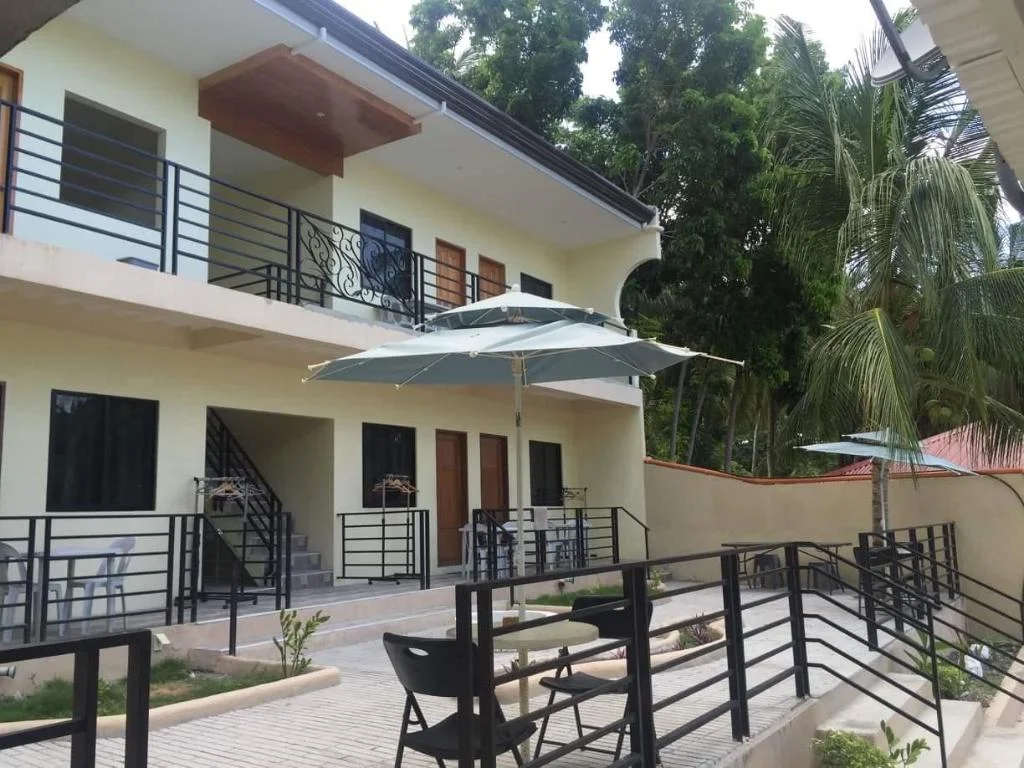
Joaquim's Lodge
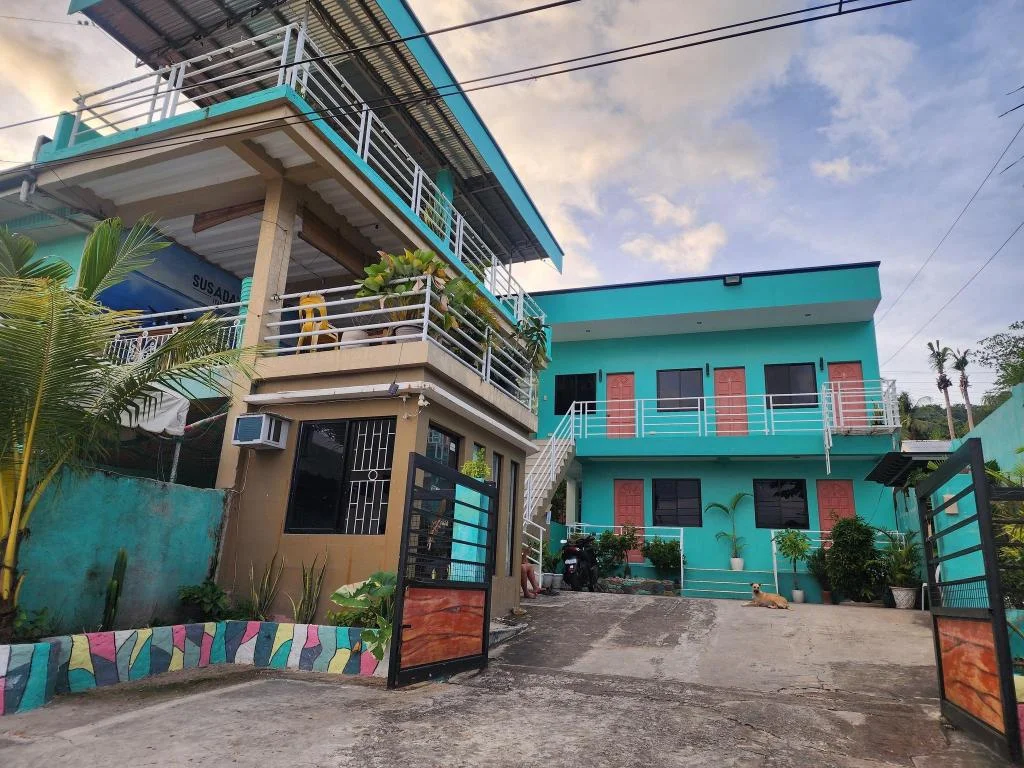
Susada's Inn
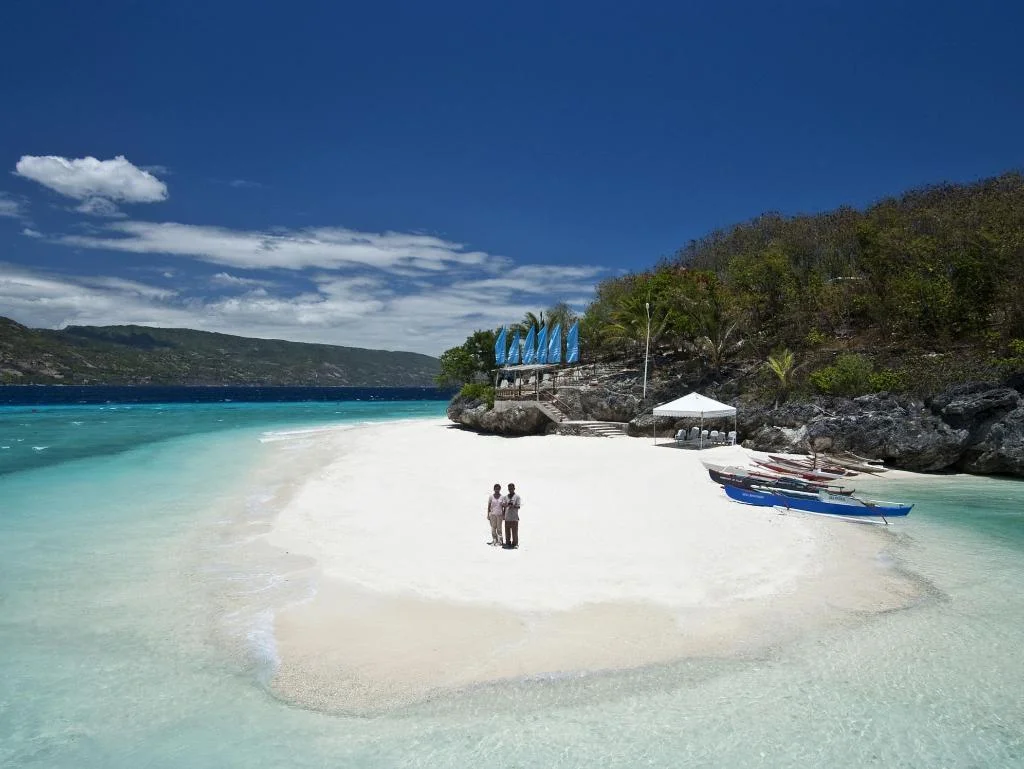
Bluewater Sumilon Island Resort
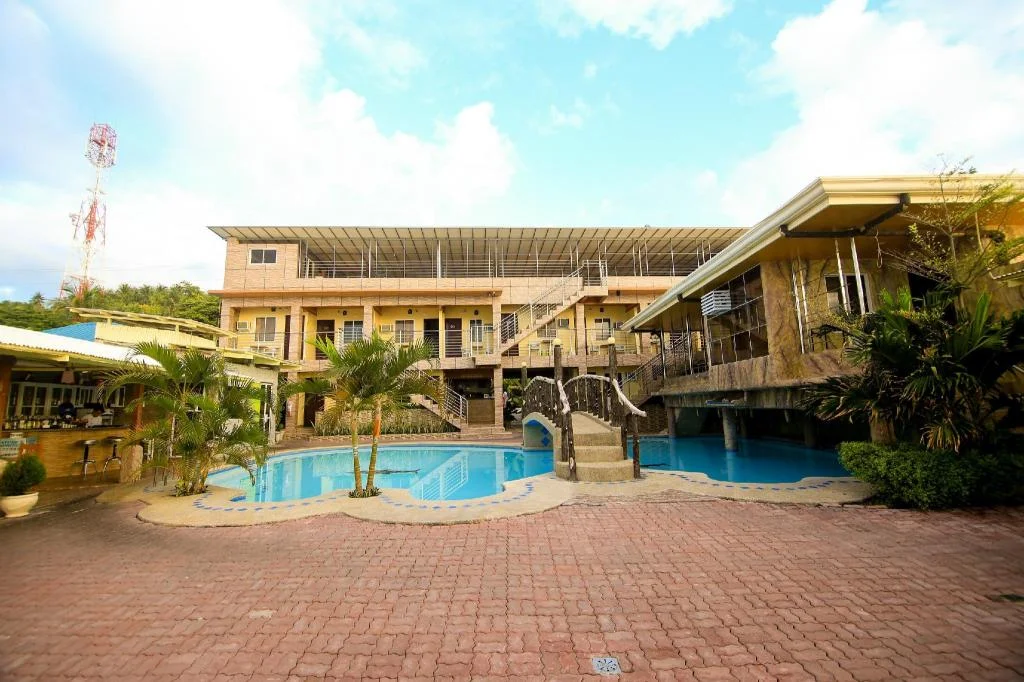
Ging-Ging Hotel & Resort
Prefer a rental? Vacation rentals near Oslob
Self-catering condos and apartments — book the exact unit, kitchen included.
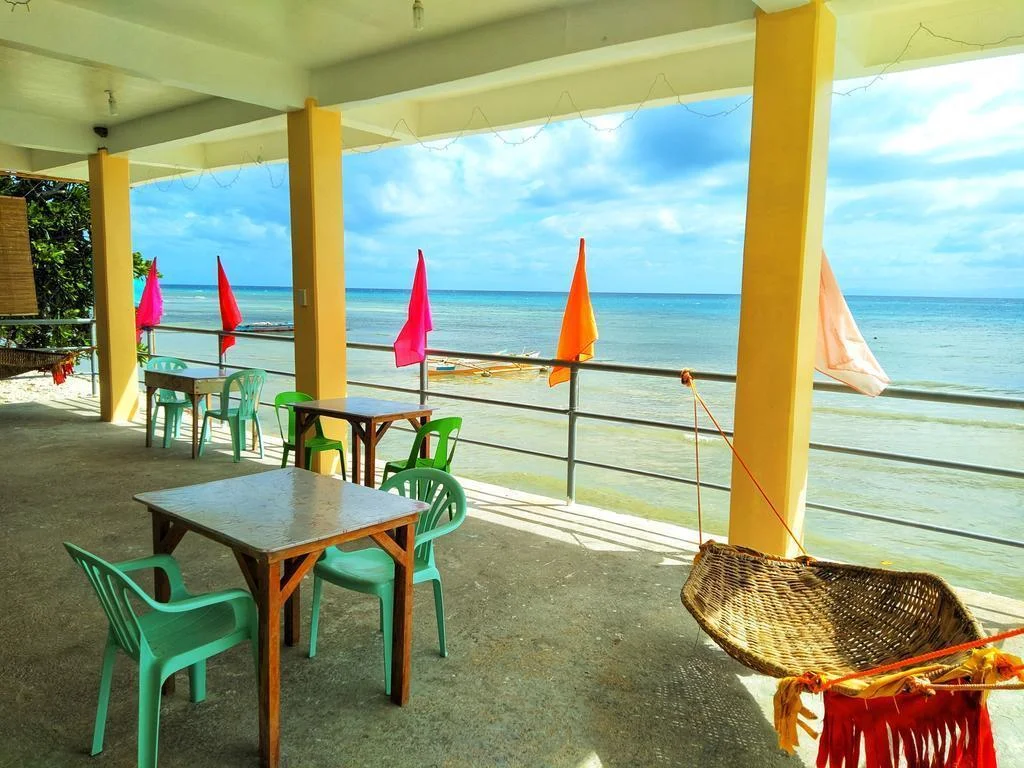
Ocean View Lodging House
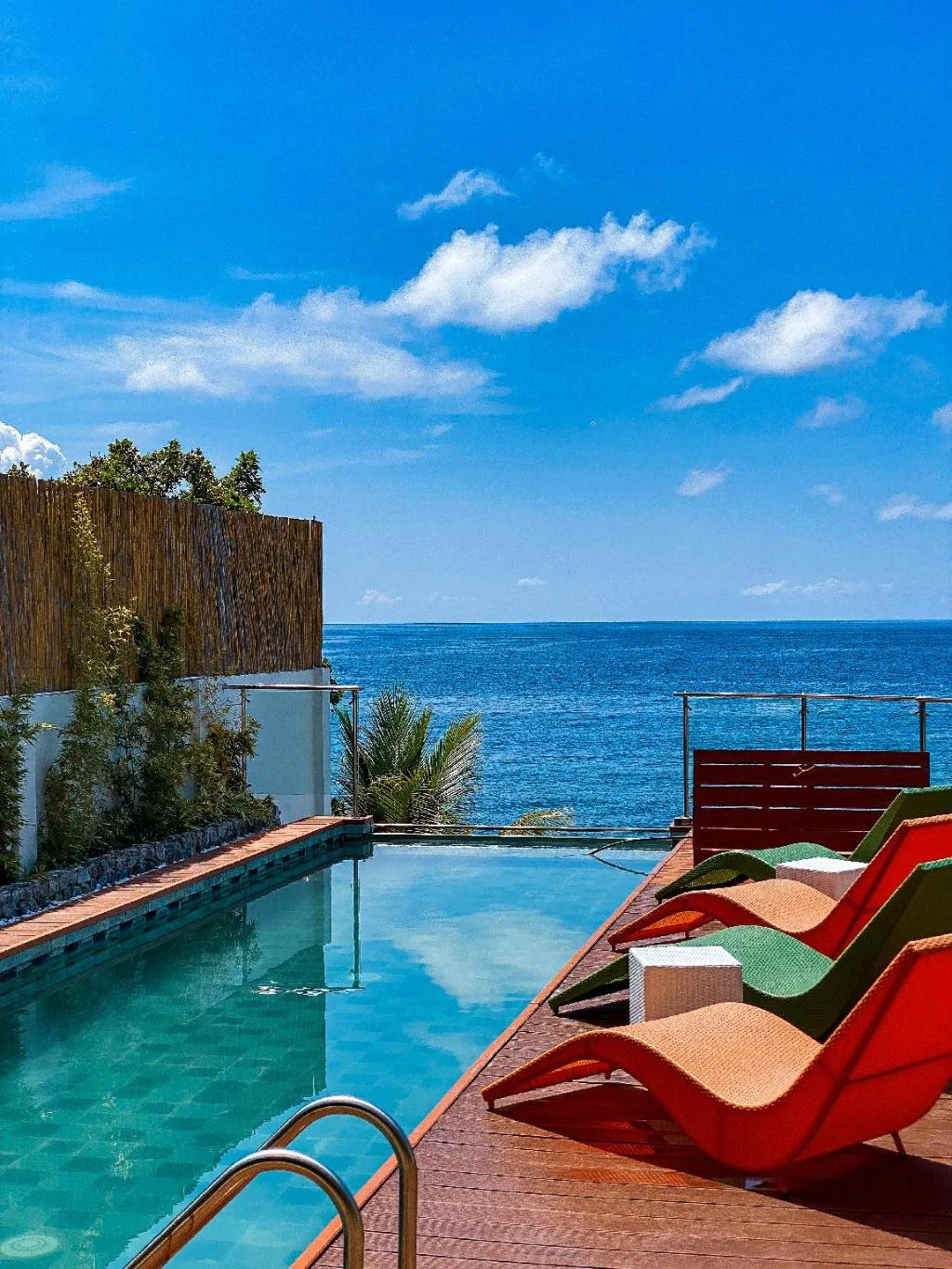
The South Hideaway Oslob
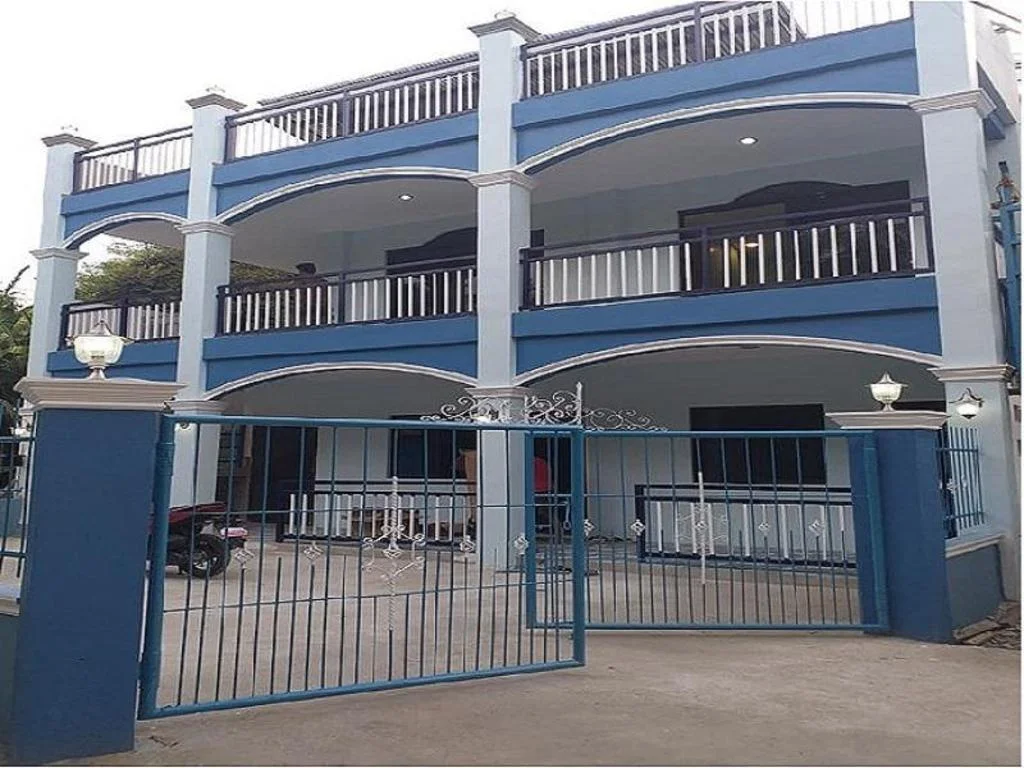
Azulea Family Deluxe 1 * own CR, shower, AC, TV
Before you go
Frequently asked
Which Cebu waterfall is best for photography?
What time should you shoot Kawasan Falls for the best color?
How do you get the sun-ray effect at Tumalog Falls?
Do you need a tripod and ND filter for waterfall photos in Cebu?
Are drones allowed at Cebu's waterfalls?
Which waterfall has the least crowds for photography?
Can beginners get good waterfall shots in Cebu without expensive gear?
How much does it cost to visit these five waterfalls?
More Places to Explore
Kawasan Falls
Badian
A stunning three-tiered waterfall famous for its turquoise waters, bamboo raft rides, and as the endpoint of the famous Badian canyoneering adventure.
Tumalog Falls
Oslob
A spectacular curtain waterfall cascading down a moss-covered cliff into a shallow turquoise pool, creating a dreamlike natural retreat.
Inambakan Falls
Ginatilan
A stunning 100-foot multi-tiered waterfall with five levels to explore and azure swimming pools.