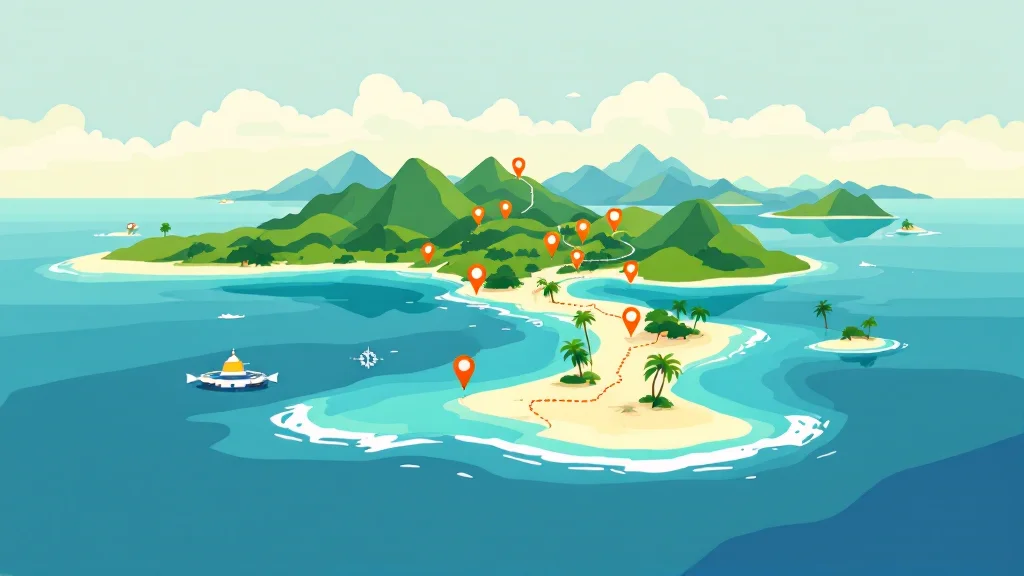
TL;DR: A 5-day, no-rest-day adventure loop through south and north Cebu: canyoneering at Kawasan Falls (from ₱1,500–2,500, US$26–43), a sunrise hike up Osmeña Peak (₱130–200 total, US$2–3), the Moalboal sardine run and Pescador Island (from ₱300 guided swim to ₱2,500 for a two-tank dive, US$5–43), then a long transfer north to Malapascua for a dawn thresher shark dive at Kimud Shoal (₱1,500–2,500 per dive, US$26–43) and an afternoon of island hopping. Budget roughly ₱12,000–20,000 (US$207–345) per person for activities and transport alone, plus lodging. You need to be a fit, confident swimmer and ideally an Open Water diver already. Verified July 2026.
If your idea of a good trip is drumbeats of adrenaline back to back — not lounging — this is the itinerary. It strings together Cebu’s headline adventure activities into five straight days: a canyon full of cliff jumps and rock slides, a sunrise summit, a sardine-filled sea, and a dawn dive with one of the ocean’s strangest sharks. It skips the beach-resort downtime on purpose. You’ll change bases three times, sleep in three different towns, and have at least two 5 a.m. wake-up calls. This is built for travelers who are already reasonably fit, comfortable in water, and ideally certified divers — pair it with our broader guide to Cebu for adventure seekers if you want a gentler version, or the best adventures in Cebu roundup to swap in alternatives.
The 5 Days at a Glance
| Day | Base | Headline activity | Est. cost (activities only) |
|---|---|---|---|
| 1 | Moalboal | Arrival, settle, sunset scouting at the cliffs | ₱0–500 (US$0–9) |
| 2 | Moalboal | Sardine run swim + Pescador Island dive/snorkel | ₱300–2,500 (US$5–43) |
| 3 | Dalaguete → Badian | Osmeña Peak sunrise + Kawasan Falls canyoneering | ₱1,600–2,700 (US$28–47) |
| 4 | Moalboal → Malapascua | Long transfer day, arrive by evening | ₱650–6,000 (US$11–103) |
| 5 | Malapascua | Dawn thresher shark dive + island hopping | ₱2,200–4,000 (US$38–69) |
Costs are per person for activities and the Day 4 transfer, based on 2026 operator listings and traveler reports. Prices fluctuate by season and group size — confirm locally before you book. Verified July 2026.
Day 1: Land in Moalboal, Scout the Cliffs
Fly into Mactan-Cebu International Airport (CEB) and head straight south — don’t linger in Cebu City, you don’t have the days for it. It’s roughly 2.5–3 hours by van or private transfer to Moalboal, Cebu’s dive-and-adventure hub. Check in, eat, and use the afternoon to walk Panagsama Beach and scout the low cliffs near Tuki Point, a local jump-off spot with a few easy 2–5 meter jumps into clear water — a gentle warm-up before the bigger stuff later in the week. Book your sardine run guide and Pescador Island trip for the next morning, and if you haven’t already, lock in a canyoneering slot for Day 3, since weekend and peak-season slots fill up.
Day 2: Sardine Run at Dawn, Pescador Island After
The sardine run is best at first light, so be in the water by 6–7 a.m. — that’s when visibility is clearest, the bait ball is most active, and you’ll have the fewest other swimmers around you. The Moalboal sardine run happens just 20–30 meters off Panagsama Beach, so no boat is required: pay the small local environmental fee, hire a guide for around ₱300–500 (US$5–9) which usually includes mask, snorkel, and a life vest, and add ₱150 (US$3) for fins or ₱500 (US$9) if you want GoPro footage. Confident freedivers can do it solo for close to nothing beyond the entrance fee.
Mid-morning, book a boat out to Pescador Island, a short ride from Panagsama with a wall dropping past 50 meters, swim-throughs, and a fair chance of whitetip reef sharks along the drop-off. A guided two-tank scuba dive runs roughly ₱1,500–2,500 (US$26–43) all-in through most Panagsama dive shops; snorkelers can usually tag along on the same boat for less. Spend the afternoon resting your legs — tomorrow is the hardest day of the trip.
Day 3: Sunrise at Osmeña Peak, Then Canyoneering at Kawasan Falls
This is the itinerary’s double-header: a pre-dawn summit followed by a multi-hour canyon trek, so pace yourself. Base yourself the night before in or near Mantalongon, Dalaguete (about 1–1.5 hours from Moalboal), so you can reach the Osmeña Peak trailhead before sunrise. The hike itself is short — about 20–25 minutes up a grassy ridge — but it’s steep, and the view of the jagged limestone peaks and the sea beyond is one of the best sunrise payoffs in Cebu. Entrance runs around ₱30–50 (US$0.50–1) plus a guide fee of roughly ₱100–150 (US$2–3); pricing at the hiker’s center varies, so bring small bills and confirm on arrival.
Descend, grab a quick breakfast, and transfer back down to Badian (roughly 1.5–2 hours) for the day’s main event: canyoneering at Kawasan Falls. The standard route runs 3–5 hours depending on group size and pace, moving downstream through the Kanlaob River canyon with rock slides, a stalactite cave passage, and repeated cliff jumps before ending at the three-tiered waterfall itself. Packages starting in Moalboal or Badian run ₱1,500–1,800 (US$26–31); starting from Cebu City adds transport and pushes it to ₱2,000–2,500 (US$34–43). The price includes an accredited guide, safety gear (helmet, life vest, water shoes), a dry bag, the habal-habal ride to the jump-off point, and lunch at the falls. Note that the tallest jump — a legendary 15-meter leap — has been closed for safety since the landing pool got shallower; the current maximum is around 10 meters, still enough to get your heart rate up. For the deeper walkthrough, see our Kawasan Falls canyoneering guide. Overnight back in Moalboal or Badian.
Day 4: The Long Transfer North to Malapascua
Today is a travel day, and there’s no way around it — budget 6–8 hours to get from Moalboal to Malapascua. There’s no direct route: you backtrack through Cebu City. By public transport, that means a bus from Moalboal to the South Bus Terminal, a taxi across the city to the North Bus Terminal, a van to Maya Port (public ferries run 6:30 a.m.–4:30 p.m.), and a roughly 45–60-minute boat crossing — 7–8 hours door to door, from about ₱650 (US$11) in fares. Hiring a private van or car for the whole leg cuts it to 6–7 hours and costs around ₱6,000 (US$103) for the vehicle, which is worth splitting across a group if you have one — it also means you can leave earlier and skip the terminal-to-terminal taxi hop.
Leave Moalboal as early as you reasonably can. Arriving in Malapascua by late afternoon gives you time to check into a dive resort, confirm tomorrow’s dawn dive slot, and catch the sunset at Bounty Beach before an early dinner and an early night — tomorrow’s wake-up call is brutal.
Day 5: Thresher Sharks at Dawn, Island Hopping After
Boats to the thresher shark dive site leave between 5 and 8 a.m., so you’ll be up before the sun. The sharks that made Malapascua famous no longer congregate at Monad Shoal — they moved to nearby Kimud Shoal around 2022, where cleaning stations sit at a shallower 14–20 meters. Dive prices run roughly ₱1,500–2,500 (US$26–43) per dive, and most operators run it as a two-tank morning at Kimud Shoal for thresher sharks, so budget ₱3,000–5,000 (US$52–86) total. You need an Open Water certification or higher for this dive — it isn’t a Discover Scuba site.
Back on land by late morning, spend the afternoon on a Malapascua island-hopping trip: shared boats to spots like the coral garden, small offshore islets, and a Japanese shipwreck run roughly ₱700–1,500 per person (US$12–26) for a half or full day, while a private boat for your group runs ₱2,000–4,000 (US$34–69). If cliff jumping is still on your list, some of the small limestone islets along the route have a few low jump points — ask your boatman, since not every operator stops at them. This closes out the five days; fly out of Cebu the next morning, or add a rest day on Malapascua’s beaches if your schedule allows it.
How Fit Do You Need to Be?
Moderately to very fit, with an emphasis on swimming and stamina over raw strength. You’ll be in open water twice (the sardine run and the thresher shark dive), scrambling and jumping through a canyon for hours, and hiking a steep — if short — trail on tired legs the morning after a late canyoneering day. None of it requires technical climbing or elite fitness, but combined with two early-morning wake-ups and a long travel day, it adds up. If you’re not a confident swimmer, skip the freediving portions of the sardine run and stick to guided snorkeling with a life vest, and treat the thresher shark dive as optional unless you’re already certified.
How to Adjust This Itinerary
- Not a certified diver? Swap the thresher shark dive for a Discover Scuba session at a shallower Malapascua site, or spend Day 5 morning on Gato Island snorkeling instead.
- Traveling as a family or with less time? Drop Day 3’s canyoneering-plus-peak double-header and split it across two calmer days — see our Osmeña Peak guide for a standalone version.
- Want more islands? Add a sixth day for Kalanggaman Island near Malapascua, but book it as its own full day rather than squeezing it in after a dawn dive.
- Traveling in typhoon season (roughly July–November)? Build in one flex day — both the canyoneering trek and the Maya-to-Malapascua boat crossing get cancelled in rough weather, and rebooking on the fly costs you time you don’t have on this schedule.
The Honest Take
This itinerary is efficient, not relaxing — you are trading downtime for volume, and by Day 4 you will feel it. The long transfer to Malapascua is the itinerary’s weak point: it’s a half-wasted day that exists only because Cebu’s best canyon and its best shark dive happen to sit on opposite ends of the island, and no shortcut fixes that. If your trip is shorter than five days, cut Malapascua before you cut the south — Kawasan Falls, the sardine run, and Osmeña Peak are more reliably rewarding and far less weather-dependent than a single dawn dive that can get blown out by a bad current day.
Crowds are heaviest at Kawasan Falls and Pescador Island from March through May and around the New Year; Malapascua stays comparatively quiet year-round because its remoteness self-selects for divers rather than day-trippers. If you only have energy for one “big” day, make it the canyoneering trek — it’s the most consistently well-reviewed activity on this list and works in almost any weather short of an actual storm.
Sources
- WhyCebu — Kawasan Falls canyoneering price and route guide
- WhyCebu — Thresher shark diving Malapascua / Kimud Shoal guide
- Thresher Shark Divers — official dive pricing
- WhyCebu — Sardine run Moalboal complete guide
- Gecko Routes — Moalboal to Malapascua transport guide
- Gecko Routes — Cebu to Malapascua transport guide
- Osmeña Peak entrance and guide fees cross-checked against multiple 2026 traveler reports (Journeyera, Jonny Melon, Digital Travel Couple). Verified July 2026.
Book the Pieces Ahead of Time
Slots for canyoneering and thresher shark dives fill up in peak months, so lock in the two anchor activities before you land: search Kawasan Falls canyoneering tours on Klook and search Malapascua thresher shark diving on Klook. For beds, compare places to stay in Moalboal on Agoda for Days 1–3, and check dive-resort options on Malapascua directly since most run their own booking pages.
Five days, five adrenaline hits, one very tired flight home — pair this with things to do in Cebu if you want to bolt on a calmer day before or after, or with our best adventures in Cebu roundup for substitutions if any single piece falls through on the day.
Book Tours & Hotels for This Trip
Find and book the best deals — prices and availability update in real time. Links open in a new tab.
Where to stay near Daanbantayan
Top-rated hotels for this trip — tap through to check live rates.

Ocean Vida Resort
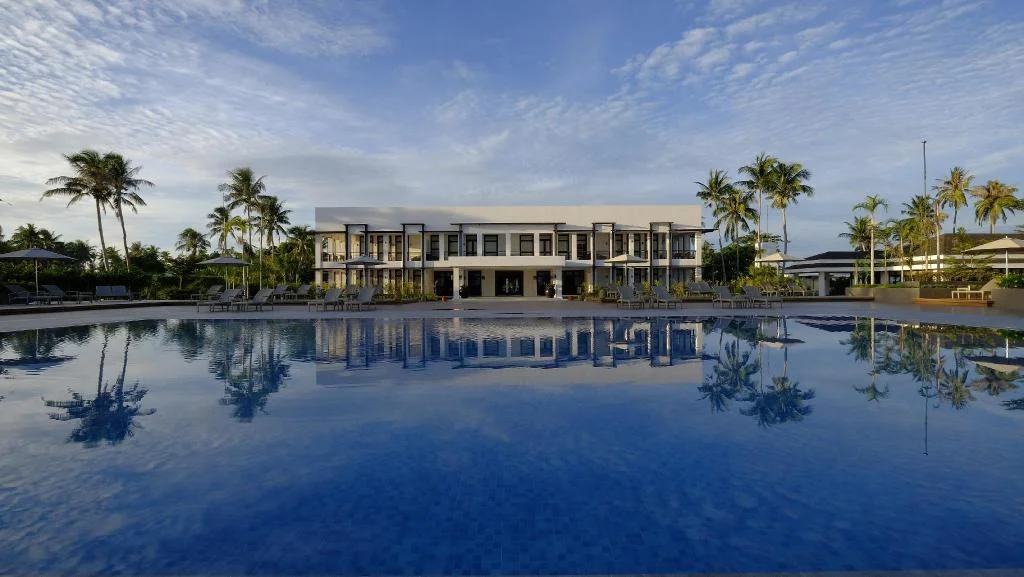
Kandaya Resort
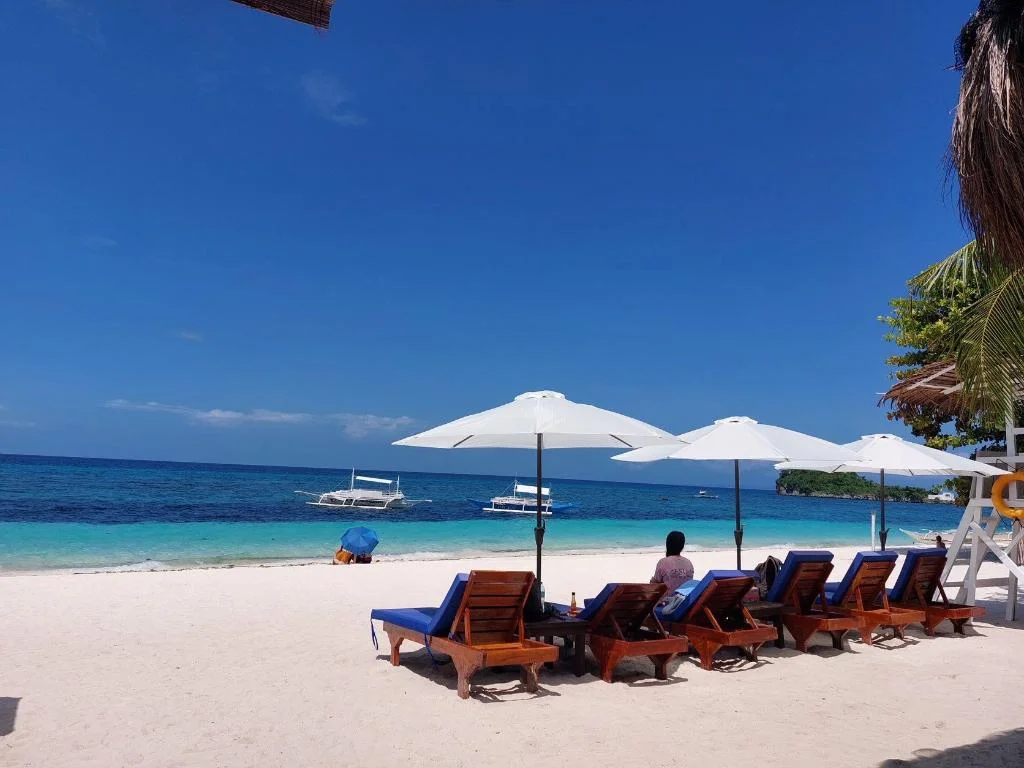
Avila's Horizon Dive Resort Malapascua
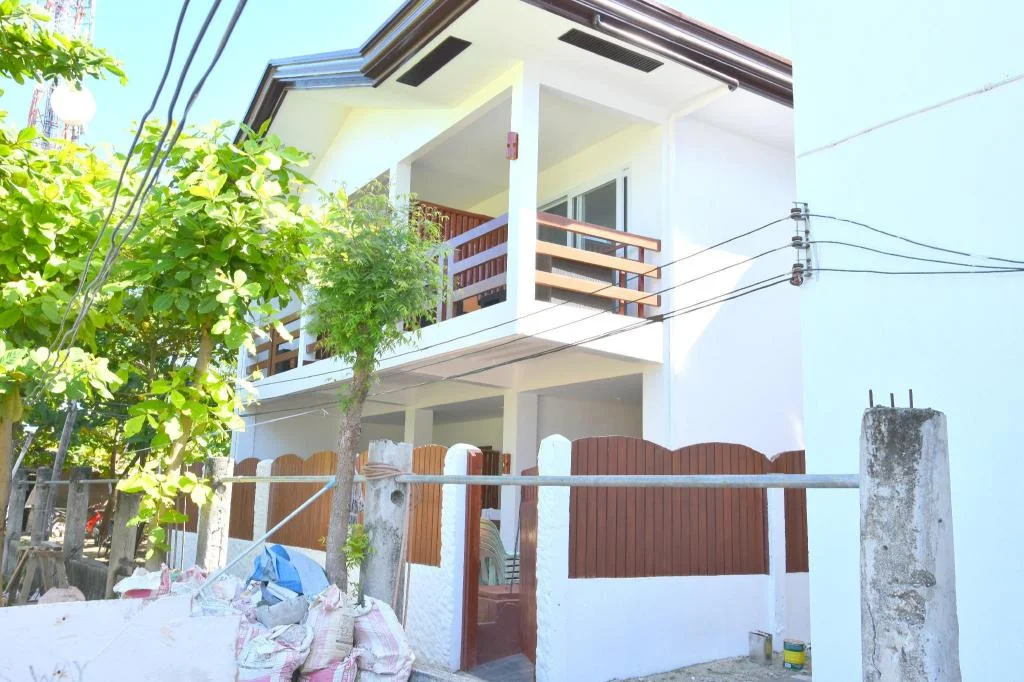
Malapatel
Prefer a rental? Vacation rentals near Daanbantayan
Self-catering condos and apartments — book the exact unit, kitchen included.
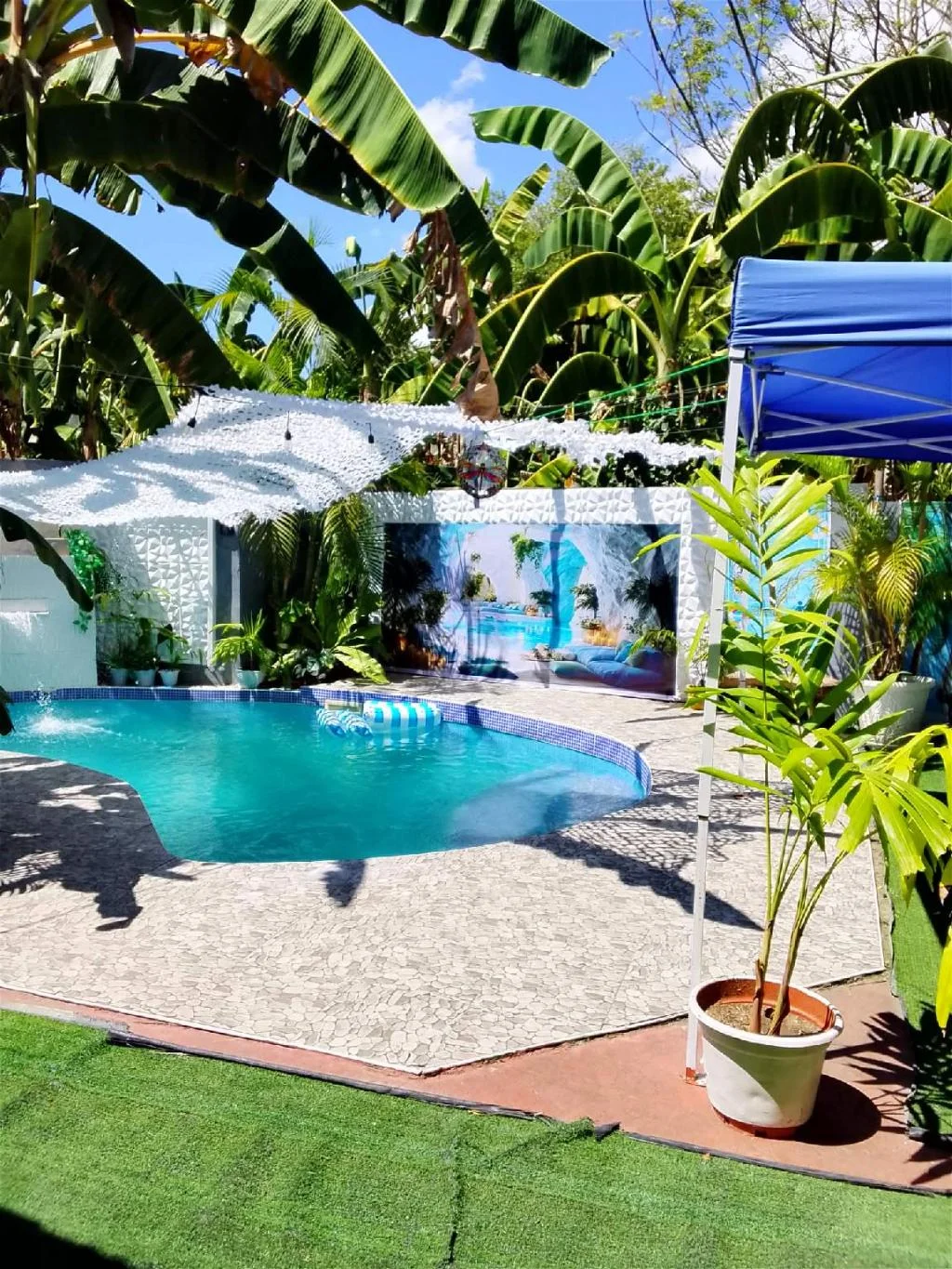
Two crazy monkeys
WARM Space Rental
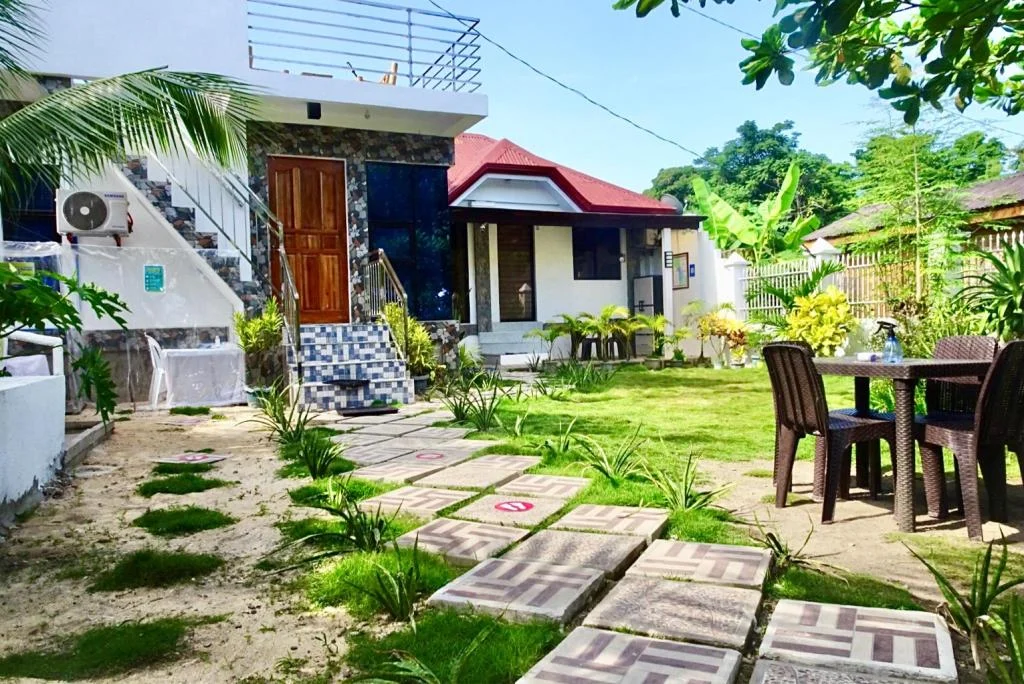
Chief's Villa 2 (Save up to50 prcnt for long term)
Before you go
Frequently asked
Is five days enough for canyoneering, Osmeña Peak, the sardine run, and thresher sharks?
Do I need to be a certified diver for the thresher shark dive?
Are the thresher sharks at Monad Shoal or Kimud Shoal?
Is the famous 15-meter cliff jump at Kawasan Falls still open?
How fit do you need to be for this itinerary?
Can I add Kalanggaman Island to this itinerary?
What's the best time of year to run this itinerary?
How do I get from Moalboal to Malapascua?
More Places to Explore
Kawasan Falls
Badian
A stunning three-tiered waterfall famous for its turquoise waters, bamboo raft rides, and as the endpoint of the famous Badian canyoneering adventure.
Osmeña Peak
Dalaguete
Cebu's highest peak at about 1,013 meters, with jagged Chocolate-Hills-like ridges and panoramic island views.
Malapascua Island
Daanbantayan
A world-famous diving paradise known for thresher shark encounters, featuring beautiful white sand beaches and laid-back island vibes.