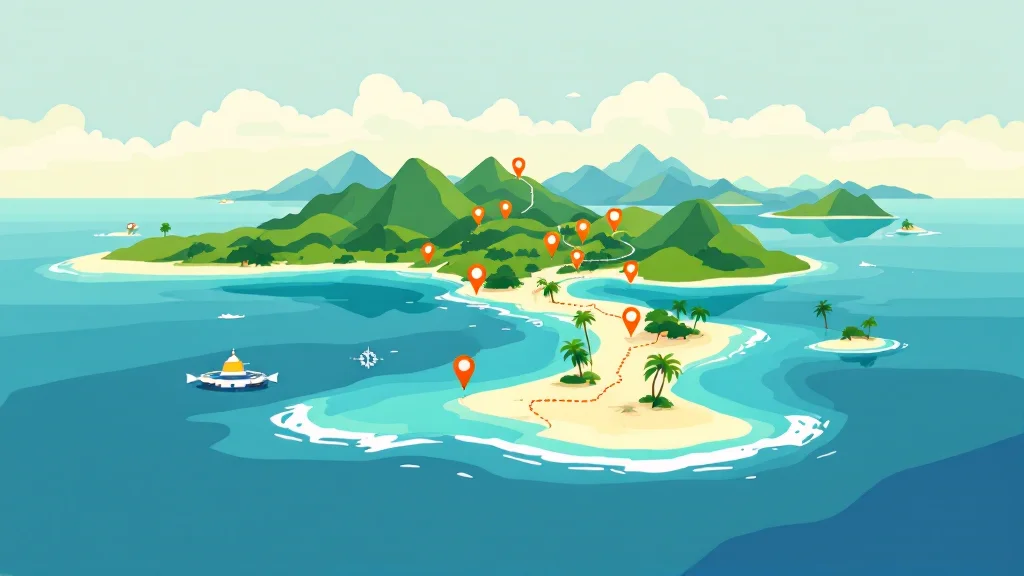
TL;DR: A 5-day nature-and-hiking loop through south Cebu: Moalboal for the sardine run (from ~₱25 environmental fee, snorkeling right off Panagsama Beach), Kawasan Falls canyoneering in Badian (regulated at ₱2,000+/person, about US$34+), Osmeña Peak in Dalaguete (entrance around ₱20–50), and a south waterfall day linking Mantayupan and Aguinid Falls (₱40–300 per stop). A flexible fifth day adds Mt. Lanaya, Nug-as Forest birding, or just recovery time. Base in Moalboal, budget roughly ₱4,000–7,000 (US$70–120) per person for activities across the five days, and build in slack — canyoneering and the sardine run both depend on weather. Verified July 2026.
Cebu’s south coast packs an unreasonable amount of nature into a small stretch of road: a limestone peak with sea-to-sea views, a canyon you rappel and jump your way down, waterfalls stacked one after another along a single highway, and a sardine ball you can snorkel without a boat. This itinerary strings them together into a five-day loop built for hikers, swimmers, and anyone who wants their Cebu trip to be mostly outdoors and mostly off pavement. It’s written for independent travelers comfortable with buses and habal-habal, though every day here also works as a booked tour if you’d rather not plan logistics. The anchor points are Osmeña Peak, Kawasan Falls, and the Moalboal sardine run — everything else builds around them.
The Itinerary at a Glance
| Day | Focus | Base | Approx. activity cost (per person) |
|---|---|---|---|
| 1 | Travel south, settle in, sardine run at dusk | Moalboal | ₱25–500 |
| 2 | Kawasan Falls canyoneering | Badian / Moalboal | ₱2,000–2,600 |
| 3 | Osmeña Peak sunrise hike (or the full traverse) | Dalaguete / Moalboal | ₱20–1,000+ |
| 4 | South waterfall trail: Mantayupan + Aguinid | Moalboal / Samboan | ₱340–450 |
| 5 | Choose your adventure: Mt. Lanaya, Nug-as Forest, or rest | Alegria / Alcoy / Moalboal | ₱0–600 |
Prices are entrance and activity fees only, not transport, food, or lodging. Confirm all figures locally — rural LGU fees change without much notice. Verified July 2026.
Day 1: Cebu City to Moalboal, and an Evening Sardine Run
Travel south and get in the water before dark — the sardine run is the easiest big payoff on this whole trip. From Cebu City, a Ceres Liner bus from the South Bus Terminal to Moalboal runs about ₱170 non-aircon or ₱210 aircon, taking 3–4 hours depending on traffic (a private van or Grab is faster but costs more). Check into a guesthouse near Panagsama Beach, then head straight into the water: the sardine ball sits just 20–30 meters offshore, so no boat is needed. Snorkel gear rental runs roughly ₱100–250, plus a ₱25 environmental fee; hiring one of the local guides who swim you out and keep you safe near the boat traffic costs about ₱300–500 (US$5–9), which is worth it if you’re not a strong swimmer. Divers can book a two-tank sardine/Pescador dive through any Panagsama dive shop for roughly ₱1,500–2,500 all-in.
Day 2: Kawasan Falls Canyoneering (Badian)
Canyoneering down Kawasan Falls is the physical centerpiece of this itinerary — a half-day of rappels, cliff jumps, and swims through a turquoise canyon. From Moalboal, it’s a short habal-habal or tricycle ride to the Badian canyoneering jump-off. Pricing is regulated under Badian Municipal Ordinance No. 11-2022 and Cebu Provincial Ordinance No. 2024-04 at ₱2,000 per person, plus about ₱100 for the mandatory shuttle to the canyon entrance — so budget from ₱2,100. With lunch, the return habal-habal, and a guide tip, most people spend closer to ₱2,000–2,600 total. Walk-in same-day rates can run a bit lower (roughly ₱1,500–1,800) if you book directly at the jump-off rather than through a hotel or agent — but never take a price that undercuts the regulated rate; operators offering “budget” canyoneering below ₱2,000 are breaking the ordinance and risk having your trip cut short.
If you’d rather not plan the logistics yourself, book a Kawasan Falls canyoneering tour through Klook with transport bundled in.
Day 3: Osmeña Peak Sunrise Hike (or the Full Traverse)
Osmeña Peak is a short, easy walk with an outsized view — you can be up and down before breakfast. From Moalboal or Badian, hire a habal-habal to Mantalongon or the Dalaguete jump-off (roughly ₱100–200 per person one way), then it’s a 15–20 minute walk along a narrow ridge path to the summit, where Cebu’s famous limestone spires open up on both the Tañon Strait and Bohol Sea sides. Entrance fees at the tourism/hiker’s center have been reported anywhere from ₱20 to ₱50; confirm the current rate on arrival. A guide isn’t required for the short summit trail but costs ₱150–300 if you want one, mostly for photos and reassurance on the steeper scrambles.
If you have hiking legs and a full day free, the Osmeña Peak-to-Kawasan Falls traverse is the more serious version of this day: a roughly 6-hour ridge-and-forest trek connecting the peak directly to the falls, best done with a local guide and ideally as an overnight camping trip at the summit rather than crammed into a single day. Most travelers combining both spots in one day skip the full traverse and take a habal-habal between them instead (around ₱1,000 for the motorbike, good for two). Either way, read up in our Osmeña Peak guide and Osmeña Peak-to-Kawasan Falls trek guide before you commit to the full trek.
Day 4: The South Cebu Waterfall Trail (Mantayupan, Inambakan, Aguinid)
One road, several waterfalls — this is the day to slow down and just swim. Head further south from Moalboal toward Barili and Samboan to string together Mantayupan Falls, the tallest multi-tier waterfall in Cebu (entrance around ₱40–50, plus ₱50 for a life vest if you’re swimming), Inambakan Falls’ turquoise pools, and Aguinid Falls in Samboan, where a ₱300 entrance fee bundles a helmet, wet shoes, life jacket, and two guides for a light trekking-and-climbing route through cascading limestone tiers. A private van or habal-habal chain makes this manageable in a day; a packaged day tour bundling all four falls (Mantayupan, Kawasan, Inambakan, Aguinid) with a beachfront lunch is also widely available if you’d rather not chain together your own transport. For the full route and stop order, see our south Cebu waterfall trail guide.
Day 5: Choose Your Adventure
This is the flexible day — pick a mountain, a forest, or nothing at all. Three solid options, depending on how your legs feel after four days of hiking and swimming:
- Mt. Lanaya (Alegria) — a genuinely steep climb up a roughly 700-meter peak known for narrow ridges and near-vertical scrambles, best for travelers with some hiking fitness left in the tank. Entrance is about ₱50 per person plus a ₱500 guide fee split across a group of up to four; the standard Legaspi trail takes 3–6 hours round-trip depending on your pace, with an overnight camping option (₱600–800) for sunrise views. Reach it via Ceres bus from the South Bus Terminal toward Bato via Barili, dropped off at Legaspi, Alegria.
- Nug-as Forest birding (Alcoy) — the largest remaining forest reserve in Cebu and one of the last strongholds of the endemic black shama (locally called siloy). Local forest wardens from the community group managing the reserve guide visitors through the trails; arrange this a day ahead through the Alcoy tourism office, since fees and availability aren’t standardized — confirm locally before you go.
- Rest, or add Olango Island — if you’re flying out of Mactan-Cebu International Airport, the Olango Island Wildlife Sanctuary is a mellow, low-effort morning of migratory-bird watching (entrance reported around ₱100, plus ₱20 parking; best two hours before high tide, September–May) that pairs naturally with a late flight home.
Where Should You Base Yourself?
Moalboal is the strongest single base for this whole loop — it sits within an hour or two of Kawasan Falls, the waterfall trail, and Osmeña Peak’s jump-off, and has by far the widest range of guesthouses, dive shops, and restaurants in the area. Badian is a fine alternative if canyoneering is your main priority and you want to be a five-minute ride from the jump-off. If you’re doing the Osmeña Peak sunrise hike or camping at the summit, an overnight in Dalaguete near Mantalongon Market saves you an early habal-habal ride in the dark. Moving your base once (Moalboal to Dalaguete, then back toward Cebu City) is more realistic than trying to day-trip everything from a single fixed hotel.
What Gear Do You Need?
Pack light and expect to get wet most days: quick-dry clothes, aqua shoes or old sneakers, a dry bag for your phone and cash, reef-safe sunscreen, insect repellent, and a headlamp if you’re camping at Osmeña Peak or starting Mt. Lanaya before dawn. Bring cash in small bills — entrance fees, guide tips, and habal-habal fares in rural south Cebu are almost entirely cash-only, and exact change speeds things up at every jump-off.
How Much Does This Itinerary Cost?
Activity fees alone across the five days run roughly ₱4,000–7,000 per person (about US$70–120), before transport, food, and lodging — canyoneering is the single biggest line item, and the waterfall trail and sardine run are the cheapest. Add another ₱1,500–3,000 per day for a private van or habal-habal chain if you’re not using public buses, and budget ₱600–1,500 a night for guesthouses in Moalboal or Badian. Confirm every fee locally: rural tourism offices in Cebu adjust entrance prices more often than the bigger, better-documented attractions.
The Honest Take
This itinerary rewards travelers who don’t mind a bit of chaos — bumpy habal-habal rides, cash-only jump-offs, and entrance fees that vary depending on who you ask. None of that should stop you; it’s also genuinely one of the best nature stretches in the Philippines for the money. The trade-off is transit time: south Cebu’s coastal road winds through a dozen small towns, and what looks like an hour on the map can take two in real traffic. Weather is the other honest risk — Kawasan Falls closes canyoneering during heavy rain and high water, and the sardine run’s visibility drops in rough seas, so if you’re traveling June through September, build a spare day into the schedule rather than stacking everything back-to-back. Skip the full Osmeña Peak-to-Kawasan traverse unless you actually want a demanding trek; the habal-habal link between the two gets you the same two highlights with a fraction of the effort.
Sources
- Kawasan Falls Canyoneering Guide (Cebu Destinations) — regulated pricing under Badian Municipal Ordinance No. 11-2022 and Cebu Provincial Ordinance No. 2024-04
- WhyCebu — Kawasan Falls Canyoneering: Price, Route and Tips
- Cebu Daily News — Mt. Lanaya, Alegria
- Province of Cebu Tourism Office — Nug-as Forest
- VERA Files — Nug-as Forest and the Cebu black shama
- Bus fares, entrance fees, and trail times cross-checked against recent traveler reports and operator listings; all figures approximate. Confirm locally before you go. Verified July 2026.
Five days is enough to string together Cebu’s best hikes, its most famous canyon, and a swim with a moving wall of sardines — pair it with our best nature spots in Cebu roundup or Cebu for adventure seekers guide if you want to swap in a few extra stops. Ready to book the parts that need reservations? Compare Moalboal guesthouses on Agoda and lock in your canyoneering slot before you fly.
Book Tours & Hotels for This Trip
Find and book the best deals — prices and availability update in real time. Links open in a new tab.
Where to stay near Moalboal
Top-rated hotels for this trip — tap through to check live rates.
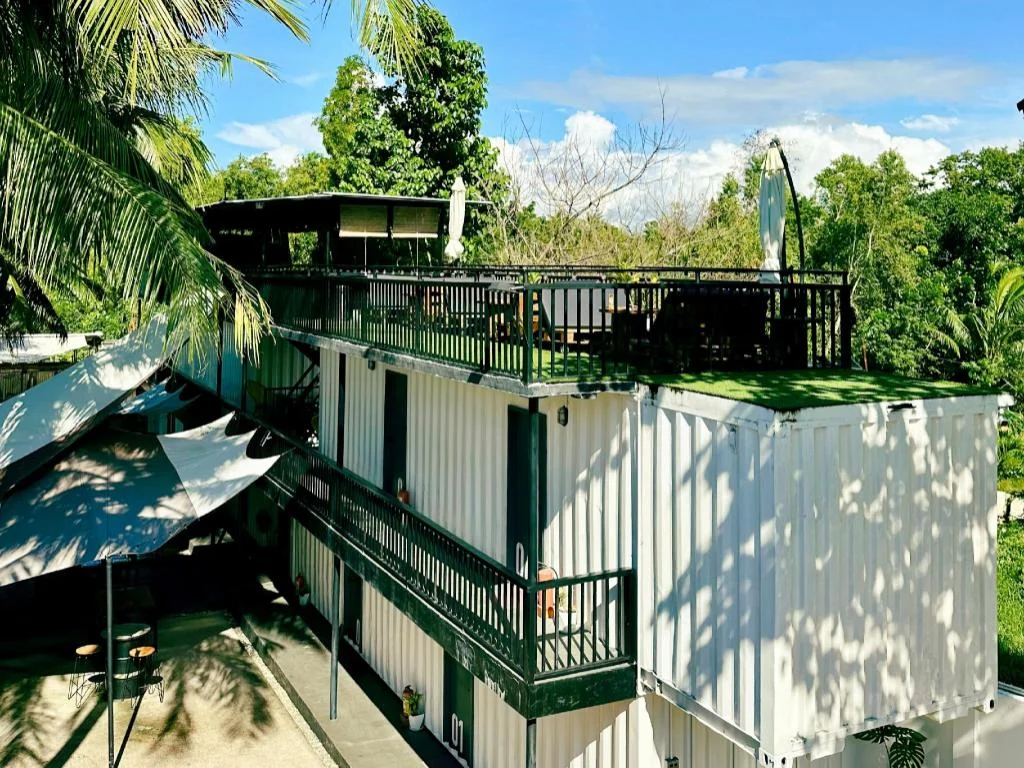
PIG DIVE HOSTEL MOALBOAL
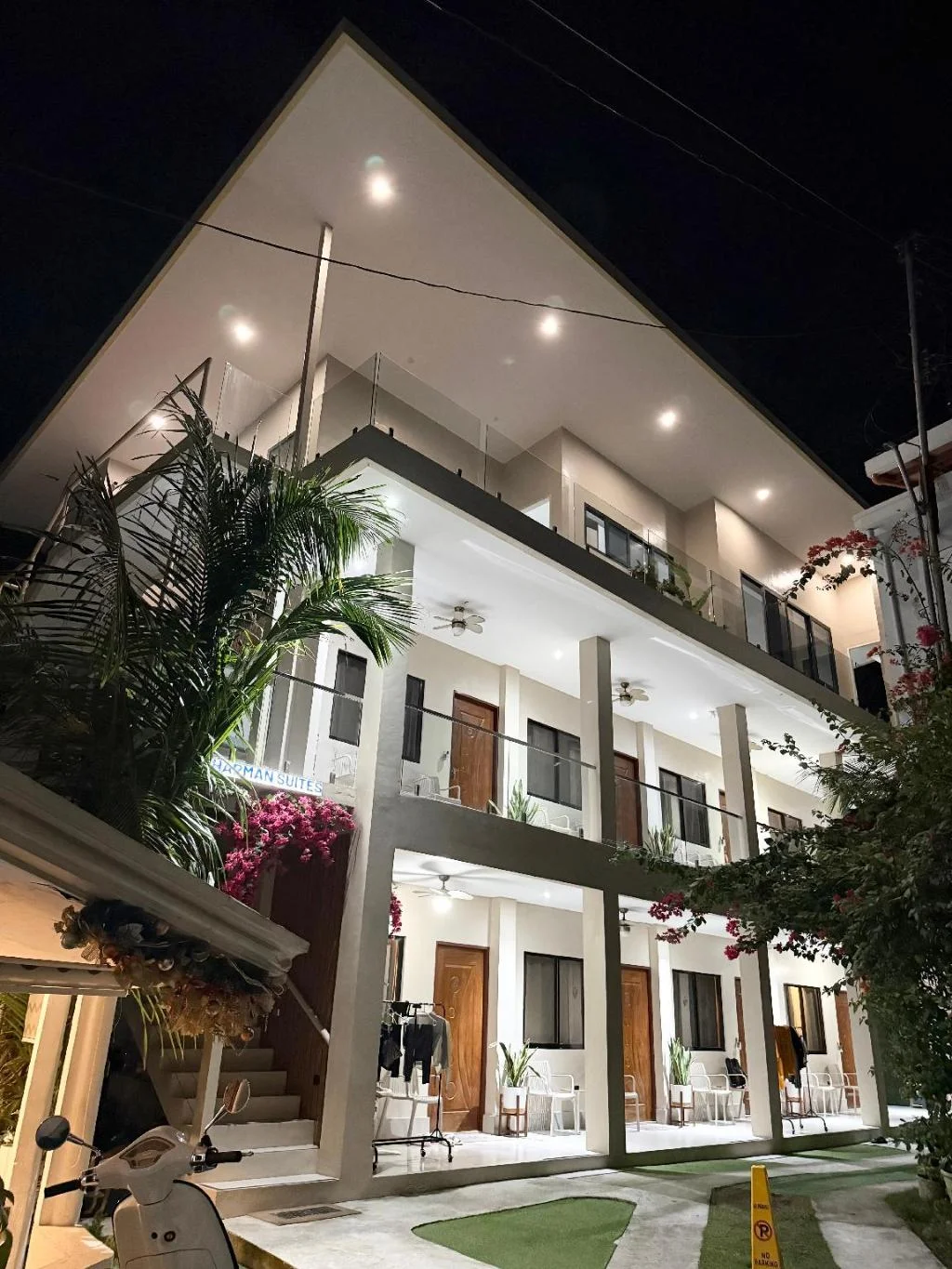
Harman Suites Moalboal
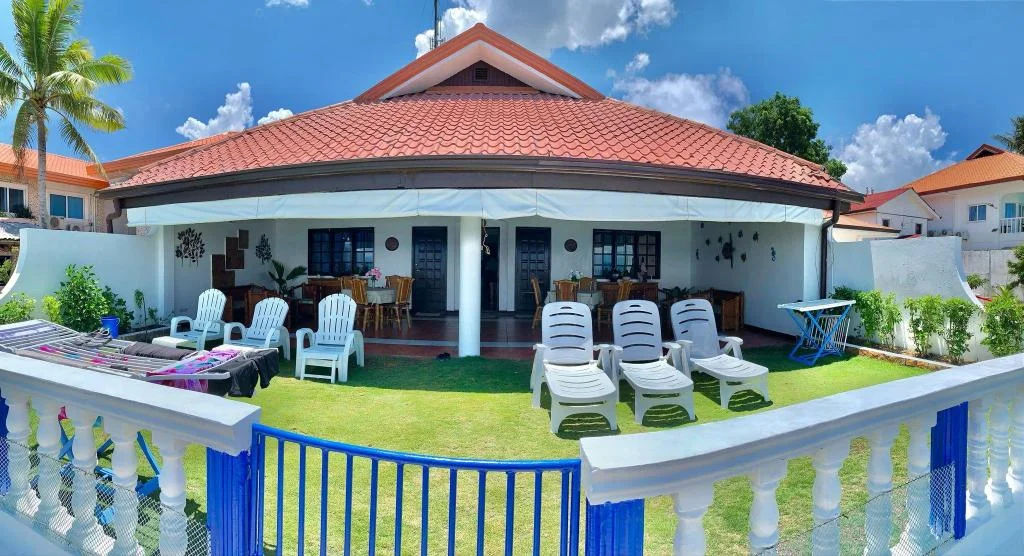
Il Sogno Resort
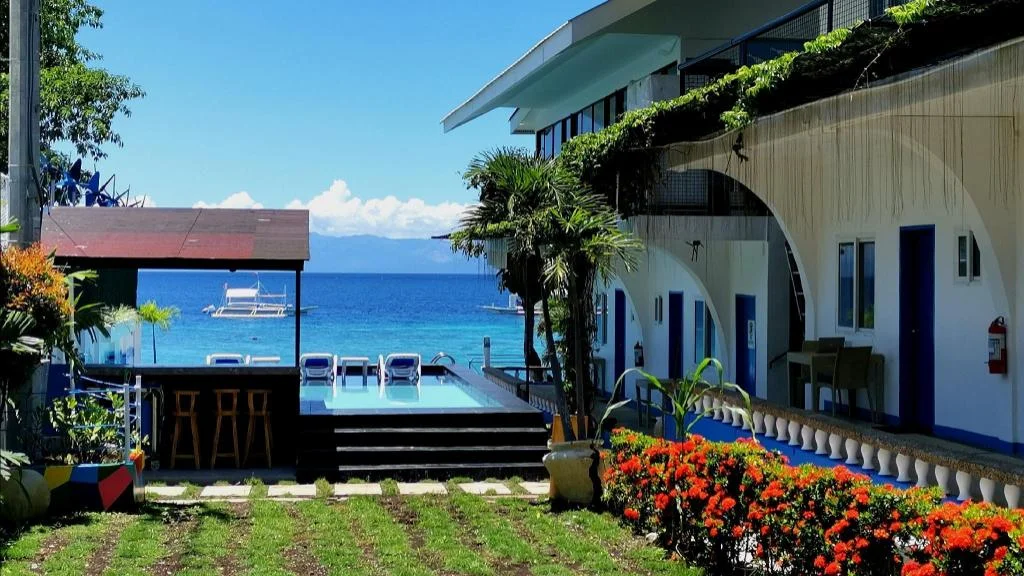
Pescadores Suites Moalboal
Prefer a rental? Vacation rentals near Moalboal
Self-catering condos and apartments — book the exact unit, kitchen included.
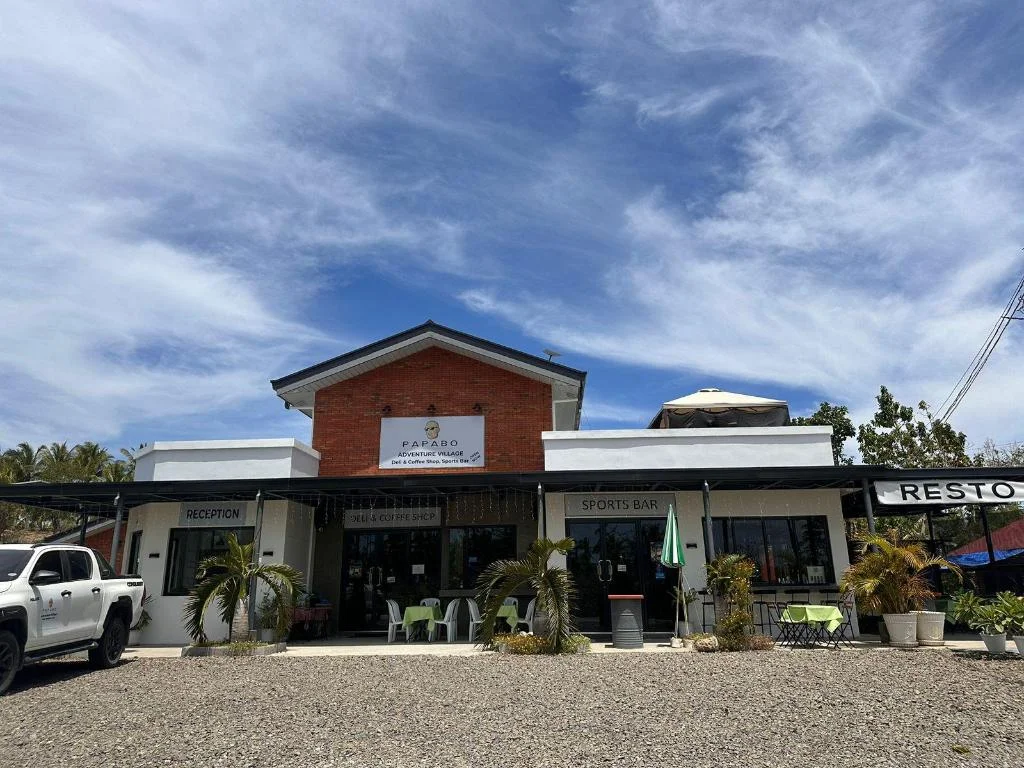
PAPABO Adventure Village
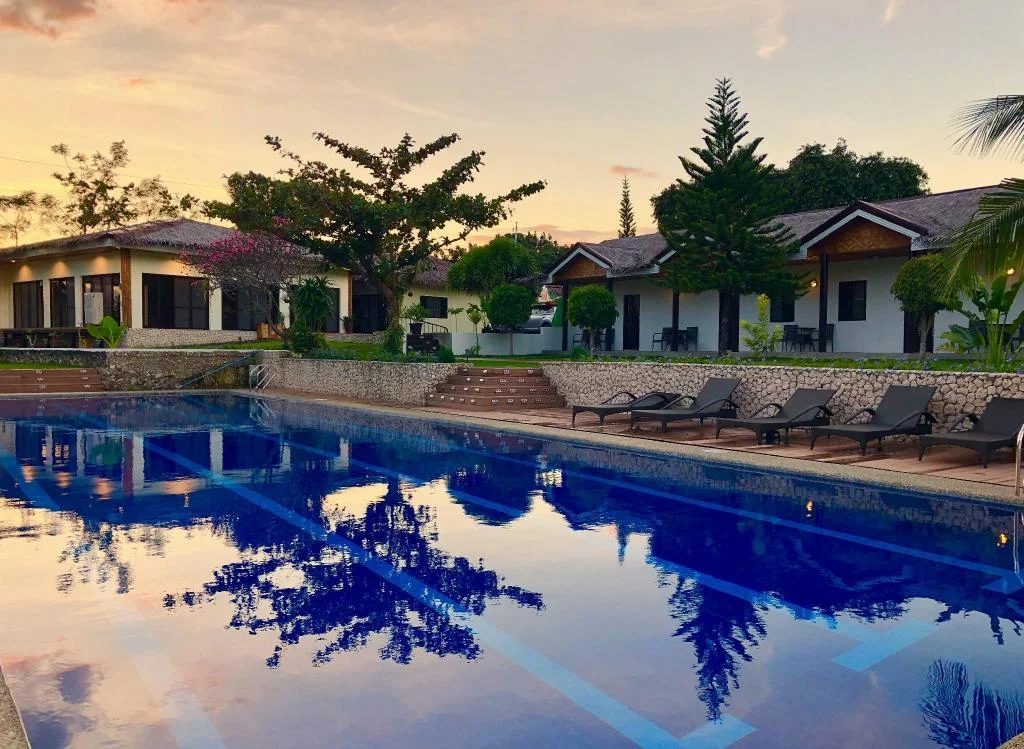
Casa de Moalboal

Althea Appartelle
Before you go
Frequently asked
How many days do you need for a Cebu nature and hiking trip?
Is this itinerary hard? Do I need hiking experience?
Do you need a tour operator, or can you do this yourself?
What should I pack for canyoneering and hiking in Cebu?
Can you do Osmeña Peak and Kawasan Falls in one day?
Where should I base myself for this itinerary?
Is the Moalboal sardine run worth it if I'm not a diver?
What's the honest downside of this itinerary?
More Places to Explore
Osmeña Peak
Dalaguete
Cebu's highest peak at about 1,013 meters, with jagged Chocolate-Hills-like ridges and panoramic island views.
Kawasan Falls
Badian
A stunning three-tiered waterfall famous for its turquoise waters, bamboo raft rides, and as the endpoint of the famous Badian canyoneering adventure.
Moalboal Sardine Run
Moalboal
Swim with millions of sardines in one of the world's only year-round sardine runs, just meters from shore.