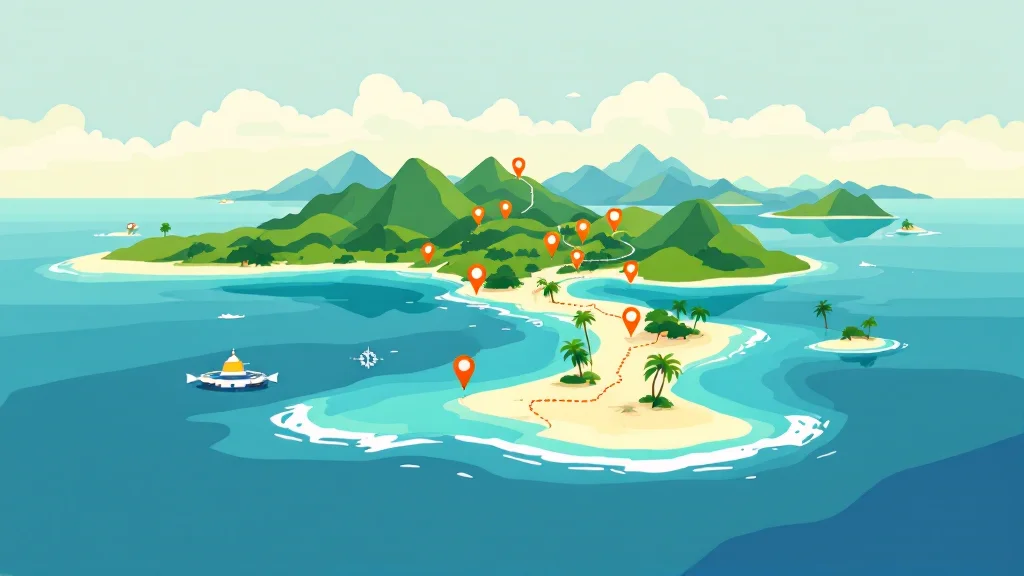
TL;DR: A realistic 2-week Cebu digital nomad plan: base yourself in IT Park, work weekdays from a coworking space (day pass ~₱400/US$7, weekly ~₱1,500/US$26) or laptop-friendly cafe, and take two weekend trips — one to Moalboal/Kawasan Falls in South Cebu (bus ~₱210/US$3.60, canyoneering ~₱1,500–1,800/US$26–31), one to Bantayan Island (bus + ferry combo, ~₱540–680/US$9–12 one-way, roughly 4 hours door-to-door). Two weeks all-in — coworking, a short-term studio, food, and both trips — runs roughly US$500–900 excluding flights. Verified July 2026.
Cebu keeps showing up on digital nomad shortlists for a simple reason: it has real coworking infrastructure, genuinely fast internet by Philippine standards, a low cost of living, and — unlike Manila — you can be on a boat to a marine sanctuary or hiking to a waterfall within two hours of your desk. This itinerary is built for someone spending two weeks (or using it as a template for a longer stay) who wants to actually get work done on weekdays without sacrificing the reason they came to the Philippines in the first place. It bases you in IT Park, Cebu City’s coworking and cafe hub, and structures the two weekends around South Cebu’s waterfalls and beaches and the ferry-hop to Bantayan Island. If you want the philosophy and gear list behind remote work in Cebu more broadly, read our digital nomad guide to Cebu alongside this.
Two Weeks at a Glance
| Item | Cost | Notes |
|---|---|---|
| Coworking day pass (The Company, IT Park) | ~₱400 (US$7) | Weekly pass ~₱1,500 (US$26); monthly cheaper per day |
| Studio/1BR short-term rental, IT Park | ~₱18,000–30,000/month (US$310–520) | Roughly ₱9,000–15,000 for a 2-week block |
| eSIM/local SIM data | ₱1,750 for 80GB/30 days (US$30) | Globe Traveller SIM; international eSIMs run ~$1.80–4/GB |
| Cebu City → Moalboal (bus/van) | ₱180–210 (US$3.10–3.60) one-way | Van ~3 hrs, bus ~4 hrs |
| Kawasan Falls canyoneering | ₱1,500–1,800 (US$26–31) local package | ₱2,500–4,000 (US$43–69) with Cebu City transport |
| Cebu City → Hagnaya → Bantayan (bus + ferry) | ~₱540–680 (US$9–12) one-way total | ~4 hours door to door |
| Grab, IT Park ↔ South Bus Terminal | ₱100–180 (US$2–3) | 10–20 min depending on traffic |
Verified July 2026. Confirm current rates locally — bus and ferry fares especially shift with fuel prices.
Where Do You Base Yourself?
IT Park, or the immediately adjacent Lahug/Mabolo area, is the default base for a reason. It has the densest cluster of coworking spaces, fast fiber-backed wi-fi, 24-hour cafes and convenience stores, and a walkable nightlife and food scene, all within a compact grid. Our IT Park guide covers the neighborhood in more detail, and the digital nomad bases guide compares it against Mactan (better beach access, longer commute) and Banilad (quieter, more residential, still close).
For a stay of two weeks to a month, a serviced studio or Airbnb condo in or near IT Park is the simplest setup — expect ₱18,000–30,000 a month for a studio, ₱30,000+ for a one-bedroom, prorated for shorter stays. Our monthly apartment rentals guide has building-by-building pricing if you’re staying past a month, where a proper lease beats Airbnb rates by a wide margin.
How Do You Set Up to Work in Week One?
Day one or two: get a local SIM or eSIM, scope your coworking options, and pick a routine before you start booking weekend trips. Globe’s Traveller SIM (₱1,750 for 80GB over 30 days, about US$30) is the simplest local option and works as a backup even if you mainly use a coworking space’s fiber connection; international eSIMs from providers like Airalo or Saily run roughly $1.80–4 per GB if you’d rather set it up before you land. Mobile data in Cebu City averages 40–50 Mbps, solid enough for video calls, though it dips during storms.
For your actual workspace: The Company Cebu, inside Mabuhay Tower in IT Park, is the most established coworking option — a day pass runs about ₱400 (US$7), a weekly pass about ₱1,500 (US$26), and monthly or dedicated-desk plans bring the per-day cost down further if you’re staying the full two weeks. It’s not the only option — several smaller coworking spots and a long list of laptop-friendly cafes are scattered through IT Park and nearby Banilad/Mabolo. Compare them properly in our best coworking spaces guide and best cafes for working guide before committing to one desk for two weeks — a lot of nomads rotate between two or three spots to break up the days.
Spend the rest of week one settling into a work rhythm: mornings at the coworking space or a quiet cafe, lunch around IT Park’s dense food court and restaurant strip, afternoons wherever the wi-fi is best. Save the exploring for the weekend — that’s the whole point of this structure.
Weekend One: How Do You Do Moalboal and Kawasan Falls?
Leave Friday evening or Saturday early morning — South Cebu is close enough for a 2-day, 1-night trip, but Kawasan Falls canyoneering deserves a full day on its own. From the South Bus Terminal, a Ceres aircon bus to Moalboal costs about ₱210 (US$3.60) and takes roughly 4 hours; a shared V-hire van costs about ₱180 (US$3.10) and is faster at around 3 hours since it skips most stops. A private Grab or taxi cuts it to 2–2.5 hours but costs several times more — worth it only if you’re short on time or splitting the fare with others.
Base yourself near Panagsama Beach, Moalboal’s dive and snorkel hub, where budget guesthouses run roughly ₱800–1,500 a night (US$14–26) and more comfortable hotel rooms near the beach average closer to $50–60 a night. From Panagsama you’re set up for the Moalboal sardine run right off the shore and a short habal-habal or van ride to Kawasan Falls in Badian for canyoneering.
Canyoneering itself is the big-ticket item: the LGU-regulated local rate runs ₱1,500–1,800 (US$26–31) per person if you book directly at the Kawasan or Moalboal jump-off point, including a certified guide, life vest, helmet, and lunch. Cebu City day-trip packages that bundle round-trip transport run ₱2,500–4,000 (US$43–69). It’s a genuinely demanding half-day of jumps and swims through the canyon, so schedule it for Saturday, not Sunday — you’ll want Sunday to recover before Monday’s video calls. Our Kawasan Falls canyoneering guide and Cebu City to Moalboal guide cover routes and operators in more depth, and the Moalboal complete guide is worth a read before you go if you want to add Osmeña Peak or a Pescador Island snorkel trip to the same weekend.
Head back to Cebu City Sunday afternoon so you’re not arriving exhausted right before Monday.
Weekend Two: Is Bantayan Island Worth the Travel Time?
Yes, but only if you commit to a full 2-night trip — the transit alone eats most of a single overnight. Bantayan sits off Cebu’s north coast, reached by bus to Hagnaya Port then a ferry across to Santa Fe. From Cebu North Bus Terminal, a Ceres aircon bus to Hagnaya costs roughly ₱260 (US$4.50), non-aircon closer to ₱210 (US$3.60), and takes about 3 hours (longer in heavy traffic). From Hagnaya, the ferry crossing to Santa Fe takes about an hour and costs ₱330–420 (US$6–7) depending on the operator (Super Shuttle Ferry and Island Shipping both run multiple daily sailings). All told, budget 4+ hours door to door, each way — this is not a Saturday-morning-to-Sunday-night trip.
Leave Friday after your last call, or take Friday off if your schedule allows, and come back Sunday evening or even Monday morning if you can push a call. Once there, Santa Fe Beach and the powder-white sand around the island are the payoff — slower and quieter than South Cebu, with fewer nomads and more actual beach time. Read our Bantayan Island guide and Cebu to Bantayan Island guide for ferry schedules (they shift with tides, so confirm the day before) and where to stay.
If two full travel days feels like too much for a single weekend within a two-week stint, swap Bantayan for a second, shorter South Cebu weekend, or push it to a third week if you’re extending your stay.
How Do You Balance Work and Play Without Burning Out?
Protect your weekday mornings, and don’t schedule anything physical the night before a big call. The trap most nomads fall into in Cebu isn’t lack of things to do — it’s the opposite. Between canyoneering, island hopping, and IT Park’s genuinely good nightlife, it’s easy to show up to a 9am call running on three hours of sleep. A few practical habits that keep the two halves of this itinerary from colliding:
- Do the physically demanding stuff (canyoneering, hiking, diving) on the first day of a weekend, not the last, so you have a recovery day before Monday.
- Keep a backup connectivity plan — a phone hotspot or second eSIM — for weekend trips where you might need to jump on an unexpected call from a beach town with patchier wi-fi than IT Park.
- Don’t overbook. Two weekend trips in two weeks is already a lot if you’re also trying to hit real work output — resist adding a third.
- Use Grab for anything time-sensitive. A ride from IT Park to the South Bus Terminal runs about ₱100–180 (US$2–3) and 10–20 minutes depending on traffic, cheap enough that there’s no reason to cut it close and risk missing a bus.
The Honest Take
Cebu is a genuinely good digital nomad base, but it’s not Bali or Chiang Mai — the coworking scene is smaller, the community is thinner, and IT Park’s internet, while fast, isn’t flawless (brownouts and building-wide wi-fi outages happen occasionally, especially during storm season from June to November). The upside is real too: it’s cheaper than most Southeast Asian nomad hubs, the weekend trips on this itinerary are objectively better than what you’d get from most Thai or Indonesian coworking cities, and English is near-universal, which removes a lot of daily friction.
The biggest planning mistake is treating every weekend the same. Bantayan and Moalboal are not equivalent day trips — Bantayan costs you most of a travel day on each end, so it only makes sense as a proper 2-night trip, while Moalboal is compact enough to do as a single overnight if you’re tight on time. If you’re only doing two weeks total, don’t try to squeeze in a third destination (Malapascua, Camotes, Bohol) — you’ll spend the whole stay in transit and burn out before you get real work done. Extend the trip instead, or save the third stop for a return visit once you’ve picked a rhythm that actually works for you.
Keep Planning
Once you’ve got the two-week loop down, our digital nomad guide to Cebu covers the bigger picture — visas, banking, health insurance, and community — and the Cebu for digital nomads roundup is a good jumping-off point for longer stays. If you like the South Cebu weekend, our South Cebu 2-day itinerary has a version built for non-workers with a bit more time to spend. Compare IT Park stays on Agoda if you’d rather book a hotel than an Airbnb for your first week while you scope out longer-term options, and browse Moalboal canyoneering and island tours on Klook to lock in your first weekend before you land.
Sources
- The Company Cebu — coworking pricing
- Gecko Routes — Cebu to Moalboal bus/van fares and times
- WhyCebu — Cebu to Moalboal fare guide
- Highland Adventure Tours — regulated Kawasan canyoneering pricing
- WhyCebu — Kawasan Falls canyoneering price and route
- CebuInsider — 2026 Hagnaya to Bantayan ferry schedule and fares
- AskBantayan — Hagnaya to Bantayan ferry schedule
- Lamudi — IT Park condo rental listings
- The Digital Nomad Asia — Philippines eSIM comparison
- Bus, ferry, coworking, and rental prices verified against 2025–2026 operator listings and traveler reporting; confirm current rates locally before booking. Verified July 2026.
Book Tours & Hotels for This Trip
Find and book the best deals — prices and availability update in real time. Links open in a new tab.
Where to stay near Cebu City
Top-rated hotels for this trip — tap through to check live rates.
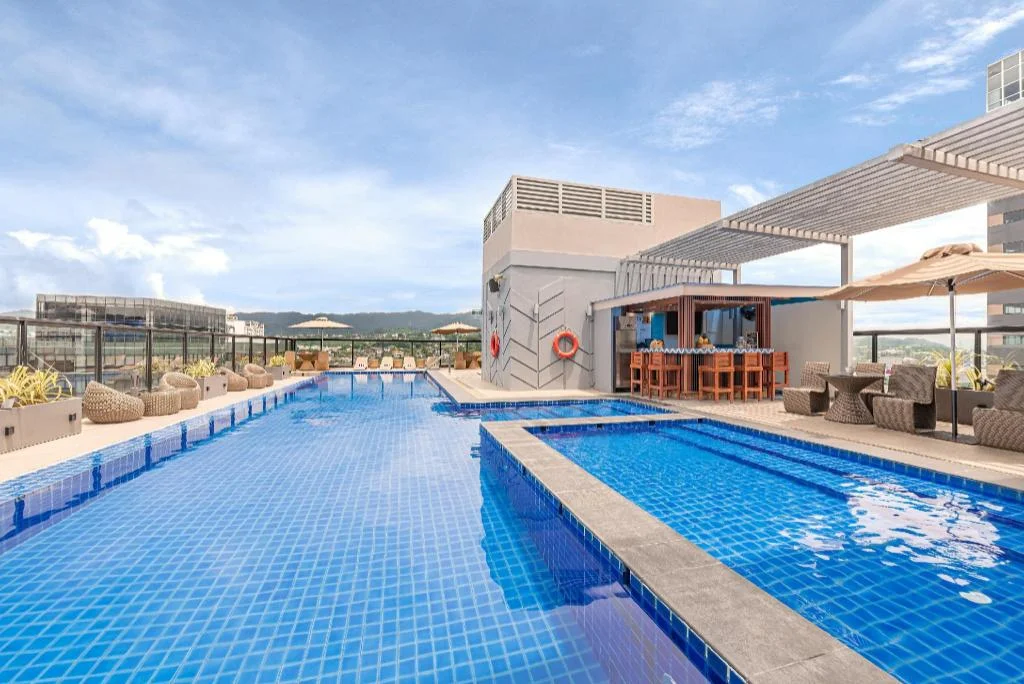
Seda Central Bloc Cebu City
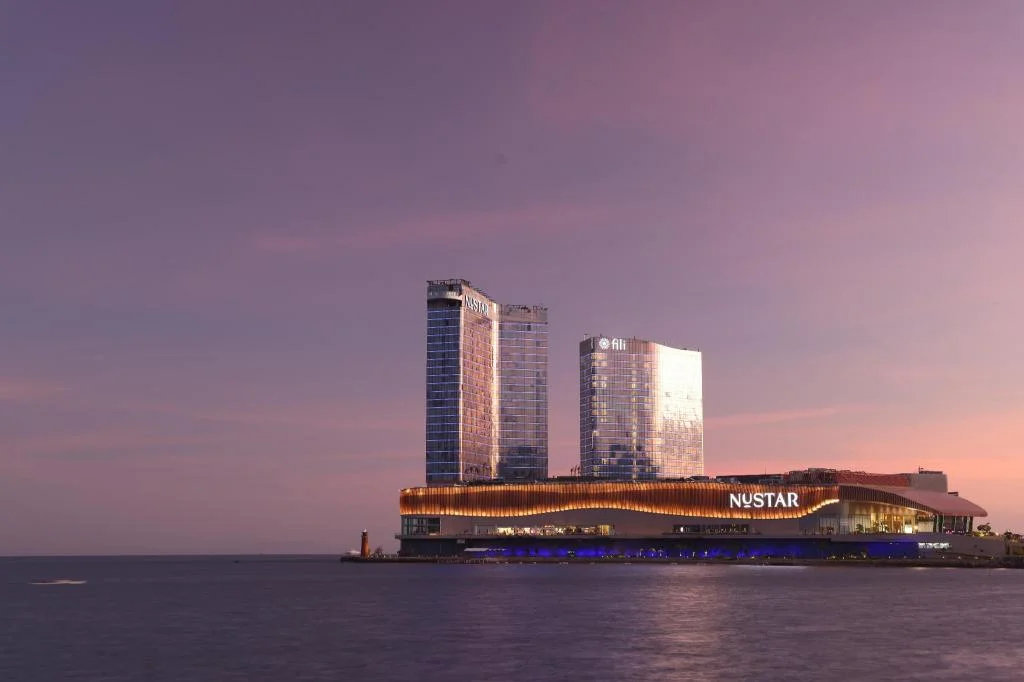
Fili Hotel - NUSTAR Resort & Casino Cebu
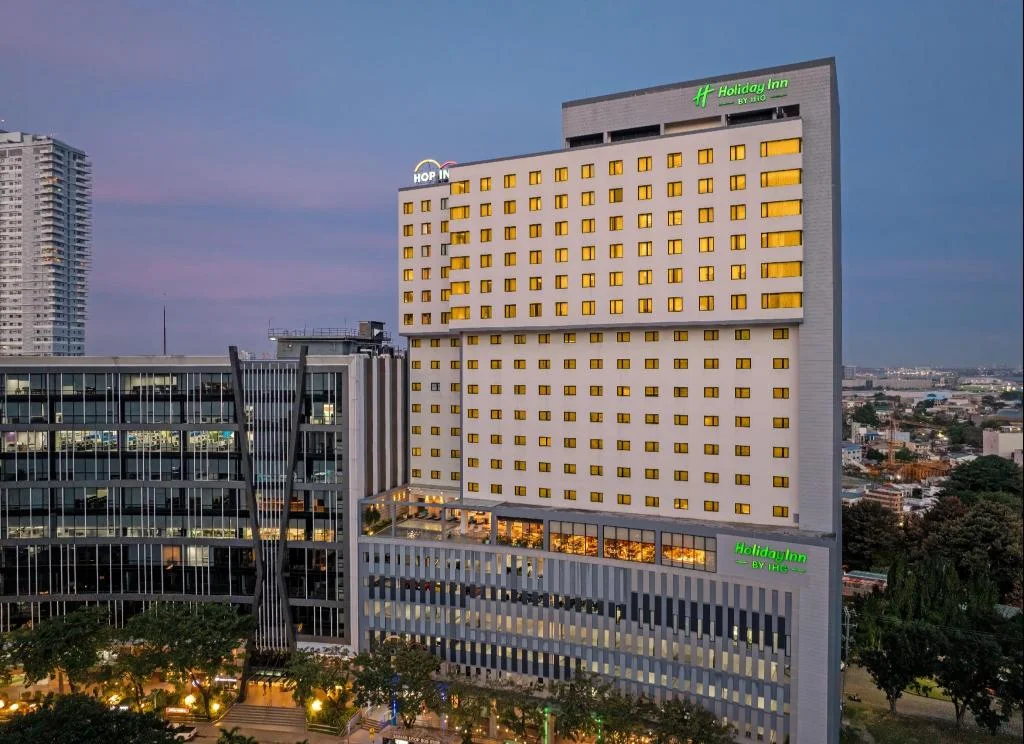
Holiday Inn Cebu City By IHG
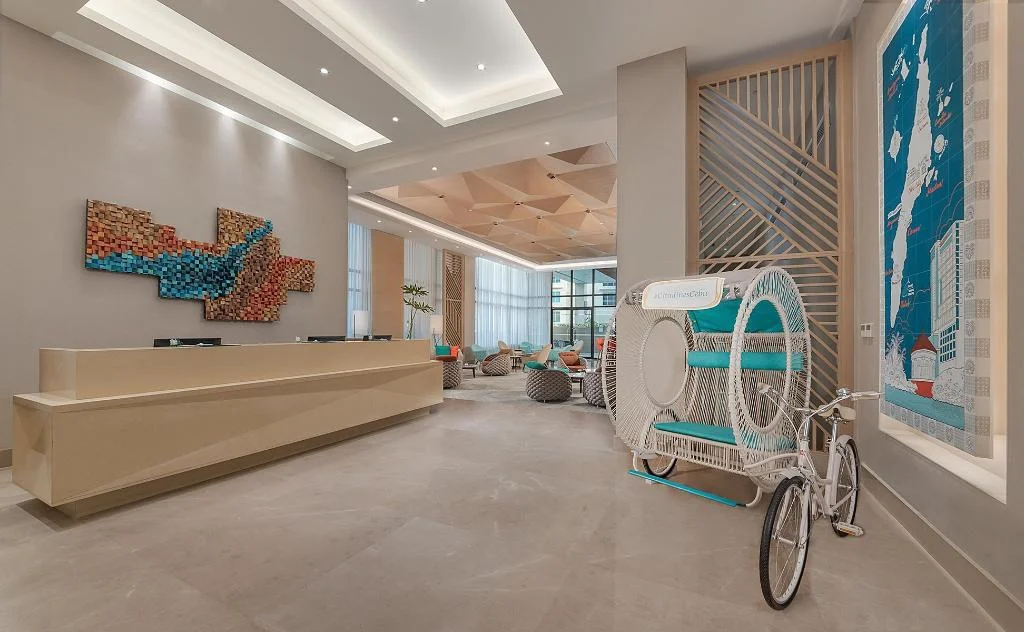
Citadines Cebu City
Prefer a rental? Vacation rentals near Cebu City
Self-catering condos and apartments — book the exact unit, kitchen included.
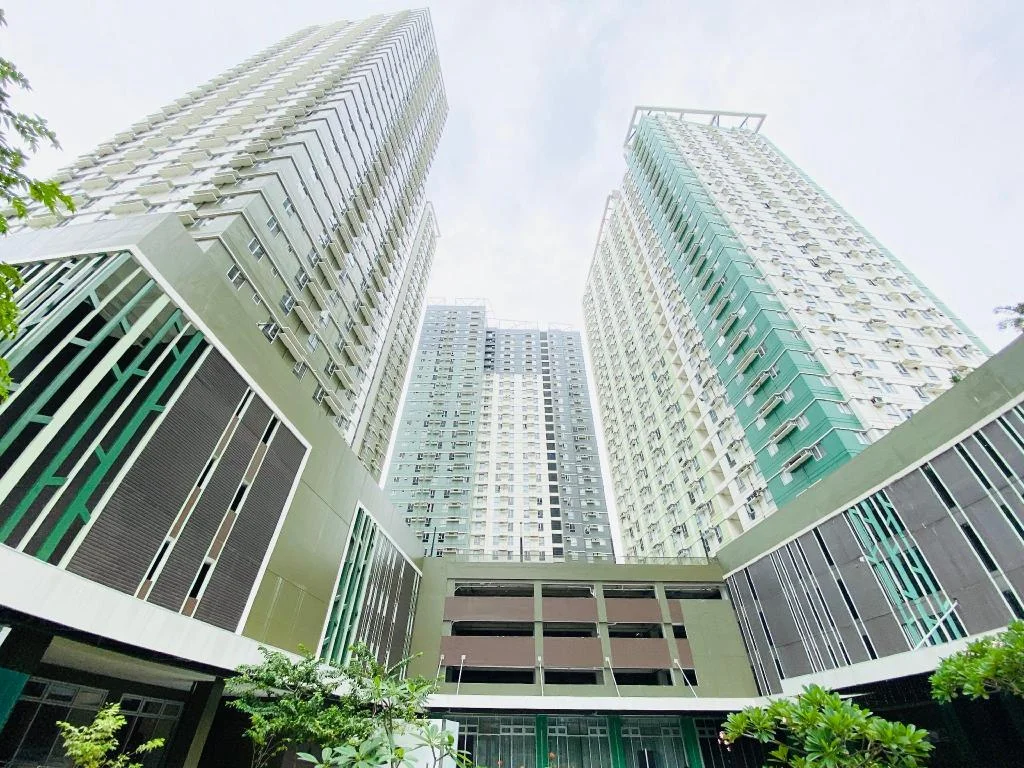
Cebu Avida Riala by P&J
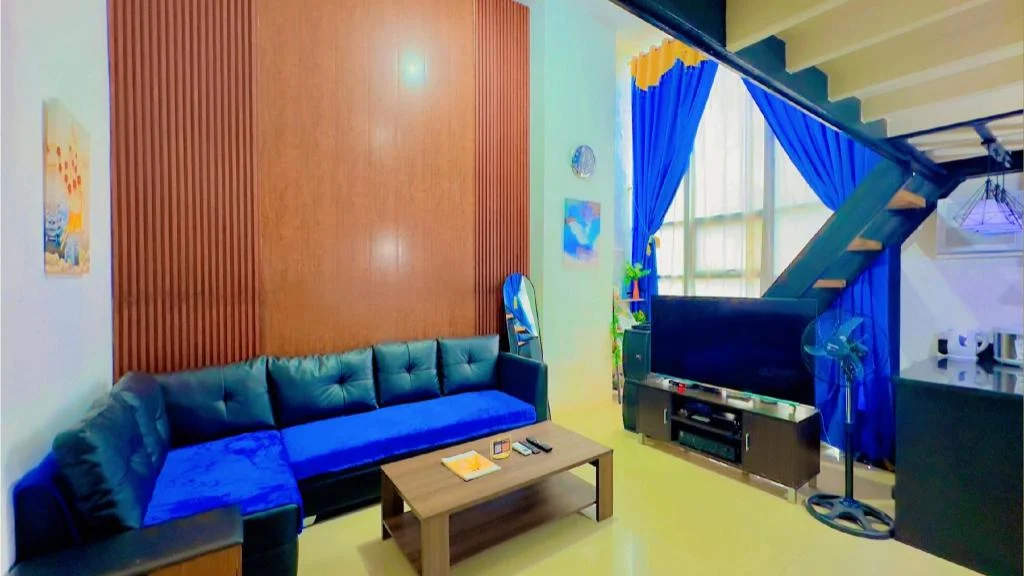
Special Big Loft Unit w/Fibreop Internet & Netflix
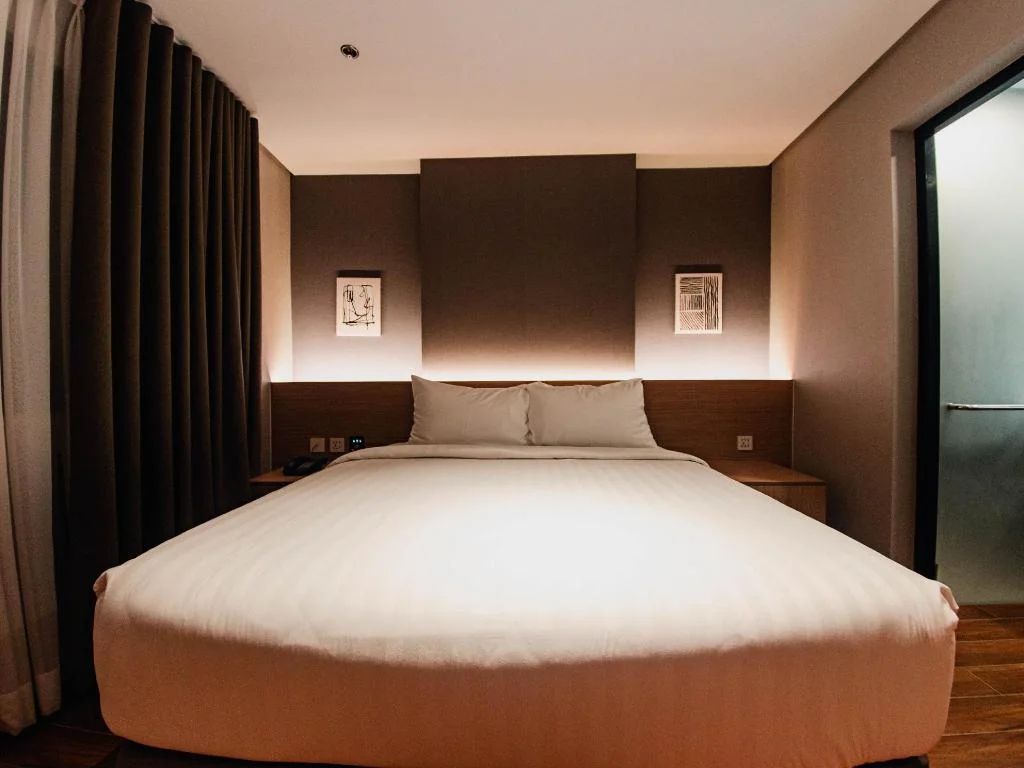
Moonstar Cebu Hotel - Deluxe Room
Before you go
Frequently asked
How much does 2 weeks in Cebu cost for a digital nomad?
Where should digital nomads base themselves in Cebu?
Is IT Park internet fast enough for remote work?
How do you get from Cebu City to Moalboal for a weekend trip?
Is Kawasan Falls canyoneering worth doing on a work weekend?
Can you do Bantayan Island as a weekend trip from Cebu City?
What's the best coworking space in IT Park?
Do you need a visa or long-stay setup as a digital nomad in Cebu?
More Places to Explore
Temple of Leah
Cebu City
A magnificent Roman-inspired temple built as a monument of love, nicknamed 'Cebu's Taj Mahal,' offering stunning architecture and city views.
Panagsama Beach
Moalboal
Moalboal's main beach and diving hub, famous for the sardine run and sea turtles just meters from shore.
Kawasan Falls
Badian
A stunning three-tiered waterfall famous for its turquoise waters, bamboo raft rides, and as the endpoint of the famous Badian canyoneering adventure.