
TL;DR: Cebu’s diving is built around two big-ticket animal encounters — thresher sharks at Malapascua (₱2,300–2,500/dive, US$37–40) and sardine ball diving at Moalboal (₱1,500–2,500/dive, US$24–40) — plus more total dive sites province-wide. Bohol/Panglao is calmer, cheaper on average, and better for walls, turtles, and macro life at Balicasag and Cabilao (₱1,400–1,850/dive, US$23–30). Neither beats the other outright; a 2-hour OceanJet ferry links Cebu City to Tagbilaran, so plenty of divers do both in one trip. Verified July 2026.
If you’re planning a Philippine dive trip and can only pick one province, this comparison is for you. Cebu and Bohol sit two hours apart by fast ferry, and both are stacked with world-class diving, but they reward different kinds of divers. Cebu’s calling cards are adrenaline sites — the thresher sharks of Malapascua Island and the sardine run at Moalboal — spread across a long province with a lot of dive operators competing on price. Bohol, and specifically the Panglao/Alona Beach dive hub, plays a quieter game: walls, turtles, and macro critters around Balicasag and Cabilao, with a tighter, more contained resort strip. This guide breaks down the dive sites, marine life, real 2026 prices, access, and who each destination actually suits — plus how to combine both since so many divers do exactly that.
Cebu vs Bohol Diving at a Glance
| Factor | Cebu | Bohol / Panglao |
|---|---|---|
| Signature dive | Thresher sharks, Malapascua (Kimud Shoal) | Turtles and walls, Balicasag |
| Second signature | Sardine run, Moalboal | Macro/muck diving, Cabilao |
| Typical fun dive cost | ₱1,500–2,500 (US$24–40) | ₱1,400–1,850 (US$23–30) |
| Marine park/environmental fees | ₱150–700/day depending on site | ₱100–150/day |
| PADI Open Water course | ~₱23,500–25,500 (US$379–411) in Malapascua | ~₱21,000 (US$339) in Panglao |
| Best for | Big-animal encounters, current diving, variety | Relaxed reef diving, beginners, walls, macro |
| Vibe on land | Rustic island (Malapascua), lively beach town (Moalboal) | Dense resort/dive-shop strip (Alona Beach) |
| Getting there from Cebu City | 3–4 hrs road + boat (Malapascua); 3 hrs road (Moalboal) | 2 hrs by OceanJet fast ferry to Tagbilaran |
Prices are per-dive fun-dive rates from local operators, not including equipment rental unless noted. ₱62 ≈ US$1 (July 2026). Verified July 2026.
What Makes Cebu’s Diving Different?
Cebu’s edge is animal encounters you can set your watch to, spread across a genuinely long province. At the northern tip, Malapascua Island is one of the only places on Earth with a daily, near-guaranteed shot at pelagic thresher sharks at a cleaning station. That station used to be Monad Shoal, but the sharks shifted to Kimud Shoal — about an hour’s boat ride out — after tiger sharks moved into Monad around 2020–2022. Expect an early wake-up (boats leave before sunrise to catch the sharks at the cleaning station) and a deeper, current-exposed dive in the 18–30m range.
Down south, Moalboal’s sardine run is the opposite kind of dive: shallow (5–15m), sheltered, and visually overwhelming — a bait ball of millions of sardines that swirls right off Panagsama Beach, often visible even to snorkelers. From the same base you can also hit Pescador Island for wall diving and turtles, making Moalboal the more efficient single base if you want variety without switching towns.
Beyond these two, Cebu’s dive scene is simply bigger — Mactan’s house reefs, Malapascua’s other sites like Gato Island, and various wrecks and walls scattered along the coast give you options if the marquee sites are blown out by weather or crowds.
What Makes Bohol/Panglao Diving Different?
Panglao’s diving is calmer, more concentrated, and built around reef health rather than a single marquee animal. Balicasag Island is the headline site — a marine sanctuary with a sharp wall drop, resident sea turtles you’ll see on nearly every dive, jacks, and barracuda in season. The catch: Panglao’s local government caps Balicasag access at 150 divers a day across all operators, so book at least a few weeks ahead in peak season (roughly November to May) to guarantee a slot.
Cabilao Island, a couple hours from Panglao by boat, is the macro specialist — pygmy seahorses, frogfish, nudibranchs, and ghost pipefish along dramatic walls that drop 50–60m, with the occasional hammerhead sighting on the outer points. It’s quieter than Balicasag and better suited to divers who like slow, close-focus diving over big-animal chasing.
The Alona Beach strip itself is the other differentiator: dozens of PADI dive shops, resorts, and restaurants packed into a walkable stretch, so you can shop around for a boat, a course, or a night out without leaving the neighborhood — something Malapascua’s smaller, more scattered layout doesn’t really offer.
How Much Does Diving Cost in Each?
Cebu:
- Moalboal fun dive: ₱1,500–2,500 per dive (US$24–40), all-in with gear and guide
- Malapascua fun dive (non-shark sites): ₱2,100–2,300 per dive (US$34–37), cheaper at 10+ dives
- Malapascua thresher shark trip (Kimud Shoal): ₱2,300–2,500 per dive (US$37–40), plus a ₱500 fuel surcharge some shops add for the longer boat run
- Gear rental: about ₱400/day extra if not included
- Marine park/environmental fees: ₱150–700 per person per day depending on the specific site and municipality
- PADI Open Water course in Malapascua: roughly ₱23,500–25,500 (US$379–411)
Bohol/Panglao:
- Balicasag or general Panglao fun dive: roughly ₱1,400–1,800 per dive (US$23–29)
- Cabilao fun dive: ₱1,550 for a single local dive, dropping to about ₱1,472 for 6–11 dives and ₱1,395 for 12+ dives (US$23–25)
- Night dive at Cabilao: ₱1,850 (US$30); nitrox add-on ₱160/dive
- Equipment rental: around ₱650/day at Cabilao
- Local/sanctuary fees: ₱100–150 per diver per day
- PADI Open Water course in Panglao: around ₱21,000 (US$339) at one established Alona Beach shop, though prices vary by dive center
All peso amounts converted at ₱62 ≈ US$1 (July 2026). Confirm current rates directly with your dive shop — fuel surcharges and park fees shift with little notice. Verified July 2026.
Which Marine Life Will You Actually See?
Cebu is the place for signature single-species encounters: thresher sharks at Malapascua’s Kimud Shoal (essentially guaranteed on a clear-water morning), the sardine super-bait-ball at Moalboal, and turtles and reef sharks around Pescador Island as a bonus. Malapascua’s Gato Island adds sea snakes and the odd whitetip reef shark in a swim-through cave.
Bohol/Panglao leans toward reliable reef biodiversity over one headline animal: sea turtles are close to a sure thing at Balicasag, along with jacks, barracuda, and the occasional whale shark or manta passing through in season. Cabilao is the macro photographer’s pick — pygmy seahorses, frogfish, nudibranchs, and ghost pipefish on nearly every dive, with hammerhead sightings possible but not guaranteed on the outer walls.
If you’re chasing one specific animal, that answer picks your destination for you: threshers mean Malapascua, no substitute exists in the region. Turtles on demand mean Balicasag. Macro critters mean Cabilao.
How Do You Get to Each?
To Malapascua: From Cebu City, it’s about a 3–4 hour van or bus ride north to Maya Port in Daanbantayan, then a 30–45 minute outrigger boat crossing. Most divers book a van transfer through their resort or a shared shuttle.
To Moalboal: About 2.5–3 hours by land south of Cebu City, reachable by bus, van, or private transfer — no boat crossing required, which makes it the easier of Cebu’s two dive hubs to reach.
To Panglao/Bohol: From Cebu City, OceanJet and other fast ferry operators run the Cebu–Tagbilaran route in roughly 2 hours, with departures from around 5 AM to 6:40 PM and fares from about ₱800–1,560 (US$13–25) depending on class. From Tagbilaran Port it’s another 30–45 minutes by land to Panglao/Alona Beach. See our Cebu to Bohol ferry guide for the full schedule breakdown.
Who Should Choose Cebu?
Choose Cebu if you want the bigger single-encounter payoff — thresher sharks, sardine balls — and don’t mind a longer or more logistically involved trip to get to the goods (the Malapascua boat crossing, the early Kimud Shoal wake-up call). It also suits divers who want a wider spread of options in one province: sardines one day, walls and turtles at Pescador the next, threshers up north if you make the trip. Cebu is also the stronger pick if you’re combining diving with Cebu’s other big draws — Kawasan Falls canyoneering, Oslob whale sharks, Cebu City’s heritage sites — since it’s all in the same province.
Who Should Choose Bohol/Panglao?
Choose Bohol/Panglao if you want a gentler pace, a tighter home base, and reliable reef diving without chasing a single animal’s schedule. It suits beginners and newly certified divers well — Balicasag’s conditions are generally calmer than the current-exposed thresher dive or the sardine run’s boat traffic — and it’s the better pick if you also want to see Bohol’s land attractions (the Chocolate Hills, the tarsier sanctuary) as part of the same trip. Macro photographers should lean Bohol specifically for Cabilao.
Can You Dive Both in One Trip?
Yes, and plenty of serious divers do exactly this. A common route: fly into Mactan-Cebu, spend 2–3 days in Moalboal or Malapascua, then take the OceanJet ferry to Tagbilaran for 2–3 days around Panglao before flying home from either Cebu or the Bohol-Panglao airport. The 2-hour ferry crossing makes this far more practical than it sounds — you’re not losing a full travel day to get between them. Our Cebu-Bohol combined itinerary lays out a sample schedule if you want to build a trip around exactly this split.
The Honest Take
Don’t let anyone tell you one province is simply “better” for diving — it depends on what you’re diving for. If you’ve seen the Malapascua thresher shark photos and that’s the whole reason you’re going, skip the debate: no other site in the region offers a comparable daily encounter, and Bohol doesn’t have an answer for it. But if you’re newer to diving, traveling with a mixed group of divers and non-divers, or just want a relaxed few days of reef diving without an early alarm and a rough boat ride, Panglao’s calmer conditions and walkable Alona Beach strip will make for a more pleasant trip, animal-for-animal comparisons aside.
One overrated expectation to manage either way: neither destination has consistently excellent visibility year-round. Both provinces get hit by rainy-season runoff and plankton blooms (roughly June–October), which can knock visibility down at both Balicasag and Moalboal alike. If visibility is your priority over animal encounters, aim for the dry season (November–May) regardless of which province you pick.
Ready to Book?
Whichever you choose, book your dives with an established PADI shop rather than the cheapest walk-up offer — safety standards and equipment quality vary more than the price difference suggests. Browse dive trips and courses in the Visayas on Klook to compare current package pricing, or check Agoda for dive-resort stays in Moalboal if Cebu’s sardine run is the plan. For the full rundown of Cebu’s dive sites beyond Malapascua and Moalboal, see our best dive sites in Cebu guide, and if you’re brand new to diving, our learn to dive in Cebu guide walks through certification options before you pick a destination.
Sources
- Thresher Shark Divers Malapascua — 2026 dive prices
- WhyCebu — Thresher Shark Diving Malapascua: Kimud Shoal Guide 2026
- WhyCebu — Sardine Run Moalboal Complete Guide 2026
- PADI — Balicasag Island dive site
- SM Divers Bohol — Balicasag Island dive trips
- Live Life the Philippines — Cabilao Island Diving 2026
- Sea Explorers Cabilao — PADI dive center pricing
- Tropical Divers Alona — Panglao course and dive pricing
- Pamasahe.com — 2026 Cebu–Tagbilaran OceanJet schedule and fares
- Prices and site details cross-checked against multiple 2025–2026 dive-operator and travel-blog sources. Confirm current rates and marine park fees directly with operators before booking. Verified July 2026.
Book Tours & Hotels for This Trip
Find and book the best deals — prices and availability update in real time. Links open in a new tab.
Where to stay near Moalboal
Top-rated hotels for this trip — tap through to check live rates.
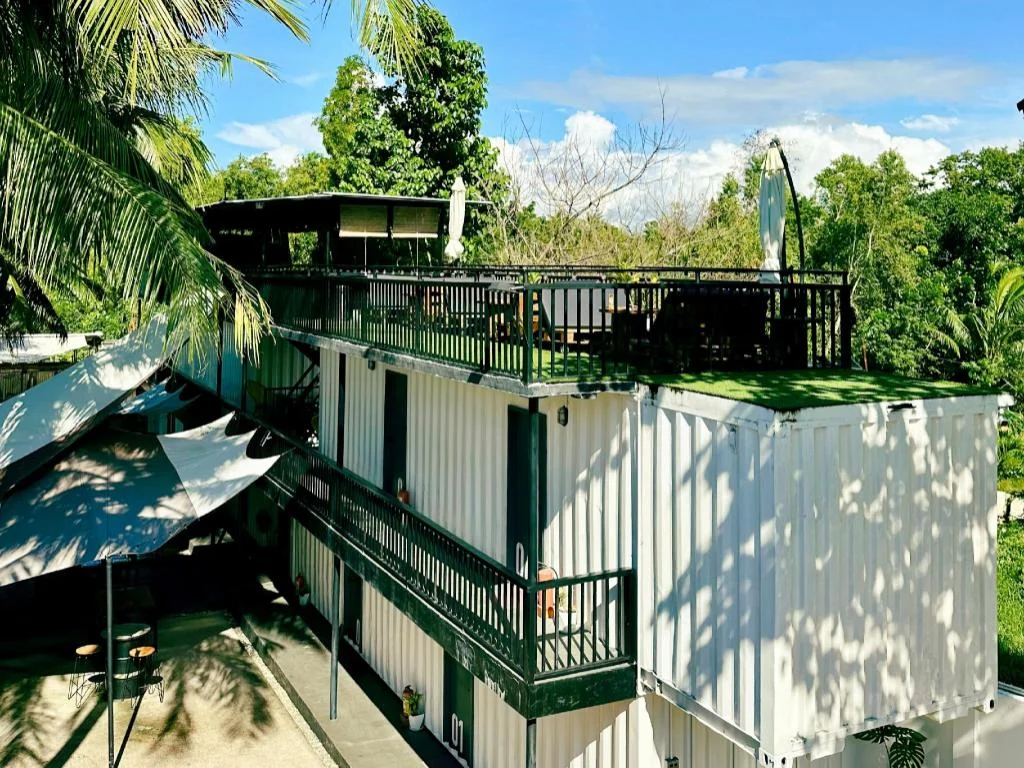
PIG DIVE HOSTEL MOALBOAL
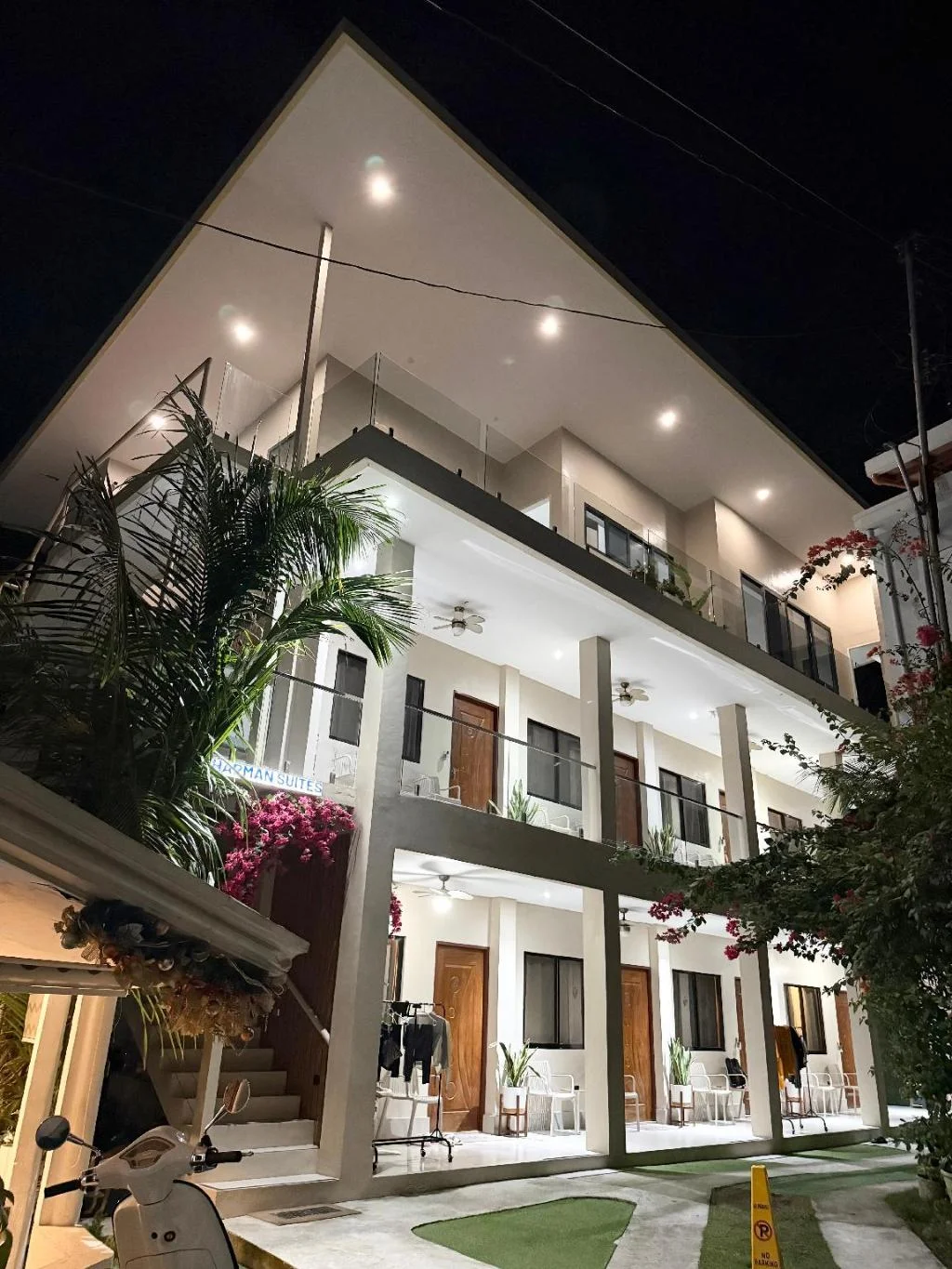
Harman Suites Moalboal
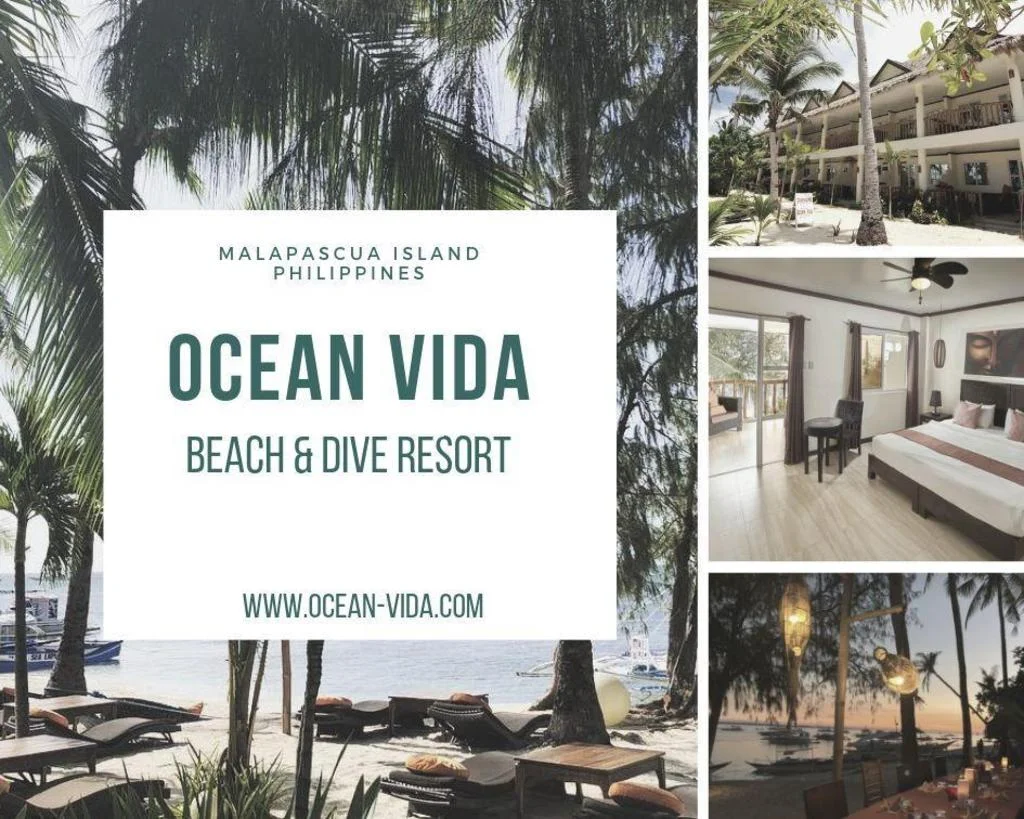
Ocean Vida Resort
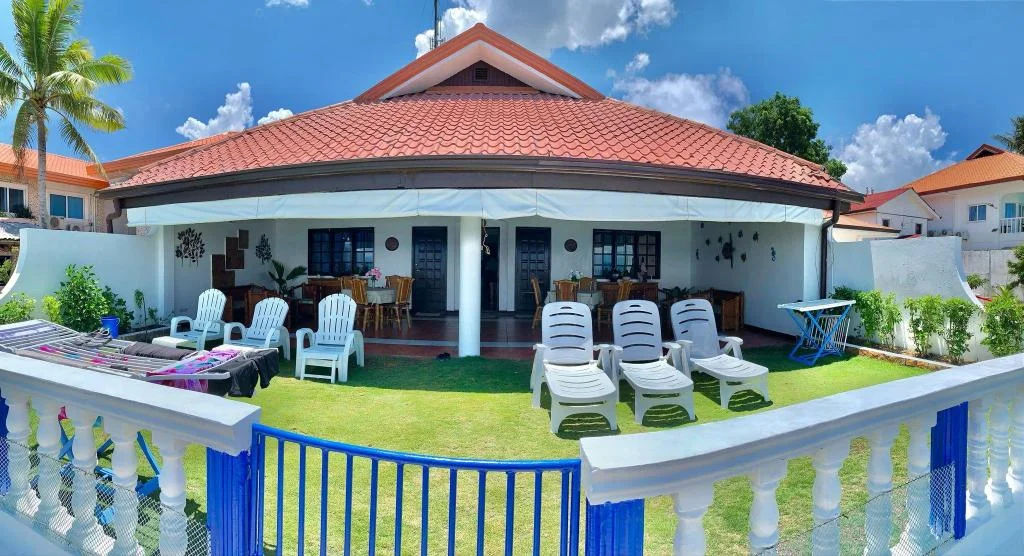
Il Sogno Resort
Prefer a rental? Vacation rentals near Moalboal
Self-catering condos and apartments — book the exact unit, kitchen included.
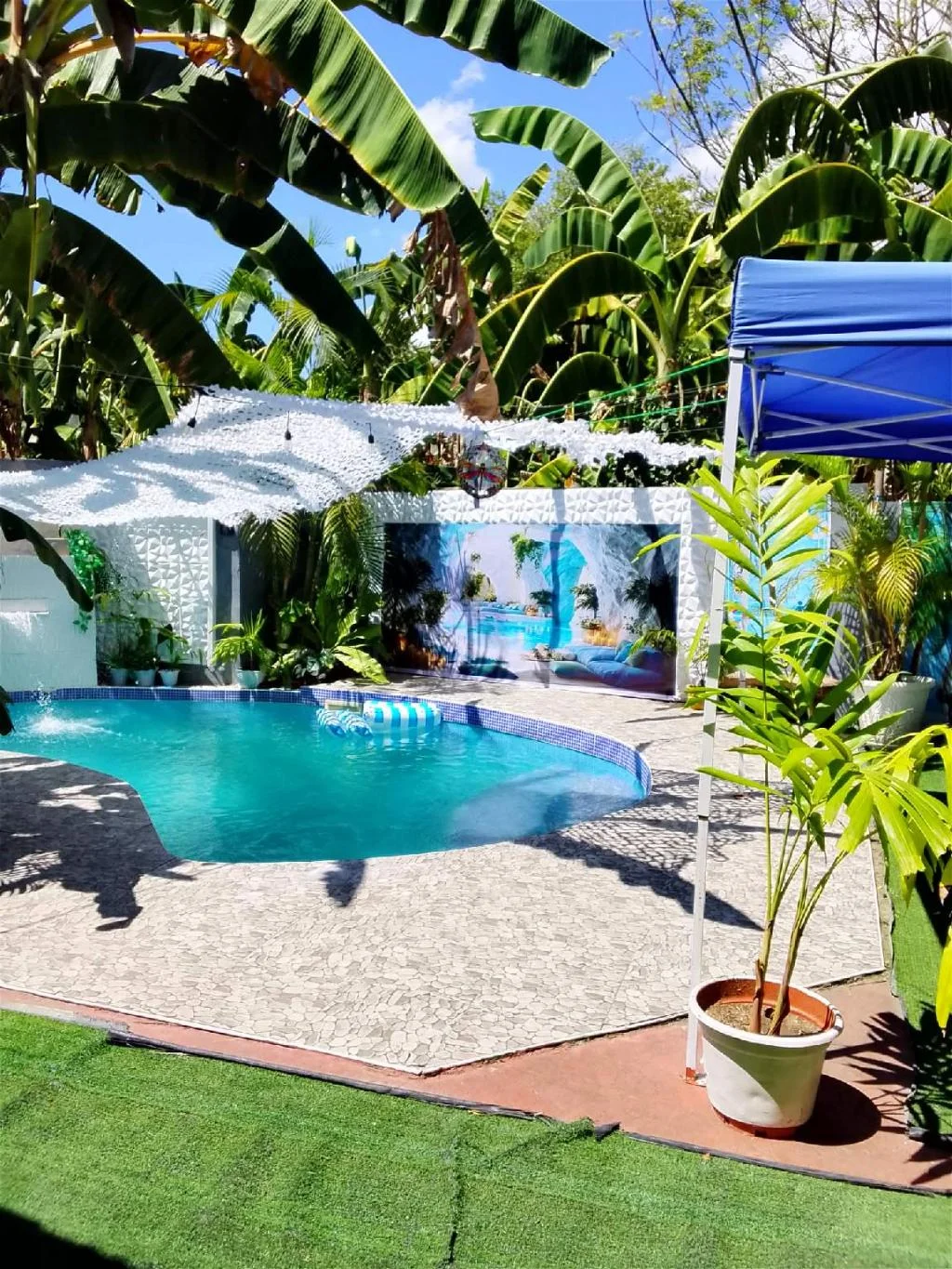
Two crazy monkeys
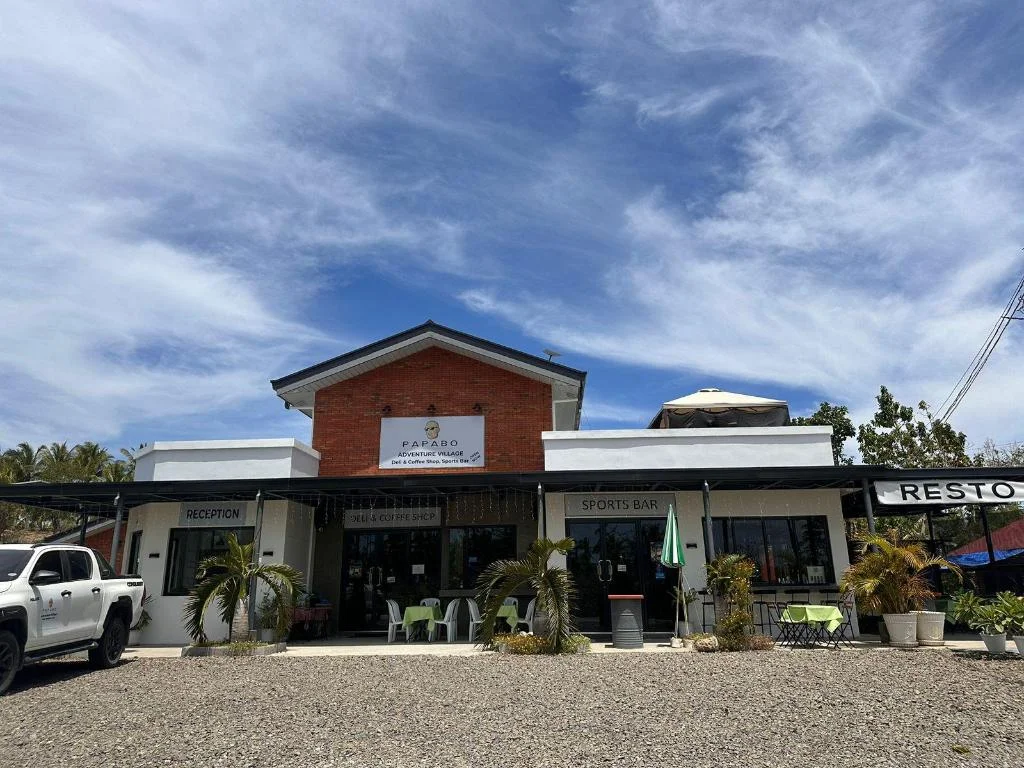
PAPABO Adventure Village
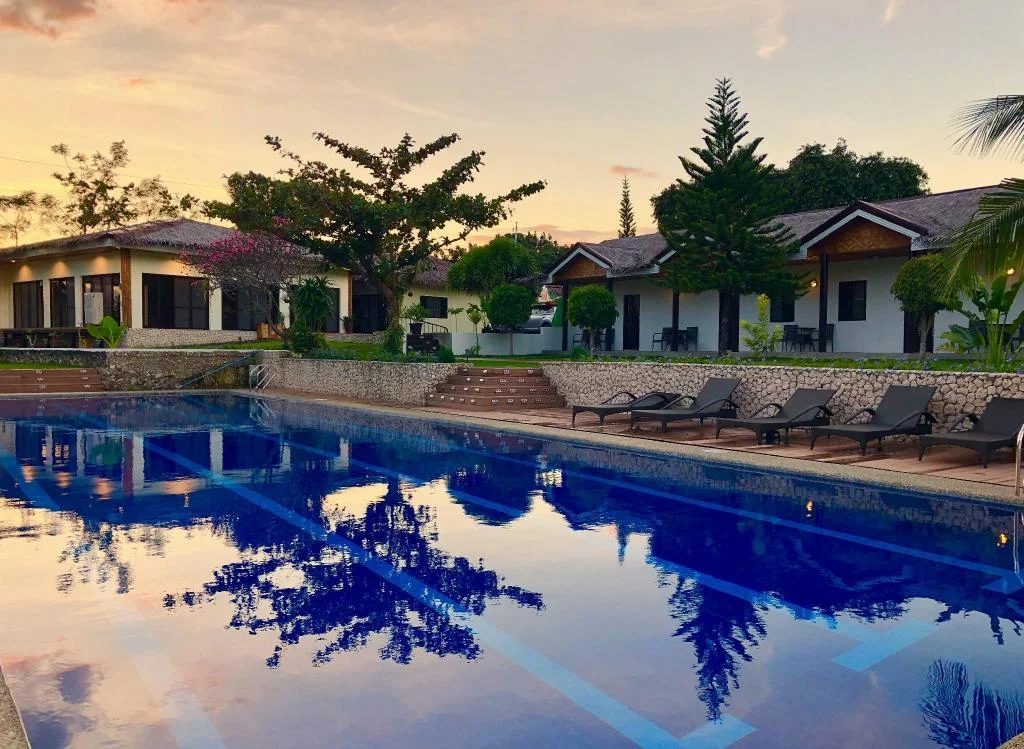
Casa de Moalboal
Before you go
Frequently asked
Is Cebu or Bohol better for diving?
How much does a fun dive cost in Cebu vs Bohol?
Do you need to be certified to dive with thresher sharks in Malapascua?
Can you see thresher sharks in Bohol?
Is the Moalboal sardine run better than Balicasag diving?
Can you dive both Cebu and Bohol in one trip?
Which has better dive resorts, Cebu or Bohol?
Is Bohol/Panglao diving good for beginners?
More Places to Explore
Malapascua Island
Daanbantayan
A world-famous diving paradise known for thresher shark encounters, featuring beautiful white sand beaches and laid-back island vibes.
Moalboal Sardine Run
Moalboal
Swim with millions of sardines in one of the world's only year-round sardine runs, just meters from shore.
Pescador Island
Moalboal
A world-class marine sanctuary featuring The Cathedral underwater cave and exceptional wall diving.