
TL;DR: June through September is the front half of Cebu’s wet season - expect a sunny morning most days followed by a heavy but short afternoon downpour, not a washout. Crowds thin out and hotel rates drop, especially in June and July. Kawasan Falls runs fuller and more dramatic but can close for canyoneering after heavy upstream rain, and the Moalboal sardine run keeps going with visibility around 12-20 meters instead of the dry season’s 20-30. Typhoon risk is real but still building in this window - July, August, and September are historically Cebu’s three most active tropical cyclone months, with risk climbing sharply by late August into September, well before October-November’s peak. Verified July 2026.
If you’ve only ever heard “avoid Cebu’s rainy season,” June through September is worth a second look. This four-month stretch is the opening act of the wet season, not its worst part - the heaviest, most consistent rain and the highest typhoon risk both arrive later, from October through December. What you get instead is a season of short, dramatic afternoon storms, noticeably thinner crowds at spots like Kawasan Falls, and some of the lowest hotel rates of the year. This guide covers what the weather actually does month to month, whether the waterfalls and dive sites hold up, how fast typhoon risk builds as you move from June into September, and what to pack. It’s aimed at travelers weighing this specific window against the busier, pricier dry season - not at anyone chasing a typhoon, which is a different and more serious conversation covered in our typhoon season safety guide.
Cebu June-September at a Glance
| Month | Typical rain pattern | Typhoon risk | Crowds & prices | Diving/waterfalls |
|---|---|---|---|---|
| June | Wet season begins; afternoon showers, still plenty of sun | Season opens; risk low-moderate | Lowest hotel rates of the year start | Falls fuller; diving visibility starts to dip |
| July | Wettest month on average for rainfall totals | Moderate; one of the year’s most active months historically | Crowds thin, rates still low | Sardine run continues; visibility ~12-20m |
| August | Frequent showers, similar to July | Moderate-rising; southwest monsoon (habagat) can add multi-day rain | Fewer tourists at Oslob and Moalboal | Canyoneering more likely to pause after heavy rain |
| September | Mix of sun and rain; wet season builds toward its peak | Rising fast; risk climbing toward the Oct-Nov peak | Still quiet, some rates creep up | Falls at their most dramatic; check conditions day-of |
Rainfall and typhoon-frequency figures reflect PAGASA long-term averages and station data; any single week can run wetter, drier, calmer, or stormier than the average. Verified July 2026.
What Does the Weather Actually Look Like From June to September?
Most days follow the same rhythm: sun or light cloud in the morning, building humidity by midday, and a heavy downpour lasting anywhere from 30 minutes to two hours in the afternoon that clears out by evening. Cebu’s wet season, driven by the southwest monsoon, runs roughly June through November, but June through September is its build-up phase rather than its wettest stretch. Long-term station averages put June’s rainfall around 180mm spread over roughly 13 rainy days, with July often the single wettest month of the year by rainfall total; August tracks similarly to July, and September brings a mix of clear and rainy days as the season keeps climbing toward its October-November peak. All-day, no-sun rain is the exception here, not the rule - it shows up mainly when a tropical depression, typhoon, or an active habagat surge is directly affecting the Visayas.
Is This a Good Time for Cheaper Prices and Fewer Crowds?
Yes - June and July in particular are some of the best-value months of the year to book Cebu. Hotel rates across Cebu City and Mactan tend to sit at their lowest right around this window, and visitor numbers noticeably thin out from July through October across the province. That means shorter lines at Oslob’s whale shark watching and easier same-day bookings at popular resorts. By September, some rates creep back up slightly as travelers start locking in trips ahead of the pricier dry season, but the whole June-September stretch still comfortably undercuts December-through-May pricing. Compare current Cebu City hotel rates on Agoda before you commit - rates shift year to year and it’s worth checking against what you’d pay in January or April.
Are the Waterfalls Worth It, or Should You Wait?
The waterfalls genuinely look their best in this window, but treat canyoneering as weather-dependent, not guaranteed. Kawasan Falls and similar south-Cebu falls run fuller, greener, and more dramatic once the wet season kicks in - this is the look you see in a lot of the best photos. The catch is that Kawasan’s canyoneering route follows a canyon river system fed from well upstream, so heavy rain even out of sight of the falls themselves can turn the water fast, brown, and genuinely dangerous within a few hours. Legitimate operators and the local tourism office monitor conditions and suspend trips when that happens - a real safety measure, not overcaution. If canyoneering is the one thing you don’t want to miss, build a spare day into your itinerary, book with an operator that has a clear cancellation policy, and call ahead the day before, especially in August and September when rainfall is heavier and less predictable.
Ready to book anyway? Compare Kawasan Falls canyoneering tours on Klook and check the weather-cancellation terms before you pay.
Is Diving Still Good in Moalboal This Time of Year?
Yes, though visibility drops compared to the December-to-May stretch. The Moalboal sardine run off Panagsama Beach is a permanent, year-round bait ball - it doesn’t disappear in the rainy season - but underwater visibility that runs 20-30 meters in dry season typically falls to somewhere around 12-20 meters from June through October, and choppier seas are more common on any given day. Dive operators and freedive schools keep running through this window; individual trips only get cancelled on genuinely rough days. Early morning, roughly 6-8 AM, tends to have the calmest water, the best light, and the fewest other swimmers in with the bait ball, which is worth planning around regardless of season. Browse Moalboal diving and snorkeling tours on Klook to check current availability and operator ratings.
How Fast Does Typhoon Risk Build From June to September?
It climbs steadily, and by September it’s a real factor - just not yet the year’s peak. PAGASA’s typhoon season technically opens in June, but historical data going back to 1948 shows July, August, and September as three of the Philippines’ most active tropical cyclone months, with roughly six to ten systems typically forming in or entering the Philippine Area of Responsibility across a given July-to-September stretch. Most of these track well north or south of Cebu, and the island is generally considered one of the more sheltered parts of the country - but that’s a tendency, not a guarantee. The real spike in direct-hit risk for Cebu specifically comes later, in October through December, which is a separate and higher-stakes window covered in full in our typhoon season safety guide. If you’re traveling in August or especially September, it’s worth checking PAGASA’s bulletins in the week before you fly and keeping your itinerary flexible, particularly for any ferry-dependent legs to Bantayan, Malapascua, or Camotes.
What Should You Pack for This Window?
Pack for short, intense rain and high humidity, not a monsoon. A compact umbrella or packable rain jacket handles most days. Add a dry bag or waterproof phone pouch for boat trips, waterfalls, and canyoneering, quick-dry clothing so you’re not stuck in damp cotton, closed water shoes with real grip for slick stone at the falls, and a power bank in case a heavier storm briefly knocks out power. Insect repellent earns its space too - mosquito activity picks up noticeably after rain.
The Honest Take
June through September gets tarred with the same brush as Cebu’s full wet season, but it’s really the mild opening stretch, not the worst of it. June and July are close to a sweet spot: real savings on hotels, thinner crowds at Kawasan and Moalboal, and rain that mostly stays out of your way until the afternoon. August and September ask a little more of you - heavier average rainfall, a real (if still moderate) chance of a tropical system affecting your trip, and canyoneering that’s more likely to get paused. If you want zero weather risk and the clearest possible dive visibility, the December-to-May dry season is the safer bet - see our dry season vs rainy season comparison for the full trade-off. But if you’re comfortable with an afternoon downpour in exchange for lower prices and a quieter Kawasan Falls, this window isn’t something to avoid, it’s something to plan around.
Sources
- Climate of Cebu - Wikipedia (PAGASA climate type, monthly rainfall station data)
- PAGASA - Climate of the Philippines (climate classifications, seasonal rainfall patterns)
- PAGASA historical tropical cyclone frequency data, 1948-2024 (monthly averages for cyclones entering the Philippine Area of Responsibility)
- PAGASA seasonal climate outlook, July-September tropical cyclone forecast methodology
- Moalboal sardine run and diving visibility reporting, dive operator guidance (WhyCebu, Diving Escapades, Scuba Diving Magazine)
- Kawasan Falls canyoneering suspension reporting, Cebu Daily News and SunStar Cebu
- Verified July 2026.
Plan the Rest of Your Trip
Pair this window with a flexible mindset rather than a rigid one: keep mornings for outdoor plans, hold afternoons loose, and have a rainy-day backup ready. For the full month-by-month rundown of what the rain actually looks like, read our rainy season in Cebu guide, and if you’re traveling closer to August or September specifically, check the typhoon season safety guide before you fly. Still deciding between this window and the busier months? Our best time to visit Cebu guide lays out the full year side by side.
Book Tours & Hotels for This Trip
Find and book the best deals — prices and availability update in real time. Links open in a new tab.
Where to stay near Moalboal
Top-rated hotels for this trip — tap through to check live rates.
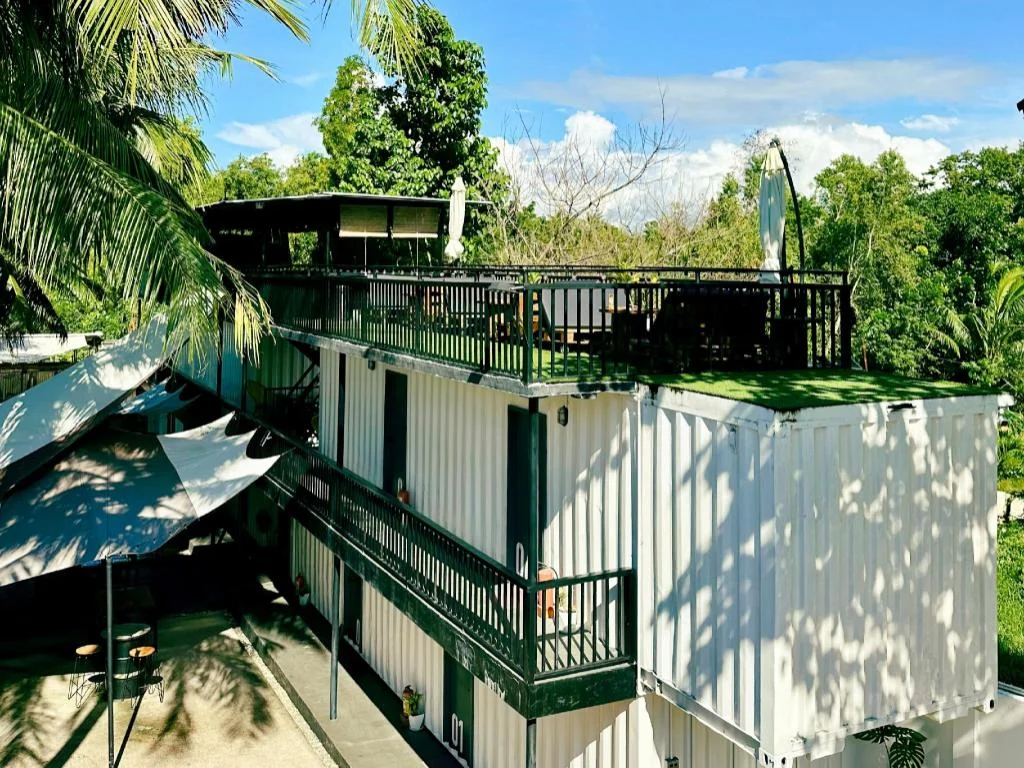
PIG DIVE HOSTEL MOALBOAL
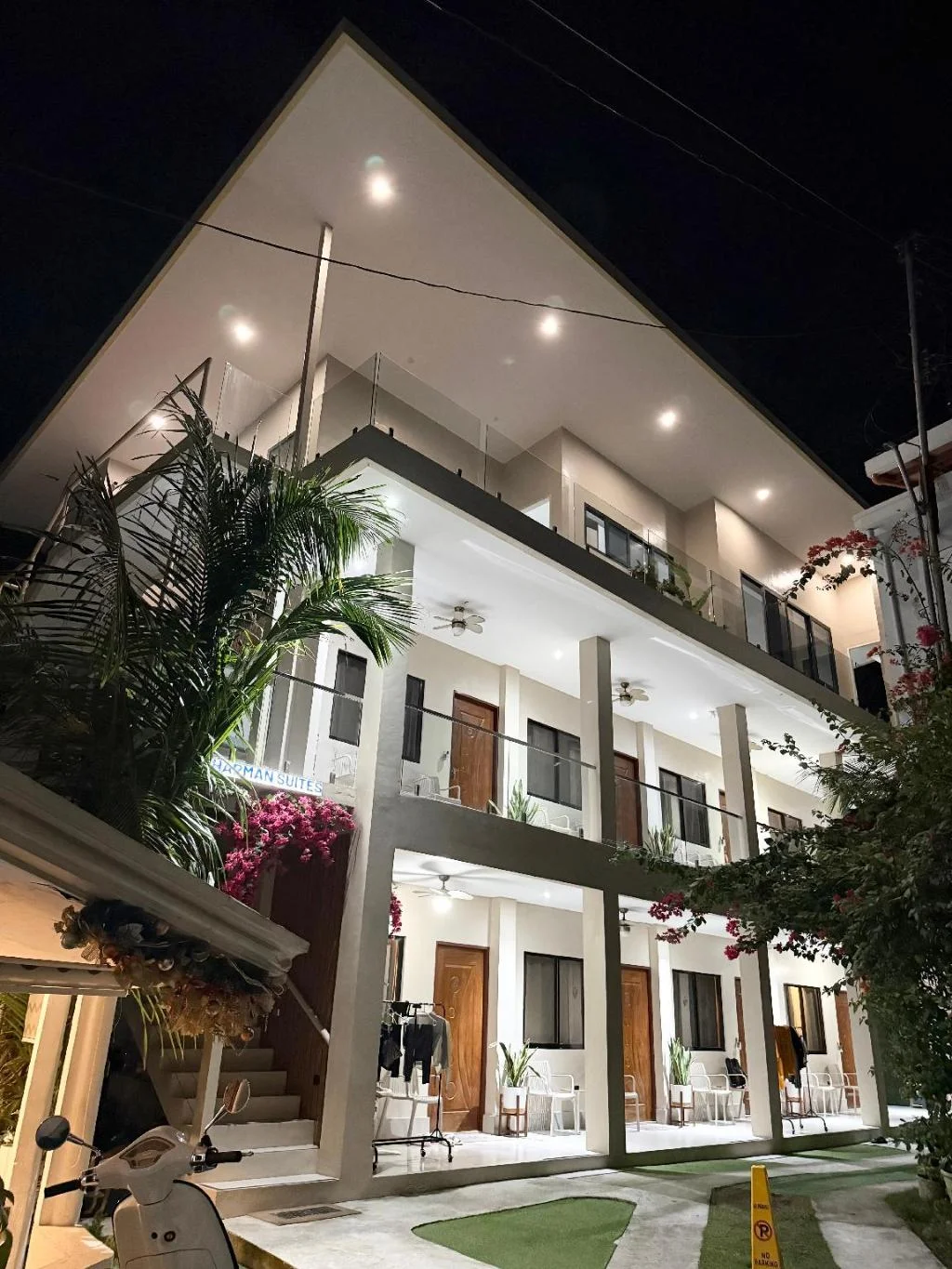
Harman Suites Moalboal
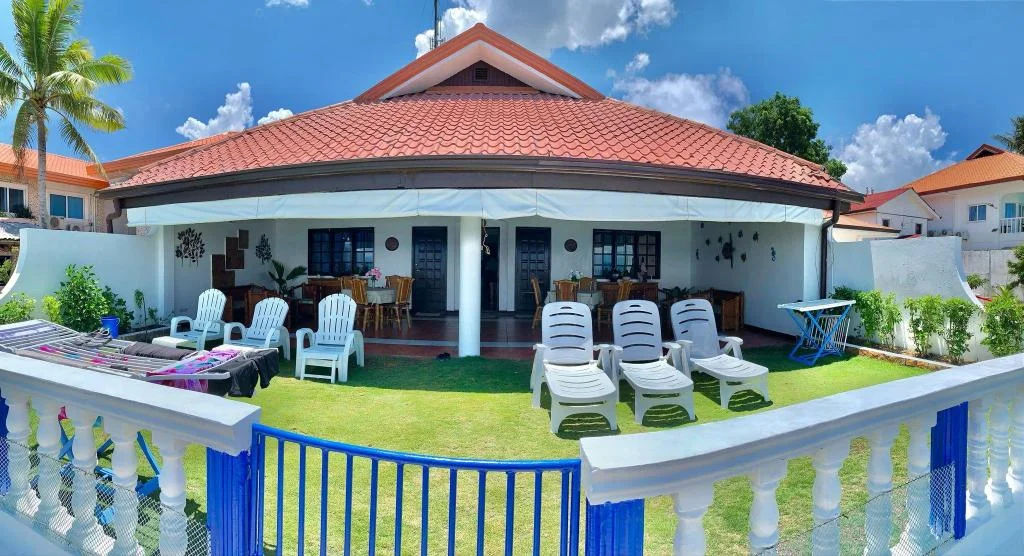
Il Sogno Resort
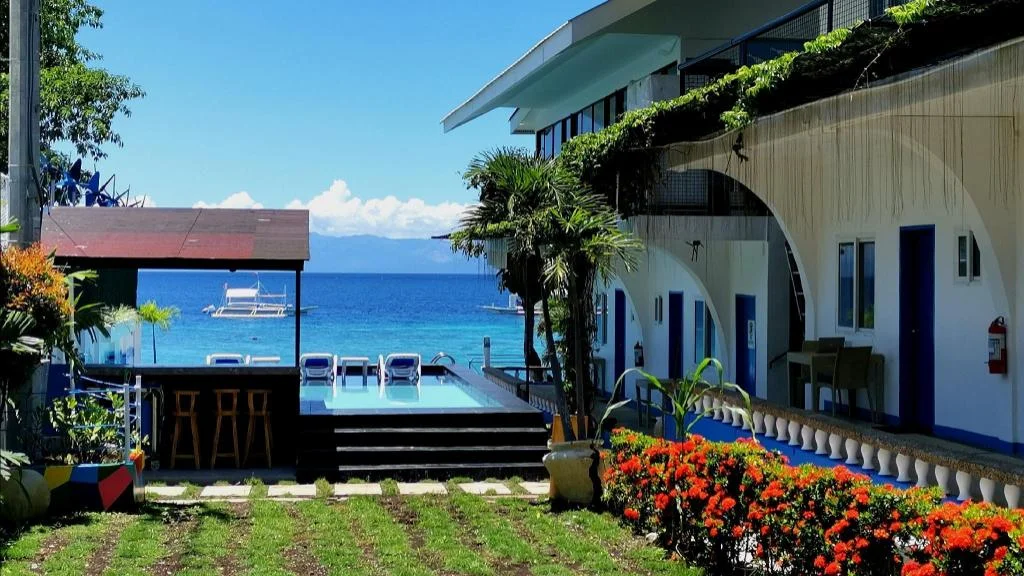
Pescadores Suites Moalboal
Prefer a rental? Vacation rentals near Moalboal
Self-catering condos and apartments — book the exact unit, kitchen included.
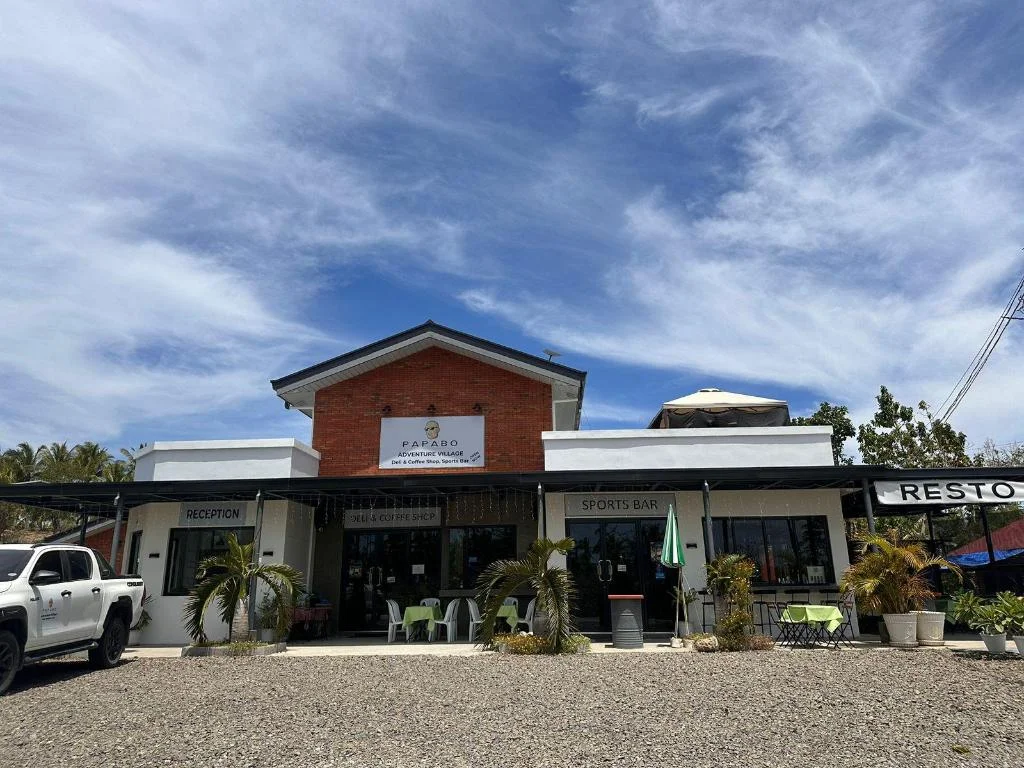
PAPABO Adventure Village
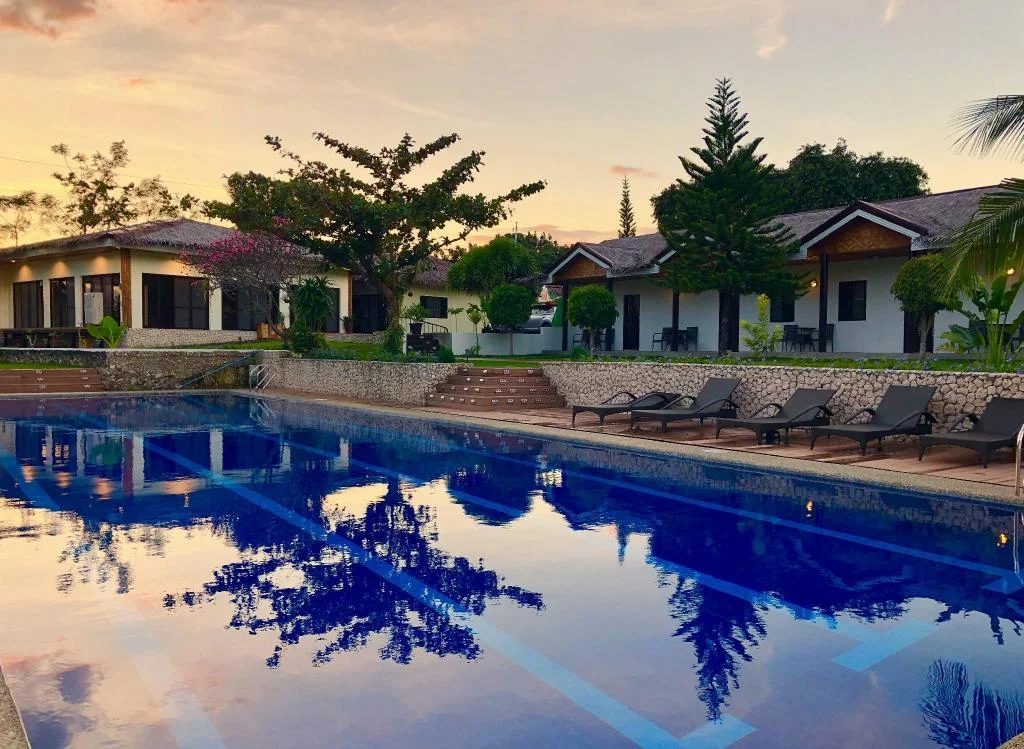
Casa de Moalboal

Althea Appartelle
Before you go
Frequently asked
Is June a good month to visit Cebu?
Does it rain the whole day in Cebu during June-September?
Is Kawasan Falls open during the June-September rains?
Is it worth diving in Moalboal in July or August?
When does typhoon risk actually start building in this window?
Are hotel rates actually cheaper June through September?
What should I pack for a June-to-September Cebu trip?
Should I avoid this window entirely and wait for dry season?
More Places to Explore
Kawasan Falls
Badian
A stunning three-tiered waterfall famous for its turquoise waters, bamboo raft rides, and as the endpoint of the famous Badian canyoneering adventure.
Moalboal Sardine Run
Moalboal
Swim with millions of sardines in one of the world's only year-round sardine runs, just meters from shore.