
TL;DR: Cebu’s rainy season runs roughly June through December, peaking August–October, with temperatures still a humid 26–31°C (79–88°F). Pack a packable rain jacket or poncho (₱50–150 / US$1–3), a compact windproof umbrella (₱250–600 / US$4–9), a 5–10L dry bag (₱200–450 / US$3–8), a waterproof phone pouch (₱100–250 / US$2–4), quick-dry clothing, both sandals and closed grippy shoes, and a few silica gel packets to fight mold. It’s still hot, so skip heavy layers — the real packing problem here is water, not cold. Verified July 2026.
If you’re planning a Cebu trip anytime from June through December, the weather is the one variable you can’t fully control — but you can pack for it. Rainy season here doesn’t mean cold or miserable; it means hot, humid days interrupted by sudden, heavy downpours, plus a real chance of a typhoon system passing through, especially in the back half of the season. This guide is a practical packing list for that stretch, built around what actually gets used on the ground in Cebu: at Kawasan Falls, where the water runs faster and browner after rain, on the exposed viewpoint at Temple of Leah, and on any day where a habal-habal ride or an island-hopping boat catches you in a squall. It’s written for first-time visitors and repeat travelers alike who want to show up prepared instead of buying an overpriced poncho from a sari-sari store mid-downpour.
Rainy Season Packing Checklist
| Item | Why you need it | Approx. cost (PHP / USD) |
|---|---|---|
| Packable rain jacket or poncho | Works on motorbikes, boats, and in wind — better than an umbrella | ₱50–150 / US$1–3 |
| Compact windproof umbrella | Good for city walking and short waits | ₱250–600 / US$4–9 |
| 5–10L roll-top dry bag | Protects phone, passport, cash, camera from rain and boat spray | ₱200–450 / US$3–8 |
| Waterproof phone pouch | Lets you use your phone in light rain without a full dry bag | ₱100–250 / US$2–4 |
| Quick-dry / dri-fit clothing (3–4 pieces) | Cotton takes a day+ to dry in this humidity; dri-fit takes hours | ₱300–600 each / US$5–10 |
| Sandals or slides | For flooded streets, boats, and beach days | ₱150–400 / US$3–7 |
| Closed, grippy shoes | For canyoneering, hikes, and wet rock trails | ₱800–2,500 / US$14–43 |
| Silica gel packets or a small dehumidifier sachet | Keeps mold off electronics, leather, and packed bags | ₱50–150 / US$1–3 |
| Zip-lock bags (assorted sizes) | Cheap backup waterproofing for documents and chargers | ₱50–150 / US$1–3 |
| Basic meds kit (rehydration salts, anti-diarrheal, antihistamine) | Humidity and street food both spike travel-tummy risk | varies — buy at Watsons or Mercury Drug locally |
Prices are general retail ranges from Cebu malls, Watsons/Mercury Drug, and Shopee/Lazada listings, not a single verified receipt — check the current listing before you buy. Verified July 2026.
When Is Cebu’s Rainy Season, Exactly?
Cebu’s rainy season runs roughly June through December, with the wettest, most reliable rain from August through October. Outside a typhoon, most days still have a dry morning, with squalls building in the afternoon and clearing again by evening — it’s rarely a washout from sunrise to sunset. September through November is also when a tropical system is most likely to track close enough to the Visayas to disrupt ferries and flights for a day or more, so this is the stretch where a flexible itinerary (and travel insurance) earns its keep. See our rainy season expectations guide for a month-by-month breakdown.
What Rain Gear Should You Actually Pack?
A packable rain jacket or poncho beats an umbrella as your primary rain gear in Cebu. Umbrellas don’t survive wind-driven rain, don’t work on a habal-habal or motorbike, and are useless on an island-hopping boat — a thin waterproof jacket or a ₱50–100 disposable poncho packs into a pocket and works everywhere an umbrella can’t. That said, a compact windproof umbrella is still worth throwing in for city walking days around Cebu City or Carbon Market, where you’re moving between covered areas anyway.
What Clothes Actually Work in This Humidity?
Pack quick-dry, lightweight fabrics — dri-fit, rayon, or technical travel wear — over cotton or denim. Cotton can take more than a day to fully dry in 80%+ humidity, which means a wet T-shirt from an afternoon squall is still damp the next morning, and packed-away damp clothes start to smell musty within a day or two. Bring 3–4 quick-dry pieces you can rotate and rinse, plan on at least one outfit change per day if you’re doing anything active, and lean on hotel or guesthouse laundry service (common and cheap across Cebu) rather than trying to hand-wash and dry heavier items yourself.
How Do You Protect Your Phone, Camera, and Documents?
Use a dry bag for anything electronic or on paper, not just a plastic grocery bag. A 5–10 liter roll-top dry bag covers a day’s essentials — phone, passport, cash, a power bank — and is worth carrying even on a sunny-looking morning, since Cebu’s afternoon squalls arrive fast. A separate waterproof phone pouch is handy for keeping your phone accessible (and usable through the plastic) during lighter rain, without digging into the dry bag every time. If you’re heading out on a boat toward island-hopping stops or over to Kawasan Falls for canyoneering, the same dry bag pulls double duty against spray and swimming, rain or shine.
What Shoes Should You Bring?
Pack both sandals and one pair of closed, grippy shoes. Sandals or slides handle flooded streets, jeepney rides, and beach time without staying wet for hours the way sneakers do. But sandals aren’t enough for wet-rock trails — canyoneering at Kawasan, the climb up to Osmeña Peak, or any hike after rain gets genuinely slippery, and a closed shoe with real tread matters more than usual. Bring a cheap or older pair for these; canyoneering operators typically let you go barefoot or in sandals with straps, but your own grippy shoes are safer on approach trails.
Is It Still Hot? Do You Need Layers?
Yes, it’s still hot — rainy season in Cebu is not a cold-weather trip. Daytime temperatures still sit at 26–31°C (79–88°F) with high humidity, so heavy layers are dead weight in your bag. The one place you’ll actually want a layer is indoors: malls, buses, vans, and some restaurants run air conditioning cold enough that a thin long-sleeve or light jacket (the same packable rain jacket works fine) is genuinely useful.
What Else Should Go in Your Bag?
A basic meds kit is worth packing or buying on arrival at any Watsons or Mercury Drug (both are everywhere in Cebu City and Mactan): rehydration salts, an anti-diarrheal, an antihistamine, and whatever you’d normally bring for a stomach bug or bug bites. Rainy season doesn’t raise food-safety risk directly, but the general churn of travel, street food, and swimming in runoff-heavy water after storms makes a small kit cheap insurance. Toss in a few extra zip-lock bags too — they’re the low-cost backup for a phone charger or paper map if your dry bag is already full.
How Do You Deal With Mold and Damp Gear on the Road?
Never pack anything away wet — that’s the single biggest cause of musty bags and mildewed gear. Wring out swimwear and rinse-dry clothing fully before folding it in, use a mesh laundry bag so damp items can breathe instead of sealing them in plastic, and drop a few silica gel packets (cheap at any Daiso, Miniso, or hardware store) into your day bag and camera case. If a full day of rain soaks your shoes, stuff them with newspaper overnight rather than leaving them balled up in a corner — it’s the difference between dry shoes by morning and a smell you can’t get out for the rest of the trip.
The Honest Take
Rainy season in Cebu gets an unfairly bad reputation. Yes, September through November carries real typhoon risk, and yes, a downpour can cancel a boat trip or delay a ferry — build in a buffer day if your schedule is tight, especially around any inter-island hop. But June and July are genuinely pleasant: fewer tourists, lower hotel and tour prices, and waterfalls like Kawasan running fuller and more dramatic than in the bone-dry months. The mistake most travelers make isn’t visiting in rainy season — it’s packing like it’s a normal beach trip and getting caught without a dry bag or quick-dry clothes on the one day it actually pours. Pack for water, not cold, stay flexible about swapping an outdoor day for an indoor one, and rainy season is a perfectly good time to be in Cebu.
Combine This With Your Rainy-Season Itinerary
Pair this list with our general Cebu packing guide for the non-weather basics, and check what to expect month-by-month before you lock in dates. If you’d rather have flexible plans ready for a washed-out day, keep a shortlist of indoor backups and pair outdoor days with a canyoneering trip at Kawasan Falls booked through Klook (most operators reschedule free for heavy rain, but confirm the policy when you book) or an Agoda stay in Cebu City with same-day laundry service, which solves half your quick-dry problems for you. For the complete pre-trip rundown, see our Cebu travel checklist.
Sources
- PAGASA — Philippine Atmospheric, Geophysical and Astronomical Services Administration (rainy season onset, typhoon tracking)
- Sun.Star Cebu — rainy season and Habagat reporting
- U.S. Embassy in the Philippines — typhoon season weather alerts
- Climate and monthly temperature/rainfall figures cross-checked against recent Cebu travel-season reporting. Retail prices are general market ranges, not a single verified receipt — confirm current pricing locally. Verified July 2026.
Book Tours & Hotels for This Trip
Find and book the best deals — prices and availability update in real time. Links open in a new tab.
Where to stay near Cebu City
Top-rated hotels for this trip — tap through to check live rates.
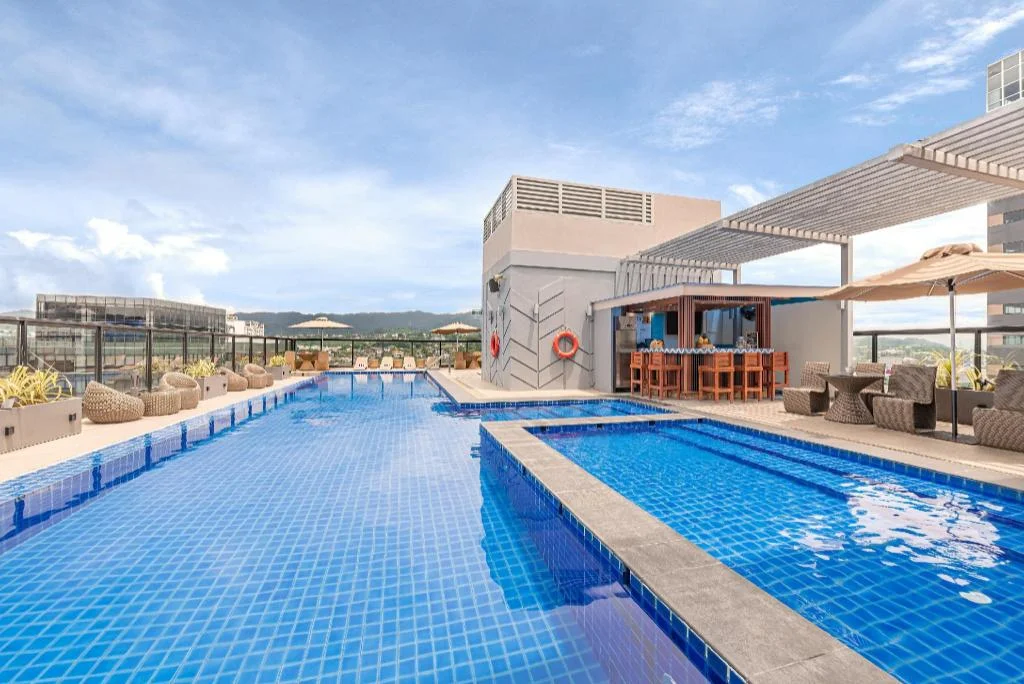
Seda Central Bloc Cebu City
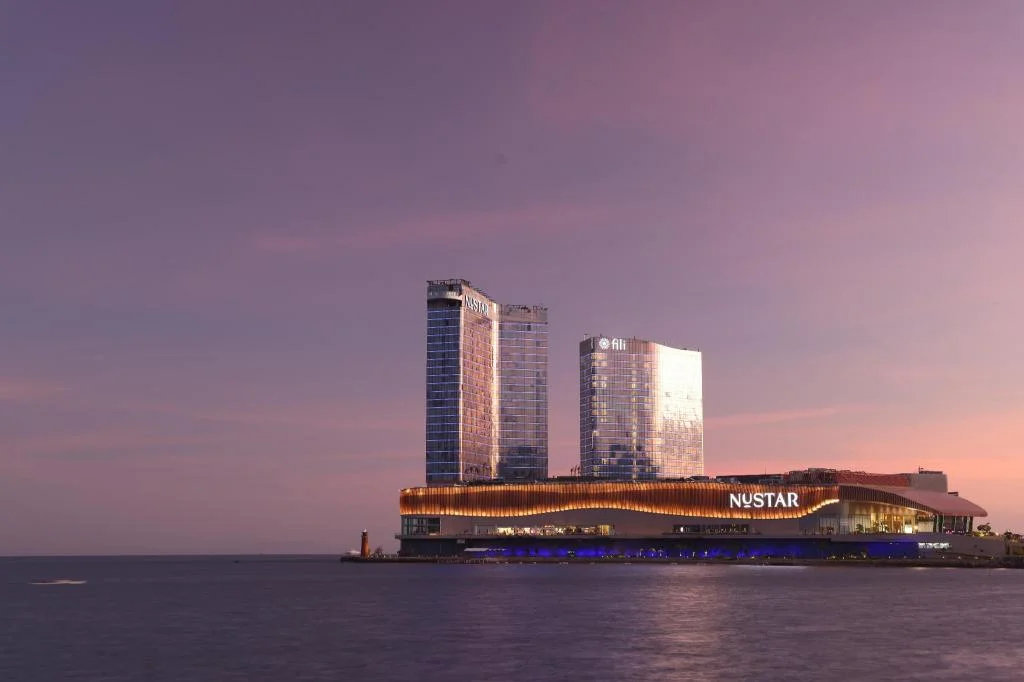
Fili Hotel - NUSTAR Resort & Casino Cebu

Holiday Inn Cebu City By IHG

Citadines Cebu City
Prefer a rental? Vacation rentals near Cebu City
Self-catering condos and apartments — book the exact unit, kitchen included.
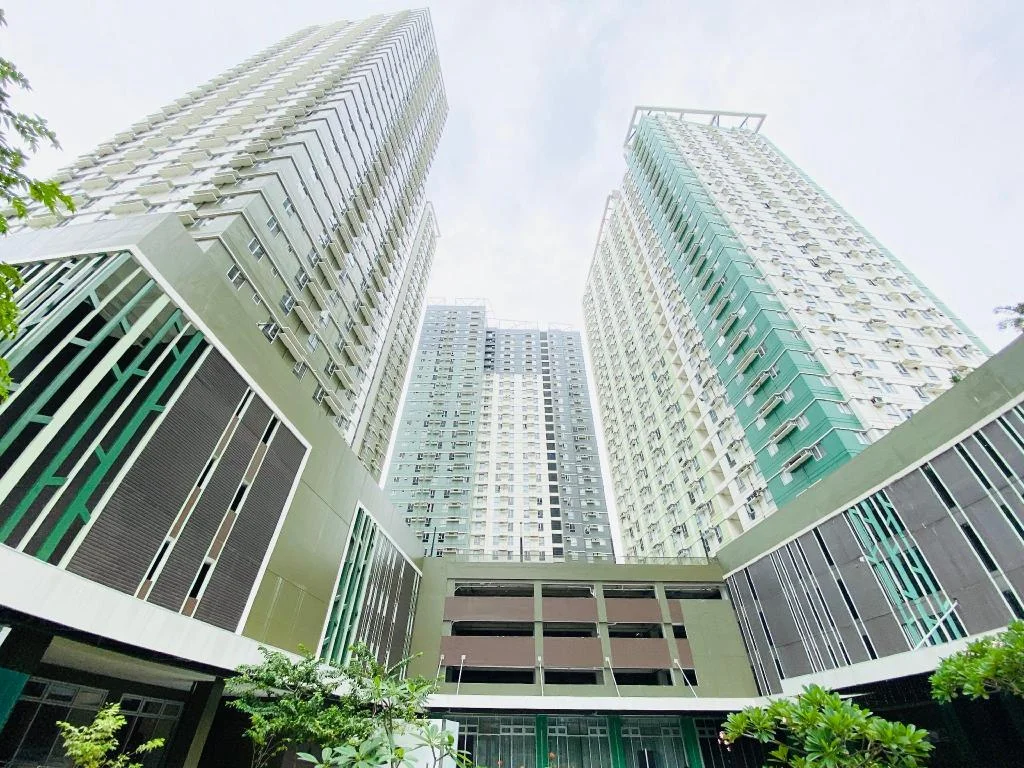
Cebu Avida Riala by P&J

Special Big Loft Unit w/Fibreop Internet & Netflix
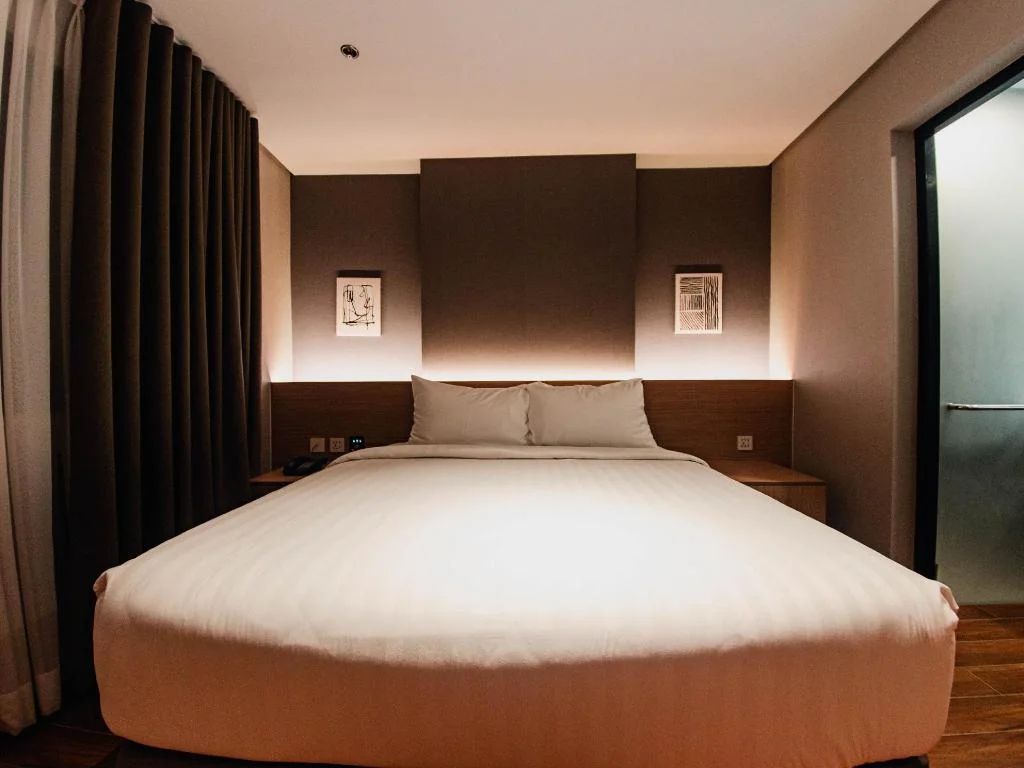
Moonstar Cebu Hotel - Deluxe Room
Before you go
Frequently asked
When is Cebu's rainy season?
Do I need a rain jacket, or is an umbrella enough?
What should go in my dry bag?
Will it rain all day, every day?
What shoes are best for rainy season in Cebu?
Is Cebu still hot during rainy season?
How do I keep my clothes from smelling musty in humid weather?
Should I avoid visiting Cebu during rainy season?
More Places to Explore
Kawasan Falls
Badian
A stunning three-tiered waterfall famous for its turquoise waters, bamboo raft rides, and as the endpoint of the famous Badian canyoneering adventure.
Temple of Leah
Cebu City
A magnificent Roman-inspired temple built as a monument of love, nicknamed 'Cebu's Taj Mahal,' offering stunning architecture and city views.