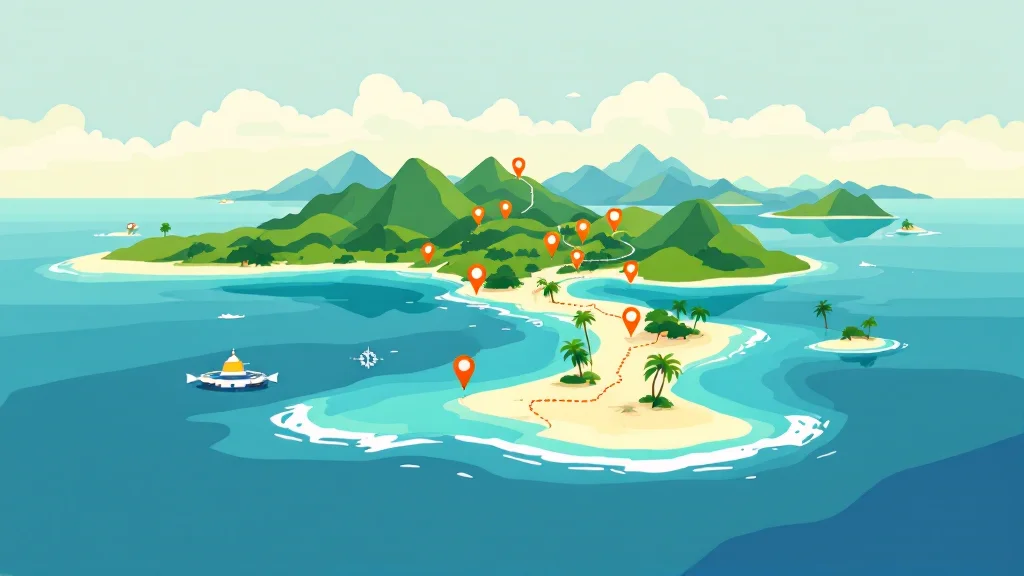
TL;DR: This 4-day Cebu itinerary is built so rain never cancels your trip — only a plan. Day 1 anchors indoors at Cebu Ocean Park and the Parian museums; Day 2 heads south for Oslob whale sharks (₱500-1,000, runs rain or shine) and Tumalog Falls; Day 3 is Moalboal for diving or snorkeling (₱1,200-2,100/dive), with Kawasan Falls canyoneering as a weather-dependent bonus, not the anchor; Day 4 is a flex buffer day for a cooking class, spa, or a rain-delayed swap. Peso prices at ₱62 ≈ US$1 (July 2026). Verified July 2026.
If you’re booking a Cebu trip anywhere between June and December, you’re going to hit rain — the only question is whether your itinerary can absorb it. This plan is built around that reality instead of pretending it away. Every day has a primary plan and a same-day backup, so a downpour costs you an hour, not the whole afternoon. The anchors are things that either don’t care about weather at all (museums, malls, spas, cooking classes) or that keep running through routine rain (whale shark watching, diving), with the one genuinely weather-sensitive activity — canyoneering — positioned as a bonus add-on rather than something your whole day depends on. It’s written for anyone visiting during Cebu’s wetter months who still wants a real mix of city culture, a proper day trip south, and time in the water, without gambling the trip on clear skies. For the bigger picture on what the rain actually looks like month to month, see our rainy season in Cebu guide, and for the honest verdict on whether this season is worth booking at all, read is rainy season in Cebu worth it.
This Itinerary at a Glance
Prices per adult, peso-to-dollar at ₱62 ≈ US$1 (July 2026). Confirm exact rates locally before you go. Verified July 2026.
| Day | Primary plan | Rain backup | Rough cost |
|---|---|---|---|
| 1 | Cebu Ocean Park + Parian museums + spa | Same plan (already indoor) | ₱1,600-2,800 (~US$26-45) |
| 2 | Oslob whale sharks + Tumalog Falls | Runs rain or shine; only storm signals cancel | ₱2,500-3,500 (~US$40-56) day-trip package |
| 3 | Moalboal diving/snorkeling + optional Kawasan canyoneering | Skip canyoneering, add a second dive or a spa afternoon | ₱1,900-4,000 (~US$31-65) |
| 4 | Cooking class + flex buffer for any bumped activity | Mall + spa day if everything else already happened | ₱4,600-6,500 (~US$74-105) for the class |
Day 1: Cebu City, Fully Indoors
Start in the city on purpose — it’s the one day of this trip where rain genuinely doesn’t matter. Spend the morning at the Parian heritage museums: Casa Gorordo Museum (₱75-100), the Yap-Sandiego Ancestral House (₱50-100), and Museo Sugbo (₱30-75 for foreigners), all within a short walk or Grab ride of each other near Basilica del Santo Niño. Budget two to three hours for the loop.
In the afternoon, head to SM Seaside City for Cebu Ocean Park — tickets run around ₱750 on weekdays and ₱900 on weekends (about US$12-15), with a 20% discount for seniors and PWDs and free entry for kids under three feet. It’s fully covered, so you can move straight from the aquarium into the mall if a downpour hits. Close the day with a massage: a one-hour session runs anywhere from ₱150 at a no-frills reflexology clinic up to ₱1,000+ at a hotel spa (see our best spas and massage in Cebu guide for specific names by budget). Stay somewhere central — Cebu Business Park, Fuente Osmeña, or IT Park — so all of this is a short ride away; browse Cebu City hotels on Agoda if you haven’t booked yet.
Is Day 2’s Whale Shark Trip Actually Rain-Proof?
Mostly, yes — Oslob’s whale shark watching runs year-round and only stops for an active storm signal or seas too rough for the boats. Leave Cebu City by 2:30-3:00 AM (or the night before) to reach Barangay Tan-awan by 6 AM, since the interaction gets crowded and the sharks less active later in the morning. Watching from the boat costs ₱500; snorkeling alongside the whale sharks costs ₱1,000, with an added ₱1,500-2,000 for a freediving or scuba permit. See the full breakdown in our Oslob whale sharks guide.
Once the whale shark session wraps by 8-9 AM, a short tricycle ride (₱250-300 round trip) gets you to Tumalog Falls, a 25-meter cascade that photographs well in any weather and is genuinely more dramatic after rain has swelled the flow. Entrance is around ₱30. Doing this as a bundled day trip from Cebu City — transport, whale shark fee, and Tumalog included — typically runs ₱2,500-3,500 per person and is the easiest way to handle logistics on a day you might need to shift by a few hours for weather. Book an Oslob whale shark day trip through Klook if you’d rather not arrange the bus and tricycle legs yourself.
The one real risk here isn’t rain — it’s an active storm. If a signal is up for the southern Visayas on your dates, the boats won’t go out at all. Check the operator’s status page or a local contact the night before, and if it’s genuinely a washout, swap this day for Temple of Leah (₱120-150 entrance) and Sirao Flower Garden in the Busay hills instead — both are close to the city and easy to fold into a rearranged schedule.
Day 3: Moalboal — Diving Works, Canyoneering Might Not
Diving and snorkeling in Moalboal continue through rainy season, just with somewhat lower visibility; canyoneering at Kawasan Falls is the activity most likely to get bumped. Base the day around the water: a shore dive along the sardine run wall off Panagsama Beach runs ₱1,200-1,900 depending on the shop, a boat dive to Pescador Island’s wall and Cathedral cave runs ₱1,600-2,100, plus a ₱100 marine park fee per dive. Non-divers can still snorkel with the sardines and sea turtles for a fraction of the cost. Full pricing is in our Moalboal diving guide.
If the morning is clear, add Kawasan Falls canyoneering as a bonus — it’s a short drive from Moalboal and genuinely one of Cebu’s best experiences on a good-weather day. But treat it as optional, not the anchor: legitimate operators suspend trips after heavy upstream rain because the river can rise fast and turn murky with little warning, since it’s essentially a slot canyon. Call the operator the morning of, and if it’s a no-go, don’t force it — book a second dive instead, or head back toward Cebu City a little early for a spa session. This is exactly the kind of swap a buffer day (see Day 4) protects you against having to make on the fly.
Day 4: The Buffer Day
This is the day that makes the whole itinerary rain-proof — keep it deliberately unbooked until the morning of. If everything on Days 1-3 went to plan, use it for something purely additive: a hands-on Filipino cooking class (US$74-105, roughly ₱4,600-6,500, through an Airbnb Experience or browse options on GetYourGuide), a second museum you skipped, or a longer spa session before your flight.
If Day 2 or Day 3 got disrupted by weather, this is where that activity lands instead. Because Oslob whale sharks and Moalboal diving both run rain or shine outside of an active storm, the honest failure case here is a canceled ferry, a suspended canyoneering trip, or a storm-signal day — and a free Day 4 absorbs any one of those without touching your flight home. If you’d rather not drive yourself between towns on a schedule you might need to shuffle, renting a private van with a driver for the south-Cebu legs gives you more flexibility to delay or reroute than public buses do.
How to Choose What to Move Around
- Rain forecast for the whole week? Front-load Day 1 (already indoor) and keep Day 4 as your buffer rather than your last outdoor day.
- Traveling September through November? This is peak typhoon season for the Visayas — check PAGASA bulletins before locking transport, and lean harder on the buffer day. Our typhoon season safety guide covers what an actual storm warning changes.
- Short on time (3 days, not 4)? Merge Day 1’s museums into the morning before flying out, and treat Days 2-3 as the core trip.
- Traveling with kids? Ocean Park and the mall-based indoor playgrounds (see our Cebu with kids guide) absorb rain days better than a canyoneering day would anyway.
- Not confident in your own weather-calling? Book Day 2 and Day 3 through operators who explicitly monitor conditions and offer rescheduling — worth the small premium over the cheapest DIY option in rainy season.
The Honest Take
Rainy season in Cebu (roughly June through December, heaviest September-November) is not the washout its reputation suggests — most days bring a short, heavy afternoon downpour rather than all-day rain, and the activities most people actually fly here for, diving and whale shark watching, keep running through it. The genuine trade-off is canyoneering, which depends entirely on river conditions and gets suspended without much notice, and the real (if usually distant) chance of a typhoon from August onward — Cebu took a direct hit from Typhoon Kalmaegi in November 2025, so this isn’t a purely theoretical risk in the later months. Build this itinerary with a buffer day, book activities through operators who’ll reschedule rather than just refund, and you’ll come away with a trip that looks almost identical to a dry-season one — at lower hotel rates and with noticeably thinner crowds at Oslob and the malls. If your dates are rigid and non-refundable, or you’re traveling October-November specifically, weigh that against visiting in the drier window instead — see our best time to visit Cebu guide for the full comparison.
Sources
- Oslob Whale Shark Watching — official status and guide
- Cebu Ocean Park — official tickets and hours
- Casa Gorordo Museum — official site
- PAGASA climate classification and rainfall data for Cebu island
- Dive pricing cross-checked against Moalboal Dive Center and Cebu Fun Divers current rate cards
- Spa, cooking class, and mall attraction pricing cross-checked against operator listings and 2025-2026 booking platforms. Verified July 2026.
Rain or shine, this loop covers Cebu City’s heritage core, a proper whale-shark day south, and a real dive base at Moalboal — the same ground a dry-season trip would cover, just sequenced to survive a storm. Pair Day 1 with the fuller rainy-day activities guide if you need extra options for a second washed-out afternoon, and compare Cebu City and Mactan hotels on Agoda before you lock your dates — rainy-season rates are some of the lowest of the year.
Book Tours & Hotels for This Trip
Find and book the best deals — prices and availability update in real time. Links open in a new tab.
Where to stay near Cebu City
Top-rated hotels for this trip — tap through to check live rates.
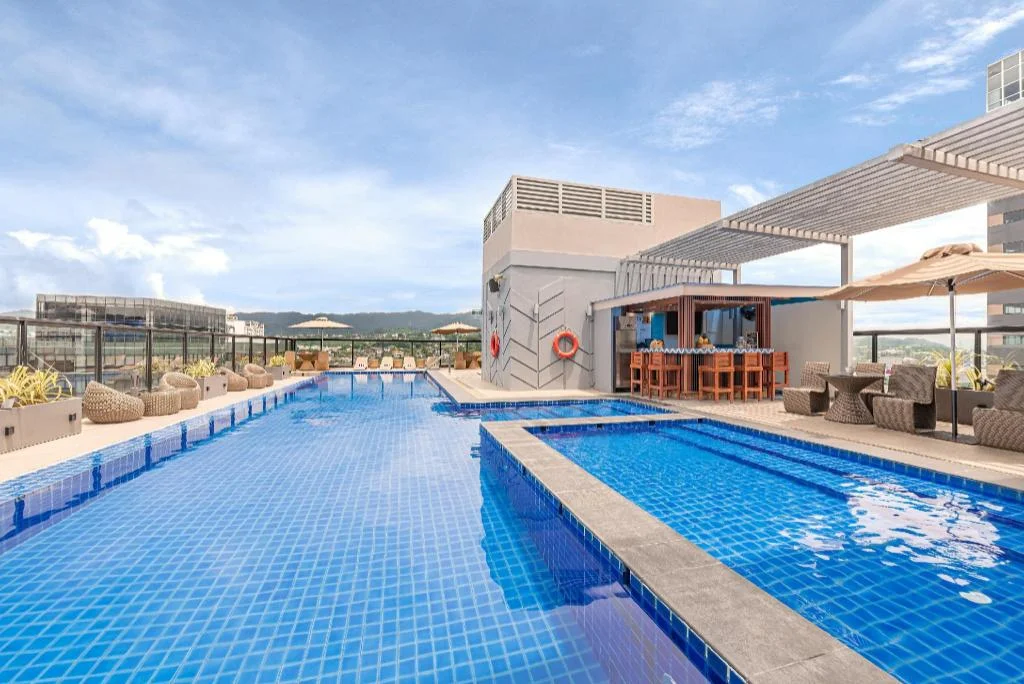
Seda Central Bloc Cebu City
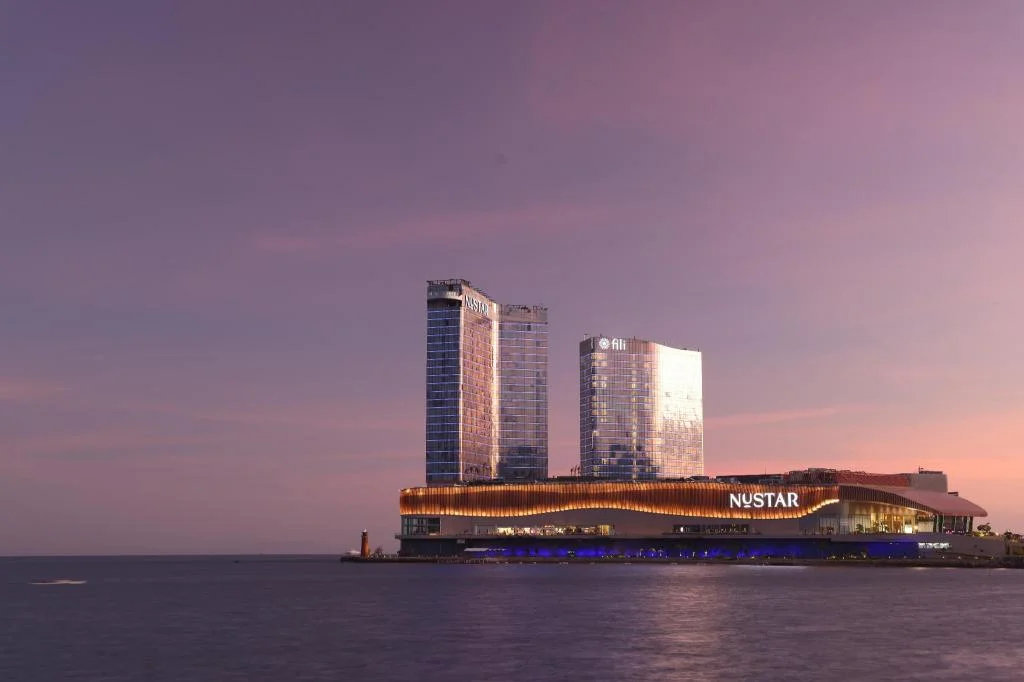
Fili Hotel - NUSTAR Resort & Casino Cebu
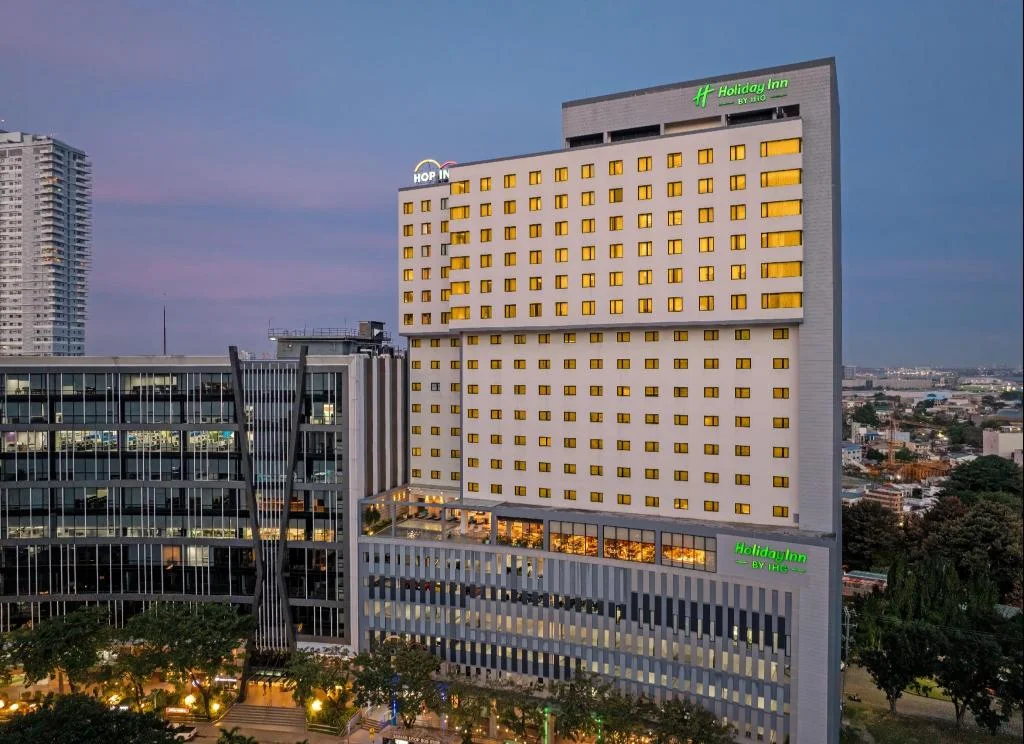
Holiday Inn Cebu City By IHG
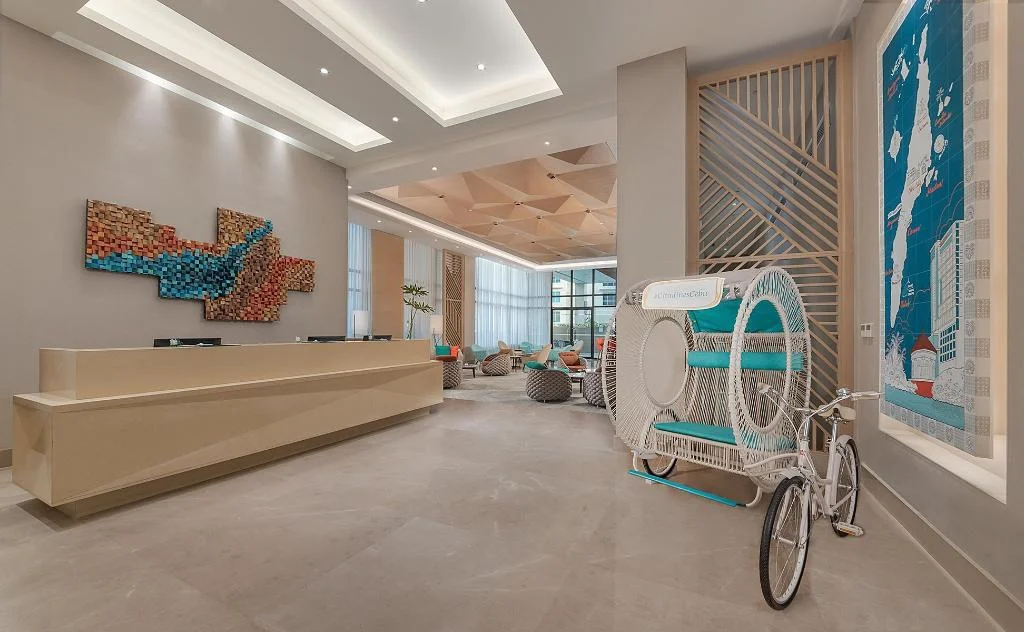
Citadines Cebu City
Prefer a rental? Vacation rentals near Cebu City
Self-catering condos and apartments — book the exact unit, kitchen included.
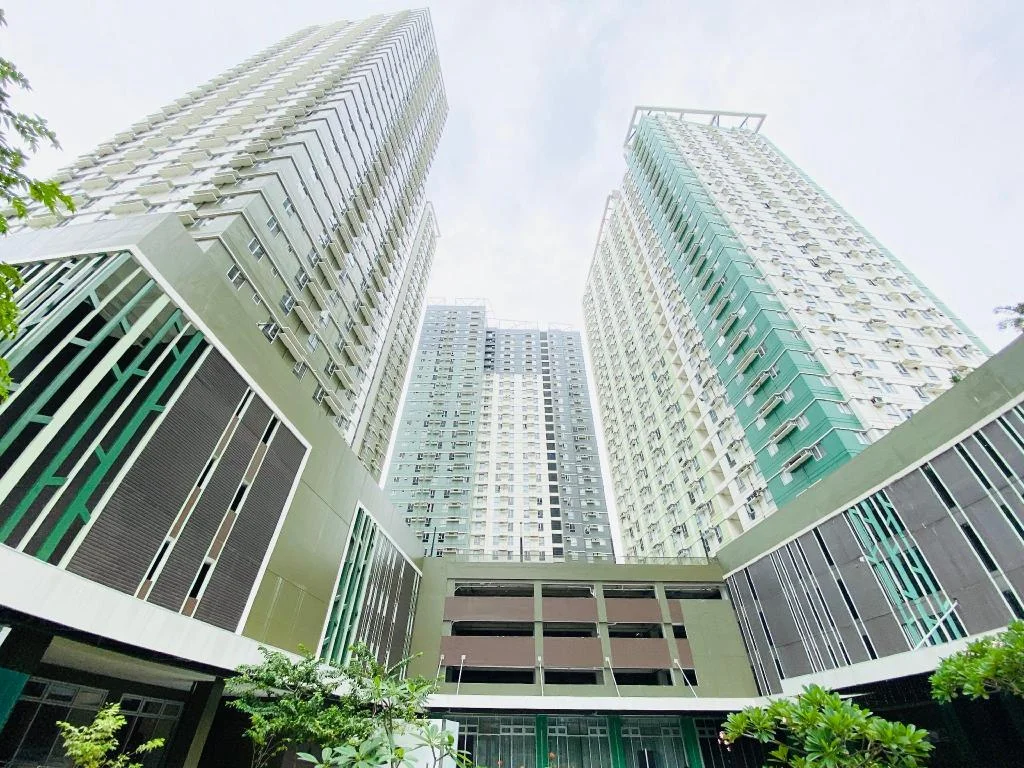
Cebu Avida Riala by P&J
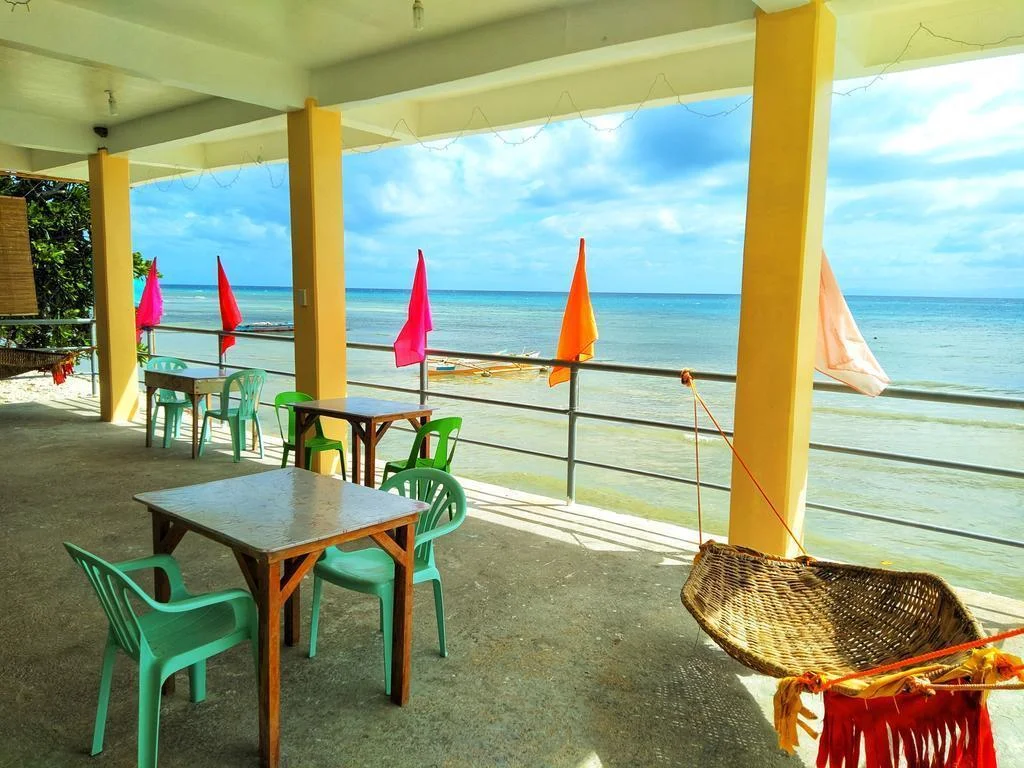
Ocean View Lodging House
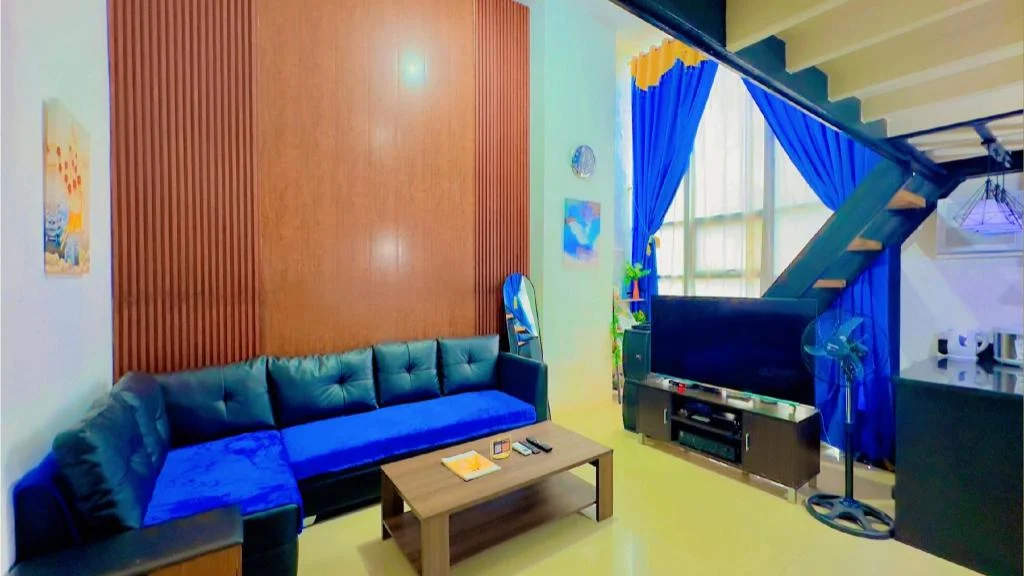
Special Big Loft Unit w/Fibreop Internet & Netflix
Before you go
Frequently asked
Can you still enjoy a Cebu trip during rainy season?
What activities keep running in the rain?
How many buffer days should I build into a rainy-season itinerary?
What's the backup plan if it rains all day?
Is it cheaper to visit Cebu during rainy season?
Do you need travel insurance for a rainy-season Cebu trip?
Can you go island hopping or snorkeling in the rain?
What should I pack for a rainy-season itinerary?
More Places to Explore
Whale Shark Watching
Oslob
Swim alongside gentle whale sharks, the world's largest fish, in one of the few places where these magnificent creatures can be reliably encountered.
Temple of Leah
Cebu City
A magnificent Roman-inspired temple built as a monument of love, nicknamed 'Cebu's Taj Mahal,' offering stunning architecture and city views.
Tumalog Falls
Oslob
A spectacular curtain waterfall cascading down a moss-covered cliff into a shallow turquoise pool, creating a dreamlike natural retreat.
Kawasan Falls
Badian
A stunning three-tiered waterfall famous for its turquoise waters, bamboo raft rides, and as the endpoint of the famous Badian canyoneering adventure.
Moalboal Sardine Run
Moalboal
Swim with millions of sardines in one of the world's only year-round sardine runs, just meters from shore.