
TL;DR: Cebu’s oldest buildings fall into two eras: Spanish coral-stone churches, watchtowers, and the walled core of Fort San Pedro (1565–1898), and American-era civic buildings like the Cebu Provincial Capitol (1898–1946). The best single stop is downtown Cebu City — Fort San Pedro (
₱30), Casa Gorordo Museum (₱120), and the Yap-Sandiego Ancestral House (~₱100) are all walkable in half a day. For the full picture, drive south to Carcar’s bahay na bato district, Argao’s coral-stone church and watchtowers, and Boljoon’s National Cultural Treasure church, all confirmable locally before you go. Verified July 2026.
Cebu doesn’t look like a colonial museum piece the way Vigan does — it’s a working, sprawling metro that happens to have 450 years of layered history sitting inside it, mostly hiding in plain sight between malls and jeepney routes. Walk two blocks off Colon Street, the oldest street in the country, and you’ll find a stone fort, a merchant’s mansion, and a church that’s survived earthquakes, fires, and three colonial administrations. This guide is for anyone who wants to actually understand what they’re looking at — the difference between a bahay na bato and a Spanish garrison, why some churches are pure coral stone and others got a concrete facelift, and where to see the real, still-standing examples rather than reconstructions. It’s a companion piece to our Cebu cultural heritage walking tour if you want a step-by-step downtown route.
Cebu’s Heritage Architecture at a Glance
| Site | Style / Era | Town | Entry fee (2026) |
|---|---|---|---|
| Fort San Pedro | Spanish military bastion fort (1565–1738) | Cebu City | ~₱50 adult, ₱40 student/senior |
| Basilica del Santo Niño | Spanish baroque, rebuilt in stone 1735–1740 | Cebu City | Free (donations at chapel) |
| Casa Gorordo Museum | Bahay na bato, restored 19th-c. merchant house | Cebu City | ~₱120 (guided) |
| Yap-Sandiego Ancestral House | Bahay na bato, one of the oldest in the country | Cebu City | ~₱100 |
| Cebu Provincial Capitol | American-era neoclassical/Art Deco (1937) | Cebu City | Free (exterior/grounds) |
| Museo Sugbo | American-era former provincial jail, adaptive reuse | Cebu City | ~₱30 Filipino / ₱75 foreign |
| Carcar Rotunda & Heritage District | Bahay na bato cluster around plaza | Carcar City | Free to walk (some houses charge) |
| San Miguel Arcangel Church | Coral-stone baroque-rococo (built 1783) | Argao | Free |
| Boljoon Church (Patrocinio de Maria) | Coral-stone, National Cultural Treasure | Boljoon | Free |
| El Gran Baluarte, Boljoon | Largest surviving watchtower in Cebu (completed 1808) | Boljoon | Free |
| Cuartel Ruins & Baluarte Watchtower | Unfinished 1860s garrison + 1788 watchtower | Oslob | Free |
Prices are approximate 2026 rates gathered from operator and heritage-site listings — confirm locally, fees at small municipal sites change without notice. Verified July 2026.
What Actually Counts as “Colonial Heritage” in Cebu?
Three distinct eras left their mark, and they don’t look alike. The Spanish period (1565–1898) is almost entirely religious and defensive: coral-stone churches, watchtowers, and forts built to survive raids and earthquakes, not to impress. The short but architecturally loud American period (1898–1946) is civic and secular: government buildings in neoclassical and Art Deco styles, built along new wide boulevards. And running through both is a Filipino domestic style, the bahay na bato, developed by local and Chinese-mestizo merchant families rather than colonial administrators — it’s Filipino architecture that happens to use Spanish-introduced materials, not a Spanish import.
Why Are So Many Old Churches Built From Coral Stone?
Because it was the material at hand, and it worked. Spanish friars and local labor cut blocks of coral limestone straight from reef beds and quarries, then set them with lime mortar traditionally mixed with egg whites for binding strength — a formula repeated across the Visayas. The result is walls a meter or more thick that have outlasted earthquakes, typhoons, and, in several towns, deliberate demolition attempts. Boljoon’s Patrocinio de Maria Church, built in 1783, is one of the clearest surviving examples and is recognized by the National Museum of the Philippines as a National Cultural Treasure — the only church in the province with that designation. Its walls are pure cut coral stone, and its roof still carries the original terracotta tisa tiles, which keep the interior noticeably cooler than a modern concrete church. San Miguel Arcangel Parish Church in Argao (also 1783) shows the same coral-stone base but adds a more ornate baroque-rococo facade — a triangular pediment decorated with reliefs of birds, cherubs, and flowers.
What Is a Bahay na Bato, and Where Do You See One?
It’s a two-story house with a heavy stone or brick ground floor for storage and coolness, and a lighter wood-and-capiz-shell upper floor — the living quarters — that overhangs the street on wooden brackets called volada. The style emerged in the 1700s–1800s among Chinese-mestizo and Filipino merchant families, blending Chinese building techniques, Spanish materials, and a tropical floor plan meant to catch cross-breezes. It is not a Spanish house transplanted to the Philippines; it’s a genuinely Filipino form.
In Cebu City, the Yap-Sandiego Ancestral House on Mabini Street is the most-visited example, a short walk from Casa Gorordo — it’s still partly owned by descendants of the original family, and entry runs roughly ₱100. Casa Gorordo Museum, a few streets over in the historic Parian district, is a restored merchant house-turned-museum with docent-led tours included in the roughly ₱120 admission, open 10 AM–6 PM daily.
For a whole streetscape rather than a single house, go south to the Carcar Rotunda and Heritage District — a cluster of preserved bahay na bato mansions (including the blue-facaded Mercado Mansion and the Don Florencio Noel House) ringing the plaza and St. Catherine of Alexandria Parish Church, about 45 minutes from Cebu City. Walking the district is free; individual houses set their own fees if open for tours.
Fort San Pedro and Cebu’s Military Architecture
Fort San Pedro, at the edge of Plaza Independencia downtown, is the oldest triangular bastion fort in the Philippines, with construction starting in 1565 under Miguel López de Legazpi and rebuilt in stone through the 1700s. It’s compact — you can walk the whole thing in 20–30 minutes — with squat corner bastions, thick perimeter walls, and a small courtyard museum inside. Entrance runs about ₱50 for adults and ₱40 for students and seniors; a 2026 city council proposal to update the fee schedule has kept the basic rate unchanged. It won’t fill a whole afternoon on its own, so pair it with Magellan’s Cross and the Basilica, both a five-minute walk away.
South of the city, Cebu’s coastal defense system is more scattered but more atmospheric. Roughly 74 watchtowers (baluartes) once studded the coast between Carcar and Santander, built through the 1700s and 1800s under the direction of Augustinian friar Julian Bermejo to spot Moro raiders before they reached shore; about 22 survive today, mostly as roofless ruins. The largest is El Gran Baluarte in Boljoon, completed in 1808, with a ground floor once used as an armory and prison cell and an upper level for cannon defense. In Oslob, the Baluarte Watchtower (built 1788) stands about 200 meters from the Cuartel Ruins, an unfinished 1860s garrison abandoned when Spanish troops withdrew as American forces arrived — both are free to visit and make an easy stop if you’re already headed south for Tumalog Falls or whale shark watching.
What Did the Americans Build, and Why Does It Look Different?
The American colonial period (1898–1946) shifted the architectural focus from churches and forts to civic buildings — city halls, capitols, schools, markets — designed to project the presence of a modern government rather than defend against raiders. The clearest example is the Cebu Provincial Capitol, at the north end of Osmeña Boulevard, designed by Filipino architect Juan M. Arellano (also responsible for Manila’s Metropolitan Theater and Legislative Building) and constructed starting 1937. Its style is neoclassical — symmetrical facade, ionic columns, a rusticated ground floor — with early hints of the Art Deco simplification Arellano moved toward later in his career. The building sits at the terminus of Osmeña Boulevard exactly as planned by American urban designer William E. Parsons in his 1912 “City Beautiful” plan for Cebu, and it was declared a National Historical Landmark in 2008.
Another American-era holdover with a very different afterlife is Museo Sugbo, the former Cebu provincial jail, adaptively reused as a museum spread across several original buildings and courtyards. Entry runs about ₱30 for Filipino adults and ₱75 for foreign visitors, with discounted student rates — a useful stop for context before or after visiting the churches and forts, since it covers the province’s history across all three eras in one place.
How to Plan a Heritage Route
If you only have a morning, stay downtown: start at Fort San Pedro, walk to Magellan’s Cross and the Basilica del Santo Niño, then loop to Casa Gorordo and Yap-Sandiego, finishing at Museo Sugbo if you still have energy — all within a 20-minute walking radius. If you have a full day and a car or driver, head south instead: Carcar’s heritage district first, then Argao’s church and watchtowers, then Boljoon’s National Cultural Treasure church and El Gran Baluarte, with Oslob’s Cuartel Ruins as an optional add-on if you’re continuing to the whale sharks. Our Argao heritage town guide breaks down that southern route stop by stop.
The Honest Take
Cebu’s Spanish-era sites are genuinely undersold compared to Vigan or Manila’s Intramuros — Boljoon Church alone deserves far more attention than it gets, and you’ll often have it to yourself on a weekday. But manage expectations: most southern watchtowers are unmarked, unroofed ruins with no signage, not restored monuments, so the appeal is atmosphere and history rather than polish. Downtown, Fort San Pedro is small and can feel like a 20-minute box-tick if you go in expecting a Intramuros-scale complex — it’s worth doing, just don’t build a whole day around it. Skip the trip south specifically for architecture if you’re pressed for time and instead fold it into a south Cebu day that already includes waterfalls or whale sharks; the churches and watchtowers are a bonus stop, not a standalone destination for most travelers.
Sources
- The Patrocinio de Maria Church in Boljoon, Cebu — National Museum of the Philippines
- The baluartes of Cebu — Cebu Daily News
- Cebu Provincial Capitol — Wikipedia
- Cebu City moves to update Fort San Pedro fees after 17 years — SunStar Cebu
- Cuartel Ruins (Museo Oslob) — Guide to the Philippines
- Casa Gorordo Museum — official site
- Entrance fees for Museo Sugbo and Yap-Sandiego Ancestral House cross-checked against multiple 2026 travel-guide listings; confirm current rates on arrival. Verified July 2026.
Ready to walk it yourself? Compare Cebu City hotels near the historic core on Agoda so you can reach Fort San Pedro, Casa Gorordo, and the Basilica on foot, then read our best churches in Cebu roundup and Cebu cultural heritage walking tour to build out the rest of the day.
Book Tours & Hotels for This Trip
Find and book the best deals — prices and availability update in real time. Links open in a new tab.
Where to stay near Cebu City
Top-rated hotels for this trip — tap through to check live rates.
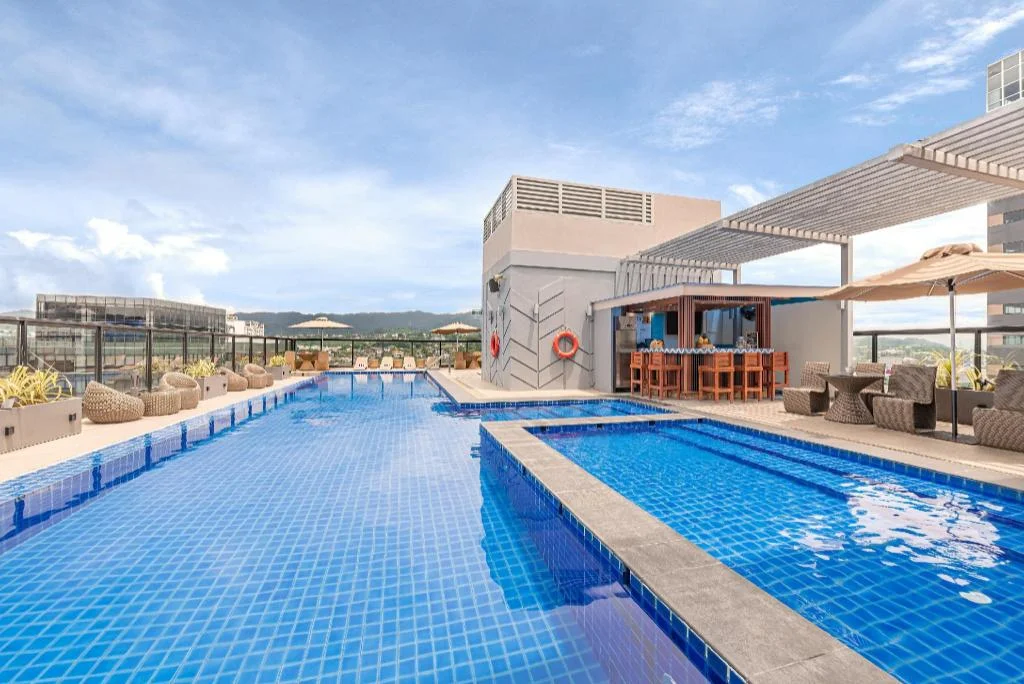
Seda Central Bloc Cebu City
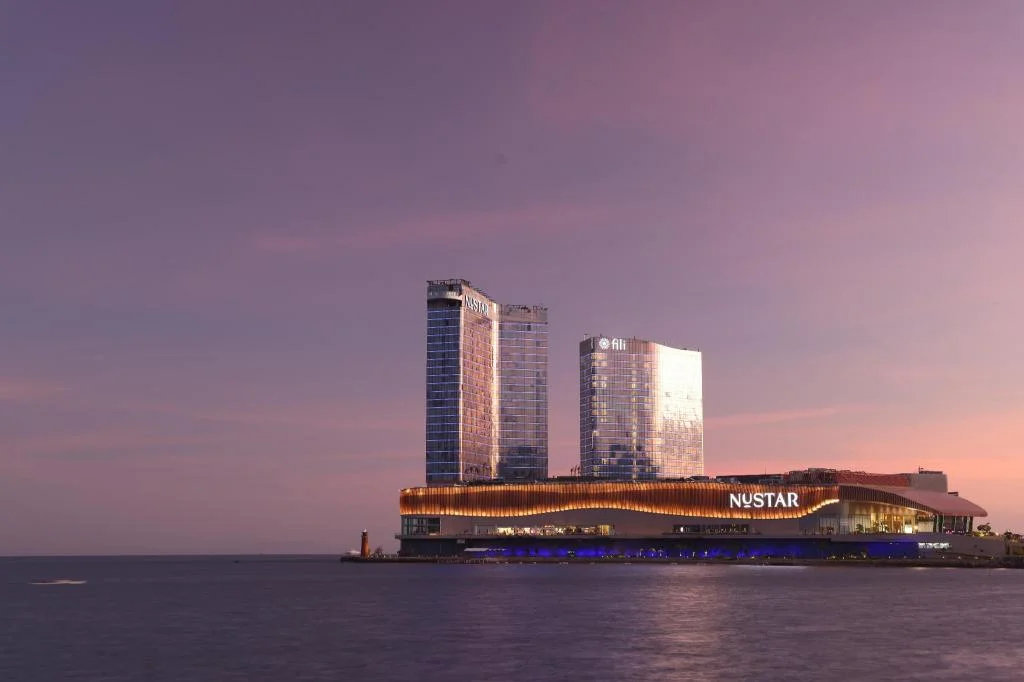
Fili Hotel - NUSTAR Resort & Casino Cebu
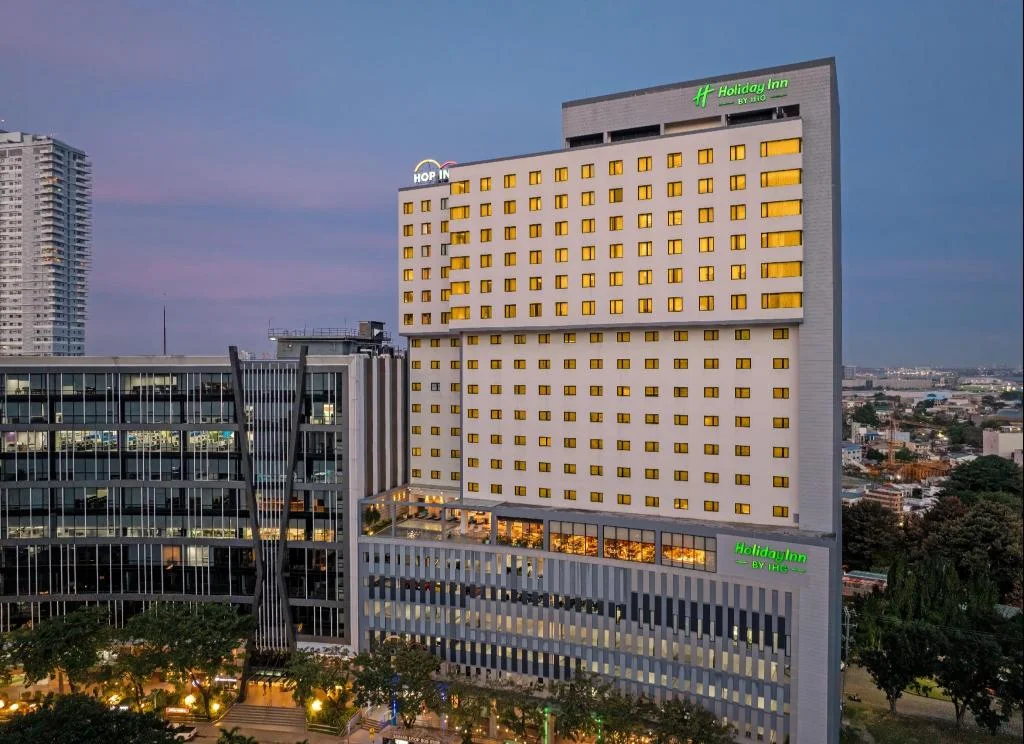
Holiday Inn Cebu City By IHG
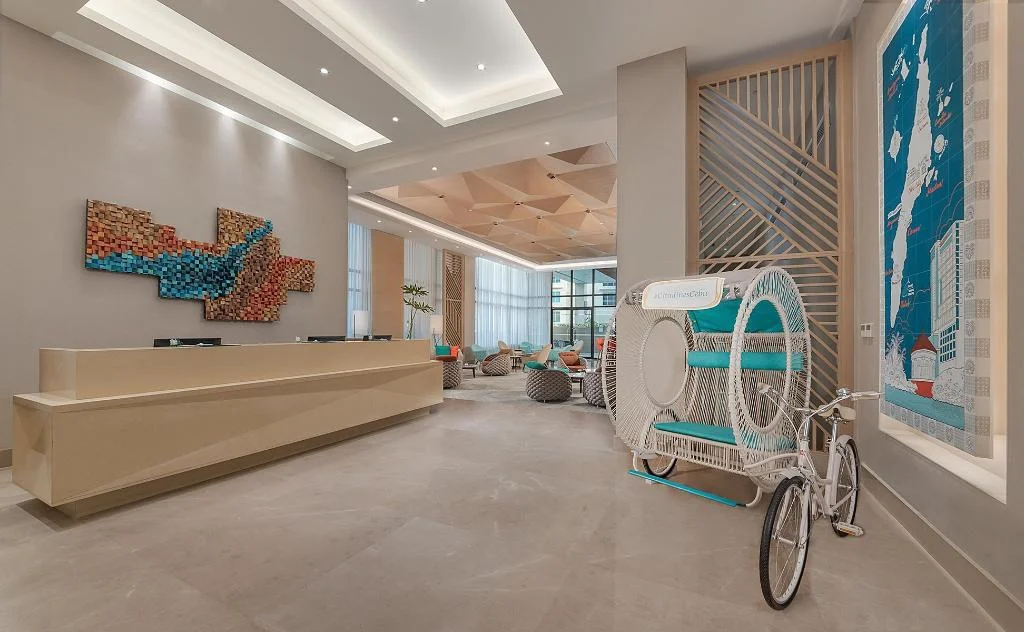
Citadines Cebu City
Prefer a rental? Vacation rentals near Cebu City
Self-catering condos and apartments — book the exact unit, kitchen included.
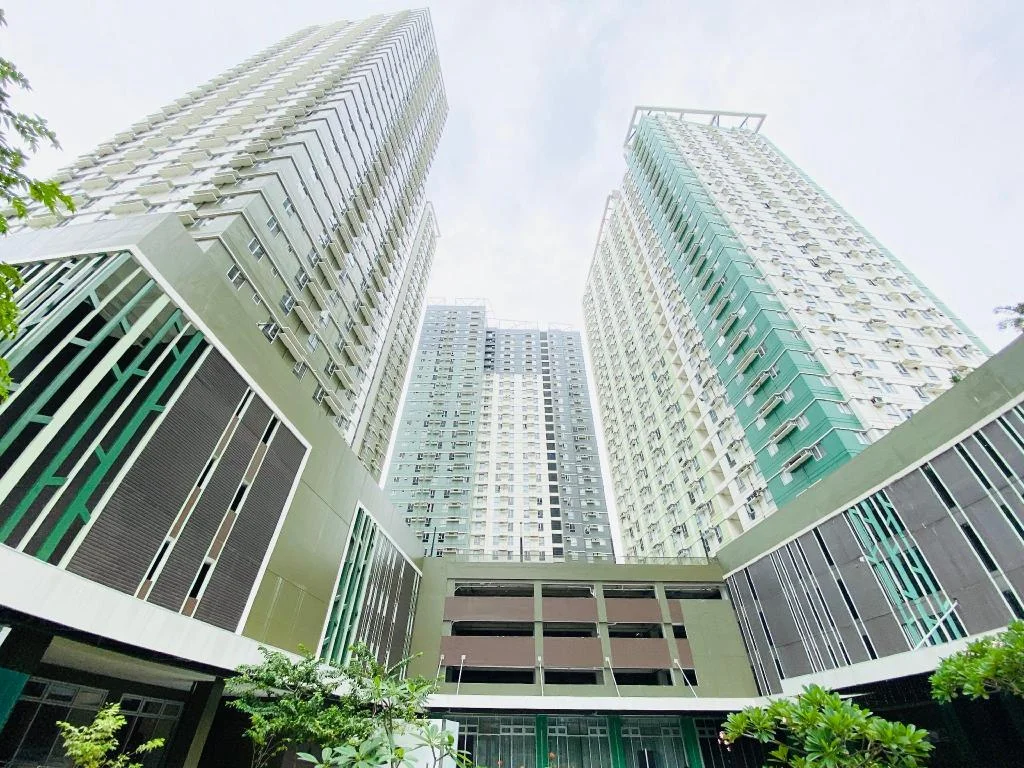
Cebu Avida Riala by P&J
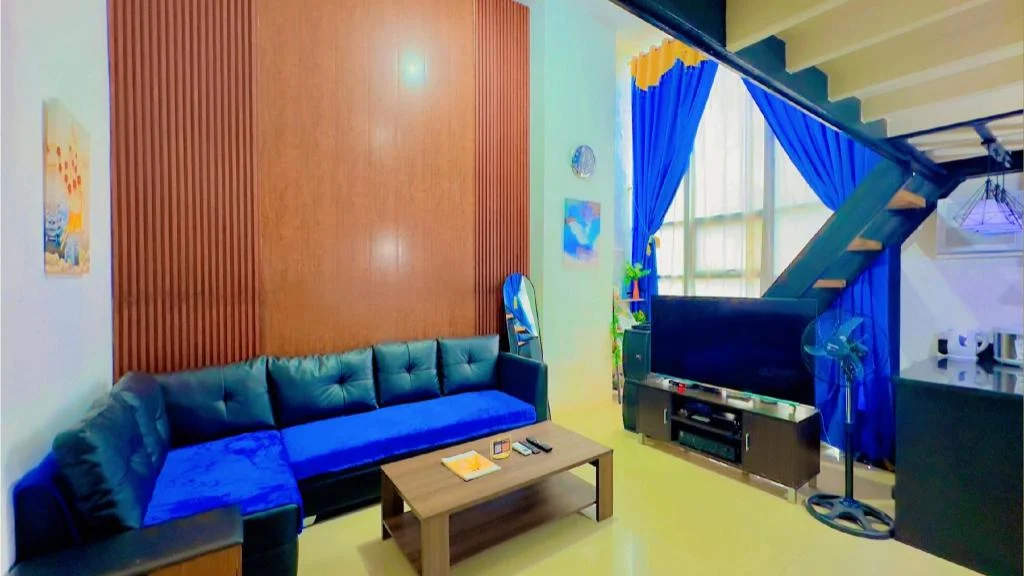
Special Big Loft Unit w/Fibreop Internet & Netflix
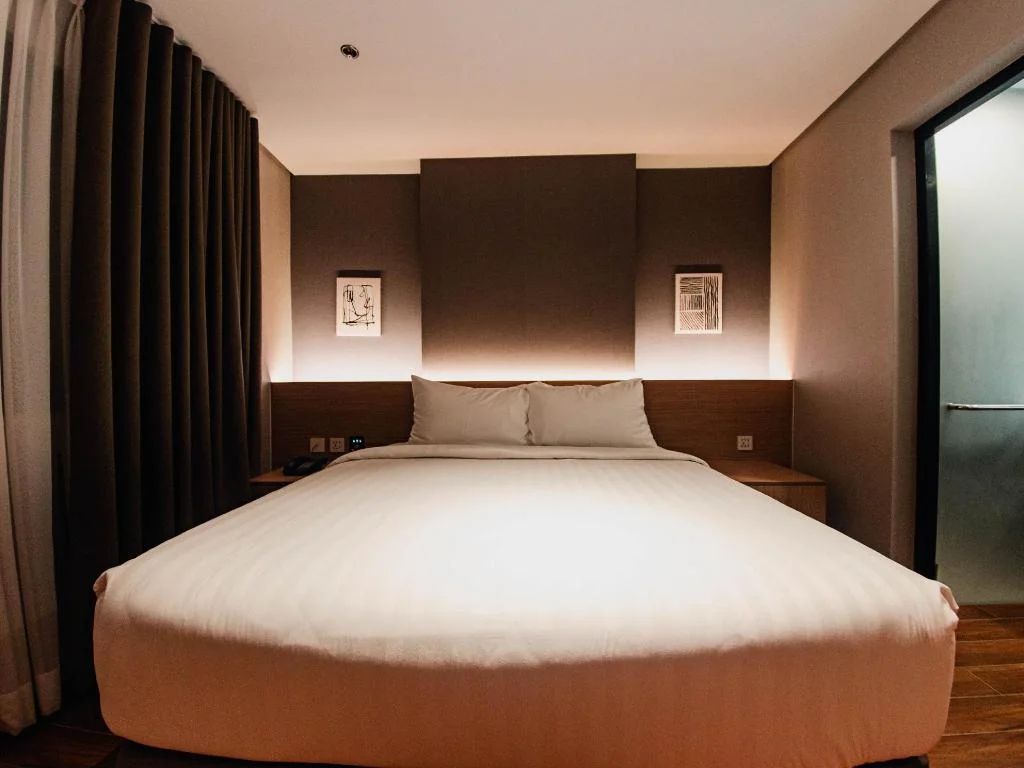
Moonstar Cebu Hotel - Deluxe Room
Before you go
Frequently asked
What is bahay na bato?
Why are Cebu's old churches made of coral stone?
What were the watchtowers (baluartes) for?
Is Fort San Pedro worth visiting?
Where can I see a real bahay na bato in Cebu?
What's the difference between the Spanish-era and American-era buildings in Cebu?
Do I need a guide to appreciate Cebu's heritage architecture?
How much time do I need to see Cebu's colonial architecture properly?
More Places to Explore
Fort San Pedro
Cebu City
The oldest and smallest triangular fort in the Philippines (1565), a well-preserved Spanish colonial military structure with a history museum.
Basilica del Santo Niño
Cebu City
The oldest church in the Philippines (1565), home to the miraculous Santo Niño image and center of the famous Sinulog Festival.
Colon Street
Cebu City
The oldest street in the Philippines, a historic commercial thoroughfare that has been Cebu's trading center since Spanish colonial times.