
TL;DR: There’s no direct flight from Germany to Cebu — expect 18–24 hours via Doha, Dubai, Istanbul, or Singapore, with round-trip economy fares running roughly US$1,000–1,500 (€900–1,400). Germans get 30 days visa-free, plus the mandatory free eTravel registration before arrival. €1 buys around ₱70 (July 2026). The real pull is diving (Moalboal, Malapascua), a genuine escape from the German winter (Dec–Feb is Cebu’s coolest, driest stretch), and a cost of living well below home. Verified July 2026.
If you’re flying from Germany, Cebu is not a casual weekend trip — it’s a proper long-haul destination, and it’s worth being upfront about that before you book anything. This guide is for German travelers weighing whether the flight time is worth it, working out the visa and paperwork, and figuring out when to go and what it’ll cost. The short version: the island rewards the trip, especially if diving or a genuine winter escape is on your list, but plan around the routing and the wet season rather than around it.
Cebu’s two biggest hooks for German visitors sit at opposite ends of the island: the reef life around Kawasan Falls in the south (river canyoneering, waterfall jumps, and a jumping-off point for Moalboal’s dive sites) and, in Cebu City itself, viewpoints like the Temple of Leah for those spending a day or two in the city before heading out. Neither requires special preparation beyond what’s below.
How Do You Get From Germany to Cebu?
There’s no nonstop flight — you’ll connect through a hub, and the whole trip runs 18 to 24 hours door-to-door.
| Routing via | Airline | Typical total travel time | Indicative round-trip fare* |
|---|---|---|---|
| Doha | Qatar Airways | ~19–21 hours | US$1,000–1,300 |
| Dubai | Emirates | ~20–22 hours | US$1,300–1,500 |
| Istanbul | Turkish Airlines | ~21–23 hours | US$1,000–1,400 |
| Singapore | Singapore Airlines | ~19–21 hours | US$1,100–1,500 |
| Manila (domestic connection) | Various | ~20–24 hours | US$900–1,300 |
*Fares fluctuate constantly with season, booking window, and airline pricing — these are planning ranges from recent search results, not fixed quotes. Check Google Flights or Skyscanner directly before booking. Verified July 2026.
Qatar Airways via Doha has generally been the most competitively priced of the major options, and it’s the routing most German travel forums default to. Whichever hub you pick, book the connecting flight into Mactan-Cebu International Airport (CEB) directly rather than routing through Manila and taking a separate domestic hop — it’s one less thing to go wrong with a checked bag. For the full rundown of airline options and booking timing, see our international flights to Cebu guide.
Do Germans Need a Visa for Cebu?
No — German passport holders get 30 days visa-free for tourism, no application required.
You do need three things at the border: a passport valid at least six months past your departure date, proof of an onward or return ticket within that 30-day window, and — separately from the visa — a completed eTravel registration. eTravel is a free, mandatory online arrival declaration for every traveler entering the Philippines, filled out within 72 hours before your flight at the official government portal. It produces a QR code you show at immigration; only use the official site, since paid look-alike sites do exist. See our full Philippines visa-free entry guide and eTravel registration walkthrough for the exact steps.
If you want to stay longer than 30 days, you can extend at a Bureau of Immigration office in Cebu City — tourists can keep extending up to a total of three years. For anyone 35 or older thinking about wintering in Cebu for months rather than weeks, the Special Resident Retiree’s Visa (SRRV) is the route most long-stay Germans and other Europeans end up using; our Cebu long-stay visa options and retiring in Cebu guides cover the deposit requirements and process.
What Actually Pulls Germans to Cebu?
Diving and a genuine winter escape are the two real reasons, followed by cost of living.
- Diving. Moalboal’s resident sardine run — a dense, shifting ball of sardines meters from shore — and Malapascua’s thresher shark dives are both well known in German diving circles, and PADI Open Water certification in Cebu typically runs a fraction of German prices. If diving is the point of the trip, base yourself in Moalboal rather than Cebu City.
- Escaping the German winter. December through February is Germany’s coldest, greyest stretch and Cebu’s most comfortable window — dry, less humid, and warm without being punishing. That overlap is the single biggest reason this trip makes sense for a German traveler specifically, more than for someone already living somewhere temperate.
- Cost of living. A comfortable daily budget in Cebu still costs a fraction of an equivalent day in Germany, which is part of why a growing number of German retirees and remote workers treat Cebu as a multi-month base rather than a two-week holiday.
- English. No language barrier — English is an official language and the default for business, schools, and tourism, so you’re not navigating Tagalog or Cebuano to get by.
How Much Does a Cebu Trip Cost, Day to Day?
Budget travelers get by on roughly US$24–32 a day; a comfortable mid-range trip runs US$65–97.
| Travel style | Daily cost (PHP) | Daily cost (US$) | What it covers |
|---|---|---|---|
| Backpacker | ₱1,500–2,000 | ~$24–32 | Hostel dorm/guesthouse, local carinderia meals, jeepney/bus transport |
| Mid-range | ₱4,000–6,000 | ~$65–97 | Private budget hotel, mix of local and tourist restaurants, some paid tours |
| Comfortable | ₱9,000+ | ~$145+ | Resort or nicer hotel, private transport/tours, dive trips included |
Converted at ₱62 ≈ US$1 (July 2026). Add 40–60% for staying directly in the Mactan resort strip, and budget separately for canyoneering, island-hopping, or dive trips, which are priced per activity, not per day. Verified July 2026.
On the currency side: as of July 2026, 1 euro converts to roughly ₱70. That rate moves daily, so check a live converter (Wise or your bank’s app work fine) close to departure rather than relying on a fixed number — and expect airport exchange counters to shave a bit off compared to city ATMs or exchange shops in Cebu City itself.
When Should Germans Visit Cebu?
December to February is the standout window if the goal is escaping the German winter — dry, warm, and comfortable.
Cebu’s dry season runs roughly December through May, with December to February the coolest and least humid stretch of that window — daytime highs around 26–30°C, which reads as pleasantly warm rather than oppressive. That’s also, not coincidentally, exactly when Germany is coldest and greyest, which is why this window gets recommended specifically for German travelers rather than as generic advice.
March to May is still dry but noticeably hotter and more humid. June through November is the rainy season, with real typhoon risk especially August through October — flights and inter-island ferries do get cancelled or delayed during storms. It’s cheaper and quieter if you’re flexible and travel-insured, but it’s a genuine trade-off, not just a marketing caveat. Our best time to visit Cebu guide breaks the whole calendar down month by month.
Is English Really Enough?
Yes. English is an official language of the Philippines, used in schools, government, and virtually all tourism and hospitality services in Cebu. You will not need German, and you will not need Tagalog or Cebuano to get around, order food, book tours, or handle immigration paperwork. Learning a handful of Cebuano greetings goes down well with locals but is a nicety, not a necessity — unlike, say, planning a trip to rural Japan or China where the language gap is a real logistical factor.
Short Trip or Long Stay — How Do You Choose?
If you have two to three weeks, treat this as a proper trip: a few days in Cebu City for the heritage sites and Temple of Leah, then south to Moalboal and Kawasan Falls for diving and canyoneering, or north to Malapascua for thresher sharks. If you’re coming from Germany at all, the flight cost and time make a sub-two-week trip a harder sell — most Germans we see making this trip stretch it to at least ten days to justify the routing.
If you’re weighing a longer stay — a month or more, working remotely or retired — start with our why Cebu works well for first-time foreigners guide, then read up on visa extension options before you commit calendar time to it.
For diving trips specifically, compare Cebu diving and island-hopping tours on Klook — operators and prices vary a lot between Moalboal and Malapascua, and it’s worth comparing before you fly.
The Honest Take
The flight is the real cost of this trip, not the destination — 18 to 24 hours each way with a connection is a genuine commitment, and it’s fair to ask whether Cebu beats a shorter-haul alternative if diving specifically isn’t the draw. If it is the draw, or if a real winter escape matters to you, the trip earns its keep.
Don’t build your whole schedule around December to February just because it’s “best” — that window is also when hotels in Moalboal and around the whale shark sites fill up and prices rise, and it overlaps with peak German holiday season, so you’re not the only one who had this idea. March feels almost as good and books easier. And be honest about the rainy season: June through November is not a write-off, but it is a real gamble on a storm disrupting a ferry or flight leg, so build slack into any itinerary during those months and get travel insurance that actually covers trip interruption.
Book the Trip
Once flights and visa paperwork are sorted, compare hotels in Cebu City on Agoda for the first few nights, or look at Moalboal stays if diving is the priority — book early for the December–February window given the crowd overlap noted above. Pair this guide with our international flights to Cebu breakdown and visa-free entry guide before you commit to dates.
Sources
- Philippine Embassy in Berlin — visa-free entry rules for German passport holders
- eTravel Philippines — official electronic travel declaration portal
- Wise — EUR to PHP exchange rate history
- Flight routing and fares checked against Qatar Airways, Turkish Airlines, and aggregator (Expedia, Travelocity, Skyscanner) search results for Frankfurt/Munich–Cebu, July 2026
- BudgetYourTrip.com — Cebu daily travel cost data
- Verified July 2026.
Book Tours & Hotels for This Trip
Find and book the best deals — prices and availability update in real time. Links open in a new tab.
Where to stay near Cebu City
Top-rated hotels for this trip — tap through to check live rates.

Seda Central Bloc Cebu City
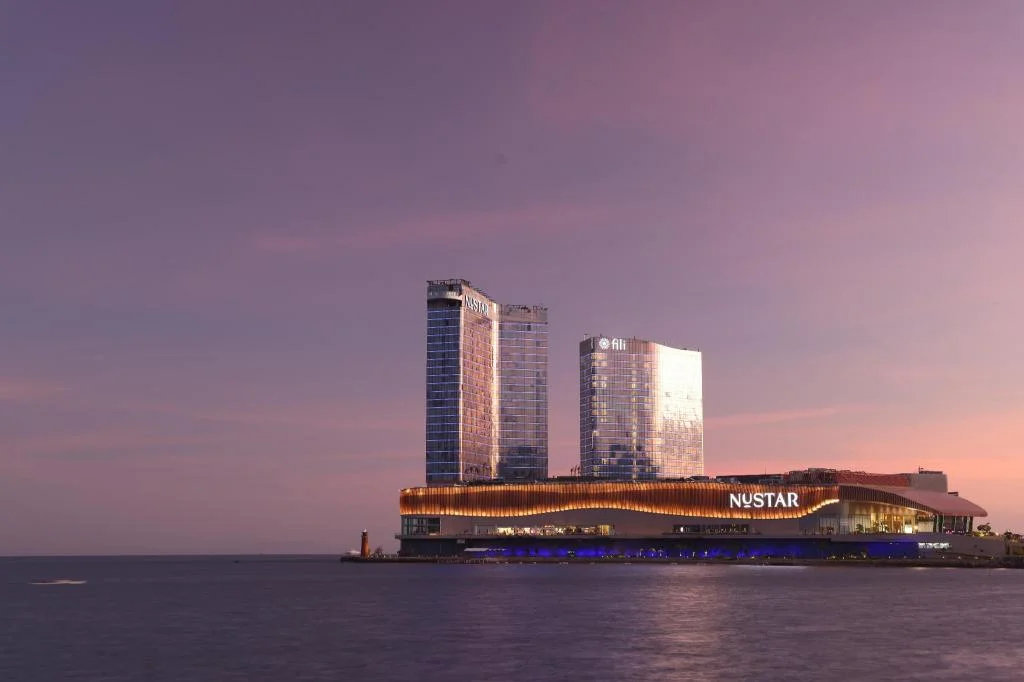
Fili Hotel - NUSTAR Resort & Casino Cebu

Holiday Inn Cebu City By IHG
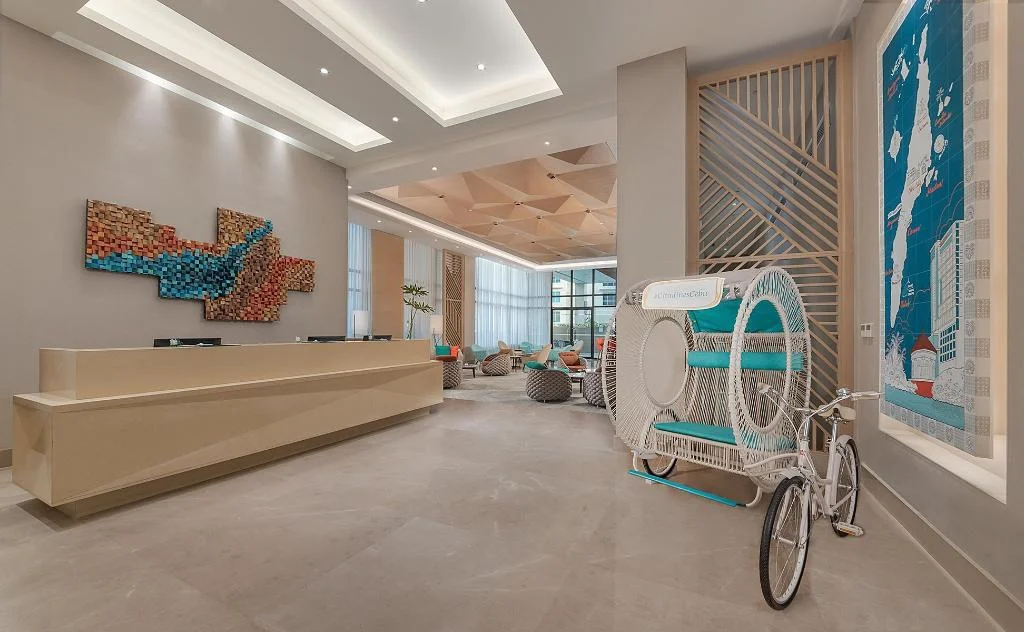
Citadines Cebu City
Prefer a rental? Vacation rentals near Cebu City
Self-catering condos and apartments — book the exact unit, kitchen included.
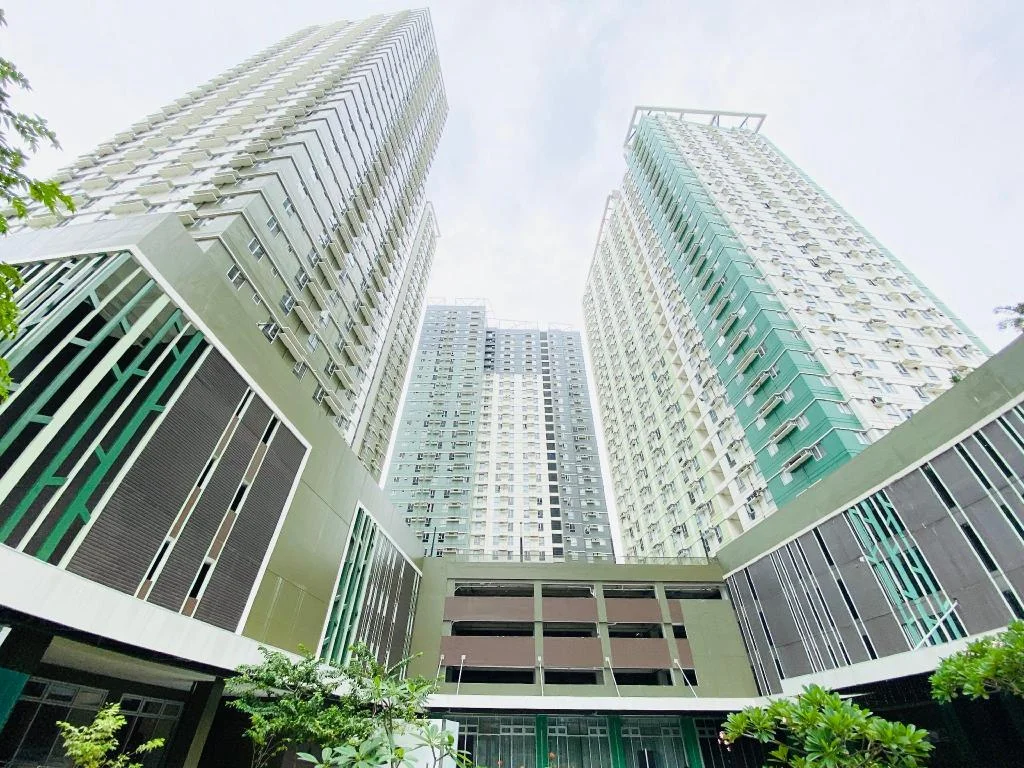
Cebu Avida Riala by P&J
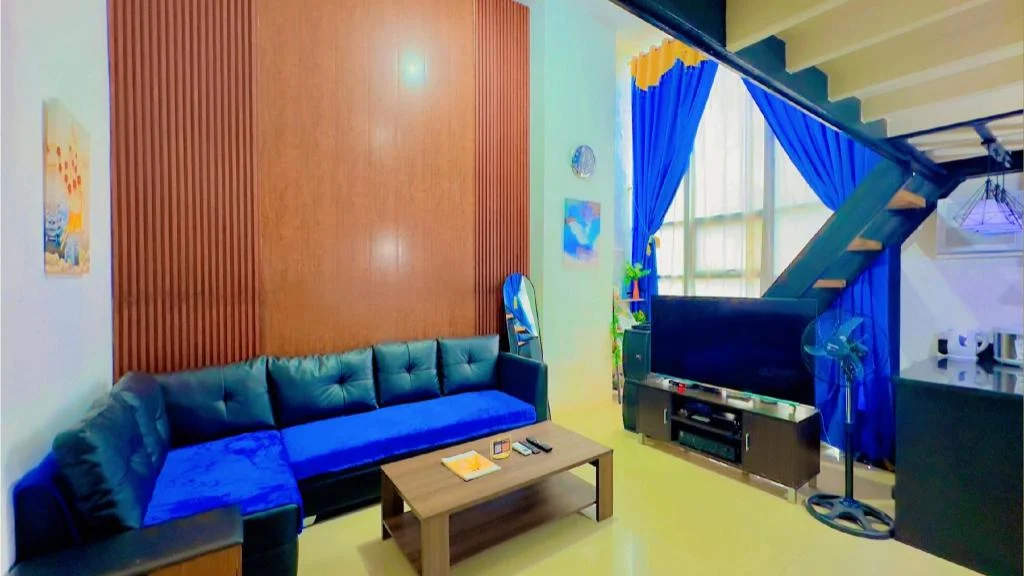
Special Big Loft Unit w/Fibreop Internet & Netflix
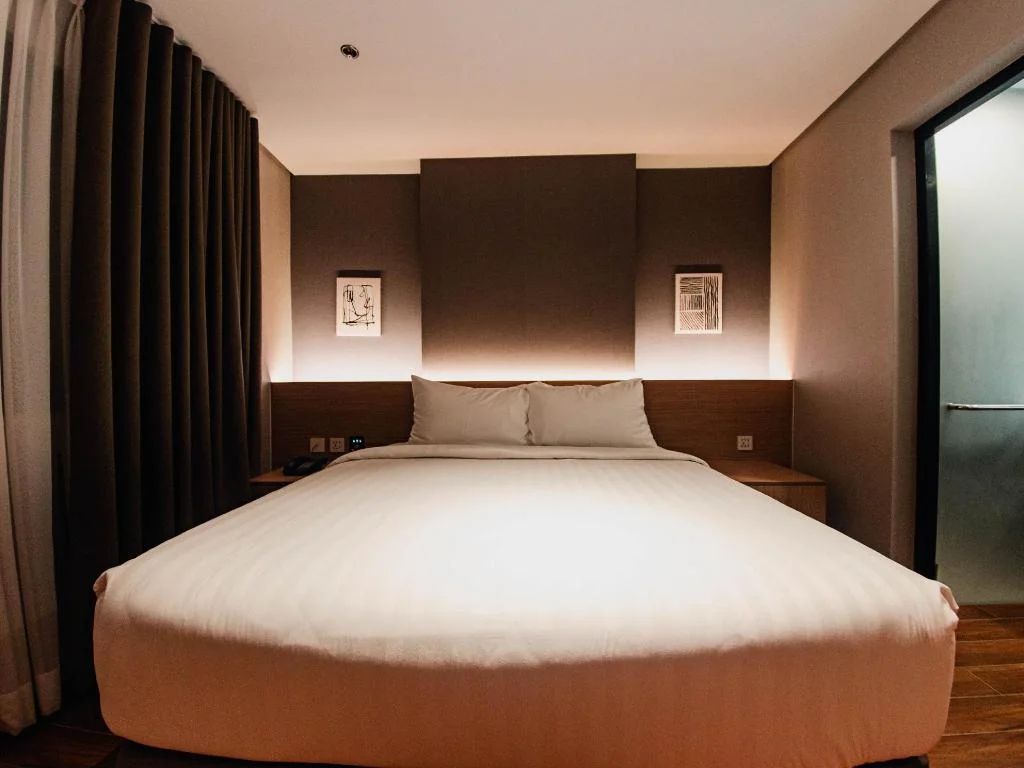
Moonstar Cebu Hotel - Deluxe Room
Before you go
Frequently asked
Do Germans need a visa for Cebu?
Are there direct flights from Germany to Cebu?
How much does a flight from Germany to Cebu cost?
What's the exchange rate between euros and pesos?
Why do Germans specifically travel to Cebu?
Is English enough to get by in Cebu?
When is the best time for a German traveler to visit Cebu?
Can Germans stay longer than 30 days in Cebu?
More Places to Explore
Temple of Leah
Cebu City
A magnificent Roman-inspired temple built as a monument of love, nicknamed 'Cebu's Taj Mahal,' offering stunning architecture and city views.
Kawasan Falls
Badian
A stunning three-tiered waterfall famous for its turquoise waters, bamboo raft rides, and as the endpoint of the famous Badian canyoneering adventure.
Related Guides
- Philippines Visa-Free Entry: A Guide for Foreign Visitors (2026)
- Why Cebu Is the Easiest Philippine Island for First-Time Foreign Visitors (2026)
- International Flights to Cebu (2026): Airlines & Routes
- Best Time to Visit Cebu + How Much a Trip Costs (2026)
- Do Germans Need a Visa for the Philippines? A Guide for German Citizens (2026)