
TL;DR: Cebu and Langkawi are both “tropical island” trips on paper, but they deliver very different weeks. Langkawi wins on duty-free shopping (beer around US$1.50 a can, cheap spirits and perfume), a genuine rainforest cable car (SkyCab, roughly RM49–101), and a single polished home base with beaches like Pantai Cenang and Tanjung Rhu. Cebu wins on cost outside of alcohol, canyoneering at Kawasan Falls, and marine life you can’t get in Langkawi at all — a near-guaranteed whale shark encounter at Oslob for about ₱500–1,000 (US$9–17). No direct flight connects them; expect a layover via Kuala Lumpur. Visa-free entry covers most passports for both — 30 days for the Philippines, up to 90 for Malaysia. Verified July 2026.
If you’ve got these two on a shortlist, you’re picking between two very different kinds of island trip. Langkawi is a single, self-contained Malaysian island — a UNESCO Geopark known for duty-free shopping, a cable car ride up a rainforest mountain, and a handful of genuinely luxurious resort beaches. Cebu is a whole province built around one main island plus a scatter of satellite islands — waterfalls you rappel down, a whale shark encounter, sardine runs, and beach towns spread across a few hours of driving rather than one compact strip. This guide lines up beaches, diving and nature, duty-free shopping, the signature attractions, resorts, food, daily cost, alcohol and culture, and visas, so you can figure out which one actually matches the trip you want to take — not just which one looks better in a single photo.
Cebu vs Langkawi at a Glance
| Factor | Cebu | Langkawi |
|---|---|---|
| Signature draw | Whale sharks (Oslob), canyoneering (Kawasan Falls), sardine run (Moalboal) | Duty-free shopping, SkyCab cable car, Kilim mangrove tours |
| Beaches | Scattered, varied — Bantayan sandbars, Panagsama, Sumilon Island | Concentrated, consistent — Pantai Cenang, Tanjung Rhu, Datai Bay |
| Diving/snorkeling | Year-round reef diving, thresher sharks at Malapascua | Limited; better known for island-hopping than diving |
| Duty-free shopping | None — normal retail pricing | Genuine duty-free zone since 1987; ~5L alcohol allowance |
| Signature ride/view | No cable car; Tops Lookout and Temple of Leah for views | SkyCab cable car + SkyBridge, roughly RM49–101 (~US$11–22) |
| Daily budget (backpacker–mid) | Roughly US$29–71/day depending on region | Roughly US$47/day and up |
| Local beer | ~US$1–2 | ~US$1.50/can duty-free |
| Direct flights between them | None — connects via Kuala Lumpur or Singapore | Same |
| Visa-free entry (most nationalities) | ~30 days | Up to 90 days (varies by nationality) |
| Alcohol/culture | No restrictions or debate | Duty-free zone protected, but periodic political noise in wider Kedah |
Verified July 2026. Prices and policies shift fast — confirm specifics with operators or official tourism boards before booking.
How Do the Beaches Compare?
Langkawi’s beaches are more consistent; Cebu’s are more varied and spread out. Pantai Cenang is Langkawi’s best-known stretch — about 2 kilometers of white sand backed by beach bars, watersports operators, and duty-free stores, with Pantai Tengah next door as a quieter, cheaper alternative. For real seclusion, Tanjung Rhu on the northern tip has powder-fine sand, limestone views, and (usually) no jellyfish, while Datai Bay is the reserve-your-whole-trip-around-it luxury option.
Cebu doesn’t have one flagship beach strip — it has a spread of them across the province. Bantayan Island’s sandbars and Virgin Island are classic postcard white sand; Moalboal’s Panagsama and White Beach are smaller and diving-focused rather than resort-lined; Sumilon Island off Oslob adds a sandbar you can only visit on a day trip. None of them match Cenang’s built-out convenience, but you get more variety across one trip if you’re willing to move between towns.
Is Diving or Nature the Bigger Draw?
Cebu, clearly, if marine life and canyoneering matter to you. Malapascua’s thresher sharks at Kimud Shoal are a genuine bucket-list dive — the only spot on Earth where you can reliably see them on a normal recreational schedule — and Moalboal’s sardine run and reef diving around Pescador Island run year-round. Canyoneering at Kawasan Falls (rappelling down waterfalls into turquoise pools) typically runs ₱1,500–2,500 (roughly US$26–43) for a standard package, and it’s one of the most-booked activities in the province.
Langkawi’s nature story is different: it’s a UNESCO Global Geopark, and the appeal is rainforest, karst limestone, and mangrove ecosystems rather than reef or pelagic diving. The Kilim Geoforest Park mangrove tour (boat trips through mangroves, eagle-watching, a stop at a bat cave) runs roughly RM65–77 per person (~US$14–17) on a shared boat, or RM270–330 for a private boat. It’s a genuinely nice half-day, but it’s sightseeing by boat, not diving — Langkawi isn’t a dive destination in the way Cebu is.
Is Duty-Free Shopping Worth It?
Yes, and this is Langkawi’s clearest category win. Langkawi has held duty-free status since 1987, and it shows: beer runs around US$1.50 a can, spirits are steeply discounted compared to mainland Malaysia (a bottle of Johnnie Walker can run a fraction of its normal price), and chocolate, perfume, and cigarettes are all cheaper too. The main shopping clusters are the Zon, Warisan, and Coco Valley duty-free centers around Pantai Cenang and roughly 20 shops and complexes in Kuah Town. Malaysian customs caps the personal allowance at around 5 liters of alcohol and 200 cigarettes — check the current limit before you buy in bulk.
Cebu has no equivalent. Ayala Center Cebu and SM Seaside are solid malls with normal Philippine retail pricing — good for souvenirs, guitars from Mactan, and dried mango, but not a duty-free draw in any sense. If cheap alcohol and imported goods are a real priority for your trip, this alone can tip the decision toward Langkawi.
What’s the Signature “Must-Do” Attraction?
Langkawi’s answer is the SkyCab cable car and SkyBridge — a ride up Gunung Mat Cincang to a curved pedestrian bridge suspended over the rainforest, with tickets typically running roughly RM49–101 (~US$11–22) depending on the package, plus pricier combo and private-gondola options. It’s genuinely dramatic and one of the most-photographed things on the island.
Cebu doesn’t have a direct equivalent — no cable car, no suspension bridge over a canopy. Its “must-do” is experiential rather than a single ride: whale shark watching at Oslob, where viewing runs about ₱500 and snorkeling alongside the sharks about ₱1,000 (roughly US$9–17). For a view over the city instead of a ride, Tops Lookout and Temple of Leah are the closest Cebu gets to a single iconic photo stop, but they’re a lookout point, not an engineered attraction like SkyCab.
Which Has Better Resorts?
Langkawi, for pure luxury polish. Datai Bay’s resorts (including The Datai Langkawi and The Ritz-Carlton) are consistently ranked among Southeast Asia’s best, set into rainforest above a private beach, and the island’s small size means even mid-range hotels are a short drive from the airport, the cable car, and duty-free shopping. Cebu has strong resort options too — Mactan’s beachfront hotels and Moalboal’s dive resorts are well-reviewed — but they’re spread across the province rather than clustered on one compact island, so “best resort” depends heavily on which part of Cebu you’re basing in. Compare Cebu hotels on Agoda to see the spread by area.
Which Is Cheaper Day to Day?
Cebu, outside of alcohol. Budget estimates for Cebu province run roughly US$29–71 a day depending on the town (Moalboal and Bantayan skew cheaper than Cebu City), while Langkawi budget travelers report figures starting around US$47 a day and climbing quickly for mid-range stays. Meals, tricycle and jeepney fares, and budget guesthouses in Cebu are generally cheaper than their Langkawi equivalents. The one place Langkawi wins outright is alcohol and duty-free goods — a can of beer at roughly US$1.50 undercuts even Cebu’s cheap local beer prices once you factor in the duty-free discount, and imported spirits are a fraction of what you’d pay elsewhere in the region.
What About Alcohol and Culture?
This is a genuine point of difference. Cebu has zero restrictions or controversy around alcohol — it’s sold and consumed openly at every price point, no separate zoning involved. Langkawi is more complicated. Its duty-free status protects alcohol sales on the island itself, and Kedah authorities have publicly pushed back on rumors of tourist-facing bans as recently as 2026, stressing that Langkawi remains open to visitors. But Langkawi sits within Kedah, a more religiously conservative state, and periodic political proposals to tighten alcohol rules elsewhere in the state have made headlines and created some uncertainty for travelers who read about it after booking. In practice, tourists drinking at licensed resorts, bars, and duty-free shops in Langkawi haven’t faced restrictions — but it’s worth knowing the backdrop exists, unlike Cebu where the question doesn’t come up at all.
Do You Need a Visa?
Most passports travel visa-free to both, with different day counts. The Philippines grants visa-free entry, typically 30 days, to the US, UK, EU, Australia, Canada, and most Southeast Asian nationalities — see our Philippines visa-free entry guide for the full breakdown. Malaysia grants up to 90 days visa-free to the US, UK, EU, Japan, Australia, and Canada, and 30 days to most ASEAN nationalities including Filipinos, plus a mandatory, free Malaysia Digital Arrival Card (MDAC) filed online within three days of arrival. Confirm your specific nationality’s current rule before booking — both countries adjust these periodically.
How Do You Get There?
There’s no nonstop flight between Cebu (CEB) and Langkawi (LGK). AirAsia flies Cebu to Kuala Lumpur direct, and from there it’s a roughly one-hour domestic hop to Langkawi on AirAsia, Malaysia Airlines, or Firefly — or you can connect through Singapore. Either way, budget the better part of a travel day once you count the layover and the domestic leg. For getting around once you land in Cebu, see our Mactan-Cebu Airport guide.
The Honest Take
Neither island is objectively “better” — they’re built for different trips. Langkawi is the tighter, more polished pick if you want one beautiful base, a genuine cable car bucket-list photo, luxury resorts within a short drive of the airport, and cheap duty-free drinking without moving hotels. Cebu is the better call if your trip is about doing things — canyoneering, a near-guaranteed whale shark swim, reef diving, and multiple distinct island towns — and you’re fine with more driving and boat time between them, and paying full retail for a beer.
Skip Langkawi if you want marine megafauna or serious diving — it isn’t that kind of island. Skip Cebu if you want everything within a 20-minute tuk-tuk ride and don’t want to plan a multi-town itinerary. And if duty-free shopping is genuinely a priority for your trip (rather than a nice-to-have), that alone is reason enough to put Langkawi ahead of almost anywhere else in the region, Cebu included.
Sources
- Langkawi duty-free shopping guide 2026 — Dipsea Island
- Langkawi Airport duty-free shopping — Langkawi Airport official guide
- SkyCab official site — Panorama Langkawi
- Langkawi SkyCab ticket pricing 2026 — Langkawibook
- Langkawi Kilim Geoforest mangrove tour pricing — Hello Langkawi
- Langkawi travel costs 2026 — GoTripzi
- Kedah authorities on Langkawi alcohol and dress code rumors, 2026 — The Vibes
- Malaysia visa-free entry policy 2026 — Savory & Partners
- Oslob whale shark pricing 2026 — WhyCebu
- Flight routing verified against AirAsia and flight-connections route listings for CEB–KUL–LGK. Verified July 2026.
Whichever island wins your itinerary, both deliver a real tropical trip if you go in knowing what each one is actually good at. If Cebu’s the pick, pair the whale sharks with a day of canyoneering at Kawasan Falls and check best islands to visit near Cebu before you lock the itinerary. Curious how Cebu stacks up elsewhere in the region — see Cebu vs Bohol or Cebu vs Boracay — or browse Cebu City hotels on Agoda to start planning.
Book Tours & Hotels for This Trip
Find and book the best deals — prices and availability update in real time. Links open in a new tab.
Where to stay near Oslob
Top-rated hotels for this trip — tap through to check live rates.
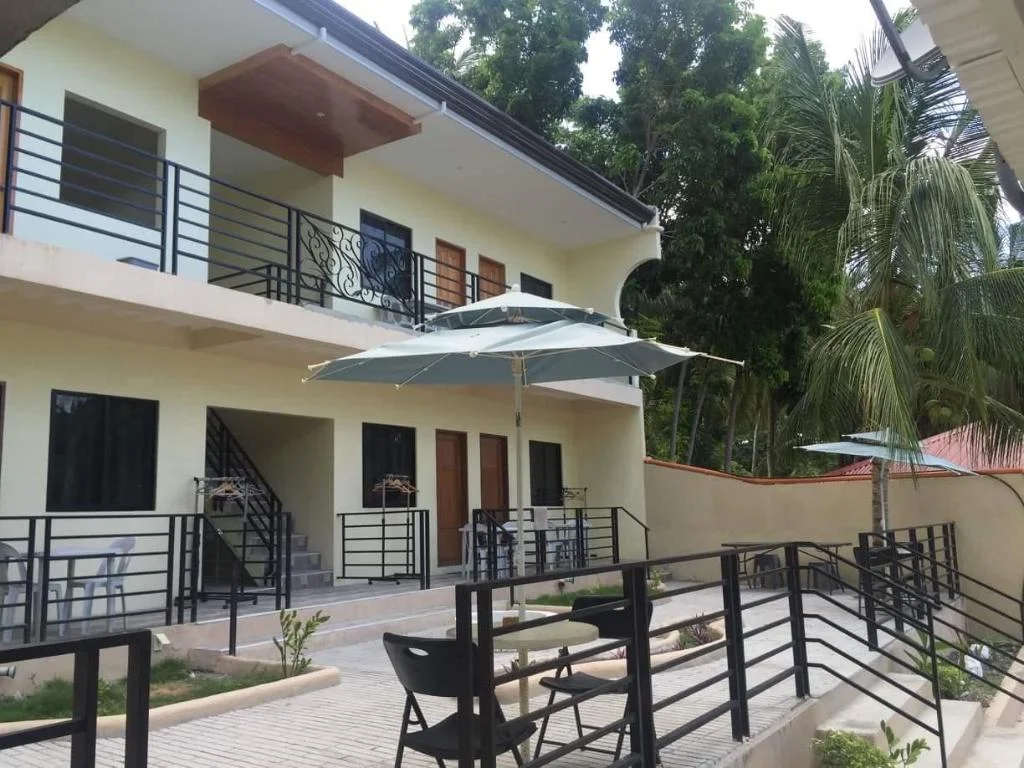
Joaquim's Lodge
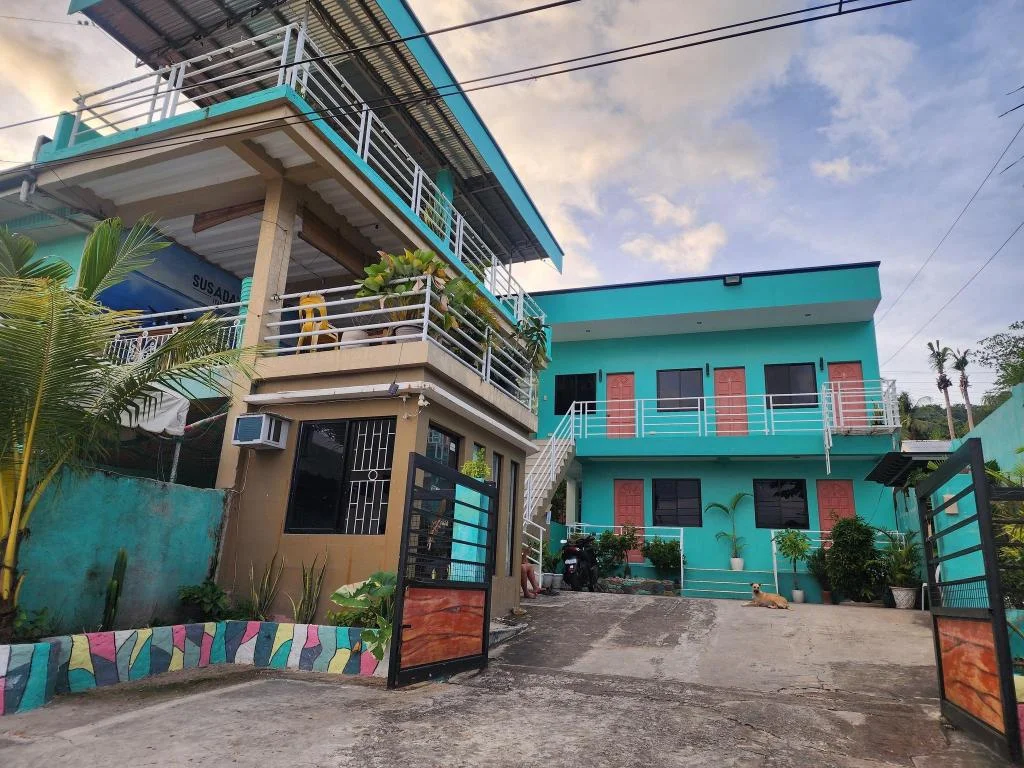
Susada's Inn
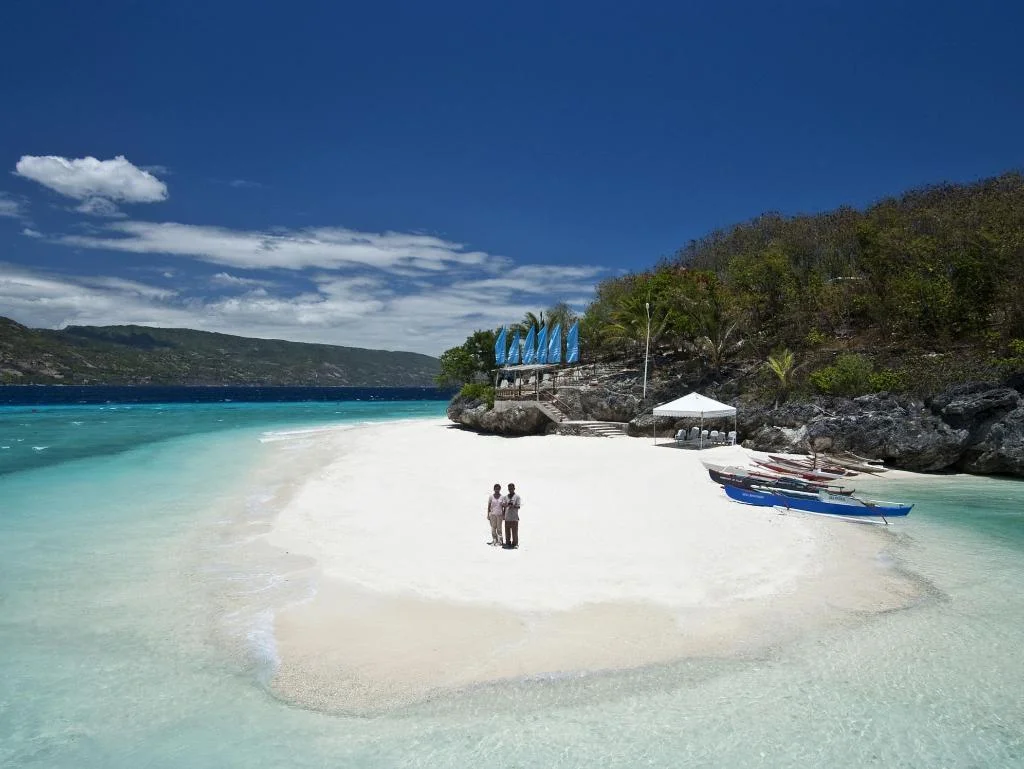
Bluewater Sumilon Island Resort
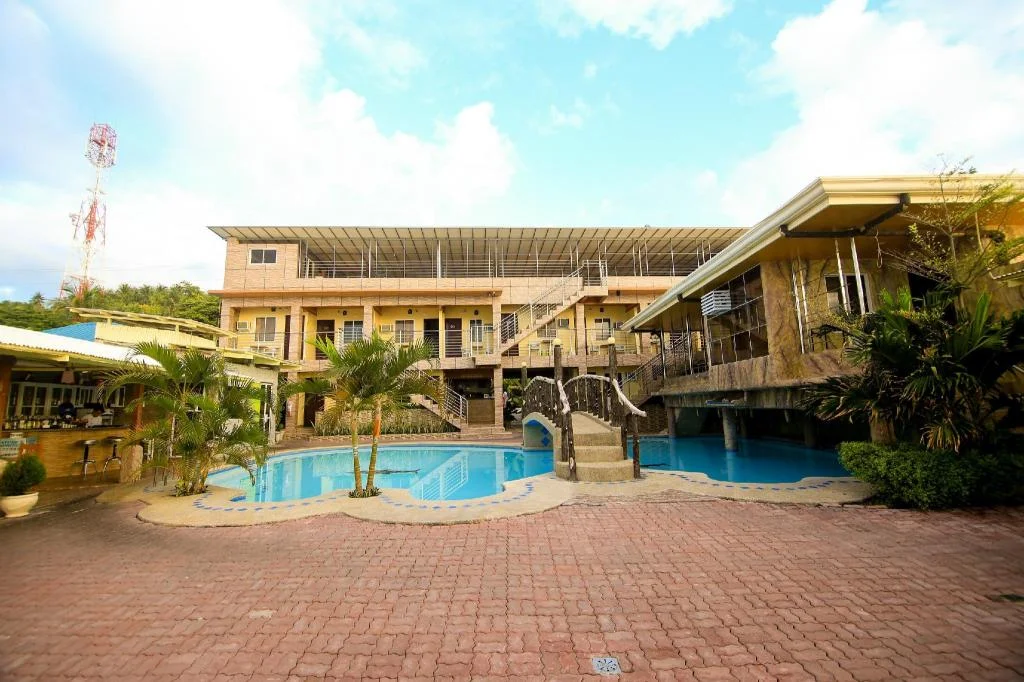
Ging-Ging Hotel & Resort
Prefer a rental? Vacation rentals near Oslob
Self-catering condos and apartments — book the exact unit, kitchen included.
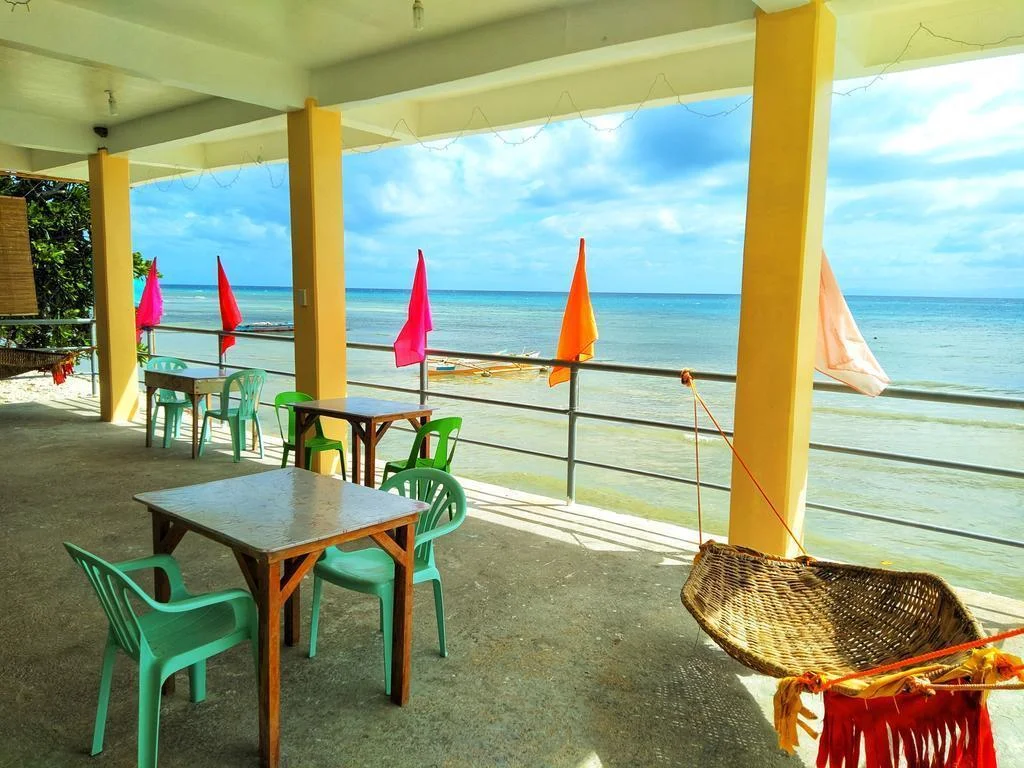
Ocean View Lodging House
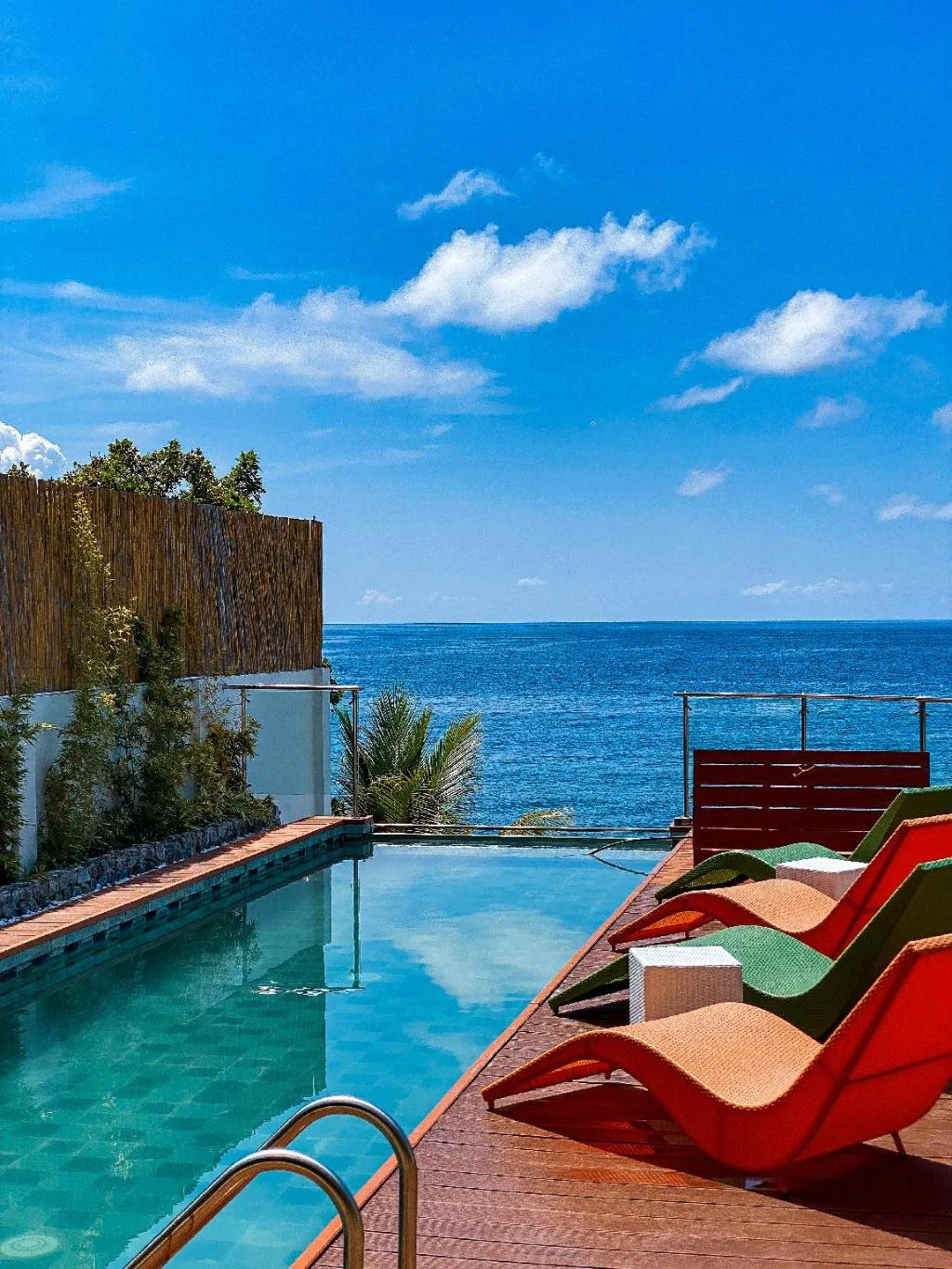
The South Hideaway Oslob
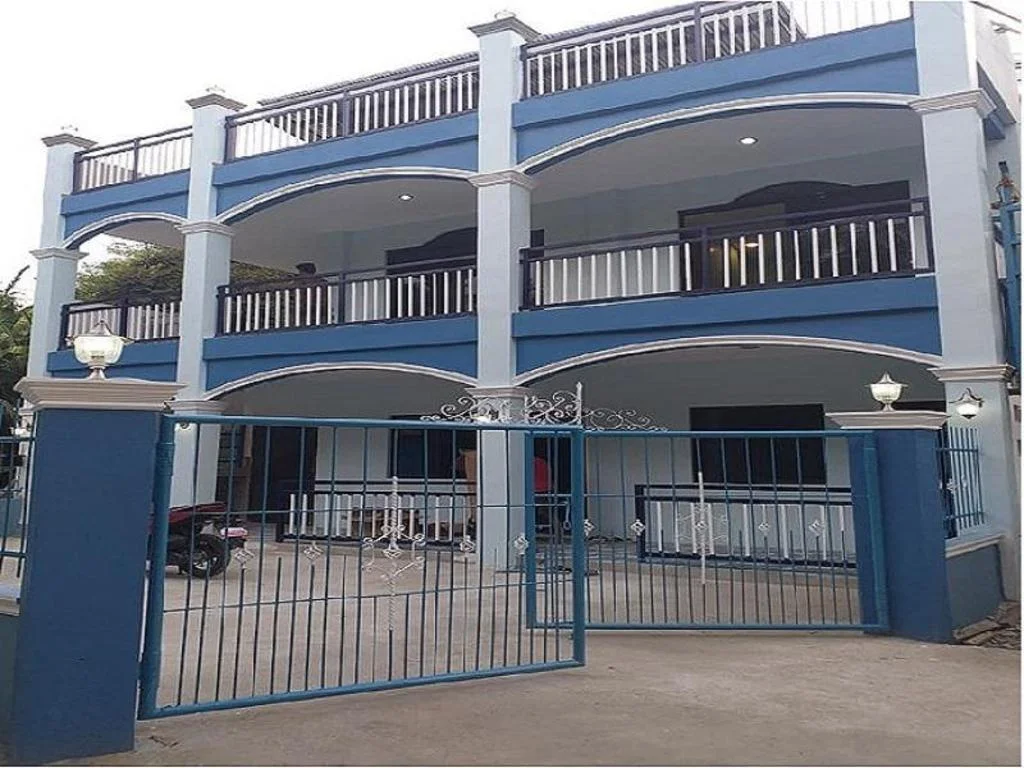
Azulea Family Deluxe 1 * own CR, shower, AC, TV
Before you go
Frequently asked
Is Cebu or Langkawi cheaper?
Is Langkawi's duty-free shopping worth planning a trip around?
Which has better beaches, Cebu or Langkawi?
Do Cebu and Langkawi both have whale sharks?
Is there a direct flight between Cebu and Langkawi?
Can you drink alcohol freely in Langkawi?
Do I need a visa for Cebu or Langkawi?
Which is better for a honeymoon or couples trip, Cebu or Langkawi?
More Places to Explore
Kawasan Falls
Badian
A stunning three-tiered waterfall famous for its turquoise waters, bamboo raft rides, and as the endpoint of the famous Badian canyoneering adventure.
Whale Shark Watching
Oslob
Swim alongside gentle whale sharks, the world's largest fish, in one of the few places where these magnificent creatures can be reliably encountered.