
TL;DR: Pick Cebu for marine life (sardine run, whale sharks, thresher sharks) and the simpler entry (30 days visa-free vs Sri Lanka’s pre-arranged ETA). Pick Sri Lanka for Yala’s leopards — Earth’s densest — hill country, and 2,000-year-old ruins. Budgets are close (~US$33-42/day vs ~US$20-35/day), with no direct flight between them. Verified July 2026.
Cebu and Sri Lanka show up on the same shortlist for a specific kind of traveler: someone deciding between a Southeast Asian beach-and-dive trip and a South Asian wildlife-and-culture trip, often with only one big trip a year to spend. They’re not really competing for the same itinerary — Cebu is islands, reefs, and canyoneering in the Central Visayas; Sri Lanka is leopards, elephants, tea-covered hill country, and ancient ruined cities packed into one compact island. Both get praised as underrated compared to bigger-name destinations, both are genuinely affordable, and both reward travelers who get outside the capital.
This guide is for anyone weighing one against the other for an upcoming trip. If you want warm water, whale sharks, and a laid-back beach base, the Cebu case is strong. If you want leopard safaris, ancient cities, and misty hill-country train rides, Sri Lanka has the stronger hand. We’ll compare cost, marine life versus wildlife, culture, visas, flights, and — because it trips people up — season, since the two destinations’ weather patterns don’t line up the way most assume.
Cebu vs Sri Lanka at a Glance
| Category | Cebu | Sri Lanka | Winner |
|---|---|---|---|
| Budget/backpacker cost | ~US$33-42/day | ~US$20-35/day | Sri Lanka |
| Mid-range cost | ~US$76-105/day | ~US$50-80/day | Cebu |
| Marine life & diving | Sardine run, whale sharks, thresher sharks | Blue whale watching (Mirissa), reef diving | Cebu |
| Land wildlife & safaris | Limited (Cebu Safari, birdlife) | Leopards (Yala), elephants (Udawalawe) | Sri Lanka |
| Ancient history & ruins | Spanish-colonial churches, forts | 2,000+ year-old cities, Sigiriya rock fortress | Sri Lanka |
| Visa for most Western passports | 30 days, free | ETA required — free for 40 countries, ~US$50 for others | Cebu |
| Direct flights from Europe | None | Yes (London ~10-12 hrs) | Sri Lanka |
| Direct flights from Asia-Pacific hubs | Singapore, Doha, Dubai, Hong Kong | Singapore, Doha, Dubai | Tie |
| Best weather window (main coast) | December-May | December-March (south/west coast) | Tie — both peak in northern winter |
| Direct flight between the two | None | None | Tie |
₱62 ≈ US$1; LKR 336 ≈ US$1 (July 2026). Figures reflect 2026 travel-cost surveys, official visa portals, and airline route data. Verified July 2026.
Is Cebu or Sri Lanka Cheaper?
Roughly tied overall, with Sri Lanka cheaper at the very bottom and Cebu cheaper mid-range. A no-frills trip runs about US$20-35/day in Sri Lanka against US$33-42/day in Cebu, thanks to Sri Lanka’s cheap guesthouses, rice-and-curry meals, and public buses. Move up to mid-range travel — private transport, boutique guesthouses, a mix of paid activities — and the two flip: Cebu runs roughly US$76-105/day against Sri Lanka’s US$50-80/day, largely because Sri Lanka’s private-driver culture (the standard way most tourists get between Sigiriya, Ella, and Yala) adds US$8-15/day that Cebu’s jeepneys and habal-habal don’t. At the luxury end both land in a similar band.
| Travel style | Cebu (per day) | Sri Lanka (per day) |
|---|---|---|
| Budget/backpacker | US$33-42 | US$20-35 |
| Mid-range | US$76-105 | US$50-80 |
| Luxury | US$148-230+ | US$150-200+ |
Figures are per-person averages from 2026 travel-cost surveys, excluding international flights. Verified July 2026.
Which Has Better Beaches and Marine Life?
Cebu wins on marine spectacle and diving density; Sri Lanka’s headline marine draw is a single, excellent encounter. Cebu packs Moalboal’s sardine run — a shifting bait ball a few meters off shore, visible year-round — plus Malapascua’s thresher sharks and Oslob’s whale shark watching into one province. A local dive in Moalboal runs about ₱700 (≈US$11) per dive. Sri Lanka’s marine highlight is blue whale watching off Mirissa, one of the most reliable spots on Earth to see the largest animal alive, with the season running November-April and peak sightings December-March. Sri Lanka also has decent reef diving and surf breaks (Arugam Bay, Hikkaduwa), but nothing that matches Cebu’s density of big-ticket marine encounters in a single region.
Beaches themselves are closer: Cebu’s Moalboal and Bantayan give you fine white sand with light development, while Sri Lanka’s south coast (Mirissa, Unawatuna, Weligama) has a similar laid-back surf-town feel with better road and rail links between towns.
Does Sri Lanka Beat Cebu on Wildlife?
Yes, decisively — this is Sri Lanka’s clearest win. Yala National Park has the highest documented density of wild leopards found anywhere on Earth, with roughly one leopard per square kilometer in its most productive block and an estimated 55-90 resident leopards there alone, a result of exceptionally high spotted-deer prey density. Sri Lanka also has wild elephant herds at Udawalawe and the seasonal “elephant gathering” at Minneriya, and its hill country around Ella and Nuwara Eliya adds tea-plantation scenery and a scenic train ride that regularly makes “world’s most beautiful” lists. Cebu has genuinely little to compete with this — its wildlife draw is marine, not terrestrial, and its closest land equivalent (Cebu Safari, Olango Island’s birdlife) is a fraction of the scale. If wildlife safaris are the point of the trip, Cebu isn’t a real competitor here.
Which Has Deeper Culture and History?
Sri Lanka’s history runs far deeper; Cebu’s is more compact and colonial. Cebu’s heritage is Spanish-colonial — centuries-old churches, the Basilica del Santo Niño, colonial-era forts, and the Sinulog festival — a warm, community-driven layer on a relatively young colonial timeline (Cebu was Magellan’s 1521 landing site). Sri Lanka’s Cultural Triangle holds cities more than 2,000 years old: Anuradhapura and Polonnaruwa’s ruined stupas and monasteries, and Sigiriya, a 5th-century rock fortress with surviving frescoes, where climbing the rock costs roughly US$30-36 for foreign visitors. If deep, ancient, UNESCO-dense history is what you want, Sri Lanka simply has more of it.
Do I Need a Visa for Cebu or Sri Lanka?
Cebu is the simpler entry; Sri Lanka now runs a two-tier free-or-paid ETA system. The Philippines still gives most Western passports (US, UK, EU, Australia, Canada) 30 days visa-free on arrival — no application, no fee, just a valid passport and an onward ticket; see our Philippines visa-free entry guide for the full nationality list. Sri Lanka requires an Electronic Travel Authorization (ETA) for essentially everyone. As of May 25, 2026, 40 nationalities — including the US, UK, Canada, Australia, most of the EU, Japan, South Korea, China, and India — get the 30-day tourist ETA free; travelers from other countries pay US$50 (double entry, 30 days, extendable up to 270 days total for an extra fee). Apply only through the official eta.gov.lk portal — third-party sites routinely charge markup fees for the identical application.
Can You Fly Direct Between Cebu and Sri Lanka?
No — and each destination has a different accessibility profile from the rest of the world. Mactan-Cebu International Airport has nonstop routes to roughly 44 destinations, but none reach South Asia; you’d connect through Manila, Singapore, or a Middle East hub. Colombo, by contrast, has direct flights from London (about 10-12 hours), several EU cities, Middle East hubs (Dubai, Doha, Abu Dhabi), and a 4-hour-10-minute nonstop from Singapore. That gives Sri Lanka better direct access from Europe, while Cebu connects more easily to East Asia (Japan, Korea, China, Hong Kong) and Australia. From North America, both require at least one long connection — there’s no realistic one-flight version of either trip from the US or Canada.
Is Sri Lanka’s Rainy Season the Opposite of Cebu’s?
Not in the way people assume — it depends which Sri Lankan coast you’re planning around. Cebu’s wet/typhoon season runs roughly June-November, peaking July-October, with December-May as the dry season. Sri Lanka actually runs two separate monsoons on different coasts: the southwest monsoon (May-September) soaks the south and west coasts and hill country — the exact region most first-time visitors go (Mirissa, Galle, Ella) — while the northeast monsoon (November-February) hits the east coast and Cultural Triangle instead. That means the south/west coast’s dry season (December-March) actually overlaps with Cebu’s own dry season rather than opposing it — both destinations peak in the same northern-hemisphere winter window. The genuine opposite-season option is Sri Lanka’s east coast (Trincomalee, Arugam Bay), driest May-September, exactly when Cebu is wettest — worth knowing if you want a shoulder-season trip that dodges typhoon risk without losing the sun.
How to Choose: Verdict by Traveler Type
- Tightest daily budget: Sri Lanka, marginally, thanks to its US$20-35/day floor.
- Divers and marine-life chasers: Cebu — the sardine run, thresher sharks, and whale sharks beat Sri Lanka’s single (excellent) blue-whale season. See Cebu for divers for the full dive-site rundown.
- Wildlife and safari travelers: Sri Lanka, easily — Yala’s leopard density and Minneriya’s elephant gathering have no Cebu equivalent.
- History and ancient-culture travelers: Sri Lanka — Sigiriya, Anuradhapura, and Polonnaruwa outrank Cebu’s colonial-era sites for sheer age and scale.
- First-time Southeast Asia travelers wanting the simplest visa and shortest regional flights: Cebu, especially paired with why Cebu works well for first-time foreign visitors.
- Still comparing beach destinations before widening to Sri Lanka: check Cebu vs Bali or the Cebu vs Thailand cost comparison first.
The Honest Take
Neither destination is objectively “better” — they’re not really answering the same question. Cebu’s honest limitation is that its non-marine attractions are thin: if whale sharks, sardine runs, and canyoneering don’t interest you, there isn’t much land-based wildlife or ancient history to fall back on, and infrastructure outside the city and resorts (roads, Wi-Fi) is rougher than Sri Lanka’s more tourism-mature road and rail network. Sri Lanka’s honest downside is logistics: distances that look short on a map take longer than expected on winding roads, private drivers become close to mandatory outside Colombo, and the ETA fee structure has changed more than once in recent years, so confirm your nationality’s current rate before booking rather than trusting an old blog post.
Sri Lanka’s tourism sector is also in a genuine growth phase worth knowing about if crowd levels matter to you: the country logged roughly 990,000 arrivals in just the first five months of 2026, on pace to beat prior-year records, so Sigiriya and Yala are busier than they were a few years ago — book safari jeeps and Cultural Triangle hotel rooms ahead of time during the December-March peak. If your trip is beach-and-dive focused with a simple visa and short regional flights, Cebu is the easier pick. If your trip is wildlife, ancient history, and hill-country scenery, Sri Lanka delivers something Cebu genuinely can’t.
Plan Your Cebu Trip
If Cebu wins your comparison, start with the Oslob whale shark encounter and Kawasan Falls canyoneering — the province’s two biggest draws. Book an Oslob whale shark watching tour on Klook or compare Kawasan Falls canyoneering tours to lock in a slot before your dates. For accommodation, check Cebu City hotel rates on Agoda or browse Moalboal stays if diving is the priority.
Sources
- Sri Lanka ETA — official portal
- Sri Lanka introduces free ETA scheme for 40 countries — Travel Tomorrow
- Visa policy of the Philippines — Wikipedia
- Yala National Park — highest leopard density in the world — Mahoora
- Sri Lanka Monsoon Season 2026: A Coast-by-Coast Guide — Wego Travel Blog
- Sri Lanka Travel Cost — Budget Your Trip
- The Cost of Travel in Sri Lanka: 2026 Budget Breakdown — Never Ending Footsteps
- Nonstop flight destinations from Cebu (CEB) — FlightConnections
- Sri Lanka earns over $1.5 billion from tourism as arrivals pass 1.2 million — Xinhua
- Central Bank of Sri Lanka exchange-rate data (LKR 336/US$1, July 2026)
- Cebu cost, dive, and canyoneering prices verified against this site’s own Cebu vs Bali and Kawasan Falls canyoneering guide, sourced from Budget Your Trip’s Cebu cost data.
- Costs, visa fees, and flight routes verified against July 2026 sources; confirm current fees and schedules before booking. Verified July 2026.
Book Tours & Hotels for This Trip
Find and book the best deals — prices and availability update in real time. Links open in a new tab.
Where to stay near Moalboal
Top-rated hotels for this trip — tap through to check live rates.
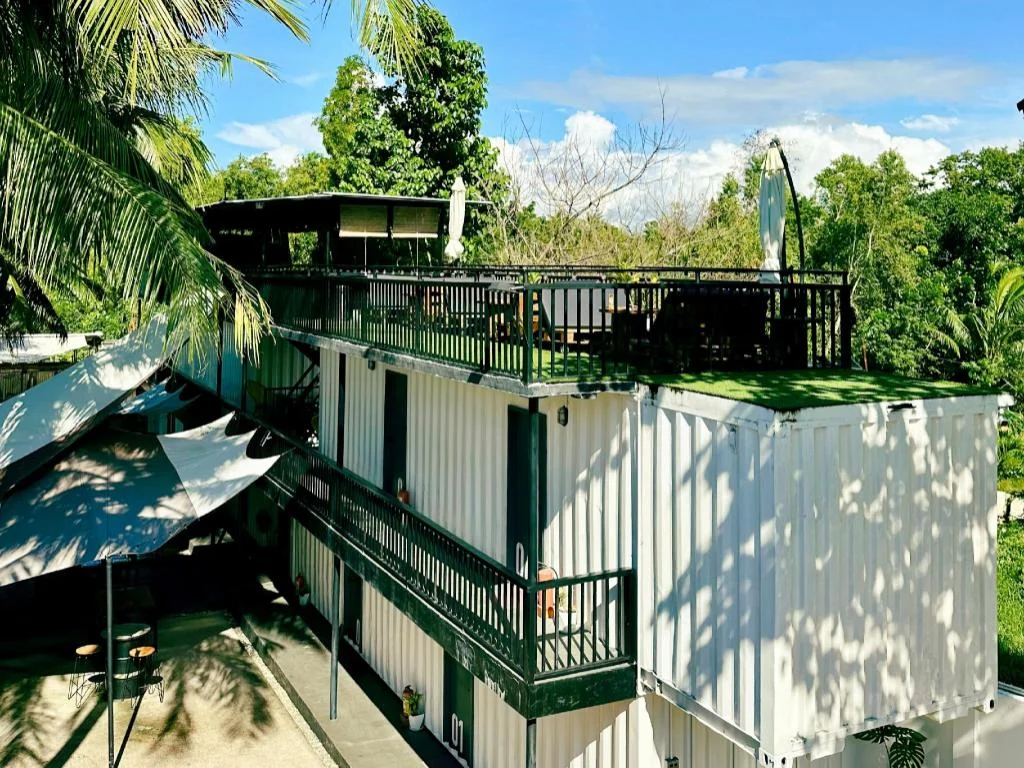
PIG DIVE HOSTEL MOALBOAL
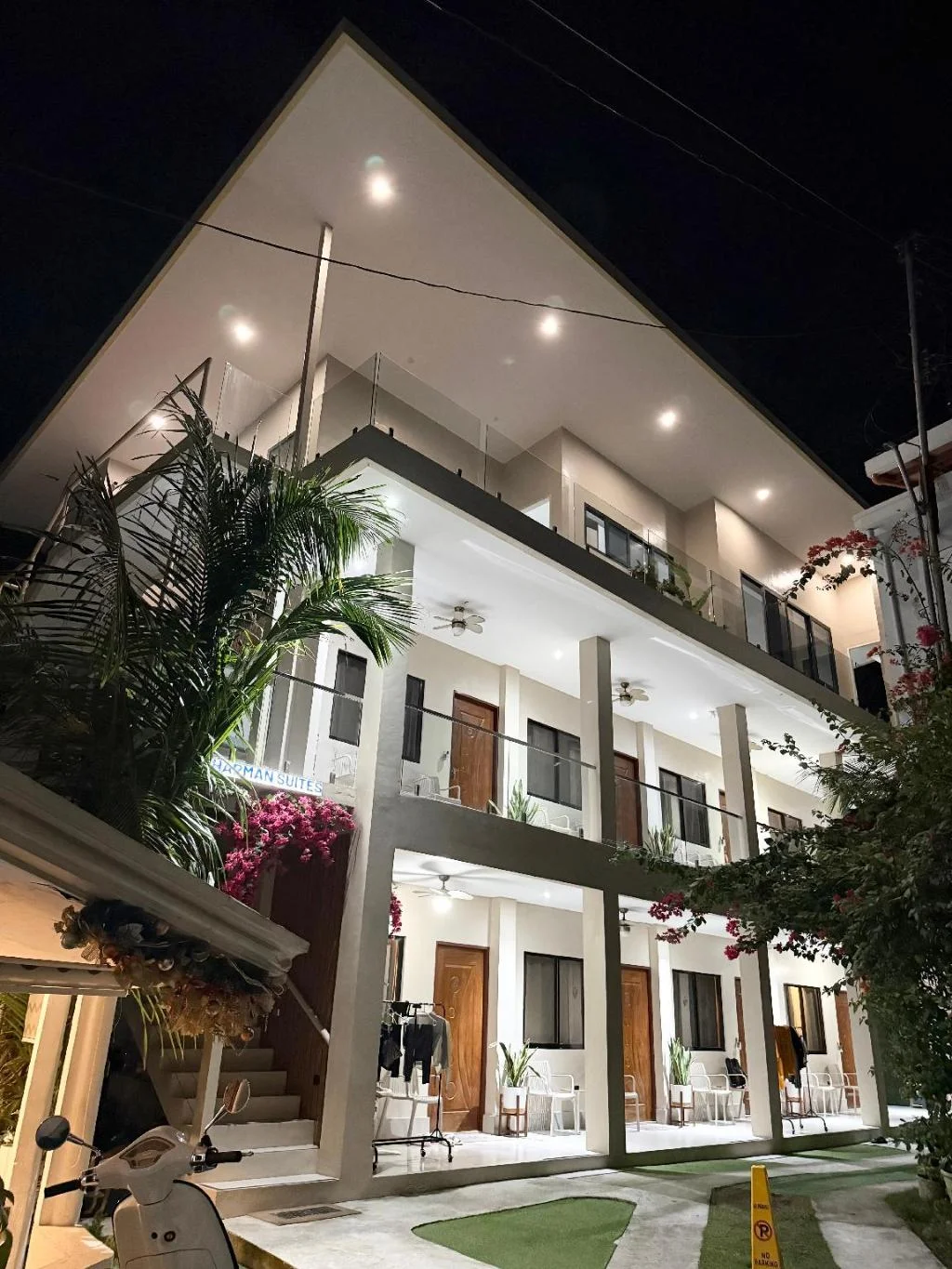
Harman Suites Moalboal
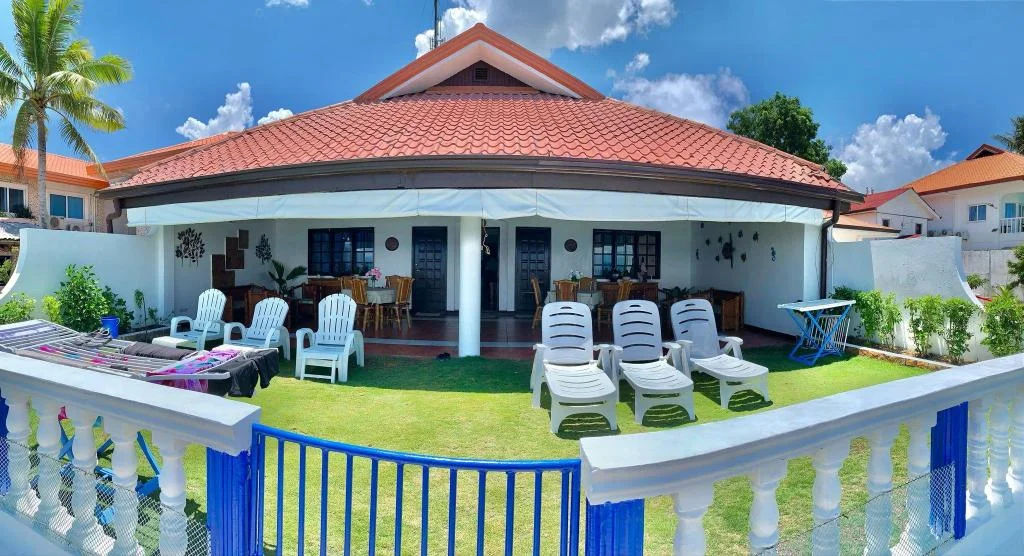
Il Sogno Resort
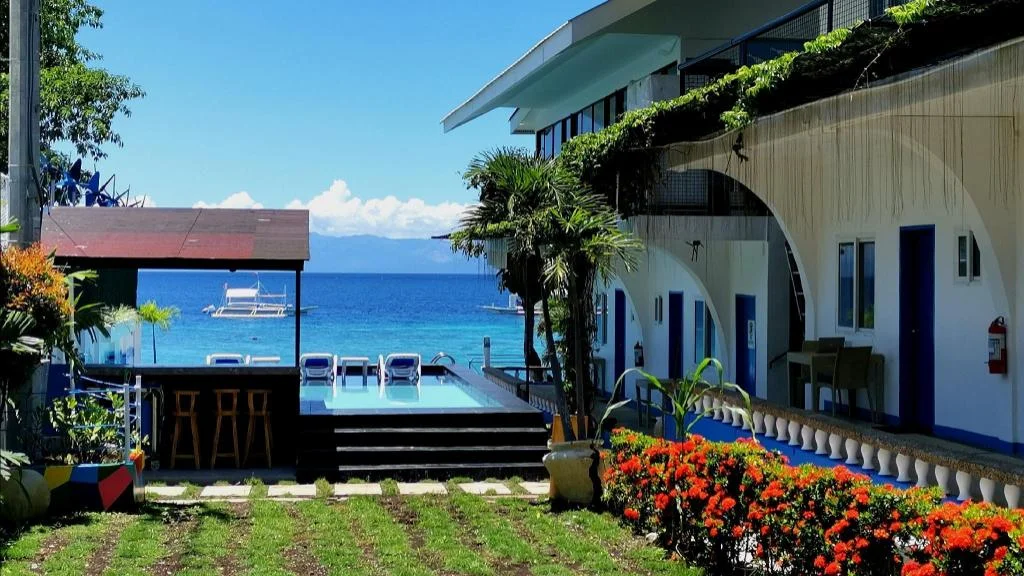
Pescadores Suites Moalboal
Prefer a rental? Vacation rentals near Moalboal
Self-catering condos and apartments — book the exact unit, kitchen included.
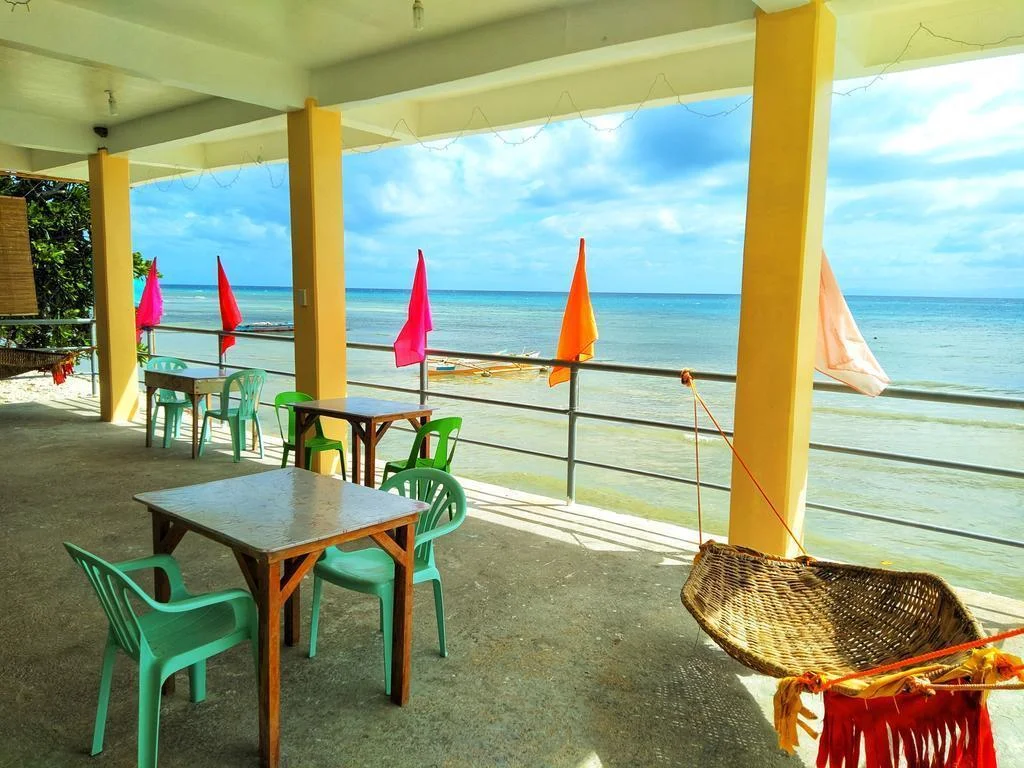
Ocean View Lodging House
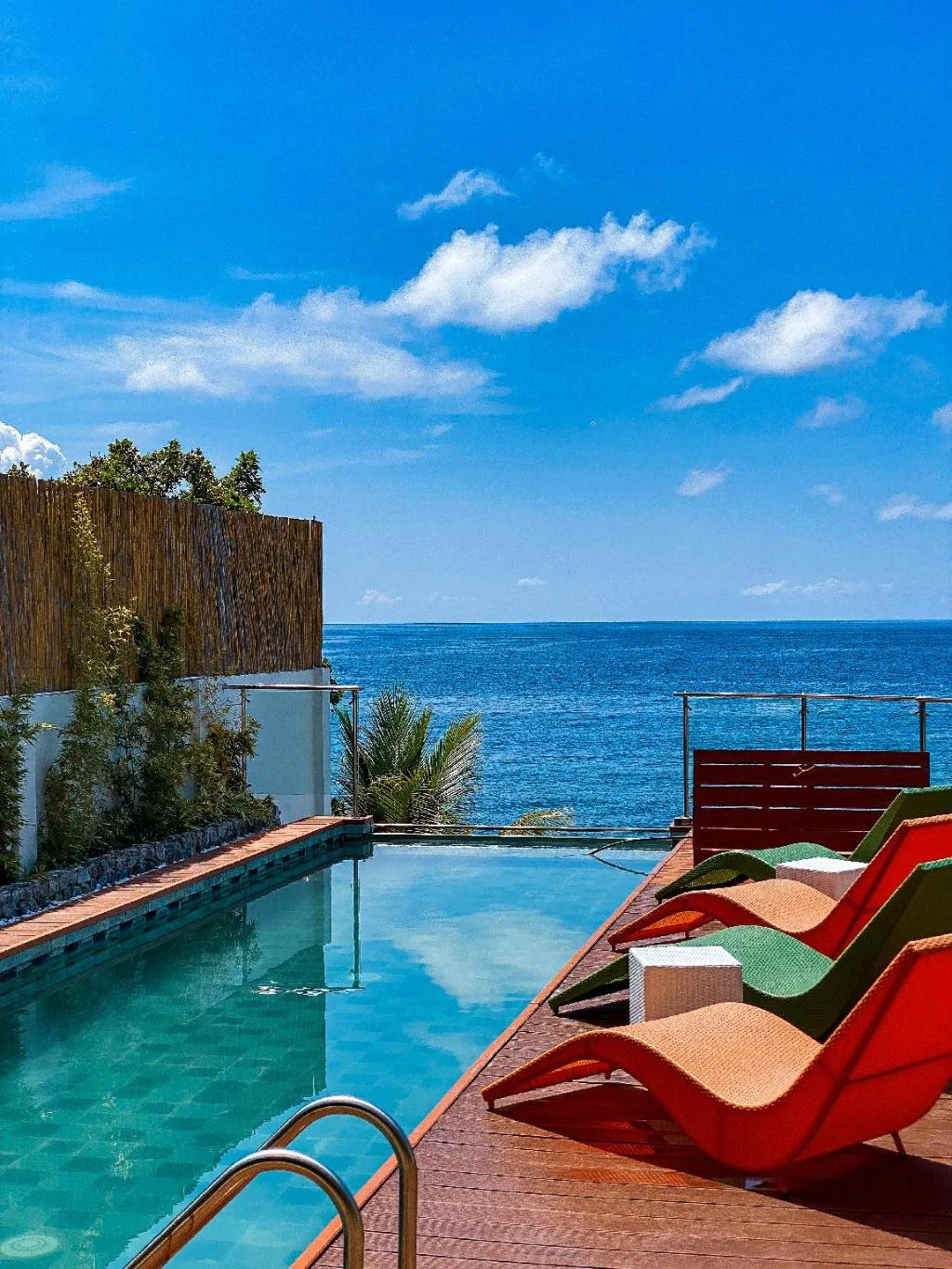
The South Hideaway Oslob
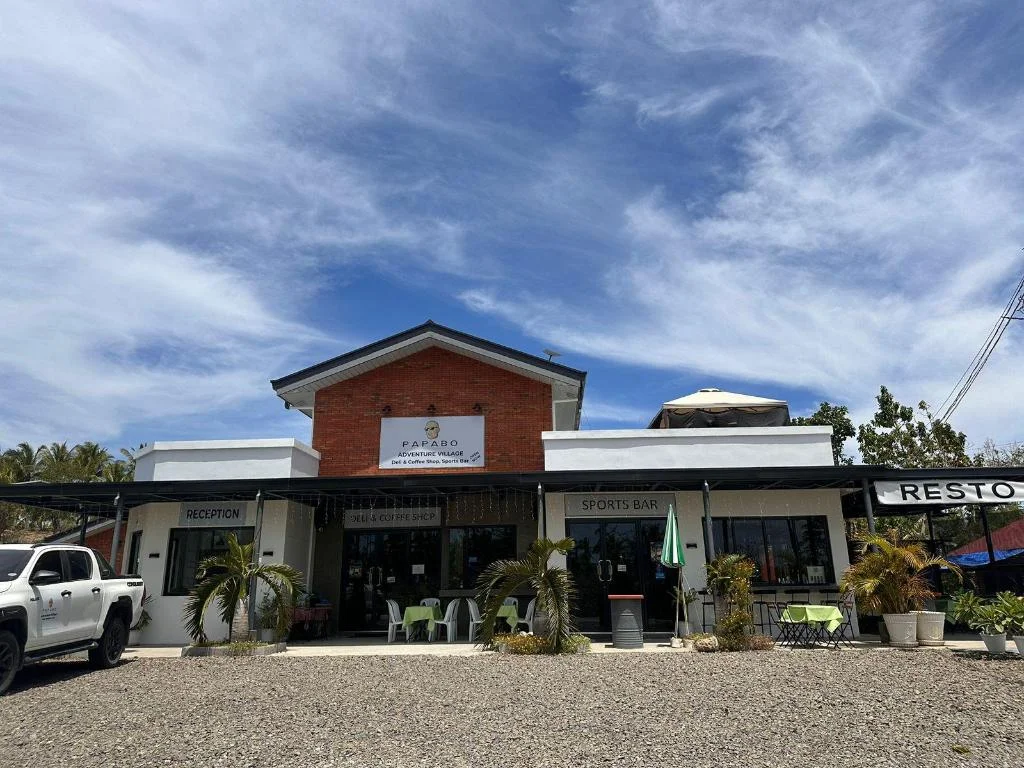
PAPABO Adventure Village
Before you go
Frequently asked
Is Cebu or Sri Lanka cheaper to visit?
Do I need a visa for Sri Lanka?
Is the Philippines still visa-free for 30 days in 2026?
Can you fly direct from Cebu to Sri Lanka?
Is Sri Lanka's rainy season the opposite of Cebu's?
Does Cebu have anything like Sri Lanka's leopard safaris?
Which is better for a first big international trip, Cebu or Sri Lanka?
More Places to Explore
Whale Shark Watching
Oslob
Swim alongside gentle whale sharks, the world's largest fish, in one of the few places where these magnificent creatures can be reliably encountered.
Kawasan Falls
Badian
A stunning three-tiered waterfall famous for its turquoise waters, bamboo raft rides, and as the endpoint of the famous Badian canyoneering adventure.
Moalboal Sardine Run
Moalboal
Swim with millions of sardines in one of the world's only year-round sardine runs, just meters from shore.