
TL;DR: South Cebu (Oslob whale sharks, Kawasan Falls, Moalboal, Osmeña Peak) is 2.5–4.5 hours from Cebu City by road, doable as a single long day trip, and the easier first choice. North Cebu (Malapascua’s thresher sharks, Bantayan Island’s beaches, the Camotes Islands) is 2–6 hours away depending on the spot and a boat crossing, quieter, and better suited to an overnight or two rather than a rushed day trip. If you only have 2–3 days, do South. If you have 5+ days, do both. Verified July 2026.
Cebu Island is long and mountainous, and the province splits neatly into two travel regions: south of Cebu City and north of it. Ask ten travelers which half is “better” and you’ll get ten different answers, because they’re not really competing for the same trip. South Cebu is where most first-timers end up, built around big-name bucket-list stops that cluster close together and close to the airport. North Cebu is quieter and more spread out, with island-hopping and dive sites that reward people willing to spend a full day getting there.
This guide lays out the honest trade-offs — travel time, cost, what each side is actually good at — so you can pick based on what you want out of the trip, not just what’s trending on Instagram. We’ll point you to our full South Cebu travel guide and North Cebu travel guide for the deep dive once you’ve decided.
South Cebu vs North Cebu at a Glance
| South Cebu | North Cebu | |
|---|---|---|
| Signature draws | Whale shark watching in Oslob, Kawasan Falls canyoneering, Moalboal’s sardine run, Osmeña Peak | Malapascua thresher sharks, Bantayan Island beaches, Camotes Islands |
| Travel time from Cebu City | 2.5–4.5 hrs by road | 2–6 hrs by road + boat, depending on the destination |
| Getting there | Bus/van from South Bus Terminal; no boat needed | Bus/van from North Bus Terminal, then a ferry or bangka |
| Best for | Whale sharks, canyoneering, waterfalls, diving variety, day trips | Beach time, quiet islands, advanced diving, slower pace |
| Good for a day trip? | Yes — very doable, even as a single long day | Not really — mostly transit if you try to do it in a day |
| Crowd level | Busier, more organized tourism infrastructure | Quieter, fewer big tour groups |
Verified July 2026.
What’s the Actual Difference Between North and South Cebu?
South Cebu hugs the coastal road south of Cebu City through Carcar, Barili, Moalboal, Badian, and down to Oslob and the southern tip near Santander. It’s where the province concentrates its biggest single-day attractions — you can realistically see two or three major sights (say, whale sharks and a waterfall) in one exhausting but doable day.
North Cebu runs the opposite direction, up through Danao, Bogo, and Daanbantayan toward the northern tip, where you catch a boat either east to the Camotes Islands or further north to Malapascua. None of North Cebu’s headline draws are reachable by road alone — every one of them ends in a boat ride, which is the single biggest reason it takes longer and feels less like a day trip.
How Long Does It Actually Take to Get There?
South Cebu is 2.5 to 4.5 hours from Cebu City by road, no boat required. Moalboal (the base for Kawasan Falls, the sardine run, and Osmeña Peak) runs about 2–2.5 hours by private car or Grab, 3 hours by shared van, and 3–4 hours by public bus. Oslob, further south, adds another hour or so — figure 3.5–4.5 hours by bus or van, roughly ₱269–330 (about US$5–6) one way on Ceres Liner from the South Bus Terminal.
North Cebu takes longer and almost always includes a boat. Malapascua is the furthest at 4.5–6 hours door to door: 3.5–5 hours by bus or van from the North Bus Terminal to Maya Port (fare roughly ₱300–400, about US$5–7), then a 25–35 minute bangka crossing (around ₱200, about US$3–4). Bantayan Island is a bit shorter — about 3–3.5 hours by road to Hagnaya Port, then a 1–1.5 hour ferry (fares start around ₱400, roughly US$7, one way). The Camotes Islands are actually the fastest North Cebu option if you go via Mactan Wharf: a fast craft to Consuelo Port runs about 1.5 hours (around ₱500, roughly US$9), versus the slower Danao Port route at about 2 hours.
Confirm current fares and schedules locally — ferry and bus companies adjust both seasonally. Verified July 2026.
Which Side Is Better for Diving and Snorkeling?
Both sides are legitimate dive destinations, but for different skill levels and goals. Moalboal, in South Cebu, is the easier and more beginner-friendly option: the sardine run swirls just off Panagsama Beach, close enough to snorkel from shore, and the area also has turtles, a house reef, and the Pescador Island wall for certified divers. It’s the kind of place where a non-diver can still have a genuinely great half-day in the water.
Malapascua, in North Cebu, is built around one specific advanced dive: thresher sharks at Kimud Shoal (the sharks relocated here from the historically famous Monad Shoal around 2022), reached on a pre-dawn boat, usually around 5 AM. Dives run roughly ₱1,500–2,500 (US$26–43) per dive, plus a marine park tax of ₱150–450 (US$3–8) per day. You need an Open Water certification at minimum, and it’s not something you can casually add to a day trip — Malapascua really is a dive-trip destination first, beach destination second.
If you want an easy, photogenic snorkel that doesn’t require gear or a certification, South Cebu wins. If you’re a certified diver chasing something rarer, North Cebu is worth the extra travel.
Which Side Is Better for Beaches?
North Cebu, hands down, if pure beach lounging is the goal. Bantayan Island’s beaches — soft white sand, calm and shallow water — are built for swimming and relaxing rather than diving, and the Camotes Islands offer a quieter, less-developed version of the same thing. South Cebu’s coastline, by contrast, is mostly rocky and current-prone, better suited to diving and snorkeling than to spreading out a towel.
Moalboal has a few sandy pockets, but it’s fundamentally a dive town, not a beach town. If the photo you want is turquoise water and white sand with nothing else going on, book North.
Which Side Is Better for Adventure and Waterfalls?
South Cebu wins clearly here. Kawasan Falls canyoneering — rappelling and cliff-jumping down a series of turquoise cascades in Badian — is one of the most-booked activities in the whole province, with combined whale-shark-and-canyoneering day tours running anywhere from roughly US$65 for a shared group tour up to US$120–200+ for private options. Osmeña Peak, Cebu’s answer to a mini Chocolate Hills viewpoint, is also a South Cebu day trip. North Cebu has no direct equivalent — its “adventure” is really about boat trips and diving logistics rather than land-based scrambling.
Can You Do Both in One Trip?
Yes, but only if you have 5 or more days. There’s no direct road linking the far south to the far north — every route funnels back through Cebu City, so bolting South and North together into a short trip mostly means extra hours on a bus. A workable split for a longer trip:
- Days 1–3: South Cebu — Oslob whale sharks, Kawasan Falls canyoneering, a night in Moalboal.
- Day 4 (travel): Back through Cebu City to the North Bus Terminal, on to Malapascua or Bantayan.
- Days 5–6: North Cebu — dive, island-hop, or just do nothing on the beach.
If you’re trying to fit both into 3 days or less, pick one side and do it properly instead — see our South Cebu 3-day itinerary for a version of exactly that.
Which Should You Pick for a Short Trip?
If you only have 2–3 days in Cebu, go South. It’s closer, faster, doesn’t require a boat, and packs in the highest concentration of must-do activities — whale sharks in the morning, a waterfall in the afternoon, all reachable and returnable within daylight hours from Cebu City. It’s also the more forgiving choice logistically: if a bus is late or a tour runs long, you’re not racing a ferry schedule.
North Cebu makes more sense once you have 4+ days, or if beaches and quiet are the actual priority over ticking off bucket-list stops. Trying to squeeze Malapascua or Bantayan into a 2-day trip usually means one full day is basically transit, which isn’t a great return on your limited time.
The Honest Take
South Cebu is more heavily toured for a reason — it’s genuinely easier, and Oslob’s whale shark encounter delivers even though it draws valid ethical criticism (feeding wild whale sharks to guarantee sightings is a well-documented concern; go in with eyes open and keep your distance rules in mind). It also gets crowded, especially the Kawasan Falls entrance area on weekends and holidays, and the whale shark viewing area can feel more like a queue than a wildlife encounter if you arrive after 8 AM.
North Cebu’s appeal is exactly its lower crowd density, but that comes at the cost of a long, sometimes uncomfortable travel day, and rough weather (typhoon season, roughly June to November) can cancel boat crossings with little notice — build in a buffer day if you’re diving Malapascua on a tight schedule. Neither side is a mistake. The real error is trying to cram both into a trip too short for either.
If this is your first time in Cebu and you’re short on days, start South. If you’re coming back, or you specifically want quiet beaches and don’t mind the extra travel, North is where to spend the extra time.
Plan the Rest of Your Trip
For the full rundown of each region — where to stay, full itineraries, and every stop worth adding — see our South Cebu travel guide and North Cebu travel guide. If beaches specifically are the deciding factor, our Bantayan Island guide and Camotes Islands guide go deeper on North Cebu’s islands, and our Oslob whale sharks guide and Kawasan Falls canyoneering guide cover South Cebu’s two biggest bookings in detail. However you split your time, book transport and any whale-shark or canyoneering tours a few days ahead in peak season (December–May) — browse Cebu tours and day trips on Klook to lock in a slot before you land.
Sources
- Ceres Liner / Pamasahe — Cebu to Oslob bus schedule and fares
- Gecko Routes — Cebu to Moalboal transport options and fares
- Gecko Routes — Cebu to Malapascua bus and boat guide
- Escape Manila — Cebu (Hagnaya) to Bantayan ferry schedule and fares
- Pamasahe — Mactan to Consuelo, Camotes, Jomalia Shipping schedule and fares
- WhyCebu — Oslob whale shark price and entrance fee 2026
- Thresher Shark Divers Malapascua — 2026 dive prices
- Travel times and fares cross-checked against multiple 2025–2026 travel-guide sources; confirm current schedules and prices locally before you go. Verified July 2026.
Book Tours & Hotels for This Trip
Find and book the best deals — prices and availability update in real time. Links open in a new tab.
Where to stay near Daanbantayan
Top-rated hotels for this trip — tap through to check live rates.
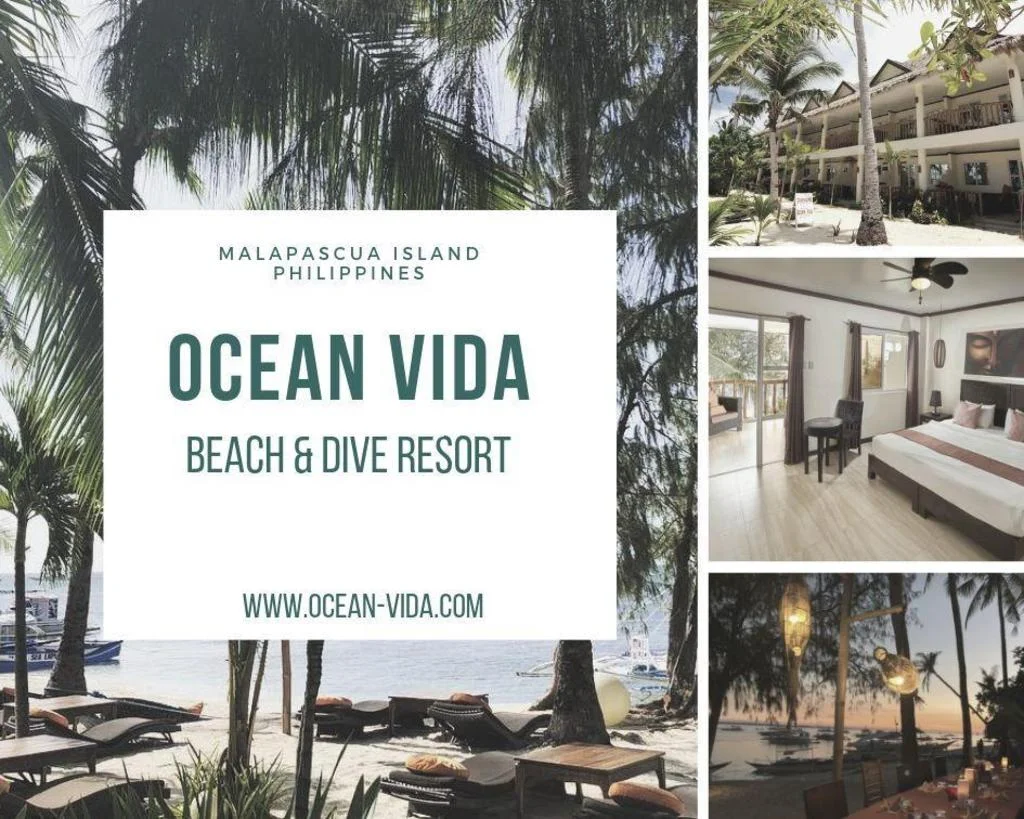
Ocean Vida Resort
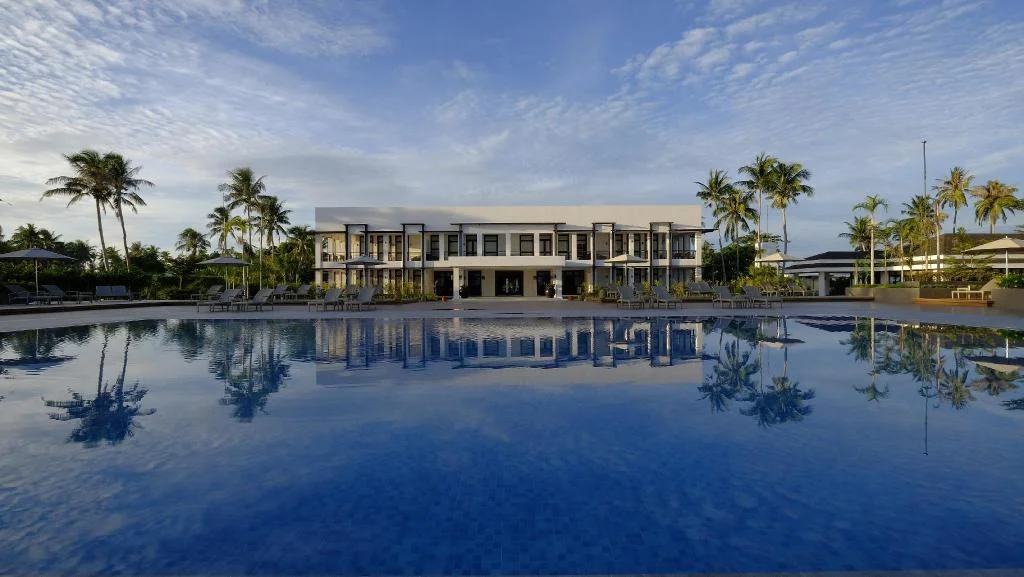
Kandaya Resort
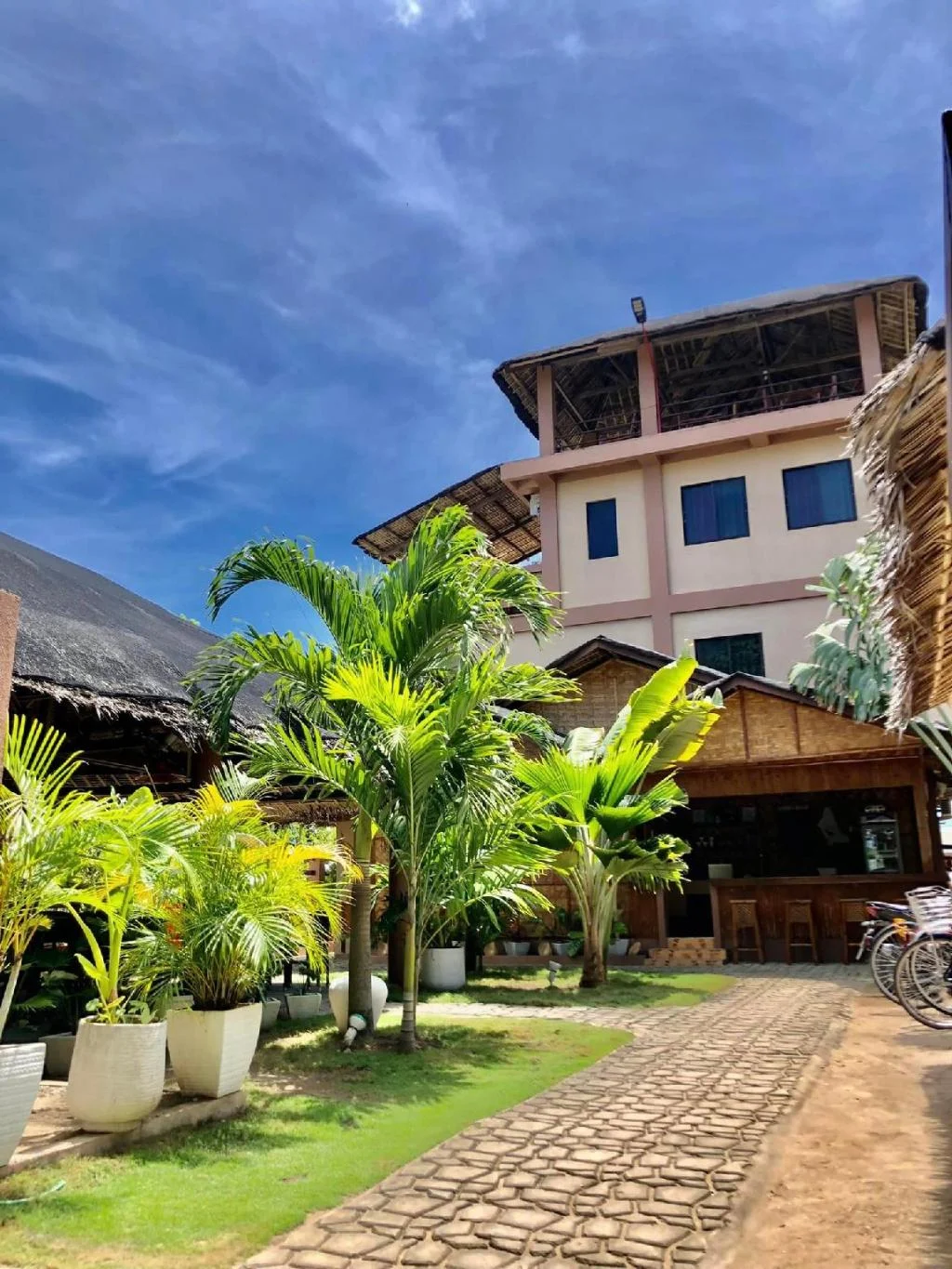
Anahaw Seaside Inn
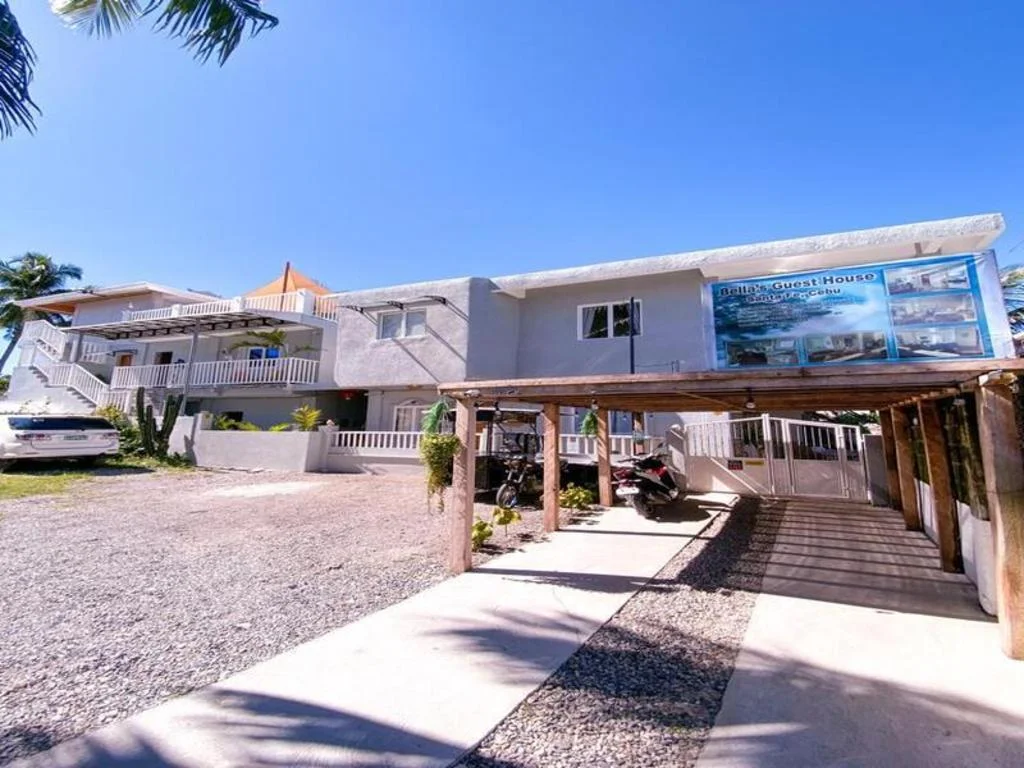
Bella's Guest House
Prefer a rental? Vacation rentals near Daanbantayan
Self-catering condos and apartments — book the exact unit, kitchen included.
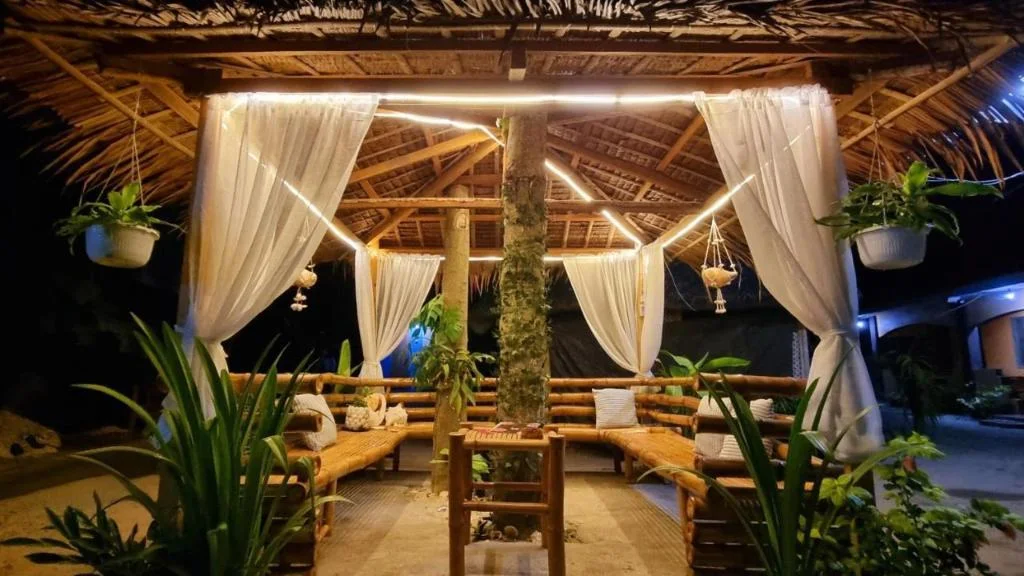
Edsan Apartment
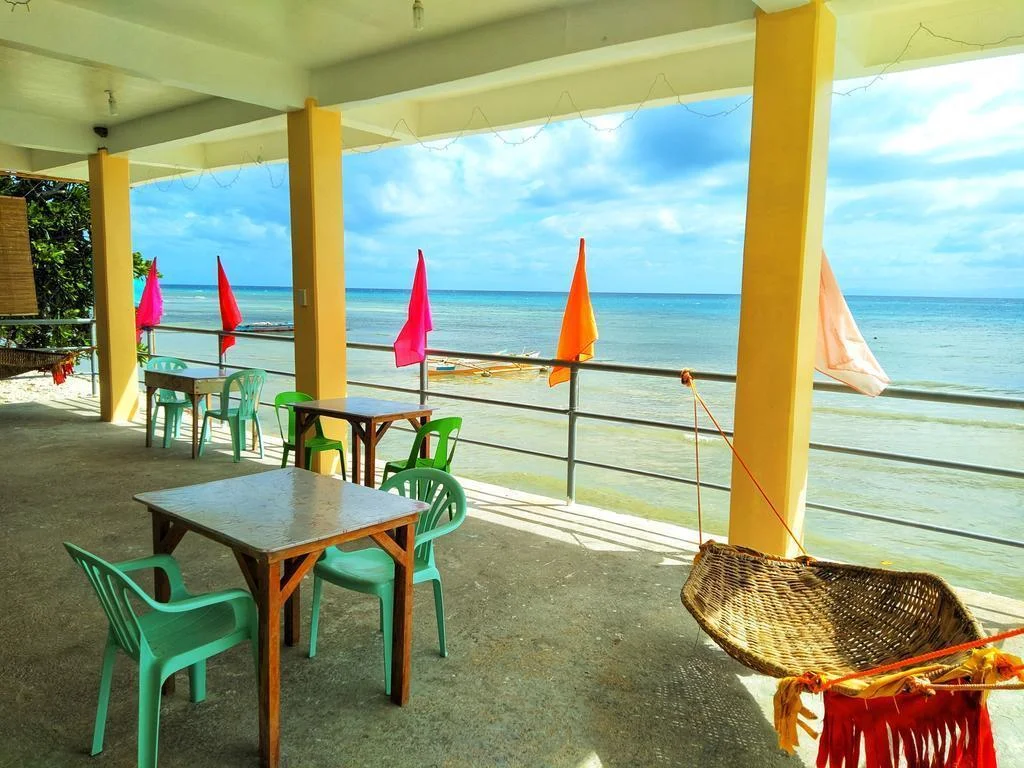
Ocean View Lodging House
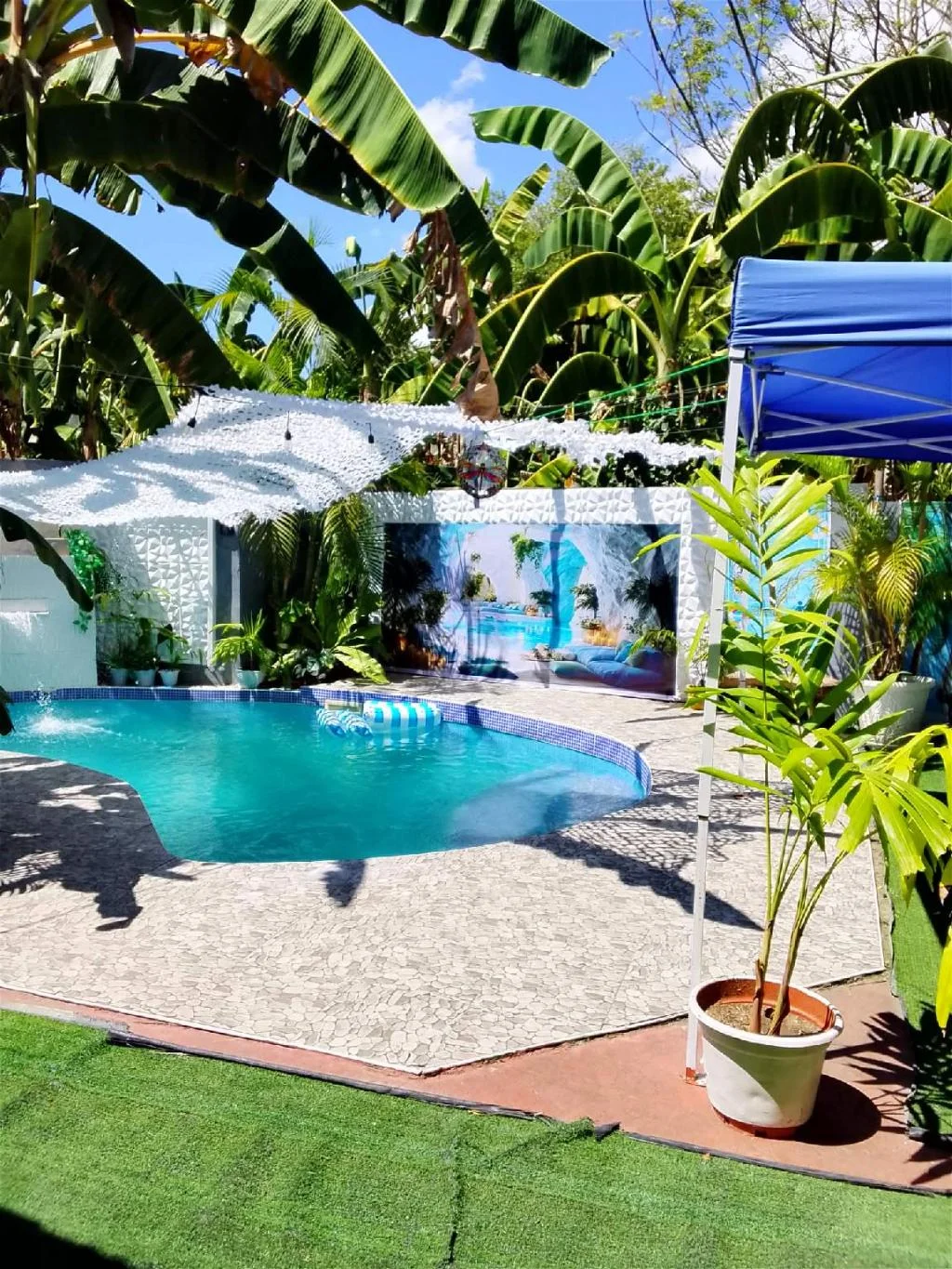
Two crazy monkeys
Before you go
Frequently asked
Which is better, North Cebu or South Cebu?
How far is Oslob from Cebu City?
How long does it take to get to Malapascua from Cebu City?
Can I visit both North and South Cebu in one trip?
Which side of Cebu has better diving?
Is Bantayan Island better than Moalboal for beaches?
How many days do I need for South Cebu vs North Cebu?
More Places to Explore
Whale Shark Watching
Oslob
Swim alongside gentle whale sharks, the world's largest fish, in one of the few places where these magnificent creatures can be reliably encountered.
Kawasan Falls
Badian
A stunning three-tiered waterfall famous for its turquoise waters, bamboo raft rides, and as the endpoint of the famous Badian canyoneering adventure.
Malapascua Island
Daanbantayan
A world-famous diving paradise known for thresher shark encounters, featuring beautiful white sand beaches and laid-back island vibes.
Kota Beach
Santa Fe
Bantayan Island's most iconic beach with pristine white sand, crystal-clear waters, and a stunning shifting sandbar during low tide.