
TL;DR: You’ve got three ways to shoot Cebu: go DIY with your own phone or camera using the timing tips below, join a guided photo walk through downtown’s heritage streets (from roughly US$38), or hire a local vacation photographer — Localgrapher’s published 2026 packages run $280 for 30 minutes/20 photos up to $630 for two hours/75 photos. Drones need CAAP registration (~₱1,000, about US$17) and are effectively off the table during Sinulog. Best light is golden hour almost everywhere except Kawasan Falls (late morning) and Osmeña Peak (pre-dawn, for the sea of clouds). Verified July 2026.
If you’re trying to decide whether to lug a camera bag around Cebu, book a tour, or just pay a local pro to handle it, this guide is for the planning side of that decision. Cebu’s photogenic spots — the Roman colonnades of Temple of Leah, the flower tunnels at Sirao Flower Garden, the faded pastel shopfronts of Colon Street — are well covered elsewhere on this site for composition and timing. What’s missing is the practical layer: what a guided photo walk actually costs, what a vacation photographer package includes, whether you can legally fly a drone here, and how to shoot a festival crowd the size of Sinulog without losing your gear or your patience. This is written for travelers who want a specific plan, not just a list of pretty places.
What Are Your Options for Shooting Cebu?
| Option | What you get | Price (2026) |
|---|---|---|
| DIY (own phone/camera) | Full control, zero cost, just follow the timing notes below | Free |
| Guided photography walking tour | 2–3 hr walk through Colon Street, Carbon Market, and Magellan’s Cross with composition coaching | From ~US$38 per person (confirm current rate) |
| Hire a vacation photographer | A pro shoots you at 2–4 spots; edited photos delivered in ~4 business days | $280 (30 min/20 photos) to $630 (120 min/75 photos) |
| Freelance local photographer | Cheaper, more variable quality; booked direct via Facebook groups or freelance platforms | Roughly ₱1,000–₱5,000 (~US$17–86) for a few hours |
| Drone (your own) | Aerial shots at open, uncrowded spots; requires registration | ₱1,000 (~US$17) one-time CAAP recreational registration |
Prices verified against operator and CAAP listings as of July 2026 — always confirm the current rate and inclusions before booking. Verified July 2026.
Should You Hire a Photographer or Shoot It Yourself?
Hire one for a milestone trip — a proposal, honeymoon, or family portrait — and shoot it yourself for everyday sightseeing. Vacation photography services operating in Cebu City, like Localgrapher, publish tiered packages: a Bronze package at $280 covers 30 minutes and around 20 edited photos, Silver at $390 covers an hour and roughly 35 photos, and the top Platinum tier runs $630 for two hours and about 75 photos, delivered within roughly four business days. None of those prices include entrance fees or transport to remote locations, so factor in Temple of Leah’s ₱120–150 gate fee or a habal-habal ride separately.
If that’s more than you want to spend, freelance local photographers found through Facebook groups, Upwork, or StarOfService charge far less — quotes for a few hours of shooting in Cebu City commonly land between ₱1,000 and ₱5,000 (roughly US$17–86) — but quality and reliability vary a lot more than with a dedicated vacation-photography service, so check a portfolio and recent reviews before you pay a deposit. For a lower-commitment option, dedicated photography tours and experiences bookable through Viator and similar platforms start from around US$38 per person, which typically buys you a guide who both walks you through the shot list and takes some of the photos.
What Does a Guided Photography Walking Tour Actually Cover?
A typical Cebu photo walk is a two-to-three-hour loop through downtown’s heritage core — Magellan’s Cross, Colon Street, and Carbon Market — with a local guide coaching composition, lighting, and the street’s backstory as you go. Withlocals lists one such tour, branded “Capture Cebu,” that pairs the walk with hands-on tips on framing and storytelling rather than just pointing you at landmarks. It’s a solid pick if you’ve never shot a dense, chaotic Philippine market before and don’t want to figure out the etiquette (and the safest route) alone.
Weekday mornings, 8–11 AM, are the best window — vendors at Carbon Market are set up and working (rather than mid-teardown), Colon Street’s arch catches soft morning light, and the crowd is dense enough to feel alive without becoming a crush. If you’d rather skip the guide and go solo, our heritage walking tour guide covers the same downtown loop in more depth, and our best photo spots guide has the composition notes for Colon Street and Magellan’s Cross specifically. One safety note worth repeating: shoot this area in daylight. Colon Street’s charm is inseparable from it being a working commercial street, and it gets rougher after the shops close.
Where Are Cebu’s Best Landscape and Garden Photo Spots for a Tour?
Pair the Busay hills with a south-Cebu add-on if you want gardens, ruins, and a sunrise peak in the same trip. Temple of Leah charges ₱120 on weekdays and ₱150 on weekends (about US$2–2.60) plus ₱50 for parking, and most Cebu city tours booked through Klook or GetYourGuide include it alongside Sirao Flower Garden (₱100 entry, best December through May when the flower beds are actually blooming). Both are a short, cheap habal-habal or Grab ride from downtown, and a private van tour that covers both plus a third Busay stop is one of the more efficient half-days you can book.
For landscape photography further afield, Osmeña Peak in Dalaguete is the province’s go-to sunrise shot — an entrance fee of roughly ₱30–50 gets you a 20-minute hike to a ridge that, on a good morning, sits above a “sea of clouds.” A local guide costs another ₱200–300 and is genuinely useful before dawn, since the trail isn’t easy to follow in the dark. It’s a 2.5–3 hour drive from Cebu City, so this one is an overnight-in-south-Cebu trip, not a morning add-on — pair it with Kawasan Falls or the Moalboal diving circuit rather than trying to squeeze it into a city-based itinerary.
Can You Fly a Drone in Cebu?
Yes, but register it first. Any drone weighing more than 250 grams needs to be registered with the Civil Aviation Authority of the Philippines (CAAP), which costs around ₱1,000 (about US$17) through their online portal and is open to foreign visitors with a valid passport — one of the more tourist-friendly drone regimes in the region. Recreational flights are restricted to daylight hours; flying between sunset and sunrise requires a separate CAAP permit. If you’re shooting sponsored or monetized content, CAAP treats that as a commercial operation and requires a Remote Pilot Licence, not just recreational registration, regardless of drone weight.
There’s no single nationwide local-permit requirement on top of CAAP registration, but some municipalities have layered on their own drone ordinances, and Cebu is no exception — check with the local tourism office before flying in any town you haven’t researched. On top of the paperwork, use common sense about where you fly: Temple of Leah requires prior approval for drone use, flying over the crowds at Sirao or 10,000 Roses Cafe is both against house rules and a bad idea logistically, and drones are barred from the Oslob whale shark zone to protect the animals. CAAP has also flagged a 2026 rollout of GPS logging and electronic tagging for registered drones, so expect more digital tracking of flights going forward, not less.
How Do You Photograph Sinulog Without Getting Crushed?
Book a room with a route view months ahead, or plan to shoot on foot with minimal gear — backpacks aren’t allowed near the parade. Hotels directly on or near the route — properties on Osmeña Boulevard, along F. Ramos Street, and near the Basilica del Santo Niño downtown — are the classic photographer’s high ground for the grand parade, but they book out three to four months in advance for Sinulog weekend. See our Sinulog Festival guide for the full route, dates, and where-to-stay breakdown.
If the grand parade’s crowd size sounds like a liability for your gear as much as your nerves, the Sinulog sa Kabataan (youth Sinulog), held about a week before the main event, runs many of the same dance contingents through a similar route with a fraction of the crowd — a genuinely useful hack if you want the color and choreography without three million people around you. Whatever day you shoot, travel light: a single camera body with one lens, or just a phone, beats a full bag you can’t legally carry near the route anyway. Don’t plan on flying a drone at Sinulog — the route is one of the most crowded strips of pavement in the country that day, authorities run their own monitoring drones, and getting a personal drone airborne over that density of people is both impractical and likely to run into an informal no-fly zone.
How Do You Choose Between a Tour, a Photographer, and DIY?
Match the option to the trip, not the other way around:
- Solo traveler wanting good sightseeing shots — DIY with a phone and the timing notes above, or join a guided photo walk (~$38+) if you want company and want to learn technique along the way.
- Couple on a honeymoon or anniversary trip — a Silver or Gold vacation photographer package ($390–$550) gets you professionally edited shots at two or three locations without you fumbling with a timer.
- Family or small group wanting a few polished portraits — Gold or Platinum ($550–$630) covers more time and more locations, which matters more with kids who need extra takes.
- Drone hobbyist — register with CAAP before you fly anything, budget the ₱1,000 fee into your trip cost, and check individual site rules (Temple of Leah, whale shark zones) before you launch.
- Festival photographer at Sinulog — book accommodation on the route months out, or shoot the youth Sinulog instead for a calmer version of the same spectacle.
The Honest Take
Most of what a $550 vacation-photography package buys you, a friend with a phone and this guide’s timing notes can get close to for free — the real value of hiring a pro is the editing and the fact that you’re both in the photos, not some secret access to better light. The guided photo walks are worth it mainly for first-timers nervous about navigating Carbon Market or Colon Street solo; if you’ve traveled through a few Southeast Asian cities before, you’ll probably do just as well walking it yourself in daylight. Drones are the one area where the paperwork is genuinely worth doing properly — CAAP registration is cheap and easy, and skipping it isn’t worth the risk at an increasingly monitored set of tourist sites. And however tempting it is to picture yourself getting an epic drone shot over the Sinulog parade, let that idea go before you arrive — the realistic ceiling that day is a phone held over your head in a crowd, and that’s fine; the festival’s value is the noise and the devotion, not the aerial footage.
Plan Your Shoot
Start downtown with Colon Street and Carbon Market on a weekday morning, head up to Temple of Leah and Sirao Flower Garden for the afternoon, and save Osmeña Peak or Sinulog for a dedicated trip built around them. For composition and lens advice at each stop, pair this guide with our best photo spots in Cebu and best Instagrammable spots guides. If you’d rather book the logistics than plan them, browse Cebu photography and city tours on Klook or compare vacation photographer sessions on GetYourGuide.
Sources
- Localgrapher — Cebu City vacation photographer packages and pricing
- CAAP — RPAS (drone) regulations, Philippines
- Withlocals — Capture Cebu photography walking tour listing
- Viator — Cebu photography tours and pricing
- WhyCebu — Temple of Leah and Sirao Garden entrance fees
- Osmeña Peak entrance fee and guide-hire pricing cross-checked against recent operator and traveler reporting. Verified July 2026.
Book Tours & Hotels for This Trip
Find and book the best deals — prices and availability update in real time. Links open in a new tab.
Where to stay near Cebu City
Top-rated hotels for this trip — tap through to check live rates.
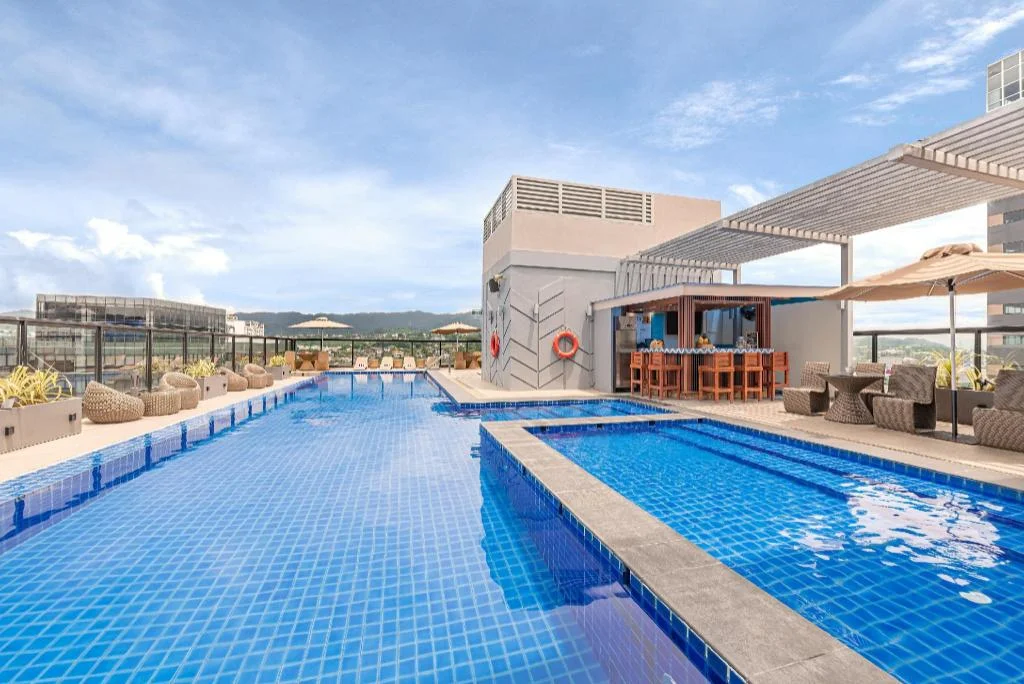
Seda Central Bloc Cebu City
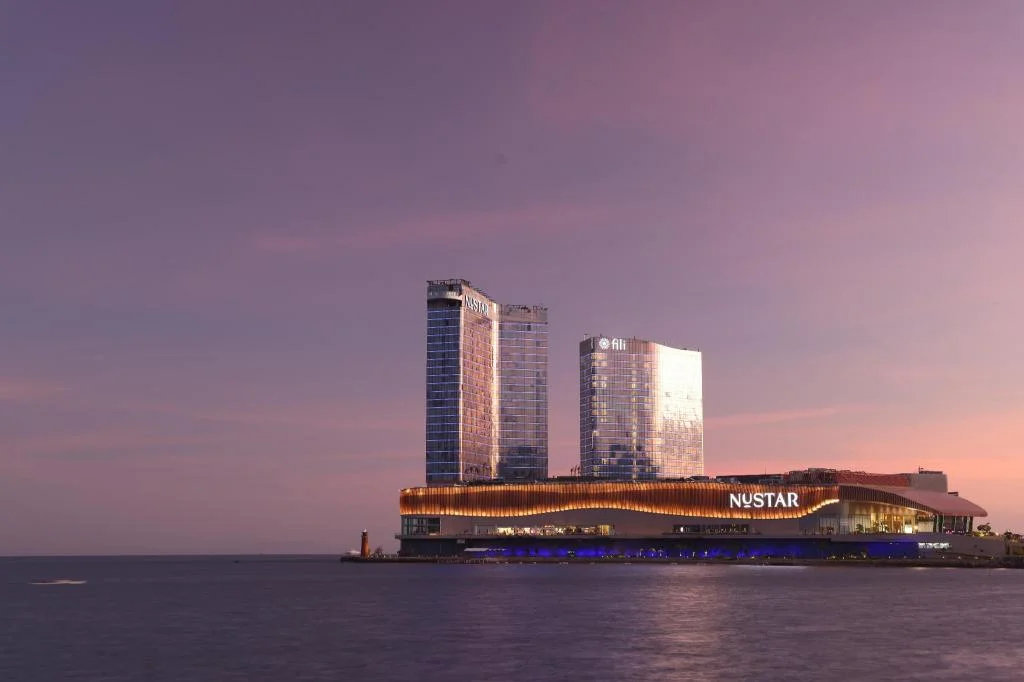
Fili Hotel - NUSTAR Resort & Casino Cebu
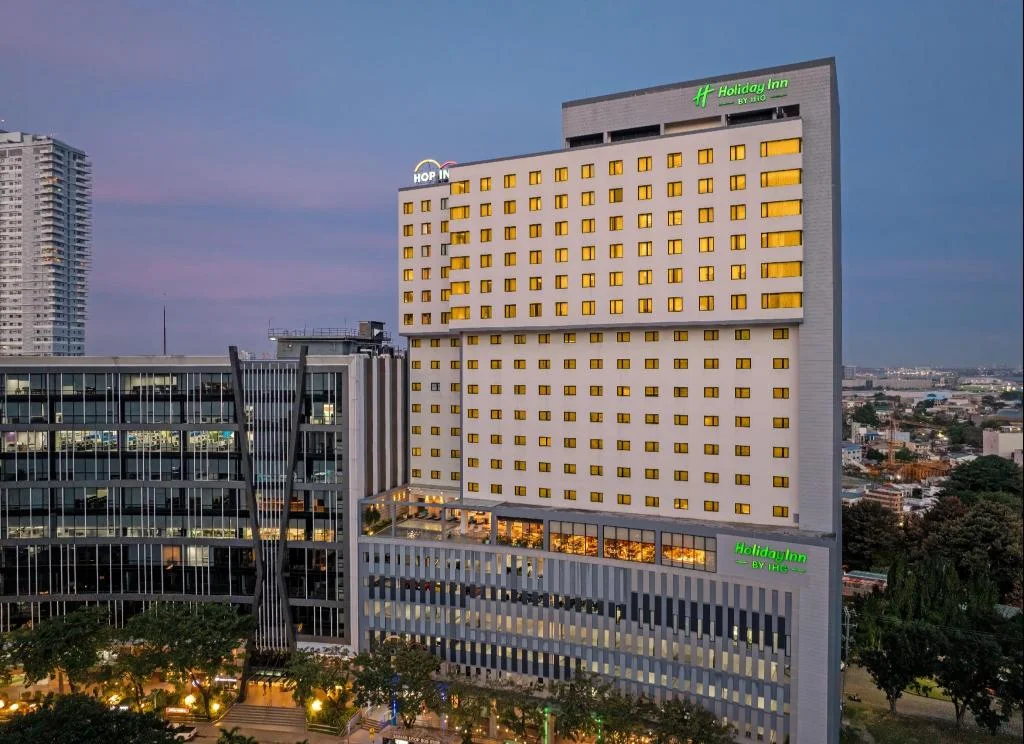
Holiday Inn Cebu City By IHG
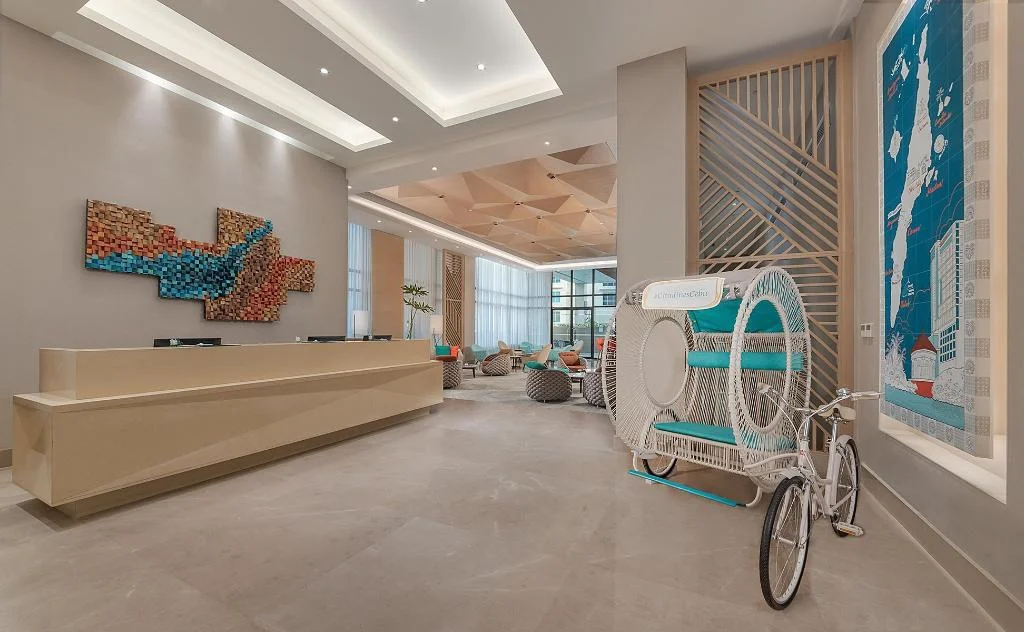
Citadines Cebu City
Prefer a rental? Vacation rentals near Cebu City
Self-catering condos and apartments — book the exact unit, kitchen included.
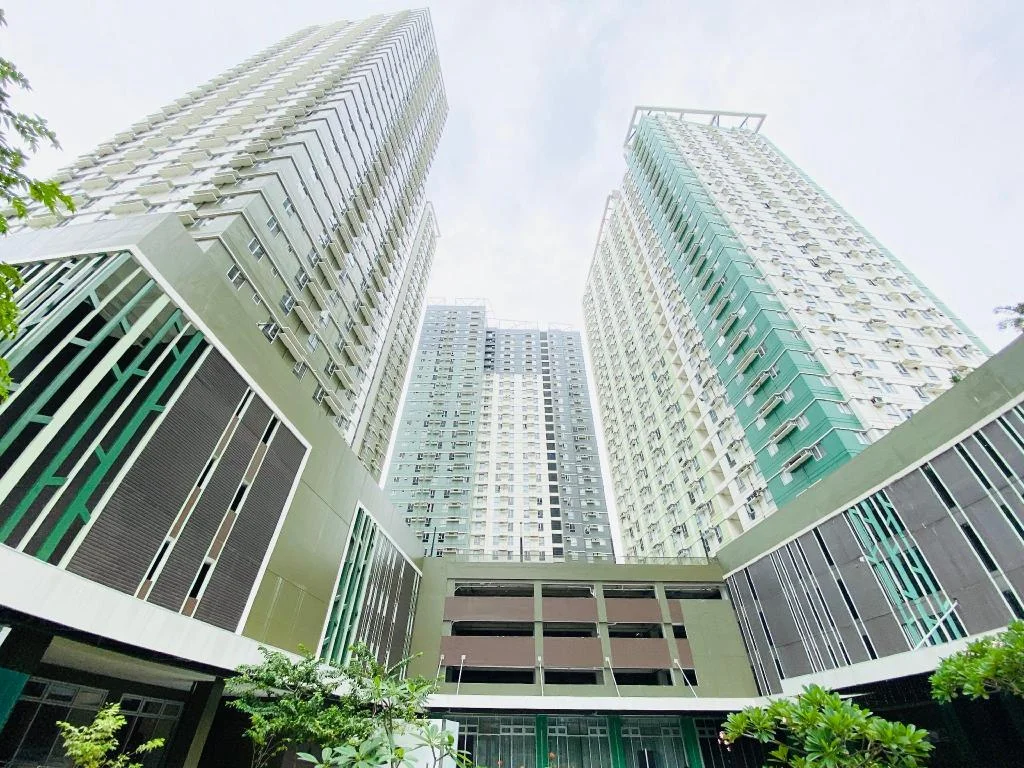
Cebu Avida Riala by P&J
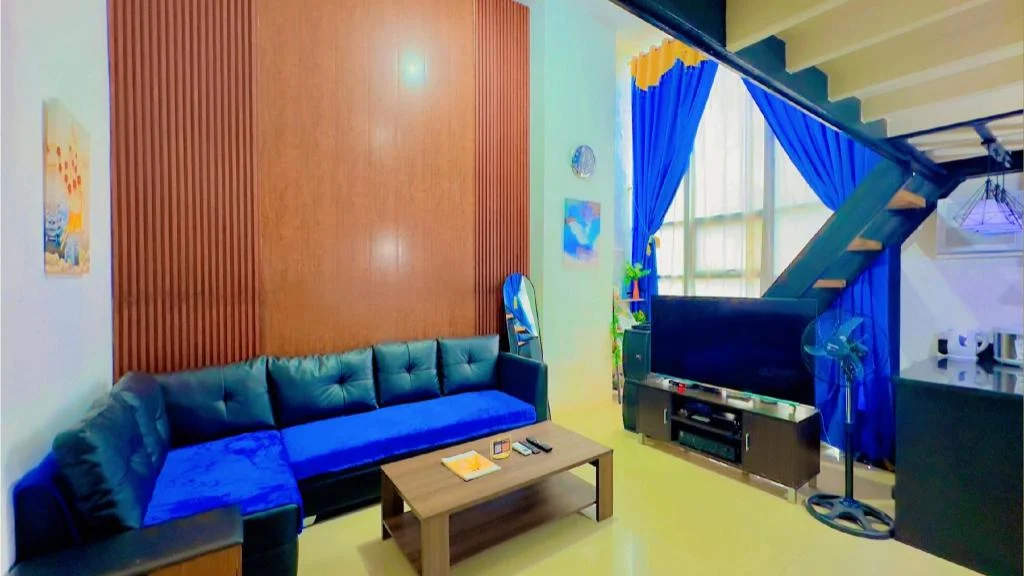
Special Big Loft Unit w/Fibreop Internet & Netflix
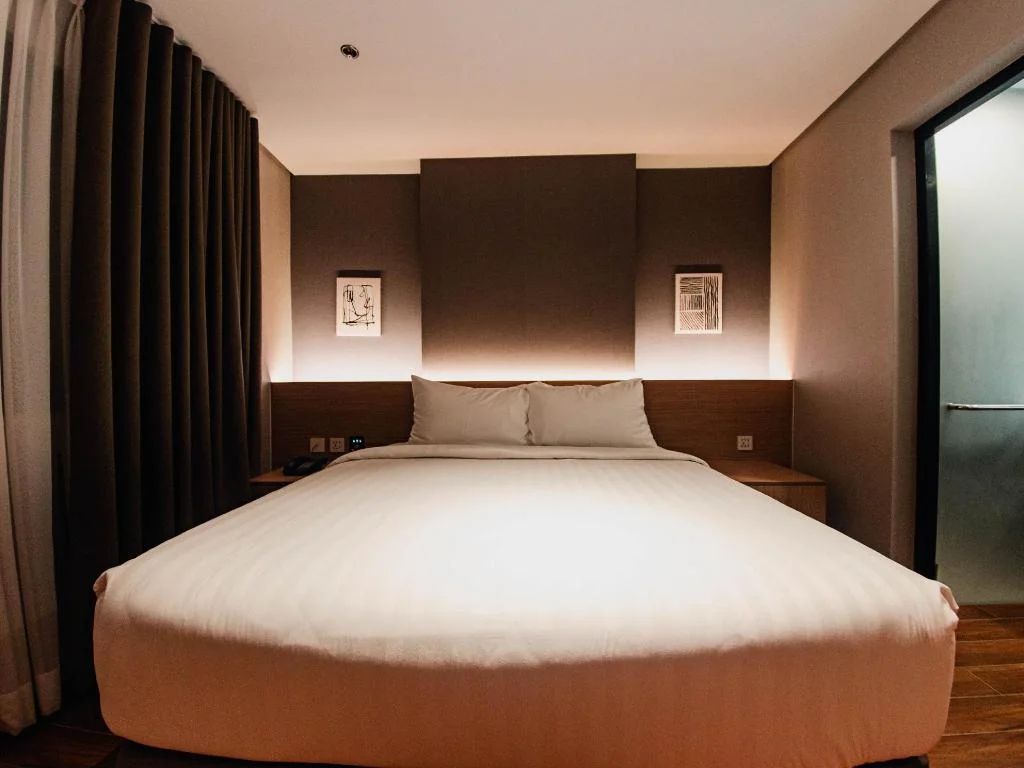
Moonstar Cebu Hotel - Deluxe Room
Before you go
Frequently asked
Is it worth hiring a photographer in Cebu?
How much does a guided photography walking tour cost in Cebu?
Can tourists fly drones in Cebu?
Can you fly a drone during Sinulog?
What's the best time of day to shoot photos in Cebu?
Where can you do street photography in Cebu?
Do you need a permit to shoot professionally at heritage sites like Temple of Leah?
How is this guide different from the best photo spots guide?
More Places to Explore
Temple of Leah
Cebu City
A magnificent Roman-inspired temple built as a monument of love, nicknamed 'Cebu's Taj Mahal,' offering stunning architecture and city views.
Sirao Flower Garden
Cebu City
Cebu's 'Little Amsterdam' - a colorful flower farm featuring seas of celosia blooms set against a scenic mountain backdrop.
Colon Street
Cebu City
The oldest street in the Philippines, a historic commercial thoroughfare that has been Cebu's trading center since Spanish colonial times.