
TL;DR: Cebu has a real studio scene — Infamous Ink, 032 Tattoo, Needlepoint, Ronnie’s, Alon, Inkso — with small pieces from ₱2,000 (US$32). Check single-use needles and a sanitary permit, book big work by DM, and get inked at the end of your trip: no ocean swimming for 3–4 weeks. Verified July 2026.
Prices in Philippine Peso with US dollar equivalents. ₱62 ≈ US$1 (July 2026).
Getting tattooed in Cebu makes a certain historical sense: when the Spanish arrived in the 1500s, they were so struck by the full-body tattoos of the Visayans that they named the whole region after them — Las Islas de los Pintados, the Islands of the Painted Ones. Today’s scene is modern studios rather than village tradition, but it’s a legitimate one, with skilled artists at prices well below Western rates. Here’s where to go, what it costs, how to vet a shop, and the one logistical trap almost every traveler misses: fresh ink and Cebu’s beaches don’t mix.
Which Tattoo Studios in Cebu Are Worth Checking Out?
Stick to established studios with active social pages and recent reviews — Cebu has several. These are real, currently operating shops we could verify through their own pages, review platforms, and local press as of July 2026:
| Studio | Area | Known for |
|---|---|---|
| Infamous Ink | 124 Gorordo Ave, Cebu City (+ Mactan branch, Lapu-Lapu) | Filipino tribal-inspired and traditional styles; the most-reviewed name in the city |
| 032 Tattoo | Juana Osmeña St, Cebu City | Custom work; operating since 2011 under owner Chow Abinales |
| Needlepoint Tattoo Cebu | Kasambagan, Cebu City | Custom pieces; publishes clear minimum pricing |
| Ronnie’s Tattoo | Maribago, Mactan (+ Ayala Center Cebu branch) | Long-running Mactan fixture, handy for resort-based travelers |
| Alon Tattoo Studio | Cordova, Mactan | Featured in national travel press in 2025 |
| Inkso Tattoo | Apitong St, Cebu City | Fine-line and minimalist work |
| IRIE Tattoo & Piercing | Gen. Maxilom Ave, Cebu City | Color, traditional, and neo-traditional styles |
Verified via studio social pages, review platforms, and local press coverage, July 2026. Lineups and artists change — check the shop’s Facebook or Instagram for recent posts before you go.
A caution from our fact-checking: two names that circulate in “best Cebu tattoo” lists don’t hold up. “Island Ink” appears to be a garbled reference to Infamous Ink — we found no standalone Cebu shop by that name — and PintaDon Tattoo Studio, despite its Visayan-inspired name, is a real and well-reviewed studio located in Pasig City, Metro Manila, not Cebu. Don’t build a Cebu itinerary around either.
How Much Does a Tattoo Cost in Cebu?
Small pieces start around ₱2,000 (US$32) — roughly a third of what the same tattoo costs in Australia or the US. Needlepoint Tattoo Cebu publishes its floor openly: ₱2,000 for black-and-gray and ₱3,000 (US$48) for color on designs 2×2 inches or smaller, and a ₱2,000-ish minimum is the norm quoted across Philippine studios generally. Beyond that, pricing is per design, not per hour — send the studio a reference image with size and placement, and they’ll quote. Custom half-day sessions from respected Cebu artists typically land in the low five figures in pesos, still cheap by international standards. Expect a small deposit (commonly ₱500–1,000) to hold a booking; treat any shop quoting suspiciously below the ₱2,000 floor as a hygiene question, not a bargain.
What Should You Check Before Sitting Down?
The burden of vetting is on you — the Philippines has no dedicated national tattoo law. Shops fall under the general Code on Sanitation (Presidential Decree 856), whose implementing rules cover “tattooing and skin piercing shops” and require a sanitary permit from the local health officer, renewed annually. Cebu’s provincial board has also moved to require sterilized or disposable instruments in tattoo and piercing parlors, with health-office inspections. Enforcement, in practice, is uneven — so run your own checklist:
- Needles unsealed in front of you. Single-use, from sealed packaging, opened at the chair. Non-negotiable.
- Gloves on, fresh per client, and plastic-wrapped machines and surfaces.
- An autoclave (or fully disposable setup) for anything reused.
- Permits displayed — business permit and sanitary permit on the wall is a good sign.
- An artist who asks questions — about allergies, medications, sun exposure, your travel plans. Pros manage healing; order-takers don’t.
- A portfolio of healed work, not just fresh-ink photos, on the studio’s page.
If a shop fails any of the first three, walk out. At ₱2,000 the tattoo is cheap; a skin infection in a tropical climate is not — and if one does develop, Cebu’s private hospitals can handle it (see our hospitals and medical care guide).
Whose Tradition Is This? The Pintados — Not Whang-Od
Cebu’s tattoo heritage is Visayan, and it predates Magellan. Spanish accounts from first contact onward describe the people of Cebu and the surrounding islands as covered in intricate tattoos earned through battle and status — the 1590 Boxer Codex illustrates Visayan warriors with bold geometric work up the legs, back, and chest, and Miguel López de Legazpi’s 1565 expedition named the region Las Islas de los Pintados after them. The Jesuit chronicler Pedro Chirino, writing in his 1604 Relación de las Islas Filipinas, put it strikingly: “The principal clothing of the Cebuanos and all the Visayans is the tattooing… a dress so esteemed by them that they take it for their proudest attire.” That tradition faded under colonial-era conversion, but it’s the heritage today’s Cebu studios reference when they work in tribal-inspired styles — part of the same deep history you can walk through around Magellan’s Cross and in our history of Cebu overview.
One conflation to avoid: Apo Whang-Od, the celebrated centenarian tattooist, is not part of Cebu’s story. She is a Kalinga mambabatok from Buscalan village in the Cordillera mountains of northern Luzon — a separate, living hand-tap (batok) tradition preserved by geographic isolation, a two-day journey from Cebu. Some Cebu artists respectfully work in traditional-inspired styles, but no Cebu shop can sell you “a Whang-Od tattoo,” and any that claims a Kalinga lineage deserves skepticism. If traditional hand-tap work matters to you, research the practitioner’s actual background — our Cebuano culture primer covers why getting cultural context right is appreciated here.
Can You Swim After Getting a Tattoo? (The Trap in Every Cebu Itinerary)
No — and this is the single biggest planning mistake travelers make. A fresh tattoo is an open wound. The consistent guidance from tattoo-industry and dermatology sources: no swimming for at least 2–4 weeks, and 3–4+ weeks for the ocean specifically — saltwater irritates unhealed skin, can pull ink from the tattoo, and introduces bacteria. Dive-medicine sources (including Divers Alert Network affiliates) push full-submersion activities like scuba toward the 4–6 week mark. The tattoo is ready when it’s completely smooth: no scabbing, flaking, redness, or itch.
Now map that against a Cebu trip: island hopping, canyoneering, the sardine run, whale sharks, beach days. Get tattooed on your last days in Cebu, not your first. The tropical add-ons:
- Sun is the other enemy — fresh ink burns fast and fades faster. Loose clothing over it; once healed, SPF 30+ every exposed day.
- Humidity means sweat — wash gently with mild soap and pat dry more often than you would in a dry climate; keep a thin layer of the ointment your artist recommends.
- Skip the pool too — chlorine is gentler than the sea but still off-limits until healed.
If the ink is the point of the trip, flip the itinerary: beaches first, tattoo last, fly home healing. A city-based final stretch works well for this — session, aftercare, food crawl — and you can base yourself near your studio with a Cebu City hotel on Agoda for the last few nights instead of commuting from a beach town with a wound you can’t get wet. A massage the day before the session, not after, is the right order — see our spa guide.
Walk-In or Book Ahead?
Small pieces: walk-ins usually work. Custom work: book by DM, days to weeks ahead. Most Cebu studios run a hybrid model — an artist with a free chair will take a walk-in flash piece or small script, but custom designs go through Facebook Messenger or Instagram DM: send references, agree on size and placement, pay a small deposit, get a slot. On a short trip, message a week or more before you arrive; the better-known artists’ books fill up. Sundays and the days around Sinulog are the worst times to wing it.
Final Word
Cebu is a genuinely good place to get tattooed — ₱2,000–3,000 (US$32–48) entry pricing, capable artists, and a tattoo heritage that literally named the region. The rules that matter: verify the studio’s hygiene with your own eyes, book custom work ahead by DM, respect the line between Visayan Pintados heritage and the Kalinga batok tradition — and schedule the session for the end of your trip, because the sea you came for is off-limits for 3–4 weeks afterward.
Sources
- Batok — Kalinga tattooing and regional traditions (Visayas vs Cordillera distinction)
- Sun.Star Cebu — “The Visayan Pintados” (Pedro Chirino 1604 quotation); Boxer Codex (1590) descriptions of Visayan tattooing
- Supreme Court E-Library — Implementing Rules of PD 856 Chapter XII (sanitary permits for tattooing and skin piercing shops)
- Needlepoint Tattoo Cebu — published minimum rates (₱2,000 black-and-gray / ₱3,000 color)
- Studio verification via each shop’s Facebook/Instagram pages and review platforms, July 2026
- Swimming/diving aftercare timelines per tattoo-industry and dive-medicine guidance (incl. DAN-affiliated sources)
Studios, artists, and prices change — confirm current rates and availability directly with the shop. Verified July 2026.
Book Tours & Hotels for This Trip
Find and book the best deals — prices and availability update in real time. Links open in a new tab.
Where to stay near Cebu City
Top-rated hotels for this trip — tap through to check live rates.
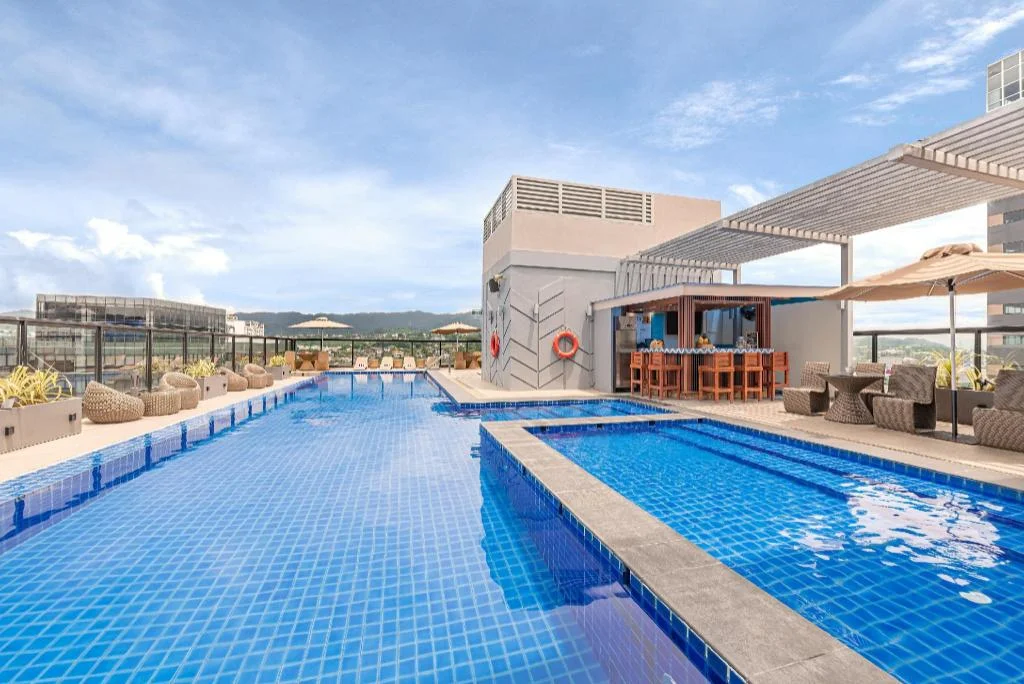
Seda Central Bloc Cebu City
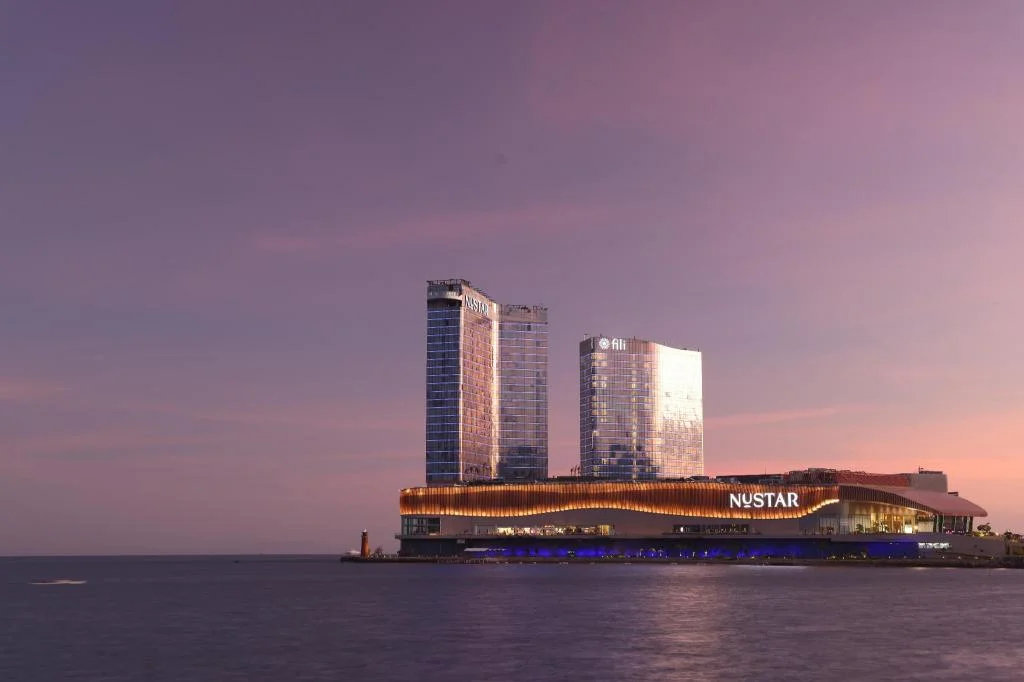
Fili Hotel - NUSTAR Resort & Casino Cebu
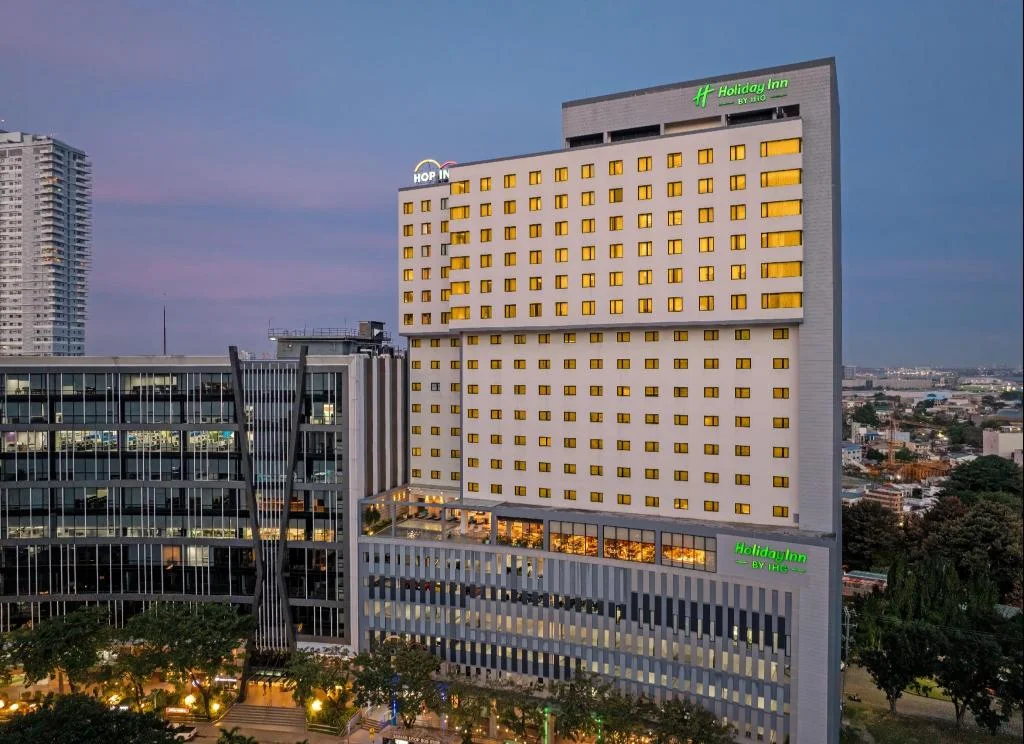
Holiday Inn Cebu City By IHG
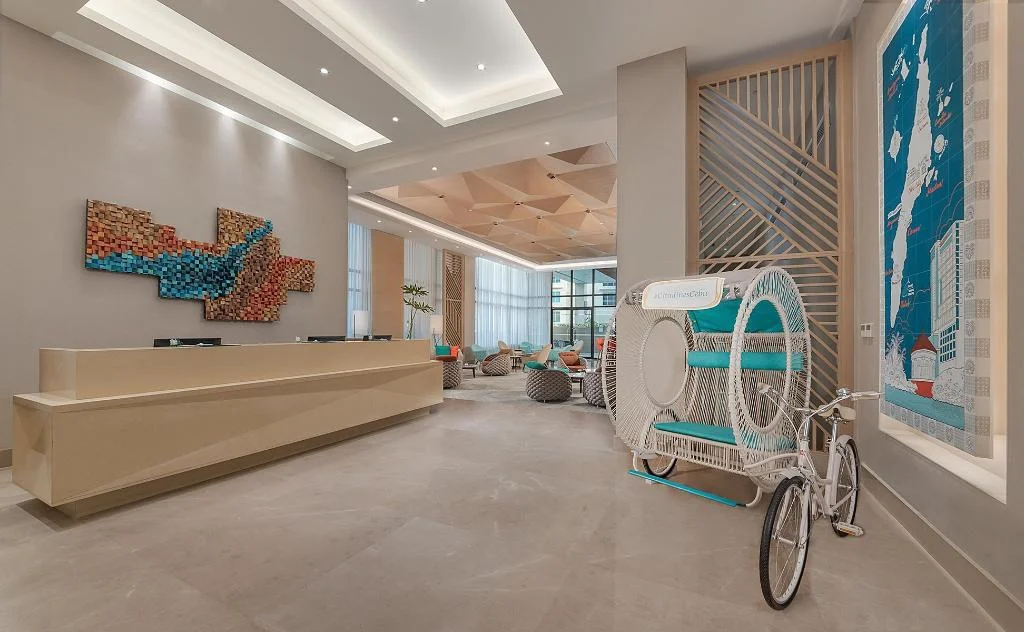
Citadines Cebu City
Prefer a rental? Vacation rentals near Cebu City
Self-catering condos and apartments — book the exact unit, kitchen included.
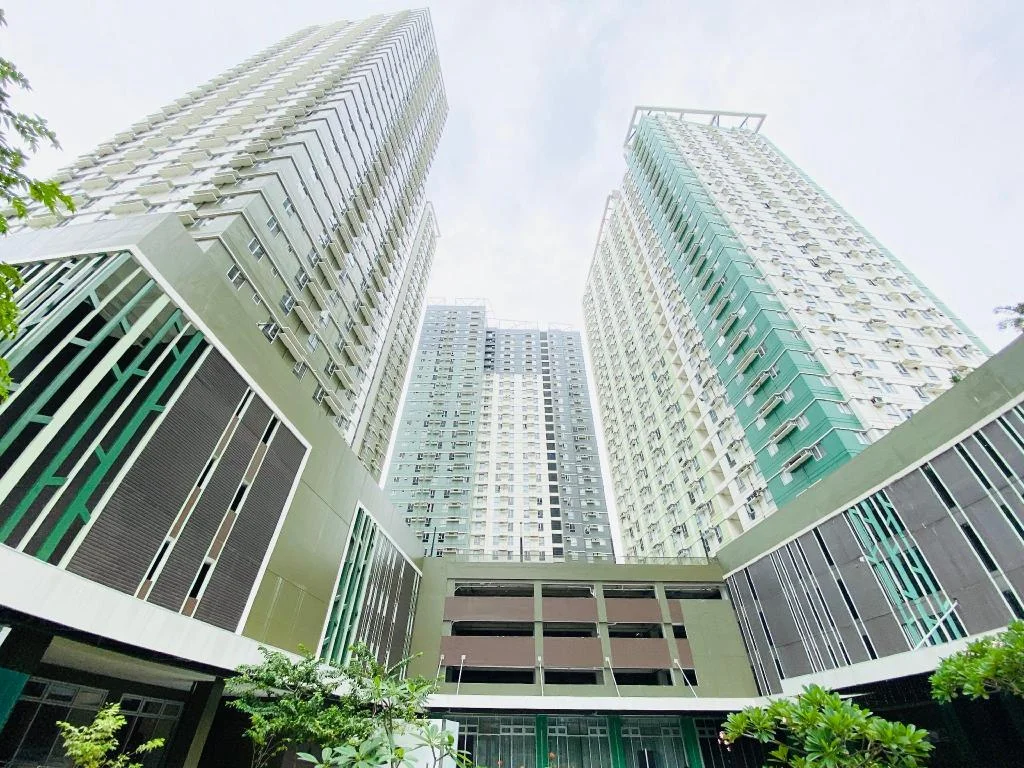
Cebu Avida Riala by P&J
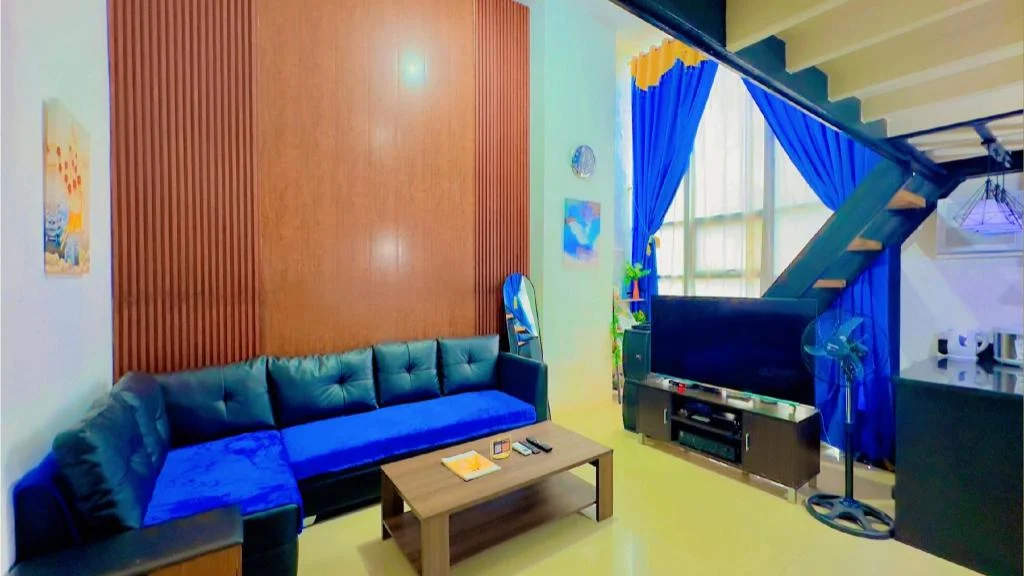
Special Big Loft Unit w/Fibreop Internet & Netflix
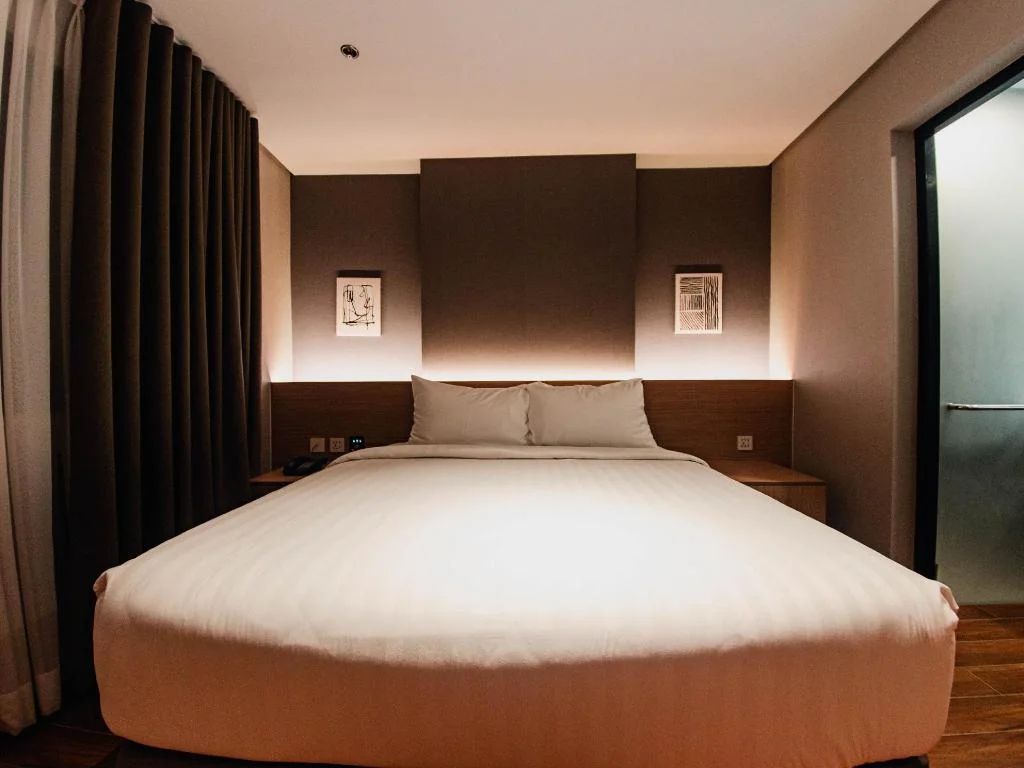
Moonstar Cebu Hotel - Deluxe Room
Before you go
Frequently asked
How much does a tattoo cost in Cebu?
What are the best tattoo shops in Cebu?
Are tattoo shops in Cebu safe and hygienic?
Can you swim after getting a tattoo in Cebu?
Is Whang-Od from Cebu?
Do Cebu tattoo studios take walk-ins?
What should I avoid after getting a tattoo in a tropical climate?
More Places to Explore
Magellan's Cross
Cebu City
The historic cross planted by Ferdinand Magellan in 1521, marking the birth of Christianity in the Philippines and now a National Cultural Treasure.
Temple of Leah
Cebu City
A magnificent Roman-inspired temple built as a monument of love, nicknamed 'Cebu's Taj Mahal,' offering stunning architecture and city views.