
TL;DR: If Kawasan, Oslob, and Sinulog are already checked off, trip two should go quieter and slower: Camotes Islands (ferry
90 min–2 hrs,₱18,000-24,000 / US$290-387) instead of another snorkel tour. Time a visit around Kadaugan sa Mactan (April) or Gabii sa Kabilin (May) for culture without Sinulog’s crowds. Verified July 2026.₱360-500 / US$6-8 one-way), the empty beaches north of Bantayan on Carnaza and Gibitngil, Malabuyoc’s Mainit Hot Spring and Montpellier Falls near Moalboal (₱20-50 total entrance), a highland night in Dalaguete for Osmeña Peak sunrise camping, or an actual PADI Open Water course (
If this isn’t your first Cebu trip, you don’t need another rundown of Osmeña Peak as a bucket-list day hike or the sardine run at Moalboal — you’ve probably already done both. This guide is for the returning visitor, the balikbayan on a second or third home trip, or anyone who’s worked through the standard south-Cebu-in-three-days route and wants to know what a local would actually do next. The short answer: go further out, go slower, and pick one or two of the province’s less-photographed corners — Camotes, the far north beyond Malapascua, the Malabuyoc hot spring-and-waterfall combo, or the Dalaguete highlands — instead of repeating the greatest hits.
Where Repeat Visitors Go Instead
| Where | Distance/time from Cebu City | Typical cost | Best for |
|---|---|---|---|
| Camotes Islands | ~2-3.5 hrs (bus + ferry, or fast craft) | Ferry ₱360-500 (~$6-8) each way | Slow beach days, Lake Danao, Bukilat Cave |
| Carnaza & Gibitngil (north of Bantayan) | ~3-4 hrs to jump-off, plus boat | Boat ₱30-3,500 depending on group size | Nearly empty beaches, a real day off the grid |
| Malabuyoc (Mainit Hot Spring + Montpellier Falls) | ~1 hr from Moalboal | Entrance ₱20-50 total (~$1) | Hot spring soak paired with a waterfall |
| Dalaguete highlands (vegetable farms + Osmeña Peak) | ~2.5 hrs from Cebu City | Peak entrance | Sunrise camping, cool climate, market stalls |
| Moalboal PADI Open Water course | ~2.5-3 hrs from Cebu City | An actual dive certification, not just snorkeling | |
| Kadaugan sa Mactan / Gabii sa Kabilin | Lapu-Lapu City / Cebu City | Free to low-cost | Local festivals without Sinulog’s scale |
Verified July 2026. Peso figures approximate at ₱62 ≈ US$1 (July 2026); confirm current fares and fees locally before you travel.
Is Camotes Islands Worth the Ferry Ride?
Yes, if what you want out of a second Cebu trip is beaches with fewer people on them. Camotes is a small island group — Poro, Pacijan, and Ponson — northeast of mainland Cebu, reached by fast craft from Mactan Wharf to Consuelo Port (about 90 minutes, roughly ₱500 / US$8 one-way) or the slower regular ferry from Danao Port (about 2 hours). There’s also a Liloan-to-Poro route running around ₱360 (US$6).
Once there, the pace drops noticeably. Santiago Bay’s long white-sand stretch is the main beach, calm enough for swimming and quiet enough for a proper sunset dinner on the sand. Lake Danao — locally called “Lover’s Lake” and unrelated to the Lake Danao Natural Park on the Cebu mainland near Danao City — is the largest freshwater lake in the group, with kayaking and short boat rides (entrance around ₱120, boat rental ₱200-300 for 30 minutes). Bukilat Cave has a natural skylight opening that lets sunlight spill into the chamber, and it’s shallow enough that you don’t need real caving experience. See our full Camotes Islands guide and how to get to Camotes from Cebu for route options by season.
Check current Camotes Islands tour and transfer options on Klook if you’d rather not piece the ferry and land transport together yourself, or compare places to stay on Camotes on Agoda — accommodation is simpler and cheaper than Moalboal or Bantayan, but rooms are also more limited, so book ahead in peak months.
What’s North of Bantayan That Most Tourists Never See?
Carnaza Island and Gibitngil Island, both reachable from Cebu’s northern tip, and both still genuinely quiet compared to Bantayan’s main beaches. Carnaza Island, off Daanbantayan, is a pump-boat ride of about 2 hours from Tapilon Port — the fare runs roughly ₱200 total (a ₱50 terminal fee plus ₱150 boat fare), with an eco-park entrance fee of about ₱200. Gibitngil Island, off Medellin, is a much shorter hop from Kawit port: a public boat runs about ₱30 per head with no fixed schedule, or you can charter a whole boat for roughly ₱2,500-3,500 split across your group, plus a small entrance fee of around ₱50.
Neither island has the infrastructure of Bantayan proper — expect basic facilities, cliff-jump spots, and a beach you might have mostly to yourself on a weekday. That’s the trade: less convenience for genuinely uncrowded water. Both work well as a day trip if you’re already staying near Medellin or Daanbantayan on your way to or from Malapascua.
Where Do the Dalaguete Vegetable Farms Fit Into an Osmeña Peak Trip?
They’re the part of the trip most first-timers skip because they’re focused only on the summit. Osmeña Peak, at roughly 1,013 meters, is Cebu’s highest point, and the jump-off trail runs directly through Dalaguete’s highland vegetable farms — locals call the area the province’s “vegetable kingdom” for its cool-climate produce. The peak’s short summit hike (15-30 minutes from the jump-off) means most day-trippers rush through, snap photos of the limestone formations, and leave without seeing the farms or Mantalongon Market properly.
On a repeat visit, slow this down: overnight camp at the peak for sunrise (tents can be rented on-site, entrance runs about ₱50 / under US$1), then spend the next morning walking the farm roads and browsing Mantalongon’s produce stalls before heading back down. It’s a genuinely different experience from the rushed group-tour version most first-timers get. Our Osmeña Peak sunrise camping guide and the Dalaguete highlands guide cover logistics in more detail.
Is Malabuyoc’s Hot Spring and Waterfall Combo Worth the Detour From Moalboal?
For the price, yes, though keep your expectations calibrated. Mainit Hot Spring, in Barangay Montañeza, Malabuyoc, is a set of four geothermal pools running between roughly 36°C and 43°C — renovated in recent years into concrete pools rather than the rustic stone ones older trip reports describe. Entrance is about ₱20 (US$0.32). It’s roughly an hour from Moalboal by habal-habal or scooter, or reachable by Ceres bus to Malabuyoc town proper followed by a short habal-habal ride and a 10-20 minute uphill walk.
Montpellier Falls, about 20 minutes away by scooter, pairs naturally with the hot spring for a half-day loop — cool waterfall swim, then a warm soak to finish. Neither site is a headline attraction on its own, which is exactly the point: this is a good “day three” add-on for someone who’s already done Kawasan’s canyoneering circuit and wants a lower-key south-Cebu day.
Should Your Second Trip Include a PADI Certification Instead of Just Snorkeling?
If you keep coming back to float over Moalboal’s sardine run and turtles from the surface, getting certified is the logical next step, and Cebu remains one of the more affordable, less crowded places in Southeast Asia to do it. A 3-day PADI Open Water Diver course through a 5-star dive resort in Moalboal runs roughly ₱18,000-24,000 (about US$290-387) as of pricing published by resorts like Quo Vadis Dive Resort; a shorter 2-day PADI Scuba Diver course (a limited certification) runs somewhat less. Confirm current pricing, class sizes, and included dives directly with the dive shop, since rates and inclusions vary between operators.
Moalboal’s appeal for certification is the same as its appeal for a first-trip snorkel day — house-reef access, a resident sardine ball you can practice buoyancy around, and turtles close to shore — but the diving skill lets you actually follow the reef down instead of watching from above it. See our guides to learning to dive in Cebu and where to get PADI certified for shop-by-shop comparisons.
Compare Moalboal diving course options on Klook before you commit to a specific dive shop.
What Festivals Beyond Sinulog Are Worth Planning Around?
Sinulog is Cebu’s biggest festival by far, but it’s also the most crowded and most expensive weekend of the year to visit. If you’ve already done Sinulog once, two smaller, less touristy events are worth building a repeat trip around instead.
Kadaugan sa Mactan, held every April in Lapu-Lapu City, commemorates the 1521 battle in which Datu Lapu-Lapu defeated Ferdinand Magellan — the event includes a reenactment near the Mactan Shrine, local food festivals, and cultural programming without anything close to Sinulog’s crowd density. Gabii sa Kabilin (“Night of Heritage”), organized by the Ramon Aboitiz Foundation in late May, opens Cebu City’s museums, galleries, and heritage sites — many normally requiring separate tickets — for one night under a single admission, running until midnight. It’s a low-cost, low-crowd way to see Cebu’s cultural side that most first-time tourists never encounter, since it isn’t timed to peak season. See our festivals roundup for the full year-round calendar, plus dedicated guides to Kadaugan sa Mactan and Gabii sa Kabilin.
How Do You Actually Slow Travel Cebu on Trip Two or Three?
Stop day-tripping everything from a Cebu City or Moalboal base and pick one region to actually stay in for 3-4 nights. First-time visitors default to cramming Kawasan, Oslob, and a city tour into three or four days because that’s what the standard itinerary guides recommend, and it makes sense for a first look. Repeat visitors don’t need to prove they saw everything — they can base in Camotes for four nights, or in Daanbantayan/Medellin for a north-Cebu stretch that includes Malapascua, Carnaza, and Gibitngil without constant transfers, or in Dalaguete for a highland-and-coast combo most tourists never link together.
The honest tradeoff: slow travel means seeing fewer named attractions per day. What you get instead is time to eat where locals actually eat, talk to the people running your guesthouse, and not spend half your trip in transit. For ideas outside the standard list, our offbeat and unusual things to do in Cebu and under-the-radar towns in Cebu guides are built specifically for repeat visitors.
The Honest Take
None of the places in this guide are secret — locals know all of them, and Camotes in particular gets genuinely busy during Holy Week and the Christmas-New Year stretch. But compared to Kawasan on a Saturday or Oslob’s whale shark queues at 7 AM, they’re a different order of quiet. Go in shoulder months (June, September, early December) if crowds bother you at all, and don’t expect Camotes or the Malabuyoc hot spring to look like a resort brochure — Mainit’s pools are functional concrete, not a spa. If you only have three or four days total, honestly, do the classics first; this guide is for the second trip, not a replacement for the first. And skip the highland camping at Osmeña Peak if you’re not prepared for cold nights and no real facilities — it’s rustic by design.
Sources
- Pamasahe.com — Camotes ferry schedules and fares (Liloan-Poro, Mactan-Consuelo)
- Wander Era — Camotes Islands 2026 travel guide
- FeetDoTravel — Montpellier Falls and Mainit Hot Springs, Malabuyoc
- Journeyera — Mainit Hot Springs, Malabuyoc
- Forevervacation — Osmeña Peak entrance fee and hours
- Quo Vadis Dive Resort — PADI Open Water and Scuba Diver course pricing
- Cebu Daily News — Kadaugan sa Mactan 2026 schedule
- RichestPH — Gibitngil Island access and fees
- Carnaza Island boat fares and eco-park entrance verified against recent traveler reporting; confirm current rates locally before you go. Verified July 2026.
Where to Next
If this is your third Cebu trip and you’ve already covered Camotes and the north, it might be time to look past the province entirely — Bohol is a short ferry away for a genuine change of scenery. Otherwise, start with whichever region in the table above fits your remaining days, book the ferry or dive course ahead of time, and browse Cebu tours and transfers on Klook to lock in logistics before you land. For everything else the province offers beyond this list, see our full things to do in Cebu guide.
Book Tours & Hotels for This Trip
Find and book the best deals — prices and availability update in real time. Links open in a new tab.
Where to stay near Daanbantayan
Top-rated hotels for this trip — tap through to check live rates.
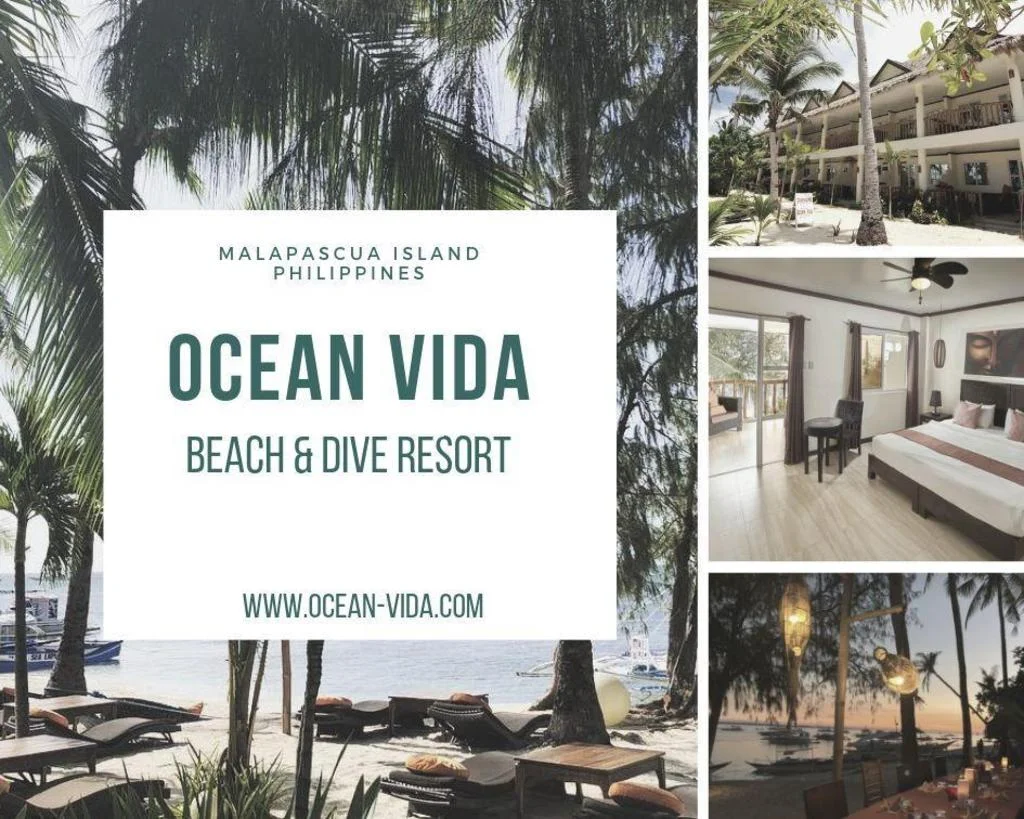
Ocean Vida Resort
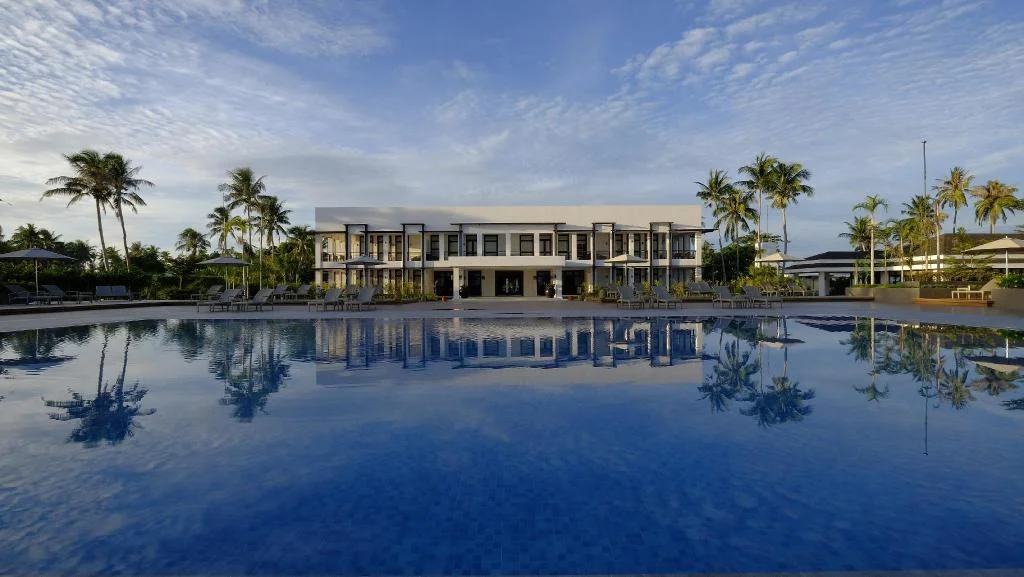
Kandaya Resort
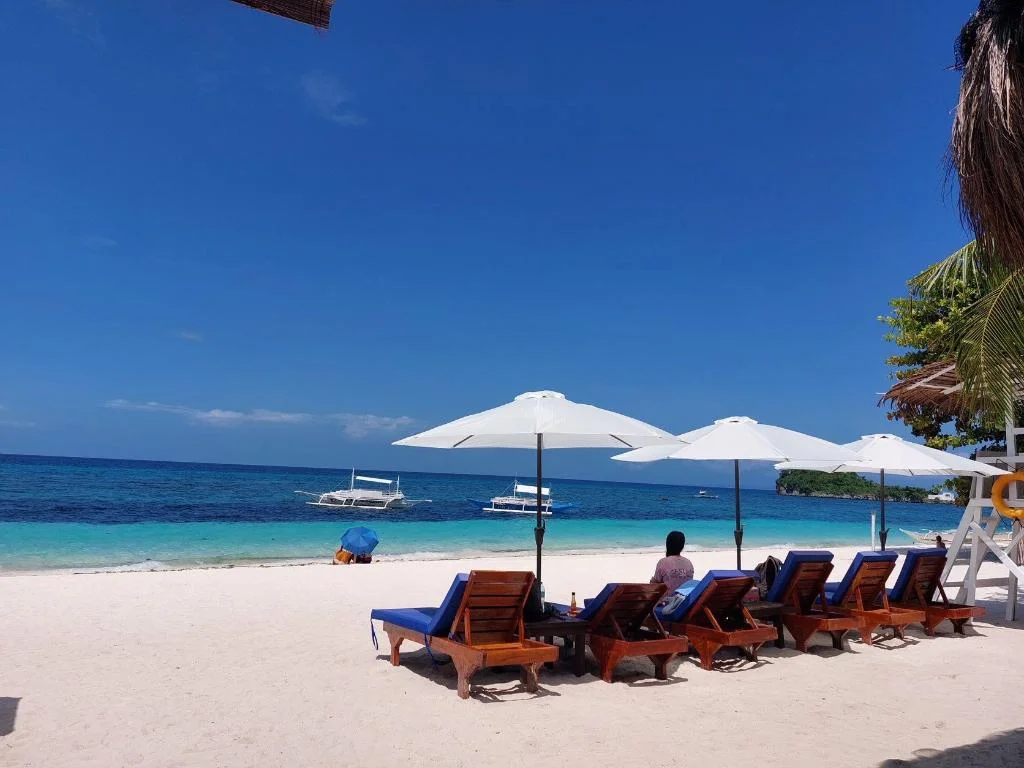
Avila's Horizon Dive Resort Malapascua
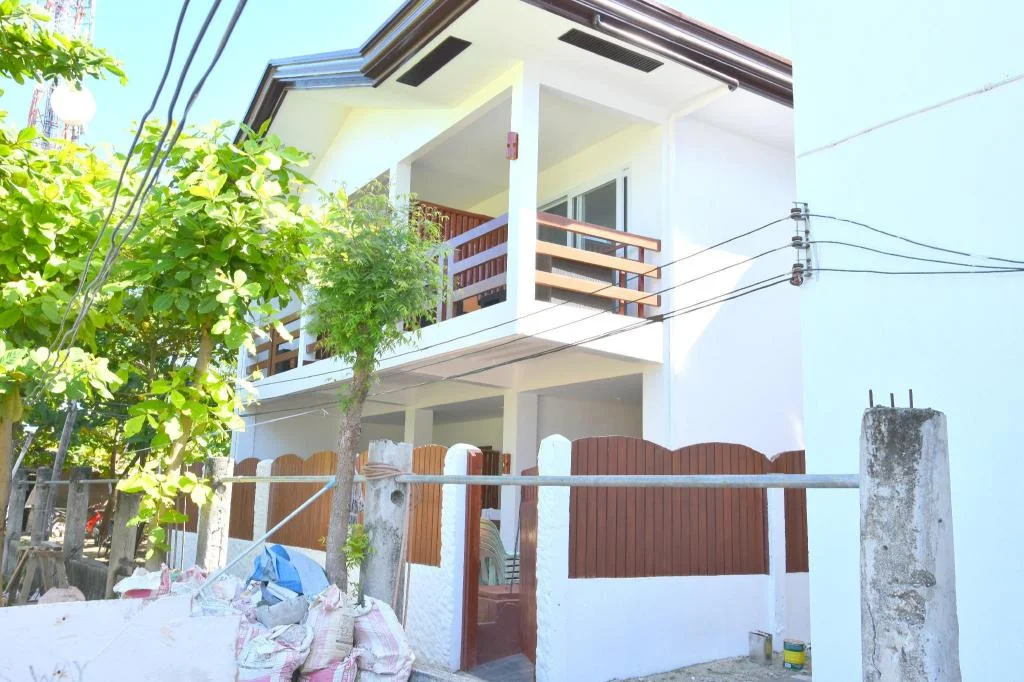
Malapatel
Prefer a rental? Vacation rentals near Daanbantayan
Self-catering condos and apartments — book the exact unit, kitchen included.
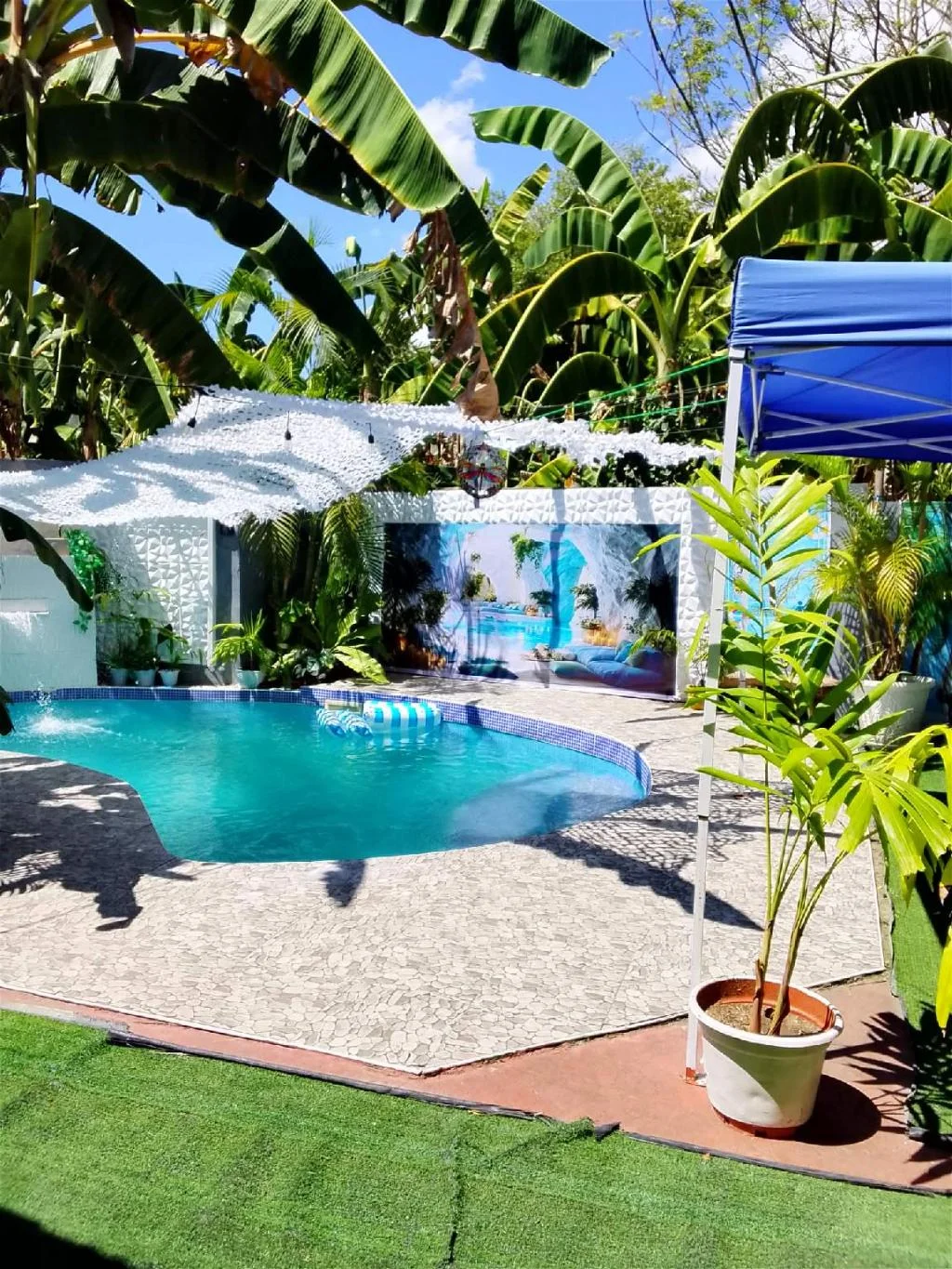
Two crazy monkeys
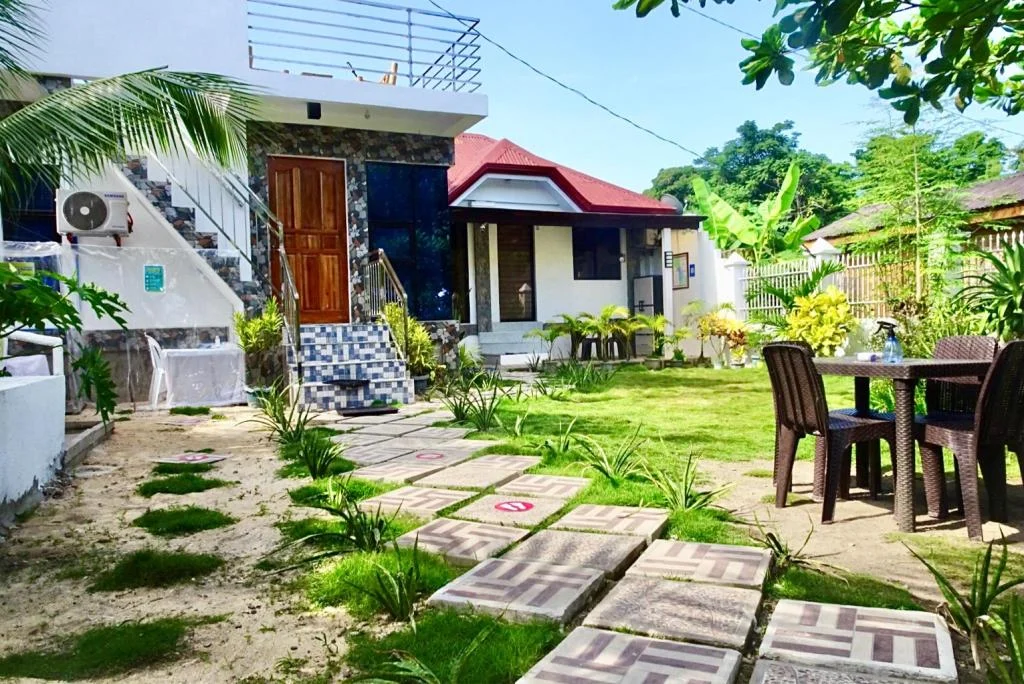
Chief's Villa 2 (Save up to50 prcnt for long term)
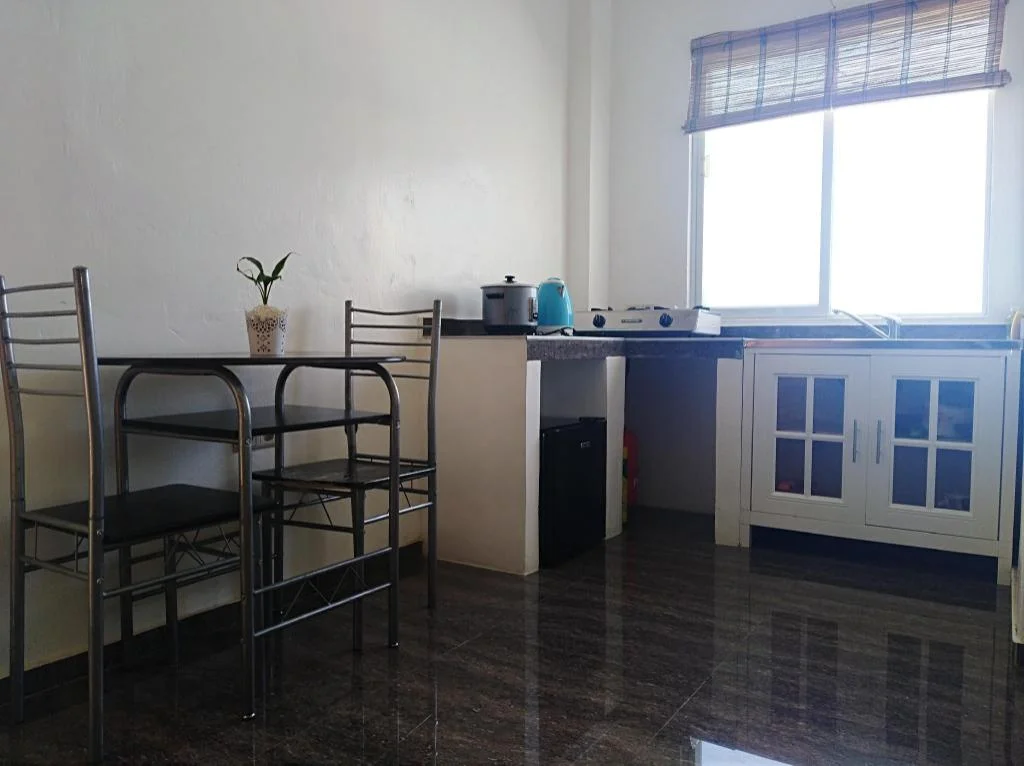
Seaview Mansion Dalaguete Apartment 1
Before you go
Frequently asked
What's a good second Cebu itinerary if I've already done Kawasan and Oslob?
Is Camotes Islands worth visiting on a repeat Cebu trip?
How do you get to Carnaza and Gibitngil islands?
Is Malabuyoc's Mainit Hot Spring worth the detour from Moalboal?
Should I get PADI certified in Moalboal instead of just snorkeling?
What festivals besides Sinulog are worth timing a trip around?
Do I need a guide for Dalaguete's vegetable farms and Osmeña Peak?
What's the best way to slow travel Cebu instead of doing another checklist trip?
More Places to Explore
Osmeña Peak
Dalaguete
Cebu's highest peak at about 1,013 meters, with jagged Chocolate-Hills-like ridges and panoramic island views.
Malapascua Island
Daanbantayan
A world-famous diving paradise known for thresher shark encounters, featuring beautiful white sand beaches and laid-back island vibes.
Carnaza Island
Daanbantayan
A remote, undeveloped island paradise with pristine beaches, dramatic rock formations, and authentic off-the-grid island camping experience.
Gibitngil Island
Medellin
A scenic island featuring the dramatic Dakit-Dakit Sandbar extending into turquoise waters - one of northern Cebu's most photogenic natural formations.
Mainit Hot Spring
Malabuyoc
A natural geothermal hot spring with therapeutic mineral-rich waters, offering a unique wellness experience in Malabuyoc.