
TL;DR: Vietnamese citizens can enter the Philippines visa-free for 30 days — just bring a passport valid 6+ months, a return ticket, and complete the online eTravel form before arrival. Vietnam Airlines flies Hanoi–Cebu direct (about 3x/week, ~3h50m), and Vietjet launches a Ho Chi Minh City–Cebu direct route on December 11, 2026 (5x/week) — otherwise, connecting via Manila is often cheaper and more frequent. Expect to spend noticeably more than in Vietnam day to day (a local meal is ₱80–150 / US$1.40–2.60), and come for whale sharks, canyoneering, and island-hopping — none of which Vietnam really has. Verified July 2026.
If you’re flying from Hanoi, Ho Chi Minh City, or Da Nang, Cebu is one of the more accessible parts of the Philippines to reach directly, and it offers a different mix of experiences than home — swimming next to whale sharks in Oslob, rappelling down Kawasan Falls, and island-hopping over reef water that’s clearer than most of Vietnam’s central coast. This guide is for Vietnamese travelers planning a first Cebu trip: the visa rules (genuinely simple, but worth confirming), the actual flight options, what things cost once you convert dong to peso, and what’s likely to feel familiar versus completely new. It pairs well with our broader guide to flying into Cebu and the province-wide overview of things to do in Cebu.
Flight Options From Vietnam to Cebu
Verified July 2026.
| Route | Airline | Frequency | Direct? |
|---|---|---|---|
| Hanoi (HAN) → Cebu (CEB) | Vietnam Airlines | ~3 flights/week | Yes, ~3h50m |
| Ho Chi Minh City (SGN) → Cebu (CEB) | Vietjet | 5 flights/week, starting Dec 11, 2026 | Yes |
| Hanoi/HCMC → Manila (MNL), then MNL → Cebu (CEB) | Vietnam Airlines, Vietjet + Cebu Pacific, Philippine Airlines, AirAsia PH | Daily, multiple options | 1 stop |
Do Vietnamese Citizens Need a Visa for Cebu?
No — Vietnamese passport holders get 30 days visa-free in the Philippines. This falls under the ASEAN reciprocal visa exemption, the same arrangement that lets Filipinos travel visa-free into Vietnam. To use it, you need a passport valid for at least six months past your intended stay and proof of a return or onward ticket out of the Philippines — immigration officers at Mactan-Cebu International Airport can and do ask to see it.
The one extra step that trips people up isn’t a visa at all: the Philippines requires all arriving international travelers to complete the eTravel online registration (a health and customs declaration) within 72 hours before landing. It’s free and takes a few minutes — see our eTravel registration guide for the exact steps. If you plan to stay longer than 30 days, extensions are handled through the Bureau of Immigration, and Cebu City has its own BI satellite office for that.
How Do You Fly From Vietnam to Cebu?
Two direct routes exist, plus a well-connected option through Manila. Vietnam Airlines already flies Hanoi to Cebu directly a few times a week, and Vietjet is opening a new Ho Chi Minh City–Cebu direct route on December 11, 2026, doubling the direct capacity between the two countries as part of a 2026–2029 Vietnam–Philippines tourism cooperation push.
If your travel dates don’t line up with those direct schedules, or you’re flying from Da Nang or another Vietnamese city, connecting through Manila (MNL) is usually the more flexible choice. Vietjet and Vietnam Airlines both serve Manila multiple times daily from Hanoi and Ho Chi Minh City, and from there Cebu Pacific, Philippine Airlines, and AirAsia Philippines run the roughly 90-minute domestic hop to Cebu dozens of times a day. It’s an extra leg and an airport transfer, but it often works out cheaper and gives you far more departure times to choose from. See our full international flights to Cebu guide and Mactan-Cebu Airport guide for terminal and transfer details.
What Does a Cebu Trip Cost in VND?
Cebu runs more expensive than Vietnam on almost everything except public transport. As of July 2026, roughly 1 Philippine peso ≈ 425–430 Vietnamese dong (so US$1 / ₱62 is close to 24,700–25,000 VND) — rates shift daily, so check a live converter before your trip rather than relying on this number at the airport counter.
| Expense | Price in ₱ | US$ (₱62≈$1) | Approx. VND |
|---|---|---|---|
| Local carinderia meal | ₱80–150 | $1.30–2.40 | 34,000–64,000 |
| Mid-range restaurant meal | ₱250–500 | $4.05–8.05 | 106,000–213,000 |
| Budget guesthouse (per night) | ₱1,200–2,000 | $19–32 | 510,000–856,000 |
| Grab ride, Cebu City short trip | ₱150–300 | $2.40–4.85 | 64,000–128,000 |
| Oslob whale shark watching (entrance) | ₱1,000 | $16 | 428,000 |
| Kawasan Falls canyoneering (regulated package) | ₱2,000–2,500 | $32–40 | 856,000–1,070,000 |
Verified July 2026.
Money changers in Cebu City (Ayala Center, Colon Street) and Mactan generally beat the airport kiosks and hotel counters, so change only a small amount on arrival and do the bulk of it once you’re settled. ATMs are everywhere in Cebu City and Mactan and accept most international cards, though foreign transaction fees add up — see our currency exchange guide for where locals actually change money.
What Will Appeal to Vietnamese Travelers?
The things Cebu does that Vietnam doesn’t: whale sharks, canyoneering, and reef-clear water. Oslob’s whale shark watching, the cliff-jumping canyon trek down to Kawasan Falls, and boat-based island-hopping around Mactan and Moalboal don’t really have equivalents back home — Vietnam’s coastline doesn’t have whale sharks you can swim next to, or a canyoneering circuit like Kawasan’s. If you’ve done Ha Long Bay or Phu Quoc’s snorkeling spots, Cebu’s south-coast reefs and sardine runs are a step up in visibility.
Cebu’s Spanish-colonial layer is also distinct — Basilica del Santo Niño, Magellan’s Cross, and Fort San Pedro sit inside a walkable downtown core, and the Roman-inspired Temple of Leah up in the hills is a popular half-day add-on for photos. If your dates line up with January, the Sinulog festival is one of Southeast Asia’s biggest street festivals, built around a centuries-old religious icon rather than a harvest or lunar celebration. The food leans sweeter and more grilled-pork-and-vinegar than Vietnamese cuisine’s herb-forward broths, and lechon (whole roast pig) is worth trying even if you’ve had Vietnamese roast pork before — Cebu’s version is a genuine local specialty, not a tourist stunt.
Is the Language Barrier a Problem?
Less than you’d expect, and less than in most of Vietnam outside Hanoi and Ho Chi Minh City. English is an official language in the Philippines and is used in schools, on signage, and in nearly every tourism interaction — hotel staff, tour guides, and drivers across Cebu City, Mactan, and the south coast speak it comfortably. You won’t need Tagalog or Cebuano (the local language) to get around, though locals appreciate a “salamat” (thank you) the same way Vietnamese travelers appreciate a “cảm ơn” from a foreign visitor.
How to Plan Your Trip
- Base yourself in the right area. First-timers usually split time between Cebu City/Mactan (airport access, city sights, beach resorts) and the south (Moalboal, Badian, Oslob) for the waterfalls and whale sharks — see our area-by-area guide to where to stay in Cebu for the trade-offs.
- Get a local SIM or eSIM on arrival. Globe and Smart prepaid SIMs and tourist data plans are sold at Mactan-Cebu Airport and convenience stores, typically ₱300–600 for a week of data — enough for Grab, maps, and messaging apps.
- Book island-hopping and canyoneering ahead in peak months (December–May), since weekend slots fill up. Compare Cebu island-hopping tours on Klook before you land so you’re not negotiating with touts at the pier.
- Time it around Sinulog if you want the festival, or avoid it if you don’t. Late January is loud, hot, and fully booked; most other months are calmer and cheaper.
The Honest Take
Cebu isn’t a budget destination the way parts of Vietnam are — expect prices closer to Bali or Phuket than to Da Lat or Sapa, and tourist-facing activities (whale sharks, canyoneering, island-hopping) all carry fixed, regulated fees rather than the negotiable pricing common in Vietnam’s tourism scene. The upside is that regulation: Kawasan’s canyoneering price and Oslob’s whale shark fee are set by local ordinance, so you’re not haggling and you’re not (usually) getting scammed on the headline price.
The direct flight situation is still thin — Vietnam Airlines’ Hanoi service runs only a few times a week, and Vietjet’s Ho Chi Minh City route doesn’t start until December 2026 — so most Vietnamese travelers will still connect through Manila for a while yet. If your dates are flexible, that connection is rarely a dealbreaker and sometimes saves money. And if you’re weighing Cebu against a home-turf comparison, it’s worth reading how Cebu actually stacks up against Vietnam’s own islands before you commit a full itinerary to it.
Getting the Rest of Your Trip Right
Once the visa and flights are sorted, the rest of planning a Cebu trip is the same for every nationality — pick your season with our best time to visit Cebu guide, decide whether you’re chasing whale sharks or waterfalls with the things to do in Cebu roundup, and lock in accommodation early if you’re arriving during Sinulog or the December–May peak. Compare Cebu City and Mactan hotels on Agoda once your flight dates are set, and browse whale shark and canyoneering day tours on Klook to see current availability before you fly.
Sources
- Vietnam Airlines — Hanoi to Cebu flights
- Vietjet Ho Chi Minh City–Cebu route launch, Manila Times
- Philippines visa exemption requirements for ASEAN nationals
- Oslob whale shark and Kawasan Falls canyoneering pricing checked against current tour operator and local-government-rate reporting; confirm exact fees locally. Verified July 2026.
Book Tours & Hotels for This Trip
Find and book the best deals — prices and availability update in real time. Links open in a new tab.
Where to stay near Cebu City
Top-rated hotels for this trip — tap through to check live rates.
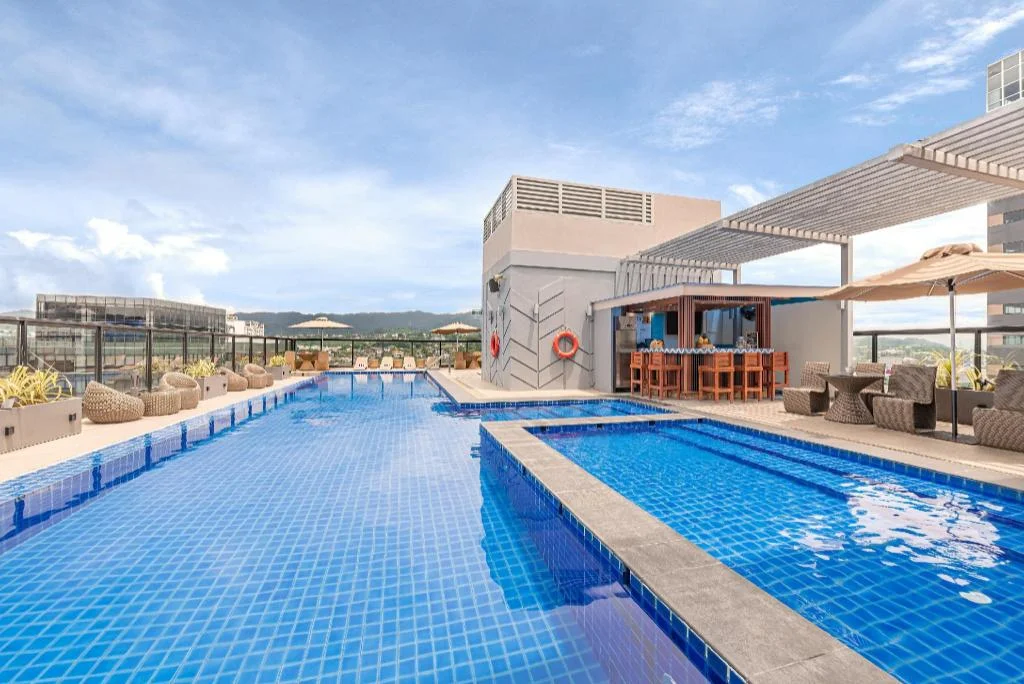
Seda Central Bloc Cebu City
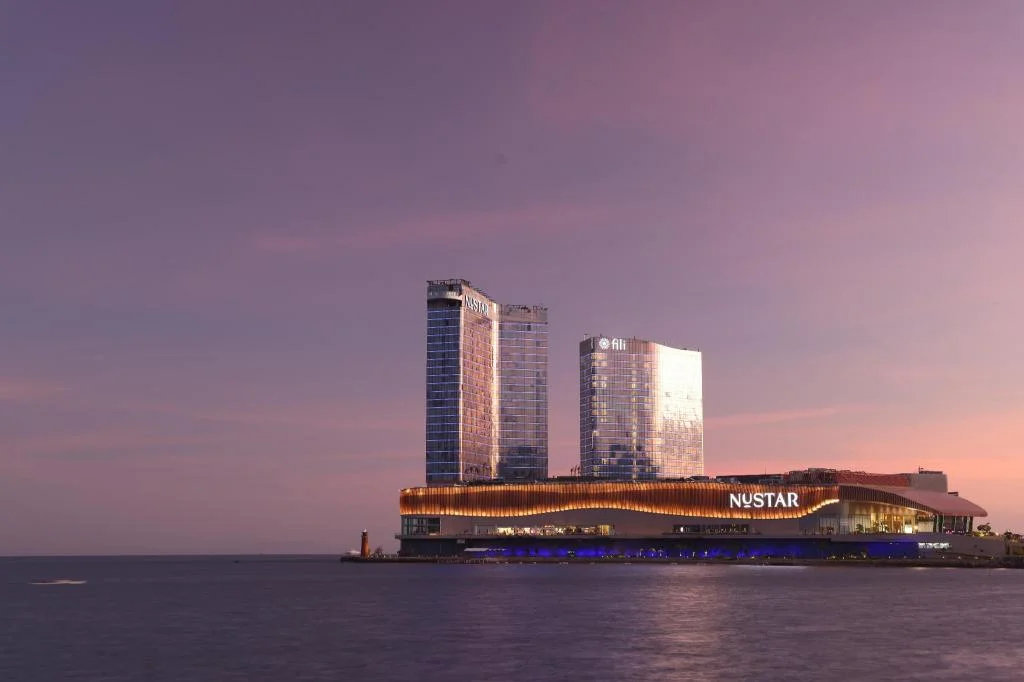
Fili Hotel - NUSTAR Resort & Casino Cebu
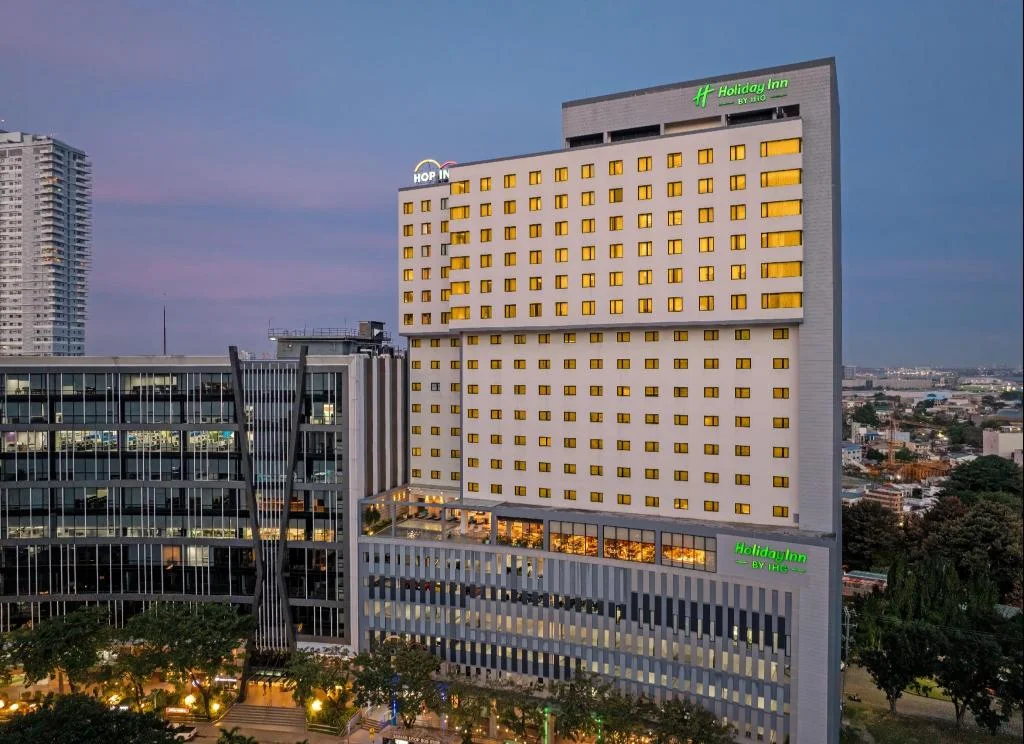
Holiday Inn Cebu City By IHG
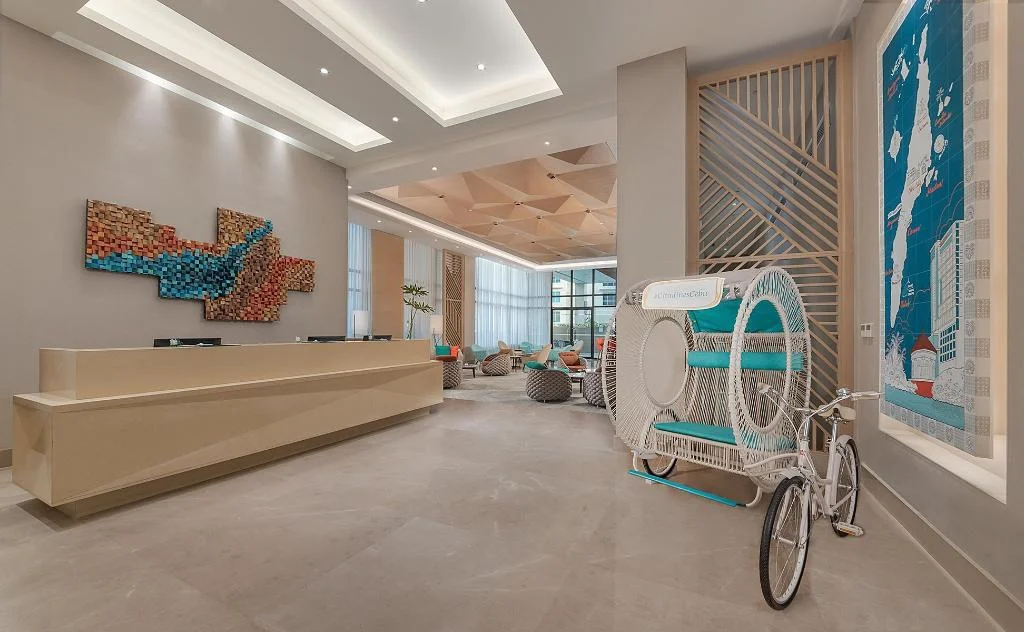
Citadines Cebu City
Prefer a rental? Vacation rentals near Cebu City
Self-catering condos and apartments — book the exact unit, kitchen included.
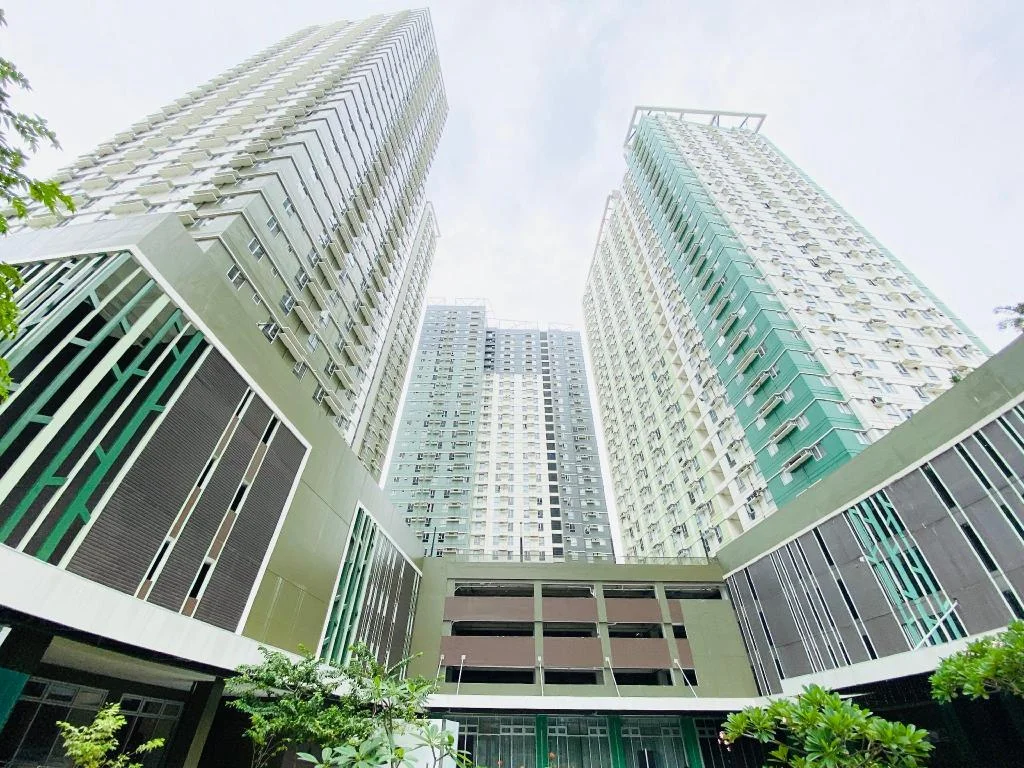
Cebu Avida Riala by P&J

Special Big Loft Unit w/Fibreop Internet & Netflix
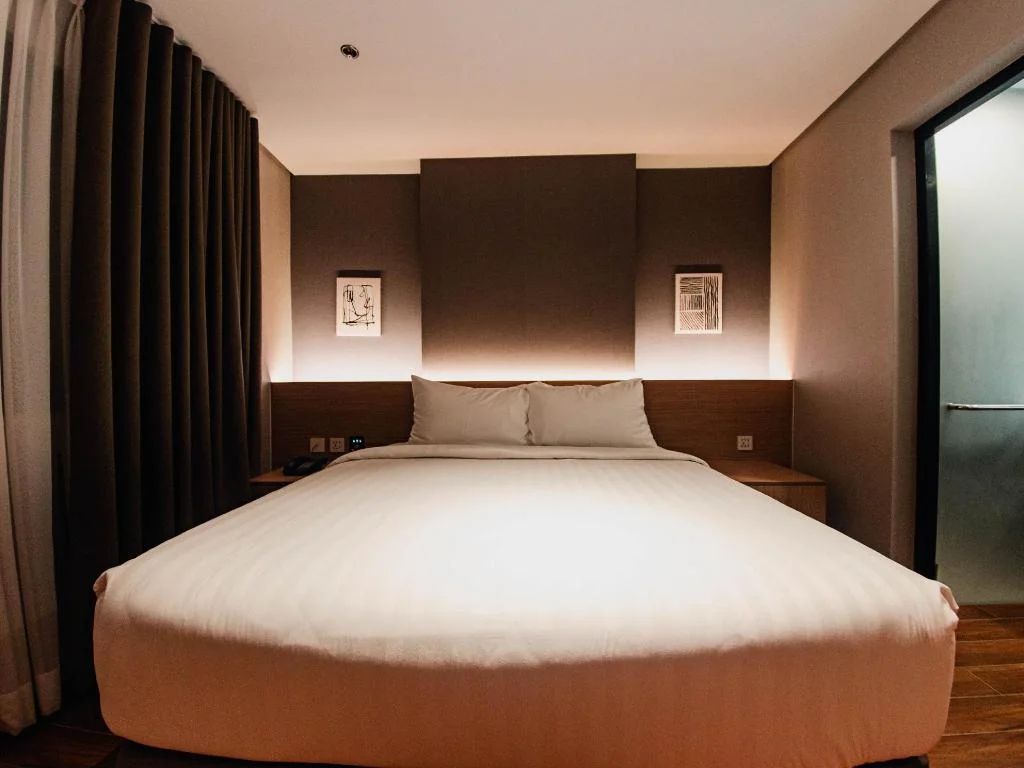
Moonstar Cebu Hotel - Deluxe Room
Before you go
Frequently asked
Do Vietnamese citizens need a visa for Cebu?
Are there direct flights from Vietnam to Cebu?
How much does a Cebu trip cost compared to Vietnam?
What's the exchange rate between Vietnamese dong and Philippine peso?
Is English widely spoken in Cebu?
What do Vietnamese travelers usually come to Cebu for?
Should I fly into Cebu or Manila first?
Do I need a local SIM card in Cebu?
More Places to Explore
Temple of Leah
Cebu City
A magnificent Roman-inspired temple built as a monument of love, nicknamed 'Cebu's Taj Mahal,' offering stunning architecture and city views.
Kawasan Falls
Badian
A stunning three-tiered waterfall famous for its turquoise waters, bamboo raft rides, and as the endpoint of the famous Badian canyoneering adventure.