
TL;DR: Cebu’s marine sanctuaries cluster in three zones — Cordova/Mactan reef flats (Hilutungan, Nalusuan), the south (Sumilon, Liloan-Santander), and Moalboal/Metro Cebu (Tongo, Silot Bay) — plus the separate bird-focused Olango Island Wildlife Sanctuary. Snorkeling fees generally run ₱100–300 (about US$2–5), diving fees ₱300–2,500 (US$5–43), and boat transport is always billed separately. Sumilon, declared in 1974, is the oldest in the Philippines. Verified July 2026.
Cebu’s coastline is dotted with small, no-take marine protected areas — patches of reef where fishing is banned so coral and fish populations can recover and “spill over” into the surrounding waters that local fishing communities depend on. For travelers, that conservation model has a side effect: some of the best, most reliable snorkeling and diving in the province is inside these sanctuaries, because the fish are simply still there. This guide is an overview of the sanctuaries you’re most likely to visit — Sumilon Island near Oslob, Hilutungan and Nalusuan off Cordova, Tongo in Moalboal, Silot Bay in Liloan, the Liloan sanctuary in Santander, and the Olango Island Wildlife Sanctuary for birds rather than reef — with what each one protects, how to get in, and what it costs.
Cebu’s Marine Sanctuaries at a Glance
| Sanctuary | Where | Protects | Fee (2026) |
|---|---|---|---|
| Sumilon Island | Oslob | Reef, sandbar, PH’s first sanctuary (1974) | ₱50 environmental fee + boat; snorkel/swim packages ~₱200–2,200 |
| Hilutungan Marine Sanctuary | Cordova (aka Gilutongan) | Coral wall, reef fish, sea turtles | ₱100–150 snorkeling; ₱300 diving |
| Nalusuan Island Marine Sanctuary | Cordova, Olango reef | Coral formations, reef fish | ₱200–400 entrance; ₱300 snorkeling; ₱2,000–2,500 diving |
| Tongo Marine Sanctuary | Moalboal | Coral wall, turtles, occasional whale sharks | ~₱100 (varies by dive shop; confirm locally) |
| Olango Island Wildlife Sanctuary | Lapu-Lapu City | Migratory shorebirds, mangroves, tidal flats | ₱100 entrance (higher with long-lens cameras) |
| Silot Bay Marine Sanctuary | Liloan (Metro Cebu) | Tidal lagoon, mangroves, fish nursery | Largely free; paid add-ons (pool, aviary) at Papa Kit’s |
| Liloan Marine Sanctuary | Santander (southern tip) | Reef drop-offs, drift-dive sites | Bundled into dive/snorkel trip pricing; confirm locally |
Fees are per person unless noted, paid in cash at the port, resort desk, or to the boatman, and don’t include boat rental or gear. Confirm exact pesos locally before you go. Verified July 2026.
What Is Sumilon Island Marine Sanctuary — and Why Does It Matter?
Sumilon, off Oslob, was declared a marine sanctuary in 1974 — the first in the Philippines — and it’s still the reference point for the country’s entire marine protected area system. More than fifty years of no-take protection built up dense schools of fusiliers, snappers, and parrotfish, plus regular sea turtle sightings, on a reef that starts just a few steps from shore. The island is privately managed today under Bluewater Sumilon Island Resort, so access runs through a coordinated day tour rather than an independent banca trip: expect a boat fare (around ₱1,500 per boat) plus a small per-person environmental fee (~₱50), with swim or snorkel packages running higher — travelers report figures up to roughly ₱2,200 (about US$38) for a full day pass that includes gear, the sandbar, and hiking trails. It’s a 20-minute banca ride from Oslob, which makes it an easy add-on to a whale shark watching morning.
What’s Protected at Hilutungan and Nalusuan?
Hilutungan and Nalusuan sit on the same Olango reef system off Cordova and protect a coral wall and reef-fish population that’s become the standard “3-island tour” out of Mactan. Hilutungan (also spelled Gilutongan — it’s the same sanctuary, just two common transliterations of the same name) has visibility that regularly exceeds 20 meters and schools of batfish, giant trevally, and damselfish in water shallow enough to snorkel. Nalusuan adds a long boardwalk over the reef flat and its own resort. Snorkeling fees at each run roughly ₱100–300 per person, with diving priced separately and higher (up to ₱2,000–2,500 at Nalusuan for a guided dive). Both are a 45-minute to one-hour banca ride from Mactan ports like Ocean Pearl or Angasil, and nearly every joiner island-hopping tour out of Mactan stops at one or both — see our Mactan island hopping guide for operator comparisons.
What Does Tongo Marine Sanctuary Protect in Moalboal?
Tongo Point, on the quieter southern edge of Moalboal’s coastline, protects a coral wall that drops past 55 meters but starts shallow enough — around 5 meters — to snorkel comfortably. It’s less crowded than Moalboal’s famous sardine run and Pescador Island crossing, and divers and snorkelers report scorpionfish, lionfish, turtles, barracuda, nudibranchs, and the occasional whale shark passing through. There’s no single published entrance fee as clean as Hilutungan’s — pricing tends to be folded into what your dive shop or boat operator charges for the outing, in the ₱100 range as a rough baseline. Confirm the exact number with the shop before booking. Tongo pairs naturally with a longer south Cebu itinerary that also covers Kawasan Falls canyoneering.
What Is Olango Island Wildlife Sanctuary — and How Is It Different From the Reef Sanctuaries?
Olango Island Wildlife Sanctuary is a Ramsar-listed wetland that protects migratory shorebirds, not coral — a genuinely different kind of sanctuary from Hilutungan and Nalusuan, even though all three sit in the same Olango reef area near Lapu-Lapu City. Up to 40,000 migratory birds pass through during peak season (roughly September–November and February–April), and of the 97 recorded species on the island, 48 are migratory. Entrance runs about ₱100 per person — reportedly more (around ₱500) if you’re carrying a long camera lens, so confirm current policy at the gate. The sanctuary lends binoculars free, subject to availability, and is open daily, 9 AM–5 PM. It’s a worthwhile half-day add-on if you’re already doing Hilutungan or Nalusuan, since boats to all three depart from similar Mactan-side ports.
What About Silot Bay and the Liloan Sanctuary in Santander?
Silot Bay in Liloan (Metro Cebu, not to be confused with Santander at the southern tip) is a roughly 100-hectare shallow tidal lagoon with mangrove swamps and fishponds that function as a fish nursery rather than a snorkeling destination. The main public-facing attraction inside it, Papa Kit’s Marina and Fishing Lagoon, doesn’t charge a blanket entrance fee for outdoor areas, though its aviary (₱20) and swimming pool (₱150) are priced separately, and some reports describe a ₱100 entry that’s consumable toward food.
The Liloan Marine Sanctuary in Santander, at Cebu’s southernmost tip near the Southernmost Tip of Cebu landmark, is a different place entirely — a reef drop-off (“Liloan Drifts”) known among divers for strong currents and drift diving. There’s no single published walk-up fee; pricing is typically bundled into what local dive resorts in Santander charge per dive or snorkel trip. If you’re combining it with Sumilon, which is a short hop from the same stretch of coast, ask your operator whether one trip can cover both.
How Do You Choose Which Sanctuary to Visit?
Match the sanctuary to what’s already on your itinerary rather than making a special trip. If you’re based in Mactan or Cebu City, Hilutungan and Nalusuan are the default — easy joiner tours, shallow water, and gear rentable on the boat. If you’re already heading south for whale sharks in Oslob, add Sumilon; it’s a 20-minute banca ride from the same port. If you’re in Moalboal for the sardine run, Tongo is the quieter alternative to the crowded Pescador Island crossing. And if birds interest you more than fish, Olango’s wildlife sanctuary is worth a dedicated half-day, ideally during peak migration months.
The Honest Take
Not every sanctuary lives up to the name. Enforcement varies — some are patrolled seriously, others less so, and a few “sanctuaries” in this list (Silot Bay, the Santander stretch) are managed loosely enough that the fee structure is inconsistent and locals will quote you different numbers on different days. Hilutungan and Nalusuan get genuinely crowded on weekends and holidays, when several tour boats converge at once and the “pristine reef” experience turns into a scrum of snorkelers standing on the same sandbar. Sumilon’s private management under a resort means prices creep upward and the experience feels more transactional than a true community-run sanctuary. If solitude matters to you, go on a weekday morning, and consider Tongo over the more heavily marketed spots — it sees a fraction of the boat traffic. Skip the reef sanctuaries entirely during and right after storms, when visibility drops to near zero and boat operators should (but don’t always) cancel trips.
Combine It With the Rest of Cebu
Most of these sanctuaries slot naturally into a bigger day: pair Hilutungan or Nalusuan with a broader look at the best snorkeling spots in Cebu, or go deeper with the best dive sites in Cebu if you’re certified. For a focused look at the Cordova reef system specifically, see our Olango and Hilutungan diving guide. If eco-tourism and conservation are the draw rather than just the snorkeling, our best eco-tourism experiences in Cebu rounds out the picture. Ready to book a boat? Compare Cebu island-hopping and snorkeling tours on Klook or browse similar activities on GetYourGuide.
Sources
- Sugbo.ph — Underwater Wonders: Marine Sanctuaries in Cebu
- Liloan LGU — Silot Bay
- PADI Dive Site — Tongo Point Marine Sanctuary
- Neptune Diving — Dive Sites in Santander
- Wikipedia entries for Gilutongan Island and Silot Lagoon (background, jurisdiction)
- Fees compiled from current tour operator and resort listings (Sumilon, Nalusuan, Olango); confirm exact pesos locally. Verified July 2026.
Book Tours & Hotels for This Trip
Find and book the best deals — prices and availability update in real time. Links open in a new tab.
Where to stay near Moalboal
Top-rated hotels for this trip — tap through to check live rates.
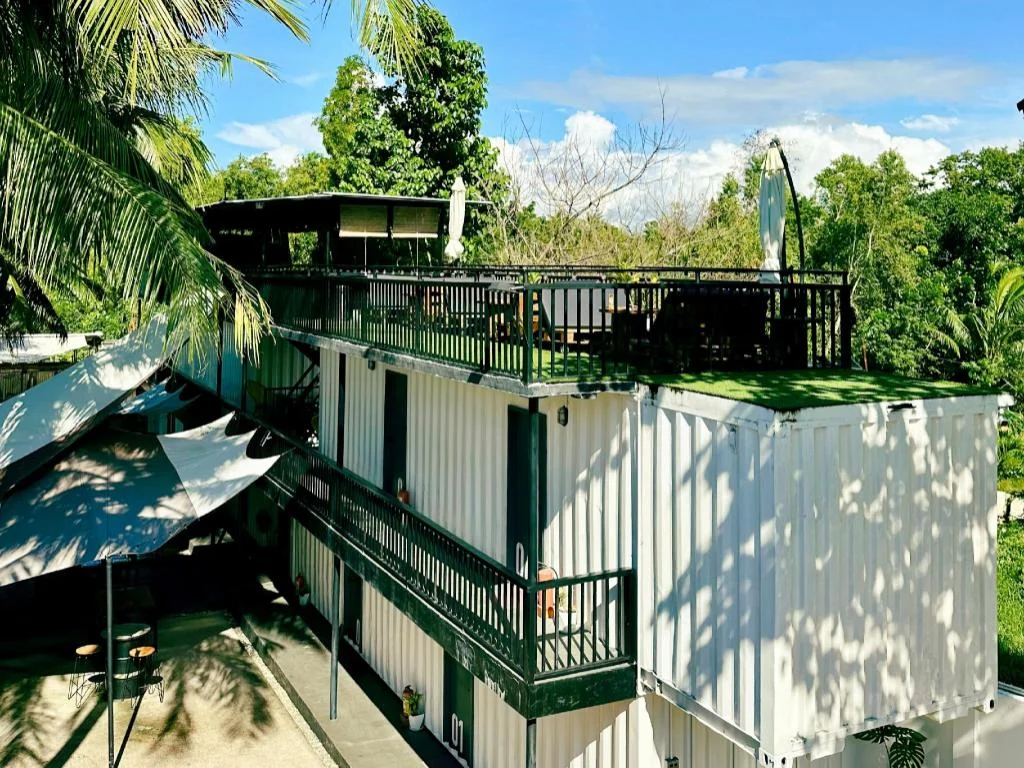
PIG DIVE HOSTEL MOALBOAL
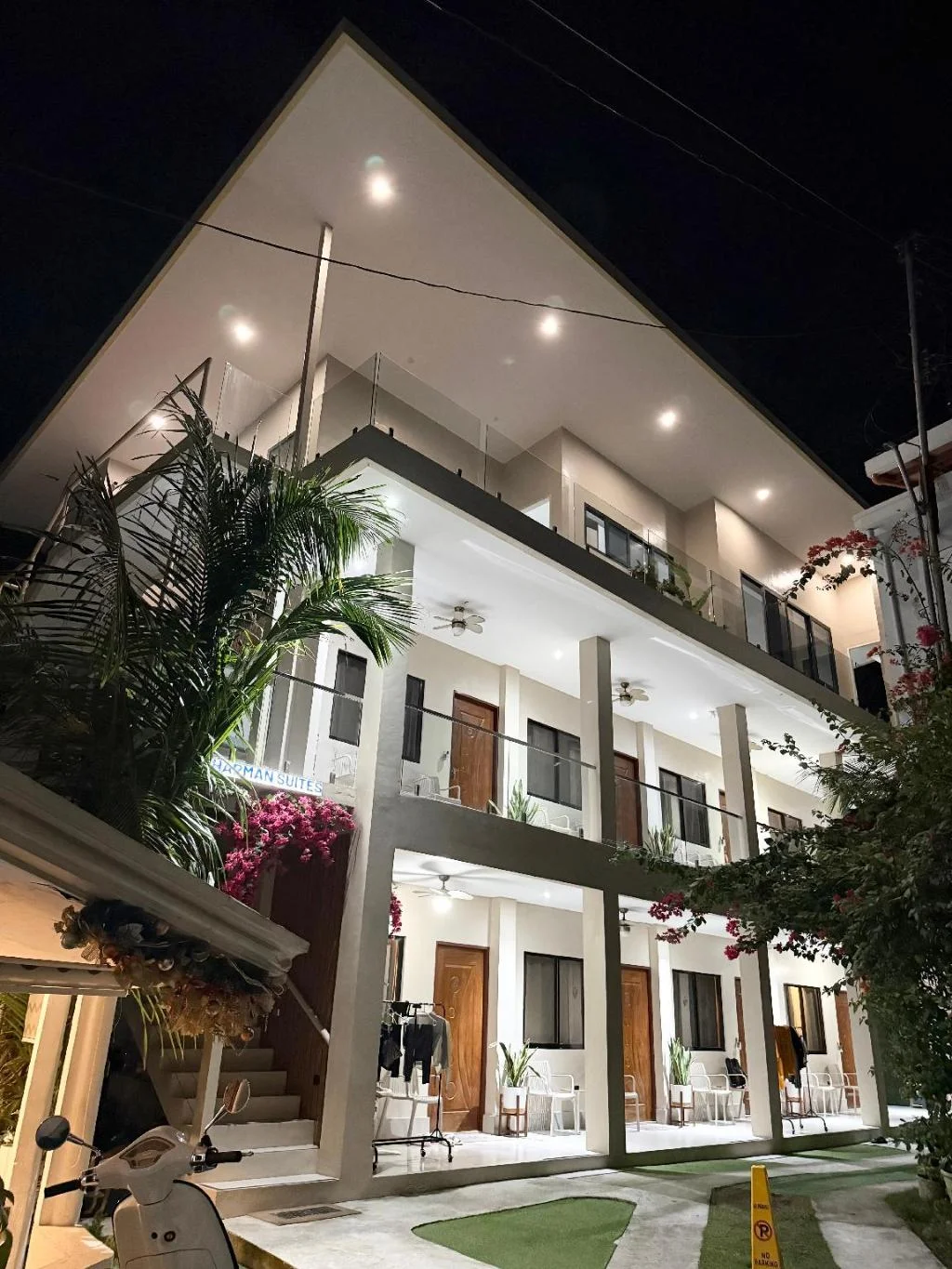
Harman Suites Moalboal
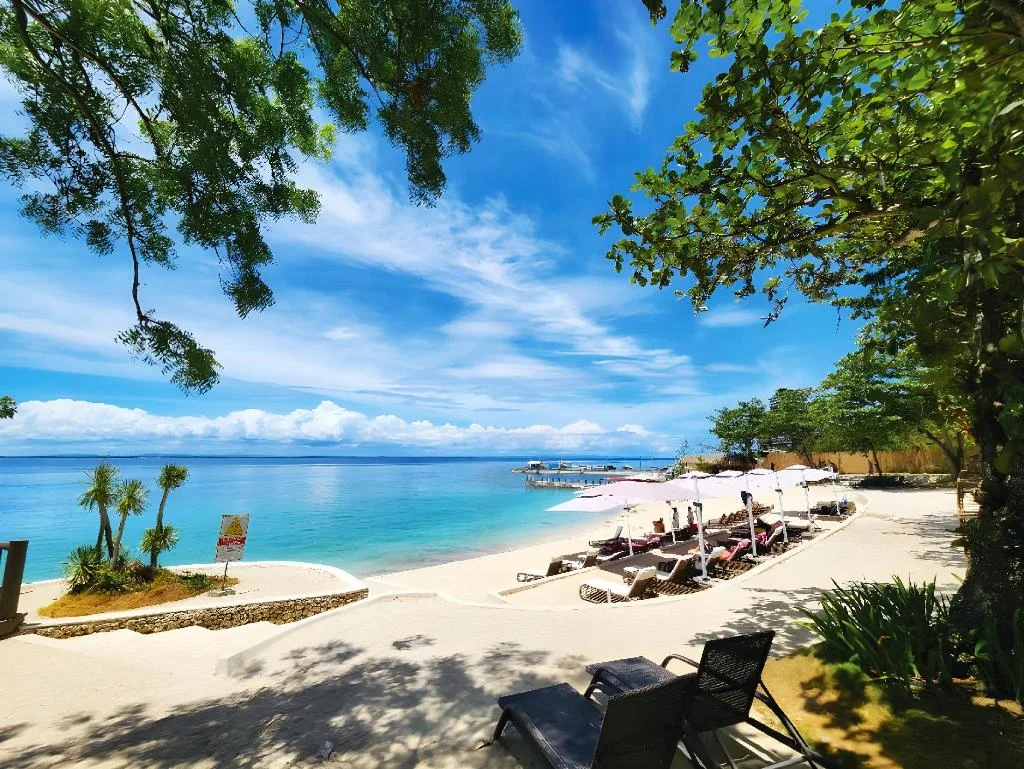
Mercure Mactan Cebu
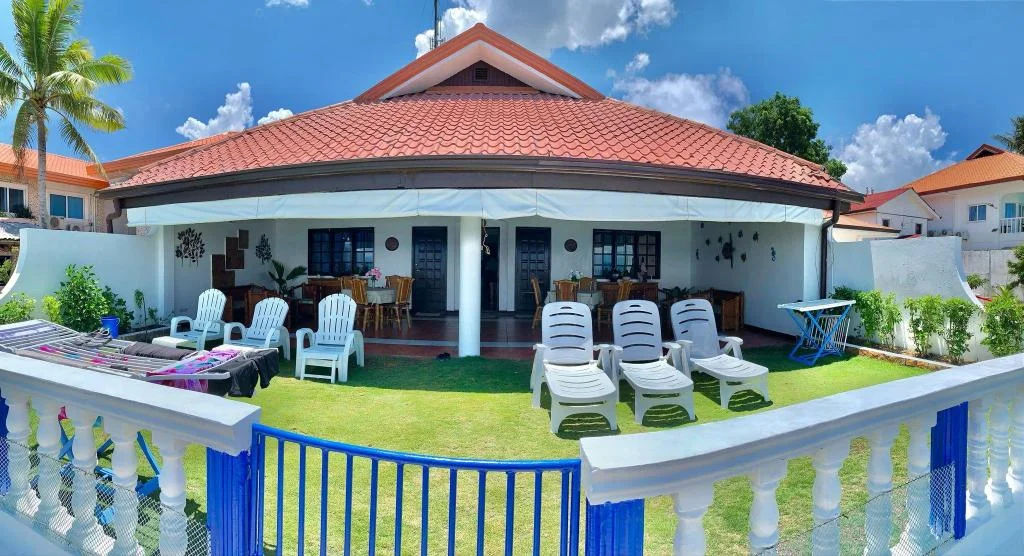
Il Sogno Resort
Prefer a rental? Vacation rentals near Moalboal
Self-catering condos and apartments — book the exact unit, kitchen included.
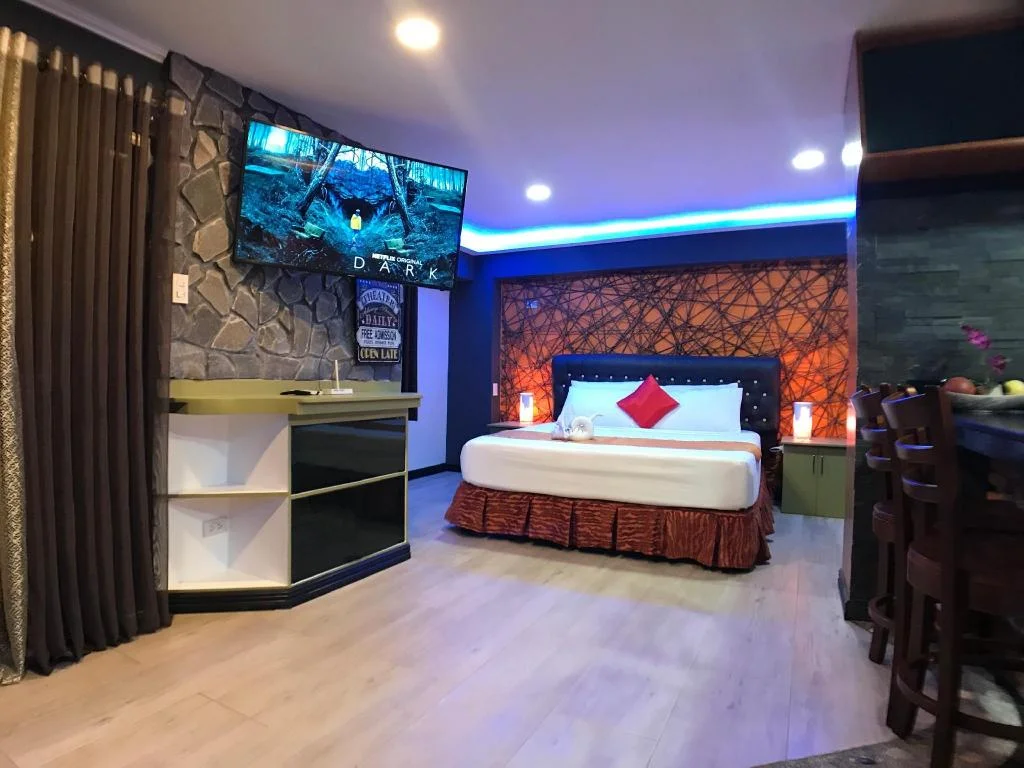
ClockWorkOrange Luxury Suites
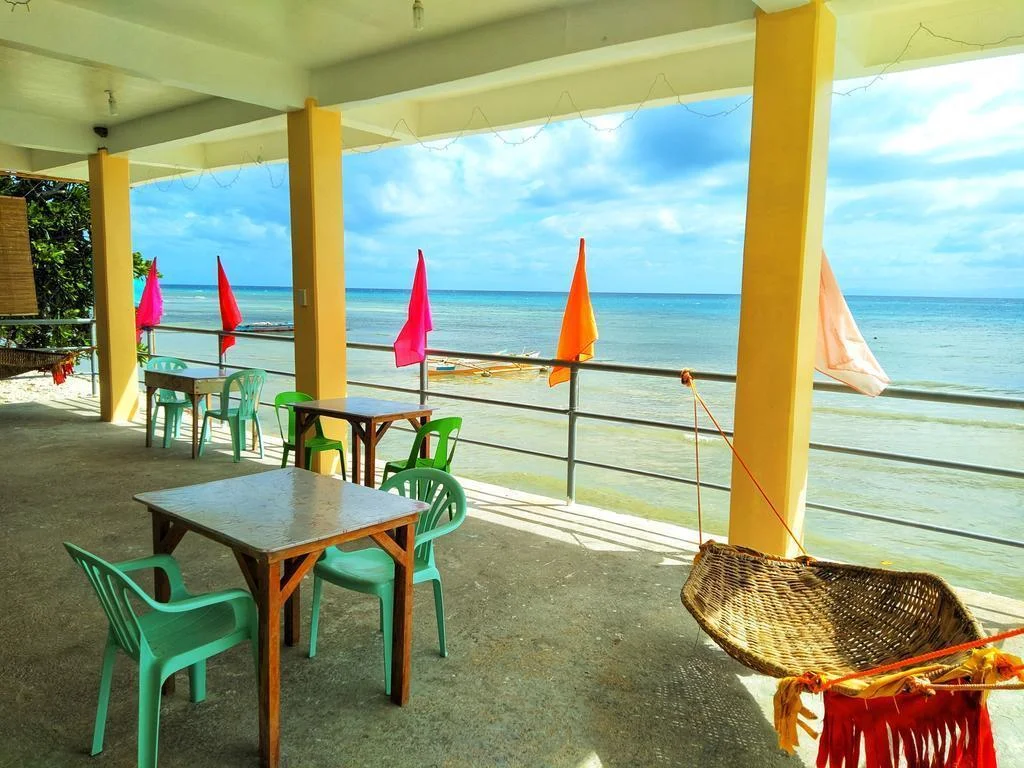
Ocean View Lodging House
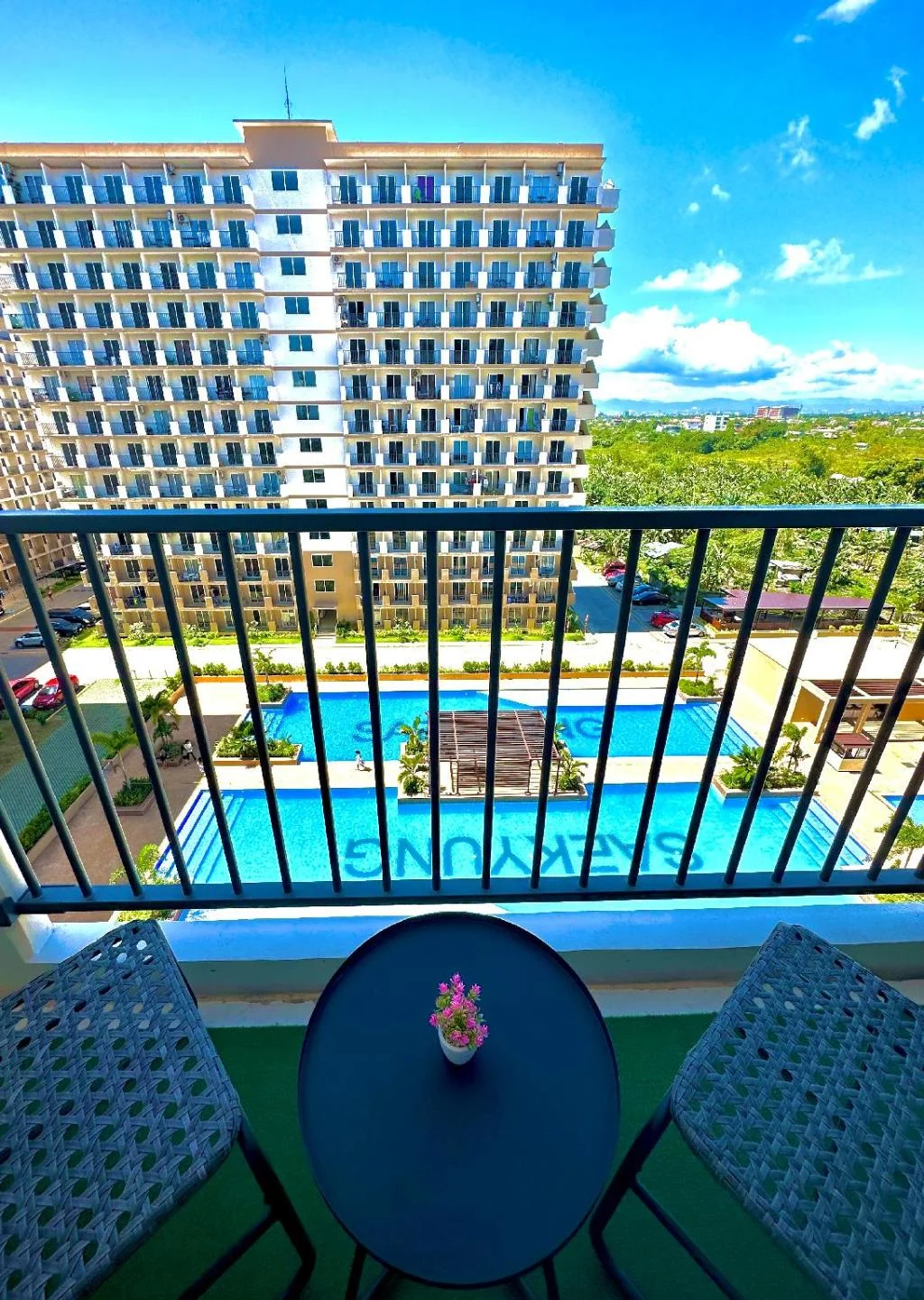
Condo with POOL/BALCONY/KITCHEN/NETFLIX/HOT SHOWER
Before you go
Frequently asked
How many marine sanctuaries does Cebu have?
Which Cebu marine sanctuary is best for beginners?
Do you need a guide or can you just show up?
Are the fees the same everywhere?
Is Olango Island a marine sanctuary too?
What's the single most important sanctuary to know about?
Can you dive and snorkel at the same sanctuary?
Do these fees include boat transport?
More Places to Explore
Sumilon Island
Oslob
A pristine coral island with a famous shifting white sandbar, excellent snorkeling, and the distinction of being the Philippines' first marine sanctuary.
Hilutungan Marine Sanctuary
Lapu-Lapu City
One of the Philippines' oldest marine sanctuaries with pristine coral reefs, abundant tropical fish, and excellent snorkeling for all skill levels.
Nalusuan Island Marine Sanctuary
Lapu-Lapu City
A small island sanctuary famous for its 500-meter wooden pier over turquoise waters, with excellent snorkeling and resort facilities.
Tongo Marine Sanctuary
Moalboal
A protected marine sanctuary featuring pristine coral gardens, diverse marine life, and excellent macro photography opportunities.
Silot Bay Marine Sanctuary
Liloan
A community-managed marine sanctuary near Metro Cebu with healthy coral reefs and diverse marine life for snorkeling and diving.