
TL;DR: You don’t need to dive to see Cebu’s best marine life. Snorkel the free Moalboal sardine run (₱225-275, ~US$4-5, just offshore from Panagsama Beach), watch Oslob whale sharks from the boat for ₱1,000 (~US$17) with no swimming required, snorkel a Mactan marine sanctuary like Hilutungan or Nalusuan (₱150-400, ~US$3-7), or go fully dry with a glass-bottom boat or an air-fed helmet dive (from ₱1,850, ~US$32) that lets total non-swimmers walk the seabed. Verified July 2026.
Cebu’s reputation is built on world-class diving, but most of what makes that diving famous — the Moalboal sardine run, the whale sharks of Oslob, the coral gardens of Hilutungan — sits in water shallow enough to see without a tank on your back. This guide is for anyone who wants the marine life without the certification: snorkelers, nervous first-timers, non-swimmers, families with kids, and travelers who just don’t want to spend a day on PADI paperwork. It covers what you can realistically see, what it costs, and which option fits your comfort level, from a free shore snorkel to a fully dry boat ride where you never touch the water. Every price below is what operators and locals were charging as of mid-2026 — confirm exact rates locally, since Cebu’s tour pricing shifts with season and fuel costs.
At a Glance: Non-Diving Marine Experiences in Cebu
Verified July 2026.
| Experience | What You’ll See | Price (₱ / US$) |
|---|---|---|
| Moalboal sardine run — DIY snorkel | A shifting bait ball of millions of sardines, 20-30m off Panagsama Beach | ₱225-275 (~US$4-5) fee + gear |
| Moalboal sardine run — guided | Same, plus a guide, safety, and often turtles/Pescador added | ₱300-500 (~US$5-9) add-on; ₱1,500-2,500 for a full combo day |
| Oslob whale sharks — surface watching | Whale sharks feeding at the surface, viewed from your boat | ₱1,000 (~US$17) |
| Oslob whale sharks — snorkeling | Same, in the water beside them, life vest mandatory | ₱1,200-1,300 (~US$21-22) |
| Hilutungan Marine Sanctuary | Coral wall and reef fish, occasional turtles | ₱150-250 (~US$3-4) entrance + boat |
| Nalusuan Marine Sanctuary | Shallow house reef, giant clams, calm water | ₱400 (~US$7) entrance + boat |
| Sumilon Island sandbar + snorkel | Protected reef, a moving sandbar, turtles | ₱50 fee + ₱2,200 (~US$1 + US$38) swim package; boat ~₱1,500/boat shared |
| Helmet diving / sea walking (Mactan) | Reef and fish from the seabed, walking, no swimming | from ₱1,850 (~US$32) for ~15 min |
| Glass-bottom boat (Mactan resorts) | Reef and fish through a hull window, zero water contact | varies by resort — confirm locally |
Do You Actually Need to Dive to See Cebu’s Marine Life?
No — most of what divers come to Cebu for happens in water 1-5 meters deep, well within snorkeling or even boat-viewing range. The sardine run sits at the surface. Whale sharks feed at the surface. Mactan’s marine sanctuaries are shallow, protected reef flats built specifically for snorkelers. Diving gets you more time and more depth, but the headline sightings — sardines, turtles, whale sharks, reef fish — are all visible from a mask and snorkel or, in some cases, without even getting wet.
The real decision isn’t “dive or nothing,” it’s matching the experience to how comfortable you are in open water.
How Do You Snorkel the Moalboal Sardine Run Without Diving?
Wade in from Panagsama Beach or Basdiot and swim about 20-30 meters straight out — no boat, no booking, and the sardines themselves cost nothing to see. The bait ball of sardines schools over the drop-off just offshore, and on a good morning you’re swimming through a moving, shape-shifting wall of fish a few meters deep.
Budget travelers do this completely independently: pay the roughly ₱25 environmental fee, rent a mask and snorkel for ₱200-250, and swim out on your own. If you’d rather not navigate it solo, beach guides charge ₱300-500 to walk you out, keep you oriented, and hand you a life jacket — worth it if you’re a weaker swimmer or want photos. Full guided combo tours that add Turtle Point and Pescador Island run ₱1,500-2,500 per person through a joiner boat, or considerably more for a private charter.
Go between 6:00 and 8:00 AM. That’s when the water is calmest, the light is best for photos, and the sardine ball tends to be at its largest and least scattered by other swimmers. By late morning, boat traffic and midday sun break up the school and the visibility drops.
Can You See Sea Turtles Without Diving?
Yes — Moalboal is the most reliable spot. Turtle Point and the reef around Pescador Island have frequent sea turtle sightings on an ordinary snorkel, since the turtles feed on the seagrass and sponges in shallow water close to shore. Most sardine-run guides will detour to a turtle spot as part of the same swim or add it to a Pescador Island hopping trip.
Mactan’s sanctuaries can also turn up turtles, but it’s a bonus, not a guarantee — you’re there primarily for the coral and reef fish. If turtles are your priority, base yourself in Moalboal rather than Mactan. Our swimming with sardines and turtles guide covers exact spots and timing in more detail.
Is Oslob Whale Shark Watching Possible If You Can’t Swim?
Yes, and it’s arguably the easiest big-marine-life encounter in Cebu for non-swimmers. The standard ₱1,000 (~US$17) fee includes a life vest, an assigned bangkero, registration, and about 30 minutes at the site — and you can watch the whale sharks feed at the surface without ever leaving the outrigger boat. If you want to be in the water with them, the same mandatory life vest applies whether you can swim or not, so you’re floating and looking, not swimming laps.
Snorkeling in the water with the whale sharks costs roughly ₱1,200-1,300 total once you add the snorkel upgrade; mask and snorkel rental runs ₱100-200, and an underwater camera rental is ₱300-500 if you don’t have your own. Sessions run 6:00 AM to 12:00 PM only — arrive by 6:00-7:00 AM for the shortest lines and calmest water. Sunscreen is banned in the water (it affects the whale sharks and reef), so wear a rash guard instead.
One honest caveat: the whale sharks at Oslob are provisioned — fed by hand from boats to keep them close to shore — and that practice is genuinely controversial among marine biologists and divers. It’s also exactly what makes this a viable non-diver, near-guaranteed sighting. If the ethics bother you, read our breakdown in the Oslob whale sharks ethical debate and alternatives guide before booking.
What Do Glass-Bottom Boats and Helmet Diving Actually Show You?
These are the two “you don’t even need to get wet” options, and they show you the reef and fish from completely different vantage points.
Helmet diving (sea walking) is available through several Mactan operators near the Shangri-La and other beachfront resorts on the Punta Engaño side. You wear a heavy, air-fed helmet that keeps water out and air flowing, then walk down a ladder onto the sandy seabed, usually 3-5 meters down, surrounded by reef fish that operators often hand-feed to keep close. It requires zero swimming ability — you’re walking, not swimming, and the helmet’s weight keeps you anchored to the bottom. Rates start around ₱1,850 (~US$32) for a roughly 15-minute session; confirm the current price and duration with the specific operator, since Mactan has several running similar setups at different prices.
Glass-bottom boat rides go a step further for anyone who doesn’t want any water contact at all — young kids, older travelers, or anyone uneasy about open water. You sit in a boat with a clear panel in the hull and watch the reef and fish pass beneath you, typically over a marine sanctuary like the one near Hilutungan. Several Mactan resorts and operators offer these as a standalone activity or bundled into a beach day; pricing varies enough by resort that it’s worth asking directly rather than assuming a fixed rate.
Neither of these replaces the clarity and color you get with your face actually in the water, but both solve a real problem: seeing Cebu’s reefs when snorkeling isn’t an option for you or someone in your group.
Which Mactan Marine Sanctuary Is Best for Snorkeling?
Hilutungan and Nalusuan are the two most visited, and each has a slightly different character.
Hilutungan Marine Sanctuary has a steeper coral wall with better fish density, and it’s usually the highlight stop on a Mactan island-hopping route. Entrance runs ₱150-250 per person, on top of your boat fare.
Nalusuan Island Marine Sanctuary is shallower and calmer, better suited to nervous swimmers and kids, with giant clams and a gentler house reef. Entrance is a flat ₱400 per person, a bit steeper than Hilutungan but often paired with beach access on the island itself.
Most people don’t choose one or the other — standard Mactan island-hopping packages visit both plus a third island (often Caohagan) in a single day. Joiner (shared) boat tours run ₱1,500-2,500 per person, while package tours that bundle lunch, snorkel gear, and a guide run ₱2,000-3,500. Marine sanctuary entrance fees are usually charged separately at each stop. See our full Mactan island-hopping guide for operator comparisons.
How Do You Choose the Right Non-Diving Experience?
Match the activity to your comfort level and what you actually want to see:
- Want the single most famous sight, don’t want to swim at all: Oslob whale sharks, boat-viewing only.
- Want turtles, don’t mind an open-water swim: Moalboal’s Turtle Point or Pescador Island.
- Want a completely free experience and are a confident swimmer: the Moalboal sardine run, DIY.
- Want calm, shallow water good for kids: Nalusuan Marine Sanctuary in Mactan.
- Can’t swim at all but still want to be underwater: helmet diving in Mactan.
- Don’t want to get wet, period: a glass-bottom boat.
- Want a sandbar plus a protected reef in one stop: Sumilon Island off Oslob.
If you’re weighing whether to just get certified instead, our snorkeling vs. diving in Cebu guide walks through that trade-off directly.
The Honest Take
Cebu markets itself hard on diving, but honestly, snorkelers and non-swimmers get a very fair deal here — the sardine run and the Mactan sanctuaries are genuinely built for shallow water, not just diver leftovers. The one place to go in with open eyes is Oslob: it’s the easiest, most reliable whale shark encounter in the Philippines for anyone who can’t or won’t dive, but the feeding practice that makes it reliable is also the thing conservationists push back on. Go if you want to see it, just don’t pretend it’s a wild, unmanaged encounter.
Best time overall is dry season (December-May), especially early mornings before boat traffic churns up the water at Moalboal and before the queues build at Oslob. Skip midday at any of these spots if you want clear water and fewer people in your photos. And if you’re on a budget, the sardine run is the best value in Cebu, period — a near-mythical marine spectacle that costs less than a cup of coffee.
Ready to Go
Pair a morning at the Moalboal sardine run with an afternoon looking for turtles, or build a south Cebu day combining Oslob whale sharks with the Sumilon Island sandbar. If you’re based near Mactan, a single island-hopping trip to Hilutungan covers your reef fix without a long transfer south.
Compare Moalboal and Oslob snorkeling tours on Klook or browse Mactan island-hopping and helmet diving options on GetYourGuide to book ahead — both fill up fast in peak season.
Sources
- Oslob whale shark watching prices and rules — WhyCebu
- Oslob Whale Shark 2026 pricing and hours — Hale Manna Blog
- Moalboal sardine run guide — WhyCebu
- Moalboal sardine run complete guide 2026 — Diving Escapades
- Hilutungan Marine Sanctuary dive site — PADI
- Nalusuan Island Marine Sanctuary — Tripadvisor
- Sumilon Island travel guide 2026 — Sugbo.ph
- Helmet diving Mactan — Cebu Tours
- Mactan island-hopping and marine sanctuary entrance fees cross-checked against multiple 2026 operator listings. Verified July 2026.
Book Tours & Hotels for This Trip
Find and book the best deals — prices and availability update in real time. Links open in a new tab.
Where to stay near Moalboal
Top-rated hotels for this trip — tap through to check live rates.
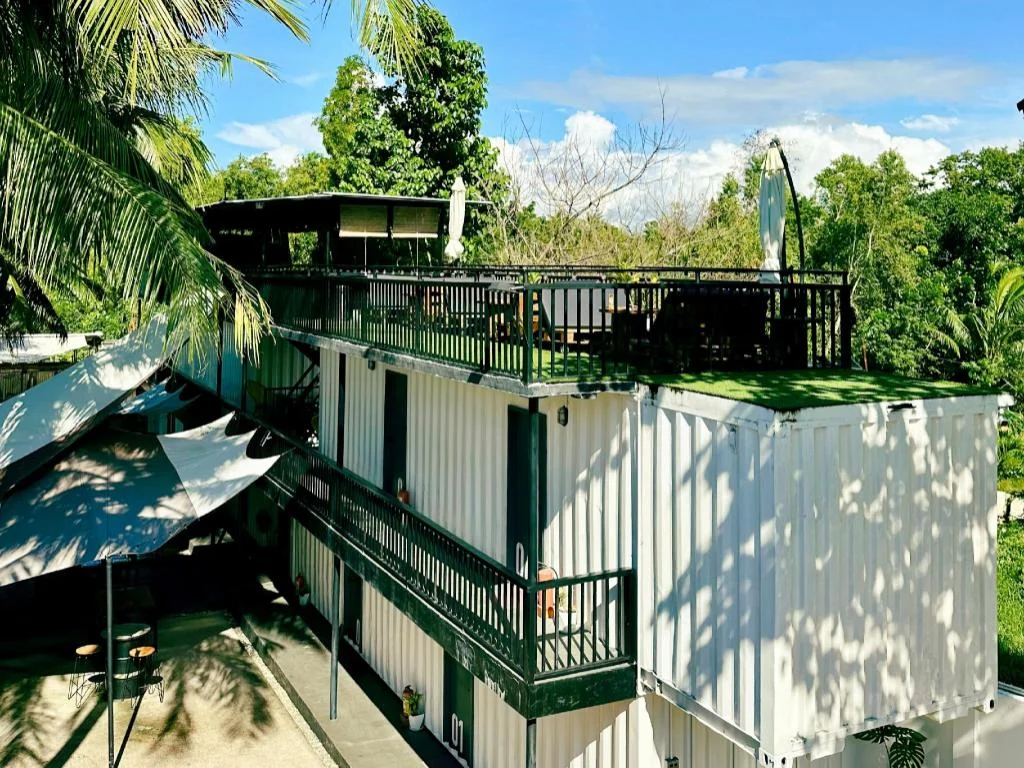
PIG DIVE HOSTEL MOALBOAL
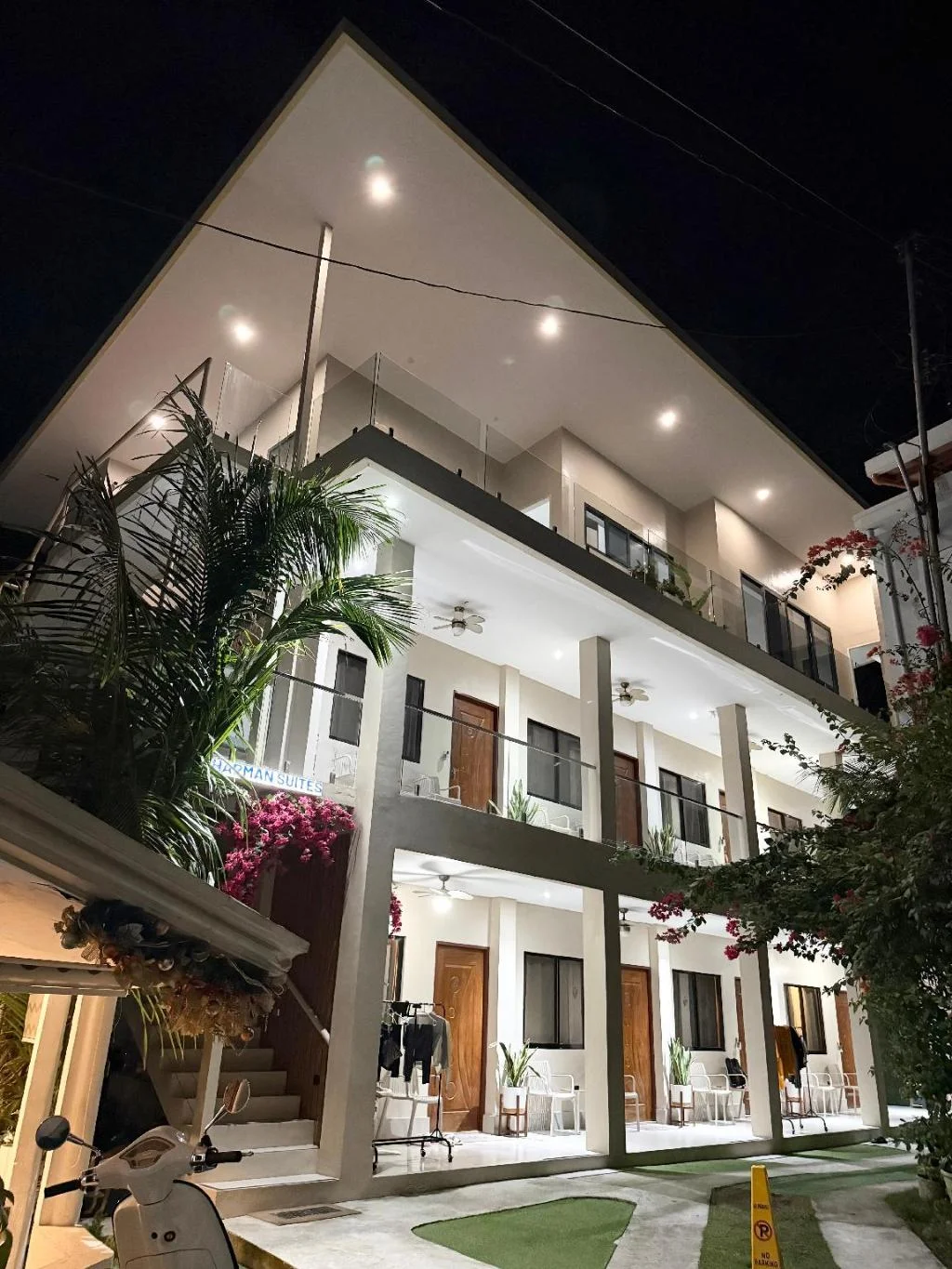
Harman Suites Moalboal
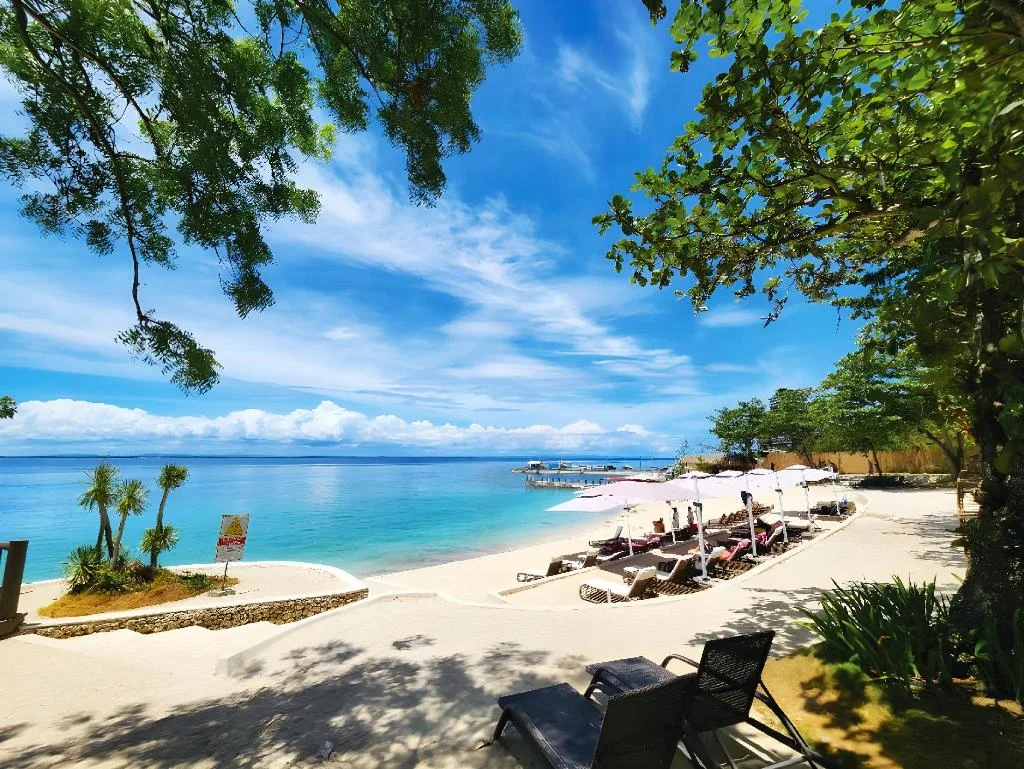
Mercure Mactan Cebu
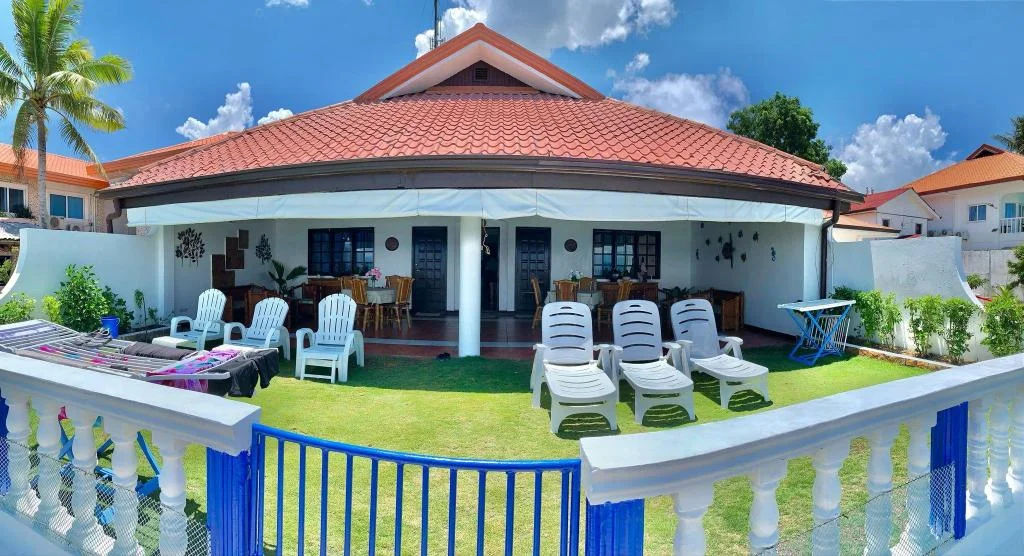
Il Sogno Resort
Prefer a rental? Vacation rentals near Moalboal
Self-catering condos and apartments — book the exact unit, kitchen included.
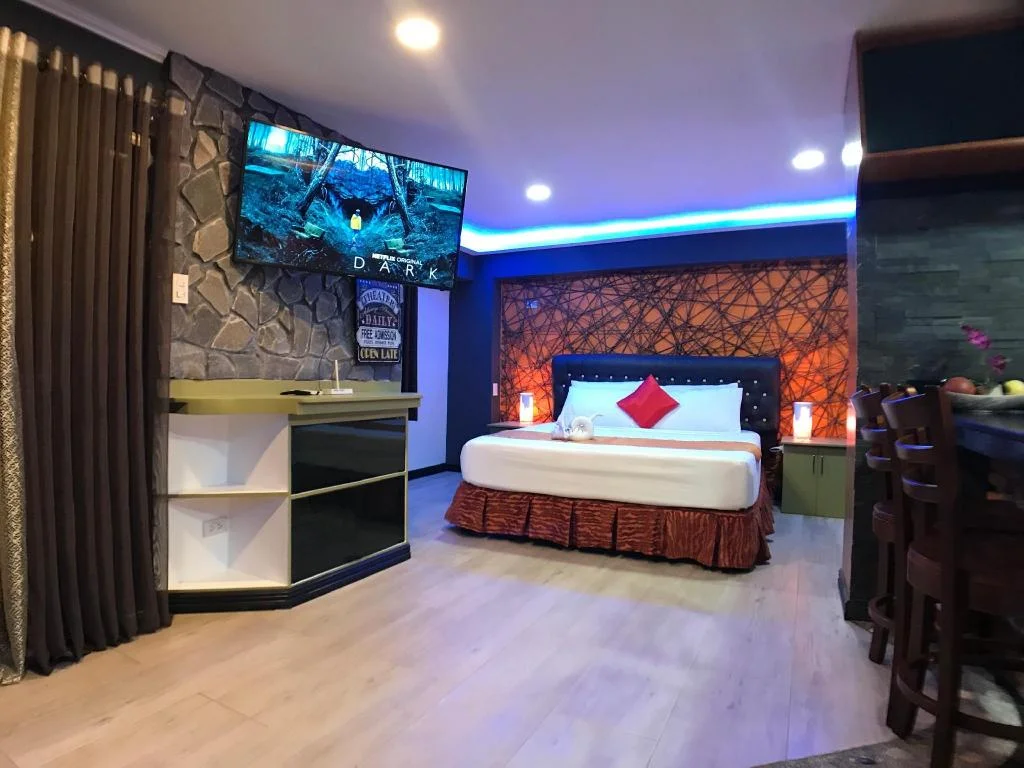
ClockWorkOrange Luxury Suites
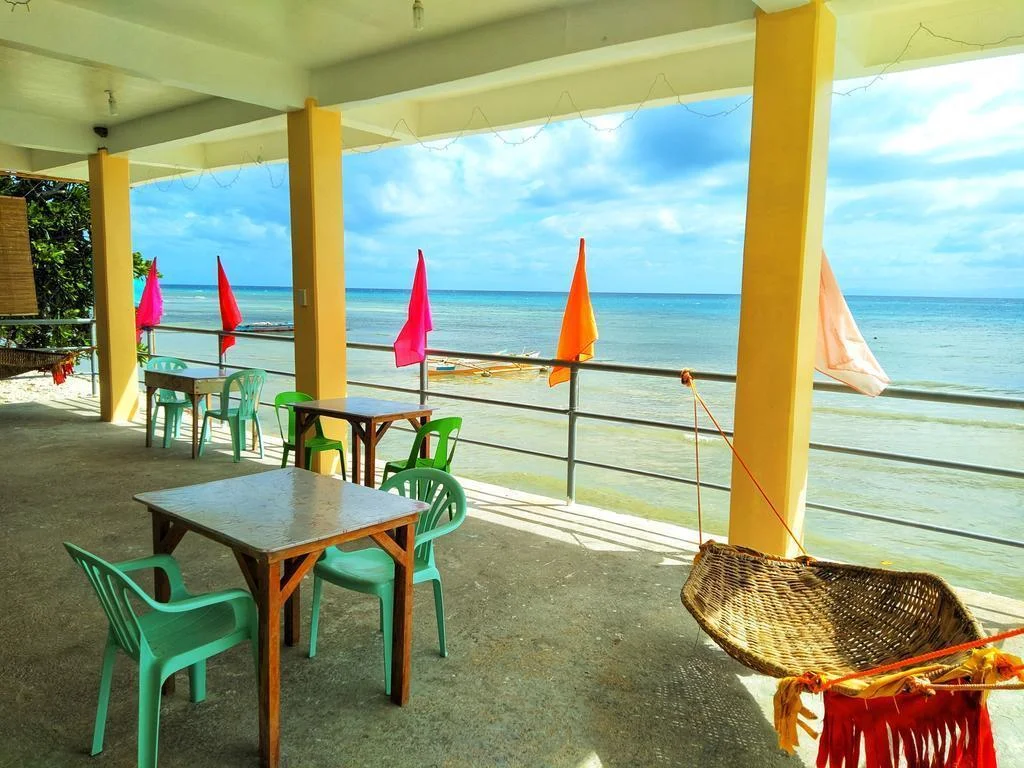
Ocean View Lodging House
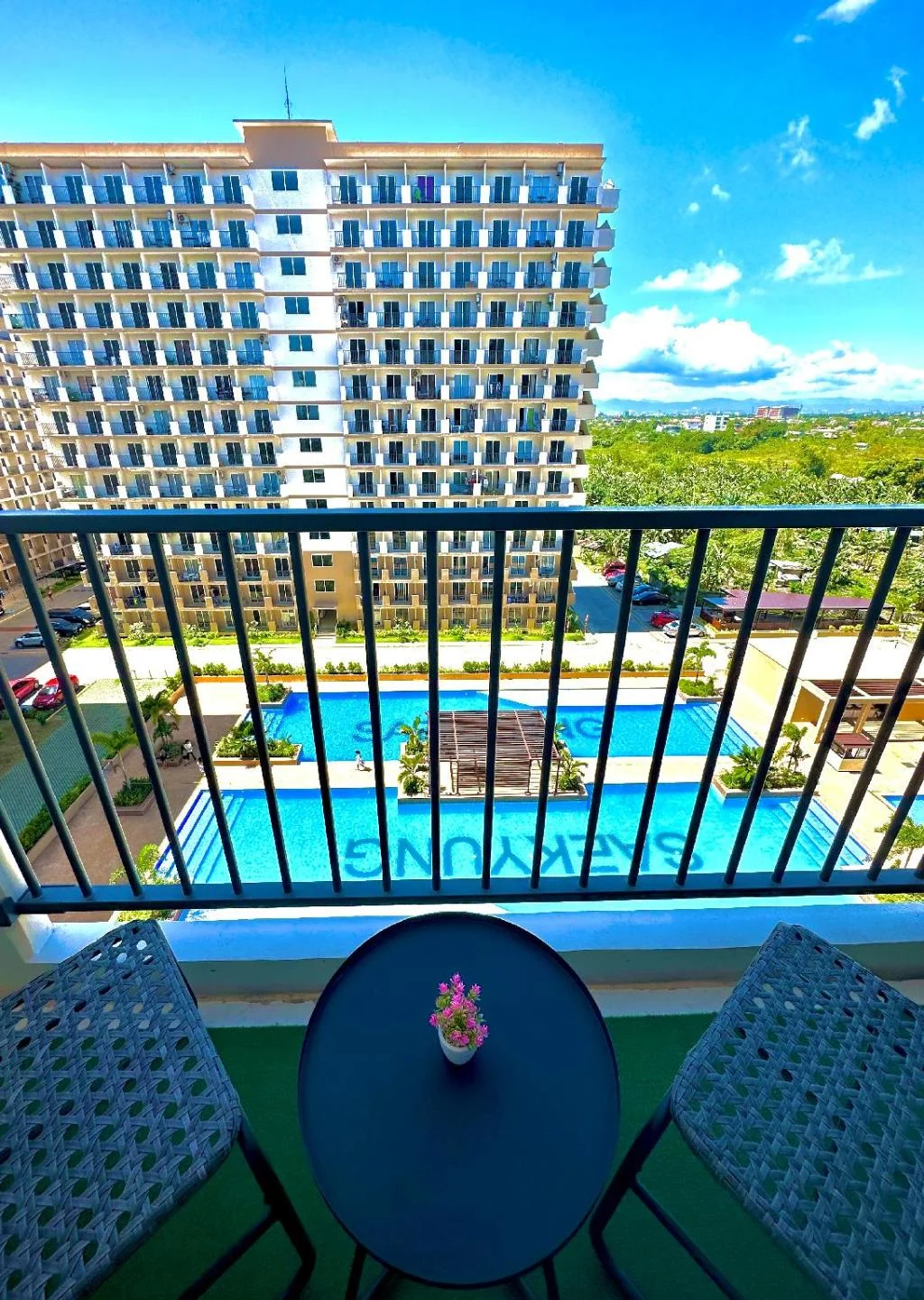
Condo with POOL/BALCONY/KITCHEN/NETFLIX/HOT SHOWER
Before you go
Frequently asked
Do you need to know how to swim to see Cebu's marine life?
Can non-swimmers do the Oslob whale shark tour?
Is the Moalboal sardine run safe for non-swimmers?
Which is better for seeing turtles without diving, Moalboal or Mactan?
How much does a full day of non-diving marine encounters cost in Cebu?
Is the Oslob whale shark experience ethical?
What should you bring for a snorkeling day trip in Cebu?
Is a glass-bottom boat ride worth it if I've already snorkeled?
More Places to Explore
Moalboal Sardine Run
Moalboal
Swim with millions of sardines in one of the world's only year-round sardine runs, just meters from shore.
Whale Shark Watching
Oslob
Swim alongside gentle whale sharks, the world's largest fish, in one of the few places where these magnificent creatures can be reliably encountered.
Hilutungan Marine Sanctuary
Lapu-Lapu City
One of the Philippines' oldest marine sanctuaries with pristine coral reefs, abundant tropical fish, and excellent snorkeling for all skill levels.
Nalusuan Island Marine Sanctuary
Lapu-Lapu City
A small island sanctuary famous for its 500-meter wooden pier over turquoise waters, with excellent snorkeling and resort facilities.
Sumilon Island
Oslob
A pristine coral island with a famous shifting white sandbar, excellent snorkeling, and the distinction of being the Philippines' first marine sanctuary.