TL;DR: Cebu’s history reads like a highlight reel of the Philippines itself: Lapu-Lapu killed Magellan here in 1521, Sergio Osmeña became the country’s fourth president, and Pedro Calungsod is one of only two Filipino Catholic saints. Add a press-freedom pioneer (Vicente Sotto), two of the country’s biggest business dynasties (Aboitiz and Gaisano), a world boxing champion (Gabriel “Flash” Elorde), and a furniture designer whose work sits in Hollywood homes (Kenneth Cobonpue), and you have a province that’s punched well above its weight for 500 years. Most of this history is free to see in a single day around downtown Cebu City and Mactan. Verified July 2026.
Cebu doesn’t just have old buildings — it has an outsized cast of characters behind them. This guide walks through the real, verifiable stories of the people who made Cebu (and, in a few cases, the whole Philippines) what it is: the warrior who stopped Spain’s first colonization attempt at the Mactan Shrine, the president whose name is on half the city’s streets, a canonized saint, a newspaperman who wrote the country’s press-freedom law, the retail dynasties behind the malls you’ll shop in, and the athletes, designers, and performers who carried the Cebuano name onto the world stage. It’s meant for travelers who want more than a photo — read this before or after visiting the Heritage of Cebu Monument, which sculpts several of these figures into a single downtown plaza.
Cebu’s Notable People at a Glance
| Person | Known For | Related Site |
|---|---|---|
| Datu Lapu-Lapu | Killed Ferdinand Magellan at the Battle of Mactan, 1521 | Mactan Shrine |
| Sergio Osmeña Sr. | 4th President of the Philippines (1944–46); first Visayan president | Heritage of Cebu Monument |
| Pedro Calungsod | Filipino lay martyr, canonized 2012 — the second Filipino saint | Likely hometown: Ginatilan, Cebu |
| Vicente Sotto | “Father of Cebuano journalism”; authored the Philippines’ Press Freedom Law | Cebu City’s old downtown press district |
| Aboitiz family | Built a conglomerate spanning power, banking, and property from 1900s abaca trading | Cebu Business Park |
| Gaisano family | Retail dynasty; started on Colon Street, grew into Visayas-Mindanao malls | Colon Street |
| Gabriel “Flash” Elorde | First Filipino world boxing champion (super featherweight, 1960) | Bogo City Plaza and Heritage Walk |
| Kenneth Cobonpue | Globally acclaimed rattan and furniture designer | Cebu-based ateliers (private, not open to walk-in visitors) |
| Pilita Corrales | “Asia’s Queen of Songs,” singer and actress | Lahug district, Cebu City |
| Kim Chiu | Actress, one of the Philippines’ highest-grossing film stars | Cebu City |
Verified July 2026.
Who Was Lapu-Lapu, and Why Does Every Filipino Know His Name?
Lapu-Lapu was the Mactan chieftain who killed Ferdinand Magellan in battle on April 27, 1521, ending Spain’s first attempt to claim Cebu. Magellan had allied with a rival Cebu chief, Rajah Humabon, and demanded Lapu-Lapu submit and pay tribute; Lapu-Lapu refused, and his forces met Magellan’s landing party on the shallow reef flats of Mactan. Magellan was killed in the fighting, and the Spanish fleet withdrew. Lapu-Lapu is now honored as the first Filipino to resist a foreign colonizer, and his statue stands at the Mactan Shrine, across a small park from the monument marking Magellan’s death. Cebu’s regional airport city, Lapu-Lapu City, carries his name. For the full blow-by-blow, see our Battle of Mactan guide.
Why Does Cebu Claim a Philippine President?
Sergio Osmeña Sr. was born in Cebu City on September 9, 1878, and became the country’s fourth president in 1944 — the first Visayan to hold the office. He started as Cebu’s provincial governor in 1906, then became the first Speaker of the Philippine House of Representatives and, later, the country’s first vice president under Manuel Quezon. When Quezon died in office in 1944, Osmeña succeeded him, leading the government-in-exile through the final year of World War II and the American liberation of the Philippines. He died in 1961 at age 83. His name marks Osmeña Boulevard and Fuente Osmeña Circle, both centerpieces of downtown Cebu City and the finish line of the Sinulog grand parade each January.
Who Was Pedro Calungsod, and Why Is He a Saint?
Pedro Calungsod is the second Filipino ever canonized a Catholic saint, declared so by Pope Benedict XVI in 2012. He was a teenage lay catechist who, around 1668, joined Spanish Jesuit missionary Diego Luis de San Vitores on a voyage to Guam to teach Christianity to the native Chamorro people. In 1672, a local chief, angered that his baby daughter had been baptized without his consent, killed both San Vitores and Calungsod, then dumped their bodies at sea. Historical records only ever describe him as “Pedro Calonsor, el Visayo” — a Visayan — so his exact hometown is disputed, but Ginatilan, in southern Cebu, is considered the strongest claim among several towns. He’s the patron saint of Filipino youth, altar servers, and overseas Filipino workers, and his memory is honored in the Basilica del Santo Niño’s broader devotional calendar alongside the Santo Niño itself.
Who Is “the Father of Cebuano Journalism”?
Vicente Sotto is credited as the father of Cebuano journalism and letters, and he later authored the law that protects Philippine press freedom to this day. Born in Cebu City in 1877, Sotto published Ang Suga in 1900 — the first newspaper written in Cebuano — and wrote the language’s first published short story in its debut issue. He went on to serve in the Philippine House of Representatives and the Senate, where he authored Republic Act No. 53, the “Sotto Law,” which shields journalists from being legally compelled to reveal their sources. He died in 1950; his name lives on today through the Vicente Sotto Memorial Medical Center, Cebu’s main public hospital, and through his descendants, including the current Sotto political family.
Which Families Actually Built Cebu’s Economy?
Two Chinese-Filipino dynasties, Gaisano and Aboitiz, built most of the malls, banks, and shipping lines that define modern Cebu. The Gaisano family’s retail empire began when Don Jose Sy Gaisano and his wife Doña Modesta Singson-Gaisano opened a shop-restaurant on Colon Street — then Cebu’s commercial heart, and the oldest street in the Philippines — that grew into White Gold Super Store. After Doña Modesta’s death in 1982, her children split off to build their own retail chains, collectively earning the family the nickname “the Ayalas of the South” for the malls now scattered across the Visayas and Mindanao. The Aboitiz family’s roots trace to Paulino Aboitiz, a Basque-Spanish trader who moved his abaca (hemp) trading business from Leyte to Cebu in the early 1900s; today Aboitiz & Co. spans Aboitiz Power, UnionBank of the Philippines, and AboitizLand, with Forbes putting the family’s wealth in the billions of dollars. Neither family runs a museum or public tour, but their fingerprints are everywhere — from the Gaisano-branded malls around the city to the Aboitiz-developed business districts along the coast.
Which Cebuano Became a World Boxing Champion?
Gabriel “Flash” Elorde, born in Bogo, Cebu, in 1935, was the first Filipino to win a world boxing title and held it for the longest reign in his division’s history. Raised in extreme poverty and forced to drop school after the third grade, Elorde learned footwork from his father, a champion of the Filipino martial art Balintawak Eskrima, before turning pro at 16. In 1960, he knocked out defending champion Harold Gomes to win the world super featherweight title, then defended it ten times over more than seven years — still the longest junior lightweight/super featherweight title reign on record. He was inducted into both the World Boxing Hall of Fame (1988) and the International Boxing Hall of Fame (1993). His hometown, Bogo City, keeps its own heritage walk worth a stop if you’re touring northern Cebu.
Which Cebuano Designer Went Global?
Kenneth Cobonpue is a Cebu-based furniture designer whose woven rattan pieces have shown up in Hollywood films and the homes of European royalty. He grew up around his mother Betty Cobonpue’s furniture workshop, founded in 1972, then studied industrial design at New York’s Pratt Institute and apprenticed with craftsmen in Italy and Germany before returning to Cebu in 1996 to run the family business. TIME magazine dubbed him “rattan’s first great virtuoso” for reinventing traditional Philippine weaving techniques as modern, export-grade design; his furniture has appeared in films like Ocean’s Thirteen, and his client list has included Queen Sofía of Spain and Queen Rania of Jordan. His workshop today employs over 300 Cebuano craftspeople — proof that Cebu’s furniture and design industry, long a quiet local trade, can compete at the very top of global design.
Are Any Modern Celebrities Actually From Cebu?
Yes — most visibly actress Kim Chiu and the late singer Pilita Corrales, both born in Cebu City itself rather than just claiming Cebuano heritage. Kim Chiu was born in Cebu City in 1990 and rose to fame winning the first teen edition of Pinoy Big Brother in 2006, later becoming one of the highest-grossing stars in Philippine film. Pilita Corrales, billed for decades as “Asia’s Queen of Songs,” was born in the Lahug district of Cebu City in 1939 and built a six-decade recording career, becoming the first Filipino to headline at Caesars Palace in Las Vegas; she passed away in April 2025 at 85. Plenty of other Filipino celebrities are ethnically Cebuano or grew up partly in the province, but their actual birthplaces vary — Kim Chiu and Pilita Corrales are the two whose Cebu City birth is well documented.
How to See This History in a Day
You can hit most of the tangible sites in a single loop without a car. Start downtown at the Basilica del Santo Niño and Magellan’s Cross, then walk to the Heritage of Cebu Monument, which sculpts Lapu-Lapu, Legazpi, and other figures from Cebu’s founding into one plaza. From there, Colon Street covers both the Gaisano family’s retail origins and the old commercial district where Cebuano journalism took root. In the afternoon, cross the bridge to Mactan for the Mactan Shrine and Lapu-Lapu’s statue. If you have an extra day, Bogo City in the north pairs Gabriel Elorde’s hometown heritage walk with a quieter, less touristy stretch of the province. For a guided version of this route with a local historian, browse Cebu heritage and walking tours on Klook — most run half a day and cover the same core sites.
The Honest Take
The temptation with a “notable people” guide is to pad it with celebrities who were merely born to Cebuano parents somewhere else, or public figures with tenuous claims to the province. We’ve kept this list to people with a documented, direct Cebu connection — birthplace, residence, or founding role — and flagged the one genuine dispute (Pedro Calungsod’s hometown) honestly rather than picking the most convenient answer. The historical figures (Lapu-Lapu, Osmeña, Calungsod, Sotto) are worth the detour even if you’re not a history buff, because their sites — the Mactan Shrine, the Heritage of Cebu Monument, the Basilica — are already on most itineraries anyway. The business dynasties and modern celebrities are more of interest if you’re already curious about who’s behind the malls and screens you’ll encounter; don’t go out of your way for them, since neither the Aboitiz nor Gaisano families run public tours, and Cobonpue’s workshop isn’t a walk-in attraction.
If you only have time for one stop, make it the Heritage of Cebu Monument — it’s the single site that ties the widest number of these names together in about twenty minutes.
Where to Stay for a History-Focused Trip
Base yourself in Cebu City proper — walking distance to the Basilica, Fort San Pedro, Colon Street, and the Heritage Monument matters more here than it does for a beach trip. Compare Cebu City hotels on Agoda for something within walking range of the historic core, and pair your city day with a look at our full history of Cebu overview or a broader cultural heritage walking tour if you want the sites without doing the historical research yourself.
Sources
- Sergio Osmeña — Wikipedia
- Pedro Calungsod — Wikipedia
- Vicente Sotto — Wikipedia
- Gaisano family — Wikipedia
- Aboitiz family — Forbes profile
- Kenneth Cobonpue — Wikipedia
- Gabriel Elorde — Wikipedia
- Kim Chiu — Wikipedia
- Pilita Corrales — The Freeman/Philstar
Facts checked against Wikipedia and Philippine news archives current as of publication. Verified July 2026.
Ready to walk this history yourself? Pair a heritage tour with your cebuano culture and customs primer so the sites mean more once you’re standing in front of them, and check Cebu City hotel rates on Agoda before the sites you just read about get busy on a holiday weekend.
Book Tours & Hotels for This Trip
Find and book the best deals — prices and availability update in real time. Links open in a new tab.
Where to stay near Cebu City
Top-rated hotels for this trip — tap through to check live rates.
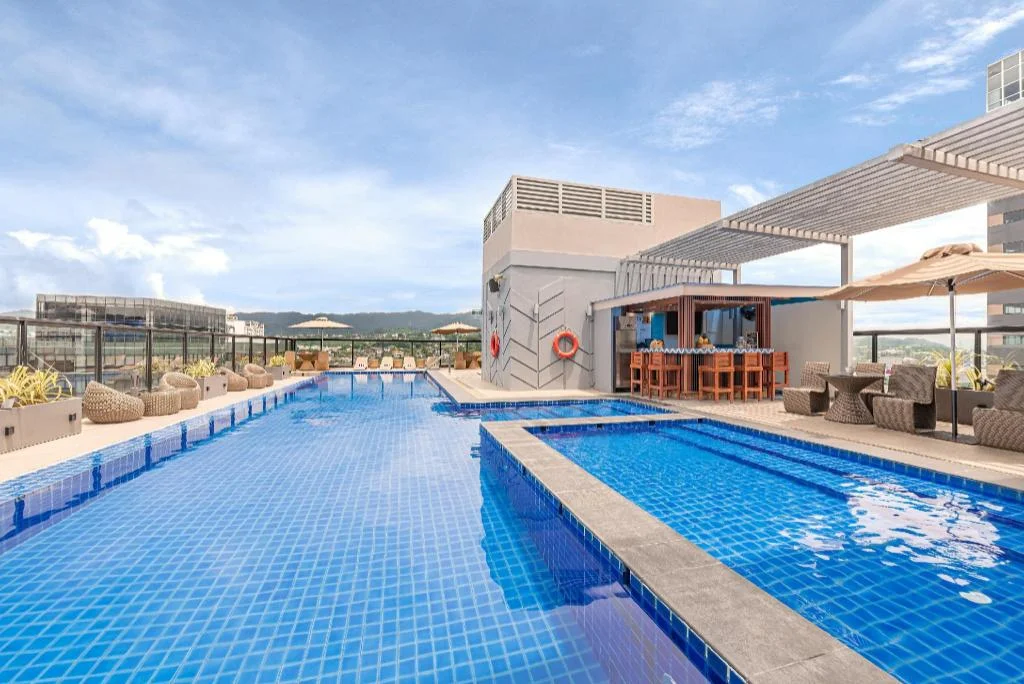
Seda Central Bloc Cebu City
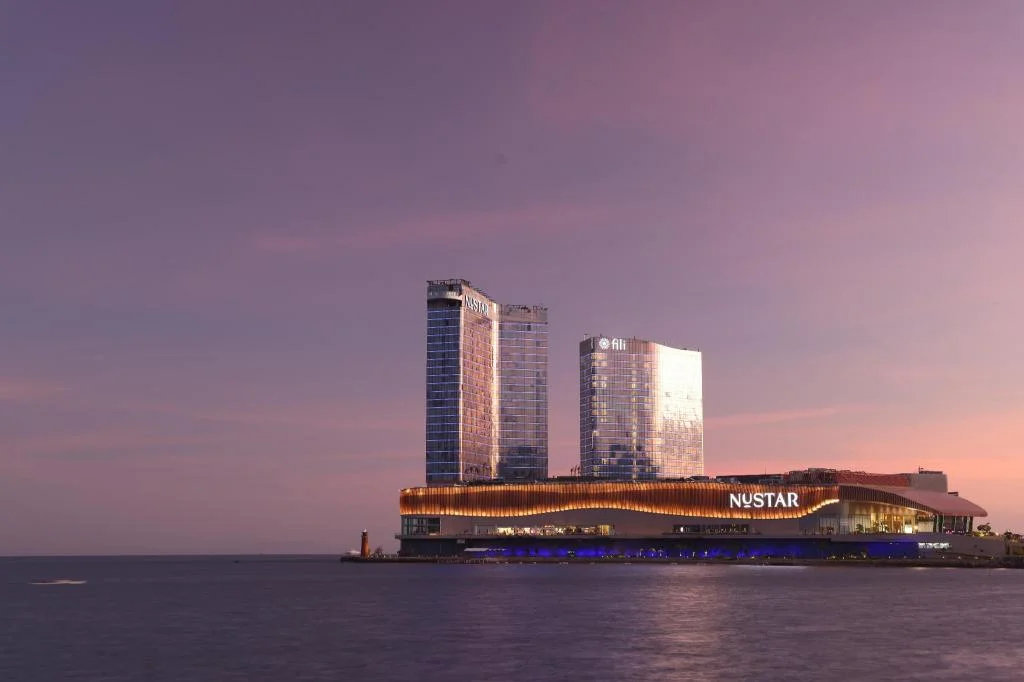
Fili Hotel - NUSTAR Resort & Casino Cebu
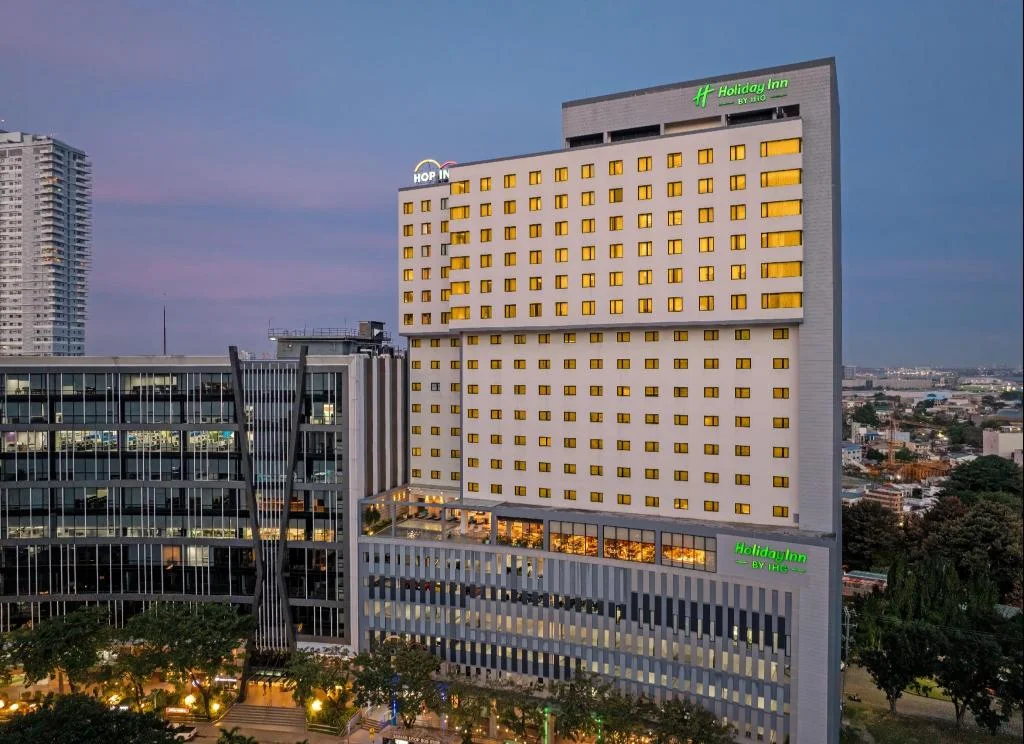
Holiday Inn Cebu City By IHG
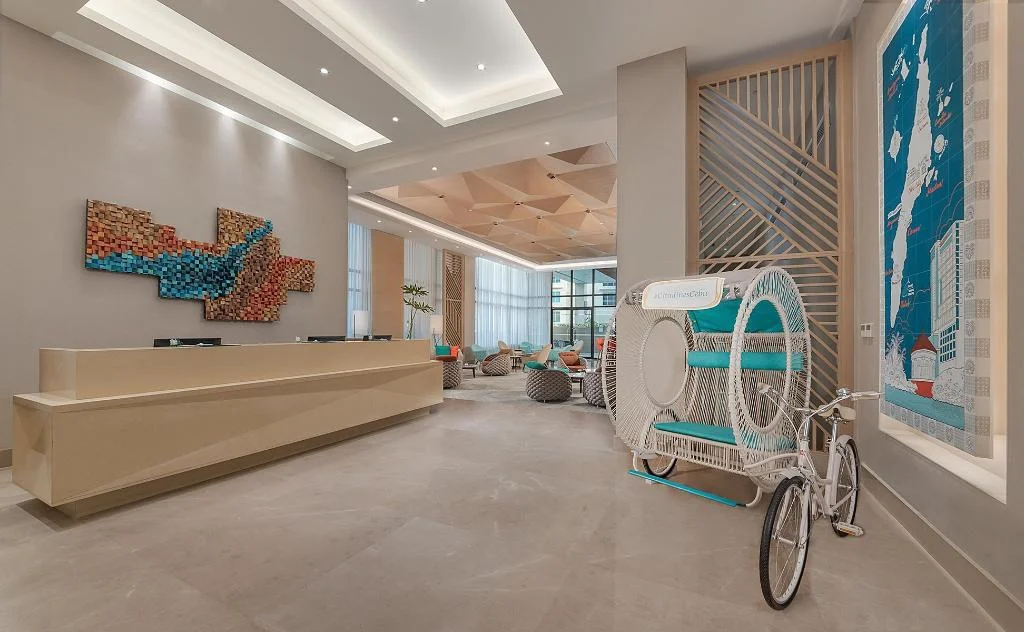
Citadines Cebu City
Prefer a rental? Vacation rentals near Cebu City
Self-catering condos and apartments — book the exact unit, kitchen included.
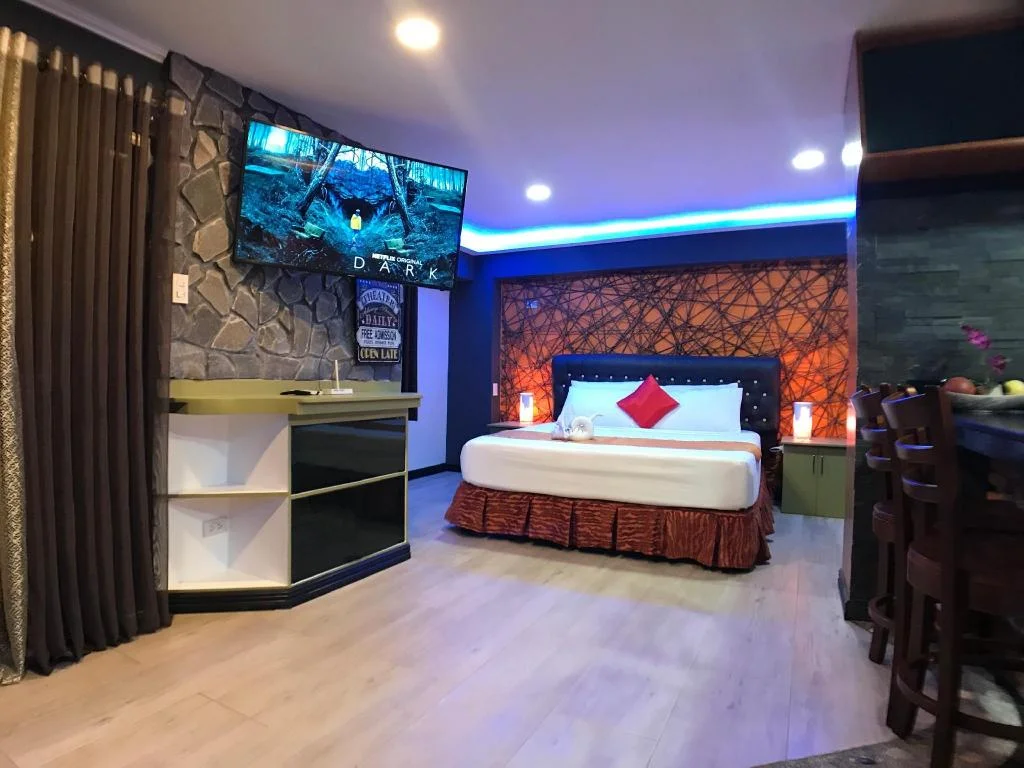
ClockWorkOrange Luxury Suites
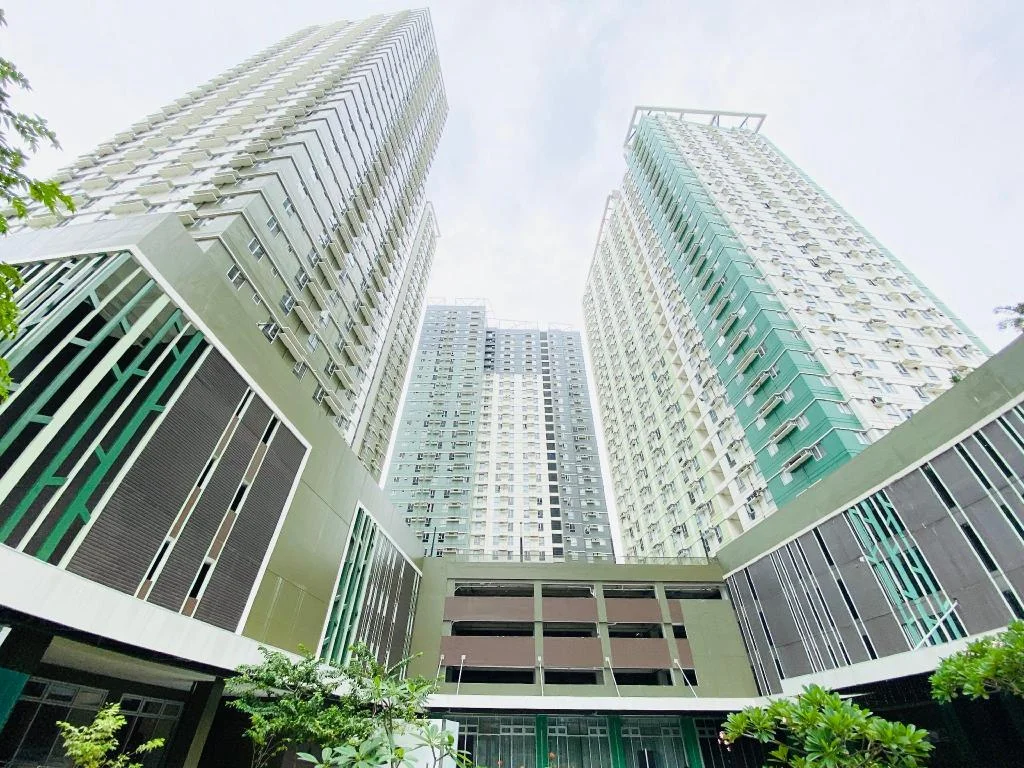
Cebu Avida Riala by P&J
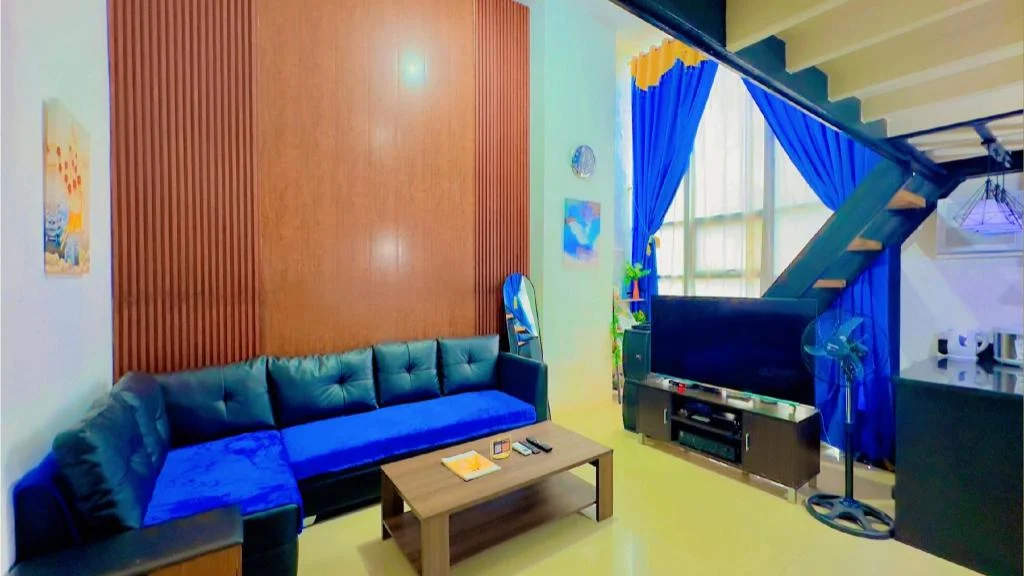
Special Big Loft Unit w/Fibreop Internet & Netflix
Before you go
Frequently asked
Who is the most famous person from Cebu?
Was Sergio Osmeña really from Cebu?
Is Pedro Calungsod really from Cebu?
What did Vicente Sotto do?
Which Cebuano families own the malls and companies you see around the city?
Who was the first Filipino boxing world champion?
What is Kenneth Cobonpue known for?
Are any current Filipino celebrities actually from Cebu?
More Places to Explore
Mactan Shrine
Lapu-Lapu City
Historic park commemorating the 1521 Battle of Mactan where Lapu-Lapu defeated Magellan, featuring monuments to both warriors.
Heritage of Cebu Monument
Cebu City
A dramatic sculptural tableau by Eduardo Castrillo depicting key moments in Cebu's history, from Magellan's arrival to modern times.