
TL;DR: Japanese citizens do not need a visa for a tourist trip to the Philippines or Cebu. Under Executive Order 408, Japanese passport holders get 30 days visa-free on arrival. You still must complete the free eTravel registration at etravel.gov.ph within 72 hours before landing — beware scam sites that charge a fee for it. Bring a passport valid 6+ months and an onward/return ticket. Need longer? Extend at a Bureau of Immigration office for a fee, or look into a 9(a) visa before you travel if you’re planning an extended stay. Verified July 2026 — confirm with the Philippine Embassy or Bureau of Immigration before you fly.
This is entry-rules information that changes. Everything below was verified July 2026, but policies, fees, and day-limits can be updated at short notice. Treat this as a starting point and confirm the specifics with the Philippine Bureau of Immigration or the Philippine Embassy in Tokyo, Osaka, or Nagoya before you book or fly.
Do Japanese Citizens Need a Visa for the Philippines or Cebu?
No, not for tourism. Japan is one of the nationalities covered by Executive Order 408, which grants visa-free entry to citizens of most countries for short tourist visits. Japanese passport holders get 30 days on arrival with no embassy paperwork beforehand — you just book a flight, land, and get your entry stamp.
There’s no separate visa rule for Cebu. Whether you fly direct into Mactan-Cebu International Airport from Tokyo, Osaka, or Nagoya, or connect through Manila, the same national entry terms apply. Japan and the Philippines have well-established direct flight connections, including routes straight into Cebu, which makes this one of the more convenient combinations for a short beach or dive trip — no long transit, no visa office visit.
Visa-free does not mean paperwork-free, though. There’s one mandatory step every arriving traveler completes regardless of nationality, covered next.
Verified July 2026 — visa policy is set nationally and can change; confirm before you travel.
How Many Days Can Japanese Travelers Stay Visa-Free?
30 days, counted from your date of arrival. That’s the standard allowance under EO 408 for Japanese citizens visiting for tourism, and it’s the same whether you’re in Cebu for a week of diving or splitting time between Manila, Cebu, and Bohol.
Thirty days covers most itineraries comfortably — a week or two in Cebu with day trips to Oslob and Moalboal, plus some slack for delays or an extra island. If you’re planning something longer, such as a multi-month stay, you don’t need to sort out a visa in advance; the standard approach is to enter visa-free and extend on the ground, which is covered further down.
Verified July 2026 — day limits are set nationally and can change. Confirm your current allowance with the Bureau of Immigration or the Philippine Embassy before you fly.
What Is eTravel and Do Japanese Citizens Have to Register?
Yes — eTravel is mandatory for every arriving foreign national, and Japanese citizens are not exempt just because they’re visa-free. You register on the official eTravel system at etravel.gov.ph within 72 hours before your arrival, and it costs nothing.
The form itself is short — a basic health-and-travel declaration — and it produces a QR code you present on landing, either printed or on your phone. It isn’t a visa and it doesn’t replace your passport stamp; it’s an additional, separate step that sits alongside normal immigration processing.
Watch out for scam sites. Because eTravel is free and required of everyone, fake copies of the form have shown up online charging a “processing fee” for something the government gives away for free. Before entering any passport details:
- Confirm the address bar reads etravel.gov.ph exactly — no extra words, no different domain ending.
- Never pay to submit an arrival registration — the real eTravel is always free.
- If a site asks for a credit card to “complete” your registration, close it and go straight to the official URL.
Register within the 72-hour window, save your QR code, and that box is checked. Verified July 2026 — confirm the current process at etravel.gov.ph, since the system is periodically updated.
What Documents Do Japanese Travelers Need at Immigration?
Three things cover most of what a Japanese tourist needs at a Philippine immigration counter: a passport valid for at least 6 months past your intended stay, proof of an onward or return ticket, and your completed eTravel QR code.
A few practical notes:
- Passport validity. Check your expiry date before you book. Under six months of remaining validity can get you turned away at airline check-in in Japan before you even board.
- Onward or return ticket. Airlines and immigration commonly check that you have a way out of the Philippines within your 30-day window. A one-way ticket with no onward plan can lead to being denied boarding, so book a return or a clear onward flight.
- eTravel QR code. Completed within 72 hours before landing (see above).
Officers may also ask about your accommodation and how long you’re staying, so keep a hotel confirmation on hand. A Cebu hotel booking through Agoda doubles as that proof.
Verified July 2026 — entry requirements can change and individual officers have discretion. Confirm current requirements with your airline and the Bureau of Immigration before you fly.
Can Japanese Citizens Extend Their Stay Beyond 30 Days?
Yes. If 30 days isn’t enough, extensions are routine and handled at a Bureau of Immigration office, with a fee attached. Most travelers doing a first extension bring their total stay to roughly 59 days, and further extensions are possible beyond that for those who want to stay longer.
If you’re based in Cebu, you don’t need to travel to Manila for this — the BI Cebu District Office handles extensions locally (our Cebu visa extension guide covers the current location, process, and fee ranges in detail). Bring your passport, be ready to pay in cash, and start the process a few days before your current stay expires rather than on the last possible day.
Overstaying carries real penalties — fines stacked on top of the normal extension cost, and possible complications when you try to leave or re-enter later. If you already know you want a long stay from the start, rather than deciding to extend after arriving, the cleaner path is applying for a 9(a) Temporary Visitor Visa at a Philippine embassy in Japan before you travel — worth a look if you’re planning a multi-month stay rather than a standard holiday.
Verified July 2026 — extension fees, maximum total stay, and required forms are set by the Bureau of Immigration and change periodically. Confirm current figures with the Bureau of Immigration before relying on a specific number.
A Few Honest Caveats Before You Book
Rules can change with little notice. Executive Order 408 has been stable for Japanese citizens for years, but the Philippines does periodically adjust visa-free terms for other nationalities, and immigration procedures at the airport level get updated too. What’s accurate in July 2026 may have shifted by the time you fly — always check the current terms rather than relying on an older blog post or forum thread.
“Visa-free” still means real requirements. Even without a visa, you need eTravel, a passport with six-plus months of validity, and proof of onward travel. Missing any of these can mean being turned away at check-in in Japan, before you’ve even reached Philippine immigration.
Direct flights make Cebu an easy add-on. With direct Japan-Cebu connections available (see our flights from Japan to Cebu guide), there’s little reason to route everything through Manila if Cebu — its beaches, dive sites, and day trips — is your main destination.
Use official sources for anything time-sensitive. For eTravel, that’s etravel.gov.ph only. For visa, extension, and 9(a) questions, that’s the Bureau of Immigration and the Philippine Embassy in Japan. This guide is a solid starting point, but the official channels are what matter when you’re standing at the counter.
The short version: for a normal holiday, Japanese citizens have one of the easier passports for entering the Philippines — 30 days, no visa, one free online form. Confirm the current details, register on eTravel, and travel with a valid passport and a return ticket.
Once You’re In: Planning a Cebu Trip
With entry sorted, the rest is straightforward planning. Cebu is one of the more convenient bases in the Philippines for Japanese travelers, thanks to direct flights and a wide range of dive-friendly, beach-friendly destinations within a short drive or ferry ride.
Start with the Cebu travel guide for Japanese travelers for a full itinerary framework, budget notes in ¥ and ₱, and diving highlights, and check the flights from Japan to Cebu guide for current direct routes from Tokyo, Osaka, and Nagoya.
The signature day trips are close by: Oslob whale shark watching, Kawasan Falls canyoneering, and the Moalboal sardine run with nearby Pescador Island for world-class muck diving and reef snorkeling. Pre-book tours through Klook’s Cebu listings, and lock in accommodation — which also serves as your immigration proof of stay — on Agoda.
Sources
- Philippine Bureau of Immigration
- PHGuides — Tourist Visa Extension (published extension and visa-waiver fees)
- eTravel official registration site
Final Word
For Japanese citizens, entering the Philippines for tourism is genuinely simple: 30 days visa-free under Executive Order 408, one mandatory but free eTravel registration at etravel.gov.ph, and a straightforward extension process through the Bureau of Immigration if you want to stay longer. Carry a passport valid six-plus months and a return ticket, skip the scam eTravel copycats, and check current rules with the Philippine Embassy before you fly, since these things do change. Then line up direct flights from Japan, book a Cebu stay on Agoda, and start planning with the Cebu travel guide for Japanese travelers. Verified July 2026.
Book Tours & Hotels for This Trip
Find and book the best deals — prices and availability update in real time. Links open in a new tab.
Where to stay near Moalboal
Top-rated hotels for this trip — tap through to check live rates.
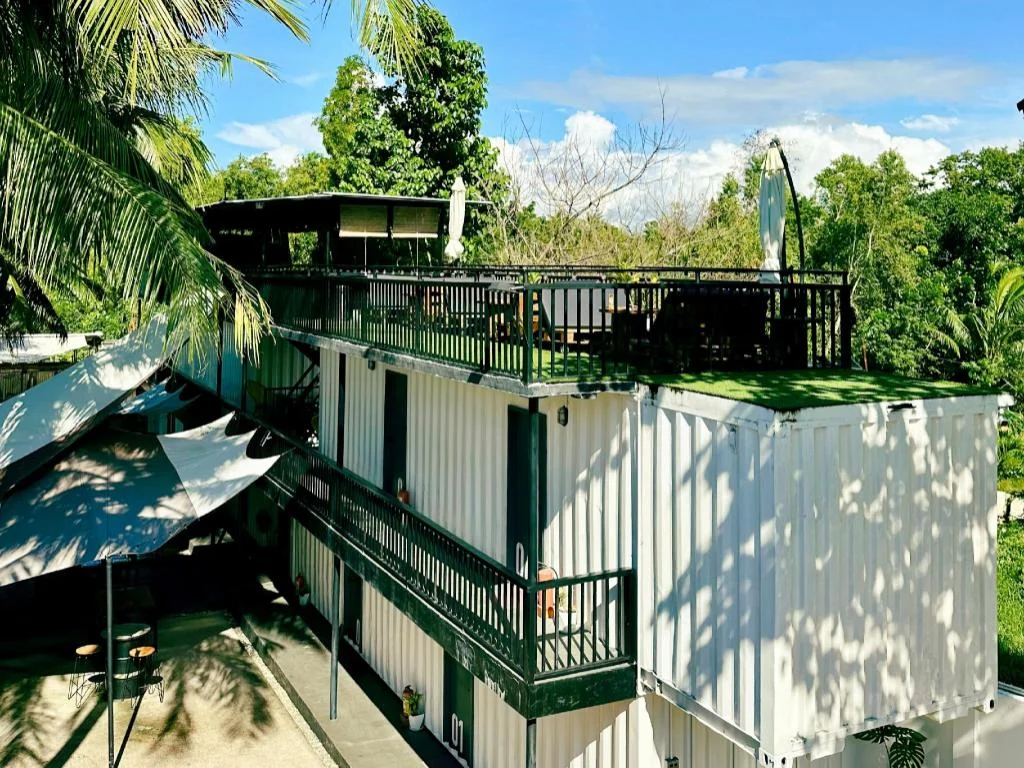
PIG DIVE HOSTEL MOALBOAL
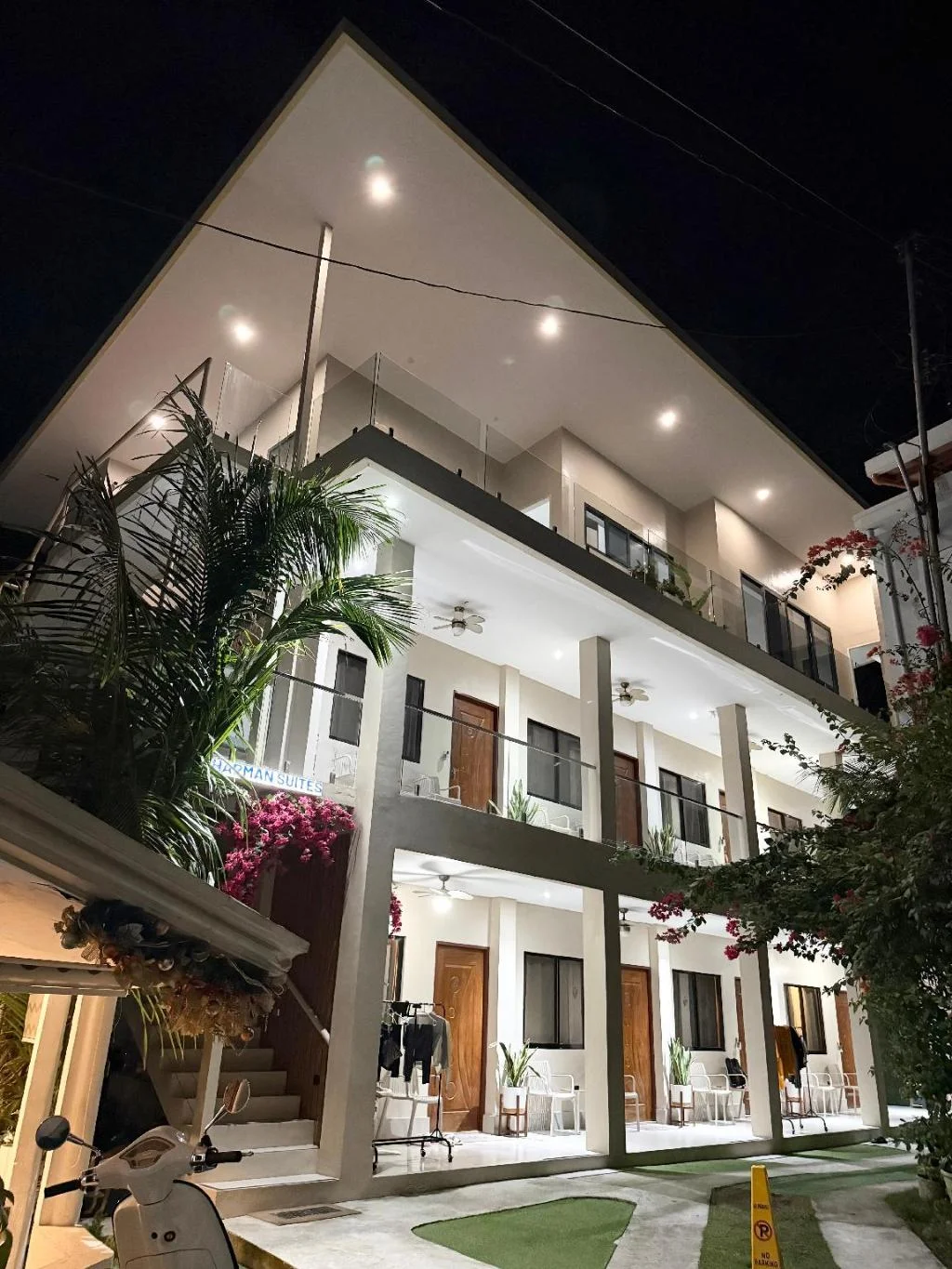
Harman Suites Moalboal
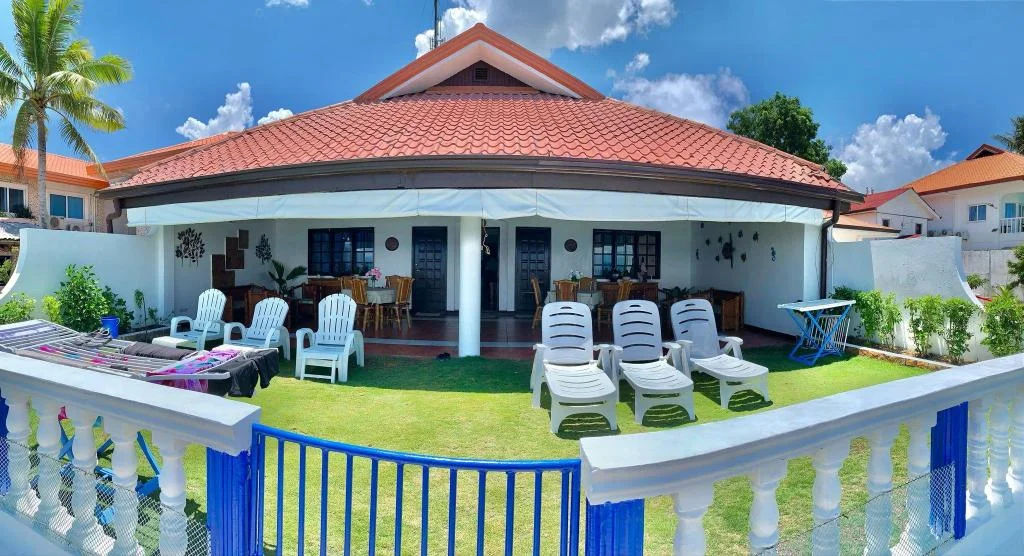
Il Sogno Resort
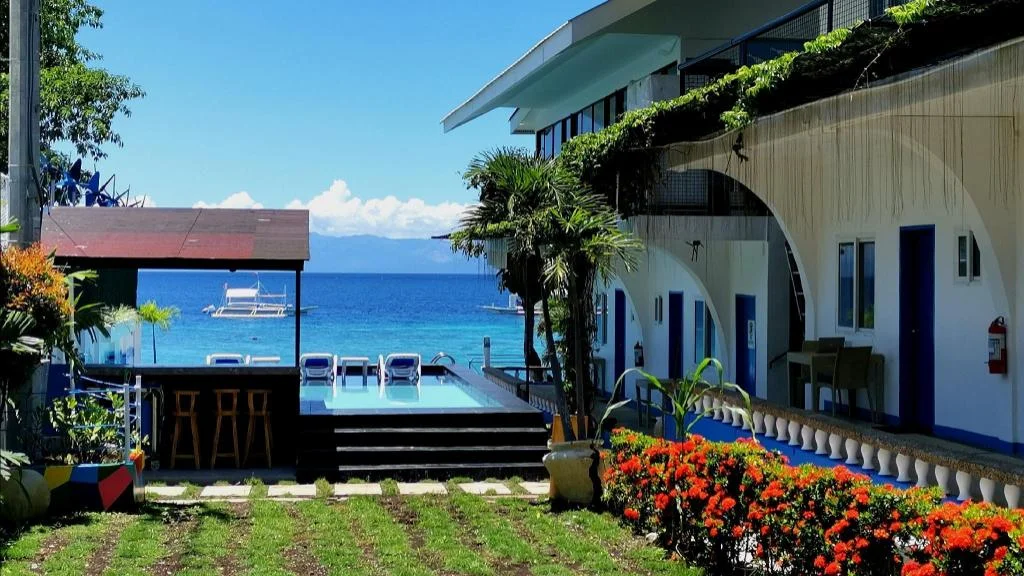
Pescadores Suites Moalboal
Prefer a rental? Vacation rentals near Moalboal
Self-catering condos and apartments — book the exact unit, kitchen included.
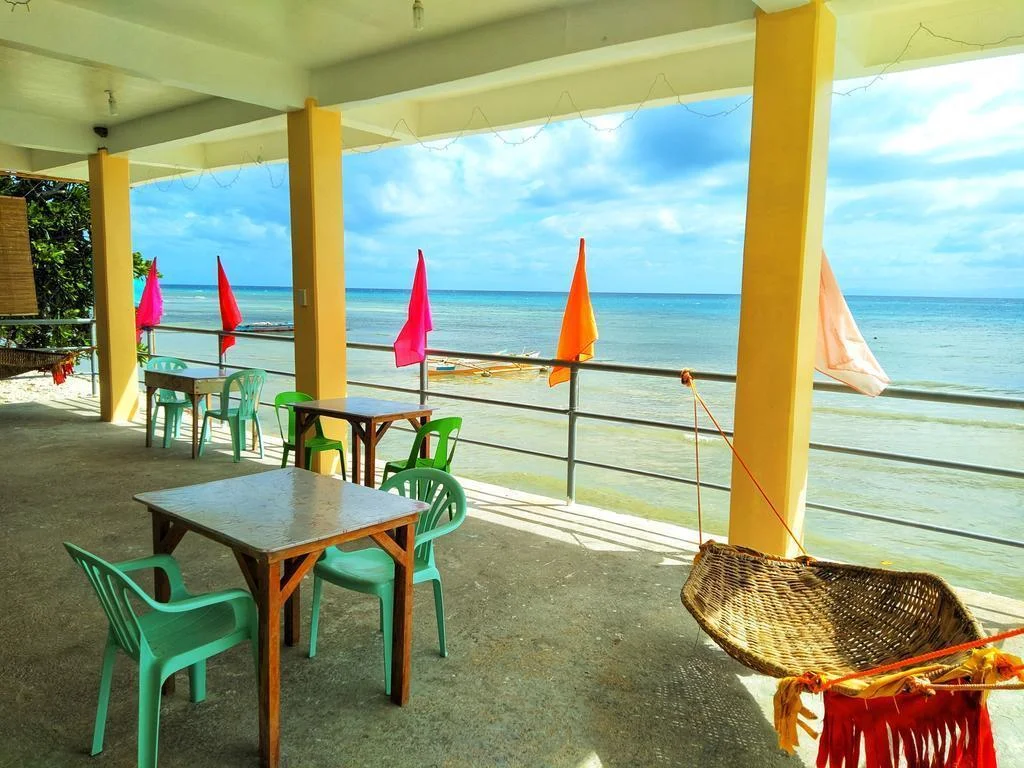
Ocean View Lodging House
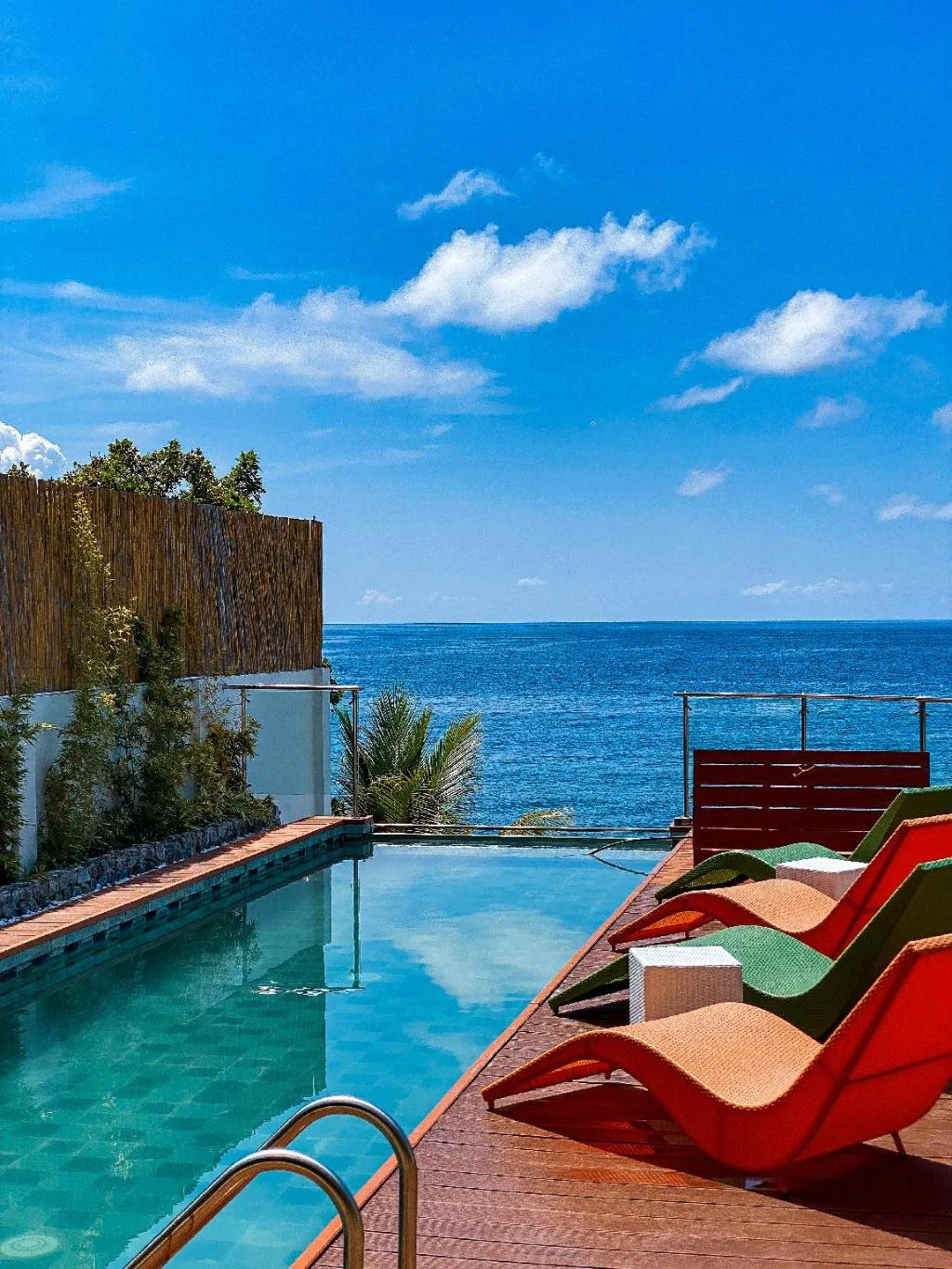
The South Hideaway Oslob
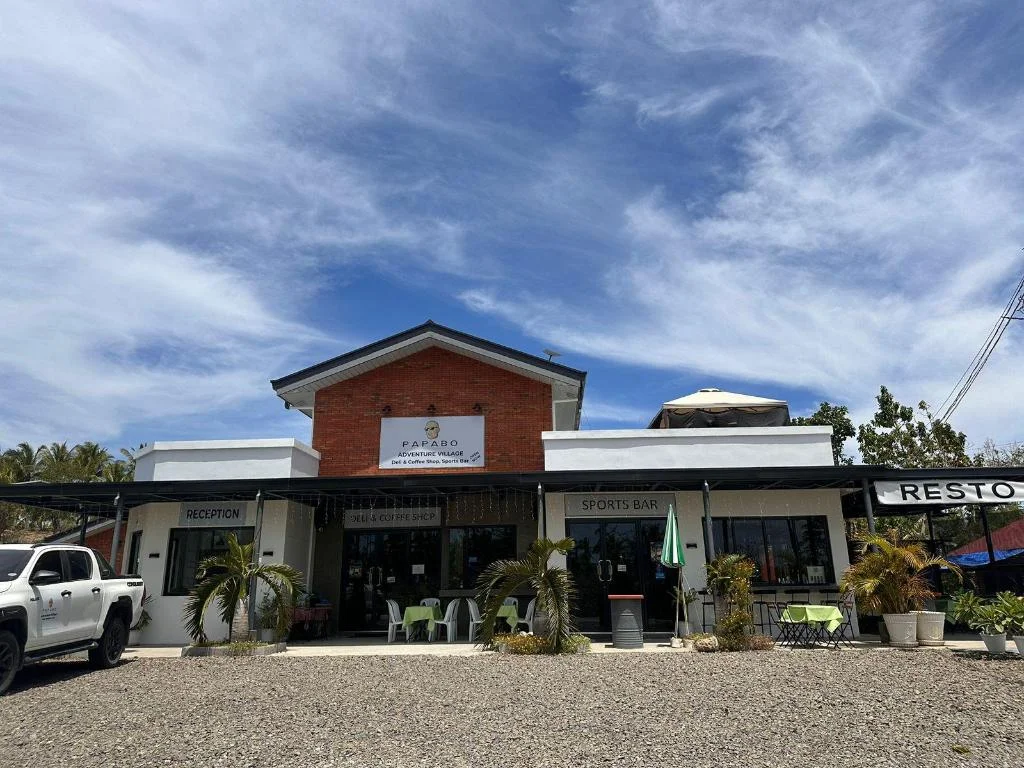
PAPABO Adventure Village
Before you go
Frequently asked
Do Japanese citizens need a visa to visit the Philippines?
How many days can Japanese passport holders stay in the Philippines without a visa?
What is eTravel and do Japanese travelers have to register?
What documents does a Japanese traveler need at Philippine immigration?
Can Japanese citizens extend their stay in the Philippines beyond 30 days?
What happens if a Japanese tourist overstays in the Philippines?
Is there a visa for Japanese citizens who want to stay longer than the extensions allow?
More Places to Explore
Whale Shark Watching
Oslob
Swim alongside gentle whale sharks, the world's largest fish, in one of the few places where these magnificent creatures can be reliably encountered.
Kawasan Falls
Badian
A stunning three-tiered waterfall famous for its turquoise waters, bamboo raft rides, and as the endpoint of the famous Badian canyoneering adventure.
Moalboal Sardine Run
Moalboal
Swim with millions of sardines in one of the world's only year-round sardine runs, just meters from shore.
Pescador Island
Moalboal
A world-class marine sanctuary featuring The Cathedral underwater cave and exceptional wall diving.