TL;DR: Cebu’s real World War II history is smaller and more scattered than its beaches, but it’s genuine: the Talisay Landing Memorial marks where US forces came ashore on March 26, 1945; Fort San Pedro spent three years as a Japanese garrison and prison; Plaza Independencia in Cebu City holds a Veterans Memorial and a Filipino-Japanese reconciliation monument; Museo Sugbo’s War Memorial Gallery has the uniforms and artifacts; and a quiet monument near Tabogon, in the island’s north, marks where roughly thousands of Japanese troops surrendered on August 28, 1945. Most sites are free or under ₱50 (about US$1). Verified July 2026.
Cebu doesn’t market its World War II history the way it markets whale sharks and waterfalls, but the war shaped the island as much as anywhere else in the Philippines. Japanese forces occupied Cebu from April 1942 to March 1945; a Cebuano-led guerrilla army fought back the whole time; and the US liberation landing at Talisay in 1945 kicked off weeks of urban fighting before the island’s Japanese garrison finally surrendered that August. This guide is for travelers who want to see that history firsthand rather than read it in a caption — where the landing happened, what became of Fort San Pedro during the occupation, where Cebu City’s memorials actually stand, and which sites are worth the drive versus which you can skip. None of this is a full military campaign history — it’s a practical map of what you can walk up to, touch, and read a plaque about, this year.
Cebu’s WWII Sites at a Glance
| Site | Area | Note |
|---|---|---|
| Talisay Landing Memorial | Talisay City poblacion | Marks the March 26, 1945 US liberation landing; free, annual reenactment |
| Fort San Pedro | Cebu City, Plaza Independencia | Japanese garrison/prison 1942–45; ~₱50 entry (~US$1) |
| Cebu Veterans Memorial | Plaza Independencia, Cebu City | Honors Cebuano WWII dead; free, outdoors |
| Filipino-Japanese Memorial Monument | Plaza Independencia, Cebu City | Reconciliation monument facing Fort San Pedro; free |
| Museo Sugbo War Memorial Gallery | 731 M.J. Cuenco Ave, Cebu City | Occupation-era artifacts and uniforms; ~₱30–75 entry |
| Cebu Provincial Capitol marker | Capitol Site, Cebu City | Wartime-era administrative seat; historical marker; free |
| Japanese Surrender Site | Ilihan, Tabogon (north Cebu) | Where ~9,800 troops surrendered, Aug 28, 1945; free, roadside |
| Colon Street & downtown core | Cebu City | Scene of house-to-house fighting during the March–April 1945 battle |
Entrance fees quoted in pesos with a rough US$ equivalent at ₱62 ≈ US$1 (July 2026). Confirm current prices and hours locally before you go — museum fees especially shift year to year. Verified July 2026.
What Happened in Cebu During the Japanese Occupation?
Japanese forces landed on Cebu on April 10, 1942, about three months after Manila fell, and held the island as a strategic base for controlling the Visayas until March 1945. Life under occupation was hard — forced labor, food shortages, and reprisals against suspected guerrilla sympathizers were common, and Japanese troops requisitioned buildings across Cebu City, including Fort San Pedro, for their own use.
What made Cebu different from many occupied islands was the strength of its resistance. A guerrilla army under American mining engineer-turned-officer Lieutenant Colonel James M. Cushing operated almost continuously through the occupation, and by 1944 counted roughly 8,500 fighters under the 8th Military District. Their most consequential operation had nothing to do with combat: in April 1944, Cushing’s guerrillas recovered the so-called “Koga Papers,” Japanese naval documents (the “Z Plan”) that leaked from a downed aircraft — intelligence historians credit with shaping later Allied naval planning in the Pacific.
Where Did the US Liberation Forces Land?
At Talisay Beach, just south of Cebu City, at 8:30 AM on March 26, 1945. Troops of the US Army’s Americal Division — primarily the 132nd and 182nd Infantry Regiments — came ashore after a naval bombardment, part of the broader Operation Victor II campaign to retake Cebu, Bohol, and Negros from Japanese control. Filipino guerrillas under Cushing supported the landing on the ground.
The Talisay Landing Memorial, erected in the town’s poblacion in 2008, marks the spot with a plaque naming the commanders on both sides — Major General William H. Arnold, Captain Albert T. Sprague, and Lt. Col. Cushing. Talisay City still commemorates the anniversary with a reenactment locals call “Takas sa Talisay” (or “Pagdaong sa Talisay”), usually held around March 26 each year. It’s a quick, free stop if you’re already heading south toward Moalboal or Oslob.
What Role Did Fort San Pedro Play in the War?
Fort San Pedro spent the occupation as a Japanese garrison, armory, and prison — one of the more feared buildings in the city at the time. Japanese troops reportedly dug trenches inside the fort and a tunnel toward the sea during their three years there, adapting the 1565 Spanish-era fortress to a very different kind of use. When US and guerrilla forces retook Cebu City in late March 1945, the fort briefly served as an emergency hospital for wounded soldiers before returning to civilian use.
That layered history — Spanish colonial fort, American-era building, Japanese garrison, postwar hospital — is part of why the fort, along with Plaza Independencia and the nearby Legazpi Monument, was formally recognized as a National Cultural Treasure in May 2025. Regular admission runs around ₱50 (about US$1), with a discounted rate for students and seniors — modest for how much history is packed into one small fort.
Where Are Cebu City’s WWII Memorials?
Plaza Independencia, right outside Fort San Pedro, is where most of Cebu City’s WWII memorials cluster. At the plaza’s southern end stands the Cebu Veterans Memorial, honoring Cebuano soldiers and guerrillas who died defending the province. Facing the fort is the Filipino-Japanese Memorial Monument, a reconciliation marker believed to have been raised by parties connected to the Imperial Army’s 173rd Independent Infantry Battalion, which arrived in Cebu in January 1944 — an unusual site in that it commemorates both sides rather than only the victors.
A short walk away, the Cebu Provincial Capitol carries its own historical marker, unveiled in 2008 as the first in the Cebuano language — a reminder that the Capitol was very much part of the wartime-era administrative landscape, not just a postwar landmark. None of these stops charge admission; you can cover all three in under an hour on foot.
Where Did the Japanese Surrender?
Near the barangay of Ilihan in Tabogon, a municipality in far-northern Cebu, on August 28, 1945. With Cebu’s remaining garrison isolated after the March landing and Japan’s formal surrender already announced, roughly thousands of Imperial Army troops on the island marched out of the hills to an open field to lay down their weapons. General Tadasu Kataoka presented his sword to Major General William Arnold, formally ending the fighting on Cebu.
A monument marks the site, rededicated in 2015 on land donated by a local family who witnessed the surrender as children. It’s a genuinely quiet, out-of-the-way marker — worth the roughly two-to-three-hour drive north only if WWII history is the actual point of your trip, rather than a stop you tack onto a Bantayan or Malapascua run.
Where Can You See the Full Story in One Place?
Museo Sugbo, in the old Cebu Provincial Jail building on M.J. Cuenco Avenue, is the best single stop for context. Its War Memorial Gallery is one of four permanent galleries (alongside pre-colonial, Spanish, and American-era exhibits) and displays occupation-era artifacts — Japanese military uniforms, bayonets, canteens, and the wartime “Kura” invasion currency that replaced Philippine pesos under Japanese rule. Reviewers consistently single out this gallery as the museum’s strongest section.
Entrance runs roughly ₱30 for Filipino adults and ₱75 for foreign visitors (about US$0.50–1.20), with a discounted student rate. It’s a fitting bookend to a WWII day: you’ve seen the landing site, the fort, and the memorials, and the museum ties the pieces into one occupation-to-liberation narrative.
How to Plan a WWII History Day in Cebu
Start downtown, since Fort San Pedro, Plaza Independencia, and Museo Sugbo are all walkable from each other — budget half a day for that core loop, ideally in the cooler morning hours. If you have a car or driver for the day, add the Talisay Landing Memorial on your way south, or fold it into a longer Cebu cultural heritage walking tour that also covers the Basilica del Santo Niño and Magellan’s Cross. The Tabogon surrender site is the outlier — it’s a real day-trip commitment, so only add it if you’re building your whole itinerary around WWII history rather than squeezing it in.
Read up beforehand if you can; none of these sites have heavy on-site interpretation, so a little background from our history of Cebu overview makes the plaques and monuments land harder. Bring cash for the small entrance fees, wear something you don’t mind sweating through, and treat this as a half-day add-on to a Cebu City stay rather than the centerpiece of a whole trip — the sites are meaningful but modest.
The Honest Take
Cebu’s WWII sites reward curiosity more than they reward a casual drop-in. There’s no equivalent here of Corregidor’s guided tours or Bataan’s memorial infrastructure — most of what you’ll find is a plaque, a modest monument, or a gallery room, not a full-scale historical park. If you’re expecting Corregidor-level production value, you’ll be underwhelmed; if you go in wanting to stand where things actually happened and read the real story off a marker, it delivers.
The best time to visit is any weekday morning, when Plaza Independencia and Fort San Pedro are quiet and the heat is manageable — skip weekend afternoons, when the plaza fills with vendors and families and it’s harder to focus on the history. The Filipino-Japanese Memorial is worth pausing at longer than most visitors do; it’s one of the few spots in the Philippines that memorializes reconciliation rather than only victory, and it says something about how Cebu chose to remember the war. Skip the Tabogon trip unless you’re genuinely invested — it’s a long drive for one monument, however historically real it is.
Round Out Your Cebu City History Day
Pair these WWII stops with the rest of downtown Cebu City’s heritage core — Fort San Pedro and the Heritage of Cebu Monument sit within a short walk of each other, and the full museums of Cebu roundup covers Museo Sugbo alongside the city’s other collections. If you’d rather have someone else handle the logistics, browse guided Cebu City history and heritage tours on Klook or compare similar walking tours on GetYourGuide, and check Cebu City hotel rates on Agoda if you’re basing yourself downtown for the day.
Sources
- uswarmemorials.org — Talisay Beach Landing Memorial
- uswarmemorials.org — Japanese Surrender Site, Cebu Island
- PVAO — Landing in Talisay, Cebu, March 26, 1945
- Wikipedia — Battle for Cebu City
- Wikipedia — Japanese invasion of Cebu
- 182nd Infantry — Japanese Surrender on Cebu: Exactly Where Was It?
- 182nd Infantry — Cebu 2015: A New Monument to the Japanese Surrender
- Wikipedia — Plaza Independencia (Cebu City)
- Cebu Daily News — War veterans in Cebu dream of a decent memorial park
- Museo Sugbo and Fort San Pedro entrance fees and gallery details cross-checked against current visitor guides and 2026 travel listings. Verified July 2026.
Book Tours & Hotels for This Trip
Find and book the best deals — prices and availability update in real time. Links open in a new tab.
Where to stay near Cebu City
Top-rated hotels for this trip — tap through to check live rates.
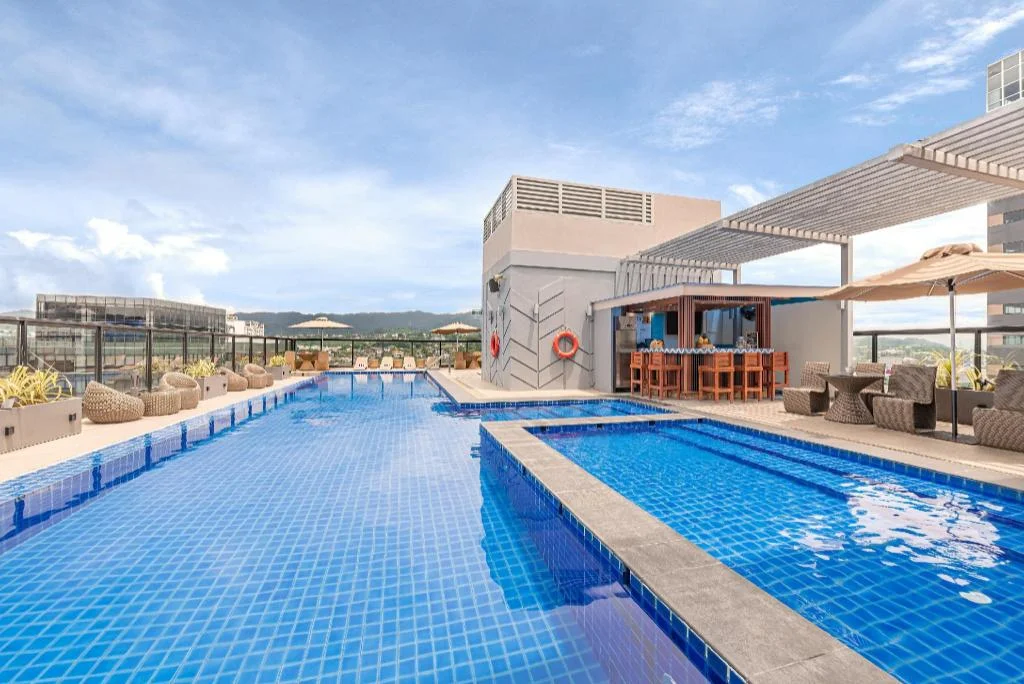
Seda Central Bloc Cebu City
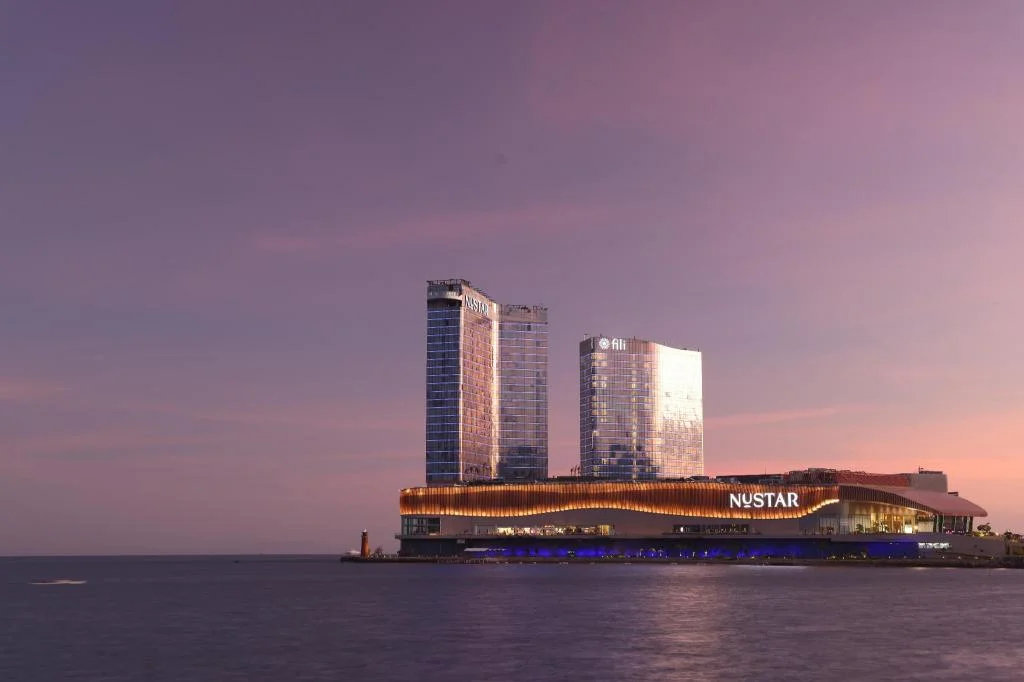
Fili Hotel - NUSTAR Resort & Casino Cebu
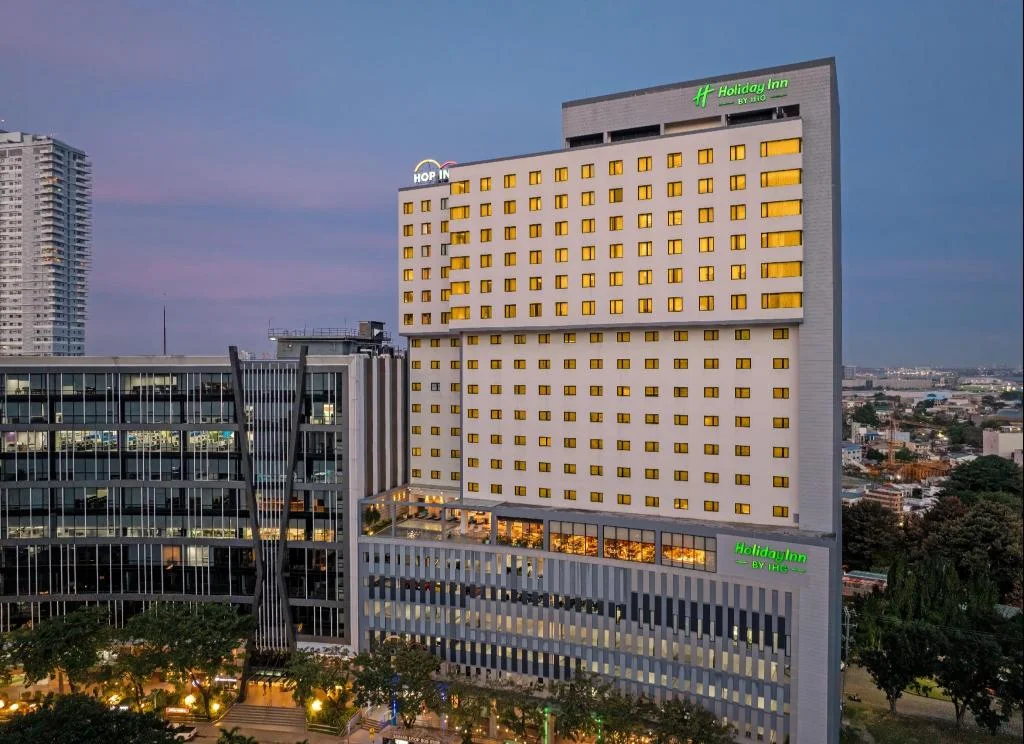
Holiday Inn Cebu City By IHG
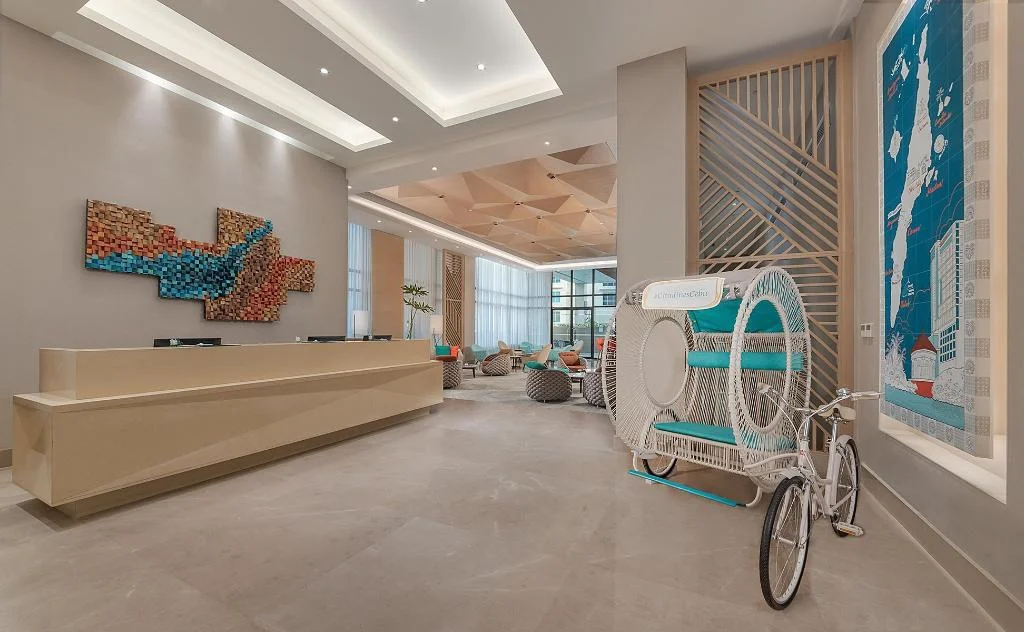
Citadines Cebu City
Prefer a rental? Vacation rentals near Cebu City
Self-catering condos and apartments — book the exact unit, kitchen included.
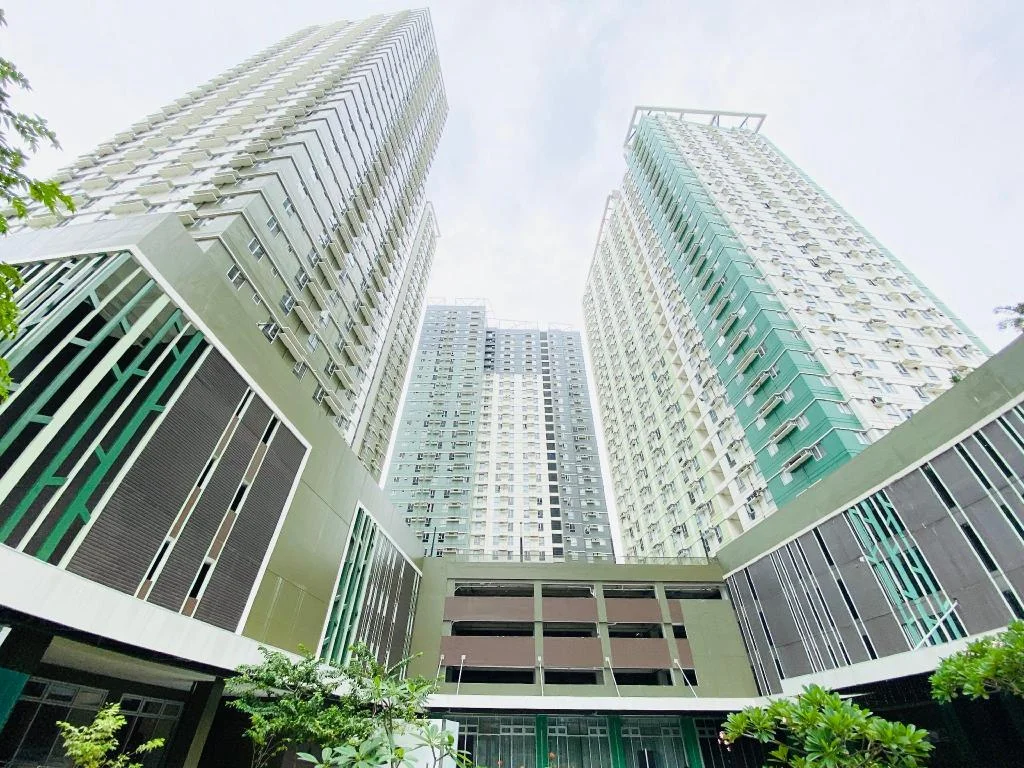
Cebu Avida Riala by P&J
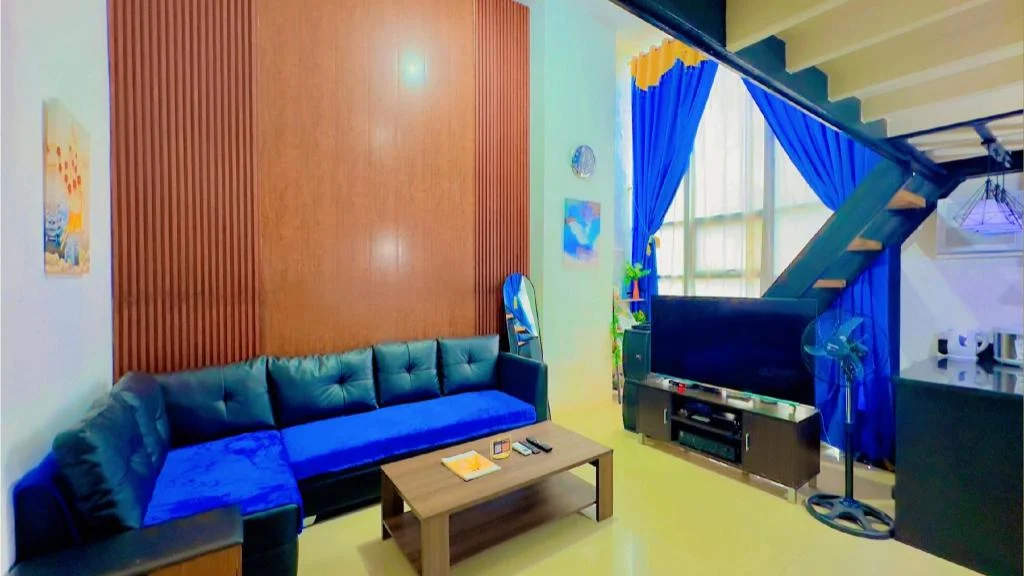
Special Big Loft Unit w/Fibreop Internet & Netflix
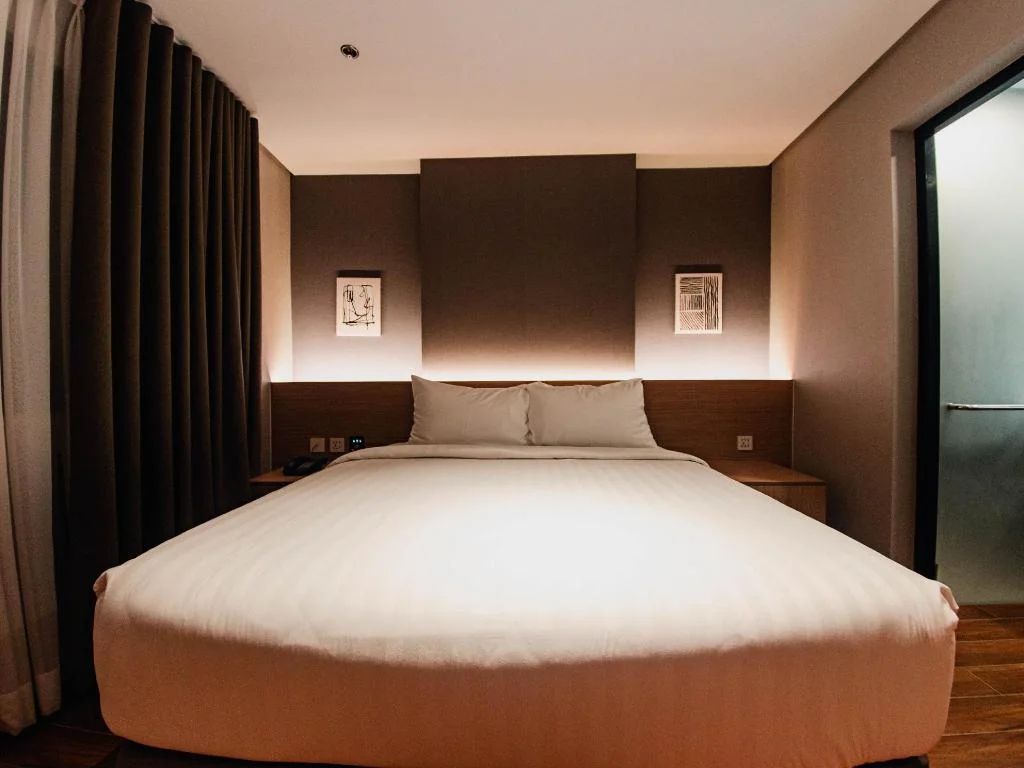
Moonstar Cebu Hotel - Deluxe Room
Before you go
Frequently asked
What are the best WWII sites in Cebu?
Where did the Americans land in Cebu in 1945?
What did the Japanese do at Fort San Pedro during the war?
Where did the Japanese surrender in Cebu?
Is Mt. Manunggal a World War II site?
Are Cebu's WWII sites free to visit?
How long does a WWII history day in Cebu take?
Who was James Cushing?
More Places to Explore
Fort San Pedro
Cebu City
The oldest and smallest triangular fort in the Philippines (1565), a well-preserved Spanish colonial military structure with a history museum.
Heritage of Cebu Monument
Cebu City
A dramatic sculptural tableau by Eduardo Castrillo depicting key moments in Cebu's history, from Magellan's arrival to modern times.