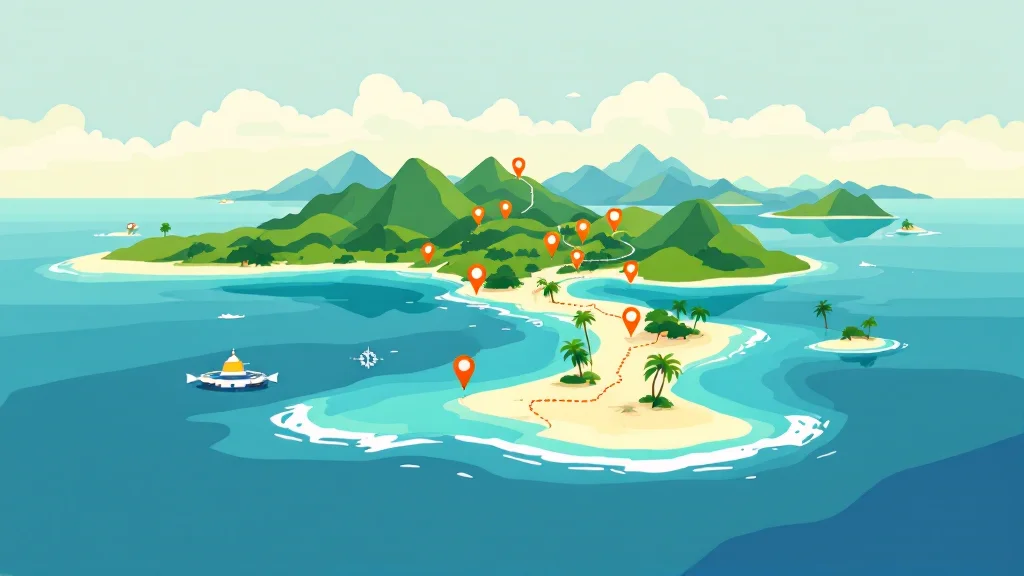
TL;DR: Three days, real churches, real fees. Day one covers Cebu City’s heritage core — Magellan’s Cross, the Basilica del Santo Niño, Fort San Pedro, and the Parian museum houses — almost all free or under ₱150 (US$2.42). Day two runs south for a 10–11 hour church circuit: Carcar’s St. Catherine of Alexandria and lechon market, Simala Shrine in Sibonga (free, strict dress code), Argao’s San Miguel Arcangel, and Boljoon’s fortress church, a National Cultural Treasure. Day three is food and craft — Carbon Market, pasalubong, and whatever heritage stop you skipped. Verified July 2026.
Cebu doesn’t get credit for it, but this is where Christianity in the Philippines started, where the first Spanish fort in the country still stands, and where entire southern towns still run on Spanish-colonial plazas and coral-stone churches. This itinerary skips the beaches and canyoneering entirely and treats Cebu as what it actually is underneath the resorts: the oldest city in the country. Day one stays downtown around Magellan’s Cross, the Basilica del Santo Niño, and Fort San Pedro. Day two heads south through four churches that most first-time visitors never see. Day three is for food, craft, and catching your breath. It’s built for travelers who want the history and the architecture more than the sardine run — pair it with our Cebu cultural heritage walking tour if you want the downtown day expanded into a slower half-day walk.
Heritage Sites & Fees at a Glance
| Site | Location | Entrance fee | Notes |
|---|---|---|---|
| Magellan’s Cross | Cebu City | Free (donations welcome) | Open ~8 AM–6 PM daily |
| Basilica del Santo Niño | Cebu City | Free | Mass schedule varies; museum wing may have a small fee |
| Fort San Pedro | Cebu City | ~₱50 (US$0.81); ₱40 students/seniors | Older ₱30 local rate still cited by some sources — confirm at gate |
| Casa Gorordo Museum | Cebu City (Parian) | ~₱100 (US$1.61); ₱150 with guide | Hours ~10 AM–6 PM |
| Yap-Sandiego Ancestral House | Cebu City (Parian) | ~₱100 (US$1.61) | Hours ~9 AM–7 PM |
| Heritage of Cebu Monument | Cebu City | Free | Open-air, best visited late afternoon |
| Simala Shrine | Sibonga | Free (donations) | Parking ₱20–50; candles ~₱35; skirt rental ~₱20 |
| St. Catherine of Alexandria Church | Carcar City | Free | Pair with the public market next door |
| San Miguel Arcangel Church | Argao | Free | Coral-stone church completed 1836 |
| Boljoon Church | Boljoon | Free | National Cultural Treasure; donation box inside |
Peso prices at ₱62 ≈ US$1 (July 2026). Museum and fort fees change without much notice — treat these as a solid planning range and confirm at the gate. Verified July 2026.
Day 1: Cebu City’s Heritage Core
Spend the day on foot in downtown Cebu City — almost everything here is walkable, and most of it is free. Start early to beat both the heat and the tour-bus crowds that build up by mid-morning.
Begin at Magellan’s Cross, the wooden cross (in its current form, a replica encasing remnants of the original) marking the 1521 baptism of Rajah Humabon — free to view, donation box at the entrance. Walk two minutes to the Basilica del Santo Niño, home to the oldest Christian relic in the country, the Santo Niño image gifted by Magellan. Entry to the church is free; check the posted mass schedule before wandering in, since services take priority over sightseeing.
From there it’s a 10-minute walk to Fort San Pedro, the triangular Spanish-era fort built in 1565 — the oldest and smallest fort in the Philippines. Entrance runs around ₱50 (₱40 for students and seniors); a Cebu City ordinance to update the 2009 fee schedule was still under committee review in 2026, so the posted rate at the gate is the one that counts.
Spend the afternoon in the Parian district, the old Chinese-mestizo merchant quarter northeast of Fort San Pedro. Casa Gorordo Museum, the restored 19th-century home of Cebu’s first Filipino bishop, runs about ₱100 general admission or ₱150 with a guided walkthrough — worth the guide if you want the house’s history explained rather than just the rooms. A short walk away, the Yap-Sandiego Ancestral House — one of the oldest surviving houses in the Philippines, still lived in by descendants of the original family — charges around ₱100 per person. Close the day at the Heritage of Cebu Monument, a free, open-air bronze-and-coral sculpture complex depicting the city’s history from Rajah Humabon to Cardinal Rosales — best photographed in the late-afternoon light.
Day 2: South Cebu Church Route — Carcar, Simala, Argao, Boljoon
This is the ambitious day: four heritage stops across roughly 70 kilometers of coastal road, out and back from Cebu City. Leave by 7 AM if you’re driving yourself, earlier if you’re relying on public transport.
First stop, about 44 minutes south, is Carcar City. The St. Catherine of Alexandria Church anchors Carcar’s circular heritage plaza — an unusual layout for a Visayas town — surrounded by preserved Spanish-era mansions like the Mercado and Sa Tabuan houses. The current stone church dates to 1860–1875, rebuilt after Muslim raiders destroyed an earlier structure in 1622. Entry is free. Walk two minutes to the Carcar Public Market for the town’s real claim to fame: lechon, thick Carcar-style chicharon, and ampao (puffed-rice candy). Most of Cebu City’s named lechon shops either source from Carcar or copy its method, so this is the closest thing to the source.
Next, a short drive into Sibonga for Simala Shrine (Monastery of the Holy Eucharist), the castle-like Marian shrine that draws pilgrims from across the country. There’s no entrance fee — it runs on donations — but the dress code is strict and enforced: no sleeveless tops, no shorts above the knee, no see-through clothing. Long-skirt rentals are available at the gate for about ₱20 if you show up underdressed. Parking runs ₱20–50, and votive candles cost around ₱35.
From Sibonga, continue about 20–30 minutes to Argao, where San Miguel Arcangel Church — a coral-stone Baroque church begun in 1735 and completed in its present form by 1836 — sits on another well-preserved Spanish plaza. Entry is free, and the church’s convent and bell tower are worth a slow look before you move on.
The final stretch, another 30 minutes south, reaches Boljoon and its fortress Boljoon Church (Archdiocesan Shrine of Our Lady of Patronage). Built from coral stone on a hilltop originally for coastal watch duty against Moro raids, it’s a National Cultural Treasure and sits on the tentative list for UNESCO’s Baroque Churches of the Philippines extension — and it’s the least visited of the four. If the full route feels long, this is the stop to cut; Carcar, Simala, and Argao alone still make a complete day.
Getting around this route: a private van with driver covers all four stops far more comfortably than public buses, which exist along this corridor but mean waiting and multiple transfers. Search Klook for South Cebu heritage and church tours if you’d rather join a scheduled trip, or check GetYourGuide for private Simala and south Cebu transfers if you want your own vehicle without driving yourself.
Day 3: Food, Craft, and Catching Your Breath
Use the third day for the parts that don’t fit a checklist — food, market culture, and whatever heritage stop got cut from days one and two. Start at Carbon Market, Cebu City’s oldest and largest public market, for produce, dried goods, and cheap street food — it pairs naturally with a stop at Colon Street, generally cited as the oldest street in the Philippines. If you skipped it on day one, the Heritage of Cebu Monument and the Cebu Taoist Temple in Beverly Hills subdivision both work as a half-day add-on with a view over the city.
Round out the day with a sit-down lechon lunch — Cebu’s lechon culture is a heritage thread in itself, not a side note — and set aside an hour for pasalubong shopping: dried mangoes, otap, and Carcar-style chicharon travel well if you bought them fresh the day before. This is also the easiest day to slot in the Cebu Taoist Temple or a return visit to any Parian museum you rushed through.
How to Sequence It If You Only Have Two Days
Drop Boljoon and this compresses cleanly into two days: day one stays the same (downtown core), day two becomes Carcar, Simala, and Argao only, which cuts roughly two hours of driving and gets you back to Cebu City by late afternoon instead of after dark. If you only have one day total, stick to the downtown core in Day 1 above and treat the south churches as a future trip — trying to cram both in one day means rushing every stop.
The Honest Take
The downtown heritage core is compact, cheap, and genuinely worth a full day — don’t rush it just because none of the individual stops takes long. The south-Cebu church route is the one people skip, and that’s the point: Carcar gets some day-trip traffic for the lechon, but Simala pilgrims rarely continue on to Argao and Boljoon, so those two churches feel closer to how Cebu actually lived a hundred years ago than anything downtown does. The trade-off is a long day on provincial roads with patchy signage and no real tourist infrastructure between stops — bring cash, because card payment is unreliable outside Cebu City and Carcar. Simala’s crowds swing hard on weekends and around Marian feast days; a weekday visit is noticeably calmer. Skip this itinerary entirely if beaches and diving are what you came for — this is a history-first plan, and it deliberately doesn’t touch the coast.
Keep Exploring Cebu’s History
This itinerary only covers the Catholic and colonial layer — pair it with our guide to Spanish colonial Cebu for more architectural context, or read Cebu’s history from the Rajahnate to now for the fuller timeline before you go. If south Cebu’s churches hooked you, the south route church heritage trail goes deeper into towns this itinerary only touches. Book your Cebu City base near the heritage core — compare hotel rates in Cebu City on Agoda — so day one is a short walk and day two starts early.
Sources
- Sinulog Foundation and Basilica del Santo Niño — official parish information
- Fort San Pedro fee reporting, SunStar Cebu, 2026 committee review of the 2009 fee ordinance
- Casa Gorordo Museum and Yap-Sandiego Ancestral House visitor guides, 2024–2025
- Simala Shrine visitor guides and dress-code reporting, 2025
- Boljoon Church — National Museum of the Philippines cultural treasure designation; Wikipedia
- Carcar, Argao, and south Cebu heritage church reporting, MyCebu.ph and Heritage Conservation Society
- Verified July 2026.
Book Tours & Hotels for This Trip
Find and book the best deals — prices and availability update in real time. Links open in a new tab.
Where to stay near Cebu City
Top-rated hotels for this trip — tap through to check live rates.
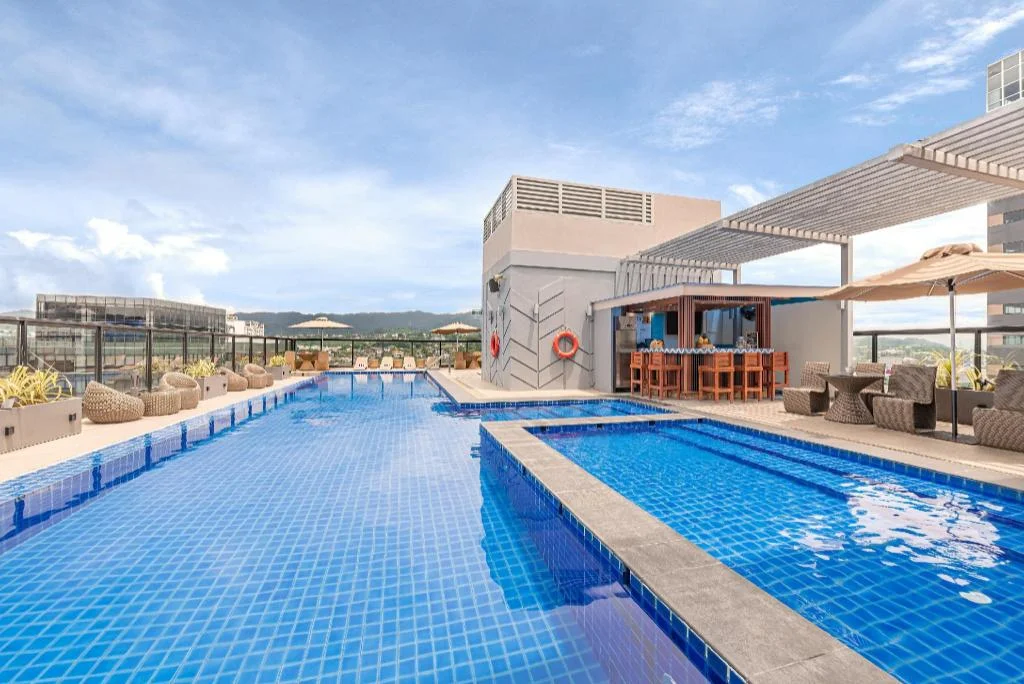
Seda Central Bloc Cebu City
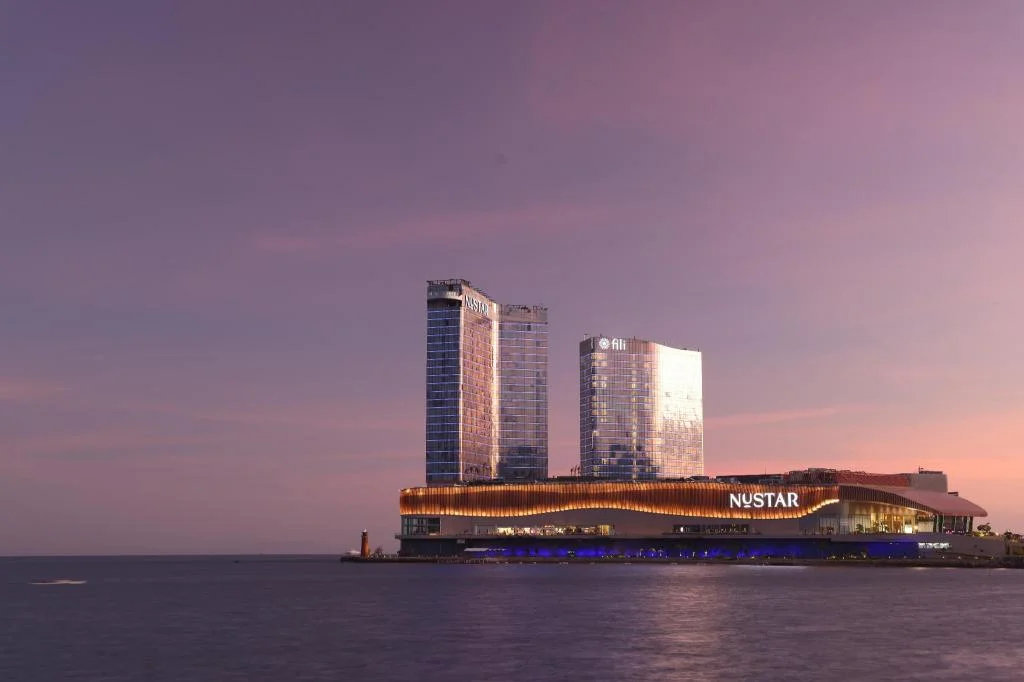
Fili Hotel - NUSTAR Resort & Casino Cebu
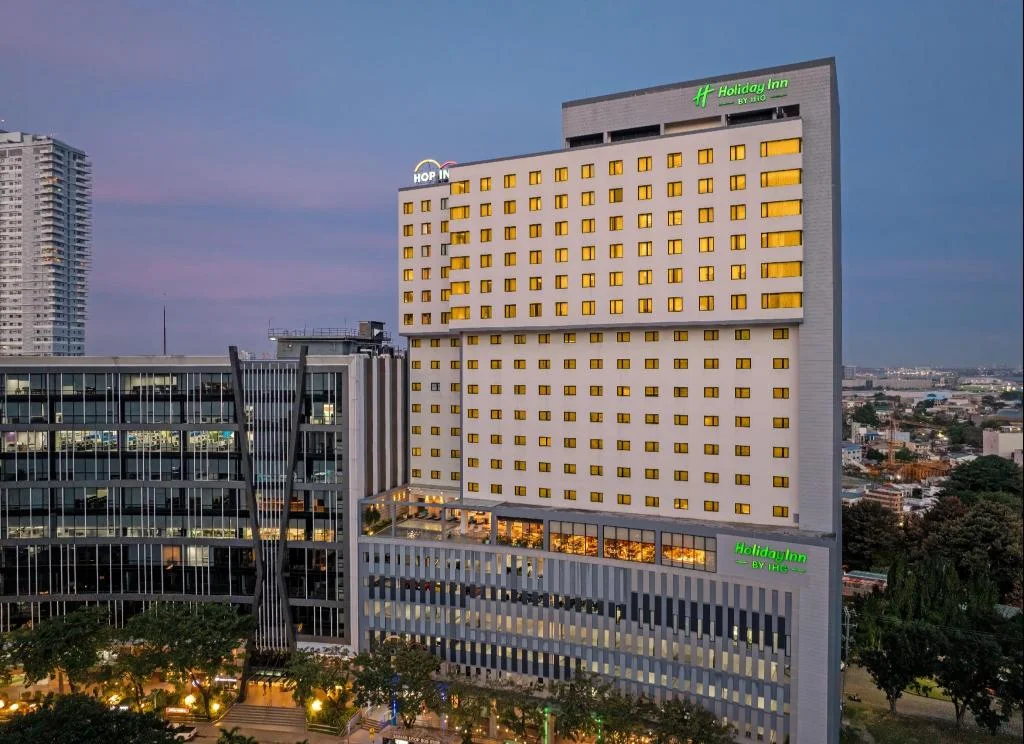
Holiday Inn Cebu City By IHG
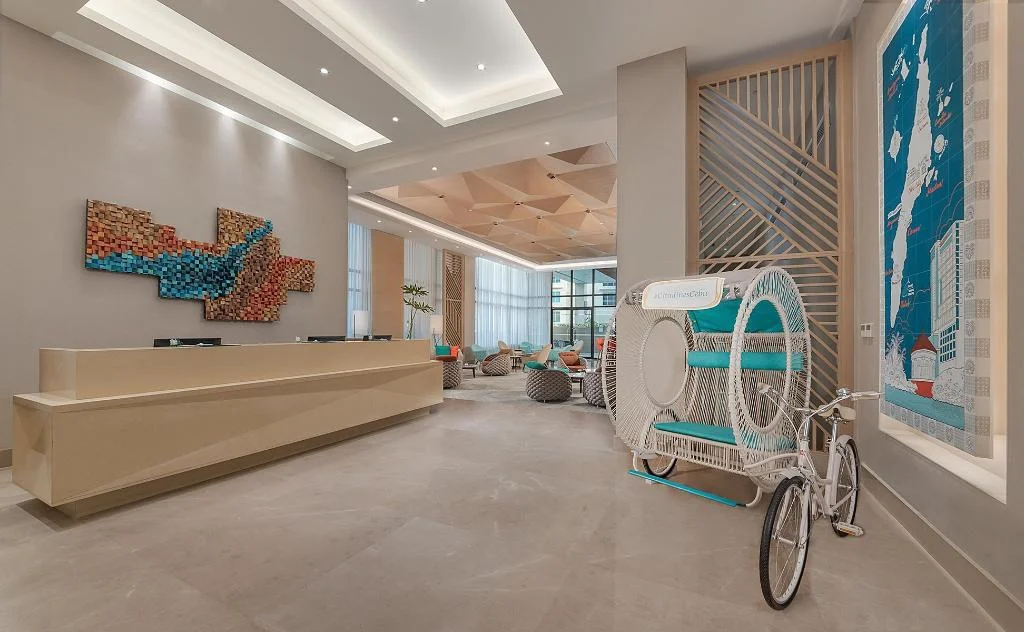
Citadines Cebu City
Prefer a rental? Vacation rentals near Cebu City
Self-catering condos and apartments — book the exact unit, kitchen included.
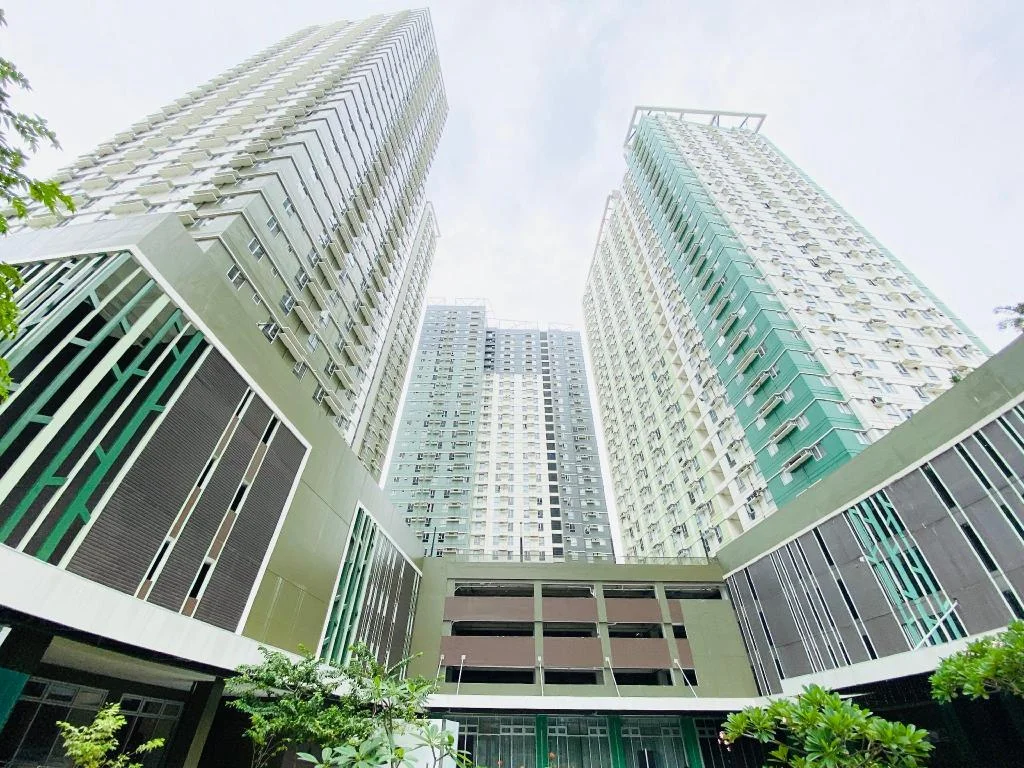
Cebu Avida Riala by P&J
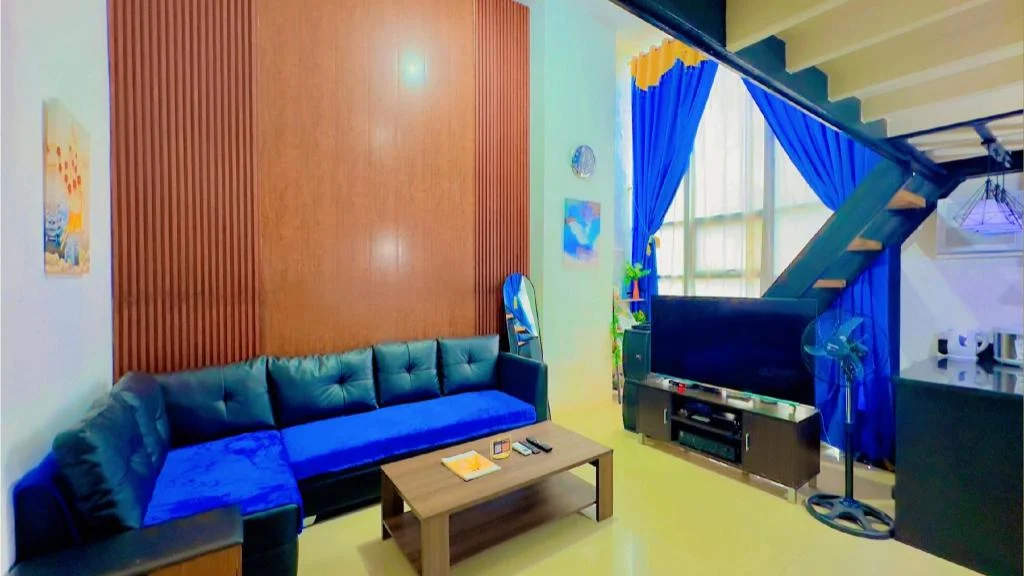
Special Big Loft Unit w/Fibreop Internet & Netflix
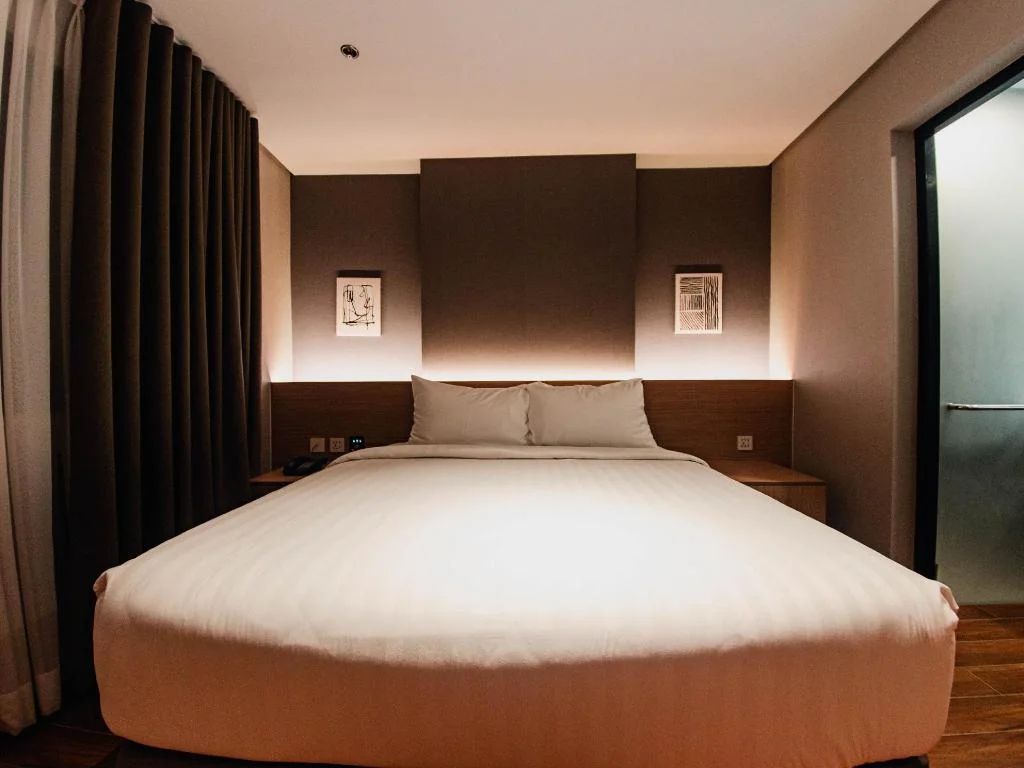
Moonstar Cebu Hotel - Deluxe Room
Before you go
Frequently asked
How many days do you need for a Cebu heritage itinerary?
Is Simala Shrine free to enter?
What's the dress code at Simala Shrine?
How much does Fort San Pedro cost to enter?
Can you visit Carcar, Simala, Argao, and Boljoon in one day?
Do you need a car to do the south Cebu church route?
Is Boljoon Church worth the extra drive?
What should I eat on this itinerary?
More Places to Explore
Magellan's Cross
Cebu City
The historic cross planted by Ferdinand Magellan in 1521, marking the birth of Christianity in the Philippines and now a National Cultural Treasure.
Basilica del Santo Niño
Cebu City
The oldest church in the Philippines (1565), home to the miraculous Santo Niño image and center of the famous Sinulog Festival.
Fort San Pedro
Cebu City
The oldest and smallest triangular fort in the Philippines (1565), a well-preserved Spanish colonial military structure with a history museum.
Heritage of Cebu Monument
Cebu City
A dramatic sculptural tableau by Eduardo Castrillo depicting key moments in Cebu's history, from Magellan's arrival to modern times.
Simala Shrine (Monastery of the Holy Eucharist)
Sibonga
A magnificent castle-like church and major pilgrimage site famous for miraculous healings, attracting millions of devotees to venerate the Virgin of Simala.
St. Catherine of Alexandria Parish Church
Carcar City
A magnificent 19th-century baroque church and National Cultural Treasure, serving as the centerpiece of Carcar's historic heritage district.